
1. Grapes & Raisins
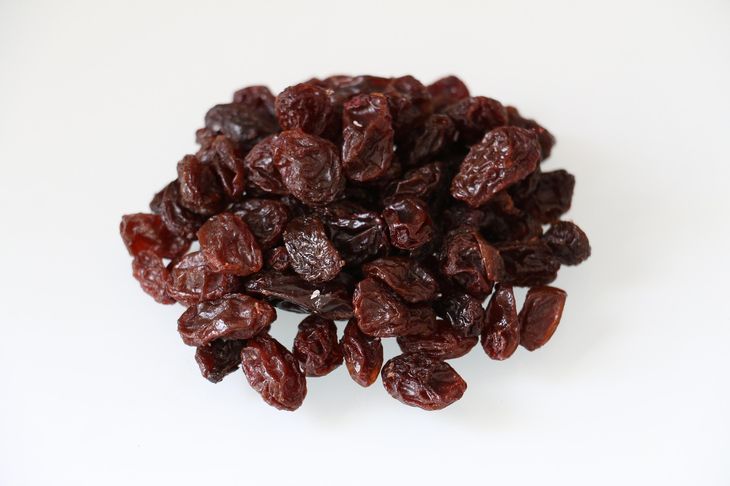
Look at your fruit bowl. Those grapes could send your dog to the vet tonight. Sounds crazy — they are just fruit. But here is the strange part: nobody knows why grapes hurt dogs.
One dog can eat ten and walk away fine. Another eats two and the kidneys start shutting down. There is no safe number. Raisins are even worse — same poison, more concentrated. Skip the grape next time. Hand them a carrot instead. The next one is in almost “every home” on earth.
2. Chocolate

Almost everyone knows this rule. But here is what most people miss — not all chocolate is the same. A big dog who steals a milk chocolate cookie? Probably fine. A small dog who finds dark chocolate? Real emergency.
The darker, the more dangerous. Baking chocolate is the worst. The villain is theobromine — humans break it down easily, dogs cannot. Symptoms can take six to twelve hours: shaking, racing heart, restlessness. If your dog eats chocolate, do not wait. The next one might be the scariest on this list.
3. Xylitol
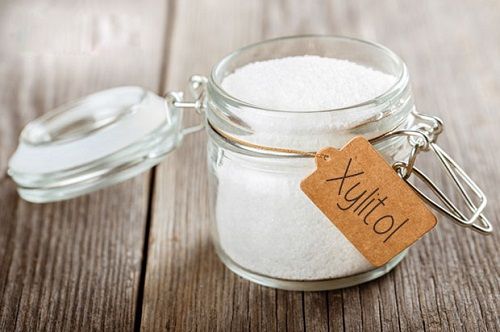
This one is the silent killer. Xylitol hides in plain sight — sugar-free gum, mints, some peanut butter, toothpaste, even some vitamins. For people, it is fine. For dogs, one of the most dangerous things in your home.
The dog’s body thinks sugar arrived and dumps insulin. But there is no real sugar. Blood sugar crashes within 30 minutes. A few pieces of gum can do this to a medium-sized dog. Flip the peanut butter jar — if you see “xylitol” or “birch sugar,” throw it out. Next up is something you “probably cooked” with this week.
4. Onions & Garlic
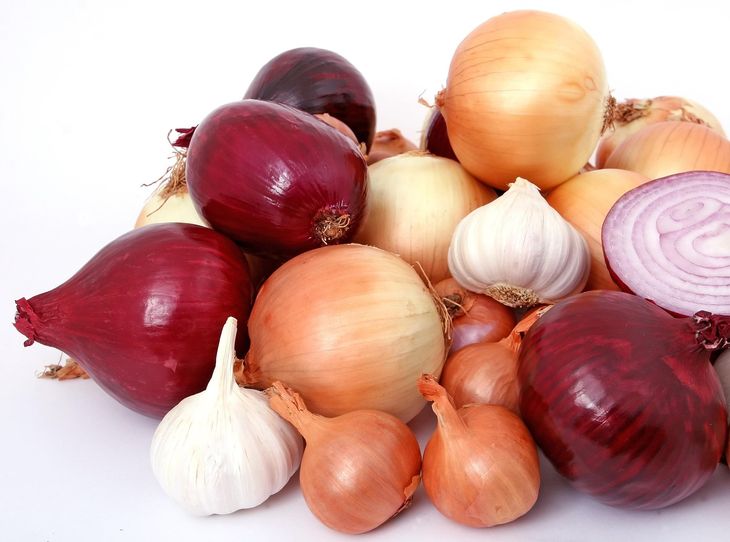
Onions and garlic are everywhere — pasta sauce, pizza, soup, leftovers, baby food, takeout. It does not matter if they are raw, cooked, powdered, or dried. All forms are toxic to dogs. Powdered versions are even more concentrated.
The chemicals attack red blood cells and cause anemia — weakness, pale gums, fast heartbeat. Symptoms can take days to show up. Your dog might steal garlic bread Monday and seem fine until Thursday. No human leftovers with sauce or seasoning. Plain rice and chicken? Fine. Pizza crust? Skip it. The next one has a bizarre effect on dogs.
5. Macadamia Nuts
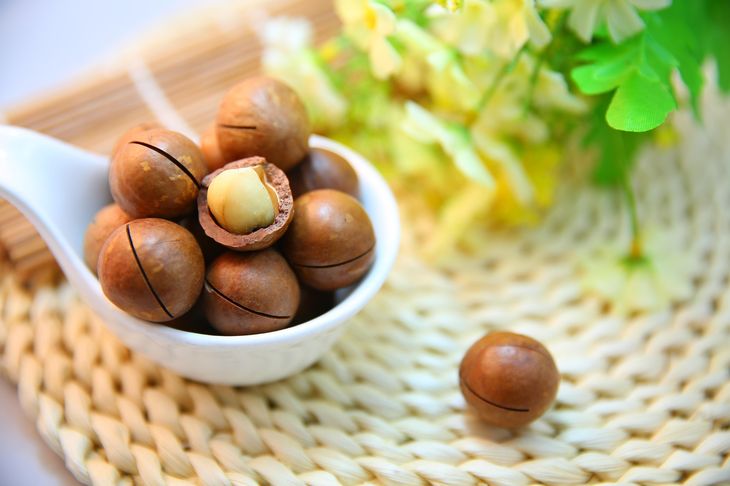
Of all nuts in the world, macadamias are special. And not in a good way. They cause a strange reaction unique to dogs — weakness in the back legs. Your dog cannot walk properly. They wobble. Sometimes they cannot stand.
Vets call this macadamia toxicosis. The exact toxin is still unknown. Most dogs recover within 48 hours, but it is scary while it lasts. A small dog only needs a few nuts. They often hide in cookies, trail mix, and white chocolate desserts. Watch dessert tables at parties. The next item is everywhere in healthy diets right now.
6. Avocado
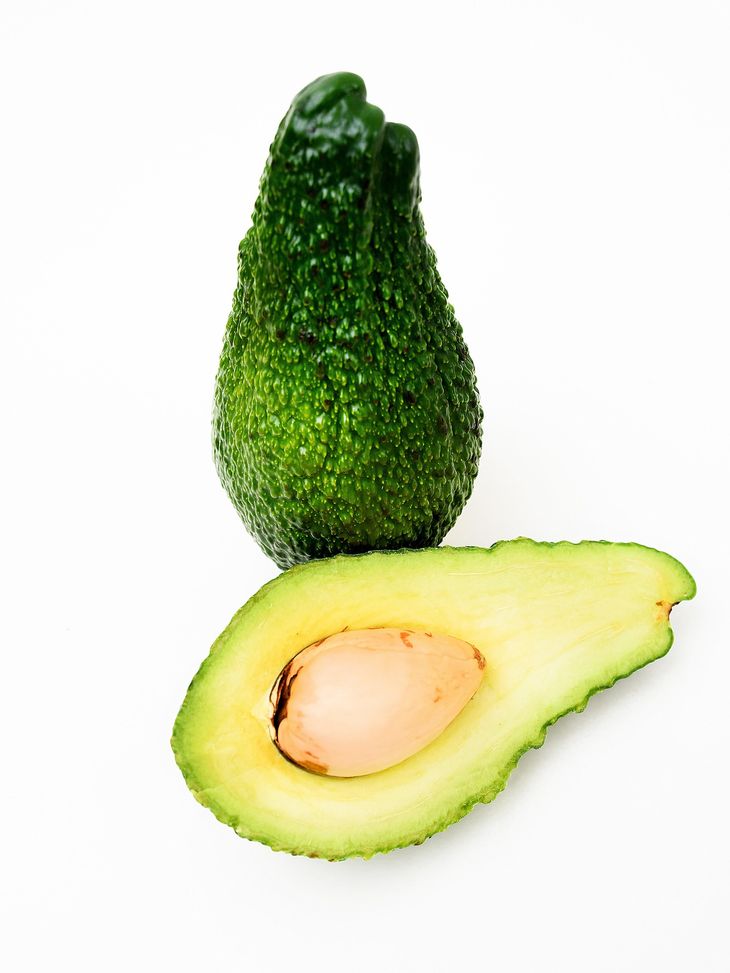
Avocado is the king of “healthy” foods right now. So is it safe for dogs? It depends on the part. The flesh contains persin — harmless to humans, but it can cause stomach upset, vomiting, and diarrhea in dogs.
Most dogs handle small amounts of flesh okay. The real danger is the pit — perfect size to get stuck in the throat or intestines, sometimes requiring surgery. The skin and leaves have even higher persin levels. A dropped slice? Probably fine. The pit, skin, or peel? Never. Up next — the obvious one with a twist most people miss.
7. Alcohol

You already know this one. Beer, wine, cocktails — off-limits. But alcohol shows up in places you might not expect: hand sanitizer, mouthwash, cooking wine, vanilla extract, some bread doughs, even certain perfumes if licked.
Dogs are much more sensitive than humans. A tiny amount causes major problems — stumbling, confusion, slow breathing, sometimes coma. Symptoms come on fast. The most common scenario? A party. Someone leaves a drink on a low table. If you are hosting, watch glasses on low surfaces. The next one is in your morning routine.
8. Caffeine

If chocolate is bad, caffeine is worse. Coffee, tea, energy drinks, diet pills — all dangerous. Caffeine and theobromine are cousins, and they affect dogs the same way: racing heart, restlessness, tremors, sometimes seizures.
A few sips of coffee can seriously harm a small dog. Used coffee grounds in the trash are also a hazard — some dogs love digging through the bin. Tea bags too. Keep mugs off low tables. Dispose of grounds in a sealed container. Never share a sip as a “treat.” The next one is the strangest entry on this list.
9. Raw Yeast Dough
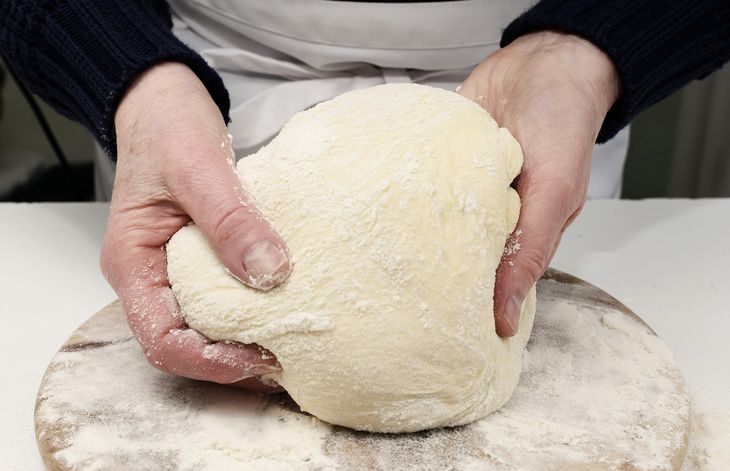
This sounds made up. It is not. If a dog eats raw bread dough, two things happen — both bad. First, the dough rises inside the stomach. The warm, wet environment is perfect for yeast. The dough expands and can twist or block the stomach.
Second, the yeast ferments. Fermentation produces alcohol — your dog ends up drunk on top of having an expanding stomach. Symptoms: swollen belly, weakness, vomiting, disorientation. Most common during holidays when dough rises on the counter. Rise yours in a closed oven instead. The next one breaks a rule every cartoon has taught us.
10. Cooked Bones
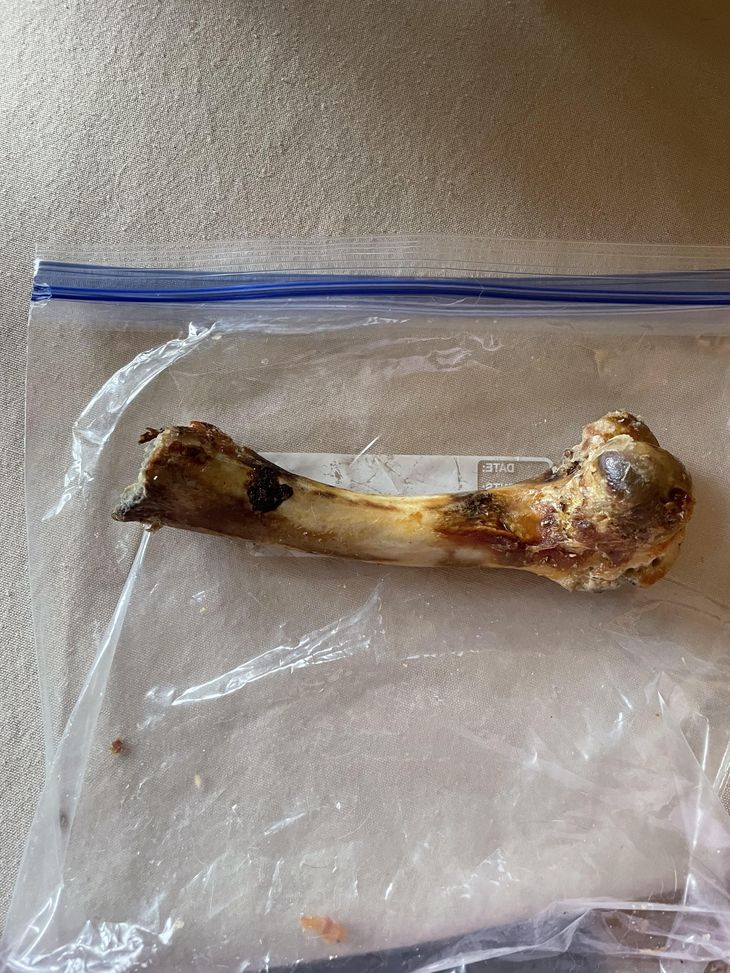
For as long as cartoons have existed, dogs have been shown gnawing on bones. But there is a problem — cooked bones are dangerous. When cooked, bones become brittle.
They splinter into sharp pieces that can cut the mouth, get stuck in the throat, puncture the stomach, or tear up the intestines — a true emergency. This includes chicken, turkey, pork, and rib bones. Almost every vet agrees: keep cooked bones away. Bag them and take the trash outside. You are halfway through. The next one is for fans of the raw food trend.
11. Raw Salmon
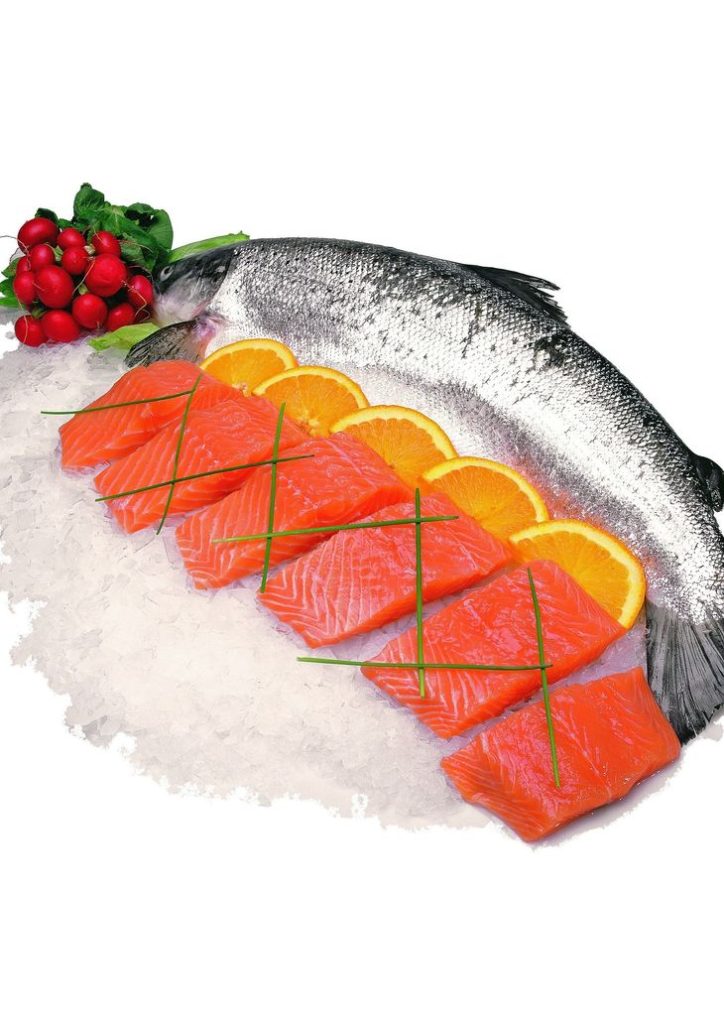
Raw food diets are popular right now. Most raw foods are debatable — raw salmon is different. Raw or undercooked salmon (especially from the Pacific Northwest of the United States) can carry a parasite that causes *Salmon Poisoning Disease*.
The name is not exaggerated. Without treatment, this disease can be fatal within two weeks. Symptoms: vomiting, fever, weakness, swollen lymph nodes. The good news? Cooking the salmon kills the parasite — cooked salmon is actually good for dogs in moderation. Same rule for trout from that region. The next one is much milder — time for a small breather.
12. Milk & Dairy
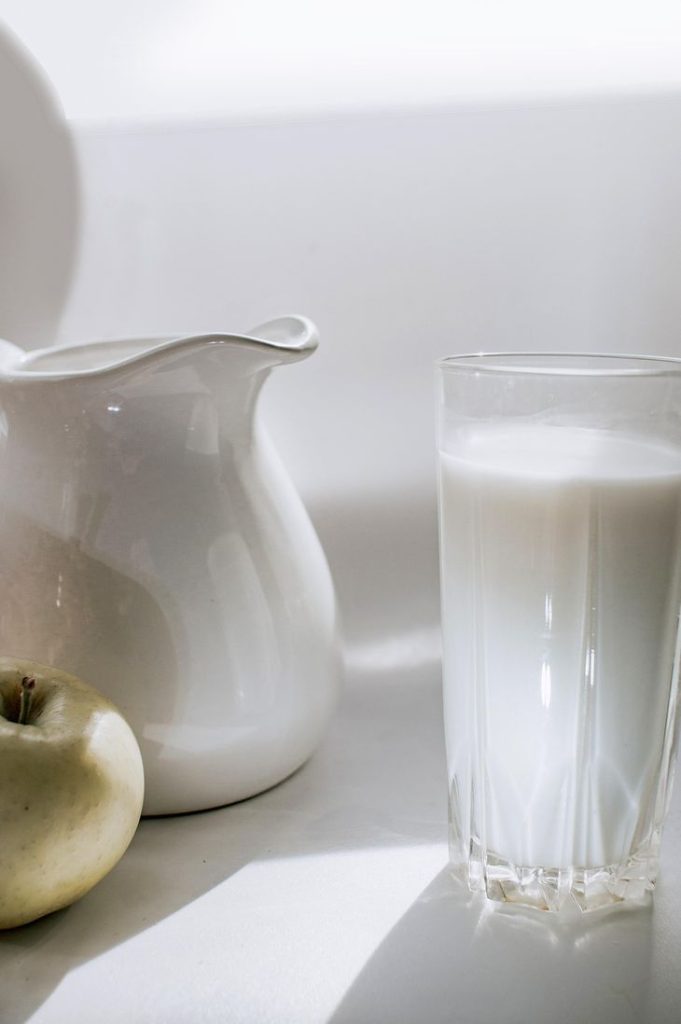
Cute photo: dog drinking from a saucer of milk. Reality: that dog probably has an upset stomach an hour later. Most adult dogs are lactose intolerant, just like many humans.
Their bodies stop producing the enzyme that digests milk sugar after puppyhood. The result is gas, bloating, diarrhea, and vomiting. Not life-threatening like xylitol, but uncomfortable for the dog and messy for you. A whole bowl of ice cream on a hot day? Not a great idea. Look for dog ice cream at the pet store instead. Next up — something you “probably ate at the movies“ last weekend.
13. Salty Snacks
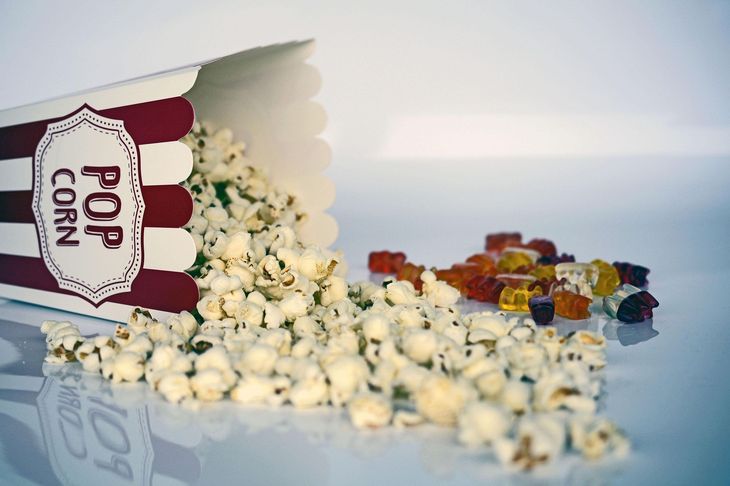
Movie night. Bowl of chips. Your dog stares. You toss a piece. It happens in every household. It is more harmful than most realize. Salt is toxic to dogs in large amounts — a condition called salt poisoning.
Symptoms include excessive thirst, vomiting, diarrhea, tremors, and in severe cases, seizures. Danger zone: chips, salted popcorn, pretzels, salted nuts, beef jerky. Same goes for homemade play dough — often loaded with salt. A few pieces will not poison a healthy dog, but a whole bag is a real problem. Now the partner of salt in human cooking.
14. Fatty Foods
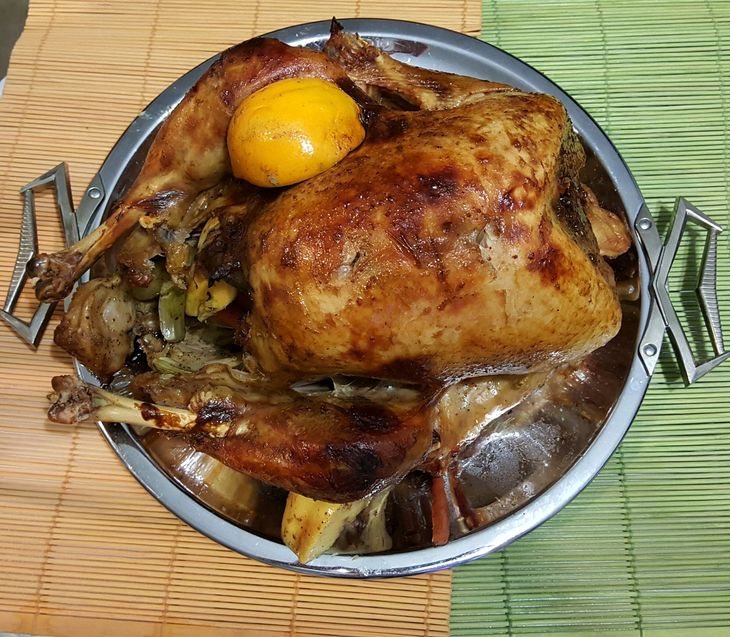
Salt and fat are best friends in human cooking. Both are bad for dogs — but fat brings its own problem: pancreatitis. This inflammation of the pancreas is one of the most common reasons dogs hit the emergency vet.
Common culprits: bacon, turkey skin, ham, sausage, fried foods, butter, fast food. Symptoms appear within a day or two — vomiting, loss of appetite, hunched posture. Severe cases can be life-threatening. Miniature Schnauzers, Yorkies, and Cocker Spaniels are especially at risk. The biggest danger? Holiday tables. The next one sounds straight out of a murder mystery.
15. Cherry Pits
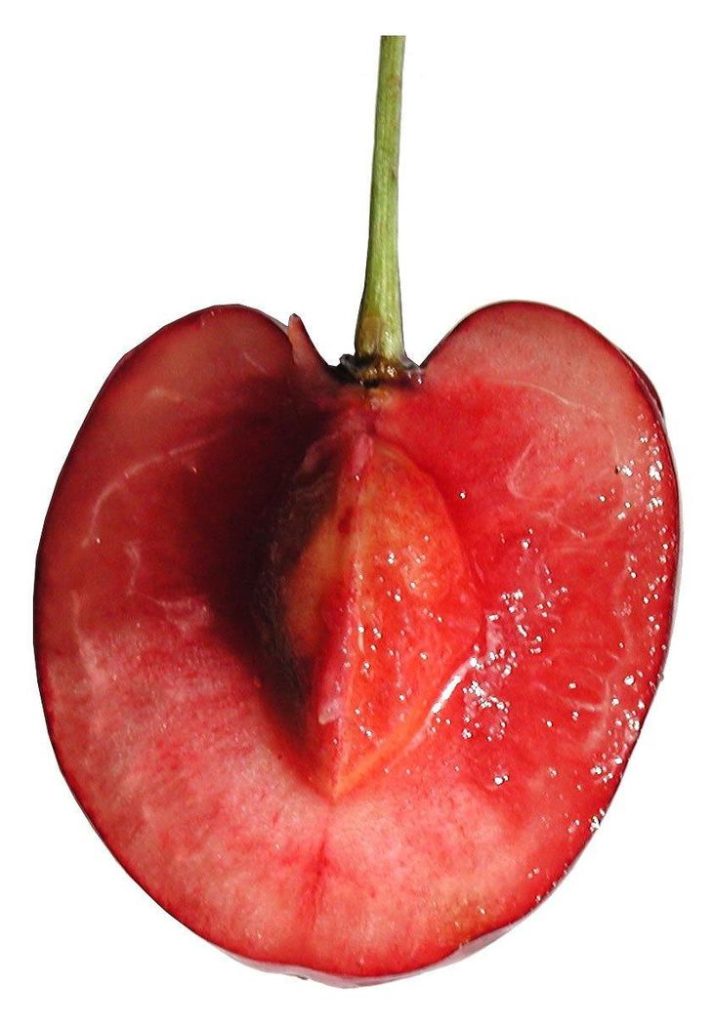
Cherries themselves are not the main villain. The pits are. Cherry pits contain cyanide — yes, that cyanide, the poison from old detective movies. The flesh is mostly safe, but the pit, stem, and leaves contain amygdalin, which converts to cyanide when chewed.
Symptoms: difficulty breathing, bright red gums, dilated pupils, shock. A single pit rarely poisons a medium dog. Two real dangers exist — choking and intestinal blockage, and eating multiple pits if a dog raids a bowl. If you have a cherry tree, pick up fallen fruit. The next one involves a fruit you probably have right now.
16. Apple Seeds
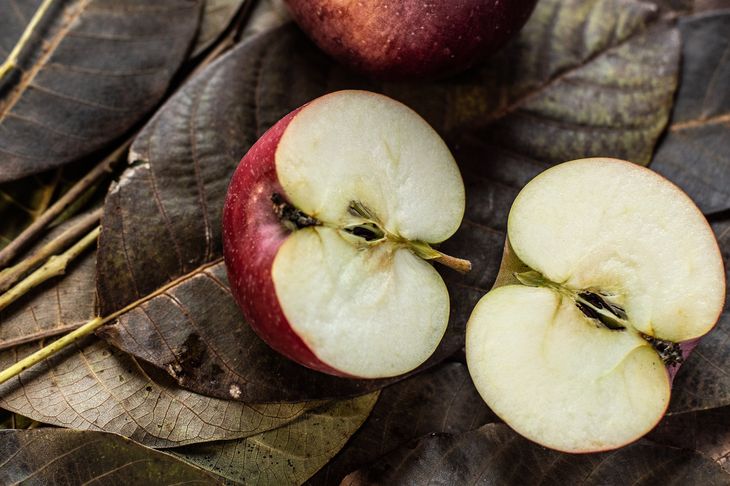
Apples are great for dogs — crunchy, sweet, low-calorie, full of vitamins. But the seeds are a different story. Apple seeds also contain cyanide compounds — same family as cherry pits.
The amount per seed is small. But here is the catch — dogs are not careful eaters. If they eat a whole apple core, the seeds get crushed and the cyanide releases. The core is also a choking hazard. Wash, cut around the core, toss the seeds in a sealed bin. Same for pears, peaches, plums, apricots. Next — a spice that “smells like Christmas”.
17. Nutmeg
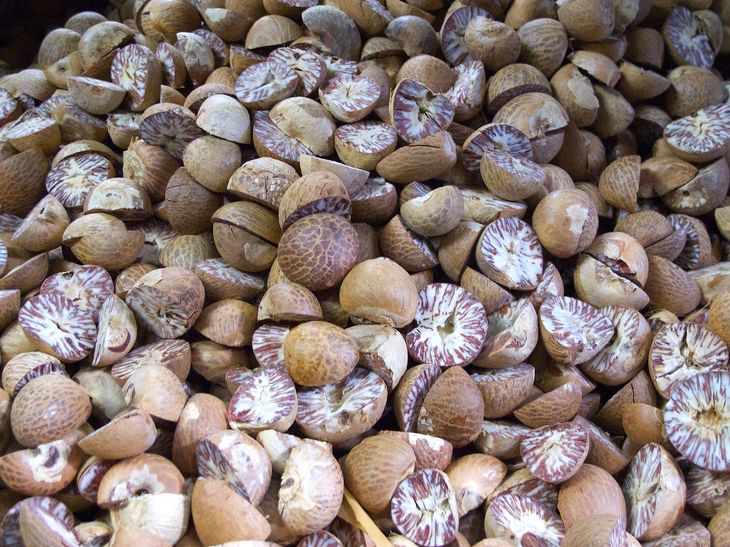
This one surprises almost everyone. Nutmeg is toxic to dogs. The culprit is myristicin — in high doses, it causes hallucinations, disorientation, racing heart, and seizures.
A sprinkle on your latte is unlikely to harm a healthy dog. The real danger is baked goods and holiday treats with generous amounts. Watch out for pumpkin pie, eggnog (also has dairy and alcohol — triple threat), spice cake, and holiday cookies. If your dog steals a slice of pie, call your vet. No human baked goods for dogs. The next item is hiding in your backyard.
18. Mushrooms
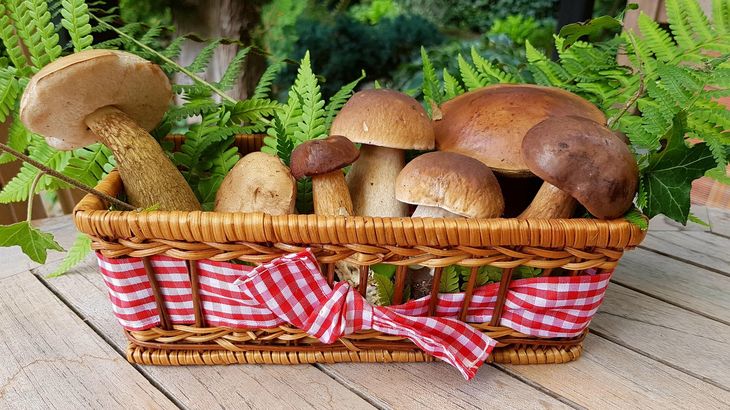
Dogs love to sniff. They sniff every weird spot in the yard, the park, and the woods. Sometimes they eat what they find. Wild mushrooms are a serious risk.
Most are harmless, but some — like the Death Cap and Destroying Angel — can cause liver failure and death within days. Even experts struggle to identify mushrooms in the wild. Smart rule: treat every wild mushroom as dangerous. If your dog eats one, photo or sample it (use a plastic bag) and head to the vet. The next one has a twist most people get wrong.
19. Tomato Leaves & Stems
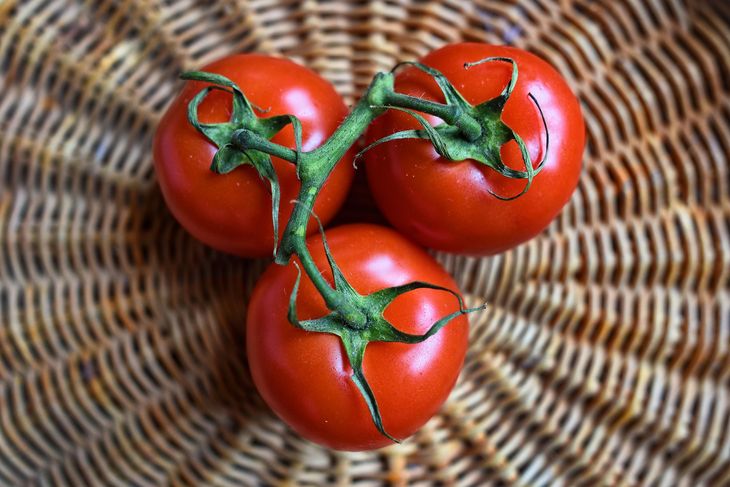
Are tomatoes safe for dogs? Yes and no. The ripe red flesh is generally safe in small amounts — even an ingredient in some commercial dog foods. But the green parts of the plant — leaves, stems, and unripe green tomatoes — are toxic.
These contain solanine, harmful to dogs and humans alike. Symptoms: weakness, confusion, drooling, upset stomach. Mostly a problem for households with vegetable gardens and curious puppies. Fence off the garden if you grow tomatoes. Just no leaves, no stems, no green ones. One last item — save room for it.
20. Persimmons
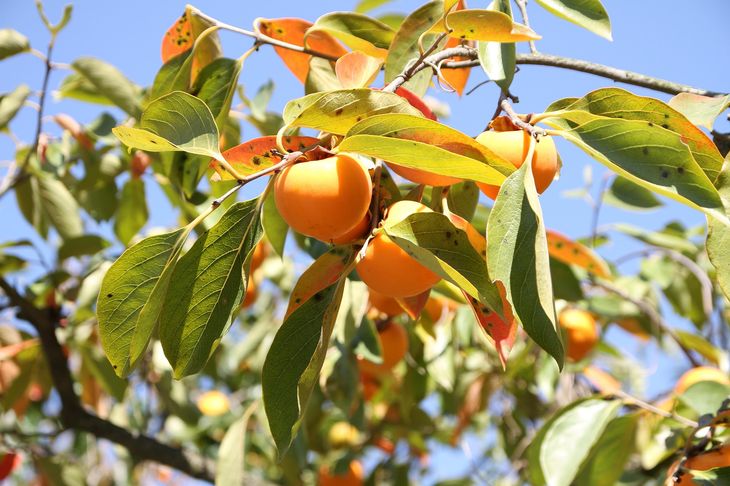
We end with a fruit that does not get talked about much. Persimmons are those bright orange fruits that look a little like tomatoes. Popular in fall and winter, common in fruit baskets and Asian-inspired desserts.
For dogs, they cause two problems. The seeds are large and hard — they cause intestinal blockage, sometimes requiring surgery. The flesh contains compounds that cause severe diarrhea, especially when unripe. Same warning for wild persimmons in some American states. If your dog grabs one, contact your vet — especially if seeds were swallowed.
A Final Word
Twenty foods. Twenty different ways your dog could end up at the vet. The good news? Now you know.
Three rules to remember — when in doubt, do not share. Keep the ASPCA Animal Poison Control number saved in your phone: (888) 426-4435, available 24/7. And trust your instincts — if your dog seems off after eating something unusual, call your vet. Your dog cannot read the label. That is your job. And now you are ready for it.