
I remember when my Miniature Schnauzer, Barnaby, would hide under the couch the second I brought out the heavy metal clippers, turning what should have been a simple task to cut schnauzer dog nails into a high-stress battle of wills. His thick, dark terrier claws made me incredibly nervous about cutting the quick, and his loud, dramatic protests only added to my guilt until we finally discovered a safer, whisper-quiet way to groom his paws at home. Our team at Zenpaw is dedicated to ending this stress forever.
Maxpro 3-in-1 Grinder.
Stress-Free Nail Trimming.
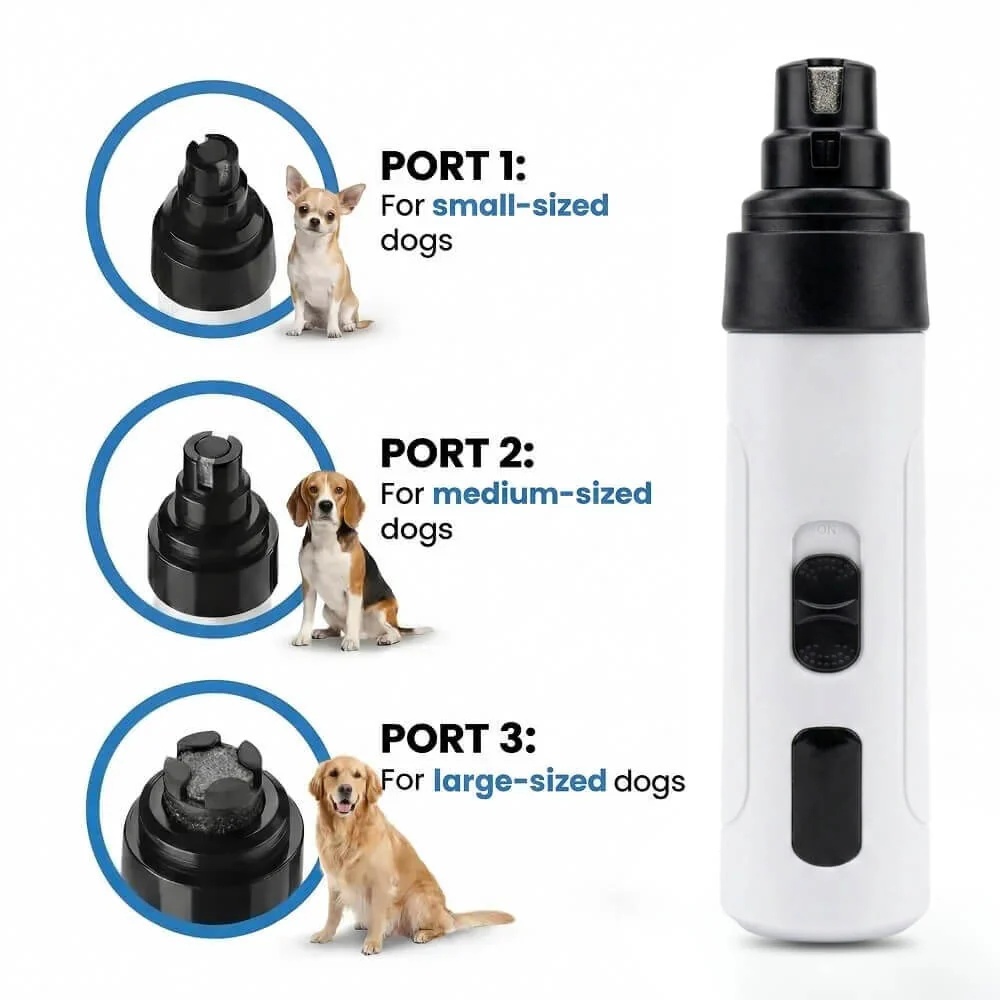
Whisper-quiet DC motor (<40 dB) eliminates fear & discomfort. Features 3 ports, dual speeds, and 7-hour battery life. Safe, precise, and painless.
In This Article
- Step-by-Step Trimming Tutorial: Learn how to cut schnauzer dog nails with clinical precision and zero mess.
- Terrier Anatomy Decoded: Discover how to find the elusive quick inside solid black or dark canine claws.
- Behavioral Desensitization: Master professional grooming tactics to soothe and calm vocal, anxious Schnauzers.
- Essential Paw Pad Care: Understand how hair length, pad hygiene, and trimming angles impact your dog’s gait.
How to Cut Schnauzer Dog Nails Safely: A Step-by-Step Guide

Trimming a Schnauzer’s tough claws requires unique preparation compared to other household breeds.
Unlike when you work to cut maltese dog nails, which are typically fine and brittle, Schnauzers have exceptionally thick and rigid claw structures.
You must gather premium tools, secure a quiet workspace, and ensure your dog is in a relaxed state of mind before beginning.
-
Step 1: Set Up a Quiet, Secure Grooming Station
Find a well-lit room in your home with a flat, non-slip surface like a table or counter.
Elevating your dog slightly can help minimize their urge to squirm or run away.
Keep a generous handful of high-value treats directly within your reach to reinforce calm behavior.
Introduce your trimming tools gently to establish a positive connection before touching their paws.
-
Step 2: Inspect and Clean the Paw Pad Area
Take each paw gently in your palm to inspect for any hidden debris, burrs, or raw spots.
Schnauzers love to explore and dig, which often leaves dirt trapped in their deep paw pockets.
Wipe the paw pads clean with a damp cloth to guarantee an unobstructed view of the nail structure.
This initial handling routine helps desensitize your dog to having their sensitive pads touched.
-
Step 3: Clear Away the Long Leg Furnishings
Schnauzers are famous for their beautiful, long leg hair and dense paw furnishings.
This gorgeous hair can easily get caught in a spinning grinder or completely block your view of the claw.
Gently pull the hair backward away from the toe, or slip a thin nylon stocking over the paw.
Pushing the individual nails through the mesh of a stocking isolates each claw and protects the hair beautifully.
-
Step 4: Locate the Curve and the Safe Cutting Zone
Identifying the quick on a dark Schnauzer claw is much harder than when you cut labrador dog nails.
Look carefully at the underside of the nail to find the distinct point where it curves downward.
The hollow, hook-like tip of the claw is generally safe to remove because it contains no live tissue.
Always work in tiny, microscopic increments rather than attempting to slice off large chunks of the nail.
-
Step 5: Trim or Grind at a Precise 45-Degree Angle
Hold your dog’s foot securely but gently using your non-dominant hand to stabilize the toe.
Position your trimming tool at a sharp 45-degree angle relative to the bottom of the pad.
This specific angle preserves the natural wear pattern of the claw when your dog walks on hard surfaces.
If you are using a grinder, apply light pressure for only two to three seconds per nail to avoid heat buildup.
-
Step 6: Polish the Tips and Inspect for the Quick
Examine the center of the freshly trimmed nail tip closely after each pass of your tool.
Look out for a tiny, dark gray or black circle in the absolute middle of the cut area.
This dark spot represents the protective outer sheath of the living quick.
Stop trimming immediately once you spot this circle to prevent any discomfort or bleeding.
To make this multi-step process completely painless, Team Zenpaw engineered the Maxpro 3-in-1 Grinder.
It provides the quiet, gentle power you need to trim thick Schnauzer nails without generating the scary vibrations of traditional tools.
You can discover our quiet, veterinarian-approved solution directly at the Zenpaw Maxpro 3-in-1 Grinder store page.
99-Day 100% Money-Back Guarantee
“Ever since we started using the Zenpaw Maxpro Grinder, it’s been such a peaceful experience. It’s very quiet, and my dog actually relaxes. It’s turned our stressful sessions into quick, quiet grooming times.”
— Sarah M. | ✔ Verified Customer
- ✓ Prevents Infection & Splitting
- ✓ Ideal for All Dog Sizes
- ✓ Low-Vibration Technology
- ✓ Fast 2-7 Days Delivery
Need Support? Call 302-307-1000
Understanding Canine Nail Anatomy: Navigating the Dark Quick
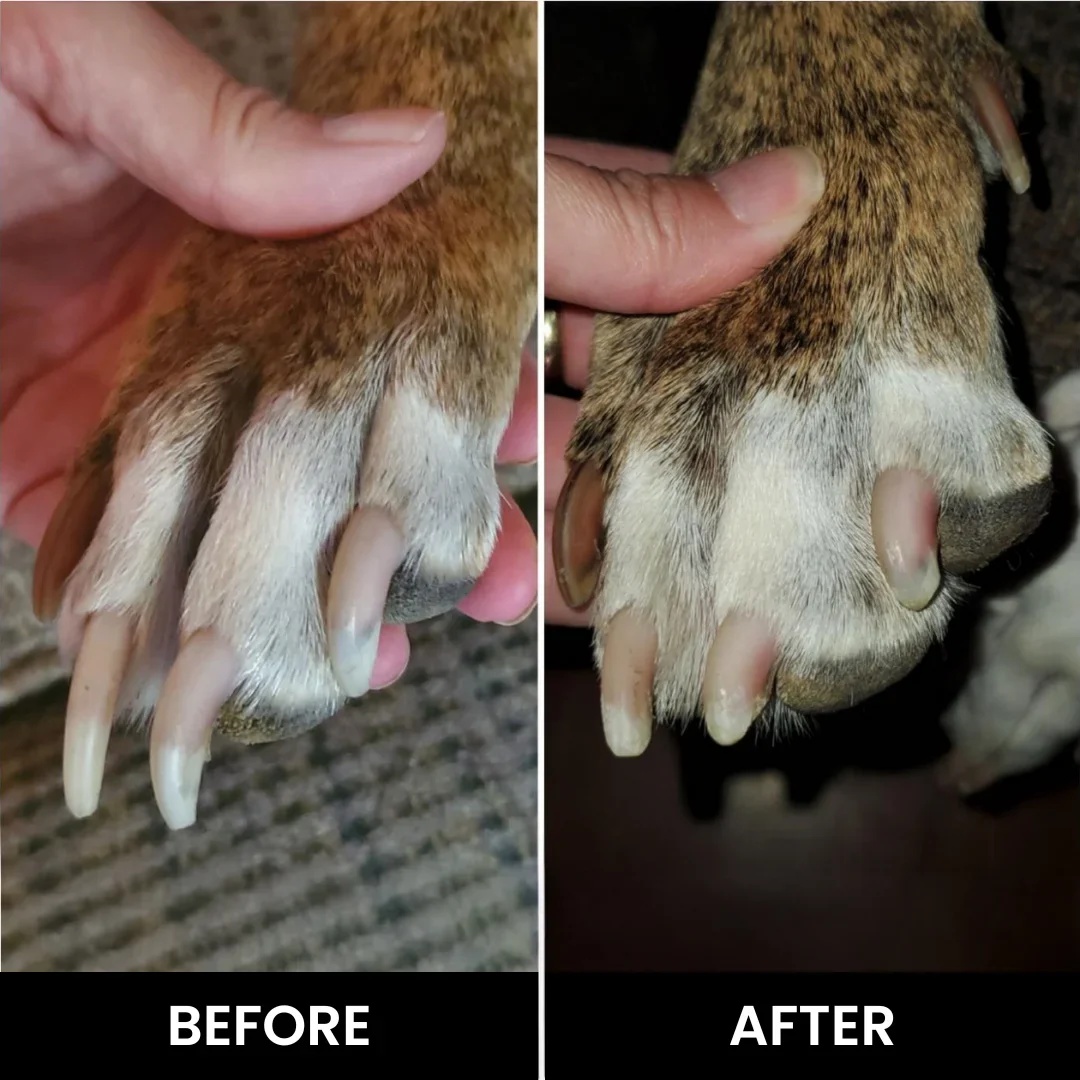
Canine claws are complex, live physical structures containing sensitive blood vessels and nerve pathways.
This vascular inner core is commonly referred to by veterinarians and professional groomers as the quick.
In light-colored claws, the quick stands out as a clear pink column running down the center of the nail.
However, the vast majority of Schnauzers possess dark, highly pigmented claws due to genetic melanin levels.
This heavy coloration completely obscures the quick from direct visual inspection.
Because of this, many pet parents experience intense anxiety when performing schnauzer nail trimming at home.
According to veterinary studies, cutting into this sensitive zone causes instant pain and moderate bleeding.
The quick is deeply linked to the dog’s peripheral nervous system, making any injury highly memorable for your pet.
If you accidentally nick the blood vessel once, your dog may resist future grooming sessions for a long time.
Utilizing a high-quality electric grinder rather than a sharp blade allows you to file down the nail safely.
The abrasive wheel gently removes micro-layers of hard keratin without exerting sudden crushing pressure on the toe.
This gradual filing method gives you absolute control over how close you get to the vascular core.
You can easily watch for subtle physical changes in the center of the nail that warn you to stop grinding.
As you get closer to the quick, the dry, chalky center of the nail turns into a softer, dark, moist-looking spot.
Stopping immediately at this anatomical threshold keeps your pet’s paws completely healthy and pain-free.
Managing Terrier Temperament: Desensitization and Behavioral Keys
Schnauzers are exceptionally smart, alert, and vocal terriers that possess strong protective instincts.
This alert temperament means they are highly sensitive to unfamiliar noises, vibrations, and physical restraint.
Traditional, high-pressure grooming methods can easily trigger their fight-or-flight response, leading to dramatic protests.
Some frustrated owners resort to extreme restraint techniques like suspending a dog to cut its nails.
However, suspension methods can cause intense panic, increase their anxiety, and put stress on their spinal columns.
Similarly, relying on a restrictive towel to muzzle dog for nail clipping should only be a temporary safety measure.
Forcing physical compliance through extreme restriction often damages the bond of trust between you and your pet.
Instead, our pet care team recommends a gradual, science-based desensitization program over several days.
Start by placing your trimming tool on the floor next to a dish of exceptionally delicious treats.
Allow your Schnauzer to investigate, sniff, and circle the tool at their own comfortable pace.
Reward them with praise and treats the very second they show positive curiosity toward the device.
Next, turn the device on to let them hear the hum without making any physical contact with their paws.
A whisper-quiet motor under 40dB, like the one featured in our Zenpaw Maxpro, makes this step incredibly simple.
To keep them fully occupied, you can spread peanut butter saran wrap cut dog’s nails on your forehead or the wall.
Licking the peanut butter engages their brain, naturally lowering their heart rate and keeping them perfectly still.
Slowly progress to touching the vibrating handle to their leg, then their ankle, and finally their paw pads.
By breaking this overwhelming chore down into tiny, rewarding steps, you remove the fear factor completely.
Practical Paw Care Guide: Managing Long Hair and Pad Health
A complete schnauzer paw care guide must address the unique hair growth patterns of this beautiful breed.
Schnauzers have double coats that grow continuously, especially around their lower legs and between their toes.
This hair can trap moisture, mud, sand, and sharp lawn seeds directly against their sensitive skin.
If left unmanaged, the hair between the paw pads can form painful, hard mats that feel like walking on small rocks.
Use small, blunt grooming shears to carefully trim the hair flush with the bottom of their paw pads.
Keeping this area neat prevents slipping on slick hardwood or tile floors, protecting their joint health as they age.
Additionally, keeping their nails trimmed directly affects the physical alignment of their legs and spine.
When claws grow too long, they push the toes upward, forcing the dog to shift their body weight backward.
This unnatural posture puts chronic stress on their elbows, hips, and lower back over time.
Maintaining a regular bi-weekly grooming schedule keeps their skeletal structure perfectly aligned.
Regular maintenance also keeps the quick from growing too long, ensuring their claws remain at a healthy length.
Overcoming Risks: Why Traditional Clippers Fail Thick Terrier Claws
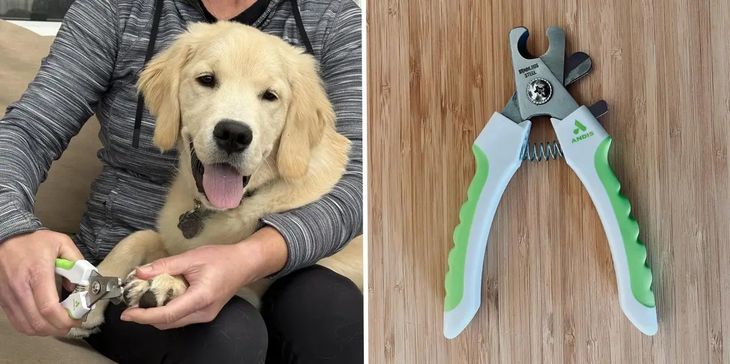
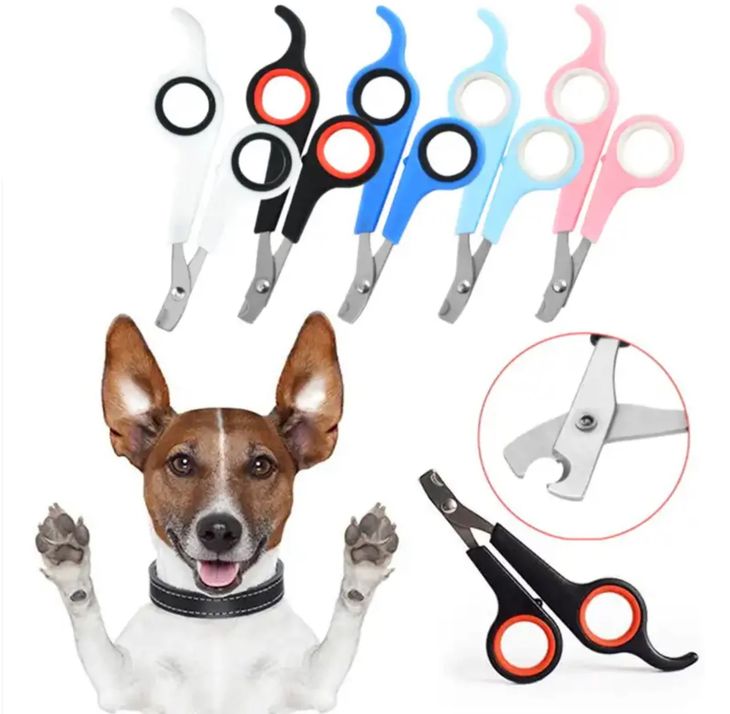
Many pet owners still reach for classic scissor-style or guillotine clippers out of sheer habit.
However, these traditional spring-loaded blades present physical design flaws when used on thick terrier nails.
Guillotine and scissor clippers work by squeezing and crushing the nail wall before cutting through.
On thick, rigid claws, this intense crushing force can easily split or splinter the hard outer layer of keratin.
This structural damage feels incredibly painful for your dog, comparable to having a finger pinched in a door.
Split nails are highly prone to snagging on carpets, blankets, or grass, which can tear the nail to the root.
Additionally, the loud, metallic “snapping” sound made by clippers can easily startle highly sensitive dogs.
This sudden noise reinforces their anxiety, making them fight harder during every subsequent session.
With traditional clippers, a single millimeter mistake can sever the quick, leading to painful bleeding.
In contrast, a modern rotary grinder files down the nail smoothly, safely, and evenly.
It leaves a perfectly rounded, polished finish that prevents scratching your floors or catching on fabrics.
By switching to a whisper-quiet grinder, you replace a high-stress guessing game with a safe, controlled routine.
Professional vs. Home Grooming Comparison
| Grooming Method | Stress Level | Safety Margin | Long-Term Cost |
|---|---|---|---|
| Traditional Metal Clippers | High (Crushing sensation and loud snaps) | Low (Easy to cut the quick) | Low initial tool cost |
| Professional Salon Visits | Medium to High (Travel and unfamiliar environment) | Medium (Experienced staff but fast-paced) | High ($300 – $600 annually) |
| Zenpaw Maxpro Grinder | Low (Whisper-quiet and painless filing) | Extremely High (Gradual micro-layers) | One-time affordable purchase |
Frequently Asked Questions
Conclusion
Transforming your grooming routine from a stressful struggle into a peaceful bonding experience is fully within your reach.
By learning Schnauzer claw anatomy and utilizing the right tools, you can ensure a painless, safe experience every single time.
Ready to experience stress-free nail care? Explore the Zenpaw Maxpro 3-in-1 Grinder. Call: 302-307-1000 — our expert support team is always here to help you guide your pet’s wellness journey.