
As a professional groomer, I still remember the sheer panic of my first attempt to cut labrador dog nails on my own hyperactive rescue, Bailey, whose terrified whines and sudden jerks left me shaking with a pair of bloody traditional clippers in my hand. That heart-wrenching experience is exactly why our team at Zenpaw spent years perfecting a stress-free, pain-free alternative designed to protect your Labrador’s sensitive paws and restore absolute peace to your weekly grooming routine.
Maxpro 3-in-1 Grinder.
Stress-Free Nail Trimming.
Whisper-quiet DC motor (<40 dB) eliminates fear & discomfort. Features 3 ports, dual speeds, and 7-hour battery life. Safe, precise, and painless.
In This Article
- Step-by-Step Trimming: How to safely perform a labrador retriever nail trim at home without fear.
- Anatomical Deep-Dive: Identifying the canine vascular quick to prevent painful bleeding accidents.
- Labrador Paw Care Guidelines: Practical solutions for water-loving dogs and managing active outdoor wear.
- Overcoming Anxiety: Desensitization protocols to soothe high-tension pets during grooming sessions.
How to Cut Nails of Labrador Dog: A Step-by-Step Guide
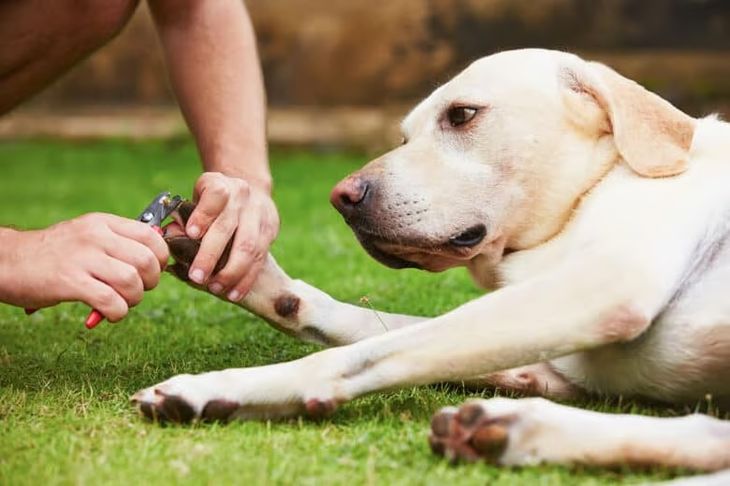
Before you begin, ensure you have a quiet environment free from sudden startling noises.
You will need a high-quality pet nail grinder, styptic powder for emergencies, high-value treats, and a damp cloth.
Keep your dog calm and relaxed on a non-slip mat before attempting any contact with their paws.
-
Step 1: Secure Your Labrador Comfortably
Position your Labrador in a natural lying or sitting state where you have clear access to their paws.
Do not force them into an awkward posture that triggers their natural fight-or-flight response.
Hold their leg gently but firmly along the joint line to prevent sudden jerking movements.
Reward your dog immediately with a small treat simply for allowing you to handle their paw.
-
Step 2: Isolate the Toe and Clear the Fur
Use your fingers to gently separate a single toe from the rest of the paw structure.
Push back any excess feathering or fur that grows around the base of the nailbed.
Ensure you have an unobstructed view of the entire claw from the base to the tip.
Keep your grip relaxed to avoid pinching the sensitive webbing between their toes.
-
Step 3: Analyze the Nail and Locate the Quick
Look at the side profile of the claw under a bright, direct light source.
If your Labrador has light-colored nails, look for the pinkish inner core containing blood vessels.
If your dog has dark nails, locate the chalky white area near the tip which indicates the safe zone.
Never rush this inspection stage because rushing is the primary cause of accidental quicking.
-
Step 4: Begin Trimming at a Safe Angle
Apply your trimming tool or grinder to the nail at a precise 45-degree angle.
Take off very small increments at a time rather than trying to remove the entire excess in one cut.
Check the cut surface of the nail after every single pass to look for the central dark spot signaling the quick.
Maintain continuous verbal praise in a soft, soothing tone to keep your dog’s heart rate low.
-
Step 5: Smooth the Edges and Reward
Run your finger over the freshly cut surface to check for sharp points or structural splits.
Use a gentle rotational movement with your grinder to round out the sharp outer edges of the claw.
Clean the paw with a damp cloth to remove any lingering nail dust or debris from the pads.
Celebrate the successful session by offering a premium reward and letting your dog stretch freely.
To make this entire sequence completely effortless and safe, Team Zenpaw designed the Maxpro Grinder with advanced safety guard ports.
By replacing traditional crushing clippers with our smooth, gradual rotary action, you completely eliminate the danger of cracking your dog’s thick claws.
You can discover the full benefits and order your whisper-quiet device directly from our safe store today at Zenpaw Maxpro 3-in-1 Grinder.
99-Day 100% Money-Back Guarantee
“Ever since we started using the Zenpaw Maxpro Grinder, it’s been such a peaceful experience. It’s very quiet, and my dog actually relaxes. It’s turned our stressful sessions into quick, quiet grooming times.”
— Sarah M. | ✔ Verified Customer
- ✓ Prevents Infection & Splitting
- ✓ Ideal for All Dog Sizes
- ✓ Low-Vibration Technology
- ✓ Fast 2-7 Days Delivery
Need Support? Call 302-307-1000
Understanding Labrador Nail Anatomy: The Secret Life of the Canine Quick
To safely manage your retriever’s paws, you must understand the complex physiological structure hidden inside their hard claws.
Canine claws are not lifeless pieces of keratin like human fingernails.
They house a highly sensitive, vascular inner core known as the quick.
This biological core contains a dense network of micro-blood vessels and incredibly sensitive nerve endings.
If you slice directly into this zone, your dog will experience sharp, sudden pain followed by heavy bleeding.
Historically, people often wonder how do wild dogs trim their nails without human intervention.
Wild canines constantly wear down their claws by running miles across abrasive surfaces like granite, gravel, and hard earth.
However, our domestic Labradors spend most of their time walking on soft grass, plush carpets, and smooth hardwood floors.
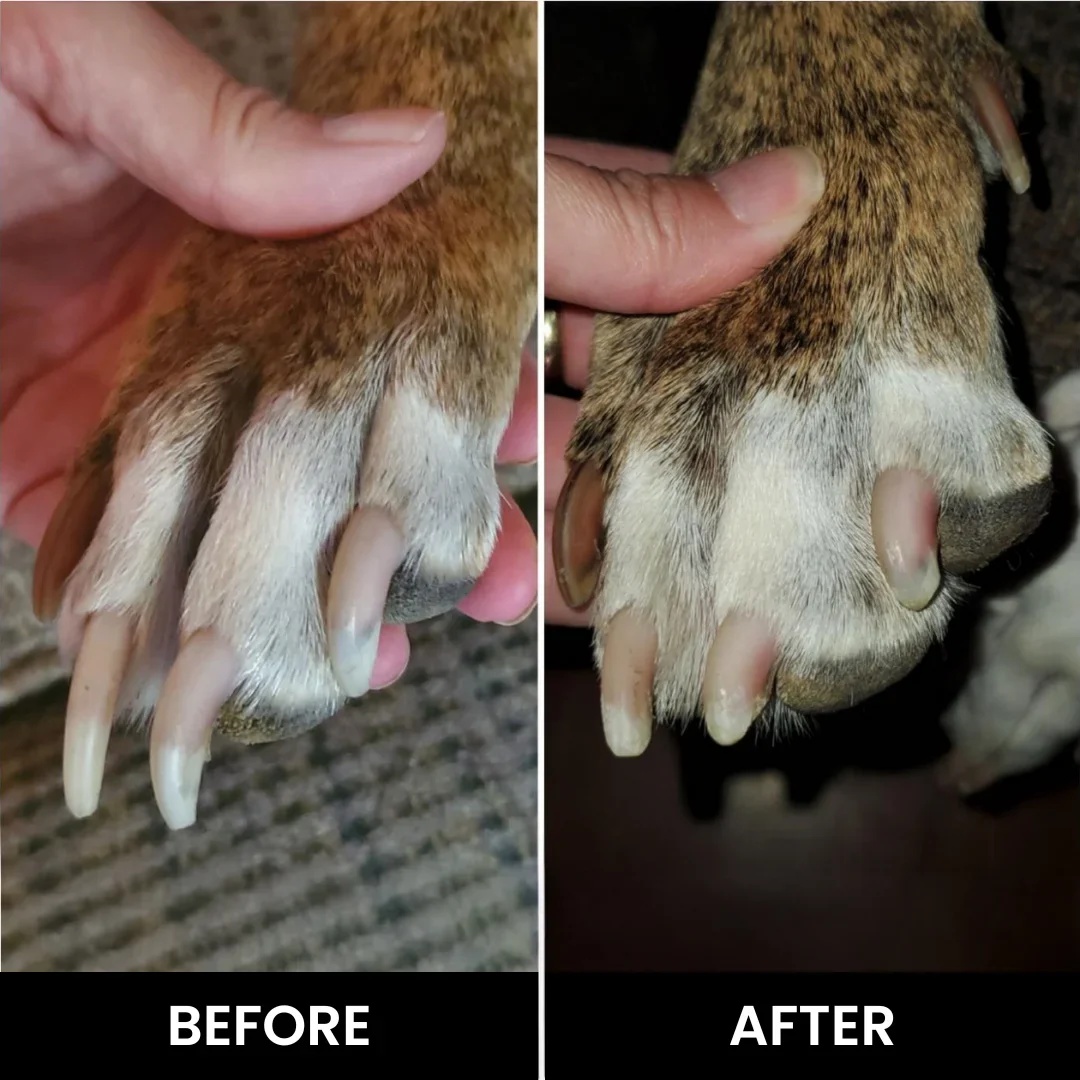
This modern indoor lifestyle prevents natural wear, causing their nails to grow rapidly and requiring active human intervention.
| Grooming Method | Anxiety Level | Risk of Splitting Claws | Precision & Control |
|---|---|---|---|
| Traditional Guillotine Clippers | Very High | Severe | Poor (Blind Cut) |
| Manual Hand Files | Low | None | Extremely Slow |
| Zenpaw Maxpro Grinder | Minimal (<40dB) | None | Outstanding (Micro-Filing) |
Labradors are highly active working dogs with thick, dense claws designed for digging and swimming.
Because their claws are structurally robust, traditional clippers exert massive crushing pressure before they actually slice through.
This structural pressure can shatter the outer keratin shell, leading to painful splits that travel up into the sensitive nailbed.
Using a gentle rotary filing system completely bypasses this mechanical shock, allowing you to thin the tip progressively and safely.
Addressing Complex Paw Pathologies: Spotting SLO and Overgrowth Early
Active Labradors can occasionally develop specific health conditions that affect the structural integrity of their claws.
One critical condition to watch out for is slo dog nails, technically known as Symmetrical Lupoid Onychodystrophy.
This is an immune-mediated disorder that causes multiple nails to lift, split, and eventually slough off entirely.
If you notice your Labrador’s nails splitting without obvious physical trauma, or if they seem intensely painful to the touch, consult your veterinarian immediately.
Regular maintenance acts as an early warning system, allowing you to inspect every single digit for abnormal changes weekly.
Consistent, short-interval trimming also helps push back a long, overgrown quick over several months.
When nails grow too long, the internal quick extends further down toward the tip of the claw.
By filing the tips of the nails back slightly every single week, you gently encourage the blood vessel to recede naturally.
This simple habit allows you to safely maintain a healthy, compact claw length that protects their skeletal alignment.
The Zenpaw Desensitization Protocol: Transforming Grooming Terror into Calm Bonding
The secret to stress-free grooming lies in desensitizing your dog to the sound and tactile sensation of your tools slowly.
Never rush into a full trim session on the very first day you open a new device.
Start by placing the turned-off device on the floor next to a pile of their favorite high-value treats.
Let your dog sniff the tool voluntarily, rewarding every single curious interaction with positive verbal praise.
On the second day, turn the device on its lowest speed setting while keeping it a comfortable distance away from your dog.
This simple step helps them associate the quiet motor hum with positive, pleasant outcomes.
For highly anxious dogs, you can apply peanut butter saran wrap cut dog’s nails as a clever distraction method.
By spreading a thin layer of organic peanut butter on a cling-wrap-covered surface, you capture their entire attention during the process.
This cognitive distraction naturally lowers their baseline anxiety, making them far less reactive to tactile sensations.
In extreme cases of panic, some historical resources suggest towel to muzzle dog for nail clipping to ensure safety.
Others have even attempted suspending a dog to cut its nails using specialized lifting harnesses.
However, we firmly believe that gentle, cooperative desensitization is far more humane and effective than forced physical restraint.
By using a whisper-quiet motor under 40 decibels, you remove the primary sonic trigger that causes canine panic.
Critical Pitfalls: Why Traditional Crushing Clippers Fail Large Breeds
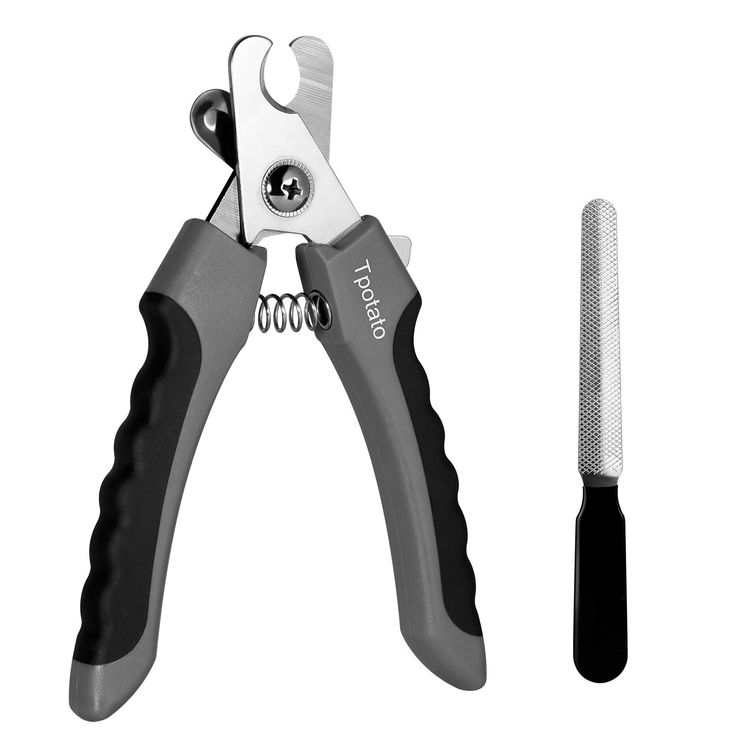
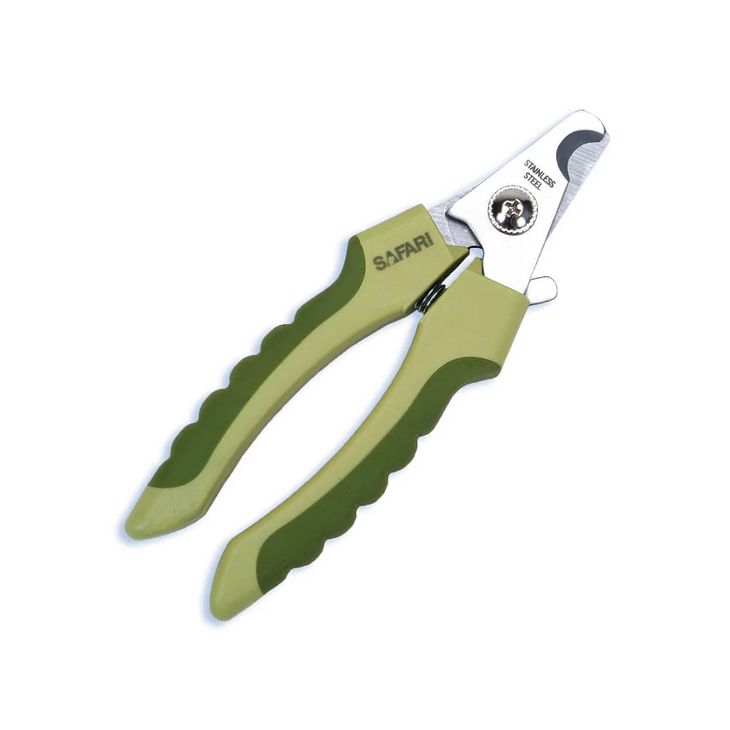
Using cheap, dull scissor clippers on a large breed like a Labrador Retriever is highly risky.
The blunt force mechanics of these clippers crush the thick nail walls inward, causing painful micro-fractures.
These microscopic cracks allow water and bacteria to penetrate deep into the inner layers of the nail claw.
Over time, this moisture exposure can lead to painful bacterial infections and structural crumbling of the keratin.
Additionally, clippers make it incredibly easy to cut too much nail off in one sudden, blind slice.
If your Labrador jerks their leg at the exact millisecond you squeeze the handles, you will almost certainly slice the quick.
This painful event instantly shatters their trust, making future grooming sessions twice as difficult.
In contrast, the Zenpaw Maxpro’s high-speed diamond bit safely files away micro-layers of keratin gradually.
This microscopic approach gives you complete control, letting you stop the second you see the inner pulp of the nail.
Frequently Asked Questions About Labrador Retriever Nail Care
Is the Zenpaw Grinder safe and powerful enough for large dogs?
Yes, the Zenpaw Maxpro features a highly powerful brass motor specifically engineered to handle thick large-breed claws.
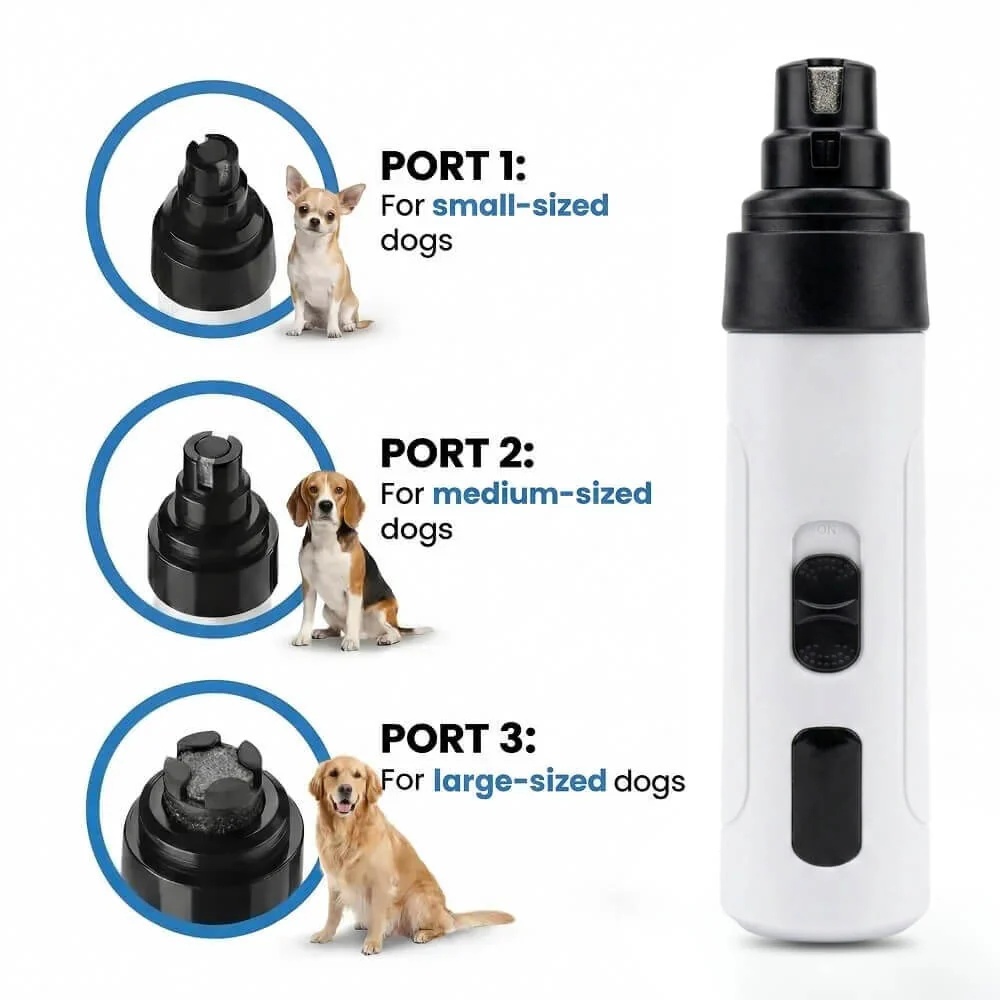
It includes three versatile ports designed to accommodate small, medium, and large dog nail shapes safely.
Simply use the wide-open port to file your Labrador’s thick nails quickly and smoothly without any motor stalling.
How long does the battery last on a single charge?
The high-capacity lithium-ion battery provides up to seven hours of continuous grooming runtime on a single charge.
This allows you to easily complete multiple stress-free trimming sessions without worrying about the device dying mid-session.
It is conveniently USB rechargeable, allowing you to charge it using any standard phone charger or laptop port.
Which speed setting is best for a Labrador?
We recommend starting on the low-speed setting to let your dog adjust to the soft vibration and sound.
Once they are completely relaxed, switch to the high-speed setting to file down thick claws efficiently.
Always alternate between toes every few seconds to prevent any localized friction heat buildup.
Does the grinder tip get hot during continuous use?
Our advanced diamond bit is engineered with heat-resistant materials to keep operating temperatures low.
However, holding any friction tool on a single spot for too long can cause a slight warming sensation.
To keep your dog completely comfortable, use brief, light touches of two to three seconds per claw before moving to the next toe.
Conclusion: A Path to Stress-Free Paw Care
Ready to transform stressful nail trimming into a peaceful, rewarding bonding ritual?
Explore the Zenpaw Maxpro 3-in-1 Grinder today and enjoy complete peace of mind.
Call our friendly pet care support line at 302-307-1000 for personalized guidance and support anytime.