
I still remember the absolute terror I felt when my golden retriever, Cooper, let out a heart-wrenching yelp as I tried to figure out how to cut my dog’s nails with old metal clippers. It was a bloody mess, and the guilt stayed with me for weeks, making us both dread grooming day until we discovered the whisper-quiet, painless grooming approach from Team Zenpaw.
Maxpro 3-in-1 Grinder.
Stress-Free Nail Trimming.
Whisper-quiet DC motor (<40 dB) eliminates fear & discomfort. Features 3 ports, dual speeds, and 7-hour battery life. Safe, precise, and painless.
In This Article
- Step-by-Step Tutorial: Learn exactly how to trim your dog’s nails safely at home.
- Anatomy Deep-Dive: Discover where the quick is located on both light and dark nails.
- Behavioral Science: Master professional desensitization methods to keep your pet completely calm.
- Risk Prevention: Understand the differences between traditional clippers and safe electric grinders.
How to Cut Your Dog’s Nails Safely: A Complete Step-by-Step Tutorial
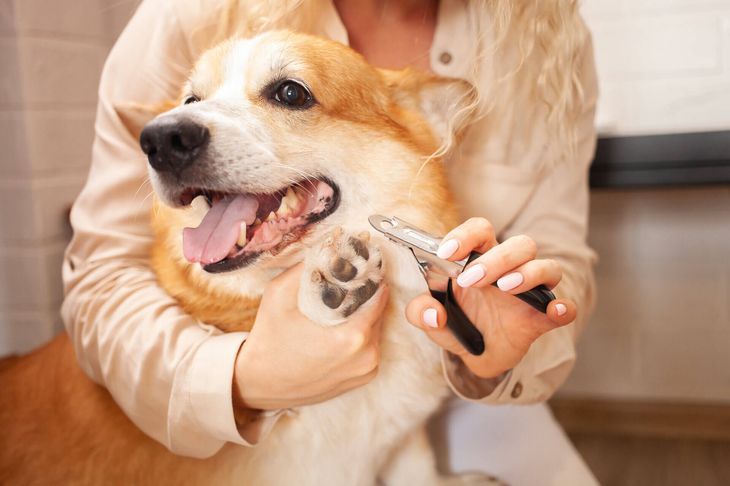
Prerequisites & Grooming Preparation
Home nail care requires the proper environment and tools to guarantee complete safety.
Before you begin, gather your supplies in a quiet, well-lit room in your house.
You will need a reliable grooming device, some organic styptic powder, and high-value treats.
Find a comfortable position where your dog feels secure and relaxed.
-
Step 1: Inspect the Paw and Clean the Claws
Hold your dog’s paw gently to examine the overall health of the skin.
Check between the toes for any hidden dirt, small rocks, or painful burrs.
Wipe the nail area with a damp cloth to clean the surface thoroughly.
Ensure you have a clear, unobstructed view of each individual nail.
Speak to your dog in a calm, soothing voice to reduce any initial tension.
-
Step 2: Locate the Quick Before Making Any Cuts
Identify the pink-colored inner core of the nail known as the quick.
This vascular area contains sensitive nerve endings and active blood vessels.
For white or clear nails, the quick is easily visible as a distinct pink line.
For dark or black nails, you must look for the safe “chalky white” transition zone.
Never rush this step because locating the quick is your primary safety shield.
-
Step 3: Choose Your Trimming Instrument Wisely
Standard scissor-style clippers often exert intense pressure that cracks the nail.
For younger pets, using specialized small dog nail trimmers provides a gentle introduction.
An electric dog nail grinder is the safest alternative for precise, incremental shaving.
Ensure your selected tool matches your dog’s breed size and nail density.
High-quality tools prevent unexpected slippage and ensure a perfectly clean finish.
-
Step 4: Trim or Grind at a Safe 45-Degree Angle
Position your tool carefully at a precise 45-degree angle from the bottom of the paw pad.
If you are using clippers, make small, rapid cuts rather than one large, crushing chop.
If you prefer an electric grinder, apply light pressure to the nail tip for only two seconds.
Keep the grinder moving slightly to prevent friction heat from building up on the nail.
Stop immediately when you see a small, dark circle forming in the center of the nail tip.
-
Step 5: File Away Sharp Edges and Reward Your Pet
Smooth down any remaining sharp corners or rough edges left behind by the cut.
Run your fingertip over the trimmed nail to verify it is completely smooth.
Reward your dog immediately with a delicious treat to build a positive association.
Allow your dog to walk around on a hard surface to check their comfort level.
Celebrate your successful grooming session with some active playtime.
We understand that home grooming can feel incredibly intimidating at first.
Our team at Zenpaw designed a tool to eliminate all of your anxieties.
The Zenpaw Maxpro 3-in-1 Grinder provides whisper-quiet performance to keep your pet calm.
This veterinarian-approved device ensures you never have to worry about painful mistakes again.
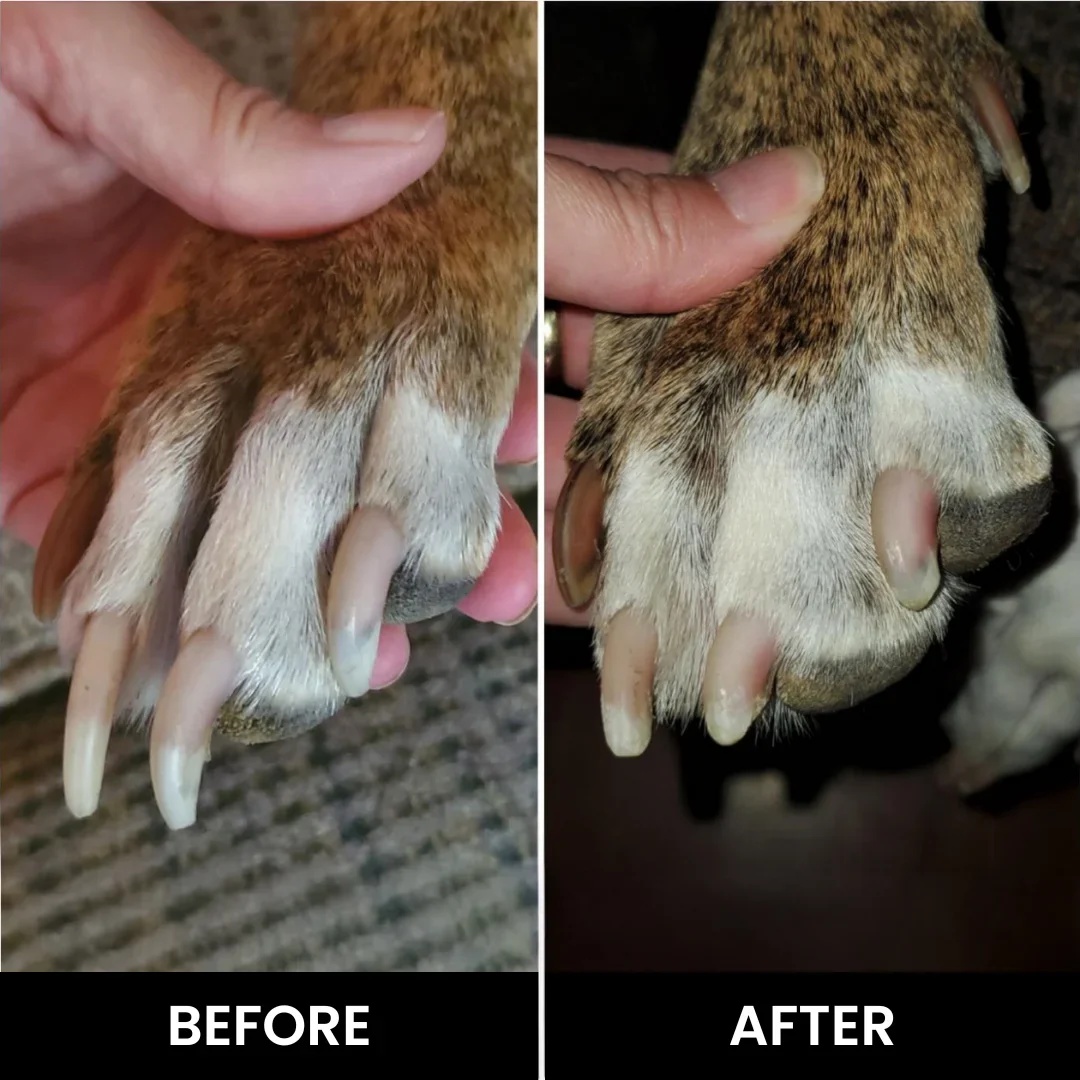
99-Day 100% Money-Back Guarantee
“Ever since we started using the Zenpaw Maxpro Grinder, it’s been such a peaceful experience. It’s very quiet, and my dog actually relaxes. It’s turned our stressful sessions into quick, quiet grooming times.”
— Sarah M. | ✔ Verified Customer
- ✓ Prevents Infection & Splitting
- ✓ Ideal for All Dog Sizes
- ✓ Low-Vibration Technology
- ✓ Fast 2-7 Days Delivery
Need Support? Call 302-307-1000
Understanding Canine Nail Anatomy: Where is the Quick?
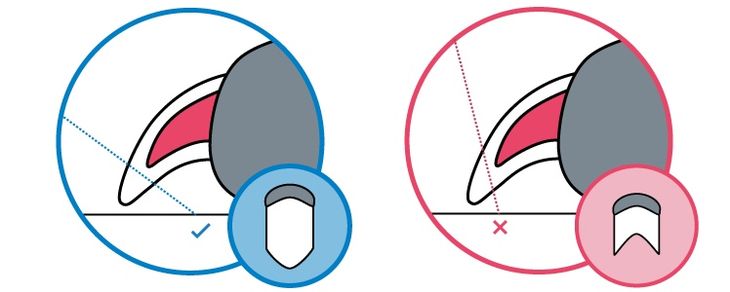
To clip your pet’s nails safely, you must understand their unique internal structure.
Dog claws are vastly different from human fingernails.
A dog’s nail consists of a hard outer shell composed of durable keratin protein.
Inside this protective outer shell lies a highly sensitive tissue called the quick.
The quick contains a dense network of blood vessels and active nerve endings.
When you trim too close to this area, it causes immediate, sharp pain.
This injury also leads to rapid bleeding because the blood vessels are highly pressurized.
Knowing exactly where to clip dog nails is the secret to pain-free home grooming.
The quick naturally grows longer as the dog’s outer nail grows longer over time.
If you neglect regular trimming, the quick will eventually reach the very tip of the nail.
Fortunately, regular, incremental trimming forces the quick to recede back toward the paw.
This anatomical response allows you to shorten long claws safely over several weeks.
Professional groomers recommend trimming a small amount every seven to ten days.
This consistent schedule keeps the quick short and protects your dog’s skeletal posture.
Long nails force a dog to alter their natural walking stride.
This gait adjustment puts immense stress on their joints, hips, and spine.
Maintaining short, safe claws is a fundamental requirement for long-term canine joint comfort.
How to Safely Grind Black Dog Nails Without Bleeding
Trimming dark canine nails is often considered the ultimate challenge for pet parents.
You cannot see the pink quick through the dense, dark pigment of the nail.
This lack of visibility makes using traditional metal clippers highly risky.
Many owners search for dog nail clippers with light to solve this issue.
While lights help on translucent nails, they still cannot penetrate thick, black nails.
This is why professional groomers prefer using high-quality electric grinders.
A grinder allows you to shave away microscopic layers of keratin at a time.
To begin, hold the paw firmly and look at the nail head-on.
Shave the tip gently and inspect the cut surface after each brief pass.
Initially, the cut surface of a black nail will appear dry, powdery, and chalky white.
As you grind closer to the quick, this powdery texture will change significantly.
You will soon observe a dark, moist, and shiny spot in the center of the nail.
This shiny spot is the outer protective layer of the quick.
Stop grinding immediately as soon as this dark circle becomes visible.
Shaving any further will rupture the blood vessels and cause bleeding.
If you do make a mistake, keep styptic powder close by to stop the blood flow instantly.
This systematic, incremental grinding method completely eliminates the guesswork from dark nails.
The Science of Desensitizing Your Dog to Nail Tools: Our 45-Degree Grinding Protocol

Desensitization is the process of replacing fear with positive emotional associations.
Many dogs develop intense grooming anxiety due to past traumatic experiences.
To overcome this, you must introduce new tools slowly using a step-by-step protocol.
Do not attempt to trim any nails on the very first day of training.
Start by placing your electric dog nail clippers or grinder on the floor near your dog.
Reward your dog with high-value treats whenever they sniff or look at the tool.
On the second day, turn the device on to let them hear its motor from a distance.
Pair this noise with continuous praise and delicious, savory rewards.
On the third day, touch the non-rotating body of the vibrating tool to their paws.
This teaches them that the physical vibration is completely harmless.
The whisper-quiet design of the Zenpaw Maxpro makes this step incredibly easy.
Traditional grinders create loud, high-pitched whines that trigger a dog’s flight response.
By keeping the noise under 40 decibels, we protect your dog’s sensitive hearing.
Once your dog is comfortable, you can begin the physical grinding process.
Always hold the tool at a precise 45-degree angle relative to the paw pad.
Using puppy toenail clippers can also help young dogs get used to the sensation of physical contact.
Never hold the grinder on a single nail for more than two consecutive seconds.
The friction of grinding generates heat that can cause discomfort to the internal nerve.
Alternate between different paws to let each nail cool down completely.
This gentle, thoughtful approach transforms a stressful chore into a peaceful bonding ritual.
Traditional Clippers vs. Modern Grinders: Overcoming Common Grooming Mistakes
A common mistake is using cheap, dull metal clippers on thick canine nails.
Dull blades crush the nail structure rather than slicing through it cleanly.
This crushing force causes painful micro-fractures along the entire nail shaft.
These structural cracks allow dirt and bacteria to enter the inner nail bed.
Over time, these cracks can lead to painful infections or deep nail splitting.
Another frequent error is rushing through the grooming process out of frustration.
Dogs easily sense your anxiety, which amplifies their own fearful behavior.
Take your time and focus on building trust rather than finishing quickly.
It is perfectly acceptable to trim only one nail per day when starting out.
Modern electric grinders eliminate the crushing force entirely by filing the nail down gently.
Let us examine how different tools perform under real-world grooming conditions.
| Feature | Traditional Metal Clippers | Zenpaw Maxpro Grinder |
|---|---|---|
| Anxiety Level | High (Loud snaps and pressure) | Low (Gentle, quiet vibrations) |
| Risk of Bleeding | High (One blind cut) | Minimal (Shaves incrementally) |
| Nail Damage | Splits and cracks keratin | Smooths and polishes edges |
| Precision Control | Poor (Hard to see on dark nails) | Excellent (3 safety ports) |
Choosing the right tool ensures a safer, happier experience for your beloved pet.
Frequently Asked Questions About Safe Dog Nail Trimming
We compiled the most common questions from our community of over 18,587 pet parents.
These clear answers will help you navigate your home grooming journey with confidence.
How can I cut my dog’s nails if they are terrified of grooming?
You must go slowly and use the desensitization steps outlined above.
Never force your dog or pin them down during grooming.
Use extremely delicious, high-value rewards like peanut butter or roasted chicken.
Trimming just one nail per session is a fantastic way to build their confidence.
Pair the quiet Zenpaw Maxpro Grinder with continuous positive reinforcement.
What should I do if I accidentally hit the quick?
First, remain completely calm so you do not alarm your dog.
Apply organic styptic powder directly to the bleeding nail tip.
Press firmly for about ten to fifteen seconds to seal the blood vessel.
If you do not have styptic powder, clean cornstarch works as an alternative.
Give your dog a highly desired treat to distract them from the pain.
How do I cut dog nails that are completely black?
Grind the nail down slowly in tiny, incremental passes.
Look at the center of the nail tip after every brief grind.
Stop immediately when you see a small, dark, moist circle appear.
This dark circle indicates that you have safely reached the boundary of the quick.
Avoid using standard clippers since they do not allow for incremental filing.
Is the Zenpaw Grinder safe for large dogs with thick claws?
Yes, the Zenpaw Maxpro Grinder is highly effective for dogs of all sizes.
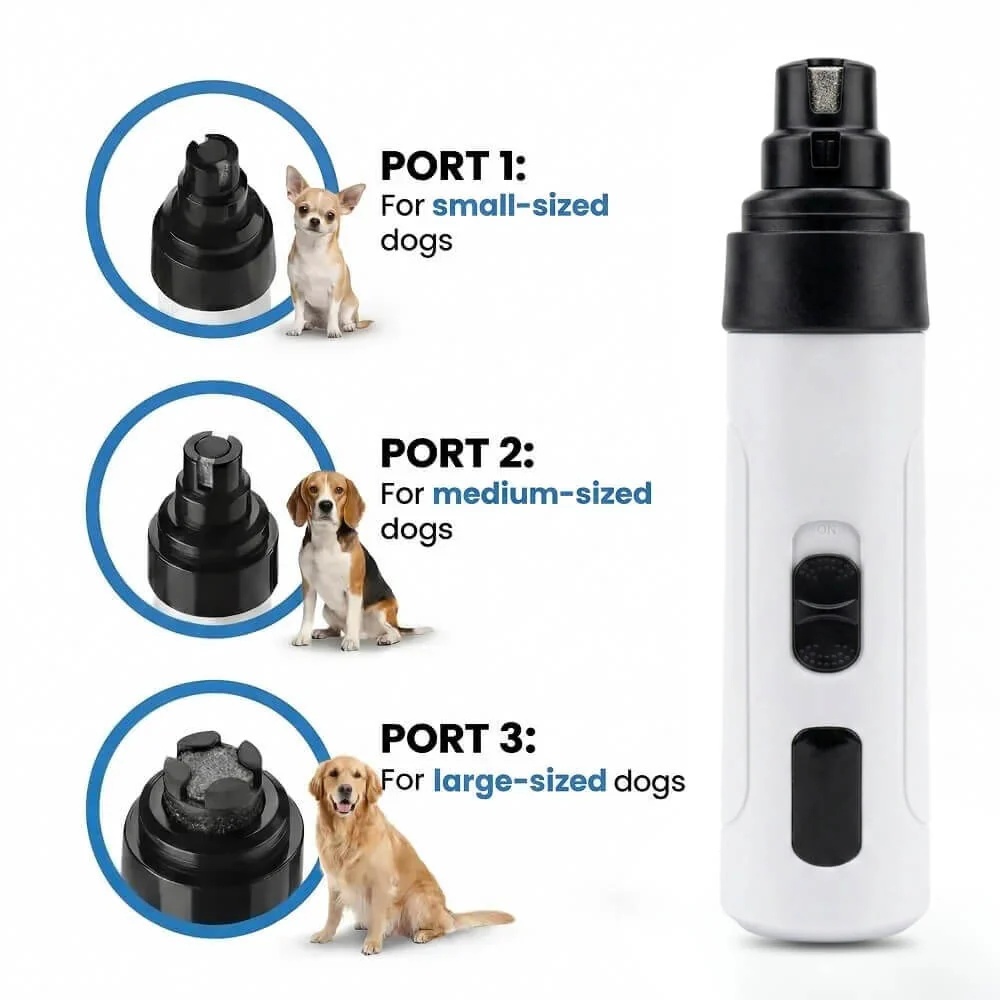
The device features three specialized ports designed to accommodate different nail diameters.
Use the larger open port for rapid filing of thick, heavy claws.
The high-torque motor provides continuous power without bogging down.
It handles dense keratin with absolute ease while maintaining a quiet hum.
How often should I trim my dog’s nails?
Most dogs require a trim every two to four weeks.
If you can hear their nails clicking on hard floors, they are too long.
Regular grooming prevents the internal quick from growing excessively long.
Shorter, more frequent grooming sessions keep the quick well-behaved and retracted.
This routine preserves your dog’s joint comfort and overall physical health.
Conclusion
Safe home nail care is completely achievable with patience and the right tools.
You can easily protect your dog’s paws without any fear or painful accidents.
Team Zenpaw is always here to support your pet wellness journey.
Ready to transform nail trimming from a battle into a breeze?
Explore the Zenpaw Maxpro 3-in-1 Grinder today.
Call: 302-307-1000 — our team can help advise on the best grooming practices and help with any product questions.
Note: Individual results may vary depending on individual dog breeds, nail thickness, and behavioral temperaments. This article is intended for general pet grooming reference purposes only and does not replace professional veterinary advice.