
I still remember the agonizing panic of hearing my sweet rescue dog let out a sharp, painful yelp when I accidentally cut her nail too short years ago. Seeing those bright drops of blood on the kitchen floor made me feel like an absolute failure as a pet parent, leaving both of us too traumatized to face another set of heavy metal trimmers. If you have ever felt that same paralyzing anxiety before a grooming session, please know that you are not alone, and there is a safe, painless, and whisper-quiet way to learn exactly where to clip dog nails without ever hurting your furry best friend again.
Maxpro 3-in-1 Grinder.
Stress-Free Nail Trimming.
Whisper-quiet DC motor (<40 dB) eliminates fear & discomfort. Features 3 ports, dual speeds, and 7-hour battery life. Safe, precise, and painless.
In This Article
- Step-by-Step Home Grooming Tutorial: A full guide on clipping dog nails safely without touching the quick.
- Canine Anatomy Deep-Dive: Identifying the differences between light and dark nails.
- The Science of Desensitization: Restoring peace to your home grooming sessions.
- Tool Comparison & Risks: Why traditional clippers fail and how to use advanced grinders.
How to Trim Your Dog’s Nails Safely: A Step-by-Step Home Guide
Trimming your dog’s nails at home does not have to feel like a high-stakes medical operation.
With the right set of preparation steps, you can create a calm environment that minimizes paw tension.
Before you begin, gather a few essential supplies to ensure a smooth process.
You will need a reliable grooming tool, some high-value training treats, styptic powder for peace of mind, and a bright light source.
Step 1: Inspect and Prepare the Paw Area
Begin by holding your dog’s paw gently but firmly in your non-dominant hand.
Spend a minute massaging the individual toes to ease your pet’s natural withdrawal reflex.
Use a damp cloth to clear away any dirt, mud, or debris clinging to the underside of the claw.
Clear visibility is your best defense against accidental over-clipping during this process.
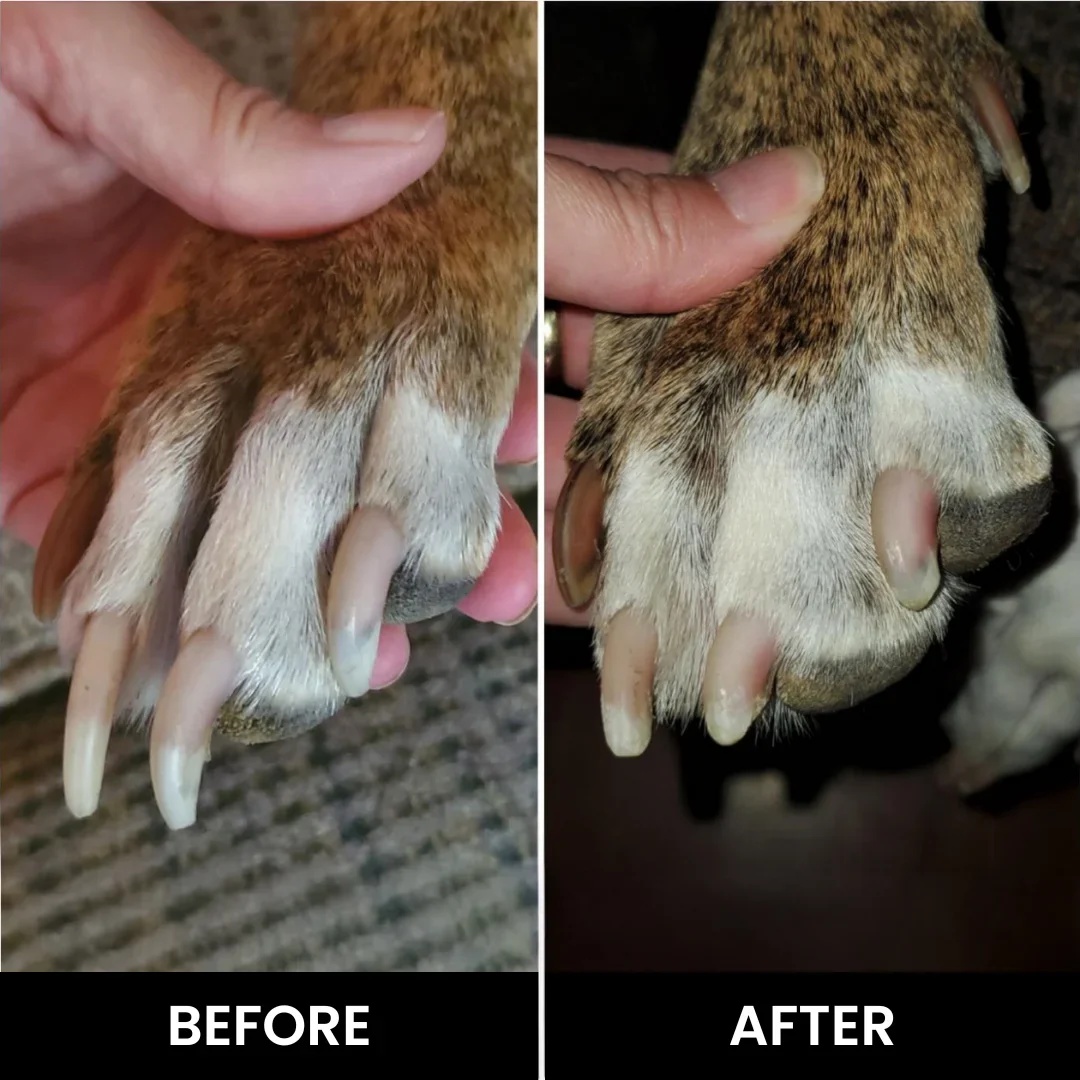
If your dog has long hair around the paws, gently peel it back or trim it to keep the view clear.
Step 2: Locate the Safe Cutting Boundary
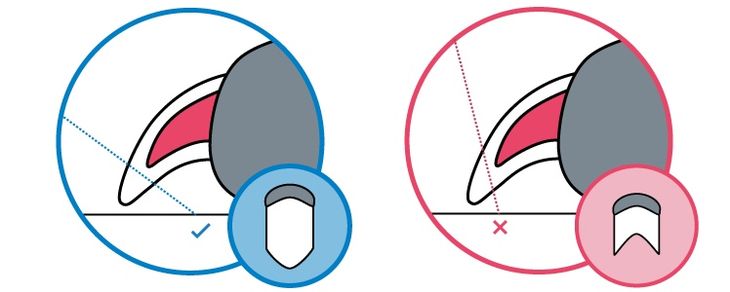
Look closely at the curvature of the nail from a side-view perspective.
If your pet has light-colored claws, you will easily see a pink, fleshy area inside the nail shell.
For dogs with dark claws, you must rely on locating the point where the nail begins to curve downward sharply.
Always plan to make your first cut at least two to three millimeters away from this sensitive boundary zone.
If you prefer extra visibility, utilizing specialized dog nail clippers with light can highlight these internal structures.
Step 3: Position Your Tool at a 45-Degree Angle
Hold your trimming or grinding tool comfortably in your dominant hand.
Align the cutting edge or grinding tip at a precise 45-degree angle pointing away from the paw pad.
This angle matches the natural wear pattern of a wild canine’s claws when walking on rough stone surfaces.
Never cut straight across the nail, as this can cause painful structural splitting or structural cracking.
Maintaining a steady 45-degree angle ensures that the remaining claw tip supports balanced orthopedic alignment.
Step 4: Execute Small, Incremental Micro-Trims
If using dog toe nail cutters, take off only tiny, paper-thin slices of the claw at a time.
Check the cut surface of the claw carefully after every single micro-trim you perform.
Stop trimming immediately if you notice a moist, pale pink circle or a dark gray dot appearing in the center.
This structural change indicates that you have reached the outermost safety boundary of the living quick.
Taking your time with tiny cuts protects your dog from experiencing unexpected pain or bleeding.
Step 5: Smooth the Edges and Reinforce with Rewards
Once you reach the safe limit, use a file or rotary grinder to eliminate any remaining sharp corners.
Jagged nail edges can snag on living-room carpets, outdoor turf, or bedding, causing painful tears later.
Immediately praise your dog with enthusiastic words and hand them a high-value treat.
This positive association teaches your dog that paw handling leads directly to pleasant outcomes.
Repeat this gentle process patiently for each toe, taking breaks if your dog shows signs of stress.
To make this home routine truly foolproof, many pet parents are moving away from traditional metal blades entirely.
Using the electric dog nail clippers or high-precision rotary grinders from Team Zenpaw helps you safely sand down the claw surface millisecond by millisecond.
Our Zenpaw Maxpro 3-in-1 Grinder allows you to avoid the stressful clamping force of old-fashioned tools, offering complete control over how close you get to the delicate quick.
You can discover this advanced, veterinarian-recommended alternative by visiting the Zenpaw Maxpro 3-in-1 Grinder Shop to make your home grooming sessions perfectly painless.
99-Day 100% Money-Back Guarantee
“Ever since we started using the Zenpaw Maxpro Grinder, it’s been such a peaceful experience. It’s very quiet, and my dog actually relaxes. It’s turned our stressful sessions into quick, quiet grooming times.”
— Sarah M. | ✔ Verified Customer
- ✓ Prevents Infection & Splitting
- ✓ Ideal for All Dog Sizes
- ✓ Low-Vibration Technology
- ✓ Fast 2-7 Days Delivery
Need Support? Call 302-307-1000
Understanding Canine Nail Anatomy: Where is the Quick?
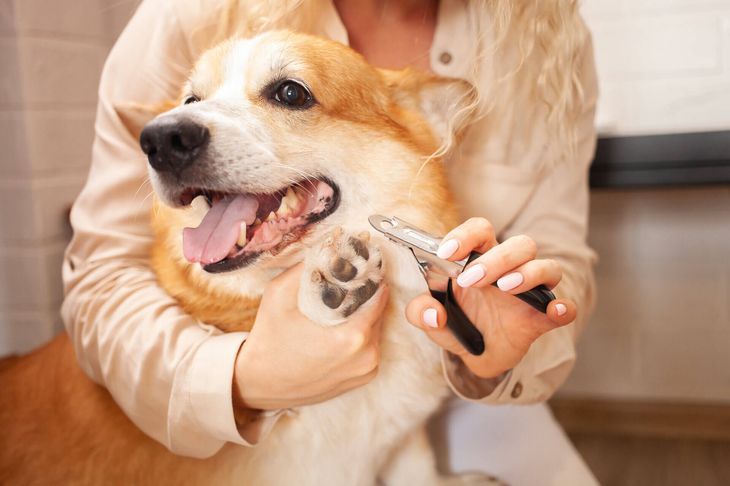
To master the art of safe home nail care, you must first understand the unique physical makeup of a dog’s claw.
A canine’s nail is not merely a piece of dead tissue like human fingernails.
Instead, it consists of a tough outer layer of keratin surrounding a highly sensitive inner core.
This inner core is known as the quick, and it contains blood vessels and nerve endings.
The quick provides essential nourishment to support healthy claw growth and claw structure.
When you cut a dog’s claw too short, you pierce this vascular core, causing instant pain and bleeding.
This painful experience occurs because the nerves inside the quick register intense, immediate pressure signals.
For dogs with light-colored claws, finding the quick is simple because it appears as a distinct pink silhouette.
You can easily see where the pink area ends and the clear, translucent keratin tip begins.
However, for dogs with dark claws, the quick remains completely hidden beneath dense black pigment.
The position of the quick is not permanent; it actually expands or recedes based on how often you groom your pet.
If you leave your dog’s nails to grow too long, the internal quick will grow longer alongside the outer shell.
This means that trying to cut long nails back to a short length all at once will almost certainly cause injury.
To safely shorten overgrown claws, you must perform tiny, frequent trims once every week.
This regular maintenance encourages the blood vessels to recede back toward the paw base over time.
You can support this biological recession by keeping the outer keratin shell strong and resilient.
Using a balanced dog nail supplement can strengthen the outer wall of the claw.
A stronger outer shell is less likely to split, helping you maintain a clear and predictable trimming routine.
By understanding this basic anatomy, you can approach each grooming session with complete confidence.
How to Safely Groom Black Dog Nails Without Bleeding
Many pet parents find grooming dark-colored dog nails to be one of the most stressful parts of pet care.
Because the dark pigment conceals the pink quick, you cannot rely on visual transparency to stay safe.
Professional groomers use a specialized “chalky ring” technique to navigate this blind spot.
When you trim a black nail, the very tip of the claw will initially look dry, white, and chalky.
As you make tiny cuts and get closer to the paw, this texture will begin to change.
You will soon see a light gray or black oval shape appear in the center of the cut surface.
This oval represents the outer safety buffer zone that lies directly ahead of the sensitive quick.
If you make one more tiny cut, this area will turn into a small, dark, moist-looking circle.
This moist dot is the soft inner tissue that wraps around the blood vessel itself.
The moment you see this dark circle appear, you must stop trimming that nail immediately.
To make this delicate process much safer, we recommend using a variable-speed rotary tool rather than sharp blades.
A high-quality rotary grinder allows you to gently shave away micro-layers of keratin rather than cutting in large chunks.
This gradual approach completely removes the guesswork from grooming dark dog claws.
It also gives you plenty of time to stop the moment the internal black circle begins to show.
Taking a slow, measured approach ensures you never cross the line into the sensitive living tissue.
Traditional Clippers vs. Modern Grinding: The Physics of Paw Care
Traditional dog nail clippers work by applying rapid, high-pressure pinching forces to shear through keratin.
While this method is quick, the crushing pressure can cause significant discomfort to your dog’s paws.
If your clipper blades are dull, they will squeeze and bend the nail before finally cutting through it.
This bending motion pulls on the sensitive nerves of the quick, causing pain even if you do not draw blood.
Additionally, the sudden “snap” sound and physical shock of metal blades can easily startle sensitive pets.
In contrast, modern rotary grinders use friction to gently wear away the hard outer keratin.
This smooth, rotational action eliminates the painful pinching sensation associated with heavy metal clippers.
Grinding also leaves the claw with a smooth, rounded edge that will not snag on carpets or scratch your floors.
For pet parents of tiny breeds, using specialized small dog nail trimmers or quiet grinders offers a much gentler experience.
These compact tools provide the delicate precision needed to groom tiny claws safely and comfortably.
| Grooming Feature | Zenpaw Maxpro Grinder | Traditional Metal Clippers |
|---|---|---|
| Painless Performance | Yes — Gentle friction prevents nail crushing | No — High pinching pressure can split claws |
| Quick Identification | Excellent — Lets you shave layers micro-millimeter by micro-millimeter | Poor — Requires one large, high-risk cut |
| Acoustic Noise Level | Whisper-Quiet (<40dB) to prevent anxiety | Loud, startling “snap” sound |
| Edge Quality | Smooth, rounded, and polished finish | Sharp, jagged, and prone to catching |
By switching to a modern rotary grinder, you turn a high-stress chore into a gentle grooming experience.
Your dog will no longer associate paw care with painful pressure or scary snapping noises.
This simple change in physical approach makes home paw care safer and more enjoyable for everyone.
The Science of Desensitizing Your Dog to Nail Tools

If your dog runs away at the sight of grooming tools, they have likely developed a conditioned fear response.
To overcome this resistance, you must use a psychological process called counter-conditioning.
This technique slowly replaces your dog’s fear with positive associations over a series of small steps.
Start by placing your grooming tool on the floor surrounded by your dog’s favorite treats.
Allow your pet to sniff and explore the inactive tool at their own comfortable pace.
Once your dog seems relaxed around the tool, pick it up and gently touch it to their paws without turning it on.
Reward your dog with treats every time the tool makes contact with their fur.
Next, turn the device on at its lowest speed while holding it a few feet away from your pet.
This steps helps your dog get used to the sound of the motor without feeling threatened.
If you use a whisper-quiet motor like the one in the Zenpaw Maxpro, this step is usually very quick and easy.
When your dog is completely relaxed with the sound, try touching the moving grinder to a single nail for just one second.
Immediately praise them and offer a high-value treat to reinforce their good behavior.
Groom only one or two claws per day in the beginning to avoid overwhelming your pet.
By keeping these early sessions short and positive, you will build long-term trust and cooperation.
Over time, your dog may even look forward to these reward-filled grooming sessions.
Common Pitfalls in Home Dog Nail Care and How to Avoid Them
One of the most common mistakes pet owners make is rushing through the grooming process.
Trying to trim all twenty claws in a single hurried session often leads to mistakes and stress.
If your dog starts to wriggle or show signs of discomfort, it is always best to take a break.
Grooming just one paw per day is a perfectly fine way to keep your dog comfortable.
Remember, consistency is far more important than completing the task all at once.
Another common mistake is holding a rotary tool against the nail for too long without a pause.
Friction naturally generates heat, which can quickly warm up the nail and cause discomfort.
To prevent this heat buildup, use a gentle “touch-and-lift” technique on each nail.
Apply the grinding wheel for only two to three seconds before lifting it away to let the claw cool down.
Alternating between different toes is an easy way to keep the temperature completely comfortable.
Finally, make sure you never forget to check and trim your dog’s dewclaws.
These claws are located higher up on the inside of the front leg and do not touch the ground.
Because they do not wear down naturally, they can grow in a spiral and curl back into the skin.
Regularly trimming the dewclaws prevents painful ingrown nails and infections.
Keeping an eye on these hidden claws is an essential part of maintaining your dog’s paw health.
Frequently Asked Questions About Safe Dog Nail Care
Is the Zenpaw Maxpro Grinder powerful enough for giant, thick claws?
Yes, the Zenpaw Maxpro is engineered with a high-torque, dual-speed motor that handles all nail thicknesses.
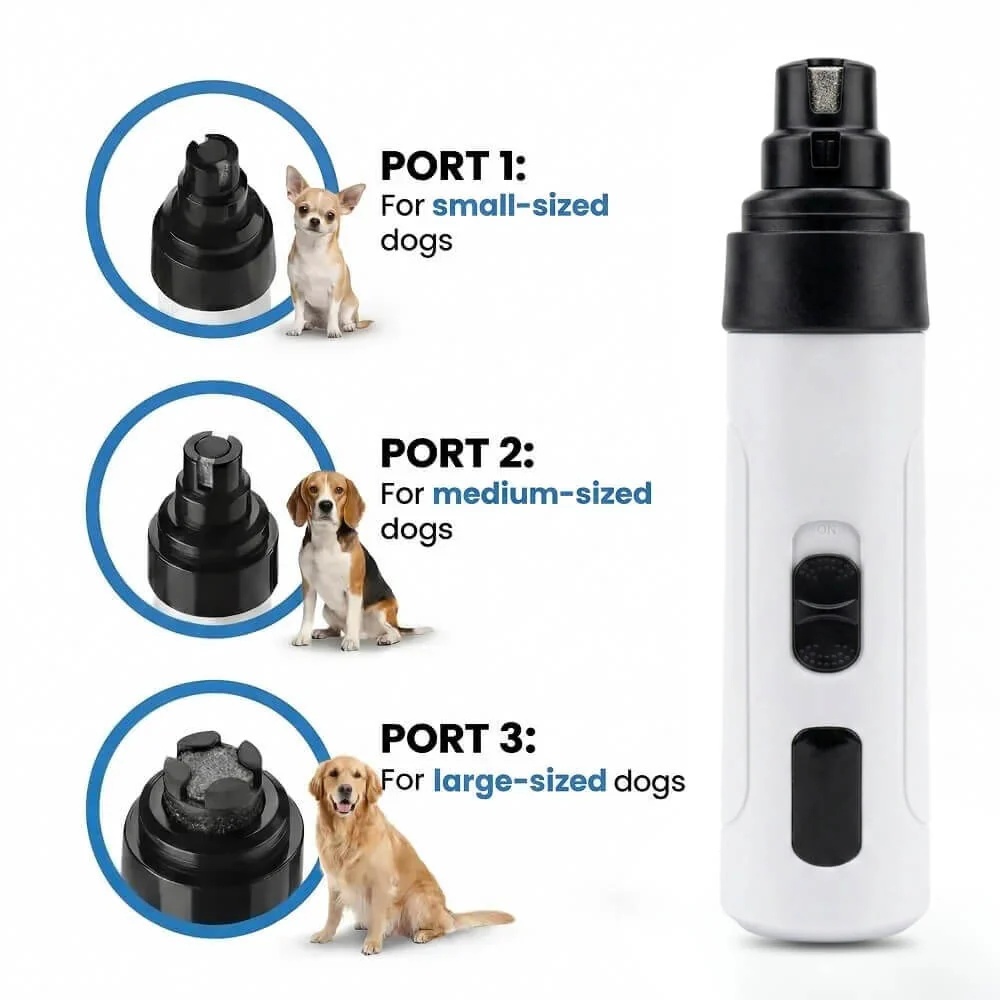
It features three specialized grooming ports designed to fit small, medium, and large dog breeds perfectly.
For larger dogs, you can use the wide-opening port or remove the safety cover to use the entire grinding stone.
This versatility makes it easy to groom everything from delicate puppy nails to thick, heavy adult claws.
How long does the battery last on a single charge?
The Zenpaw Maxpro features a built-in rechargeable battery that provides up to seven hours of continuous use.
It easily recharges using a standard USB cable, so you do not have to worry about replacing expensive batteries.
This long-lasting battery life means you can complete multiple grooming sessions on a single charge.
It is the perfect, reliable tool for pet parents with busy schedules or multiple dogs at home.
Which speed setting should I use for my dog?
We recommend starting on the low-speed setting to let your dog get used to the vibration.
The low speed is perfect for making precise adjustments on smaller or thinner claws.
Once your dog is comfortable, you can switch to the high-speed setting for thicker nails.
Having two speeds gives you complete control over the grooming process, ensuring a safe and comfortable finish.
Does the grinding wheel get hot during use?
Our grinder uses advanced low-heat technology designed to minimize friction temperatures during grooming.
However, we still recommend using our simple “touch-and-lift” technique to prevent any warmth build-up.
By touching the claw for just two seconds at a time, you ensure the nail stays completely cool.
This easy practice keeps the entire experience pleasant, comfortable, and stress-free for your pet.
Conclusion: Your Stress-Free Paw Care Journey Starts Today
By learning where the quick is and using a gentle grinding tool, you can make nail care safe and easy.
Ready to transform nail trimming from a stressful chore into a peaceful bonding experience?
Explore the Zenpaw Maxpro 3-in-1 Grinder to see how simple and quiet home grooming can be.
If you have any questions or need product support, please call our team at 302-307-1000 for expert advice.