My heart absolutely sank the morning I found a bloody trail on the kitchen tile, only to discover my sweet retriever’s dew claw hanging by a literal thread. I still remember the sheer panic of not knowing whether to pull it, wrap it, or rush to the emergency clinic. That terrifying moment of seeing a dog nail falling off is exactly why our team at Zenpaw designed a stress-free way to maintain paw health before painful accidents happen.
Maxpro 3-in-1 Grinder.
Stress-Free Nail Trimming.
Whisper-quiet DC motor (<40 dB) eliminates fear & discomfort. Features 3 ports, dual speeds, and 7-hour battery life. Safe, precise, and painless.
In This Article
- Immediate Action Steps: Discover exactly how to perform emergency first-aid when your dog’s nail detaches.
- Anatomical Analysis: Understand the differences between shell shedding, partial tears, and complete nail loss.
- Infection Prevention: Learn how to shield the raw, exposed quick from dangerous environmental bacteria.
- Advanced Prevention: Master stress-free grooming techniques using quiet grinders to prevent future splits and snags.
What to Do When Your Dog Nail Is Falling Off completely? Here is the Expert Answer
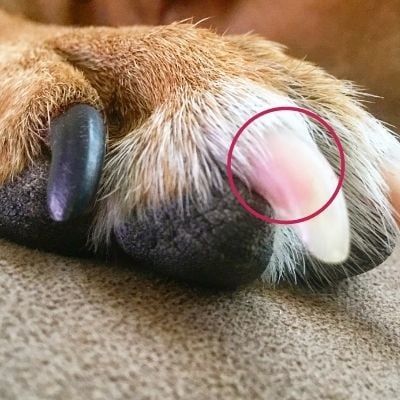
A dog nail falling off completely is a common veterinary emergency that typically occurs when a dog snags their claw on carpet, upholstery, outdoor brush, or wire fencing.
This painful injury can affect any canine, but it is especially frequent in highly active breeds that run on rough terrains where claws easily get caught.
When the hard outer shell of the claw breaks away, it exposes the highly sensitive living tissue beneath, which is widely known as the quick.
This delicate area is packed with blood vessels and specialized nerve endings, which explains why your dog may suddenly start limping, whimpering, or continuously licking their paw.
The primary reason for this sudden shedding is direct physical trauma, although underlying infections or brittle claw conditions can also weaken the nail structure over time.
You must address this issue immediately at home to protect the vulnerable nail bed from harmful environmental bacteria and painful dirt accumulation.
We recommend assessing the wound in a calm, well-lit environment to determine if the nail has detached cleanly or if a painful fragment is still clinging to the toe.
To handle a detached nail safely at home, you should first apply gentle, steady pressure with a clean cloth to stop any immediate bleeding.
Once the bleeding slows down, gently flush the affected paw with lukewarm water or a pet-safe antiseptic solution to remove debris.
You should then wrap the paw in a light, breathable bandage to prevent your dog from licking the raw tissue.
It is crucial to keep your dog quiet and restrict their exercise for at least forty-eight hours to allow the delicate tissue to begin healing.
If you notice the nail hanging by a small piece of skin, do not attempt to pull it off forcefully yourself.
Instead, seek professional veterinary assistance to have the remaining piece trimmed safely under sterile conditions.
Keeping your dog’s claws at a safe, short length is the absolute best way to prevent these traumatic snags from occurring in the first place.
If you want to handle this safely at home, the Zenpaw Maxpro Grinder provides painless, quiet filing — explore it here.
99-Day 100% Money-Back Guarantee
“Ever since we started using the Zenpaw Maxpro Grinder, it’s been such a peaceful experience. It’s very quiet, and my dog actually relaxes. It’s turned our stressful sessions into quick, quiet grooming times.”
— Sarah M. | ✔ Verified Customer
- ✓ Prevents Infection & Splitting
- ✓ Ideal for All Dog Sizes
- ✓ Low-Vibration Technology
- ✓ Fast 2-7 Days Delivery
Need Support? Call 302-307-1000
Understanding Canine Nail Anatomy: What Happens When a Dog’s Toenail Falls Off?
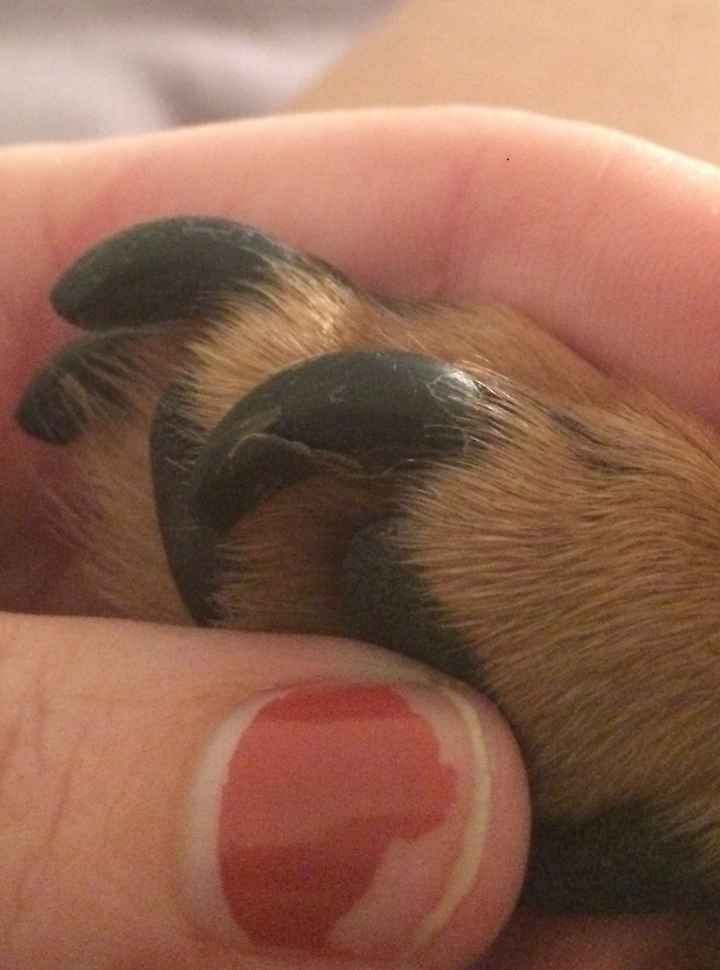
To understand why this injury is so painful, we must examine the unique anatomical makeup of a dog’s claw.
The outer layer of the nail consists of a tough substance called keratin, which acts as a protective shield.
Directly beneath this hard shell lies the quick, which connects directly to the digital bone of the toe.
When a dogs nail fell off, this protective shield is lost, leaving the raw nerve endings completely exposed to the elements.
According to the American Kennel Club, an exposed quick is highly susceptible to bacterial infections because it is an open pathway to the bone.
This is why you might observe your dog constantly licking the area, as their natural instinct is to soothe the throbbing pain.
If the injury occurs and you observe a dog nail fell off no blood, the nail shell may have simply shed naturally, or the injury may have occurred hours earlier.
However, most acute tears result in significant bleeding because the blood vessels within the quick are pressurized.
Some dogs suffer from a chronic condition known as Symmetrical Lupoid Onychodystrophy, which causes the claws to become incredibly weak and brittle.
This condition leads to frequent splitting, cracking, and eventual loss of multiple nails across different paws.
If your pet suffers from brittle dog nails, even a simple walk on a carpeted floor can cause a claw to snap completely off.
Regular veterinary checkups can help identify if your dog needs specific dietary supplements, such as Omega-3 fatty acids, to reinforce their keratin levels.
Maintaining a proactive grooming routine is the most effective defense against these structural failures.
Is Your Dog’s Nail Shell Shedding or Is It a Serious Injury?
Many pet parents panic when they find what looks like an entire claw on the living room rug.
In many cases, what you are actually seeing is a discarded outer layer, often described when a dog nail shell came off naturally.
Canine claws naturally shed their older, outer layers of keratin as new, healthy growth pushes through from the nail bed.
This natural shedding process is completely painless and should not cause any bleeding or limping.
If a dog’s toenail fell off but the underlying pink quick is dry and hard, the nail has likely completed its natural renewal cycle.
On the other hand, a traumatic injury will leave the toe red, swollen, wet with discharge, and intensely painful to the touch.
You can easily tell the difference by observing your dog’s behavior when you gently examine their paw.
If they pull their paw away quickly, whine, or attempt to nip, they are experiencing acute physical pain from an active injury.
When a dog toenail is coming off due to a snag, it often hangs at an unnatural, awkward angle.
This loose piece can act like a lever, twisting the sensitive nail bed every time your dog attempts to take a step.
This is why preventing overgrown nails is so critical for active household pets.
If the nail is kept short, it cannot catch on fibers, joints in wood decking, or metal grates.
For highly anxious pets, some owners believe dog nail clipping sedation is the only answer to keep nails short.
However, switching to a whisper-quiet, low-vibration grinder can often eliminate the need for heavy sedation entirely.
Emergency First Aid: What to Do When a Dog’s Nail Fells Off Completely
When faced with a sudden, bloody nail injury, staying calm is the most important thing you can do for your pet.
Dogs are incredibly sensitive to our energy and will panic more if they sense your distress.
First, secure your dog safely, preferably with a partner who can gently hold and comfort them while you work.
If the my dog toenail broke off completely and is bleeding, apply steady pressure with clean gauze for at least five minutes.
You can also use a styptic powder or cornstarch to help staunch the blood flow from the exposed blood vessels.
Once the bleeding is fully controlled, inspect the toe to ensure the entire nail has actually detached.
If you see that the my dog’s toenail fell off but a jagged piece of keratin is still attached, do not pull it.
Pulling on a partially attached nail can cause severe damage to the delicate nail matrix and intensify your dog’s pain.
Clean the area gently with dilute chlorhexidine or warm saline water to flush away any dirt.
Avoid using harsh chemicals like rubbing alcohol or hydrogen peroxide, as these will cause intense burning on the raw quick.
Apply a small amount of pet-safe antiseptic ointment to the quick to keep it moist and protected.
Finally, apply a non-stick sterile pad and wrap the paw snugly with self-adhering bandage tape.
Make sure the wrap is not too tight, as cutting off circulation to the paw can cause serious tissue damage.
How to Safely Maintain Your Dog’s Nails to Prevent Future Tears
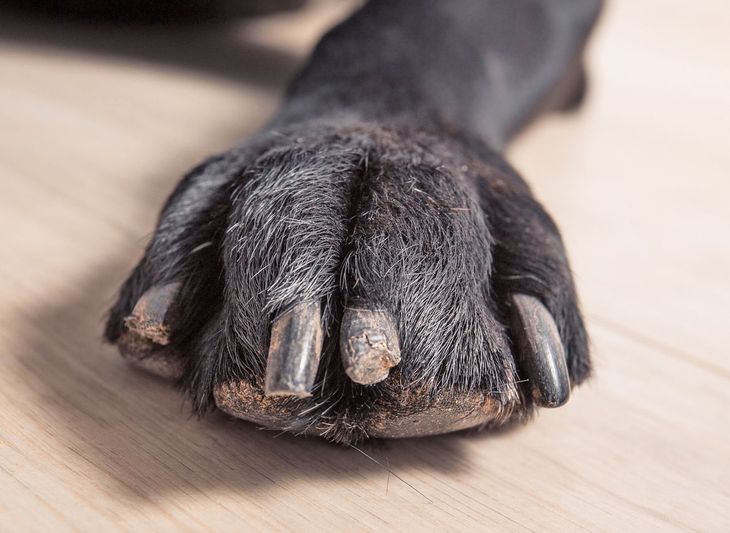
Preventing nail injuries requires a consistent and stress-free grooming routine that keeps the claw tips clear of the ground.
To do this safely, you should introduce your dog to your grooming tools slowly using positive reinforcement.
Our team at Zenpaw recommends letting your dog sniff the grinder while it is turned off, rewarding them with high-value treats.
Once they are comfortable, turn the grinder on at its lowest speed to let them adjust to the soft sound.
Because the Zenpaw Maxpro operates at an incredibly quiet level under 40 decibels, most dogs adapt to the sound within a few short sessions.
When you are ready to file, hold your dog’s paw firmly but gently to prevent sudden movements.
Hold the grinder at a steady forty-five-degree angle relative to the natural slope of the nail.
Apply the grinding wheel to the nail tip for only two to three seconds at a time to prevent any heat buildup.
This gradual approach allows you to watch the nail tip closely and stop long before you reach the sensitive quick.
It is especially important to pay close attention to the dew claws, which do not touch the ground and often grow into circular shapes.
Learning how to cut dog’s dew claw nails safely will save your dog from the pain of these hidden nails snagging on things.
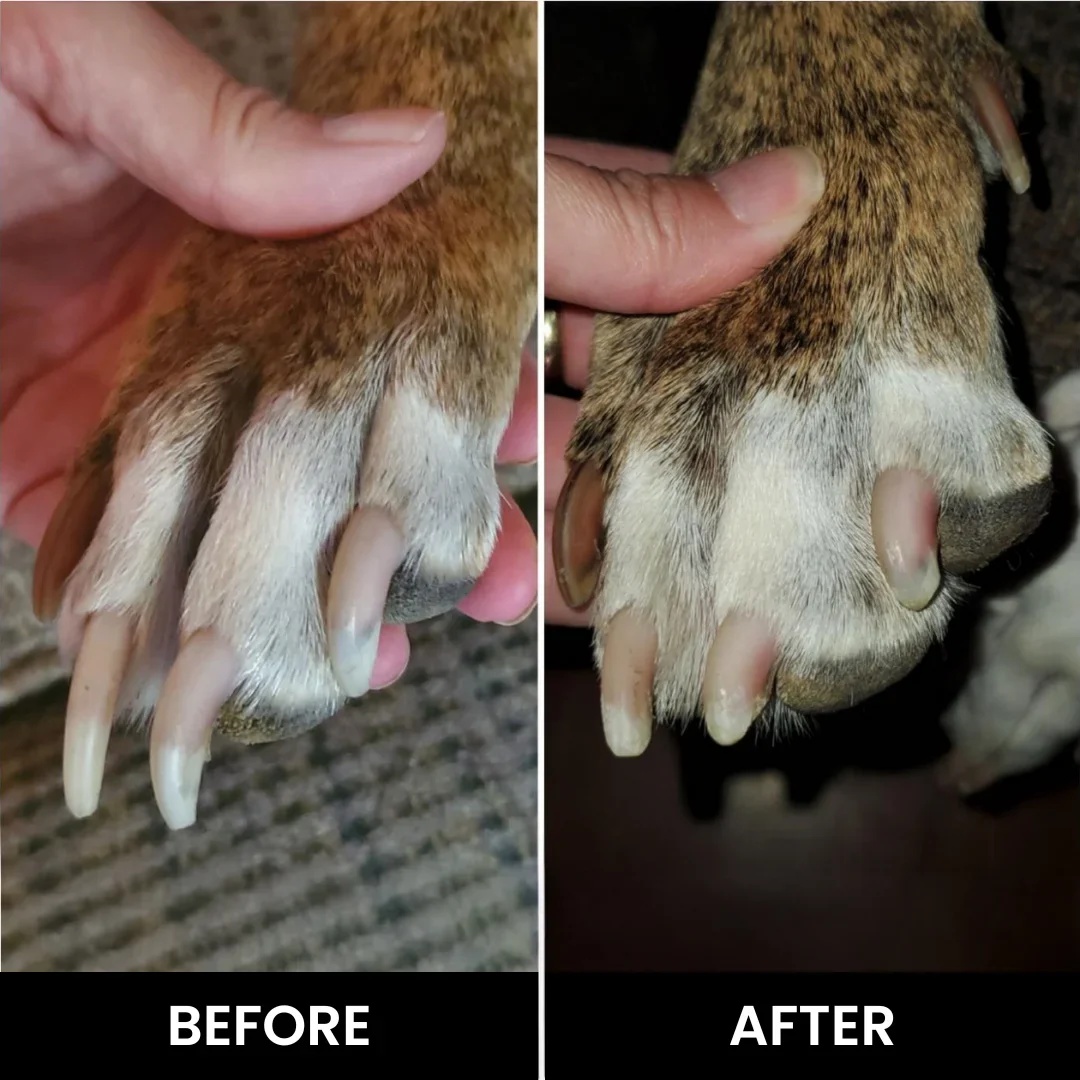
By grinding regularly, you encourage the quick to naturally recede, allowing you to maintain shorter nails over time.
The Hidden Dangers of Traditional Dog Nail Clippers
Many pet owners unknowingly cause nail damage by using dull, outdated grooming tools.
Traditional guillotine dog nail clippers apply immense crushing force directly to the sides of the nail.
This intense pressure can easily split the nail shaft, creating microscopic cracks that eventually cause the nail to fall off completely.
Even when using high-quality heavy duty dog nail clippers, one sudden slip can slice straight through the quick.
This accidental cutting causes immediate, intense pain and creates a deep distrust of grooming sessions in your dog’s mind.
A single bad experience can turn a sweet-tempered pet into a highly defensive, anxious animal whenever their paws are touched.
The Zenpaw Maxpro Grinder eliminates these risks by shaving away the nail fiber by fiber rather than crushing it.
This micro-trimming action gives you complete control over the process, ensuring a smooth, rounded finish with no sharp edges.
Smooth edges mean your dog’s nails are far less likely to catch on your carpets, clothing, or outdoor obstacles.
Transitioning from sharp blades to a gentle, whisper-quiet diamond bit grinder is the safest way to rebuild your dog’s grooming confidence.
Frequently Asked Questions About Damaged Dog Nails
How long does it take for a dog’s nail to grow back completely?
A dog’s nail typically takes between two to six months to regrow entirely from the nail bed.
The exact recovery time depends heavily on your dog’s age, overall health, diet, and which specific toe was injured.
During the first few weeks, the raw, exposed quick will gradually dry out and develop a protective, leathery skin.
Once this protective layer forms, your dog will be much more comfortable and can resume normal daily activities.
You should keep the paw clean and dry during this initial healing phase to encourage steady, uninterrupted growth.
What should I do if my dog’s toenail is bleeding heavily?
If the nail is bleeding heavily, you should immediately apply a clean cloth or sterile gauze to the wound and hold firm pressure.
You can also use styptic powder, cornstarch, or clean flour pressed against the tip of the nail to help clot the blood.
Keep your dog calm and still, as excitement and movement will increase their blood pressure and prolong the bleeding.
If the bleeding does not stop after ten minutes of continuous pressure, you should contact your local veterinarian for advice.
Can a dog’s broken nail get infected easily?
Yes, an exposed quick is highly vulnerable to bacterial infections because it sits very close to the underlying digital bone.
If bacteria enter the nail bed, it can lead to a serious localized infection or even a bone infection called osteomyelitis.
Signs of infection include extreme redness, swelling, foul-smelling discharge, heat radiating from the toe, and continuous limping.
You can prevent this by keeping the paw bandaged during outdoor walks and using a pet-safe antiseptic wash daily.
Is the Zenpaw Maxpro Grinder suitable for very thick, large dog nails?
Yes, the Zenpaw Maxpro is designed with a powerful, high-torque motor that easily handles the thickest canine nails.
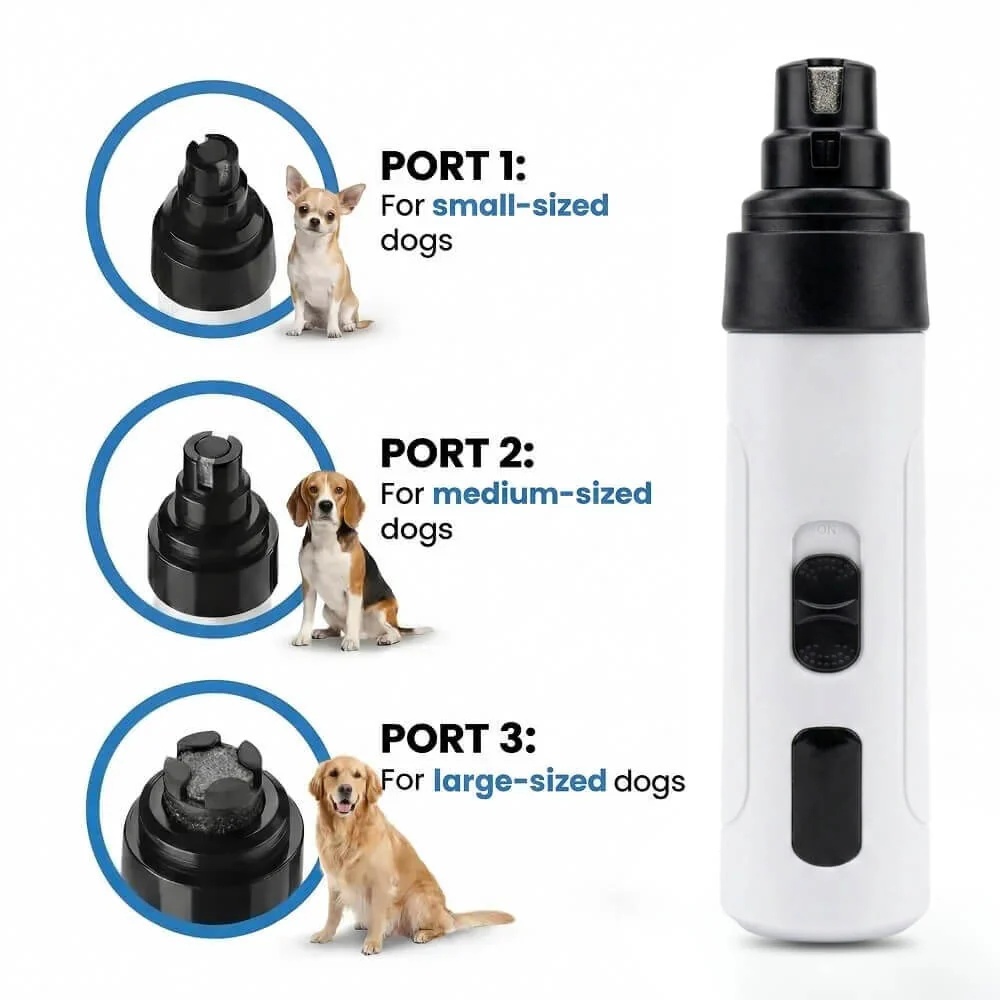
It features three separate safety ports and two adjustable speed settings to accommodate pets of all breeds and sizes.
The small and medium ports are ideal for smaller claws, while the open-cap setting allows you to file large, thick nails rapidly.
This versatility makes it a perfect, long-lasting grooming solution for multi-dog households.
How long does the battery of the Zenpaw Maxpro Grinder last?
The Zenpaw Maxpro features an advanced, rechargeable battery that provides up to seven hours of continuous runtime on a single charge.
This long-lasting battery life means you can complete multiple stress-free grooming sessions without worrying about power loss.
The device is fully rechargeable via a standard USB cable, making it incredibly convenient for home use or travel.
Does the grinding wheel generate heat that could burn my dog’s nail?
The Zenpaw Maxpro is engineered with low-heat technology to keep the grinding head cool during use.
However, holding any grinder against a single nail for too long can cause friction warmth to build up.
To ensure absolute comfort, you should use brief, light touches of two to three seconds before moving to another nail.
This simple touch-and-move technique prevents any warmth from reaching the sensitive nerve endings inside the nail.
Conclusion
A loose or missing nail is stressful, but prompt first aid and consistent nail care will keep your dog’s paws healthy and pain-free.
Ready to transform nail trimming from a battle into a breeze? Explore the Zenpaw Maxpro 3-in-1 Grinder. Call: 302-307-1000 — our team can help you advise on the best grooming practices and help with any product questions.