
I still remember the sharp, heartbreaking yelp my golden retriever gave when my hand slipped using traditional metal clippers, leaving a dark trail of blood on our clean living room rug and filling me with intense personal guilt. I realized at that exact moment that traditional dog nail clippers are simply too risky for nervous pet parents, which is why our team at Zenpaw spent years developing a painless, whisper-quiet alternative to protect your dog’s sensitive paws. If you are currently dealing with a grooming accident and wondering about a dog nail cut too short how long to heal, let us walk through the recovery timeline, expert pet first-aid steps, and stress-free maintenance techniques together.
Maxpro 3-in-1 Grinder.
Stress-Free Nail Trimming.
Whisper-quiet DC motor (<40 dB) eliminates fear & discomfort. Features 3 ports, dual speeds, and 7-hour battery life. Safe, precise, and painless.
In This Article
- The Recovery Timeline: Learn exactly how long it takes for a cut quick to heal and close.
- Canine Nail Anatomy: Understand the sensitive quick structure and how to avoid future injuries.
- Emergency First Aid: Learn step-by-step how to stop bleeding and prevent painful infections at home.
- Stress-Free Grooming: Discover why professional groomers are switching from loud clippers to quiet grinders.
Dog Nail Cut Too Short How Long to Heal? The Complete Recovery Timeline

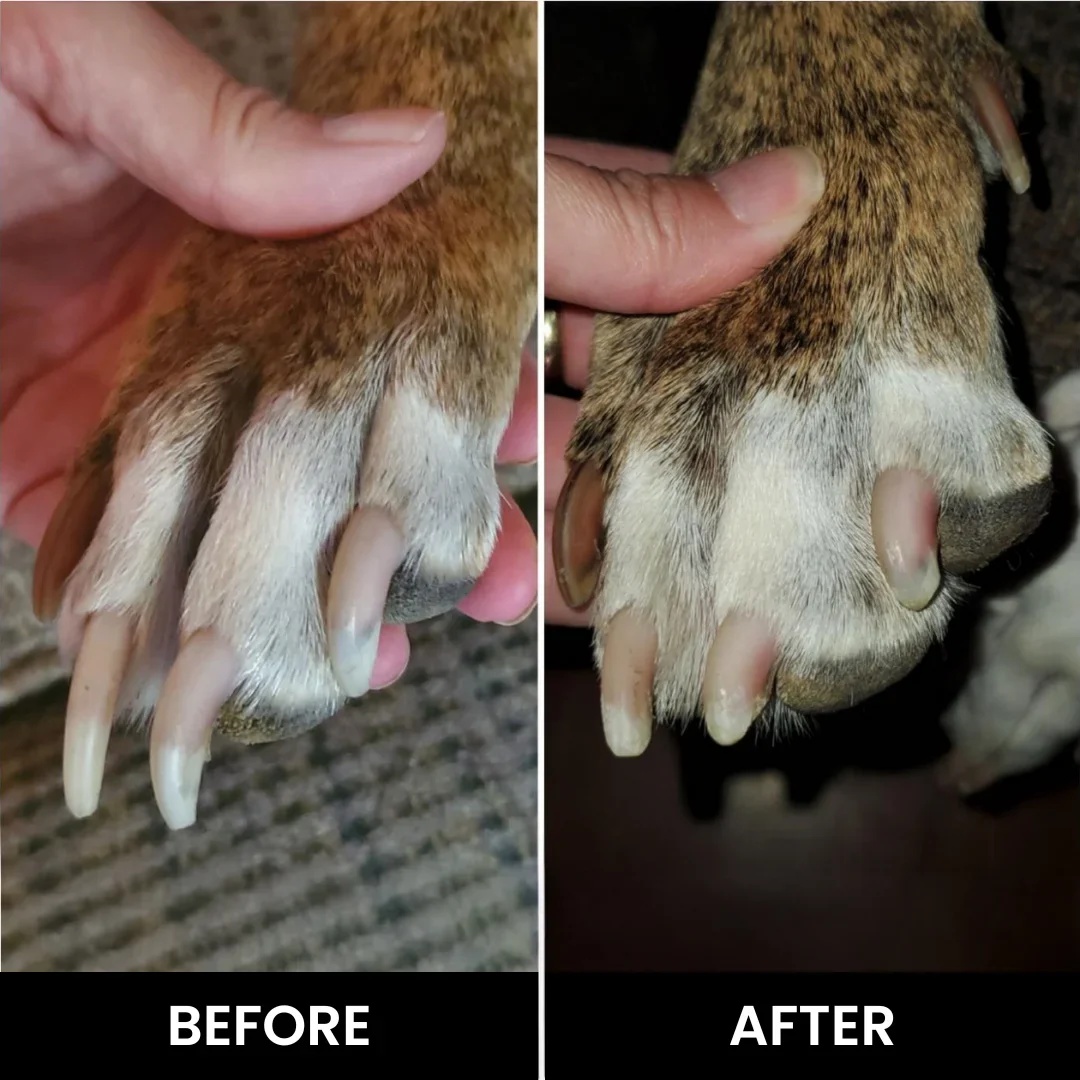
When a dog’s nail is trimmed too short, the metal clipper slices directly through the living tissue inside the claw known as the quick.
This vascular area is packed with highly sensitive nerves and blood vessels, which explains your dog’s immediate reaction of pain and the sudden rush of dark blood.
For most minor cases of a cut quick, the physical wound takes approximately 7 to 14 days to fully heal and seal itself off from external bacteria.
During the first twenty-four to forty-eight hours, the raw nerve endings are incredibly sensitive, and your dog will likely limp or protectively lick the injured paw.
By day five, a protective layers of hard keratin begins to rebuild over the exposed fleshy core, significantly reducing your dog’s daily discomfort.
Complete structural recovery of the outer claw shell occurs within several weeks as the nail grows out, pushing the sensitive quick further back into the paw structure.
To support fast healing, you must immediately apply a clotting agent like styptic powder or cornstarch with firm pressure directly to the bleeding nail tip for several minutes.
Keep your dog calm and resting on a soft blanket for the first two hours to prevent the delicate newly-formed blood clot from breaking open.
Clean the injured paw daily with lukewarm water and a mild, non-stinging antiseptic spray to eliminate dirt and prevent potential nail bed infections.
Limit your dog’s outdoor activity to short, supervised bathroom breaks on clean grass, completely avoiding muddy puddles, wet sand, and rough concrete surfaces.
If you notice persistent limping, swelling around the toe joint, or a foul odor after three days, consult your local pet care professional for a thorough exam.
If you want to handle this safely at home, the Zenpaw Maxpro Grinder provides painless, quiet filing — explore it here.
99-Day 100% Money-Back Guarantee
“Ever since we started using the Zenpaw Maxpro Grinder, it’s been such a peaceful experience. It’s very quiet, and my dog actually relaxes. It’s turned our stressful sessions into quick, quiet grooming times.”
— Sarah M. | ✔ Verified Customer
- ✓ Prevents Infection & Splitting
- ✓ Ideal for All Dog Sizes
- ✓ Low-Vibration Technology
- ✓ Fast 2-7 Days Delivery
Need Support? Call 302-307-1000
Understanding Canine Nail Anatomy: The Delicate Quick Structure
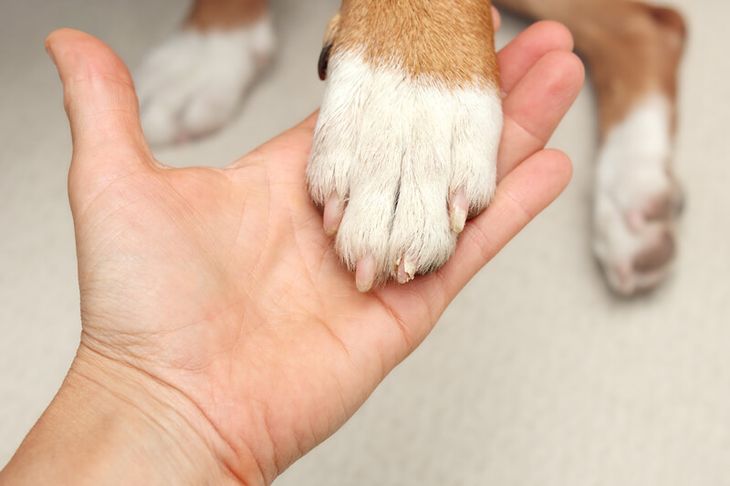
To safely maintain your dog’s paws, you must first understand the internal biological structure of their claws.
A dog’s nail is comprised of an outer shell made of tough, dead keratin and an inner living core called the quick.
The quick is directly connected to the claw bone and contains a complex network of blood vessels and extremely sensitive nerve endings.
When you use traditional metal scissors, the pressure of the blade compresses the entire nail shell before making a cut.
This sudden crushing force often pinches or shatters the sensitive inner quick, which triggers a sharp pain response from your dog.
For dogs with white claws, finding the quick is simple because it appears as a distinct pink silhouette visible inside the translucent keratin.
However, finding the quick is much more difficult when you are working with dark or thick black canine nails.
Using dog nail clippers for black nails can still carry risks because the inner structures are completely hidden from plain view.
Many professional groomers suggest checking out specialized best nail clippers for large dogs to handle thick nails safely.
If you prefer using manual tools with physical blockages, you might look into dog nail clippers with safety guard to minimize the risk of over-cutting.
Even with guards, the crushing pressure of traditional blades can still cause splitting, which is why electric grinders are rapidly becoming the preferred professional choice.
Decoding the Healing Timeline: How Long for the Cut Quick to Close?
The biological timeline for an exposed quick to close and heal depends heavily on the depth of the initial cut.
During the first zero to twenty minutes, your primary goal is to achieve blood clotting and stop active bleeding from the raw wound.
Once the bleeding stops, a natural physiological scab forms over the damaged blood vessels to protect the raw nerve endings.
Within forty-eight to seventy-two hours, the initial intense pain subsides as the outer tissue layers begin their cellular repair.
Between days four and seven, the raw surface closes up with a thin protective layer of skin cells, blocking dirt from entering.
By day fourteen, the sensitive quick is no longer raw or exposed, and your dog will happily return to normal physical play.
Complete claw shell restoration can take up to eight weeks as the hard outer nail slowly grows forward.
If the nail is left untrimmed, the quick will continue to grow longer alongside the hard outer keratin shell.
When dealing with severely overgrown claws, you should never attempt to cut them back to normal length in a single session.
Instead, file the tips down gradually every week to encourage the blood vessels to naturally recede back into the paw structure.
Failing to address overgrown claws can alter your dog’s posture and alignment, which may eventually lead to severe joint discomfort.
In extreme cases of structural damage, you might be forced to consider the dog nails too long surgery cost to correct the bone alignment under professional veterinary care.
What Happens When a Dog Nail is Ripped Off Completely?
A completely ripped off or torn nail represents a much more severe injury than a simple cut quick from a grooming tool.
This traumatic injury usually occurs when a long claw gets snagged on thick carpet fibers, outdoor fencing, or rough wood decking.
The dog nail ripped off how long to heal timeline typically stretches from three to four weeks of focused recovery care.
Because the underlying nail bed is completely exposed to the elements, these painful injuries are highly susceptible to secondary bacterial infections.
You must keep the entire paw bandaged and protected with a breathable bootie for at least the first seven to ten days of healing.
Veterinary professionals often prescribe oral antibiotics and pet-safe anti-inflammatory medications to manage the pain and swelling.
Never apply human-grade pain relievers or harsh chemicals to an open nail bed wound because they can be toxic to dogs.
For modern, non-invasive recovery support, some clinical practices offer specialized laser nail trim for dogs to stimulate cellular repair.
To avoid these stressful, high-cost injury scenarios, maintaining a consistent, low-stress weekly grooming routine is absolutely vital.
Practical Application Guide: Stress-Free Grooming & Grinding
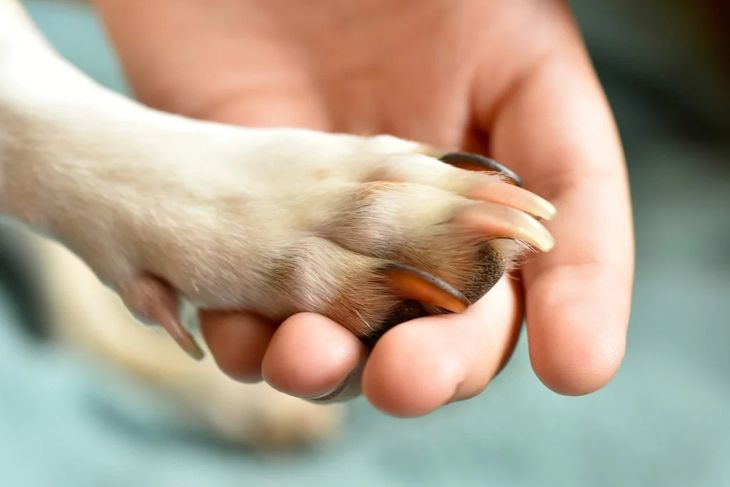
The key to successful, pain-free grooming is replacing the violent crushing motion of clippers with gradual filing.
By using an electric grinder, you can gently shave down the tough outer keratin layer millimeter by millimeter.
This controlled approach allows you to stop immediately as soon as you see the soft, pale inner circle that indicates you are approaching the quick.
To help you understand the distinct differences between modern grooming methods, we have compiled a direct comparison table below.
| Grooming Method | Risk of Quick Injury | Noise & Vibration Levels | Impact on Nail Structure |
|---|---|---|---|
| Traditional Metal Clippers | High (Blind cutting) | Silent but high crushing pressure | Causes splitting, cracking, and structural jagged edges |
| Zenpaw Maxpro Grinder | Very Low (Gradual filing control) | Whisper-Quiet (<40dB, zero nerve vibration) | Perfectly smooths the keratin, preventing snags |
| Professional Laser Trimming | Negligible (Clinical setting) | Extremely low, medical clinic environment | Extremely clean cuts but requires costly vet visits |
Step-by-Step Desensitization Protocol with Zenpaw Maxpro
Introducing a new grooming tool to an anxious dog requires patience, positive reinforcement, and a calm environment.
Follow our proven behavioral training program over the course of seven days to establish a lifelong stress-free routine.
- Day 1: Familiarization: Place the turned-off Zenpaw Maxpro Grinder on the floor next to your dog’s favorite toys and reward them with high-value treats whenever they sniff it.
- Day 2: Sound Introduction: Turn on the grinder’s whisper-quiet motor at its lowest speed while holding it a few feet away from your dog, offering rewarding treats to build a positive association with the soft hum.
- Day 3: Paw Desensitization: Gently massage your dog’s paws and individual toes while holding the turned-off grinder against their leg so they adapt to the physical contact.
- Day 4: Vibration Touch: Touch the handle of the humming grinder to your dog’s shoulder or leg for three seconds, allowing them to feel the mild, low-vibration technology without any nail contact.
- Day 5: Single Nail Trim: Gently file the very tip of a single nail at a precise 45-degree angle for just two seconds, then immediately reward your dog with praise and a delicious treat.
- Day 6: Single Paw Completion: File two to three nails on the same paw, pausing frequently to ensure your dog remains relaxed and completely comfortable.
- Day 7: Full Grooming Confidence: Complete all four paws in a single peaceful session, establishing a healthy, stress-free grooming habit for life.
Overcoming Risks and Common Grooming Pitfalls
The most common mistake pet parents make is rushing the trimming process when their dog displays nervous or resistant body language.
When you force a grooming session, your dog’s anxiety spikes, which significantly increases the likelihood of a slip and a painful quick injury.
Another dangerous pitfall is using dull, rusty metal clippers that crush and split the keratin shell instead of cutting cleanly through it.
These micro-fractures can run deep into the nail bed, exposing the delicate inner tissues to painful splitting and subsequent infections.
Using a high-speed, vibrating commercial grinder can also generate excessive friction heat, causing uncomfortable burning sensations on the claw.
The Zenpaw Maxpro Grinder completely eliminates this risk with its whisper-quiet, low-heat diamond bit technology.
By filing gradually and working in short, two-second intervals on each claw, you avoid heat buildup while keeping your dog completely safe.
Always hold the grinder at a comfortable 45-degree angle, gently rounding off the sharp corners to prevent future snags on your carpets or furniture.
Frequently Asked Questions
Q: Is the Zenpaw Maxpro Grinder safe and effective for large, thick nails?
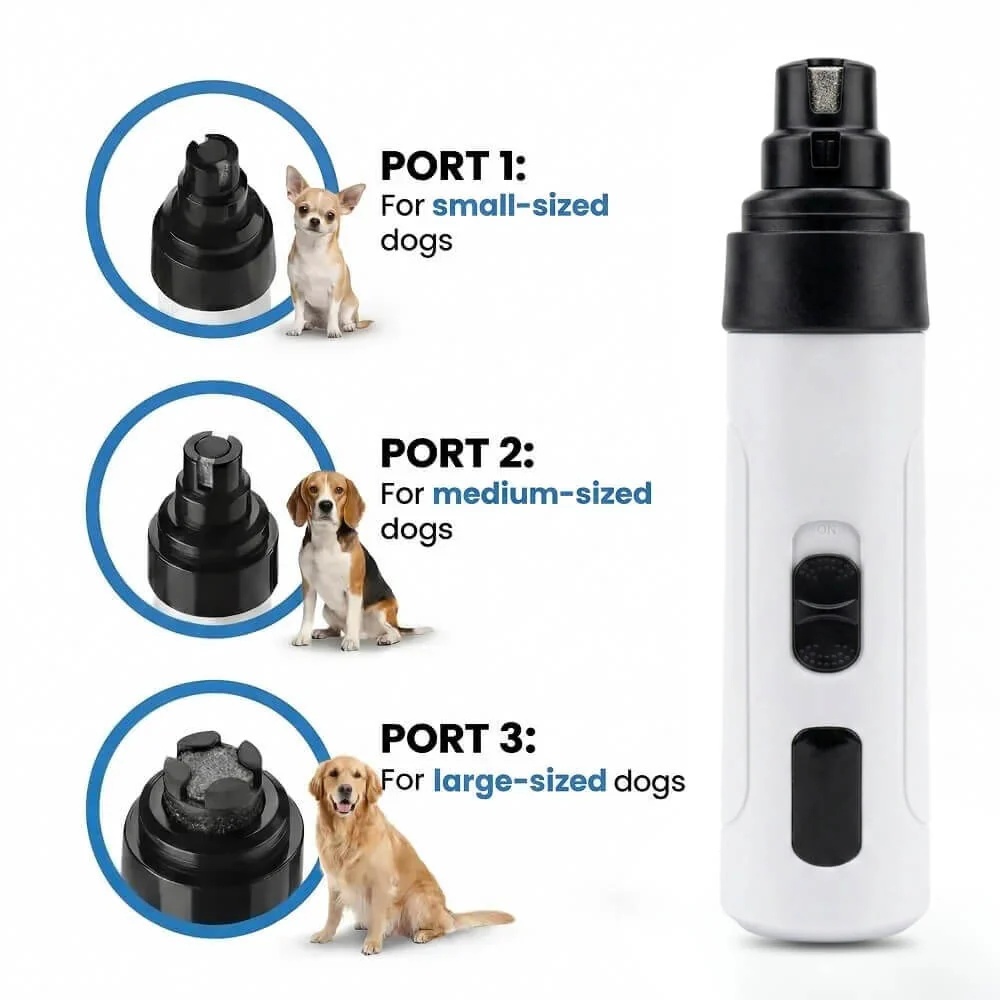
Yes, absolutely. The Zenpaw Maxpro Grinder features three specialized ports and two adjustable speed settings designed to safely accommodate small, medium, and large breeds with thick, stubborn nails.
Q: How long does the battery last on a single charge?
Our advanced, USB-rechargeable battery delivers up to 7 hours of continuous operation on a single charge, allowing you to complete multiple full grooming sessions without interruption.
Q: Which speed setting is best for anxious or sensitive dogs?
We highly recommend starting on our low-speed setting to introduce the gentle whisper-quiet hum, then transitioning to the higher speed once your dog is fully comfortable with the mild vibration.
Q: Does the grinder bit get hot during extended use?
No. The Zenpaw Maxpro features specialized low-heat, diamond-drum bit technology that prevents friction heat buildup, ensuring a completely painless and burn-free experience for your pet.
Conclusion
Filing your dog’s nails does not have to be a stressful battle of wills.
By understanding canine anatomy, responding quickly to injuries, and using gentle tools, you can transform grooming into a peaceful bonding routine.
Ready to transform nail trimming from a battle into a breeze? Explore the Zenpaw Maxpro 3-in-1 Grinder. Call: 302-307-1000 — our team can help you advise on the best grooming practices and help with any product questions.