
I still remember the heart-wrenching whimper my sweet pup made when I accidentally nipped her delicate quick years ago, leading to a nasty flare-up that required a targeted antibiotic for dog nail infection routine. It was a painful ordeal for both of us, but it inspired our team to develop the Zenpaw Maxpro 3-in-1 Grinder to protect our companions’ paws from traditional clipper trauma.
Maxpro 3-in-1 Grinder.
Stress-Free Nail Trimming.
Whisper-quiet DC motor (<40 dB) eliminates fear & discomfort. Features 3 ports, dual speeds, and 7-hour battery life. Safe, precise, and painless.
In This Article
- Veterinary Antibiotics Explained: Learn how specific oral and topical compounds manage stubborn canine claw bed issues.
- Canine Claw Anatomy & Deep Pathology: Discover why the quick is highly vulnerable and how microscopic damage triggers bacterial flare-ups.
- Practical Recovery & Preventative Care: Step-by-step guidance on keeping paws clean using safe, modern grooming alternatives.
- Transitioning to Stress-Free Trimming: Scientific desensitization tips to eliminate grooming anxiety forever.
What is the Best Antibiotic for Dog Nail Infection Issues?
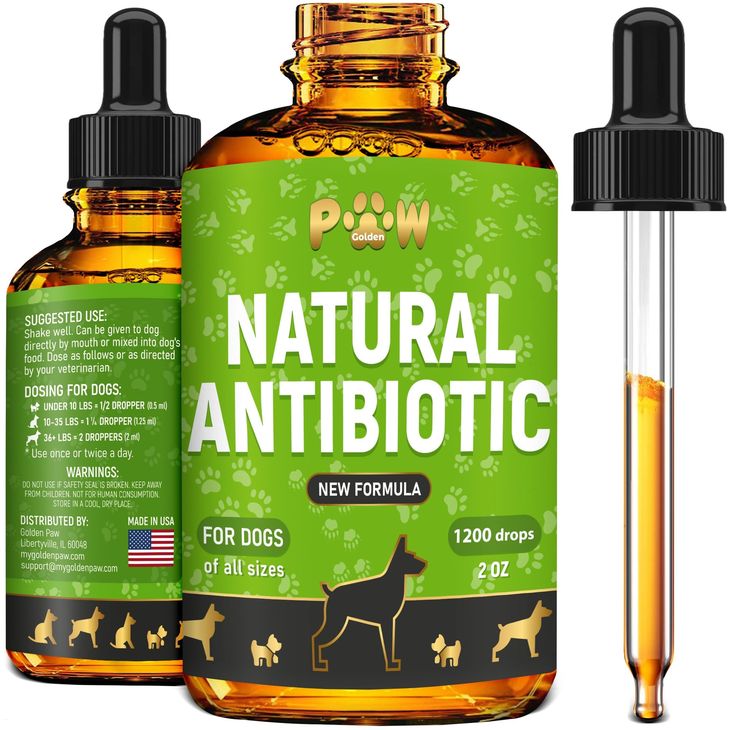
When a canine companion develops a weeping, red, or swollen claw bed, seeking a professional veterinary consultation is the crucial first step to identify the ideal antibiotic for dog nail infection management.
Veterinarians typically prescribe systemic oral medications such as cephalexin, amoxicillin-clavulanate, or clindamycin, which are specifically formulated to target common bacterial pathogens like Staphylococcus pseudintermedius that colonize compromised paw tissue.
These prescription medications should be initiated as soon as swelling or purulent discharge is detected around the ungual crest, ensuring that microscopic claw bed tears do not progress into severe deep-tissue complications.
Because the blood supply to the outer keratinized claw is naturally limited, these targeted pharmaceutical courses must often be administered continuously for three to six weeks to fully clear the pathogen as new, healthy nail tissue slowly emerges.
By utilizing diagnostic cytologies and professional physical examinations, your family veterinarian can pinpoint the exact microbial source of discomfort and establish a safe, highly effective recovery plan.
Successfully managing a painful bacterial claw issue at home requires a systematic approach that combines immediate veterinary care with meticulous hygiene practices.
First, consult with a qualified professional to obtain the correct oral medication tailored to your dog’s specific needs.
Administer the full course of prescription tablets exactly as directed, ensuring you never skip a dose even if the claw looks fully healed.
Cleanse the affected paw daily by soaking it in a warm bath mixed with diluted, pet-safe chlorhexidine for ten minutes.
Gently dry the paw using a fresh, clean towel to prevent any moisture from trapping yeast or secondary fungi.
Protect the healing toe during outdoor potty breaks by placing a clean, breathable bootie over the foot to block dirt and debris.
Once the raw tissue heals, transition your pet to a gentle, non-invasive maintenance routine to keep their claws short and prevent future splits.
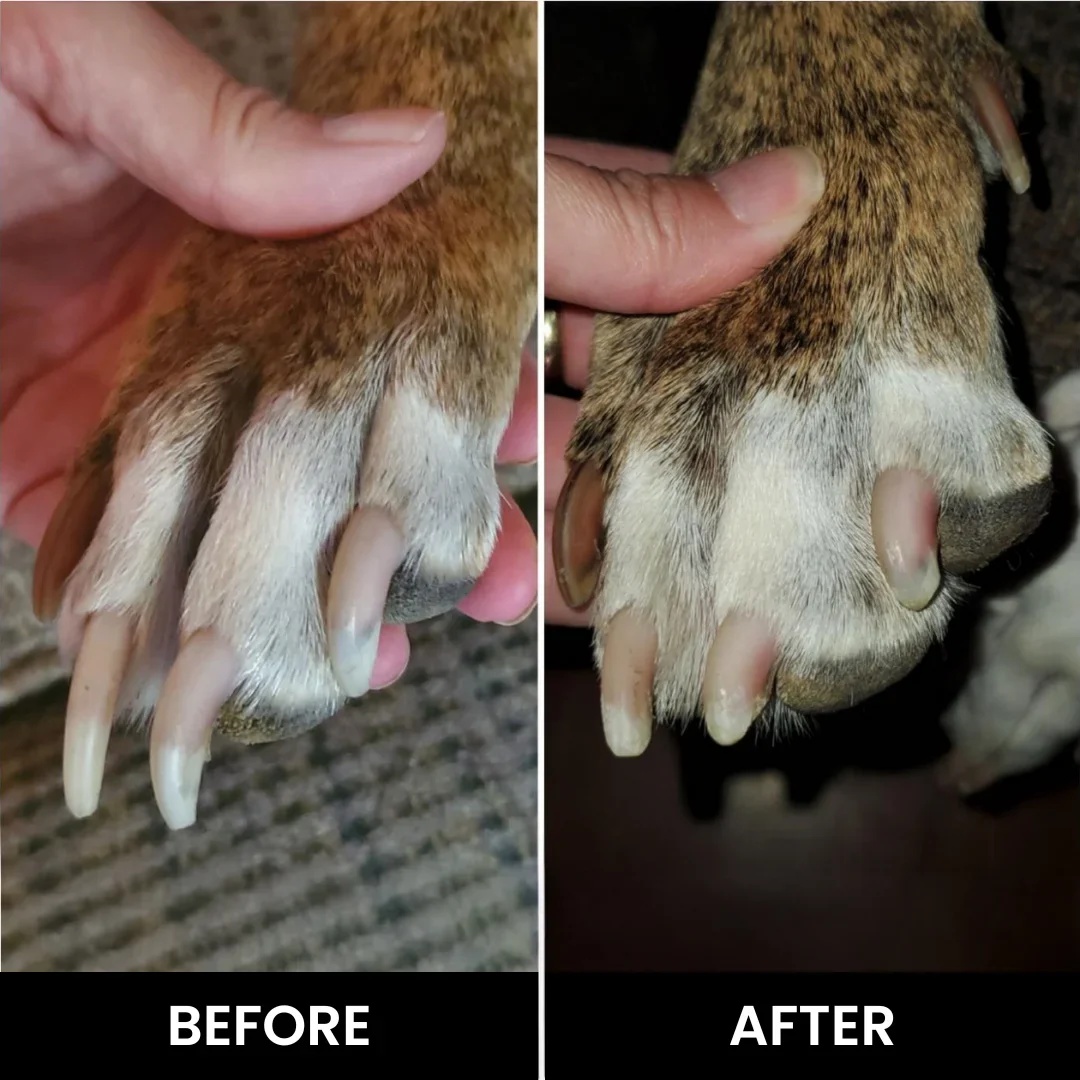
If you want to handle this safely at home, the Zenpaw Maxpro Grinder provides painless, quiet filing — explore it here.
99-Day 100% Money-Back Guarantee
“Ever since we started using the Zenpaw Maxpro Grinder, it’s been such a peaceful experience. It’s very quiet, and my dog actually relaxes. It’s turned our stressful sessions into quick, quiet grooming times.”
— Sarah M. | ✔ Verified Customer
- ✓ Prevents Infection & Splitting
- ✓ Ideal for All Dog Sizes
- ✓ Low-Vibration Technology
- ✓ Fast 2-7 Days Delivery
Need Support? Call 302-307-1000
Understanding Canine Nail Anatomy: Why the Quick is Highly Vulnerable
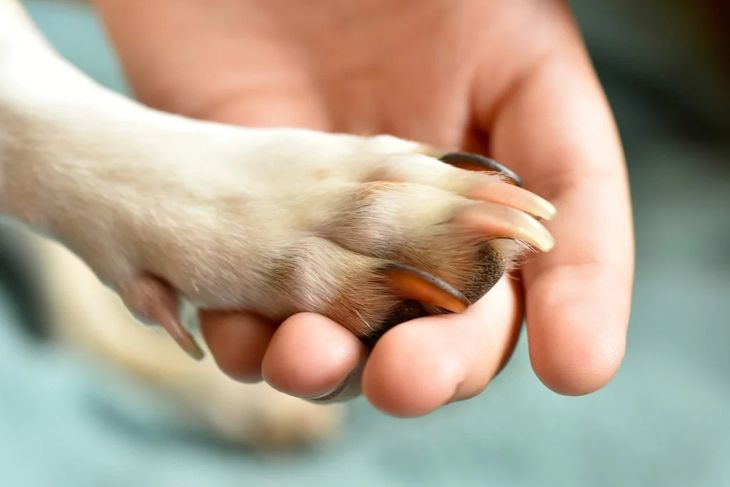
Canine claws are complex anatomical structures that differ significantly from human nails.
The outermost layer consists of a hard, keratinized sheath designed to protect the delicate structures within.
Directly inside this protective outer wall lies the quick, which is a highly vascularized and nerve-rich core.
Because the quick connects directly to the distal phalanx bone, any injury to this area can lead to severe pain.
When a claw is split or cracked, it often leaves a dog nail quick exposed to the environment.
This exposure creates an immediate pathway for opportunistic environmental bacteria to colonize the warm, moist tissue.
Traditional nail trimming methods often apply crushing pressure that can fracture the outer keratin wall.
This crushing action is a primary cause of microscopic cracks that invite harmful pathogens deep into the nail bed.
When a pet owner accidentally nips this vascular core, they must take immediate action to manage the cut puppy nail bleeding cleanly.
Allowing dirt or debris to enter an open, bleeding quick is the most common precursor to a painful bacterial flare-up.
Once bacteria enter the vascular supply of the quick, the infection can quickly travel up the claw fold.
This condition, known as paronychia, causes extreme throbbing pain and visible swelling that makes walking difficult.
By understanding this delicate anatomy, pet owners can see why preventing structural damage to the nail sheath is so critical.
Using a gentle, non-invasive method to maintain short claws minimizes the risk of structural compromises.
The distal phalanx bone is situated directly behind the quick, making any claw infection a potential threat to the skeletal structure.
This close anatomical relationship explains why untreated bacterial infections can quickly compromise the entire toe.
Furthermore, a damaged or exposed quick causes continuous throbbing discomfort with every step your dog takes.
This constant pressure leads to compensatory gait changes, which can eventually stress their shoulder and hip joints.
Bacterial vs. Fungal Pathogens: Identifying Signs of Claw Bed Infections
Effective dog nail infection treatment depends on identifying the specific microorganism causing the inflammation.
Bacterial nail bed infections are primarily caused by common skin pathogens such as Staphylococcus or Streptococcus.
In some cases, Gram-negative bacteria like Pseudomonas can colonize the damp crevices of the claw fold.
These bacterial invaders lead to visible swelling, intense redness, and a thick, yellow purulent discharge.
Conversely, fungal or yeast infections are typically driven by Malassezia pachydermatis, which thrives in moist environments.
Yeast issues often present with a dark, reddish-brown staining of the nail plate and a distinct, sweet, corn-chip odor.
It is very common for dogs to develop mixed infections where both bacteria and yeast exploit the damaged skin together.
Pet parents often observe their dogs obsessively licking, chewing, or biting at a specific toe.
This continuous moisture from saliva further fuels the growth of these microscopic pathogens, creating a vicious cycle.
To break this cycle, veterinarians will perform a gentle surface impression smear or tape lift for cytology.
This simple test allows the veterinary team to visualize the invaders under a microscope and choose the right medication.
While a topical antiseptic can assist with surface issues, deep-seated bacterial claw bed infections require systemic therapy.
This is why keeping the outer claw smooth and free of microscopic cracks is your first line of defense.
Investing in proper dog nail clippers safety guidelines can prevent these structural fissures from forming in the first place.
Using traditional clippers can stress the nail plate, causing it to splinter and split down to the soft tissue.
A quiet, rotary tool files the claw down incrementally, sealing the edges and keeping the protective barrier intact.
A clean, professional cytology is the only way to differentiate between a stubborn yeast flare-up and a severe bacterial infection.
Topical treatments alone are rarely sufficient for deep-seated claw fold infections because they cannot penetrate the hard outer keratin.
This limitation is why systemic oral medications are so vital to reach the deep vascular bed from the inside out.
Combining these oral therapies with clean, non-invasive maintenance tools represents the gold standard of modern paw care.
Common Veterinary Medications for Treating Bacterial Nail Bed Infections
When addressing deep, localized paw issues, veterinarians must choose systemic medications that penetrate bone and keratin.
Cephalexin is a widely used first-generation cephalosporin that is highly effective against Gram-positive skin bacteria.
Another frequent choice is Clavamox, which combines amoxicillin with clavulanate potassium to overcome bacterial resistance.
For deeper tissue involvements, clindamycin is highly favored due to its exceptional ability to penetrate bone structures.
Because the blood supply to the distal claw is naturally sparse, oral therapies must be continued for a minimum of four weeks.
Stopping the medication too early can allow the hardiest bacteria to survive, leading to a rapid, resistant relapse.
Alongside oral medications, veterinarians often recommend daily antiseptic foot baths to support the recovery of treating bacterial nail bed infections.
These soaks, usually containing chlorhexidine or povidone-iodine, physically flush out debris and reduce surface microbial loads.
It is absolutely vital to dry the paw completely after every single soak to prevent opportunistic yeast overgrowth.
Managing a torn claw immediately can successfully prevent secondary bacterial issues in deep torn quicks.
If your dog tears a claw, keep the area clean, apply a light bandage, and seek professional guidance promptly.
Never attempt to apply leftover human medications or random creams to your pet’s paw without professional approval.
Many human ointments contain ingredients that are highly toxic to dogs if licked and swallowed.
By following a structured, veterinary-approved protocol, you can safely guide your dog back to pain-free play.
During the recovery period, it is highly recommended to inspect all paws daily for any fresh micro-tears or split edges.
Even a minor scratch from outdoor gravel can reintroduce bacteria into a recently healed nail bed.
Providing a clean, dry sleeping environment prevents environmental pathogens from colonizing the damp claw folders overnight.
This proactive approach ensures that your dog’s immune system can focus entirely on healing the primary infection.
How to Keep Dog Nails Clean and Properly Groomed at Home

Regular claw maintenance is the absolute foundation of long-term canine paw health and joint alignment.
Many pet parents find this task incredibly stressful, often because their dogs associate grooming with pain.
Finding a professional dog nail groomer can be expensive and logistically challenging.
If you live in Texas, searching for a reliable dog nail trim austin provider can highlight how costly routine visits become.
Learning to manage your dog’s claws safely at home saves money and eliminates stressful car rides.
The secret to a peaceful experience lies in a scientific process called progressive desensitization.
First, introduce the Zenpaw Maxpro Grinder while it is completely turned off, allowing your dog to sniff it at their own pace.
Reward every curious sniff with a high-value treat, such as a small dab of peanut butter or a piece of freeze-dried liver.
Next, turn the grinder on its lowest speed while keeping it several feet away from your dog.
Feed treats continuously while the quiet motor hums, teaching your dog that this gentle sound predicts delicious rewards.
Once your dog is relaxed, touch the body of the vibrating tool gently to their leg, still without filing any nails.
This step helps them get used to the mild, low-vibration sensation without any fear or pressure.
When you are ready to file, gently hold a single toe and apply the rotary head to the tip of the claw.
Hold the grinder at a precise 45-degree angle to match the natural downward slope of the claw.
Work in brief, two-second increments on each toe to prevent any friction heat from building up.
The Zenpaw Maxpro features a whisper-quiet DC motor that operates under 40 decibels, keeping your dog calm throughout.
Its low-heat technology ensures the grinding wheel remains cool, preventing any accidental thermal discomfort.
By taking your time and keeping sessions positive, you can turn a stressful chore into a beautiful bonding ritual.
Regular, short sessions are far more effective than trying to file all sixteen claws down in a single day.
For highly sensitive dogs, focusing on just one or two claws per session keeps stress levels low and manageable.
Always reward your pet immediately after filing each nail to reinforce the positive connection with the rotary tool.
Over time, your dog will look forward to these grooming sessions as a fun, treat-filled bonding activity.
Avoiding the Pitfalls of Traditional Grooming Tools
Many pet owners do not realize that using traditional guillotine or scissor clippers can actively harm their dog’s paws.
As clippers age, their metal blades become dull and lose their clean cutting edge.
Instead of cutting cleanly, dull blades apply immense crushing pressure directly to the circular nail wall.
This severe pressure causes microscopic fractures and vertical splits to run up the claw toward the sensitive skin fold.
These tiny fissures act as perfect pathways, trapping moisture, dirt, and harmful environmental bacteria.
Furthermore, the sudden, loud crunching sound of a manual clipper often terrifies dogs, causing them to flinch violently.
A sudden flinch during a trim is the most common way pet parents accidentally slice into the sensitive quick.
This traumatic experience can ruin a dog’s trust, making them highly resistant to any future grooming attempts.
In contrast, the Zenpaw Maxpro 3-in-1 Grinder offers a gradual, completely painless filing experience.
Rather than applying sudden crushing force, the high-speed diamond bit gently wears down the keratin layer-by-layer.
This incremental filing allows you to see the safety zone clearly as you approach the quick.
You can stop filing immediately when you see a small, dark dot appear in the center of the claw tip.
This visual cue tells you that you have reached the edge of the safe zone without causing any pain or bleeding.
Choosing a gentle, rotary tool protects your dog’s physiological comfort and preserves their emotional well-being.
Frequently Asked Questions About Canine Nail Care and Infections
Is the Zenpaw Maxpro Grinder powerful enough for large dogs with thick nails?
Yes, the Zenpaw Maxpro is specifically engineered to handle claws of all sizes and thicknesses.
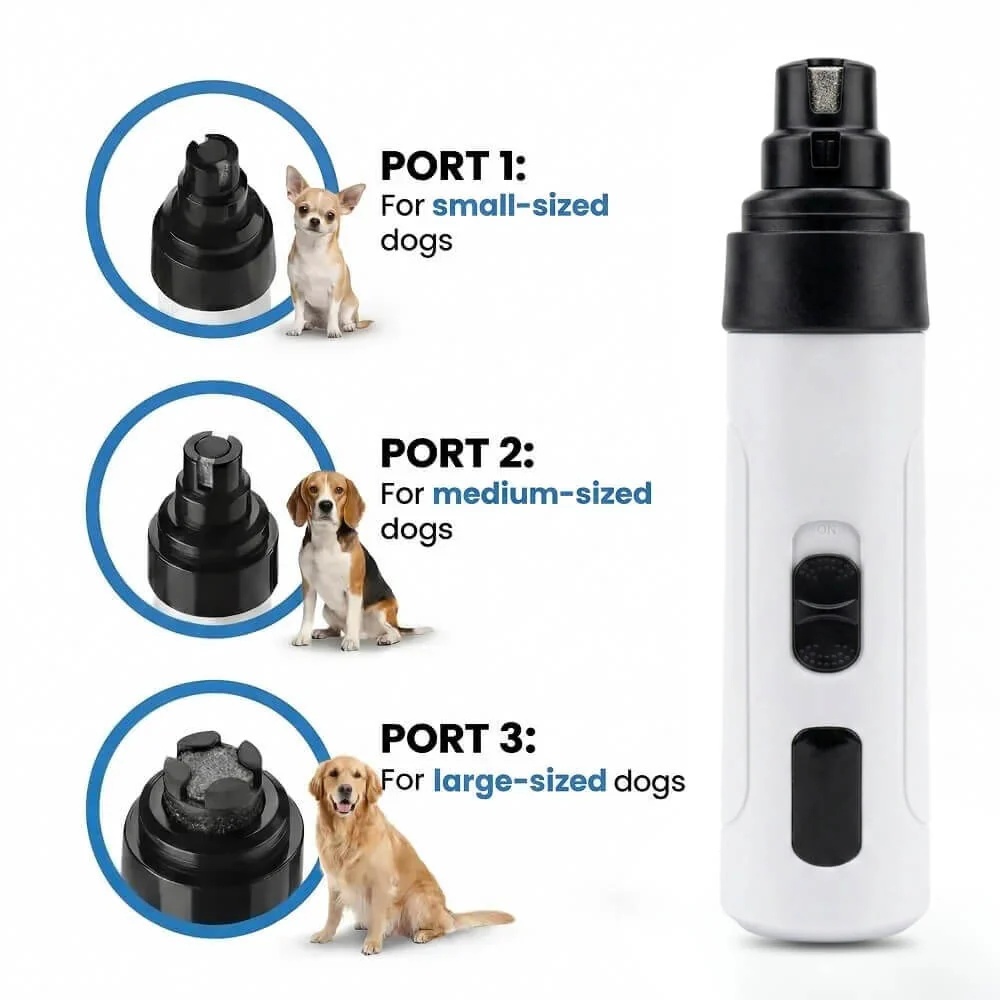
The protective safety cap features three distinct ports designed to accommodate small, medium, and large breeds.
For large dogs with exceptionally thick claws, you can easily remove the safety cap to expose the entire diamond bit.
This allows you to file down thick, stubborn keratin efficiently and smoothly without any motor stalling.
How long does the Zenpaw Maxpro battery last on a single charge?
The Zenpaw Maxpro features an advanced, long-lasting battery that provides up to seven hours of continuous run time.
It is fully USB-rechargeable, allowing you to charge it conveniently using your laptop, power bank, or wall adapter.
This exceptional battery life means you can perform multiple grooming sessions without worrying about the tool dying mid-trim.
The cordless design also gives you complete freedom of movement, letting you groom your dog in their favorite, comfortable spot.
Which speed setting is best for a highly anxious dog?
We strongly recommend starting on the lowest speed setting when introducing the grinder to an anxious companion.
The low-speed setting minimizes both the sound and the vibration, helping your dog feel secure and relaxed.
Once your dog displays calm body language and becomes comfortable with the tool, you can transition to the higher speed.
The dual-speed motor allows you to customize the experience to match your pet’s unique comfort level perfectly.
Does the grinding wheel get hot and burn the dog’s nail?
No, the Zenpaw Maxpro is built with advanced, low-heat technology that prevents dangerous thermal buildup.
To ensure complete safety, you should always file in brief, two-second intervals on each individual claw.
Moving from claw to claw allows the keratin to cool down naturally, preventing any sensation of friction heat.
This simple technique, combined with our premium diamond bit, ensures a completely painless and cool grooming session.
Conclusion
Maintaining healthy claws does not have to be a stressful battle for you or your beloved dog.
Ready to transform nail trimming from a battle into a breeze?
Explore the Zenpaw Maxpro 3-in-1 Grinder.
Call: 302-307-1000 — our team can help advise you on the best grooming practices and help with any product questions.