
I still remember the sheer panic I felt when my golden retriever, Bailey, limped over to me after an energetic run, only for me to notice a jagged crack on his front claw. While I was incredibly relieved to see a dog split nail no bleeding, I knew that leaving this jagged, split claw unmanaged could quickly lead to snagging, painful tearing, or a nasty infection on his active paws, which is why our team at Zenpaw created safer home grooming solutions.
Maxpro 3-in-1 Grinder.
Stress-Free Nail Trimming.
Whisper-quiet DC motor (<40 dB) eliminates fear & discomfort. Features 3 ports, dual speeds, and 7-hour battery life. Safe, precise, and painless.
In This Article
- Immediate Actions: Learn how to safely evaluate and stabilize a non-bleeding split claw at home.
- Canine Claw Anatomy: Understand the complex structures of your dog’s nails to avoid damaging the quick.
- Filing and Grinding Techniques: Discover why grinding is infinitely safer than crushing traditional clippers.
- Step-by-Step Desensitization: Master behavioral tips to keep your dog perfectly calm and cooperative.
- Long-Term Prevention: Practical solutions to strengthen brittle nails and prevent future fractures.
What Should You Do for a Dog Split Nail with No Bleeding?
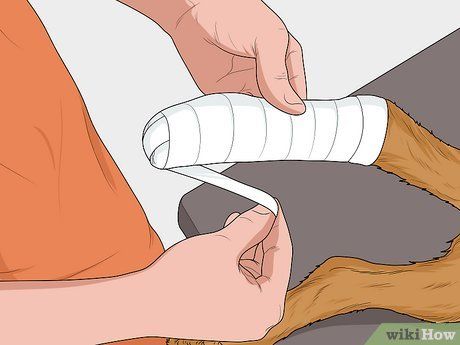
A non-bleeding split dog claw is a common superficial injury where the outer keratin shell of the nail cracks without exposing or rupturing the sensitive blood vessels inside.
According to the American Kennel Club, this type of wear-and-tear injury frequently occurs in active dogs of all breeds, particularly senior dogs whose nails naturally become more brittle with age.
This structural damage typically happens during outdoor play, high-speed digging, or sudden impact with hard surfaces like concrete, rocks, or gravel.
You will most commonly observe this issue on your dog’s front paws or dewclaws, as these areas bear the brunt of lateral force when your dog runs, digs, and turns.
This split occurs because the dry keratin layers lose their natural moisture, creating microscopic weak points that eventually fracture under minor physical pressure.
You can manage this situation safely at home by stabilizing the claw, carefully smoothing the rough edges, and preventing dirt from packing into the open fissure.
By taking swift and calm action, you can successfully prevent the crack from traveling further up toward the painful neural tissue of the nailbed.
This careful intervention will protect your dog’s comfort and keep them active without requiring immediate, stressful veterinary emergency visits.
To safely resolve this issue, start by securing your dog in a comfortable, well-lit space where they feel secure and relaxed.
Gently clean the affected paw with warm water to remove any dirt or debris that might be hiding within the crack.
Carefully inspect the damaged nail using a bright penlight to verify that the sensitive pink quick remains completely uninjured and untouched.
Using a precise file, slowly smooth down the jagged edges of the split to eliminate any catch points that could snag on carpets or grass.
Be sure to work only in one direction, moving from the base of the nail toward the tip to prevent further fiber splintering.
Finish by applying a tiny dab of pet-safe antiseptic ointment over the clean claw to protect the inner structural layers from bacterial invasion during outdoor walks.
Monitor the claw daily for the next week to ensure that healthy regrowth begins without any signs of local irritation.
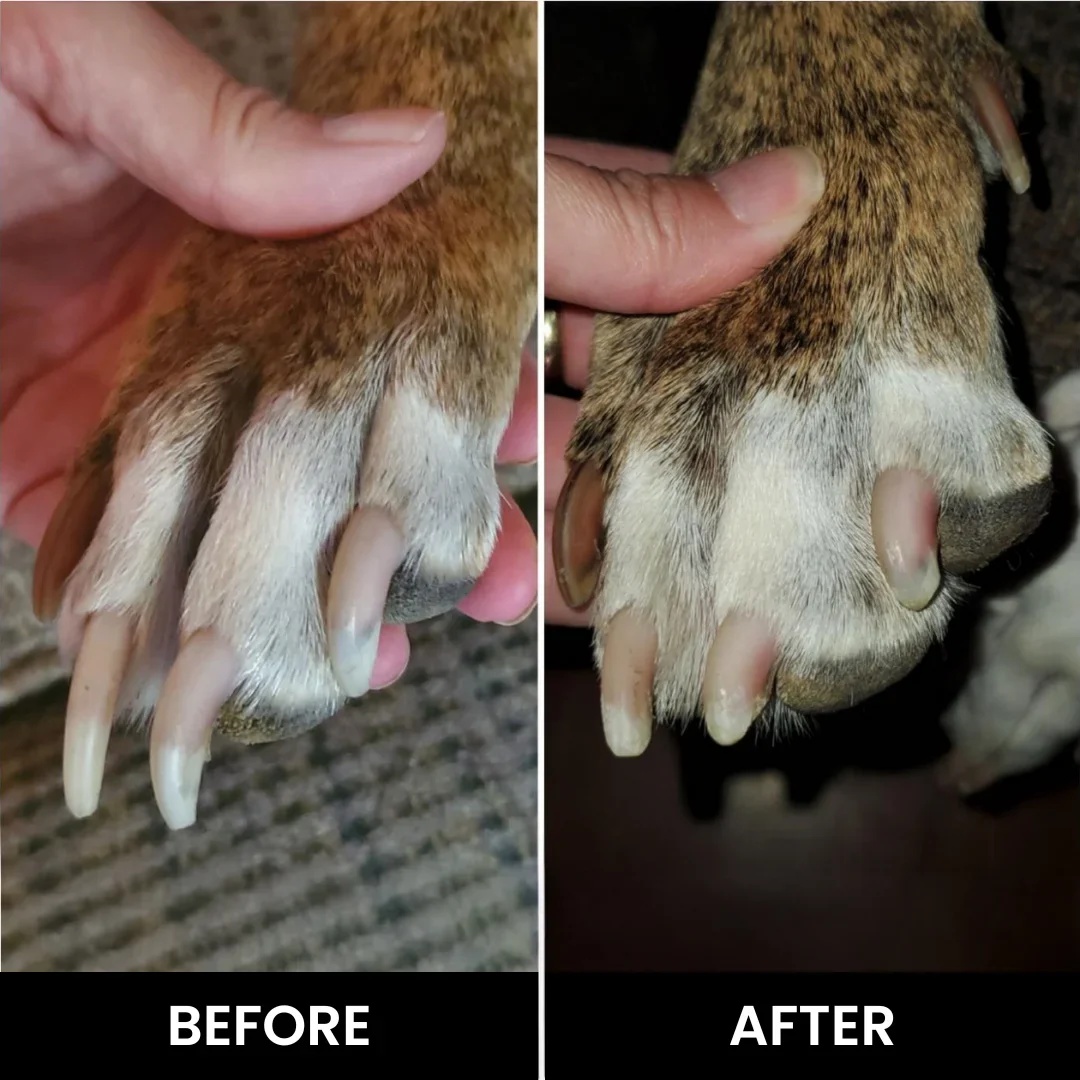
If you want to handle this safely at home, the Zenpaw Maxpro Grinder provides painless, quiet filing — explore it here.
99-Day 100% Money-Back Guarantee
“Ever since we started using the Zenpaw Maxpro Grinder, it’s been such a peaceful experience. It’s very quiet, and my dog actually relaxes. It’s turned our stressful sessions into quick, quiet grooming times.”
— Sarah M. | ✔ Verified Customer
- ✓ Prevents Infection & Splitting
- ✓ Ideal for All Dog Sizes
- ✓ Low-Vibration Technology
- ✓ Fast 2-7 Days Delivery
Need Support? Call 302-307-1000
Understanding Canine Nail Anatomy: Why Some Splits Don’t Bleed
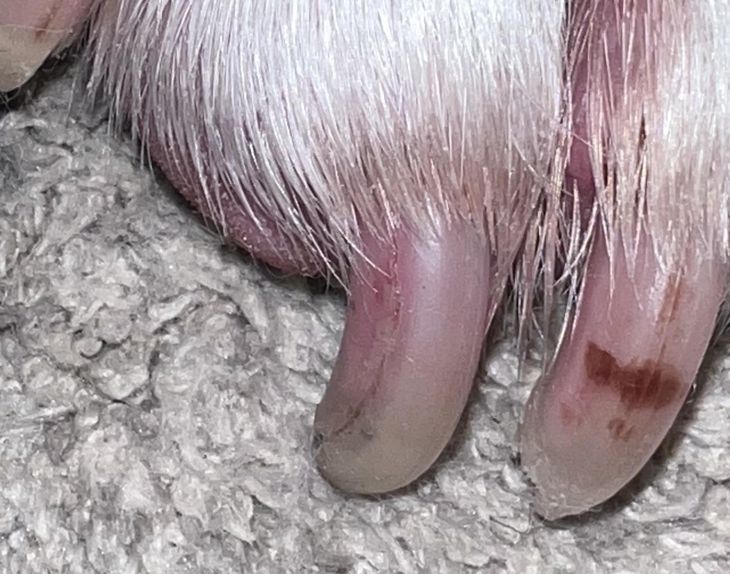
Every dog claw is a complex, living structure consisting of a hard outer layer and a highly sensitive inner core.
The visible outer shell is made of a tough protein called keratin, which grows in dense, microscopic layers to protect the underlying tissue.
This outer shell is divided into the strong dorsal plate on top, the lateral plates on the sides, and the softer sole on the underside.
Deep inside this protective keratin tube lies the quick, which is a rich network of blood vessels and highly sensitive nerve endings.
When a dog experiences a superficial split, the fracture only penetrates the dead keratin layers without reaching the vascular tissue of the quick.
This explains why you see a split but do not observe any blood or signs of acute physical distress from your dog.
However, leaving this dry split unmanaged is highly risky because the structural integrity of the entire claw is now compromised.
With every step your dog takes, the mechanical pressure can cause the crack to migrate upward toward the nailbed.
If the crack reaches the quick, it can cause sudden, intense pain and open a direct gateway for harmful environmental bacteria.
This is why you must address even minor cracks before they escalate into painful, bleeding emergencies.
If you do happen to nick the sensitive inner tissue during grooming, it is vital to have a stop dog nail bleeding home remedy ready in your household first aid kit.
Understanding this anatomy helps you approach home grooming with the confidence and care your dog deserves.
By maintaining a consistent grooming routine, you keep the keratin strong, resilient, and far less prone to sudden structural failure.
Over time, well-groomed nails develop a shorter, more compact quick, which significantly reduces the risk of accidental injuries.
This anatomical adaptation means that regular, gentle filing actually makes your dog’s nails safer to maintain over the long run.
Using a progressive, gentle approach prevents microscopic fractures from developing in the first place.
Your dog will appreciate the gradual adjustments, and you will enjoy a worry-free grooming experience.
How to Safely Address a Dog Cracked Nail with No Bleeding
When you discover a dog cracked nail no bleeding, the grooming tools you choose will dictate how safe and stress-free the recovery process will be.
Many pet parents instinctively reach for traditional scissor-style or guillotine-style dog nail clippers.
However, professional groomers strongly advise against using these crushing tools on already damaged, split claws.
Traditional clippers work by applying intense, crushing force from both sides of the nail to cut through the hard keratin.
This sudden lateral pressure can easily shatter brittle nails and force the existing split to tear much deeper into the quick.
For a non-bleeding crack, a progressive filing approach is infinitely safer and far more comfortable for your canine companion.
If the crack is very small and superficial, you can start by using a best dog nail file board to gently wear down the sharp edges.
Manual filing allows you to move at a slow, controlled pace, ensuring your dog remains relaxed and cooperative throughout the session.
Manual boards are excellent for touch-ups but can require significant time and physical effort when dealing with hard, thick claws on larger breeds.
For deeper or wider splits that require more precise smoothing, a modern electric dog nail file is the ultimate clinical-grade solution.
An electric grinder works by gradually shaving away microscopic layers of the nail shell through rapid, gentle rotations.
This rotary action eliminates the risk of crushing the nail plate, allowing you to smooth the split edge right up to the safety margin of the quick.
By gently rounding the entire circumference of the cracked claw, you remove the physical leverage that causes cracks to spread during running and play.
This progressive technique ensures you can manage the split safely at home without causing any pain or veterinary anxiety.
Consistent, weekly use of a quality electronic tool helps to gently wear down the length of the nail over several sessions.
This slow, controlled reduction is highly recommended by veterinarians to encourage the sensitive quick to naturally recede.
As the quick recedes, the overall structure of the nail becomes stronger and less vulnerable to physical stress.
By investing a few minutes each week in proper maintenance, you protect your pet from the cycle of painful cracks and splits.
Clinical Indicators: When to Consult a Professional Veterinary Team
While most non-bleeding splits can be managed safely at home, you must always monitor your dog’s paws for signs of deeper complications.
Examine the base of the nail weekly to check for any local swelling, persistent redness, or warmth in the surrounding paw skin.
If your dog begins limping, continuously licking the affected paw, or pulling away when you touch the toe, the split may have caused micro-tears in the underlying tissue.
Any foul odor or cloudy discharge near the nail cuticle indicates a bacterial infection that requires professional evaluation.
Our team at Zenpaw recommends consulting your trusted local veterinarian if the split extends all the way into the skin of the paw pad.
Veterinary professionals can safely assess if a partial nail removal is necessary under mild sedation to allow for clean, healthy regrowth.
For minor structural cracks, however, maintaining a gentle home filing routine is highly effective for supporting healthy claw development.
Always trust your instincts as a pet parent and seek professional clinical care if your dog exhibits persistent signs of physical pain.
Step-by-Step Guide to Managing Splitting Claws Painlessly at Home

Managing a split claw successfully at home requires a blend of proper physical technique and positive behavioral conditioning.
Before you begin any grooming work, gather your tools, some high-value rewards, and choose a quiet, low-distraction room.
If your dog is particularly wiggly, anxious, or prone to pulling their paws away, utilizing a supportive dog nail trimming hammock can gently stabilize them at a comfortable height.
This elevation keeps your dog relaxed while allowing you to safely isolate each paw without a physical struggle.
Once your dog is secure, introduce your grooming tool of choice slowly, allowing them to sniff it while rewarding them with pet-safe snacks.
To prevent anxiety, it is incredibly helpful to use a dog nail grinder low noise system that operates below forty decibels.
Loud, high-vibration tools can terrify an already stressed dog, causing them to associate claw care with fear and discomfort.
Start by touching the silent, turned-off tool to your dog’s leg, followed immediately by praise and a reward.
Once they are comfortable with the physical touch, turn on the device to let them get used to the gentle hum at a safe distance.
Hold your dog’s paw firmly but gently, placing your thumb on the top of the toe and your index finger underneath the paw pad to isolate the split claw.
Begin grinding the damaged nail at a precise forty-five-degree angle, working from the bottom edge of the split upward.
Only apply the grinding wheel to the nail for two to three seconds at a time to prevent friction heat from building up in the keratin.
Friction heat can cause sudden discomfort to the sensitive nerves inside the quick, even if you are nowhere near the vascular tissue.
Slowly and methodically blend the split edge into the healthy curve of the surrounding claw until the entire surface feels perfectly smooth to the touch.
Celebrate your dog’s cooperation throughout the process by offering tiny pieces of their favorite reward after every successful filing step.
By keeping the session short, positive, and gentle, you transform a potentially scary situation into a calm bonding experience.
Regular praise and gentle physical reassurance will teach your dog that paw maintenance is a safe, loving routine.
Common Pitfalls to Avoid When Smoothing Damaged Dog Claws
One of the most common mistakes pet parents make is rushing the grooming process in an attempt to finish quickly.
Rushing often leads to accidental over-grinding, which can easily wear down the healthy protective keratin layers and expose the quick.
Another frequent error is applying too much physical pressure with the grinder wheel against the dog’s damaged claw.
You should always let the speed of the grinding wheel do the physical work, applying only the gentlest touch to the surface.
Many owners also make the mistake of using worn-out, dull sanding drums that generate excessive heat without effectively shaving the nail.
Replacing your grinding wheels regularly ensures a clean, fast, and highly efficient groom every single time.
Additionally, using cheap, noisy tools that vibrate violently can aggravate structural cracks and induce panic in your pet.
Finally, do not make the mistake of ignoring your dog’s subtle body language during the grooming session.
If your dog begins panting heavily, yawning, or trying to pull their paw away, respect these signs of mild stress and take a short break.
Taking breaks builds trust and ensures your dog remains cooperative for future claw care sessions.
The Zenpaw Maxpro Grinder is specifically engineered to allow for gradual, painless filing, ensuring you can go at your dog’s preferred pace.
With consistent practice, you and your dog will master the art of stress-free paw maintenance.
Frequently Asked Questions About Dog Nail Splitting
Understanding the details of canine nail care can help you avoid common mistakes and keep your dog’s paws healthy.
Here are the answers to the most common questions pet parents ask our wellness team at Zenpaw.
Is the Zenpaw Maxpro Grinder safe for large dog breeds with thick claws?
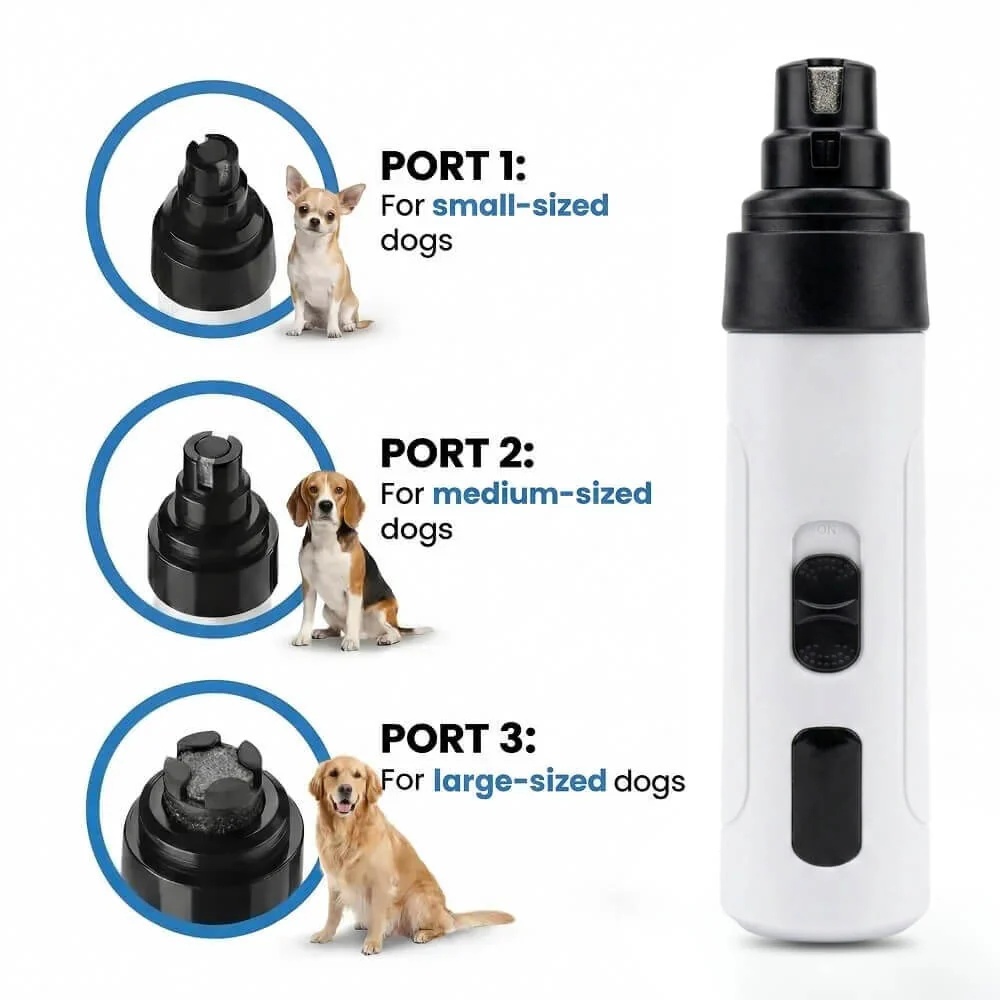
Yes, the Zenpaw Maxpro Grinder is fully equipped with three separate port sizes designed to accommodate small, medium, and large dog breeds.
The powerful, dual-speed DC motor easily files through the thickest, toughest canine nails with absolute ease and precision.
You can use the unrestricted wide port for large dogs to quickly and safely shape their sturdy nail plates.
How long does the battery last on a single charge?
The advanced lithium-ion battery provides up to seven hours of continuous grooming power on a single USB charge.
This allows you to complete multiple, detailed grooming sessions without ever worrying about a dead battery midway through.
The convenient USB charging port makes it easy to power up the device using a standard phone charger or laptop.
My dog has a split dog nail no blood showing; how can I prevent it from splitting more?
When dealing with a split dog nail no blood, the best preventive action is to round off all jagged outer edges using a low-noise grinder.
Regular weekly maintenance trims will prevent your dog’s claws from growing too long and striking the ground at sharp, damaging angles.
Applying a pet-safe moisturizing paw balm also helps keep the keratin layers flexible and highly resistant to environmental cracking.
Does the grinding tip get hot during use?
Our advanced grinder features specialized low-heat technology designed to minimize thermal transfer to the keratin plate.
However, we still recommend following the professional two-second rule by shifting the tool between claws to ensure absolute comfort.
This rotating method keeps the nail completely cool and prevents any thermal irritation to the underlying nerves.
Which speed setting is best for managing a cracked claw?
We recommend starting on the lower speed setting to carefully shape and smooth the delicate edges around the crack.
Once the jagged points are removed, you can transition to the high-speed setting for a fast, overall smooth finish on the remaining nails.
This versatile, dual-speed control allows you to customize the entire grooming experience to your dog’s specific comfort level.
Conclusion: Your Gentle Companion in Canine Paw Wellness
Caring for a split claw at home can be safe, simple, and entirely pain-free.
Keep your dog’s paws healthy and snag-free with proper grooming tools.
Ready to transform nail trimming into a gentle bonding experience?
Explore the Zenpaw Maxpro 3-in-1 Grinder.
Call: 302-307-1000 for expert grooming tips and product advice.
Note: Individual results may vary depending on individual dog breeds, nail thickness, and behavioral temperaments. This article is intended for general pet grooming reference purposes only and does not replace professional veterinary advice.