
I still remember the sheer panic when my sweet golden retriever snagged his claw on the deck and whimpered in pain, exposing me to the stark reality of sudden dog nail trauma. Seeing him bleed made my heart race, and I felt so guilty for neglecting his grooming out of fear. That painful day forced me to seek a safer solution, leading our team to create the whisper-quiet Zenpaw Maxpro 3-in-1 Grinder to ensure no other family has to endure that stress.
Maxpro 3-in-1 Grinder.
Stress-Free Nail Trimming.
Whisper-quiet DC motor (<40 dB) eliminates fear & discomfort. Features 3 ports, dual speeds, and 7-hour battery life. Safe, precise, and painless.
In This Article
- Emergency Protocols: Learn the immediate steps to take when a claw breaks.
- Anatomical Insights: Understand the quick and how to protect it from further damage.
- Safe Recovery Remedies: Implement clean home remedies without risking infection.
- Anxiety-Free Grooming: Transition your pet to stress-free maintenance using the Zenpaw Maxpro.
How Can You Safely Manage Dog Nail Trauma? Here is What the Experts Say
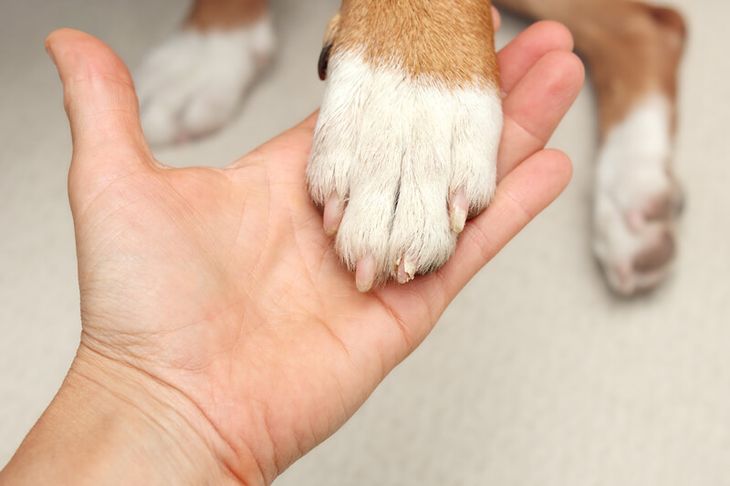
A sudden claw injury is one of the most common emergencies that pet parents encounter at home.
This painful event happens when a dog’s nail splits, tears, or completely breaks away from the paw bed.
Any dog can experience this issue, but those with overgrown claws are at a much higher risk.
The injury typically occurs during high-energy play, running on rough surfaces, or snagging on household carpets.
You will find that the front dewclaws are the most vulnerable digits because they sit higher up on the leg and easily catch on fabrics.
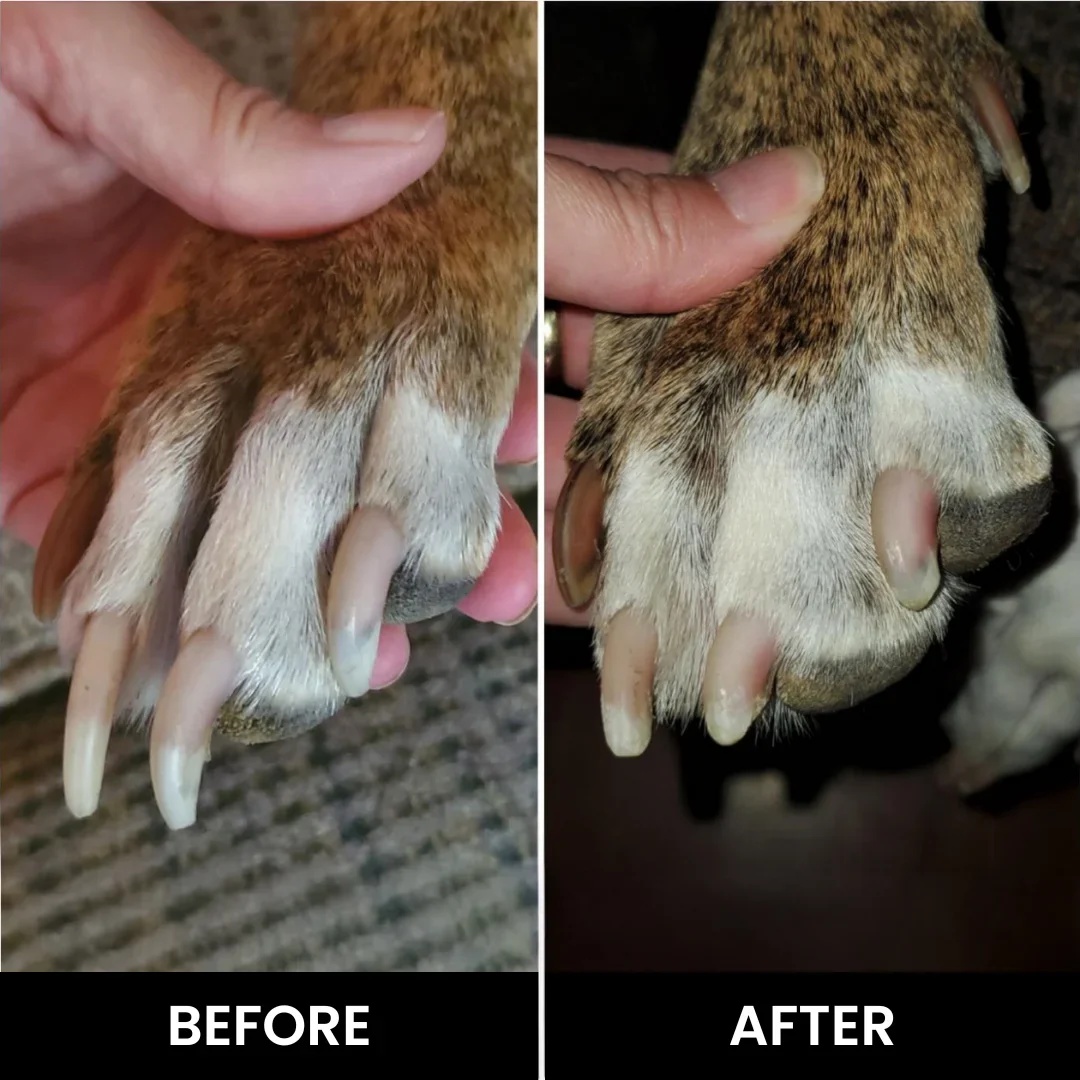
The underlying cause of this trauma is often the mechanical leverage placed on a long, brittle nail shell.
When a long nail hits a hard surface, the force bends the claw beyond its natural physical limits.
This bending action breaks the hard outer keratin and exposes the highly sensitive inner nerve endings.
Understanding how to handle this situation immediately will prevent severe pain and stop secondary complications.
Your first immediate action must be to calm your dog down to prevent them from running and worsening the bleeding.
You should gently wrap the injured paw in a clean towel and apply steady, direct pressure for at least ten minutes.
Once the bleeding slows down, you must inspect the area to see if the nail is still hanging by a thread.
If a loose fragment is dangling painfully, a professional must remove it to allow the nail bed to heal properly.
You should rinse the wounded paw with lukewarm water to flush away any dirt or debris.
Applying a pet-safe antiseptic solution or a mild saline wash will help keep the open wound clean.
You must then apply a light, breathable bandage over the paw to protect the sensitive quick from dirt.
Keeping your dog resting and limiting their outdoor activities for the next few days will accelerate the recovery process.
Certified veterinary behaviorists emphasize that maintaining a calm, reassuring demeanor is crucial during this process.
Your dog will feed off your energy, so staying relaxed helps them feel safe while you tend to their paw.
The American Kennel Club notes that regular nail maintenance is the absolute best way to prevent these painful accidents from occurring.
If you want to handle this safely at home, the Zenpaw Maxpro Grinder provides painless, quiet filing — explore it here.
99-Day 100% Money-Back Guarantee
“Ever since we started using the Zenpaw Maxpro Grinder, it’s been such a peaceful experience. It’s very quiet, and my dog actually relaxes. It’s turned our stressful sessions into quick, quiet grooming times.”
— Sarah M. | ✔ Verified Customer
- ✓ Prevents Infection & Splitting
- ✓ Ideal for All Dog Sizes
- ✓ Low-Vibration Technology
- ✓ Fast 2-7 Days Delivery
Need Support? Call 302-307-1000
Understanding Canine Nail Anatomy: Caring for Injured Pet Claws

To master the art of caring for injured pet claws, you must first understand the unique anatomy of a dog’s foot.
Unlike human nails, which are flat and sit on top of the skin, canine claws are round, three-dimensional structures.
They are directly fused to the distal phalanx, which is the last bone in each toe.
This close connection means that a severe nail injury can potentially lead to a bone infection if left unmanaged.
The outer layer of the claw consists of a hard, protective substance called beta-keratin.
Inside this tough shell lies the quick, which is a highly sensitive bundle of blood vessels and nerves.
The quick acts as the lifeforce of the nail, providing nutrients to keep the outer shell healthy.
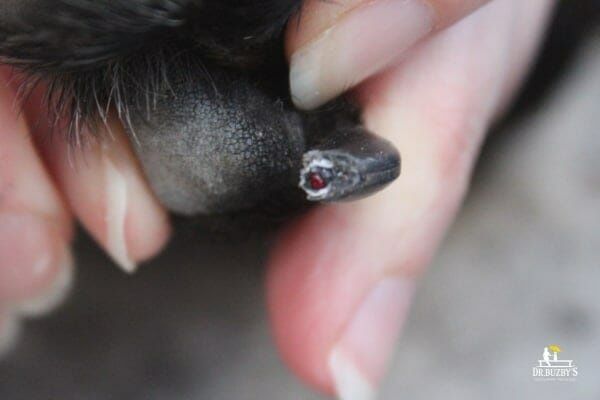
When a dog experiences dog nail trauma, this inner quick is often exposed or crushed.
This exposure causes intense pain because the nerve endings are suddenly left unprotected against the environment.
Additionally, the blood vessels in the quick will bleed heavily when severed.
Overgrown claws cause the quick to stretch further down the nail shaft over time.
This elongation makes it incredibly easy to accidentally cut the quick during traditional grooming sessions.
By understanding this delicate anatomical relationship, you can appreciate why gentle care is so important.
Protecting this area from physical impact and environmental debris is your primary goal during recovery.
Regular, gradual filing helps the quick recede naturally, reducing the risk of future claw injuries.
The Quick vs. The Shell: A Tale of Two Tissues
The hard outer shell of the claw is completely devoid of feeling or sensation.
This allows dogs to dig and walk on rough surfaces without experiencing any discomfort.
However, the quick is the complete opposite because it is packed with active sensory receptors.
When the protective outer shell breaks away, the quick is left bare and vulnerable.
Even contact with cold air or soft carpets can trigger a sharp pain response in your pet.
This is why injured dogs will often limp, carry their paw in the air, or lick the area constantly.
Understanding this difference helps you handle the claw with extreme care and gentleness.
The Dewclaw Danger Zone: Why Front Claws Break More Often
Dewclaws sit higher up on the inside of the front paws and do not touch the ground.
Because they never make contact with the pavement, they do not wear down naturally over time.
This lack of wear allows the dewclaw to grow into a long, hooked shape.
These long hooks easily catch on blankets, branches, and wire crates during daily life.
When a dog pulls away suddenly from a snag, the force often tears the dewclaw from its base.
Keeping the dewclaw trimmed short is one of the most effective ways to prevent emergency vet visits.
Using a quiet, precise file allows you to maintain these tricky nails without risking a painful slip.
How to Treat a Broken Dog Nail: Emergency Protocols and Disinfection
Learning how to treat broken dog nail issues at home is a vital skill for every pet owner.
When faced with an exposed quick, your immediate focus should be on clean disinfection and pain management.
You must never use harsh chemicals like rubbing alcohol on an open, bleeding claw bed.
Some owners mistakenly use hydrogen peroxide on dog nail quick cut injuries thinking it is the safest route.
However, modern veterinary guidelines show that hydrogen peroxide can actually delay tissue recovery by damaging healthy cells.
Instead, you should flush the wounded area with sterile saline or lukewarm water mixed with a mild, pet-safe soap.
After flushing, you can apply styptic powder to stop any persistent bleeding from the quick.
If you do not have styptic powder, clean cornstarch or baking flour can serve as a quick home alternative.
Press the powder firmly against the tip of the nail for a few minutes until a secure clot forms.
Once the bleeding has stopped, the next phase of your dog nail trauma treatment plan involves keeping the paw dry.
Moisture is the enemy of healing claw beds because it encourages the growth of harmful bacteria and fungi.
You should cover the clean paw with a breathable cotton sock or a light self-adhering bandage.
Make sure the bandage is not wrapped too tightly, as this can restrict blood flow and cause swelling.
You must monitor the paw daily for signs of swelling, discharge, or any unpleasant odors.
If your dog keeps licking or chewing at the bandage, an Elizabethan collar may be necessary to protect the wound.
Step 1: Immediate Hemostasis (Stopping the Bleeding)
The blood flow from a damaged quick can look alarming, but it is highly manageable.
Your immediate goal is to apply direct, calm pressure to the wound using a clean gauze pad.
Avoid checking the nail every few seconds, as this breaks the delicate clot that is trying to form.
Keep the pressure applied consistently for a minimum of five to ten minutes.
If the bleeding continues, use a generous amount of styptic powder pressed directly against the exposed vascular tissue.
Keeping your dog resting quietly on your lap will help lower their blood pressure and slow the bleeding.
Step 2: Cleaning the Exposed Quick Without Causing Pain
Once the bleeding has stopped, the wound must be cleaned to remove any outdoor dirt.
Prepare a warm, shallow bowl of water with a tiny splash of unsalted saline solution.
Gently submerge the paw for two to three minutes to flush out any hidden particles.
Do not scrub the area, as this will trigger severe pain and restart the bleeding.
Pat the paw completely dry with a clean, lint-free microfiber towel.
Avoiding dampness is critical to preventing infection in the deep layers of the nail bed.
Step 3: Creating a Safe, Protective Bandage at Home
A protective wrap keeps dirt and bacteria from entering the open claw during the first forty-eight hours.
Place a small piece of non-stick sterile gauze directly over the injured claw tip.
Wrap the paw gently with a self-adhering veterinary wrap, starting from the toes and moving slightly up the ankle.
Always check that you can fit two fingers easily under the bandage to ensure proper blood circulation.
Remove the bandage within twenty-four to forty-eight hours to allow oxygen to reach the healing tissues.
If the bandage gets wet from outdoor grass, replace it immediately with a fresh, dry wrap.
Canine Claw Hemorrhage: Understanding the Risks of Severe Bleeding
It is incredibly common for pet parents to panic when they see the volume of blood produced by a broken claw.
The blood vessels within the quick are supplied by the digital arteries, which carry blood under moderate pressure.
This high vascularity is why even a tiny nick can create a messy pool of blood on your floors.
You might anxiously wonder, can a dog bleed out from a nail injury?
Fortunately, it is extremely rare for a healthy dog to experience life-threatening blood loss from a damaged claw.
A dog’s natural blood-clotting mechanisms will typically seal the vascular quick within ten to fifteen minutes of quiet resting.
However, dogs with underlying clotting disorders, such as Von Willebrand’s disease, may require professional medical intervention.
Persistent bleeding that lasts for over twenty minutes despite applying constant pressure is a clear signal to contact your local clinic.
To prevent prolonged bleeding, you must keep your dog completely still and calm during the emergency.
Excitement and physical exertion raise your dog’s blood pressure, which can easily blow out a newly formed clot.
Once the bleeding has settled, you should avoid any strenuous walks on hard concrete or rough pavement.
Instead, encourage your dog to rest comfortably on a soft bed for the next twenty-four hours.
How Blood Clots in Canine Claws
When a blood vessel in the quick is damaged, the body immediately begins a process called vasoconstriction.
The vessel narrows to reduce the amount of blood flowing to the injured area.
Specialized blood cells called platelets then rush to the site and stick together to form a temporary plug.
Fibrin proteins then weave a tight net over the plug, creating a stable, secure clot.
This entire complex process occurs automatically within a matter of minutes if the dog remains calm.
Your main job is simply to support this natural defense system by keeping your pet still and applying steady pressure.
When to Seek Urgent Veterinary Support
While most claw injuries heal beautifully at home, certain symptoms require professional veterinary assistance.
If the nail shell is split completely up into the skin line, it may need to be professionally removed under sedation.
Leaving a deeply split nail untreated can cause chronic pain and lead to severe nail bed infections.
You should also seek help if your dog shows extreme aggression or fear when you attempt to touch the paw.
Veterinarians can safely administer local pain relief to manage the injury without causing further psychological trauma.
Always monitor for signs of systemic infection, such as fever, lethargy, or a complete loss of appetite.
Introducing Stress-Free Nail Maintenance After Paw Injuries
Rebuilding your dog’s confidence after a painful nail injury requires patience, gentleness, and the right tools.
A bad experience with traditional clippers can leave a dog terrified of any paw contact for months.
This is why learning how to get a dog used to a nail grinder is so important for their long-term well-being.
You should start the process by simply leaving the Zenpaw Maxpro Grinder on the floor near your dog’s favorite treats.
Allow them to sniff the device while it is turned off, rewarding every positive interaction with praise.
Once they are comfortable with the physical object, you can turn on the whisper-quiet motor on its lowest speed.
Because the Zenpaw Maxpro operates at an incredibly quiet volume under forty decibels, it will not startle sensitive ears.
Let your dog listen to the gentle hum from a comfortable distance while enjoying high-value rewards.
You can then touch the plastic body of the vibrating grinder to their shoulder or leg to get them used to the sensation.
For dogs that are extremely defensive of their paws, using a large dog sling for nail trimming can be an absolute game-changer.
A high-quality grooming sling gently suspends your dog, taking pressure off their joints and reducing their ability to pull away.
This secure setup allows you to focus on the nails without engaging in a stressful physical struggle.
When you are ready to file the claw, you should hold the toe firmly but gently between your fingers.
Always hold the grinder at a precise forty-five-degree angle to the natural curve of the nail.
Apply the grinding wheel in short, light bursts of two to three seconds per nail to prevent heat buildup.
The low-heat technology of our advanced diamond bit ensures that the process remains entirely painless and safe.
By taking these slow, deliberate steps, you will transform grooming from a scary battle into a calm bonding experience.
Desensitization Level 1: Sight and Sound Association
Never rush to file a dog’s nails the very first day you open a new grooming tool.
Dogs perceive new objects with a mix of curiosity and caution, especially after a painful injury.
Place the grinder in plain sight during feeding times so they associate it with positive experiences.
Turn the motor on in another room so the faint sound becomes a normal background noise.
Slowly bring the running device closer over several days while offering delicious, high-value treats.
This gradual method rewires their brain to connect the sound of the motor with happy rewards.
Desensitization Level 2: Vibration Tolerance
The physical sensation of vibration is often more startling to a dog than the actual sound.
To ease this fear, turn the grinder on and gently press the handle against your own arm first.
This shows your pet that the tool is completely safe and does not cause any harm.
Next, press the vibrating handle against your dog’s back, thighs, and shoulders for short periods.
Offer praise and rewards as they remain relaxed and still during this physical contact.
Only when they accept the vibration on their body should you attempt to touch their sensitive paws.
Proper Technique: The Perfect 45-Degree Angle
Filing at the correct angle is crucial to achieving a smooth finish and avoiding the quick.
Hold your dog’s paw securely, placing your thumb on the toe pad to extend the nail forward.
Position the grinding wheel at a forty-five-degree angle beneath the tip of the claw.
This angle matches the natural anatomical wear that occurs when a dog walks on concrete.
Use light, sweeping motions to file down the sharp outer edges and create a rounded profile.
Filing in this manner prevents the claw from splitting or snagging on household surfaces in the future.
How to Prevent Recurrent Nail Splitting and Avoid Grooming Mistakes
One of the most common mistakes pet owners make is using old, dull clippers that crush the nail shell.
When traditional clippers close down, they exert massive squeezing force on the curved keratin walls.
This crushing action can split the claw vertically, directly exposing the quick and causing instant pain.
If you must cut very long nails before grinding, you should invest in the best nail clippers for dogs with thick nails to ensure a clean cut.
High-quality clippers slice through the keratin cleanly without shattering the surrounding nail structure.
However, relying entirely on clippers still carries the constant risk of cutting too deep and striking the quick.
This is why the Zenpaw Maxpro Grinder is the ultimate tool for ongoing nail maintenance.
It allows you to gradually shave down the nail tip millimeter by millimeter with complete control.
Another frequent error is rushing through the grooming session when your dog is showing signs of high stress.
If your dog begins to whine, pant heavily, or pull their paw away, you must pause immediately.
Forcing a fearful dog to endure grooming only reinforces their anxiety and makes future sessions much harder.
We recommend breaking the grooming process down into tiny, manageable sessions over several days.
Filing just one or two nails a day is a wonderful way to keep claws short without overwhelming your pet.
Consistency is always more valuable than trying to finish all twenty nails in a single stressful sitting.
The Danger of Dull Clipper Blades
Dull blades do not cut cleanly; instead, they pinch and tear the tough keratin of the claw.
This pinching action places extreme pressure on the sensitive nerves located inside the quick.
Even if you do not cut the quick, the squeezing sensation can be highly uncomfortable for your dog.
This discomfort makes them associate grooming with physical pain and leads to future resistance.
Choosing a quiet, rotary grinding file completely eliminates this crushing pressure and keeps them comfortable.
Why Trimming Too Quickly Damages Trust
Rushing the grooming process is the quickest way to make an accidental mistake and strike the quick.
When you are in a hurry, it is incredibly difficult to spot the subtle changes in the nail’s core.
As you get closer to the quick, the center of the nail will appear soft and slightly moist.
Taking your time allows you to inspect the nail tip after every few passes of the grinder.
Stopping the moment you see the dark, circular center ensures that you never cause painful bleeding.
Frequently Asked Questions About Dog Nail Trauma
Yes, the Zenpaw Maxpro is engineered with a powerful motor that easily handles thick, tough claws.
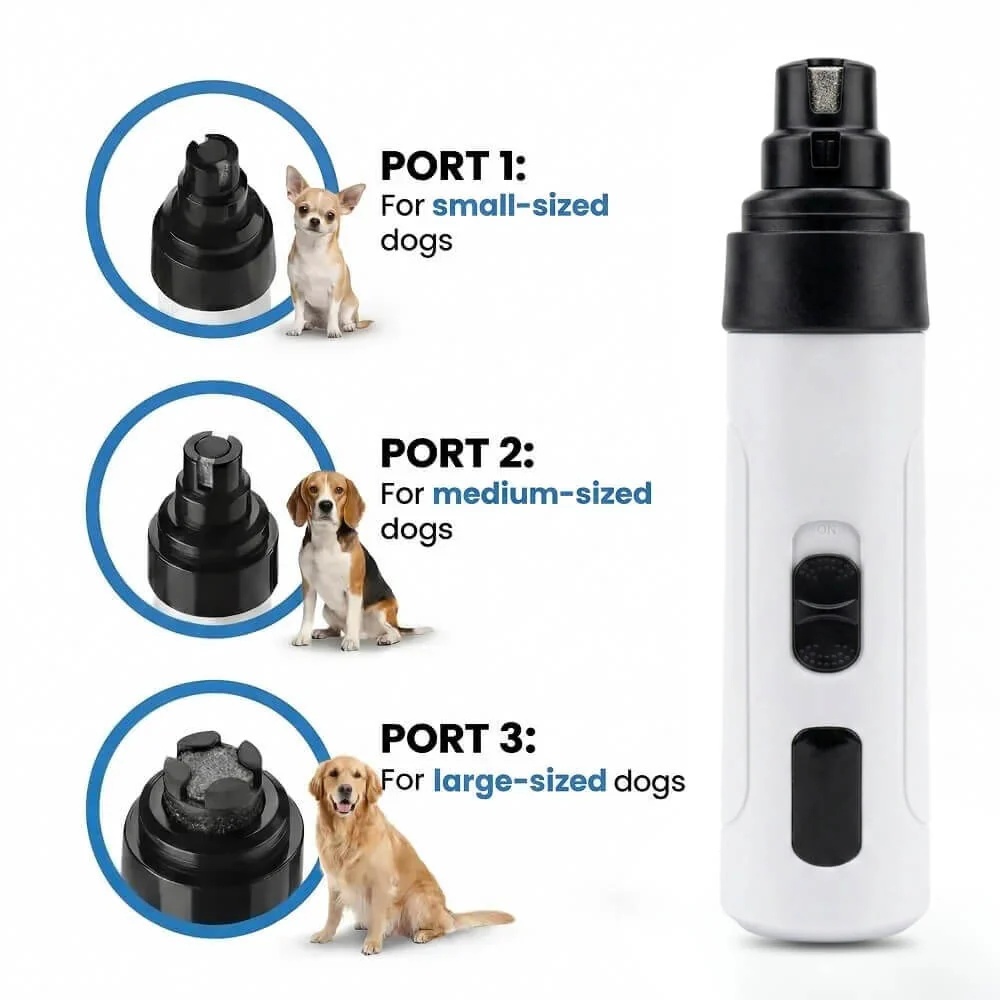
It features three distinct ports designed to safely fit small, medium, and large dog nails.
You can use the wide-open port to file down the heaviest claws of large breeds like Mastiffs or Great Danes.
Based on feedback from over eighteen thousand happy pets, it performs exceptionally well on all sizes.
The Zenpaw Maxpro is equipped with a high-capacity lithium-ion battery that lasts up to seven hours.
This long battery life means you can complete multiple stress-free grooming sessions without worrying about losing power.
It features a convenient USB rechargeable design that easily connects to your phone charger, laptop, or power bank.
A full charge takes very little time, keeping the tool ready for whenever your pet is relaxed and comfortable.
We strongly recommend starting on the low-speed setting when working near a recently healed claw bed.
The low-speed setting offers maximum control and minimizes any vibrations that might startle an anxious pet.
Once your dog is completely relaxed and the nail is stable, you can switch to the high-speed setting.
The dual-speed design allows you to adjust the power level to match your dog’s unique comfort threshold.
The Zenpaw Maxpro uses advanced low-heat technology to prevent friction heat from building up on the claw.
Traditional rotary tools can overheat quickly, causing a burning sensation that terrifies the dog.
Our professional diamond bit is specifically designed to dissipate heat efficiently while grinding.
To guarantee absolute comfort, you should still use short, gentle touches rather than holding the wheel in one place.
The only safe way to shorten an overgrown quick is through regular, incremental nail filing.
If you use a clipper, you risk cutting into the nerve and causing painful bleeding.
By gently grinding the tip of the nail once a week, you encourage the blood vessels to slowly retreat.
Over several months of consistent care, the quick will naturally recede to a safe, healthy length.
Conclusion: Your Stress-Free Grooming Journey Starts Here
Rebuilding your dog’s trust after paw trauma takes patience and the right gentle tools.
Ready to transform nail trimming from a battle into a breeze? Explore the Zenpaw Maxpro 3-in-1 Grinder. Call: 302-307-1000 — our team can help advise on the best grooming practices and answer any product questions.
Note: Individual results may vary depending on individual dog breeds, nail thickness, and behavioral temperaments. This article is intended for general pet grooming reference purposes only and does not replace professional veterinary advice.