
I still remember the helpless feeling when my sweet golden retriever kept licking his red, swollen paws, and I felt so lost searching for dog nail bed yeast infection pictures late at night to find answers. The fear of hurting him further with painful metal clippers led us to design the Zenpaw Maxpro, ensuring no other pet parent has to choose between maintaining claw health and causing painful stress.
Maxpro 3-in-1 Grinder.
Stress-Free Nail Trimming.
Whisper-quiet DC motor (<40 dB) eliminates fear & discomfort. Features 3 ports, dual speeds, and 7-hour battery life. Safe, precise, and painless.
In This Article
- The 3 Best Paw Care Solutions: A detailed breakdown of top grooming options available on the market today.
- Visual Pathology Analysis: How to recognize signs of inflammation and yeast build-up using detailed reference descriptions.
- Preventative Grinding Protocols: The safest, pain-free methods to maintain canine claws and minimize pathogen colonization.
- Behavioral Desensitization: Expert steps to eliminate grooming anxiety and build trust with your canine companion.
The 3 Best Paw Care and Grooming Solutions for Home Maintenance
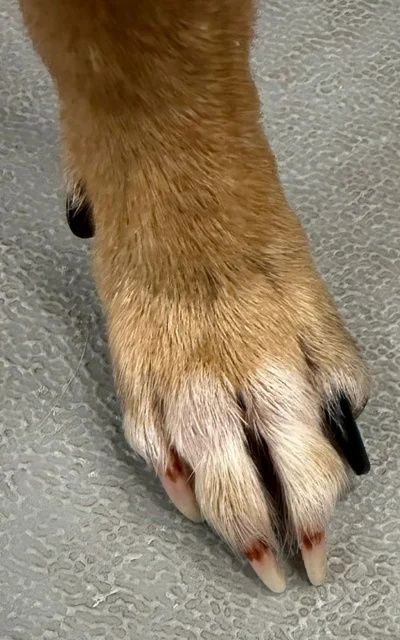
Choosing the correct equipment is the first step toward maintaining healthy canine paws and avoiding accidental structural damage.
Many pet parents struggle with selection because they do not understand how different tools impact the integrity of a dog’s claw.
Below, we analyze three popular grooming solutions to help you make an informed decision for your pet’s wellness routine.
1. Traditional Scissor-Style Metal Clippers
Scissor clippers utilize manual mechanical force to cut directly through the dense keratin layers of the dog’s nail.
While they are highly affordable and readily available, they present a significant risk of crushing and splitting the claw structure.
For highly anxious dogs, the sudden crushing sensation and loud clipping noise can escalate stress levels instantly.
If your pet already struggles with sensitive paws, a sudden slip can slice the sensitive blood vessels known as the quick.
A gentle, modern rotary alternative like the Zenpaw Maxpro offers a much safer approach by filing the nail down gradually without any crushing force.
2. High-Decibel Industrial Rotary Tools
These heavy-duty rotary tools are designed for general workshop usage but are often repurposed by some pet parents for dog grooming.
They offer intense power and high rotational speeds that can quickly file down even the thickest canine nails.
However, their loud industrial motors operate well above comfortable sensory levels, often terrifying dogs with sensitive hearing.
The excessive vibration can cause severe tickling or pain in the paw pad, making precise grooming almost impossible.
In contrast, the Zenpaw Maxpro features a whisper-quiet motor operating under 40 decibels to ensure a calm, sensory-friendly experience.
3. Low-Vibration Whisper-Quiet Grinders
Specifically engineered for companion animals, quiet grinders use specialized diamond bit ports to gently shave away excess nail material.
This class of tool is ideal for owners who fear cutting the quick or splitting the nail sheath during routine care.
By removing small amounts of keratin at a time, you maintain full control over the depth and angle of the grooming session.
The gentle humming sound does not trigger the typical flight response observed with loud clippers or industrial tools.
While some basic brands lack the battery capacity for long sessions, the Zenpaw Maxpro provides a robust 7-hour runtime on a single charge.
Comparison of Top Home Paw Care Tools
| Tool Type | Noise Level & Sensory Impact | Precision & Safety Controls | Keratin Splitting Risk |
|---|---|---|---|
| Scissor Clippers | Loud physical “snapping” sound that startles dogs | Low precision; relies entirely on manual visual estimation | High risk of cracking and splitting the nail structure |
| Industrial Rotary Files | Very loud, high-vibration output (>75dB) causing anxiety | High power but difficult to manage on small or sensitive paws | Moderate risk of friction-induced heat discomfort |
| Zenpaw Maxpro Grinder | Whisper-quiet performance operating under 40dB | Excellent control with 3 custom ports and dual speeds | Extremely low; smooths nails gradually without force |
If you are looking for a stress-free solution to maintain your dog’s paws safely at home, explore the benefits of the Zenpaw Maxpro 3-in-1 Grinder.
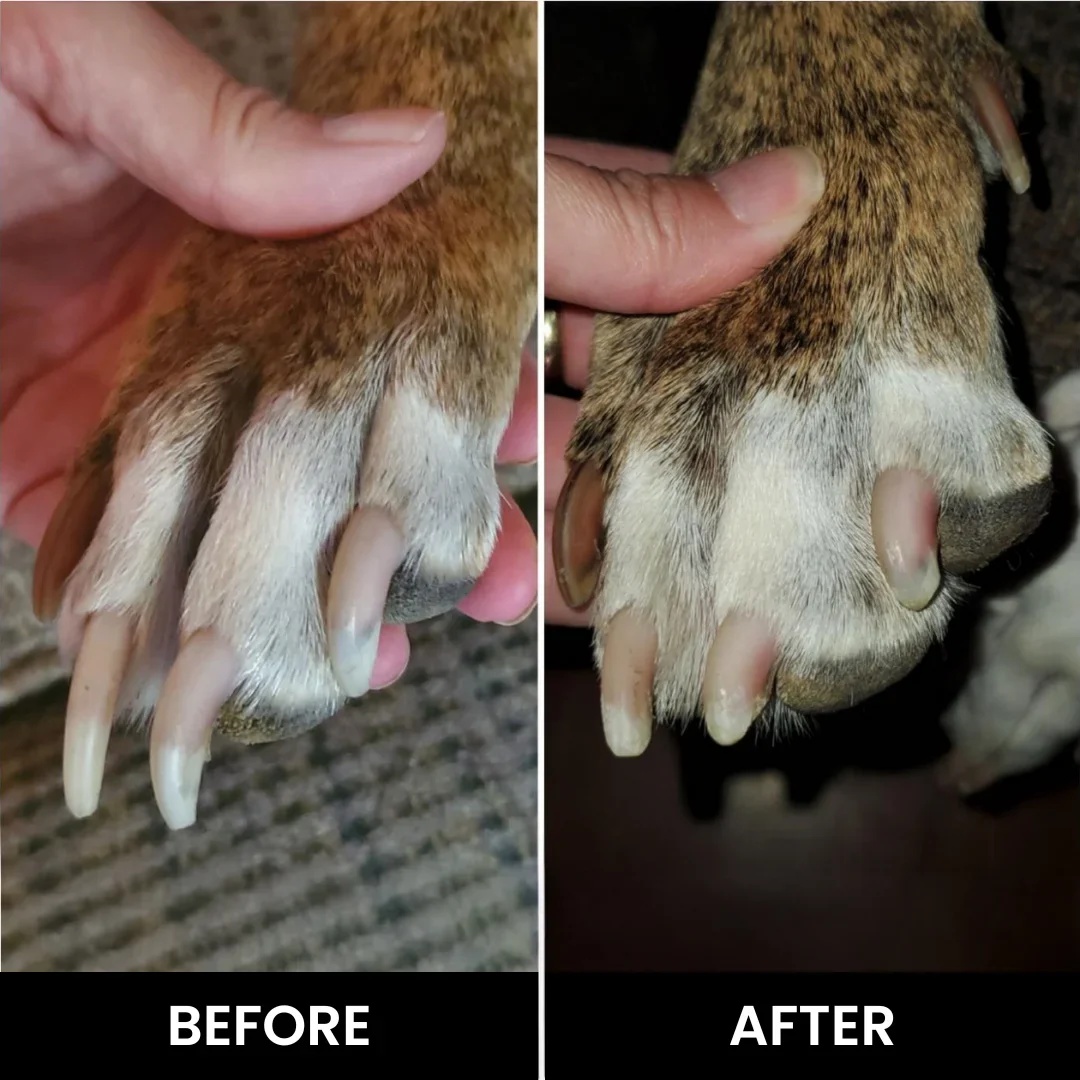
99-Day 100% Money-Back Guarantee
“Ever since we started using the Zenpaw Maxpro Grinder, it’s been such a peaceful experience. It’s very quiet, and my dog actually relaxes. It’s turned our stressful sessions into quick, quiet grooming times.”
— Sarah M. | ✔ Verified Customer
- ✓ Prevents Infection & Splitting
- ✓ Ideal for All Dog Sizes
- ✓ Low-Vibration Technology
- ✓ Fast 2-7 Days Delivery
Need Support? Call 302-307-1000
Decoding Visual Signs of Canine Claw Bed Complications
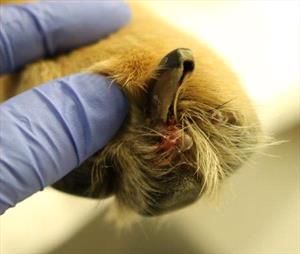
When studying dog nail bed yeast infection pictures, you will notice distinct patterns of discoloration and tissue swelling around the cuticle area.
Fungal organisms, such as Malassezia, naturally live on a dog’s skin surface in very small, harmless quantities.
However, when moisture becomes trapped in the paw pads or around the claw fold, these microbes multiply rapidly.
This uncontrolled growth leads to localized irritation, structural breakdown, and intense discomfort for your pet.
Identifying these visual indicators early allows you to adjust your grooming routine and support your dog’s overall paw health.
Analyzing Visual Swelling, Moisture, and Discharge Patterns
A healthy canine paw should have clean skin folds without any damp residue or foul odors surrounding the claw base.
When looking closely at infected dog nails pictures, the first noticeable change is often a deep reddish-brown staining of the hair surrounding the nail bed.
This staining is caused by porphyrins, which are natural compounds present in the dog’s saliva that react when they constantly lick their itchy feet.
You may also observe a sticky, waxy brown discharge accumulating around the base of the nail, resembling wet dirt or wax.
If left unchecked, this moist environment can cause the keratin sheath to weaken, leading to issues with dog nails peeling or cracking under normal pressure.
Comparing Typical Fungal Claw Patterns with Healthy Pet Paws
Healthy dog claws are smooth, structurally intact, and firmly seated within tight, dry cuticle tissue.
In contrast, claws suffering from microbial overgrowth often show scaling, flaking, and a separation of the cuticle fold from the nail plate.
This gap allows debris to accumulate, creating a cyclical problem of irritation and scratching that damages the claw further.
If your pet has dark nails, identifying these early changes is even more difficult because the dark pigment masks underlying redness.
Learning how to cut black dog nails using flashlight can help you illuminate the claw structure and check for hidden debris or discharge.
Keeping the nails trimmed short is essential because long claws bend during walking, which continuously pulls at the sensitive nail bed and worsens inflammation.
Preventing Keratin Cracking and Opportunistic Pathogen Entry
Cracked or split claws provide the perfect micro-environment for opportunistic yeast and bacteria to colonize deep within the nail tissue.
When a dog’s claw splits from the impact of harsh metal clippers, the protective keratin barrier is completely compromised.
Knowing what to do for a dog’s split nail is critical to preventing dirt and moisture from entering these deep crevices.
Filing the claws with a smooth rotary tool seal the edges of the nail, preventing the micro-cracks that allow organisms to settle in.
Consistent, gentle grooming helps maintain a smooth, sealed nail margin that resists external environmental moisture.
By utilizing the Zenpaw Maxpro Grinder, you can easily maintain short, rounded claws that minimize the risk of mechanical injury and subsequent microbial colonization.
A Veterinarian-Approved Routine for Safe Home Grinding and Paw Care
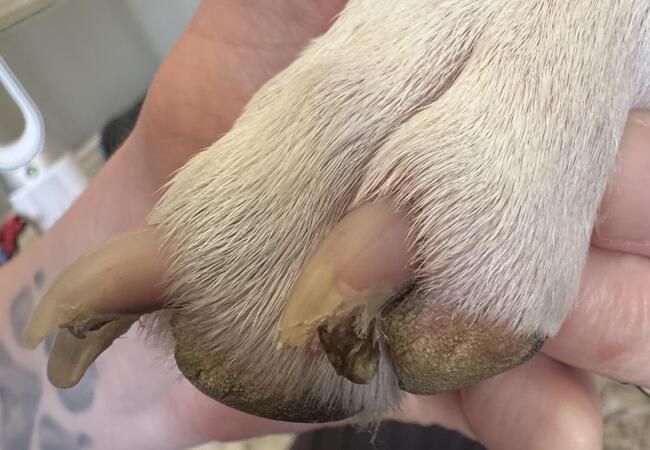
Establishing a consistent, stress-free grooming routine is highly effective for supporting paw cleanliness and comfort.
If your dog has had painful experiences with clippers in the past, they may show immediate anxiety when you touch their paws.
The key to success is gradual desensitization, coupled with using the right, pet-friendly equipment.
The following step-by-step approach will help you transition your pet into a peaceful, cooperative grooming partner.
Step-by-Step Behavioral Desensitization Protocol
Never rush the grooming process, especially if your companion is highly sensitive to paw handling or noise.
Begin by letting your dog examine the powered-off Zenpaw Maxpro Grinder, rewarding them with high-value treats for showing curiosity.
Once they are comfortable with the physical tool, turn on the whisper-quiet motor at a distance so they can hear the soft hum.
Slowly bring the vibrating tool closer to their shoulder, gently touching the body of the grinder to their leg to introduce the sensation without filing.
For highly anxious pets, utilizing a natural sedative for dogs to cut nails can support a relaxed mental state during these initial training steps.
Only proceed to actual nail filing once your dog remains completely calm and relaxed while the quiet motor is running near their paw.
Achieving the Ideal 45-Degree Grinding Angle Safely
Holding the grinder at the correct physical angle is vital to protecting the sensitive inner quick from friction and heat.
Always hold the Zenpaw Maxpro at a precise 45-degree angle relative to the natural downward growth curve of the claw.
This angle allows you to file away the excess tip while naturally bypassing the sensitive blood vessels inside.
Apply gentle, brief touches of the diamond grinding wheel to the nail, keeping each touch under two to three seconds to prevent heat build-up.
Unlike traditional electric dog nail clippers that can pinch, a quality grinder lets you shape a smooth, rounded edge that won’t snag on carpets or collect dirt.
Ensure you clean the grinder tip after each session to remove keratin dust and maintain optimal filing efficiency.
Post-Grooming Hygiene and Paw Pad Maintenance
After completing the nail trim, carefully inspect the spaces between the paw pads for any trapped dirt, matted hair, or signs of dampness.
Moisture accumulation in these tight spaces is the primary driver of fungal skin issues in companion animals.
Gently trim away excess hair between the toes to improve airflow and allow the skin to dry thoroughly after walks.
Wiping your dog’s paws with a clean, dry towel after they play outside is a simple yet powerful way to support skin barrier integrity.
By combining short, smooth nails with clean, dry paw pads, you create an environment where opportunistic microbes cannot thrive.
Overcoming Grooming Risks and Common Home Mistakes
Many common home grooming mistakes stem from rushing the process or using dull, inappropriate tools.
Traditional clippers act like heavy shears, applying immense pressure to the outer walls of the claw before cutting through.
This pressure can squeeze the sensitive tissue surrounding the quick, causing sudden, sharp pain even if you do not draw blood.
Over time, this repeated pinching sensation builds a strong negative association, making your dog run away at the sight of grooming gear.
By switching to a high-quality rotary file, you bypass this mechanical pinching force entirely.
The Zenpaw Maxpro allows you to file the nail down in micro-layers, giving you the control to stop the moment you see the dry, pale tissue of the outer quick.
Another frequent mistake is holding a rotary tool on a single nail for too long, which generates friction-induced heat.
Always use a pulsed technique, moving from nail to nail to allow the keratin to cool between brief touches.
Taking your time and prioritizing your dog’s physical comfort ensures a successful, stress-free routine that supports long-term paw health.
Frequently Asked Questions (FAQ)
Is the Zenpaw Grinder safe and powerful enough for large dog breeds?
Yes, the Zenpaw Maxpro features a high-performance brass motor that handles dense, thick nails with ease.
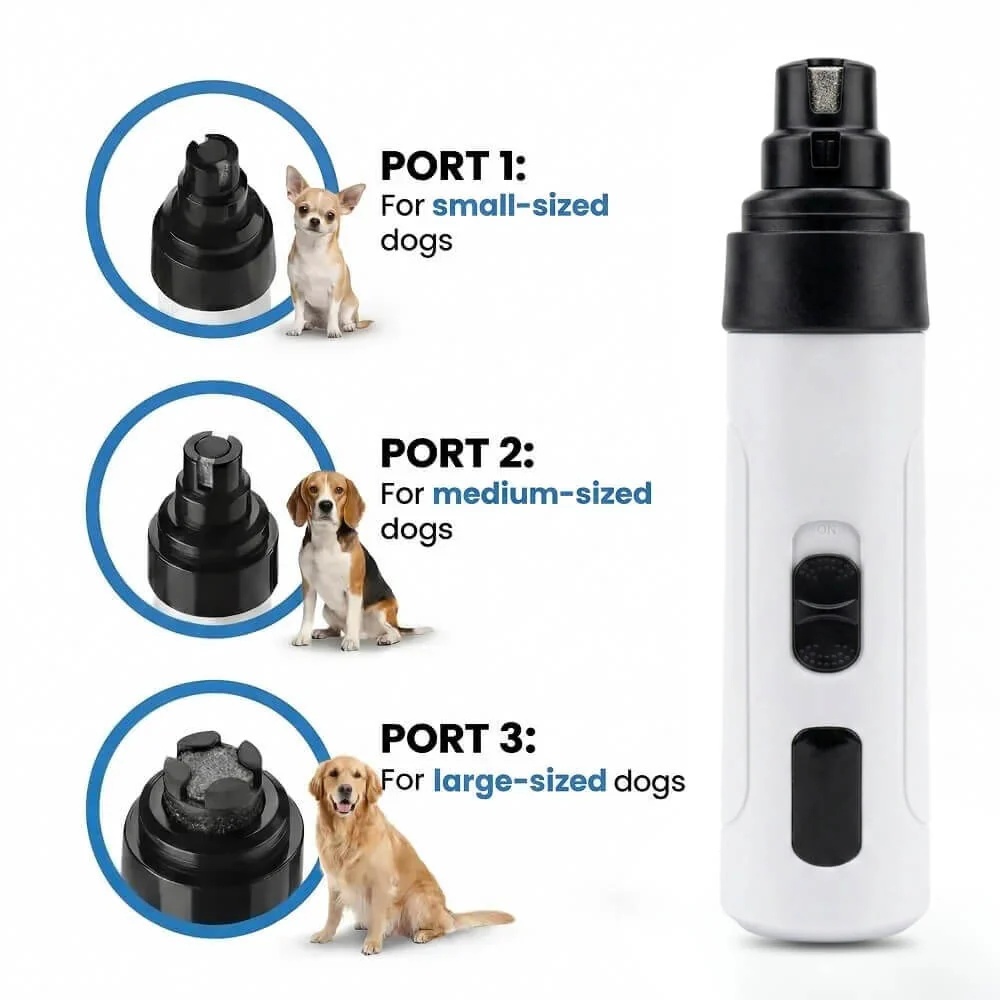
It is equipped with three distinct ports designed to safely accommodate small, medium, and large dog breeds.
For large dogs with thick nails, simply use the wide-opening port or remove the protective cap entirely to expose the full diamond grinding wheel.
How long does the battery last on a single charge?
The Zenpaw Maxpro is powered by an advanced lithium-ion battery that delivers up to 7 hours of continuous runtime.
It is easily rechargeable using a standard USB cable, allowing you to charge it via your computer, wall adapter, or power bank.
This long-lasting battery life ensures you never have to rush through a session due to a dying tool.
Which rotational speed setting is best for my anxious dog?
We recommend starting on the low-speed setting (around 7,000 RPM) to introduce the tool to anxious dogs.
This speed produces the lowest sound and vibration levels, helping your pet feel secure during their initial grooming sessions.
Once your dog is comfortable, you can switch to the high-speed setting (around 8,000 RPM) for faster, more efficient filing on thicker claws.
Does the diamond bit head get hot during extended use?
The Zenpaw Maxpro utilizes advanced low-heat diamond grinding technology to minimize friction-induced temperature build-up.
However, we always recommend using short, pulsed touches (2 to 3 seconds per nail) to ensure maximum comfort.
Moving between different claws during the session gives each nail ample time to cool, preventing any heat discomfort.
Conclusion: Empowering Your Home Paw Care Routine
Maintaining clean, short, and smooth canine claws is a cornerstone of overall paw wellness and joint comfort.
By recognizing early signs of irritation and upgrading to safe, whisper-quiet tools, you protect your dog from physical discomfort.
Ready to transform nail trimming from a battle into a breeze? Explore the Zenpaw Maxpro 3-in-1 Grinder. Call: 302-307-1000 — our team can help you advise on the best grooming practices and help with any product questions.
Note: Individual results may vary depending on individual dog breeds, nail thickness, and behavioral temperaments. This article is intended for general pet grooming reference purposes only and does not replace professional veterinary advice.