I still remember the panic I felt when I noticed my sweet golden retriever’s nails flaking and splitting during our evening cuddle time. Watching my dog suffer from dog nails peeling broke my heart, and I spent weeks worrying about painful cracks before discovering that a gentle, stress-free grooming routine could completely restore her paw health. That is why we designed our quiet nail care tools to make the process completely painless for your beloved pet.
Maxpro 3-in-1 Grinder.
Stress-Free Nail Trimming.
Whisper-quiet DC motor (<40 dB) eliminates fear & discomfort. Features 3 ports, dual speeds, and 7-hour battery life. Safe, precise, and painless.
In This Article
- Anatomical Breakdowns: Learn why your dog’s claws flake away in thin layers.
- Common Culprits: Identify environmental, dietary, and medical causes behind the damage.
- Home Care Guide: Practical tips to moisturize and groom brittle dog claws safely.
- Step-by-Step Filing: Smooth out rough edges with stress-free grooming techniques.
Why Are My Dog Nails Peeling? Here Is What the Experts Say
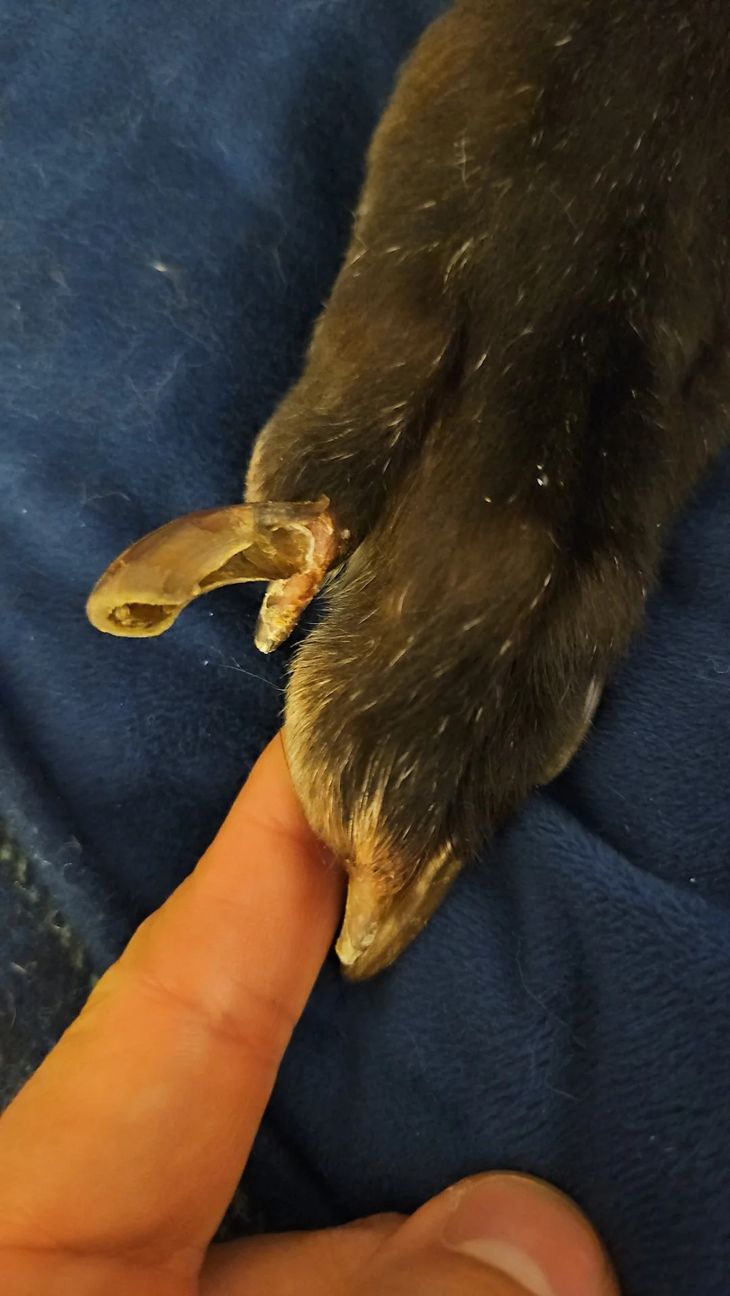
Understanding why your dog’s claws are flaking is the first step to restoring their paw health.
Canine nail peeling is a common issue where the outer layers of the keratin sheath break off, leaving the inner nail vulnerable.
This problem frequently affects active dogs who run on hard surfaces, as well as pets suffering from nutritional deficiencies.
You will often notice this flaking at the tips of the claws, especially during cold winter months when moisture levels drop.
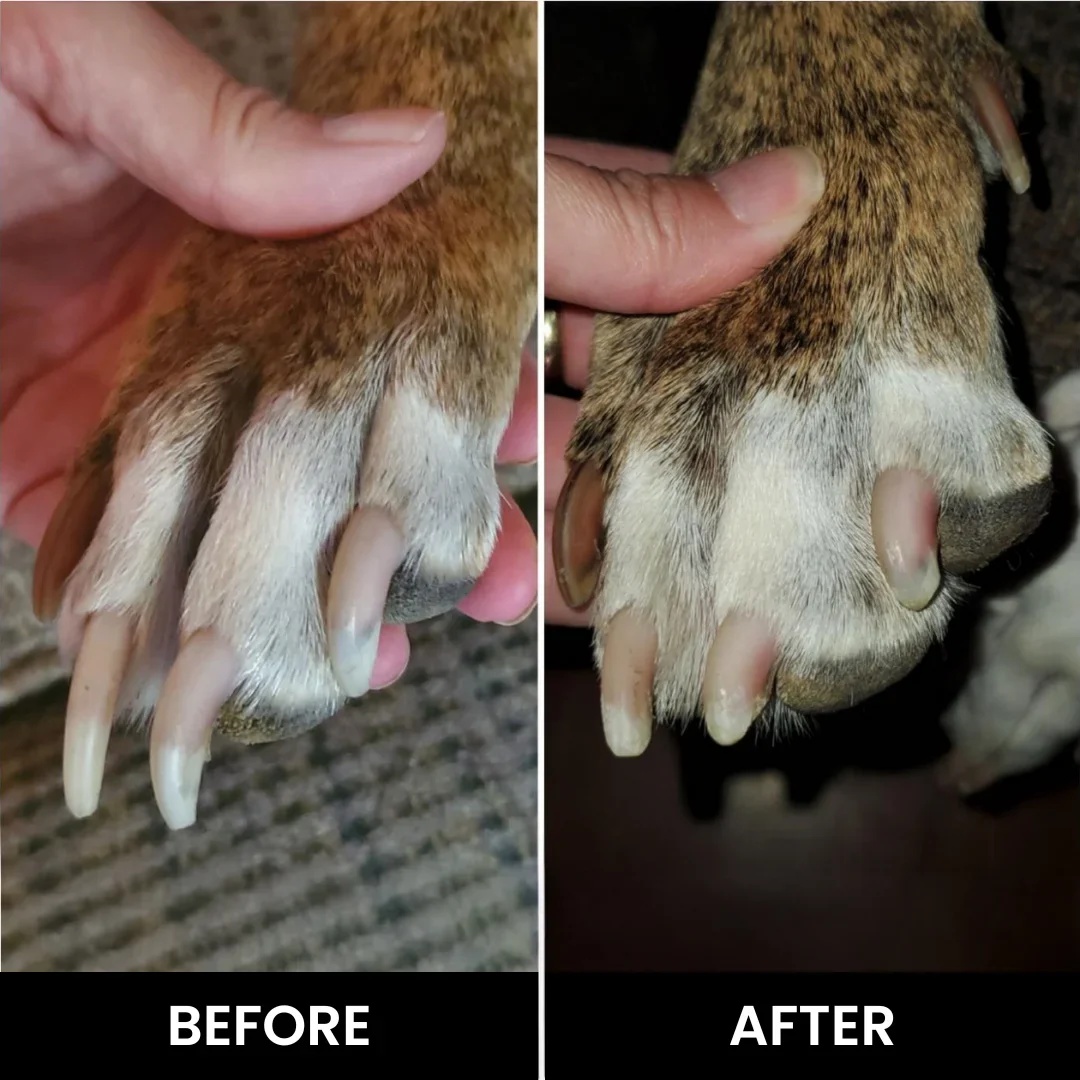
This happens because the claw loses its natural elasticity, making it highly susceptible to micro-cracks during daily activities.
To manage this effectively, you must keep the claws trimmed to a safe length using gentle, non-crushing methods.
Adding natural oils like coconut oil to the paws can also provide deep hydration to the dry keratin layers.
If you want to handle this safely at home, the Zenpaw Maxpro Grinder provides painless, quiet filing — explore it here.
99-Day 100% Money-Back Guarantee
“Ever since we started using the Zenpaw Maxpro Grinder, it’s been such a peaceful experience. It’s very quiet, and my dog actually relaxes. It’s turned our stressful sessions into quick, quiet grooming times.”
— Sarah M. | ✔ Verified Customer
- ✓ Prevents Infection & Splitting
- ✓ Ideal for All Dog Sizes
- ✓ Low-Vibration Technology
- ✓ Fast 2-7 Days Delivery
Need Support? Call 302-307-1000
Understanding Canine Nail Anatomy: Why Dog Nails Flake and Split

To keep your canine companion comfortable, you must understand the structure of a dog’s claw.
A dog’s nail is a complex structure that grows directly from the distal phalanx of the toe.
The nail consists of an outer protective shell made of hard protein fibers called keratin.
These keratin fibers are arranged in overlapping layers, similar to the shingles on a roof.
This layered structure is designed to absorb impact forces when your dog runs, jumps, and plays.
Inside this hard outer shell lies the quick, which is the living tissue of the nail.
The quick contains a rich network of blood vessels and highly sensitive nerve endings.
When you have a pet with unhealthy dog nails, the structural bonds between the keratin layers begin to weaken.
This structural failure leads directly to dog nails flaking, starting at the weak outer edges and moving upward.
The American Kennel Club points out that nail peeling is often an early indicator of localized or systemic metabolic imbalances.
When the outer sheath becomes dry or damaged, it separates from the underlying layers.
As the layers pull apart, they form small, sharp ridges that easily catch on carpets, grass, and blankets.
This catching action creates a strong leverage force that can tear the remaining nail away from the sensitive quick.
Such tearing causes significant pain, bleeding, and distress for your beloved pet.
This is why helping an anxious pet feel safe is highly important for long-term health.
You can actively desensitize dog to nail clipping by introducing low-stress filing tools in a calm environment.
Maintaining a smooth, rounded nail edge is the best way to prevent these layers from splitting further.
By filing the edges regularly, you stop micro-cracks from spreading toward the nail bed.
The Core Culprits Behind Dry Peeling and Flaking Dog Nails
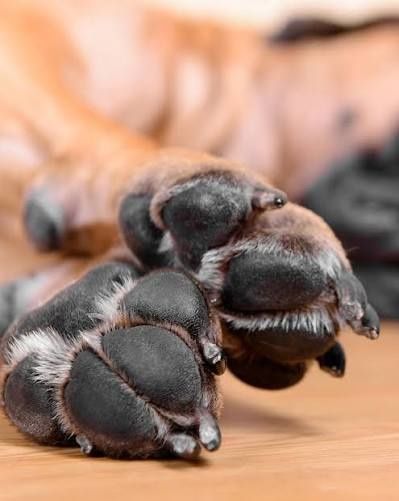
Many distinct environmental and internal factors can cause dog nails peeling and flaking over time.
The most common culprit is environmental dehydration of the claw matrix.
In winter, cold outdoor air and dry indoor heating rapidly draw moisture out of your dog’s paws.
Walking on hot summer pavement, sandy beaches, or dry dirt paths also strips away natural protective oils.
Additionally, harsh chemical ice melts and sidewalk salts used in winter damage the delicate keratin bonds.
This moisture loss leaves the outer keratin shell extremely brittle, rough, and prone to breaking.
Nutritional deficiencies are another major driver of compromised claw health in dogs.
Healthy keratin production relies on a steady supply of biotin, zinc, calcium, and essential fatty acids.
If your pet’s daily food lacks these crucial nutrients, their claws will grow thin, weak, and dry.
You will often observe widespread flaking across all four paws rather than on just a single claw.
In addition to diet, systemic endocrine health issues can also cause dry, brittle claws.
For instance, hypothyroidism slows down your dog’s metabolism, which directly impairs skin and nail regeneration.
Furthermore, an autoimmune condition known as Symmetrical Lupoid Onychodystrophy, or SLO, causes severe claw splitting.
SLO causes the immune system to mistakenly attack the nail beds, leading to rapid claw loss and deep pain.
If you see sudden peeling, discharge, or multiple nails falling off, you should seek a professional veterinary evaluation.
To protect your pet’s paws, you should switch from crushing clippers to a low noise dog nail grinder for home grooming.
This quiet tool lets you shape the claw gently without applying the crushing forces that worsen splitting.
A Step-by-Step Guide to Managing Peeling Claws Safely
Caring for brittle, peeling claws requires a gentle hand and a highly controlled grooming routine.
Traditional clippers apply high pressure to squeeze the claw, which easily splits dry, weak keratin layers.
The Zenpaw Maxpro Grinder is designed to file the claw smoothly, preventing further layer separation.
First, you must introduce the grooming tool to your dog in a completely positive, stress-free environment.
Let your dog sniff the turned-off grinder, and reward them immediately with their favorite high-value treats.
Next, turn the device on to let your dog get used to the quiet sound of the motor.
Because our advanced motor operates below forty decibels, most dogs remain completely relaxed during this phase.
Gently touch the vibrating handle of the grinder to their paw pad so they understand the sensation is harmless.
Once your pet is comfortable, hold one toe securely and isolate the nail from the surrounding paw hair.
Always hold the grinder at a precise forty-five-degree angle relative to the nail tip.
This forty-five-degree angle perfectly matches the natural slope of the claw and avoids the sensitive quick.
Grind the nail using very short, gentle touches lasting no more than one to two seconds each.
These short bursts prevent friction heat from building up on the claw, keeping your dog comfortable.
Use the grinding wheel to smooth out any loose, peeling sheaths around the outer edges of the nail.
After finishing, apply a thin layer of organic coconut oil or specialized paw balm to hydrate the claws.
Repeat this gentle filing process once every week to keep the nails short, smooth, and strong.
Common Grooming Mistakes That Can Worsen Peeling Nails
Many well-meaning pet parents make mistakes that accidentally worsen their dog’s nail peeling.
The most common mistake is using cheap, dull traditional clippers that crush the nail shaft.
These tools squeeze the dry keratin layers together, which causes deep hairline fractures along the claw.
Even when searching for the best clippers large dogs might still suffer from split nails if their claws are dry.
Another major mistake is rushing through the grooming process because of your dog’s anxiety.
Rushing makes it difficult to see where the living tissue of the quick begins, especially on dark nails.
If you accidentally cut the quick, you risk causing a painful cut dog nail too short infection that requires medical attention.
An infected nail bed causes severe throbbing pain, swelling, and can permanently damage future claw growth.
Using a slow, controlled grinding method completely eliminates this crushing impact.
If your dog has extreme fear or resistance, talk to your veterinarian about a temporary calming medication nail trim program.
Combining professional guidance with a quiet, low-vibration grinder ensures a safe, successful grooming session.
Always inspect the claws closely before you begin to check for any signs of discharge, swelling, or redness.
Never force a grooming session if your dog is exhibiting intense panic, panting, or pulling away.
With patience, gentle tools, and regular hydration, you can safely restore your dog’s claw health.
How Do Key Grooming Tools Compare for Brittle Nails?
Choosing the right grooming tool makes a significant difference in preventing claw splitting.
Below is a factual comparison of common nail care tools and how they impact dry, peeling dog nails.
| Grooming Tool | Impact on Brittle Nails | Anxiety Level for Anxious Dogs | Risk of Cutting the Quick |
|---|---|---|---|
| Traditional Guillotine Clippers | High crushing force; easily cracks dry keratin layers. | High (loud clicking sounds and crushing pinch). | High (hard to see the quick on dark claws). |
| Heavy-Duty Scissor Clippers | Squeezes the claw shaft; causes micro-fractures. | Medium to High (vibration and clicking). | High (easy to slip and cut too short). |
| Zenpaw Maxpro 3-in-1 Grinder | Smooth, gradual filing; eliminates cracking forces. | Extremely Low (whisper-quiet motor <40dB). | Minimal (allows for precise, safe control). |
Frequently Asked Questions About Dog Nail Peeling
Is the Zenpaw Grinder safe for large, thick dog nails?
Yes, the Zenpaw Maxpro Grinder is highly effective for dogs of all sizes.
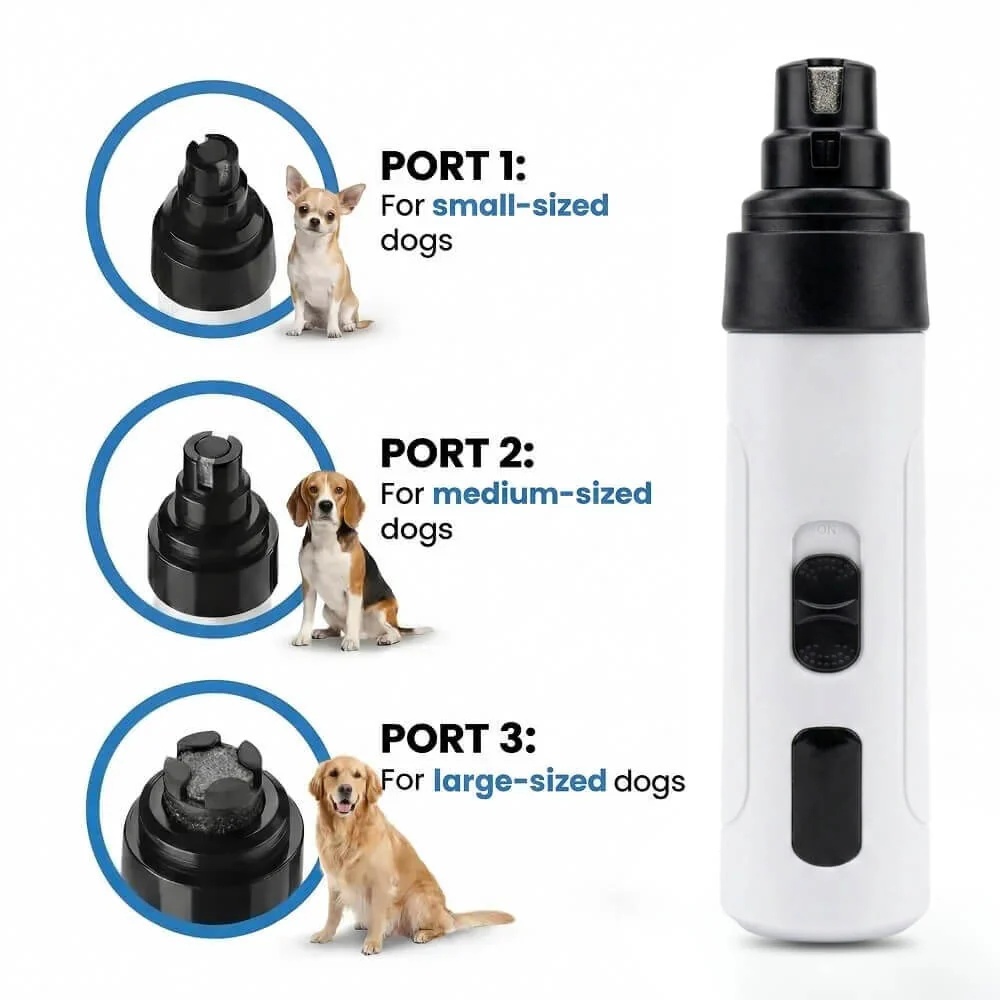
It features three separate grooming ports designed to accommodate small, medium, and large claws.
The large port is specifically engineered to handle thick, strong nails safely.
Our powerful motor easily files down heavy claws without stalling or slowing down.
How long does the battery last on a single charge?
Our grinder is equipped with a high-capacity, rechargeable lithium-ion battery.
It provides up to seven hours of continuous runtime on a single charge.
The device is fully rechargeable using a convenient, standard USB cable.
This long battery life ensures you never run out of power mid-grooming.
Which speed setting is best for peeling and brittle nails?
We recommend starting on the low-speed setting when working on peeling claws.
The low-speed setting offers maximum precision and a highly gentle filing action.
Once your dog is comfortable, you can switch to the high-speed setting to finish.
The higher speed is ideal for smoothing out thick, jagged outer layers quickly.
Does the grinding head get hot during use?
Our grinder utilizes advanced low-heat technology to keep your pet comfortable.
However, continuous friction against the nail will naturally generate a small amount of warmth.
To prevent any discomfort, always grind in short, two-second intervals.
This method allows the nail to cool down and keeps the session stress-free.
Conclusion
Caring for peeling dog nails does not have to be a stressful battle.
By switching to a gentle, whisper-quiet grinding routine, you can safely smooth away damaged layers.
Ready to transform nail trimming from a battle into a breeze?
Explore the Zenpaw Maxpro 3-in-1 Grinder.
Call: 302-307-1000 — our team can help you advise on the best grooming practices and help with any product questions.
Note: Individual results may vary depending on individual dog breeds, nail thickness, and behavioral temperaments. This article is intended for general pet grooming reference purposes only and does not replace professional veterinary advice.