
I still remember when my golden retriever began obsessively licking his paws, leaving me deeply worried until I recognized the unmistakable dog nail yeast infection symptoms hidden in his nail beds. The swelling and musty odor made him miserable, and my intense fear of hurting his quick with sharp clippers made grooming stressful until we discovered the whisper-quiet, gentle care of the Zenpaw Maxpro 3-in-1 Grinder to maintain his paws safely.
Maxpro 3-in-1 Grinder.
Stress-Free Nail Trimming.
Whisper-quiet DC motor (<40 dB) eliminates fear & discomfort. Features 3 ports, dual speeds, and 7-hour battery life. Safe, precise, and painless.
In This Article
- Recognizing Early Signs: How to spot fungal issues on your dog’s paws before they escalate.
- Understanding Root Causes: The biological triggers behind yeast overgrowth and cuticle redness.
- Deciphering the Odors: Why infected paws smell like corn chips or stale mold.
- Practical Grooming Tips: Safe, stress-free trimming techniques to protect compromised nails.
How Can You Recognize Dog Nail Yeast Infection Symptoms Early?
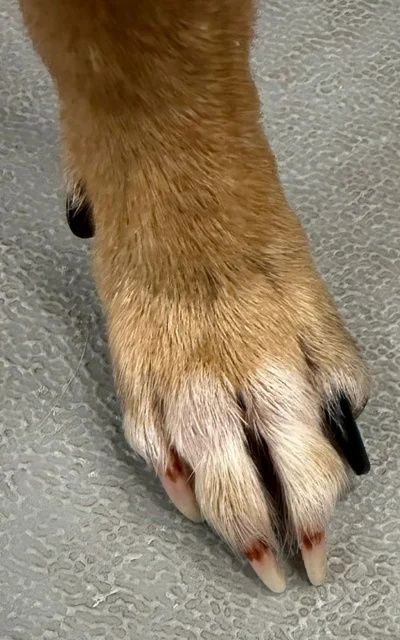
Recognizing canine claw issues early is essential for every pet parent who wants to protect their companion from discomfort.
These common issues usually develop when natural fungal organisms like Malasia species find a warm, moist environment to multiply.
You will typically notice these signs around the base of the claw where the nail meets the sensitive skin of the paw pad.
This overgrowth often occurs during warm summer months or after your pet swims in local lakes and ponds.
Moisture gets trapped in the tight spaces between the toes and creates a breeding ground for yeast.
Active dogs with skin folds or allergies are particularly susceptible to these stubborn claw issues.
Understanding dog nails peeling nutrition can help you differentiate nutritional deficiencies from fungal claw issues.
To resolve this issue, you must establish a consistent hygiene routine that keeps the paws dry and clean.
Begin by gently washing the paws with a veterinarian-recommended antifungal shampoo once or twice a week.
Make sure you thoroughly dry the spaces between the toes using a clean, soft towel after every outdoor walk.
Avoid letting your companion lick their paws, as saliva introduces more moisture and feeds the fungal overgrowth.
Keep the hair around the paw pads trimmed short to prevent moisture retention and improve airflow to the claw beds.
Using a gentle tool like the Zenpaw Maxpro Grinder allows you to maintain smooth, short claws without irritating the sensitive, inflamed skin.
If you want to handle this safely at home, the Zenpaw Maxpro Grinder provides painless, quiet filing — explore it here.
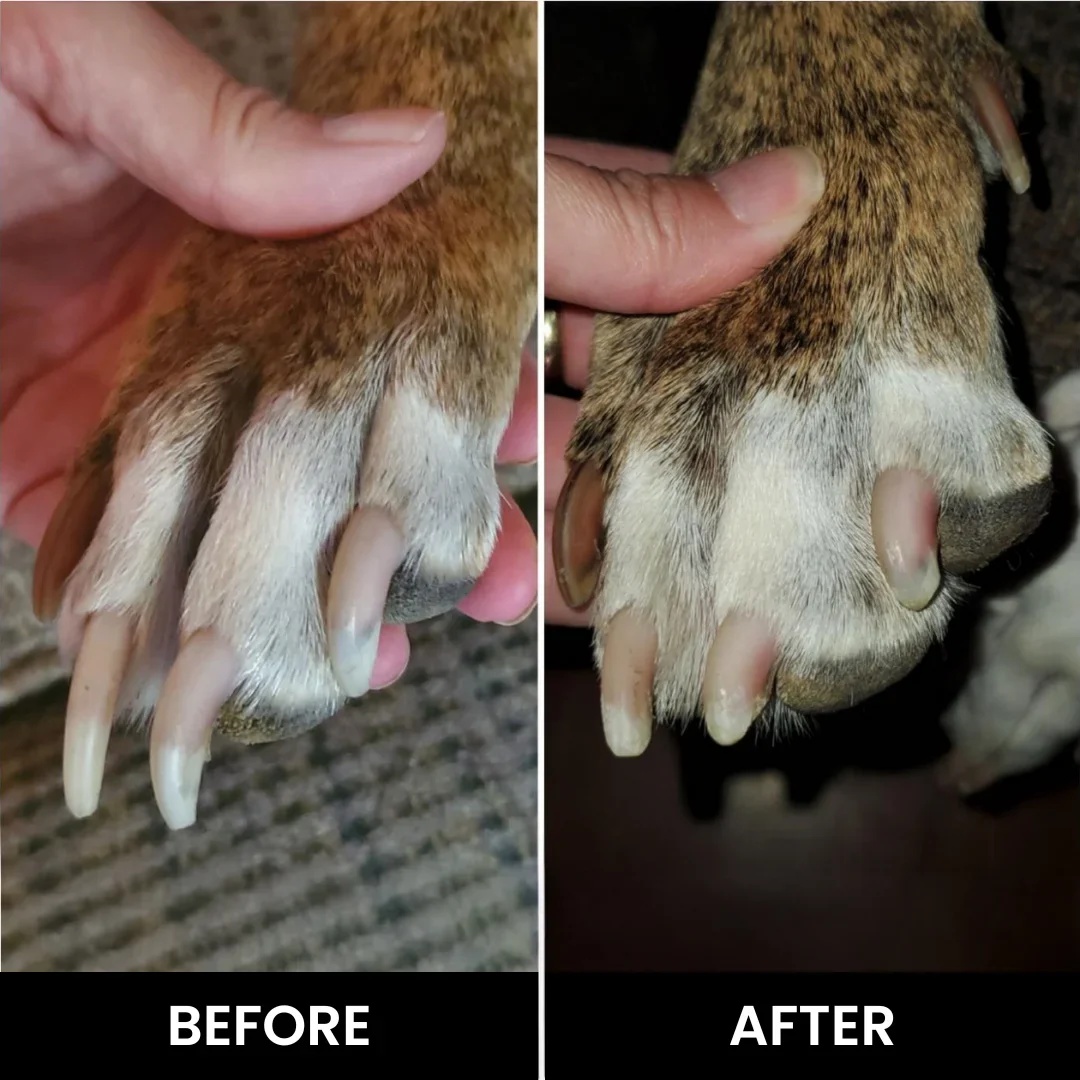
99-Day 100% Money-Back Guarantee
“Ever since we started using the Zenpaw Maxpro Grinder, it’s been such a peaceful experience. It’s very quiet, and my dog actually relaxes. It’s turned our stressful sessions into quick, quiet grooming times.”
— Sarah M. | ✔ Verified Customer
- ✓ Prevents Infection & Splitting
- ✓ Ideal for All Dog Sizes
- ✓ Low-Vibration Technology
- ✓ Fast 2-7 Days Delivery
Need Support? Call 302-307-1000
Understanding Paw Anatomy: Why Moisture Triggers Dog Paw Yeast Infection Symptoms
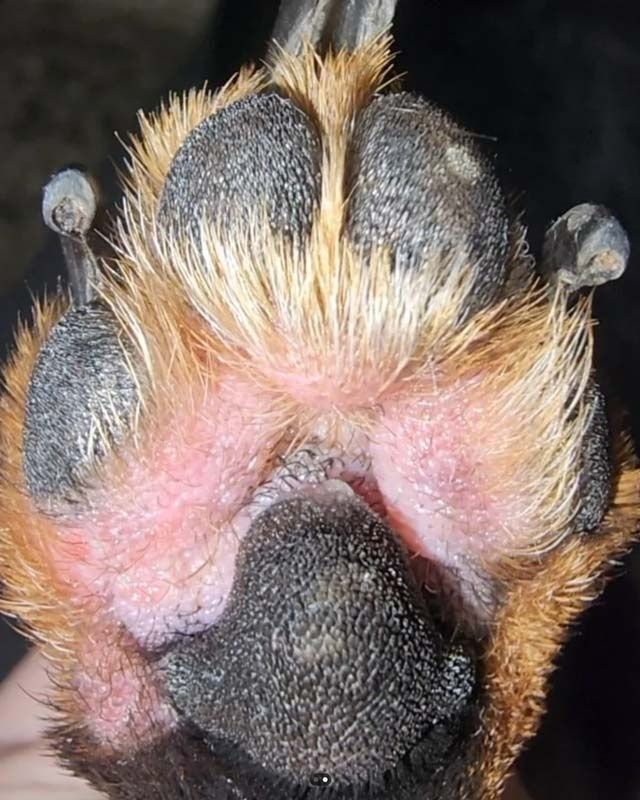
To effectively manage dog paw yeast infection symptoms, you must first understand the unique structure of your companion’s paw.
A dog’s paw contains sweat glands located directly inside the soft paw pads.
These glands continuously produce moisture to help regulate your pet’s body temperature.
However, the tight folds of skin surrounding the claw beds easily trap this natural moisture.
When long or overgrown nails force the toes to splay outward, the skin folds stretch and gather dirt.
This accumulation of debris creates a dark, moist, and oxygen-deprived space.
Microscopic yeast organisms naturally live on healthy canine skin in small, harmless numbers.
But trapped moisture acts like fuel, triggering a rapid population explosion of these organisms.
You will soon see the skin around the cuticles turn a deep, angry pink or red color.
Your companion will likely begin licking and chewing their feet to find temporary relief from the intense itching.
Over time, this constant licking introduces enzyme-rich saliva that further breaks down the delicate skin barrier.
According to clinical insights from the American Kennel Club (AKC), moisture control is the single most important factor in preventing claw bed issues.
Keeping the nails short and neat helps keep the toes in a natural, upright position.
This natural alignment maximizes airflow under and around the nail beds to keep the skin dry.
If you have a pet with dark claws, you might find it helpful to learn black dog nails how to trim flashlight to safely shorten the nails without causing pain.
Shorter nails make it much easier to keep the surrounding tissue clean and free of excess moisture.
Decoding the Yeast Infection Dog Nails Smell: What Does a Musty Odor Mean?
One of the most undeniable signs of a canine fungal issue is a distinct, pungent yeast infection dog nails smell.
Many pet parents describe this scent as smelling like stale corn chips, old cheese, or sweaty gym socks.
This smell is actually the byproduct of active yeast organisms consuming the natural lipids on your pet’s skin.
As the yeast multiplies, it releases volatile organic compounds that create a heavy, lingering musty odor dog paw infection.
You might notice the smell gets significantly stronger when your pet’s paws are damp or warm.
This odor is not just an unpleasant cosmetic issue; it is a clear distress signal from your dog’s paws.
If left untreated, the inflammation can cause the nail plate to weaken and become extremely brittle.
Weakened claws are highly prone to splitting, cracking, or breaking during everyday play.
If your companion does suffer a split claw, knowing how to safely use super glue on dog split nail can offer temporary protection until you consult a professional.
However, preventing these structural failures starts with addressing the underlying fungal overgrowth.
Using a loud, heavily vibrating nail trimmer on sore, smelly paws will only terrify your already sensitive pet.
The intense vibrations from cheap clippers can cause pain in the inflamed, tender cuticle area.
This is why Team Zenpaw designed the Maxpro Grinder with a whisper-quiet motor operating under 40 decibels.
By eliminating loud noises and harsh vibrations, you can gently groom the nails without triggering panic or discomfort.
A Step-by-Step Guide to Maintaining Paw Health and Safe Nail Grooming
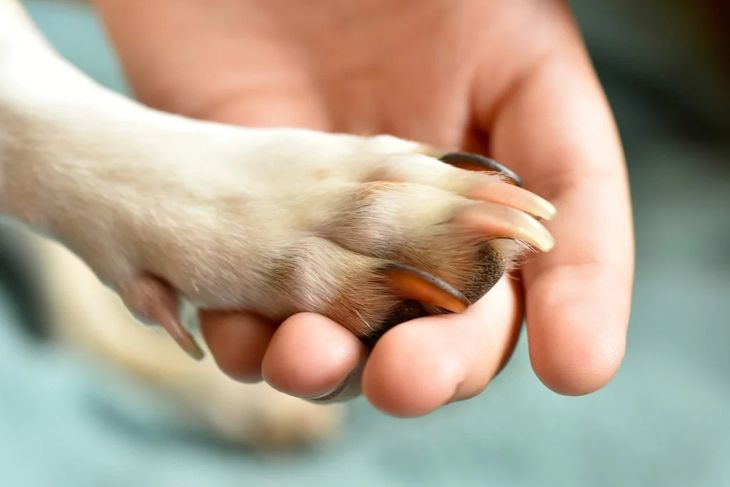
Managing paw hygiene at home does not have to be a stressful battle for you or your dog.
By using systematic, stress-free desensitization, you can teach your companion to look forward to grooming sessions.
First, introduce your dog to the Zenpaw Maxpro Grinder while it is completely turned off.
Place the tool on the floor and let your companion sniff it, offering a high-value treat immediately afterward.
Once they show relaxed body language, turn the device on its lowest speed to let them hear the quiet whisper motor.
Keep the tool several feet away from them while continuing to reward their calm behavior with treats.
Slowly bring the humming device closer over several short training sessions.
If your pet shows extreme anxiety during any nail care routine, you may want to discuss a temporary benadryl dosage to cut dog nails with your pet’s wellness professional.
When your dog is fully comfortable with the quiet hum, gently lift one paw and touch the spinning grinder to a single claw for just one second.
Always hold the grinder at a precise 45-degree angle relative to the nail’s natural growth path.
This specific angle allows you to file away the outer edge of the nail while carefully avoiding the sensitive inner quick.
Use short, pulsing touches rather than holding the grinder continuously against the nail.
Pulsing prevents the friction from creating uncomfortable heat on the nail bed.
After filing, wipe down each paw with a dry cloth to remove any residual nail dust or accumulated moisture.
Consistently keeping the claws short reduces the pressure placed on your dog’s sensitive toe joints.
Common Pitfalls in Paw Care: Why Dull Clippers Can Worsen Fungal Infections
Many well-meaning pet parents accidentally worsen paw issues by using the wrong tools.
Traditional scissor-style clippers work by applying crushing force to the thick nail structure.
If the blades are even slightly dull, they will squeeze and pinch the nail before cutting through it.
This intense pressure can cause microscopic fractures and deep cracks along the nail shaft.
These tiny, jagged cracks are the perfect hiding places for opportunistic yeast and bacteria to settle.
Once fungal organisms enter these deep cracks, they are incredibly difficult to clean or wash away.
Furthermore, the sharp, sudden crunching sound of traditional clippers often terrifies dogs.
A single painful squeeze to the quick can make your pet resist all future paw handling.
Switching to a high-quality electric dog nail file completely eliminates these structural risks.
The rotating abrasive wheel of a grinder gently wears down the nail tip layer by layer.
This progressive method leaves a perfectly smooth, rounded edge that cannot snag on carpets or split open.
It also allows you to stop grinding immediately as you approach the soft, pink quick of the nail.
By filing the claws regularly, you keep them short enough to allow fresh air to circulate around the raw toe beds.
This simple change in your grooming routine is a powerful step toward maintaining a healthy, fungus-free environment.
Frequently Asked Questions About Dog Nail Infections and Grooming
Is the Zenpaw Grinder safe for large dogs?
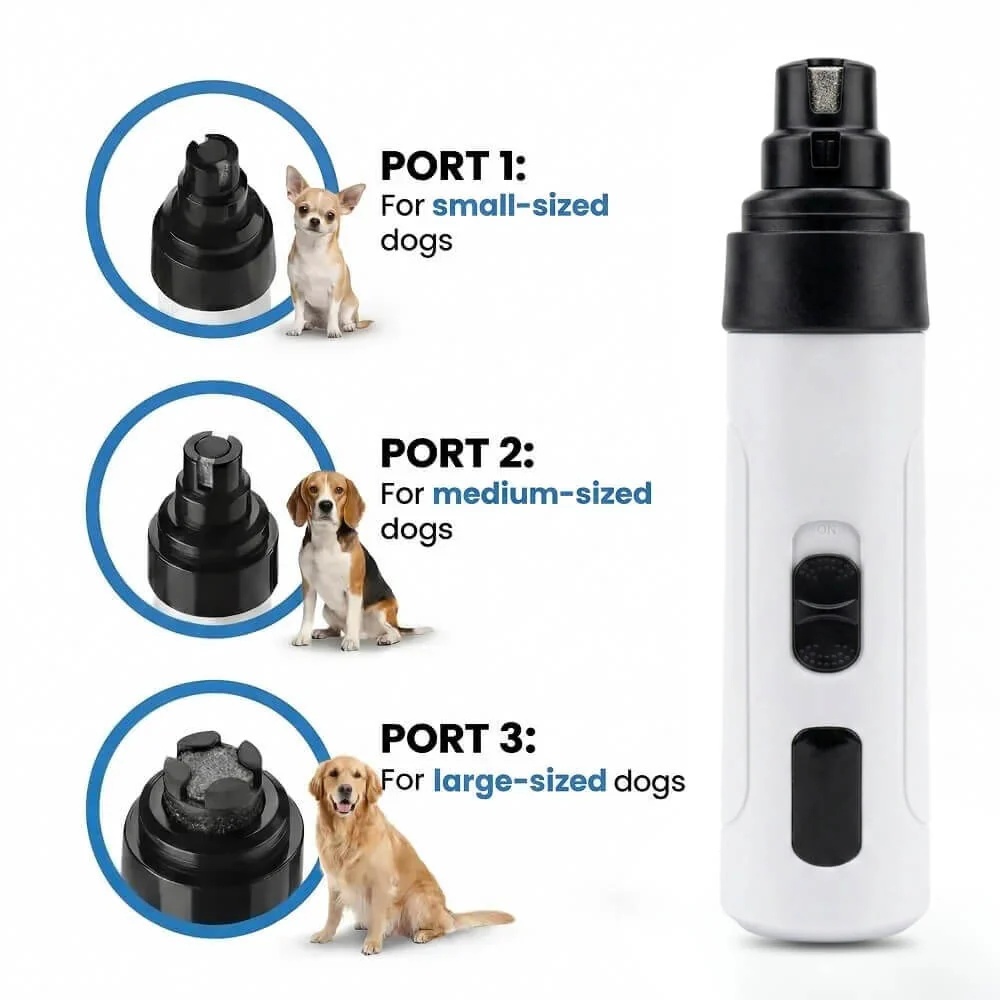
Yes, the Zenpaw Maxpro Grinder is specifically designed with a versatile safety cap featuring three different ports.
The small and medium ports are perfect for tiny claws, while the fully open side is powerful enough to handle large, thick nails.
Our heavy-duty brass motor provides consistent torque to file down even the toughest claws smoothly.
How long does the battery last?
The device features an advanced lithium-ion battery that provides up to 7 hours of continuous run-time on a single charge.
You can easily recharge the device using the included USB cable with any standard wall charger or laptop port.
This long battery life ensures you never run out of power in the middle of a grooming session.
Which speed setting is best for anxious dogs?
We recommend starting on the low-speed setting to let your pet adjust to the quiet hum and gentle vibration.
The low speed offers maximum control and is ideal for fine polishing near the sensitive quick.
You can easily switch to the high-speed setting once your dog is relaxed and you need to shorten thicker claws.
Does the grinder get hot during use?
No, the Zenpaw Maxpro utilizes advanced low-heat technology to keep the grinding head cool during operation.
However, we always recommend using short, 2-to-3 second pulses on each nail as an extra safety measure.
This pulsing technique prevents any friction warmth from building up and keeps your pet completely comfortable.
| Feature | Zenpaw Maxpro Grinder | Traditional Clippers |
|---|---|---|
| Noise Level | Whisper-Quiet (<40dB) | Loud, Sudden Snapping |
| Nail Edge Quality | Smooth & Rounded | Sharp & Splintered |
| Risk of Injury | Minimal (Gradual Filing) | High (Accidental Quick Cuts) |
Conclusion
Recognizing paw issues early and maintaining a clean, dry grooming environment are vital steps to ensure your dog’s happiness and mobility.
Ready to transform nail trimming from a battle into a breeze?
Explore the Zenpaw Maxpro 3-in-1 Grinder today.
Call: 302-307-1000 — our team can help you advise on the best grooming practices and help with any product questions.
Note: Individual results may vary depending on individual dog breeds, nail thickness, and behavioral temperaments. This article is intended for general pet grooming reference purposes only and does not replace professional veterinary advice.