
I still remember the heartbreaking yelp my golden retriever gave when my hand slipped with the old steel clippers, a mistake that left us both traumatized and struggling to manage a painful cut dog nail too short infection. It was a devastating wake-up call that sent me on a mission to find a safer, stress-free way to maintain my dog’s paw health, ultimately leading to the creation of the Zenpaw Maxpro 3-in-1 Grinder.
Maxpro 3-in-1 Grinder.
Stress-Free Nail Trimming.
Whisper-quiet DC motor (<40 dB) eliminates fear & discomfort. Features 3 ports, dual speeds, and 7-hour battery life. Safe, precise, and painless.
In This Article
- Veterinary Anatomy Analysis: Understanding the structural vulnerability of the quick.
- Infection Symptom Identification: How to spot localized heat, swelling, and purulent discharge early.
- At-Home First Aid Protocol: Step-by-step guidance on sanitizing a deep claw injury safely.
- Stress-Free Prevention Strategies: How safety grinding eliminates grooming risks and keeps paws healthy.
Does Cutting a Dog’s Nail Too Short Cause an Infection? Here’s What the Experts Say

Accidentally trimming past the protective keratin sheath into the vascular quick is a common grooming mishap that exposes sensitive nerve endings and deep blood vessels directly to environmental pathogens.
Veterinary experts confirm that an open claw wound is highly vulnerable to opportunistic bacteria from soil, yard dirt, and fecal matter, creating a direct pathway for a localized infection to develop within twenty-four to forty-eight hours.
To resolve this issue immediately, you must apply a clean styptic powder to stop the bleeding, sanitize the tip with a pet-safe antiseptic, and protect the raw paw from abrasive walking surfaces until the tissue completely closes.
If you want to handle this safely at home, the Zenpaw Maxpro Grinder provides painless, quiet filing — explore it here.
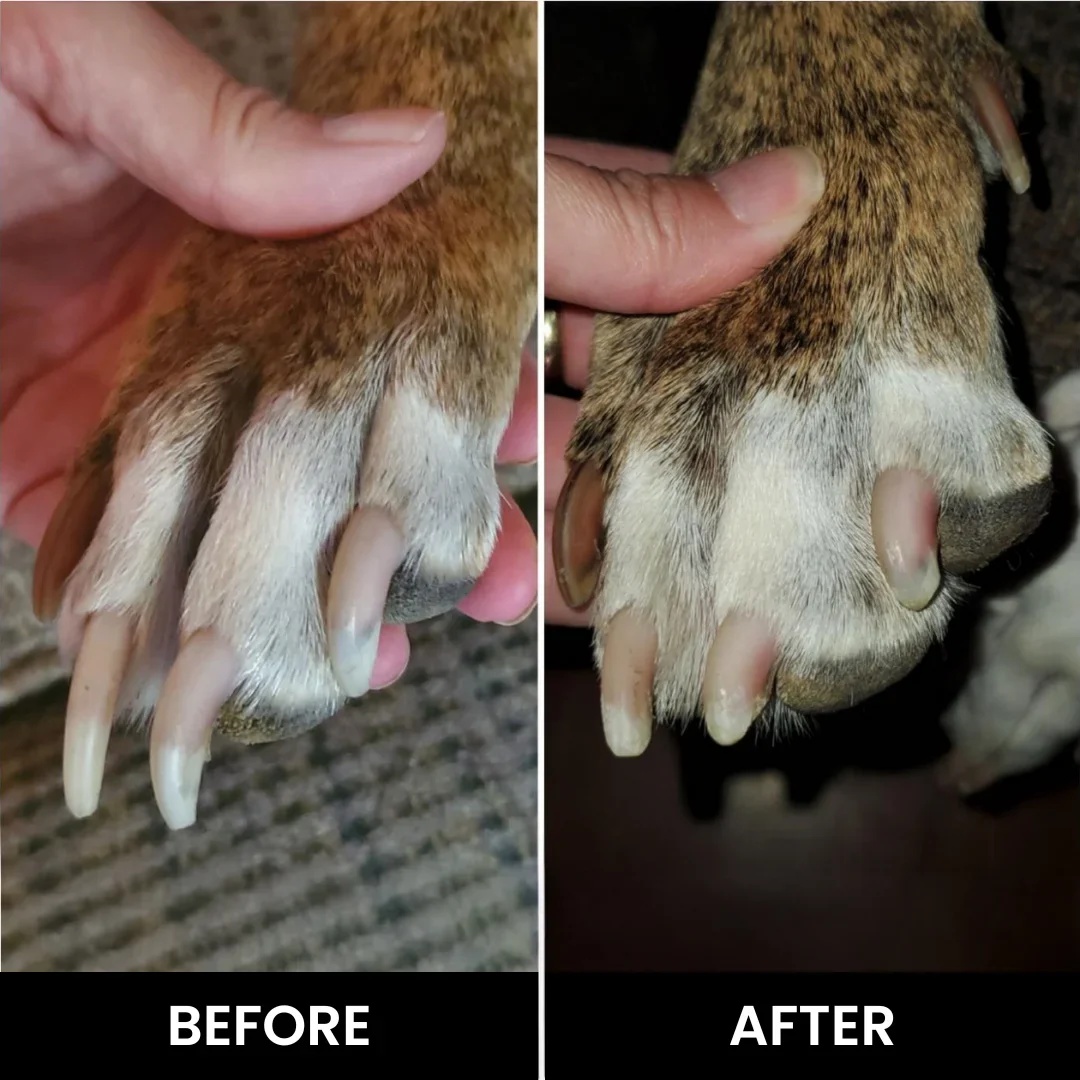
99-Day 100% Money-Back Guarantee
“Ever since we started using the Zenpaw Maxpro Grinder, it’s been such a peaceful experience. It’s very quiet, and my dog actually relaxes. It’s turned our stressful sessions into quick, quiet grooming times.”
— Sarah M. | ✔ Verified Customer
- ✓ Prevents Infection & Splitting
- ✓ Ideal for All Dog Sizes
- ✓ Low-Vibration Technology
- ✓ Fast 2-7 Days Delivery
Need Support? Call 302-307-1000
Understanding Canine Nail Anatomy: The Hidden Vulnerability of the Quick
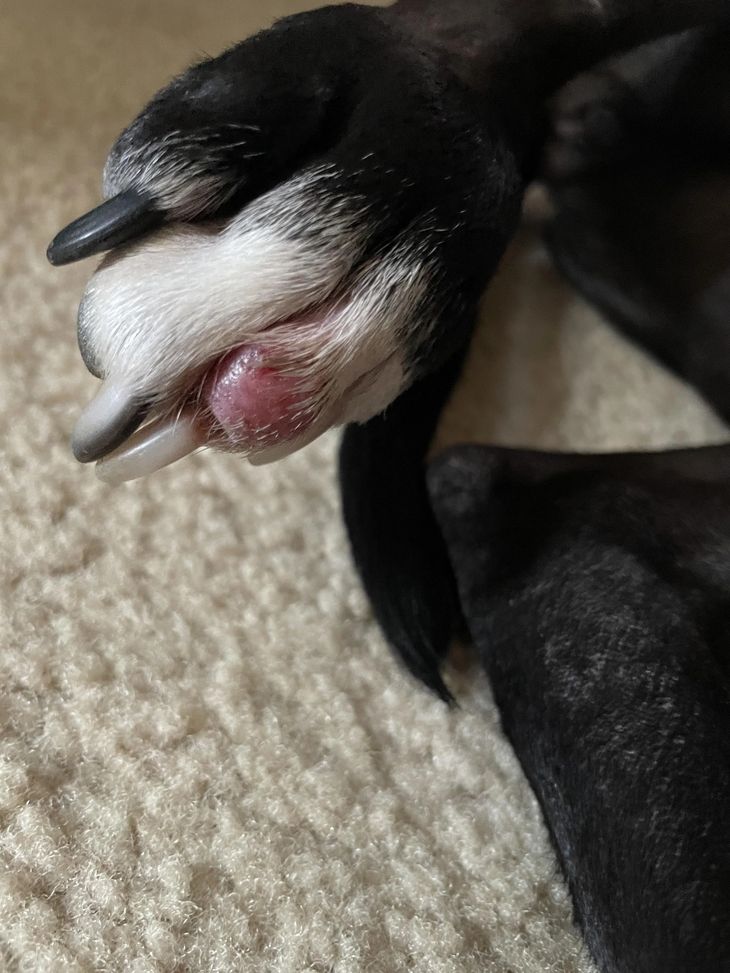
To understand why a deep nail cut is so hazardous, we must examine the complex structural design of your dog’s claws.
Canine claws are fundamentally different from thin human nails because they are directly fused to the distal phalanx bone of the toe.
The exterior of the claw consists of a tough, protective outer layer made of dense, structural beta-keratin proteins.
Directly beneath this hard, outer sheath lies the quick, which is a highly vascularized, living matrix of blood vessels and sensitive nerve pathways.
When you accidentally cut past the keratin layer, you are not simply performing a standard trim on dead keratin tissue.
You are performing a micro-amputation of a highly vascularized, living tissue bed connected directly to the skeletal system.
This deep trauma represents one of the major deep quick wound infection risks that veterinary professionals warn about.
The freshly severed quick acts as a literal highway, allowing opportunistic bacterial colonies to travel straight up the toe structure.
In severe cases, untreated bacterial migration can lead to osteomyelitis, which is an extremely painful, dangerous bone infection.
This anatomical layout is precisely why traditional, blunt metal clippers represent such a massive hazard for home grooming.
Many concerned pet owners ask: can i file my dog’s nails with an emery board to avoid these terrible injuries entirely?
An emery board is completely safe, but it is far too weak to file down dense, thick canine keratin efficiently.
This is why a high-velocity, low-vibration safety grinder has become the essential choice for modern home pet care.
It allows you to file down the tough keratin in microscopic increments without ever putting pressure on the inner vascular core.
Recognizing Cut Dog Nail Too Short Infection Symptoms: Early Signs vs. Late Complications
Monitoring your dog’s paws closely in the days following a nail-trimming mishap is critical for preventing deep-seated infections.
An infected nail bed after deep cut will progress through distinct warning stages as bacteria multiply.
The very first sign is usually constant, obsessive licking or chewing directed at the specific injured toe.
Dogs use their saliva to naturally soothe throbbing pain, but this behavior introduces millions of oral bacteria into the raw wound.
Within a few hours, you will begin to observe localized swelling, redness, and inflammation around the cuticle base.
The skin surrounding the injured nail will feel noticeably hot to the touch compared to the other healthy paws.
As the inflammation deepens, your dog will begin to protect the painful limb by limping or lifting the paw entirely off the ground.
If you inspect the toe closely, you may notice a cloudy, yellow, or greenish purulent fluid weeping from the cuticle edge.
A strong, unpleasant, yeasty, or sweet odor coming from the paw is another definitive sign of active bacterial colonization.
In advanced, neglected stages, the localized tissue infection can quickly become a dangerous systemic medical emergency.
Your dog may develop a high fever, show signs of extreme lethargy, lose their appetite, or become defensive when you touch their leg.
This detailed reference table highlights the progressive stages of a nail bed infection to help you take action.
| Infection Stage | Clinical Symptoms & Warning Signs | Recommended Action Plan |
|---|---|---|
| Stage 1: 0 – 12 Hours (Acute Injury Phase) |
Active bleeding from the tip, localized pain, sensitivity, and minor holding of the paw off the floor. | Apply styptic powder with firm pressure, clean with sterile saline, and keep the dog in a dry, indoor space. |
| Stage 2: 12 – 48 Hours (Early Localized Infection) |
Obsessive licking of the toe, mild swelling, redness around the cuticle, and localized heat. | Soak in warm water with Epsom salts, apply pet-safe antiseptic ointment, and wrap with a clean bandage. |
| Stage 3: 48+ Hours (Advanced Bacterial Infection) |
Yellow or green pus discharge, strong foul odor, severe swelling, throbbing pain, pronounced limping, or fever. | Contact your veterinarian immediately for a professional evaluation, flushing, and prescription oral antibiotics. |
For pet parents of large breeds, the physical stress placed on an injured nail bed is significantly more intense.
Heavy dogs apply immense physical weight to their paws with every single step, which can repeatedly reopen a healing quick.
If you are trying to manage these massive claws safely, you should check out heavy duty nail clippers for extra large dogs.
However, keep in mind that even the strongest manual clippers can cause microscopic structural splitting under heavy pressure.
A controlled, gradual safety grinder remains the absolute gold standard for safely shortening dense, massive dog nails.
How to Protect a Raw Exposed Quick and Prevent Nail Bed Infections
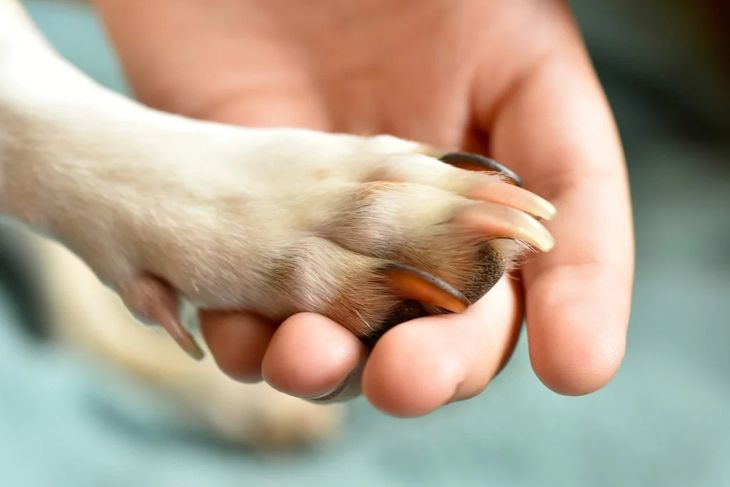
If you have accidentally exposed your dog’s sensitive quick, you must take immediate, proactive steps to protect the open tissue.
Your primary goal is to establish a secure chemical and physical barrier against environmental bacteria.
Begin by preparing a shallow, warm water soak mixed with medical-grade Epsom salts in a clean basin or tub.
Gently submerge the injured paw for five to ten minutes to flush out deep-seated grit and reduce localized swelling.
Epsom salts help soothe raw nerve endings and draw out microscopic impurities from the open wound naturally.
Once the soak is complete, pat the paw completely dry using a clean, lint-free microfiber towel.
Avoid using harsh human disinfectants like rubbing alcohol or hydrogen peroxide on the raw tissue.
These harsh chemicals destroy newly forming healthy cells, cause extreme pain, and significantly delay the natural healing process.
Instead, apply a generous layer of veterinarian-approved antibacterial ointment directly over the exposed quick.
Wrap the paw loosely with a clean, self-adhering bandage wrap to protect the nail during brief bathroom breaks outdoors.
Ensure the wrap is secure but not overly tight, as restricted blood circulation can cause severe tissue damage.
Keep your dog strictly indoors as much as possible to prevent wet mud or lawn bacteria from entering the dressing.
Be especially cautious about walking your dog on public pathways or hard streets while the wound is fresh.
Many pet owners are unaware of the extreme dangers of a dog nail bleeding after walk on pavement.
Abrasive concrete acts like coarse sandpaper on a healing claw, easily peeling away protective scabs and clotting layers.
This friction can force microscopic road debris and harsh street contaminants directly into the vulnerable, exposed quick.
Limit all outdoor access to brief, supervised bathroom breaks on clean, dry grass until the nail tip has fully healed.
How to Safely Groom with the Zenpaw Maxpro Grinder: 45-Degree Angle Rules
Transitioning to the Zenpaw Maxpro Grinder is the easiest way to prevent painful bleeding accidents from ever happening again.
This advanced tool is engineered to give you absolute control over the speed and depth of your grooming routine.
To begin, introduce the safety grinder to your dog in a quiet, calm room away from household noise.
Allow your dog to sniff the device while it is turned off, and reward them with high-value treats.
This positive association helps eliminate the deep-seated grooming anxiety that causes dogs to struggle.
Turn the motor on to its lowest speed setting to let your dog get comfortable with the sound.
Our whisper-quiet motor operates under 40 decibels, which is softer than a quiet library murmur.
This silent performance prevents the sudden startle reflex that causes dogs to pull their paws away.
If you have a highly resistant, wiggly, or fearful pet, consider using a dog swaddle harness for nail trimming.
This supportive harness gently suspends your dog, keeping them calm and secure while you work on their paws.
Once your dog is comfortable, hold their paw gently but firmly and isolate a single toe.
Position the Zenpaw Maxpro Grinder at a precise 45-degree angle relative to the top of the claw.
This exact angle allows you to file down the keratin outer layer while following the natural slope of the quick.
Apply the diamond grinding wheel in short, light bursts of two to three seconds per nail.
This pulsing technique prevents frictional heat from building up, which can cause discomfort to the nerves inside.
As you file, look closely at the center of the freshly ground nail surface.
Stop grinding immediately when you see a tiny, dark, soft circle appear in the center of the hard white keratin.
This dark circle is the absolute boundary of the quick, signaling that you have reached the perfect, safe length.
Ditching the Guillotine: Why Crushing Nails Invites Bacteria
Traditional guillotine-style clippers are the leading cause of structural nail splitting and subsequent infections.
These clippers function by applying massive, blunt pressure to the sides of the claw until the blade shears through.
This intense crushing force often creates deep, microscopic fractures along the entire length of the nail sheath.
These tiny, invisible cracks act as perfect tunnels for moisture, environmental dirt, and bacteria to settle inside.
This structural compromise is a primary culprit behind an infected nail bed after deep cut.
Furthermore, jagged, split nail edges can easily snag on rugs, causing further painful tearing to the toe joint.
If your dog is constantly catching their nails on fabrics, you are likely looking for tips on how to stop dog nails from tearing up carpet.
The solution is simple: replacing crushing clippers with a tool that leaves a perfectly smooth, rounded finish.
The Zenpaw Maxpro Grinder uses a premium diamond bit to file the nail down gently without any crushing impact.
The rotating wheel polishes the outer edges, leaving them perfectly smooth and safe for your home’s flooring.
By making the switch, you protect your home decor and safeguard your dog’s paws from painful structural damage.
Frequently Asked Questions About Canine Nail Health and Safe Grinding
Is the Zenpaw Maxpro Grinder safe for extra-large dog breeds?
Yes, our safety grinder is highly effective and completely safe for dogs of all sizes and breeds.
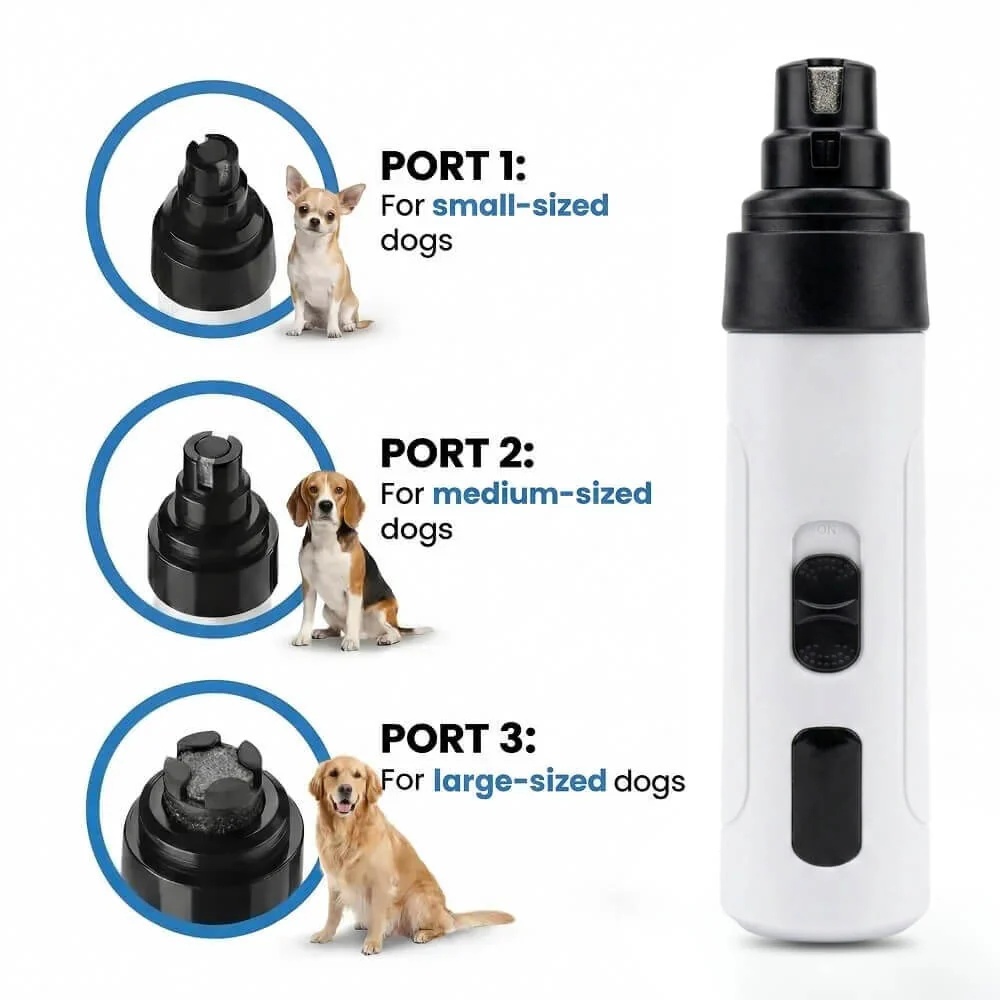
The protective safety cap features three customized ports designed for small, medium, and large claws.
For large dogs with thick nails, you can easily remove the safety cap to expose the full diamond wheel.
This allows you to quickly shape and shorten even the toughest claws without any risk of crushing or splitting.
How long does the battery of the Zenpaw Maxpro Grinder last?
Our advanced lithium-ion battery provides up to seven hours of continuous grooming power on a single charge.
The device is fully USB rechargeable, making it incredibly easy to power up using any standard phone charger or laptop.
This long-lasting battery life ensures you never have to rush a grooming session because of a dying motor.
You can take your time to keep the experience completely relaxed, pleasant, and stress-free for your pet.
Which speed setting should I use for my dog’s nails?
The Zenpaw Maxpro features two adjustable speed settings to match your dog’s comfort level and claw density.
We recommend using the low-speed setting for young puppies, tiny toy breeds, and highly sensitive or anxious dogs.
The high-speed setting is ideal for quickly shaping thick, stubborn claws on medium and large adult dogs.
Always start on the lowest speed to let your dog get used to the gentle vibration before moving to high speed.
Does the diamond grinding wheel get hot during use?
No, our safety grinder utilizes advanced low-heat technology to keep the grinding head cool to the touch.
Traditional high-speed rotary tools can heat up rapidly, causing a painful burning sensation that terrifies your dog.
The Zenpaw Maxpro is engineered to distribute friction evenly, preventing uncomfortable heat spikes.
For absolute comfort, we still recommend moving the grinder from nail to nail in short, pulsing bursts.
What should I do if my dog’s nail starts bleeding after a walk on pavement?
If you notice a bleeding claw after a walk, bring your dog inside immediately to a clean, quiet area.
Wash the injured paw gently with clean, lukewarm water to remove concrete dust, sand, or road salts.
Apply styptic powder or sterile cornstarch to the bleeding tip with firm pressure until the bleeding stops completely.
Keep your dog resting indoors for twenty-four hours to let the fragile healing clot strengthen.
If the claw continues to weep fluid, swell, or smell bad, consult your veterinarian right away for an assessment.
Conclusion: Your Path to Stress-Free Paw Care
Keeping your dog’s paws healthy and infection-free does not have to be a stressful battle.
Ready to transform nail trimming from a battle into a breeze?
Explore the Zenpaw Maxpro 3-in-1 Grinder.
Call: **302-307-1000** — our team can help you advise on the best grooming practices and help with any product questions.