
I still remember the night my golden retriever, Bella, whimpered while licking her red, swollen paw, signaling a painful paronychia dog nail infection. I felt incredibly guilty, realizing my old, crushing clippers had cracked her nail and let bacteria slip inside. That stressful experience inspired our team to design the Zenpaw Maxpro 3-in-1 Grinder to ensure pet parents can maintain paw health without fear.
Maxpro 3-in-1 Grinder.
Stress-Free Nail Trimming.
Whisper-quiet DC motor (<40 dB) eliminates fear & discomfort. Features 3 ports, dual speeds, and 7-hour battery life. Safe, precise, and painless.
In This Article
- Anatomical Breakdown: Discover the hidden vulnerabilities of your dog’s claw fold and why microscopic tears lead to infections.
- Symptom Identification: Learn how to spot early signs of swelling, redness, and behavioral indicators before complications arise.
- Practical Safe-Grooming: Get a step-by-step masterclass on desensitizing your anxious dog and holding your tools at a safe 45-degree angle.
- Risk Mitigation: Learn why traditional clippers crush nails and how to transition to safe, painless rotary filing at home.
What is a Paronychia Dog Nail Infection and How Can You Prevent It?
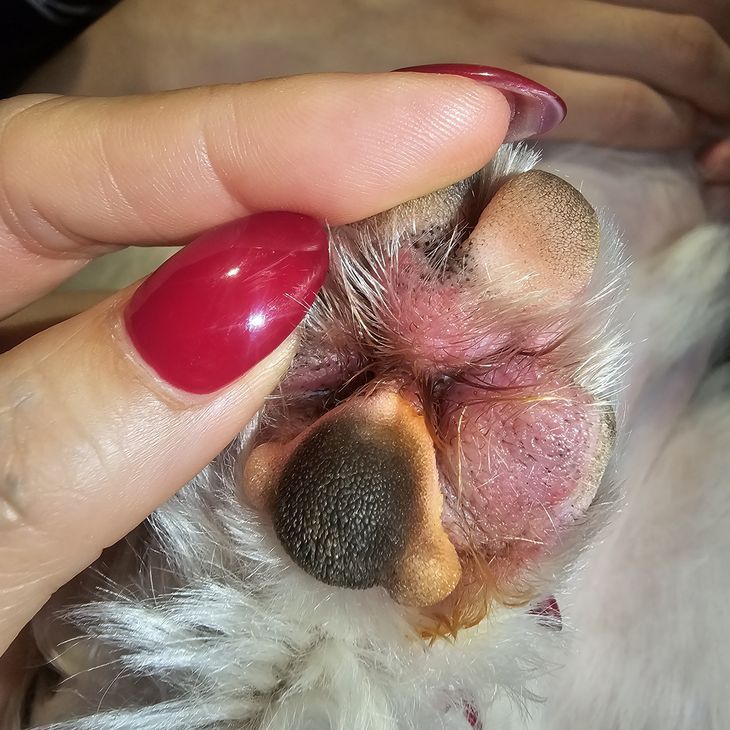
A canine paronychia condition refers to localized inflammation or infection surrounding the claw folds of a dog’s paw.
This highly uncomfortable condition typically manifests as deep redness, swelling, and extreme sensitivity around the nail bed.
Active dogs, working breeds, and pets with pre-existing skin allergies are the most frequent victims of this painful issue.
You will likely first observe your pet licking, chewing, or biting at their toes in a desperate attempt to soothe the throbbing ache.
The infection itself develops precisely where the soft tissue of the skin meets the hard keratin of the nail plate.
This protective boundary can easily be breached by microscopic tears, cuts, or punctures sustained during outdoor adventures.
Once the physical skin barrier is compromised, opportunistic environmental bacteria or yeast slip into the warm, moist subungual space.
This invasion triggers an immediate immune response, leading to rapid swelling, localized heat, and occasionally the formation of pus.
To support your pet’s recovery, you must keep the affected paw meticulously clean, entirely dry, and free of dirt.
A veterinary professional should always evaluate persistent cases to determine if prescription support is required to eliminate deep-seated pathogens.
Fortunately, establishing a gentle, stress-free grooming routine at home can prevent these painful structural issues from developing.
By maintaining the claws at a short, functional length, you prevent them from snagging, splitting, or putting pressure on the nail fold.
Regular maintenance also minimizes the risk of the nail curling backward and puncturing the delicate surrounding skin.
For pet parents learning how to treat paronychia in dogs, proactive grooming is always the most effective shield.
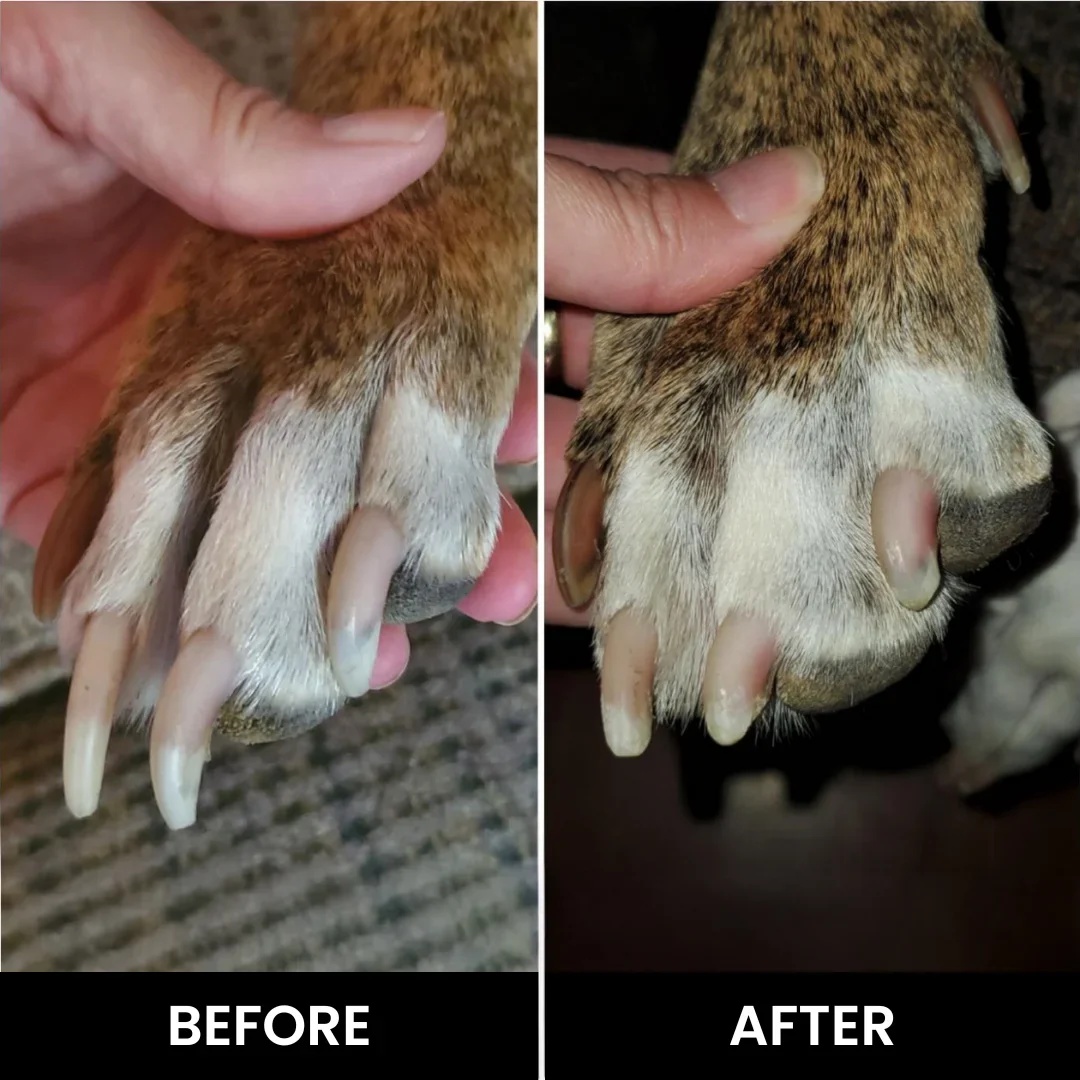
Our team always recommends avoiding traditional, force-based clippers that violently pinch the nail and shatter its protective structure.
If you want to handle this safely at home, the Zenpaw Maxpro Grinder provides painless, quiet filing — explore it here.
99-Day 100% Money-Back Guarantee
“Ever since we started using the Zenpaw Maxpro Grinder, it’s been such a peaceful experience. It’s very quiet, and my dog actually relaxes. It’s turned our stressful sessions into quick, quiet grooming times.”
— Sarah M. | ✔ Verified Customer
- ✓ Prevents Infection & Splitting
- ✓ Ideal for All Dog Sizes
- ✓ Low-Vibration Technology
- ✓ Fast 2-7 Days Delivery
Need Support? Call 302-307-1000
Bacterial Nail Fold Infection in Dogs: Root Causes and Anatomical Vulnerabilities
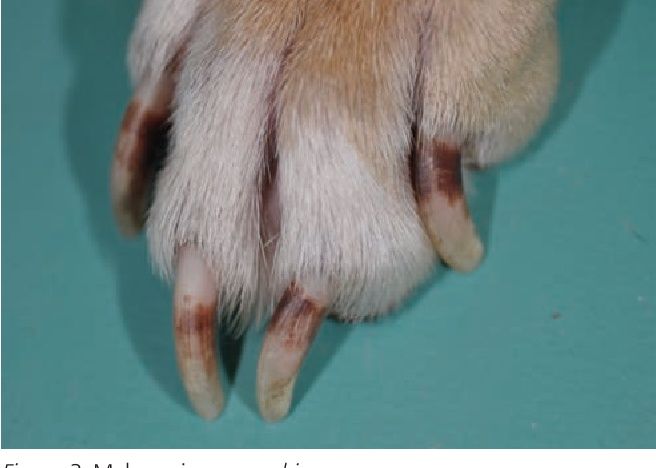
To effectively protect your canine companion, you must first understand the unique anatomical structure of their paws.
Unlike human fingernails, a dog’s claw is directly fused to the distal phalanx bone of their toe.
This means any deep infection or structural damage to the nail plate can easily travel upward to the skeletal structure.
The living quick inside the claw is highly vascularized, meaning it is packed with sensitive nerves and blood vessels.
The nail fold acts as a tight, protective gasket designed to seal out moisture, dirt, and microscopic pathogens.
When this natural seal is compromised, a bacterial nail fold infection in dogs is highly likely to take root.
The most common culprit behind these bacterial invasions is Staphylococcus pseudintermedius, a microbe naturally found on canine skin.
Under normal conditions, this bacterium is completely harmless and coexists peacefully on your dog’s paw.
However, if the skin barrier is damaged by sharp grass, gravel, or rough grooming, the bacteria multiply out of control.
Pseudomonas bacteria and Malassezia yeast are also frequently isolated from infected, swollen claw beds.
Dogs with environmental allergies are particularly vulnerable because they tend to lick their paws incessantly.
This constant bathing in saliva keeps the nail fold perpetually damp, which breaks down the delicate skin barrier.
Once the skin softens and cracks from excess moisture, environmental pathogens find a perfect breeding ground.
We must also recognize that mechanical trauma from outdated grooming equipment is a primary trigger for these infections.
When a pet owner uses dull, traditional clippers, the crushing force fractures the hard outer keratin of the nail.
These microscopic hairline fractures can propagate all the way up the nail shaft and into the delicate nail fold.
If your dog terrified of getting nails clipped, their sudden, violent movements during a trim make slips highly probable.
A sudden twist while the clipper is clamped down can tear the nail completely away from the living bed.
Using a premium rotary tool avoids this danger entirely by gently shaving the nail down without applying crushing physical pressure.
This non-invasive approach leaves the protective keratin layers smooth, intact, and fully capable of keeping bacteria out.
Recognizing Symptoms: Swollen Dog Claw Folds and Structural Nail Disorders
Recognizing the subtle, early warning signs of a paw issue can save your dog from weeks of intense discomfort.
The earliest indicator is typically a sudden change in your dog’s behavioral habits regarding their paws.
You may notice them licking a single toe with unusual intensity, often focusing on the base of the claw.
Upon physical inspection, the skin surrounding the nail fold will appear noticeably red, warm, and swollen.
In active or light-colored dogs, you might also spot brown or rust-colored staining on the fur from saliva enzymes.
As the inflammatory process progresses, the dog may begin favoring the leg or showing a pronounced limp during walks.
When treating swollen dog claw folds, keeping a detailed log of these physical changes is highly useful for your veterinarian.
If the infection is left unmanaged, the nail plate itself may become soft, brittle, discolored, or misshapen.
In severe cases, the entire claw can loosen from the bed and slough off, exposing the highly sensitive bone underneath.
It is important to note that localized infections must be distinguished from systemic nail disorders.
Conditions like symmetrical lupoid onychodystrophy (SLO) are immune-mediated and cause multiple nails to split and fall off simultaneously.
Unlike SLO, a standard bacterial or fungal infection is usually confined to one or two claws that suffered physical trauma.
If your dog won’t stay still to cut nails, the risk of creating a traumatic entry point for bacteria is doubled.
A dog who thrashes or pulls back during a grooming session can easily tear their delicate dewclaws.
This physical tearing creates an instant pathway for opportunistic bacteria to migrate deep into the subungual tissue.
By transitioning to a low-noise, calming tool, you eliminate the frantic struggles that lead to these painful grooming injuries.
Keeping the paw steady and the grooming process relaxed is the absolute foundation of long-term claw fold health.
A calm dog allows for a highly precise, safe trim that preserves the structural integrity of the entire paw.
How to Safe-Groom Your Dog at Home and Maintain Strong Claw Folds
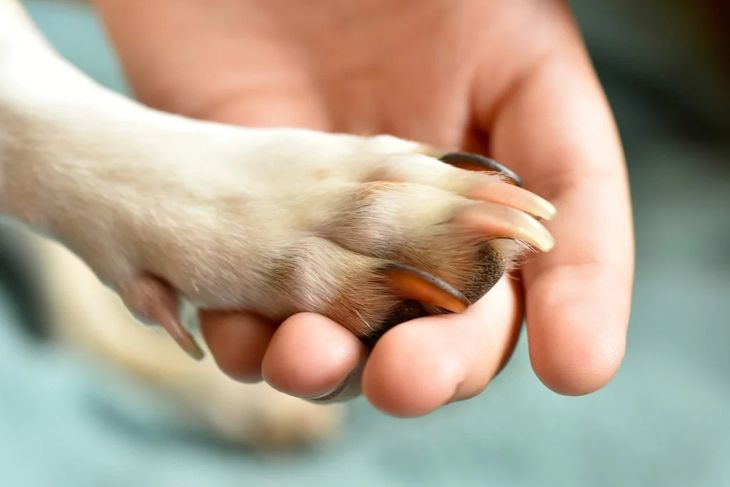
Grooming a dog who has previously suffered from paw discomfort requires a deep commitment to gentle behavioral training.
The most effective way to rebuild trust is through a structured, step-by-step process of positive association and desensitization.
Begin by introducing your grooming tool in a completely non-threatening environment when your dog is already relaxed.
Place the device on the floor next to their favorite bed and reward them with a highly delicious treat for sniffing it.
Repeat this exercise several times over two to three days until your dog happily wags their tail when the tool appears.
Next, hold the device in your hand and turn it on, allowing your dog to hear the motor from a comfortable distance.
Our Zenpaw Maxpro Grinder is specifically engineered with a whisper-quiet motor that operates strictly below 40 decibels.
This incredibly low noise level prevents the sudden acoustic shock that usually sends sensitive dogs running for cover.
While the motor is running, feed your dog small pieces of high-value food to build a powerful positive connection.
Once they are completely comfortable with the sound, gently touch the vibrating body of the tool to their shoulder or leg.
This step helps them get used to the physical sensation of micro-vibrations without feeling cornered or frightened.
When you finally transition to trimming, ensure you are holding the paw firmly but with absolute gentleness.
Isolate a single toe and hold the grinding head at a precise 45-degree angle to the tip of the claw.
Gently touch the rotating diamond bit to the nail for no more than two consecutive seconds at a time.
Filing in short, controlled bursts prevents friction heat from building up and irritating the living quick.
If you must try to cut my senior dog’s nails without getting bit, take frequent breaks and support their joints comfortably.
Older pets often suffer from arthritis, making the act of twisting or bending their legs highly painful during grooming.
By using a low-vibration grinder, you eliminate the sudden, jarring shockwaves that traditional clippers send through stiff joints.
The smooth, rotating action gently sands away the excess keratin without putting any physical strain on the toe bones.
Always reward your dog with enthusiastic praise and their favorite treat after completing each individual paw.
This positive reinforcement teaches them that maintaining their paws is a safe, rewarding experience rather than a stressful chore.
Over time, this consistent care will ensure their claw folds remain clean, short, and completely free of painful pressure.
Avoiding Dangerous Pitfalls in Paw Care and Nail Trimming
Even the most devoted pet parents can easily fall into common grooming traps that inadvertently compromise paw health.
One of the most dangerous mistakes is using dull, outdated clippers that have lost their sharp cutting edge.
Dull blades do not cut through the claw; instead, they crush the entire structure under massive mechanical force.
This crushing action shatters the protective outer shell of the nail, leaving jagged, open edges behind.
These microscopic splits easily collect environmental moisture, mud, and bacteria, dragging them directly up into the nail bed.
Another highly frequent mistake is rushing through the trimming process due to personal stress or impatience.
Rushing almost always leads to accidental slips, which can severely tear the delicate skin of the claw fold.
It also increases the probability of cutting directly into the vascular quick, causing immediate pain and heavy bleeding.
A single painful experience of being ‘quicked’ can traumatize your dog, making them highly resistant to future grooming sessions.
The Zenpaw Maxpro Grinder completely eliminates this risk by allowing you to work in a slow, highly controlled manner.
You can easily see the progress you are making, sanding away micro-layers of keratin until you safely reach the boundary.
We must also warn against the common habit of completely ignoring the dog’s dewclaws.
Because dewclaws are located higher up on the leg, they do not wear down from walking on hard pavement.
If left untrimmed, they will eventually curl completely around and grow directly into the sensitive soft tissue.
This ingrown condition causes intense pain and almost always leads to a severe, deep-seated bacterial complication.
Understanding how much do groomers charge to cut dog’s nails can help you see the value of home care.
Professional grooming visits can easily cost up to sixty dollars per session, quickly adding up to hundreds of dollars a year.
By mastering safe home care with a professional-grade tool, you save money while sparing your pet from veterinary anxiety.
Frequently Asked Questions About Paw Health and Infection Prevention
Is the Zenpaw Maxpro Grinder suitable for large dog breeds with thick nails?
Yes, the device is specifically engineered to handle claws of all sizes and physical densities.
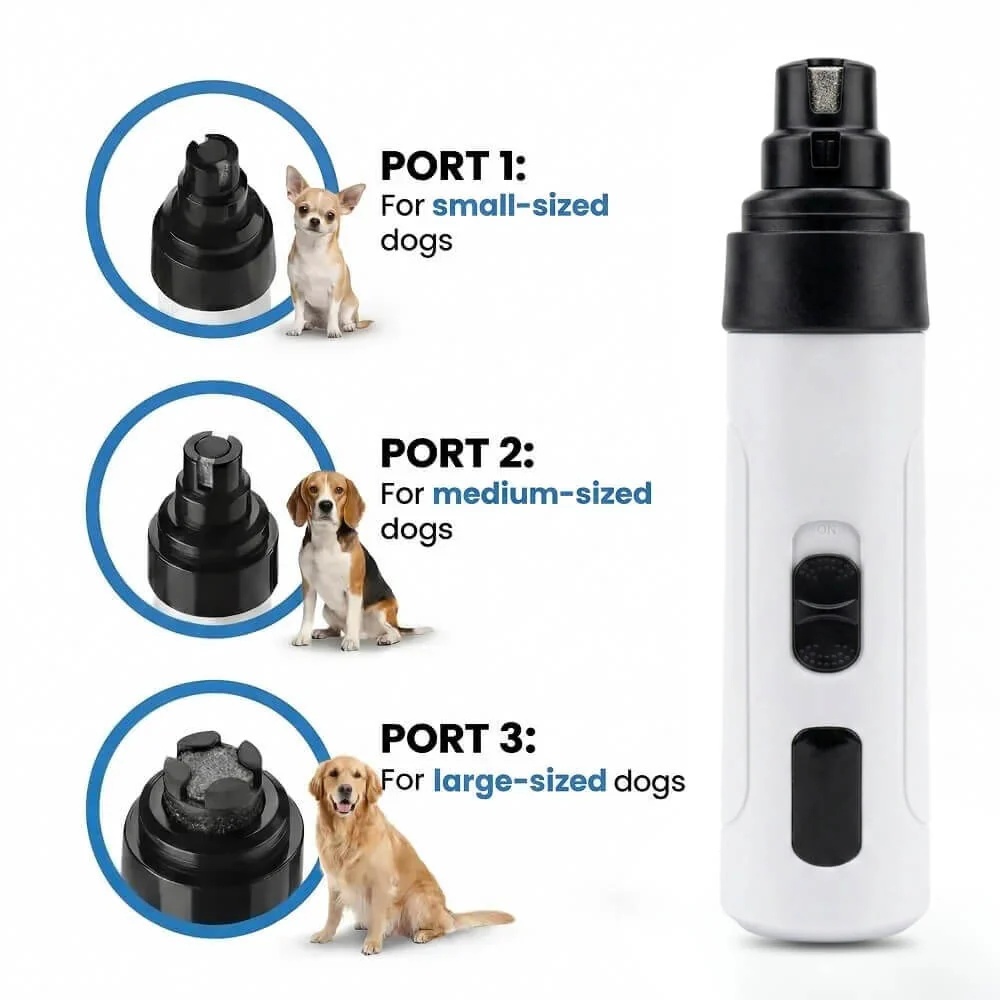
It features three custom-sized ports that allow you to safely guide small, medium, or large nails.
The heavy-duty motor delivers continuous torque, ensuring it won’t stall even when filing the thickest claws.
How long does the rechargeable battery last on a single charge?
The grinder is equipped with an advanced lithium-ion battery that provides up to seven hours of continuous runtime.
This exceptional battery life means you can easily groom multiple pets without needing to pause for recharging.
The convenient USB charging capability allows you to power up the device using any standard phone block or laptop.
Which speed setting should I use for a highly anxious dog?
We strongly advise starting on the lowest speed setting to help your pet adjust to the physical sensation.
The low-speed setting minimizes both sound and micro-vibrations, helping to keep sensitive animals calm and relaxed.
Once your dog has built confidence and remains completely calm, you can safely transition to the higher speed.
Does the grinding head generate uncomfortable heat during a session?
No, our specialized brass grinding shaft is engineered to prevent the accumulation of high friction heat.
Unlike traditional steel files, this advanced material keeps the filing head safe and cool against the nail.
For absolute safety, we still recommend working in brief, two-second intervals to guarantee your pet’s complete comfort.
How can I tell if my dog’s swollen paw requires professional veterinary care?
You should seek immediate veterinary assistance if you notice a foul odor, continuous pus discharge, or intense limping.
If your pet shows systemic signs of distress, such as a fever, lethargy, or a sudden loss of appetite, call your vet.
A professional can assess the depth of the issue and recommend supportive steps to ensure a safe recovery.
Conclusion: Empowering Your Home Paw Care Routine
Maintaining your dog’s claw health does not have to be a stressful battle.
With patience and gentle tools, you can easily protect their paws from painful structural damage.
Ready to transform nail trimming into a breeze? Explore the Zenpaw Maxpro 3-in-1 Grinder. Call: 302-307-1000 — our team can advise on the best grooming practices.