
I still remember the sheer panic in my Labrador’s eyes, and the heavy guilt in my chest, when a traditional clipper slipped and caused painful bleeding during a routine grooming session. That stressful day changed how I approached paw health forever, leading me to seek a gentler way to cut labrador dog nails. At Team Zenpaw, we designed the Zenpaw Maxpro 3-in-1 Grinder to transform this scary, loud chore into a quiet, painless bonding ritual for you and your beloved retriever.
Maxpro 3-in-1 Grinder.
Stress-Free Nail Trimming.
Whisper-quiet DC motor (<40 dB) eliminates fear & discomfort. Features 3 ports, dual speeds, and 7-hour battery life. Safe, precise, and painless.
In This Article
- Anatomical Precision: Understand the structure of active Labrador Retriever claws and locate the vascular quick safely.
- Desensitization Strategies: Discover professional techniques to guide highly active or anxious retrievers through grooming sessions.
- Step-by-Step Guidelines: Learn correct grinding angles, pressure management, and paw care routine adjustments.
- Preventative Health: Recognize early signs of splitting, infections, and flakiness to maintain high-level mobility.
Mastering the Art to Cut Labrador Dog Nails Safely
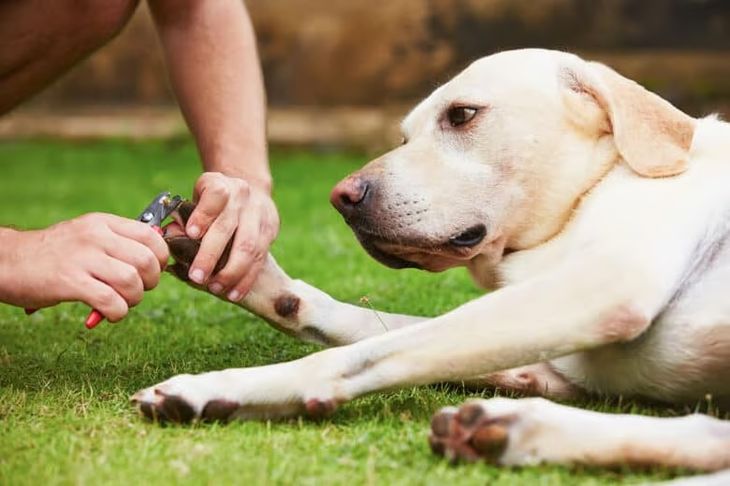
Keeping your active Labrador’s paws in optimal condition is a cornerstone of overall canine health and structural mobility.
Many pet parents feel intimidated by this task because retrievers are powerful animals with thick, tough nails.
If you are a beginner, starting with a comprehensive guide on labrador nail trimming for beginners can build your confidence quickly.
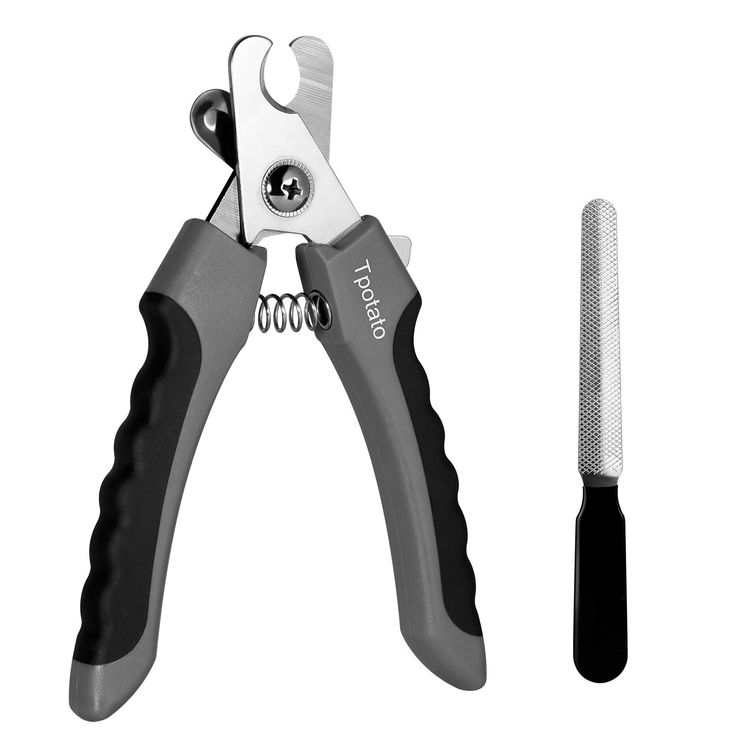
Traditional clippers often cause distress because they violently crush the nail plate, which can result in painful fractures.
Selecting the right equipment is the very first step toward transforming this routine into a smooth, stress-free bonding experience.
Investing in the best nail clippers for large dogs helps ensure you can cleanly cut through thick keratin layers without splintering.
However, modern canine wellness experts increasingly prefer high-quality rotary grinders over manual clippers.
Grinders allow you to file the claw down incrementally, which dramatically reduces the risk of cutting the sensitive quick.
Active sporting breeds like Labradors naturally wear down their claws on hard surfaces, but indoor living makes manual maintenance mandatory.
Long claws alter the natural angle at which the paw meets the ground, placing unnatural strain on the skeletal structure.
Over time, this minor structural misalignment can lead to premature joint wear, arthritis, and postural imbalances.
By learning proper maintenance techniques, you protect your dog’s long-term mobility and comfort.
Why Labradors Have Unique Paw Grooming Demands
Labradors possess anatomical traits specifically engineered for swimming, running, and retrieving in rugged terrains.
Their paws are webbed, featuring flexible skin between the toes that assists in aquatic propulsion and stable footing.
This webbing means their toes spread wider than those of non-sporting breeds, requiring extra care during physical handling.
Additionally, Labradors produce natural protective oils that keep their paw pads and claws highly water-resistant.
These oils can attract dirt and fine debris, which easily get trapped in the narrow crevices around the nail beds.
Regular grooming sessions provide an excellent opportunity to inspect these webbed spaces for irritation, ticks, or foreign objects.
Because Labradors are highly food-motivated, they respond exceptionally well to positive reinforcement during paw handling.
Understanding these unique physical and behavioral traits allows you to tailor your grooming approach for maximum success.
The Structural Impact of Neglected Nails
When a Labrador’s nails grow too long, they continuously push the toes upward as the dog walks.
This force shifts the dog’s center of gravity backward, forcing the hindquarters to compensate for the altered posture.
This postural shift places unnecessary stress on the hocks, stifles, and lower lumbar region of the spine.
Over several years, this mechanical stress can accelerate the progression of hip and elbow dysplasia, which are common in retrievers.
Furthermore, long claws are highly susceptible to catching on carpets, roots, or grates during vigorous exercise.
A caught claw can easily rip away from the toe, causing severe pain and requiring immediate veterinary attention.
Regularly maintaining short claws ensures your companion can run, jump, and swim with natural, pain-free biomechanics.
99-Day 100% Money-Back Guarantee
“Ever since we started using the Zenpaw Maxpro Grinder, it’s been such a peaceful experience. It’s very quiet, and my dog actually relaxes. It’s turned our stressful sessions into quick, quiet grooming times.”
— Sarah M. | ✔ Verified Customer
- ✓ Prevents Infection & Splitting
- ✓ Ideal for All Dog Sizes
- ✓ Low-Vibration Technology
- ✓ Fast 2-7 Days Delivery
Need Support? Call 302-307-1000
Understanding Canine Nail Anatomy: Demystifying the Labrador Quick
To groom your dog safely, you must first understand the internal structure of canine nails.
Every dog claw consists of a tough, outer protective shell made of hard keratin protein.
Inside this hard protective layer lies the quick, which is a highly vascular, nerve-rich core.
The quick supplies vital blood flow to the nail matrix to support continuous, healthy growth.
If you accidentally sever the quick, your dog will experience a sharp, sudden sensation of pain.
This painful experience can immediately damage the trust you have built during training sessions.
Furthermore, an open wound on the toe can expose your pet to environmental pathogens.
If your Labrador has suffered physical damage, understanding how to address a labrador split toenail is crucial for preventing infections.
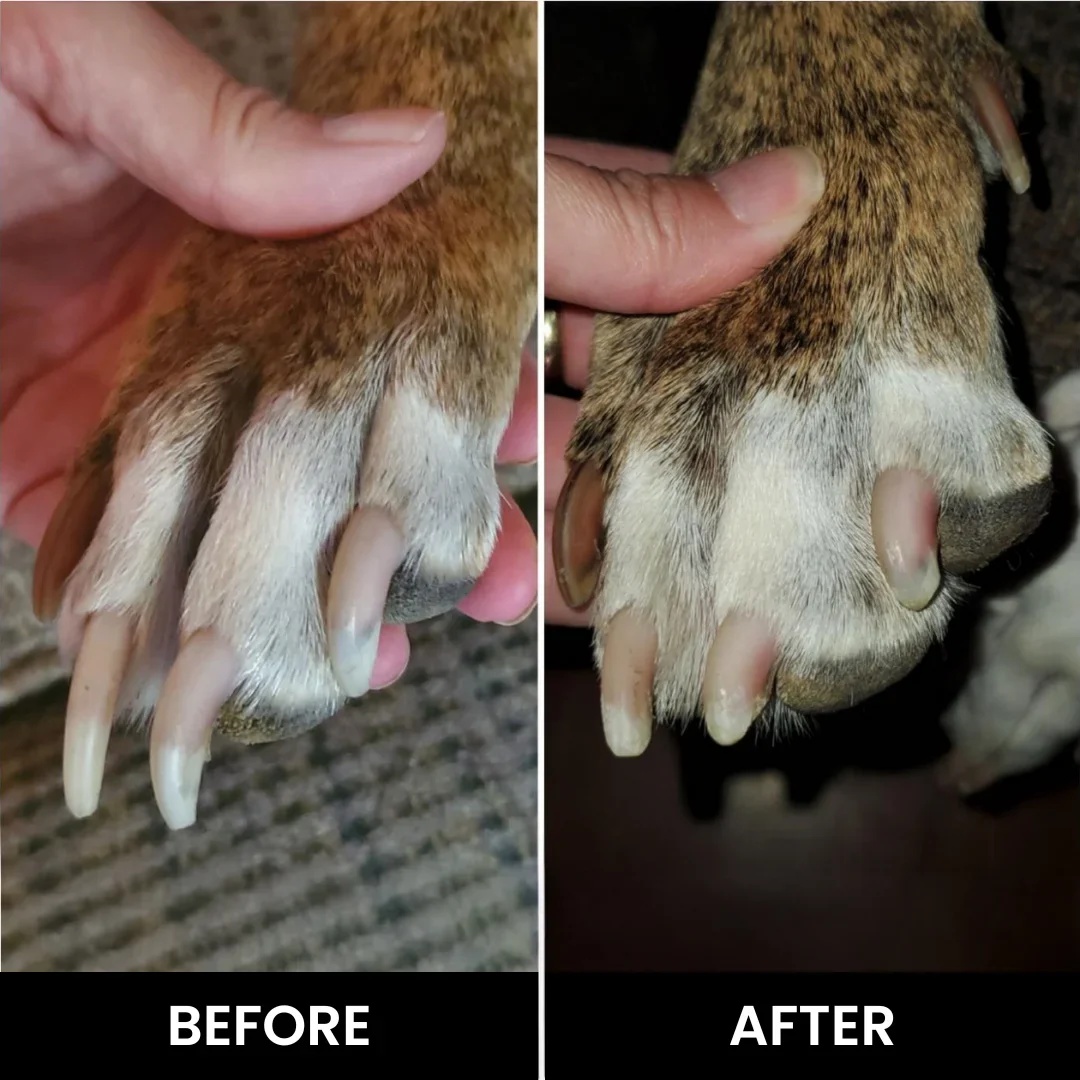
Using a high-precision rotary tool helps you gently file down the keratin outer shell layer by layer.
This controlled filing action stimulates the quick to naturally recede back over time.
This natural recession is particularly beneficial for dogs with long-neglected, overgrown claws.
By filing regularly, you can safely shorten the nails without ever risking painful bleeding.
How to Safely Locate the Quick on Dark Retriever Claws
Locating the pink-toned quick on light-colored claws is relatively straightforward with adequate lighting.
However, many black or chocolate Labradors possess dark, highly pigmented claws that hide the quick completely.
When working with dark claws, you must look directly at the head-on, circular cut surface of the nail.
As you file the nail back gradually, the dry, chalky white center will begin to change appearance.
You will soon notice a small, dark, moist-looking circular spot appearing directly in the center.
This moist circular spot is the outer protective boundary of the sensitive inner quick.
Once you see this dark spot appear, you must immediately stop filing that particular claw.
Keeping some styptic powder on hand helps you quickly stop labrador nail bleeding if you accidentally push too far.
By proceeding slowly and watching for this central moist spot, you can safely groom dark claws at home.
The Advantages of Rotary Filing Over Compression Clipping
Traditional plier-style clippers work by applying intense, dual-sided pressure to the outer keratin shell.
This extreme compression force often causes the tough nail to crack or splinter longitudinally.
This painful splintering can expose the inner quick to dirt, water, and harmful bacteria.
In contrast, a high-quality rotary tool gently files away the nail using high-speed micro-abrasions.
This smooth, non-invasive process completely eliminates the physical pressure and shock of a traditional clip.
The resulting smooth edges prevent the nail from catching on delicate outdoor or indoor surfaces.
By switching to a modern rotary tool, you ensure your Labrador’s claws remain smooth, healthy, and structurally sound.
The Science of Desensitizing Active Labrador Retrievers
Labradors are highly social, active dogs that naturally possess a strong urge to move and explore.
Asking a young or energetic retriever to sit completely still during a grooming session can be a real challenge.
Forcing your dog into submission or holding them down against their will only increases their anxiety.
Instead, professional veterinary behaviorists recommend utilizing low-stress, systematic desensitization techniques.
Desensitization involves slowly introducing grooming tools in a positive manner over several days.
For dogs that simply cannot tolerate direct handling, you can train labrador to use scratch board to naturally file their front claws.
However, learning how to safely labrador dremel nails remains the gold standard for comprehensive paw care.
The key is to pair the sight, sound, and vibration of the tool with highly rewarding treats.
This positive association shifts the dog’s emotional state from fear to eager anticipation.
With consistent practice, your Labrador will happily present their paws for a stress-free grooming session.
Step-by-Step Counter-Conditioning Protocol
Begin by simply holding your dog’s paw and gently touching each toe while offering a high-value treat.
Repeat this handling process several times until your dog remains completely relaxed in your lap.
Next, introduce the rotary tool while it is turned off, allowing your dog to sniff it curiously.
Reward their natural curiosity with praise and a small, delicious treat immediately.
Once they are comfortable with the physical object, turn the tool on at its lowest speed setting.
Position the running tool several feet away so your dog can adjust to the quiet hum safely.
Gradually bring the tool closer over multiple sessions, always rewarding calm, relaxed behavior.
Finally, touch the vibrating tool head to a single nail for just one second before rewarding.
By moving at your dog’s individual pace, you establish a strong foundation of trust and safety.
Managing Grooming Anxiety in High-Energy Breeds
High-energy retrievers often struggle to remain calm if they have built-up physical energy.
To set your dog up for success, schedule your grooming sessions directly after a long walk or play session.
A physically tired Labrador is far more likely to settle down and cooperate quietly.
Keep your initial grooming sessions incredibly brief, focusing on just one or two nails per day.
Never rush the process, as rushing increases the likelihood of accidental slips and mistakes.
By keeping sessions short, positive, and low-key, you prevent grooming anxiety from developing.
Step-by-Step Labrador Paw Care Guidelines for Home Grooming
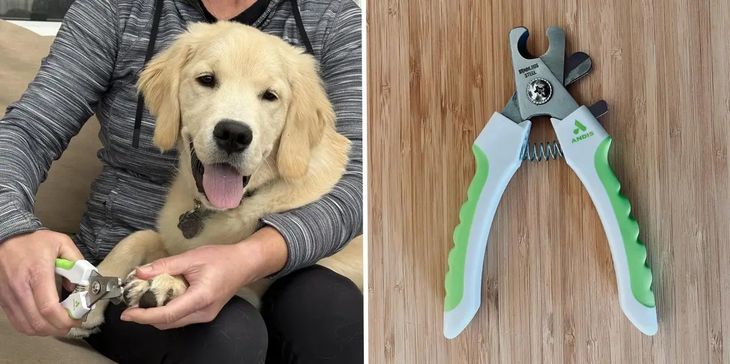
Establishing a structured grooming routine ensures your dog’s paws remain healthy and strong year-round.
Before you begin, inspect the overall texture and health of the claws and surrounding skin.
If you notice dry, splitting, or labrador flaky nails, your dog may require dietary adjustments.
Additionally, keeping the webbed spaces clean prevents dirt from causing a painful labrador nail bed infection.
Prepare a quiet, well-lit grooming area that is completely free of distractions and loud noises.
Gather all your essential tools, including styptic powder, high-value treats, and your rotary grinder.
Having everything within arm’s reach allows you to maintain continuous contact and focus on your dog.
By keeping the atmosphere calm and organized, you set a positive tone for the entire session.
The Step-by-Step Home Grooming Protocol
- Sit comfortably on the floor with your Labrador resting calmly beside you or in your lap.
- Gently grasp one paw, using your fingers to separate the toes and expose the individual claw.
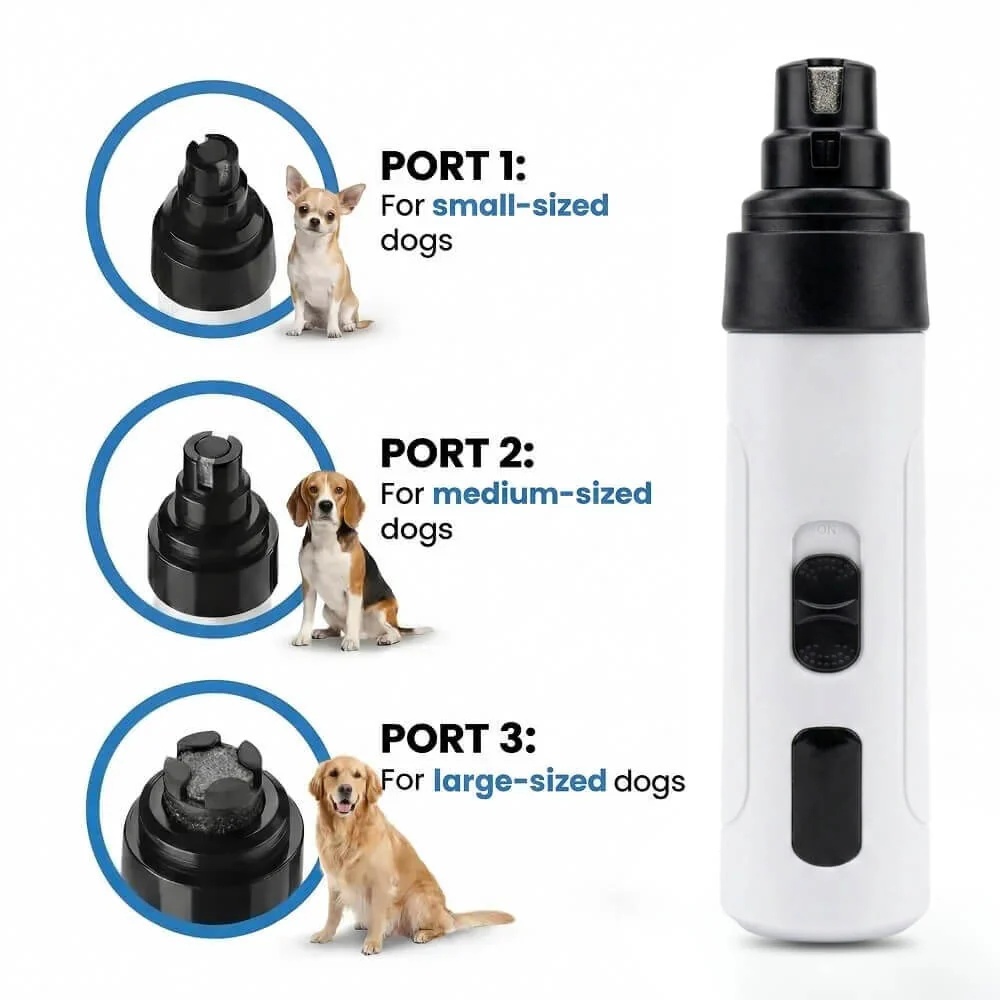
- Select the appropriate port size on your rotary grinder to match your dog’s thick nails.
- Turn the grinder on to its low speed setting, ensuring the whisper-quiet motor remains below 40dB.
- Hold the grinder at a precise 45-degree angle to the natural downward curve of the nail.
- Apply gentle, continuous pressure for no more than two seconds at a time to prevent heat build-up.
- Check the cut surface frequently, watching closely for the moist, dark circular spot of the quick.
- Gently file around the sharp outer edges to create a perfectly smooth, rounded finish.
- Praise your dog warmly and offer a high-value treat after completing each individual toe.
- Wipe the entire paw down with a damp cloth to remove any fine keratin dust and debris.
Perfecting the 45-Degree Grinding Angle
Holding your rotary grinder at a 45-degree angle is essential for creating a natural, healthy shape.
This specific angle mimics the natural wear pattern of a dog running on hard outdoor terrain.
Filing at this angle ensures the nail does not touch the ground directly when the dog is standing.
This prevents the structural upward pressure that can lead to skeletal joint discomfort.
It also keeps the sensitive quick protected while removing the maximum amount of excess length.
By mastering this angle, you provide your Labrador with a comfortable, professional-quality pedicure at home.
Overcoming Grooming Pitfalls and Protecting Sensitive Paws
Many pet parents make the common mistake of holding a rotary grinder against the nail for too long.
Continuous friction generates heat quickly, which can cause discomfort even if you don’t touch the quick.
To prevent heat build-up, always work in brief, two-second increments, moving between different toes.
This technique allows each nail to cool down completely before you apply the grinder again.
Another common pitfall is attempting to groom a dog that is visibly stressed or struggling.
If your dog whines, pulls away, or shows signs of fear, immediately stop the session and try again later.
Forcing the issue only reinforces their fear, making future sessions significantly more difficult.
By prioritizing your dog’s emotional comfort, you build a foundation of trust that lasts a lifetime.
Comparing Grooming Tools: Choosing the Best Option
Understanding the differences between common grooming tools helps you make the best choice for your pet.
| Grooming Tool | Keratin Splintering Risk | Anxiety Level | Safety Level |
|---|---|---|---|
| Traditional Metal Clippers | High (crushes and splits) | High (loud snap sound) | Low (easy to cut quick) |
| Manual Nail Files | Low (very gentle) | Low (silent operation) | High (slow, precise) |
| Zenpaw Maxpro Grinder | None (smooth filing) | Minimal (<40dB motor) | High (gradual precision) |
Frequently Asked Questions About Labrador Paw Care
Is the Zenpaw Maxpro Grinder suitable for thick Labrador claws?
Yes, the Zenpaw Maxpro Grinder is specifically designed to handle thick, tough nails of large breeds.
It features a powerful, dual-speed DC motor and three distinct ports to accommodate various nail sizes.
The large port is perfect for safely and efficiently filing the heavy claws of active retrievers.
How long does the battery last on a single charge?
The Zenpaw Maxpro Grinder features a long-lasting, USB-rechargeable battery that provides up to 7 hours of continuous use.
This allows you to complete multiple, stress-free grooming sessions without worrying about losing power.
It is highly convenient for home groomers and professional pet care experts alike.
What should I do if my Labrador’s nails are already splitting?
If your dog’s claws are dry and splitting, avoid using traditional, high-pressure manual clippers.
Instead, use a quiet rotary grinder to gently smooth out the jagged edges and prevent further damage.
Keep the paws clean and dry, and consult your veterinarian to rule out any underlying nutritional deficiencies.
How often should I groom my Labrador’s claws?
Most Labradors require their claws to be trimmed or ground every three to four weeks.
A good rule of thumb is to listen closely as your dog walks on hard floors at home.
If you hear a distinct clicking sound, their claws are too long and require immediate attention.
Conclusion: Your Stress-Free Grooming Journey Starts Here
Maintaining short, smooth claws is a simple yet vital way to protect your Labrador’s structural health, comfort, and physical mobility.
Ready to transform nail trimming from a battle into a breeze? Explore the Zenpaw Maxpro 3-in-1 Grinder. Call: **302-307-1000** — our team can help you advise on the best grooming practices and help with any product questions.