
For years, I dreaded Sunday afternoons because my miniature Poodle, Alfie, would shake violently the moment he saw the heavy steel trimmers, transforming a simple grooming chore into a stressful battle. I always feared cutting too deep, until I discovered how to dremel poodle nails with a whisper-quiet rotary tool that turned our painful struggles into a peaceful, stress-free routine for his sensitive paws.
Maxpro 3-in-1 Grinder.
Stress-Free Nail Trimming.
Whisper-quiet DC motor (<40 dB) eliminates fear & discomfort. Features 3 ports, dual speeds, and 7-hour battery life. Safe, precise, and painless.
In This Article
- Discover how safe rotary grinding prevents dangerous nail splitting and structural joint damage in Poodles.
- Understand the critical interior anatomy of the canine nail to locate and protect the sensitive quick.
- Learn step-by-step counter-conditioning techniques to effortlessly desensitize noise-sensitive Poodles.
- Acquire professional techniques to safely trim dew claws and curled nails without causing friction heat.
- Explore simple home grooming tips to prevent painful curly hair snags and fungal yeast infections.
Mastering Poodle Claw Care: How to Dremel Poodle Nails Safely at Home

Taking care of your Poodle’s paws is a vital part of their overall biological health.
Many pet owners struggle with traditional poodle nail clippers because they violently squeeze the sensitive nail structure.
This physical crushing action can easily cause microscopic fractures in the rigid outer nail plate.
Over time, these small cracks split wide open, leading to sharp pain and potential bacterial infections.
Using a high-quality rotary tool is the ultimate professional secret to preventing this physical damage.
A specialized dog nail grinder gently files away the tough keratin tissue layer by layer.
This filing process creates a perfectly smooth dome shape that protects the claw from catching.
Poodles possess exceptionally sensitive paw pads and highly vascularized quicks.
They also have fast-growing claws that demand consistent, highly precise maintenance.
When you choose to dremel their nails, you maintain total control over the exact depth of every trim.
Our professional team at Zenpaw designed the Maxpro 3-in-1 Grinder specifically to address these structural challenges.
Standard rotary tools from hardware stores are often far too loud for highly sensitive dog breeds.
They generate intense physical vibrations that immediately trigger a pet’s natural panic response.
The Zenpaw Maxpro utilizes a specialized whisper-quiet motor operating strictly under 40 decibels.
This allows you to safely groom your companion without provoking a stressful fight-or-flight reaction.
Regular filing keeps the internal blood vessels from expanding too far down the nail shaft.
If you ignore their claws, their natural posture can become permanently compromised.
Long nails push the toes upward, which places unnatural mechanical pressure on the foot joints.
This joint strain can eventually lead to chronic skeletal issues and early-onset canine arthritis.
Transitioning to a high-precision rotary tool protects their active skeletal structure.
The smooth, rounded finish also prevents your dog from scratching delicate hardwood floors.
It stops them from snagging their paws on expensive living room rugs or outdoor mesh.
Safe grooming is not merely about aesthetic appeal; it is about absolute canine wellness.
We want to help you make this process as gentle and peaceful as possible.
By learning the correct professional techniques, you can easily groom your pet at home.
This simple habit saves you hundreds of dollars in professional grooming fees each year.
More importantly, it strengthens the deep bond of mutual trust between you and your Poodle.
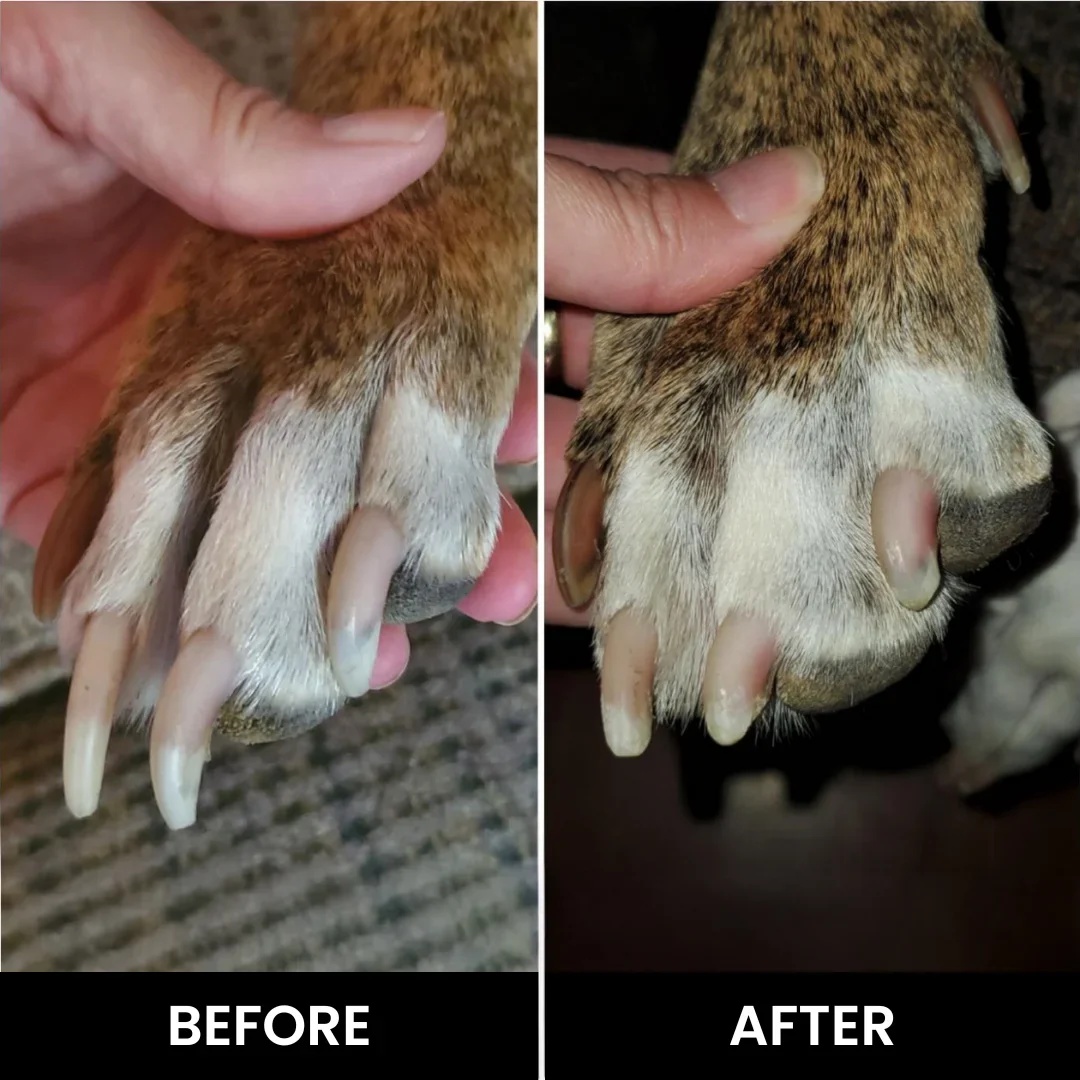
99-Day 100% Money-Back Guarantee
“Ever since we started using the Zenpaw Maxpro Grinder, it’s been such a peaceful experience. It’s very quiet, and my dog actually relaxes. It’s turned our stressful sessions into quick, quiet grooming times.”
— Sarah M. | ✔ Verified Customer
- ✓ Prevents Infection & Splitting
- ✓ Ideal for All Dog Sizes
- ✓ Low-Vibration Technology
- ✓ Fast 2-7 Days Delivery
Need Support? Call 302-307-1000
Understanding Canine Nail Anatomy: The Secret of the Quick
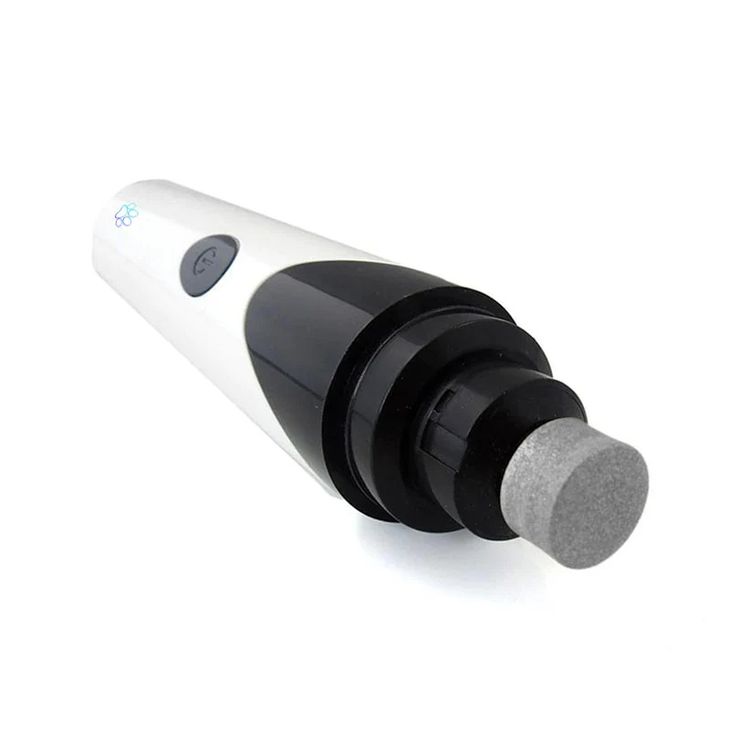
Before you begin the grinding process, you must thoroughly understand the internal anatomy of your Poodle’s claw.
Inside every canine nail lies a highly sensitive bundle of nerves and blood vessels known biologically as the quick.
Grinding directly into this vascular core causes sharp, sudden pain and immediate bleeding.
If your Poodle has white or light-colored nails, identifying this sensitive boundary is incredibly simple.
You will easily see a distinct pink shadow running straight through the center of the translucent nail.
However, many Poodles possess solid black, dark grey, or deep brown nails.
Identifying the safe grinding limit on dark claws requires a strategic, highly gradual approach.
As you grind the nail down, you must constantly inspect the freshly exposed tip of the claw.
At the start of the process, you will only see a dry, chalky white powder.
This dry powder is merely the dead, non-sensitive outer shell of the claw.
As you get closer to the living internal tissue, the physical texture of the nail tip will change.
You will eventually notice a dark, moist-looking circular spot appearing right in the center of the white powder.
This dark spot is professionally referred to as the nail pulp.
The pulp acts as the final protective buffer zone situated right before the nerve endings.
The moment you see this moist, dark center, you must stop grinding immediately.
If you push past this structural signal, you will break the skin and cause bleeding.
You should always keep styptic powder within arm’s reach to stop poodle nail bleeding instantly if an accident occurs.
Properly managing overgrown poodle nails requires a patient, highly structured weekly routine.
When claws are left untrimmed, the internal quick naturally grows longer alongside the hard outer shell.
You cannot trim a severely overgrown nail back to a short length in a single session.
Instead, you must file a tiny amount off the tip every seven to ten days.
This frequent, gentle stimulation encourages the blood vessels to gradually recede back toward the paw pad.
Over several weeks of consistent care, the quick will safely shorten to a healthy position.
This systematic retreat allows you to achieve a short, silent stride for your dog.
Professional groomers refer to this anatomical adjustment as “receding the quick.”
The Zenpaw Maxpro makes this delicate anatomical management exceptionally safe.
Its adjustable dual speeds allow you to slow down the rotation as you approach the pulp.
This prevents accidental over-grinding and protects your dog’s sensitive feet.
Taking your time is the ultimate professional secret to a pain-free, bloodless trim.
The Science of Desensitization: Overcoming Poodle Grooming Anxiety
Poodles are exceptionally intelligent dogs with highly active, sensitive nervous systems.
They quickly associate specific high-frequency sounds and objects with past negative events.
If they have had their claws clipped too short in the past, they will exhibit strong avoidance behaviors.
True desensitization physically rewires their brain’s emotional response to grooming tools.
You must shift their internal association from fear to anticipation of a reward.
Behavioral specialists call this classical counter-conditioning.
For those starting this journey, reviewing poodle nail trimming for beginners is highly recommended.
First, place the unpowered nail grinder on the floor near your dog’s favorite resting spot.
Let them sniff and explore the stationary tool at their own comfortable pace.
Every single time they sniff the grinder, offer them a delicious, high-value treat.
Repeat this introductory step multiple times until they display excitement when they see the device.
Next, hold the grinder in your hand and turn it on at its lowest speed setting.
Keep the humming tool several feet away from your dog to ensure the sound is very faint.
Immediately feed them a continuous stream of delicious treats while the motor hums.
The moment you turn the motor off, stop feeding them the treats.
This simple pattern teaches them that the quiet hum of the motor always predicts amazing rewards.
Once they are comfortable with the sound, gently touch the vibrating handle to their shoulder.
Do not touch the spinning sanding drum to their sensitive claw just yet.
Let them feel the light, soothing vibrations on their body in a safe area first.
Always pair this close physical contact with enthusiastic praise and high-value treats.
Slowly move the vibrating tool down their leg over several separate daily sessions.
If your dog pulls their leg away, you have moved too fast through the steps.
Simply return to the previous step where they felt completely safe and relaxed.
For extremely anxious dogs, you can train poodle to use scratch board to build basic paw confidence.
A scratch board helps them naturally file their own front nails through engaging play.
Once they lose their defensive fear of paw handling, you can transition back to the rotary tool.
The ultra-quiet engineering of the Zenpaw Maxpro speeds up this behavioral training.
Its low-vibration casing does not overwhelm their delicate sensory receptors.
Most pet parents report complete desensitization within just one to two weeks of brief daily practice.
Patience and consistency are the solid foundations of lifelong grooming success.
Step-by-Step Guide to Grinding Poodle Nails with Professional Precision
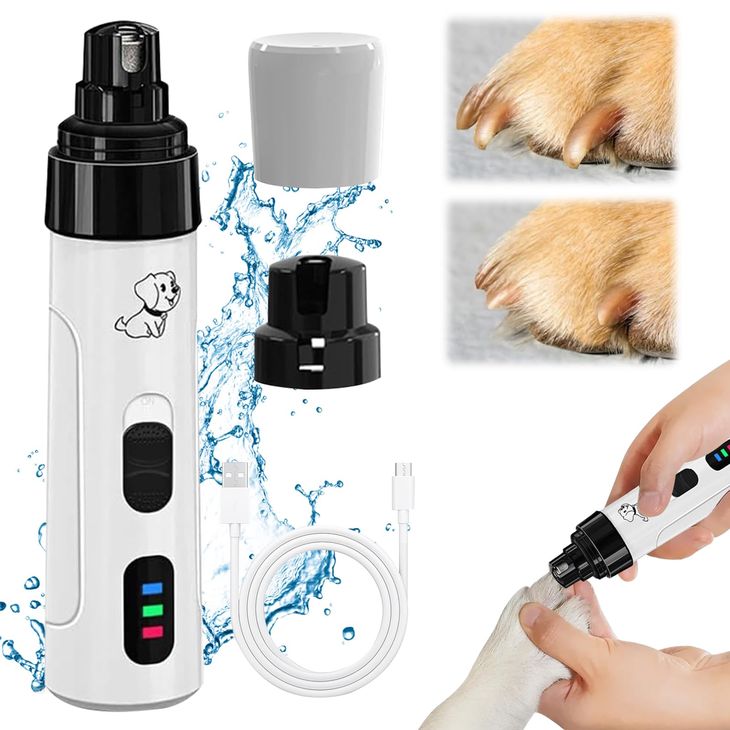
Once your Poodle is fully relaxed around the tool, you are ready to begin the actual trim.
Choose a quiet, well-lit room in your house to prevent sudden movements or distractions.
Place your Poodle on a stable, elevated surface like a secure grooming table or counter.
This slight elevation naturally encourages them to stand still and cooperate.
Before turning the grinder on, carefully examine the hair growing around their paws.
Poodles have dense, curly coats that can easily wrap around a rapidly spinning rotary shaft.
To prevent this painful hazard, pull an old nylon stocking over their entire paw.
Gently push the individual nails directly through the tight mesh of the stocking.
This clever groomer’s trick keeps all the curly hair safely pulled back from the spinning wheel.
Hold your Poodle’s paw firmly but very gently in your non-dominant hand.
Place your thumb on top of the toe pad and your index finger underneath it.
Squeeze very gently to extend the individual nail forward from the surrounding fur.
Turn on your Zenpaw Maxpro Grinder to the appropriate speed setting.
Hold the grinding shaft at a precise forty-five-degree angle to the natural curve of the nail.
This specific angle mimics the natural wearing pattern of a wild canine’s claws on hard ground.
Apply the spinning diamond drum to the claw for no more than two seconds at a time.
Spinning grindstones generate friction heat very rapidly against dense keratin tissue.
If you hold the tool against the claw for too long, the heat will burn the sensitive quick inside.
This thermal buildup causes sudden pain even if you do not touch the actual blood vessels.
Work in a rhythmic pulsing motion by tapping the nail gently and removing the tool.
Alternate between different toes to let each nail cool down completely before continuing.
Start by taking off the sharp, pointed tip of the claw.
Then, gently file around the sharp outer sides to create a smooth, rounded edge.
Pay close attention to poodle dew claw trimming during your weekly session.
The dew claws are located higher up on the inner side of their front legs.
Because these claws never contact the ground, they do not wear down naturally.
Left completely unattended, they can curl backward into a painful loop.
If you have neglected them, you must carefully address poodle curled nails to prevent skin penetration.
Gently grind the outer curve of the curled nail first to reduce the overall structural tension.
Then, work on the tip until it is a safe distance from the leg.
Always reward your dog with a high-value treat after completing each paw.
This positive reinforcement keeps their mood highly cooperative throughout the session.
Finish by inspecting each paw for smooth, catch-free edges.
Your dog should now be able to walk silently across your hardwood floors.
This step-by-step process ensures a highly safe, professional result every single time.
Preventing Hair Tangles, Nail Splitting, and Paw Issues
Many beginners make simple, easily avoidable mistakes when first using a rotary tool.
The most common error is allowing the spinning head to catch long, curly leg fur.
This can pull the skin painfully and cause your dog to panic instantly.
Always trim the long paw hair with safety shears before you begin the grinding process.
Another risk is using a dull, heavily worn sanding drum on thick claws.
Dull drums require you to apply heavy physical pressure to file the tough nail tissue.
You should never apply heavy physical pressure while grinding your dog’s claws.
Let the high-speed rotation of the tool do all the physical work for you.
Excessive physical pressure increases friction heat and the risk of the tool slipping.
Nail splitting is a common issue with poor-quality tools or cheap plastic clippers.
Cheap plastic grinders often stall the moment they touch a dense Poodle claw.
This stalling causes the tool to bounce violently against the rigid nail plate.
This repetitive physical impact can crack the dry, fragile outer layers of the claw.
The Zenpaw Maxpro features a high-torque brass motor that maintains consistent power.
It smoothly files through thick nails without skipping, vibrating, or stalling.
You should also regularly inspect the skin situated between their toes.
Poodles are highly prone to moisture retention in their deep paw crevices.
This trapped moisture can easily lead to a condition known as poodle yeast paws.
Symptoms include frequent paw licking, localized redness, and a distinct corn-chip odor.
Keep their paws completely dry and clean to prevent these fungal infections from developing.
If you notice signs of yeast, consult your veterinarian for specialized topical solutions.
Never grind nails if the surrounding paw skin is inflamed or actively bleeding.
Wait for any active skin infections to heal completely before resuming your grooming routine.
Always sanitize your grinding drum with rubbing alcohol after each grooming session.
This prevents the spread of bacteria between different feet and different pets.
Storing your tool in a clean, dry place protects the motor and the lithium battery.
By avoiding these common pitfalls, you keep your pet’s feet in peak physiological condition.
Consistent, careful habits are the ultimate key to a lifetime of stress-free grooming.
Common Poodle Nail Grinding Questions Answered
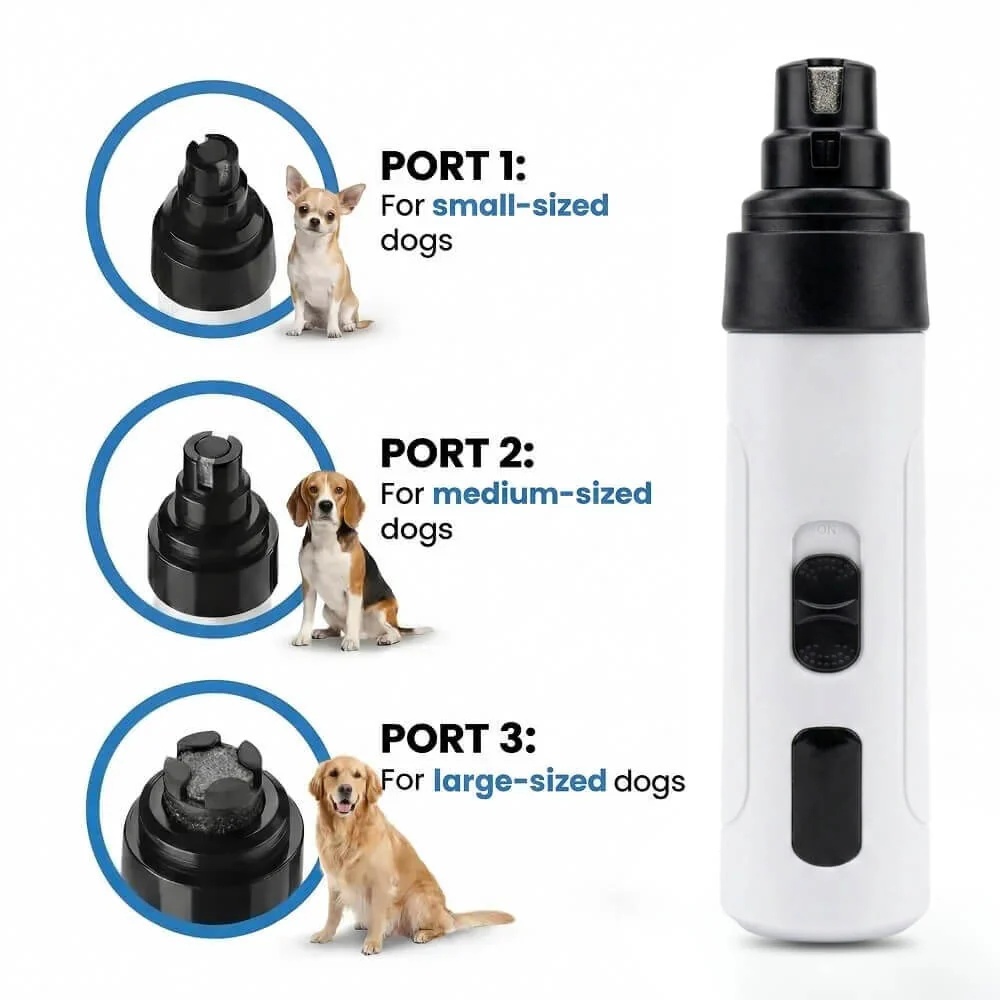
Conclusion: A New Era of Stress-Free Paw Care
Maintaining short, smooth claws is one of the kindest physical gifts you can provide for your Poodle’s longevity and comfort.
Ready to transform nail trimming from a battle into a breeze?
Explore the Zenpaw Maxpro 3-in-1 Grinder.
Call: 302-307-1000 — our team can help you advise on the best grooming practices and help with any product questions.
Note: Individual results may vary depending on individual dog breeds, nail thickness, and behavioral temperaments. This article is intended for general pet grooming reference purposes only and does not replace professional veterinary advice.