
I still remember the absolute dread I felt every time my dog curled away in fear as I reached for those heavy, loud metal clippers. The constant anxiety of accidentally cutting the quick left both of us completely exhausted, until I discovered how dogs can naturally maintain their claws and wondered, can dogs file their own nails? That quest led our team to develop a seamless, stress-free routine pairing natural cooperative care with our whisper-quiet Zenpaw Maxpro 3-in-1 Grinder.
Maxpro 3-in-1 Grinder.
Stress-Free Nail Trimming.
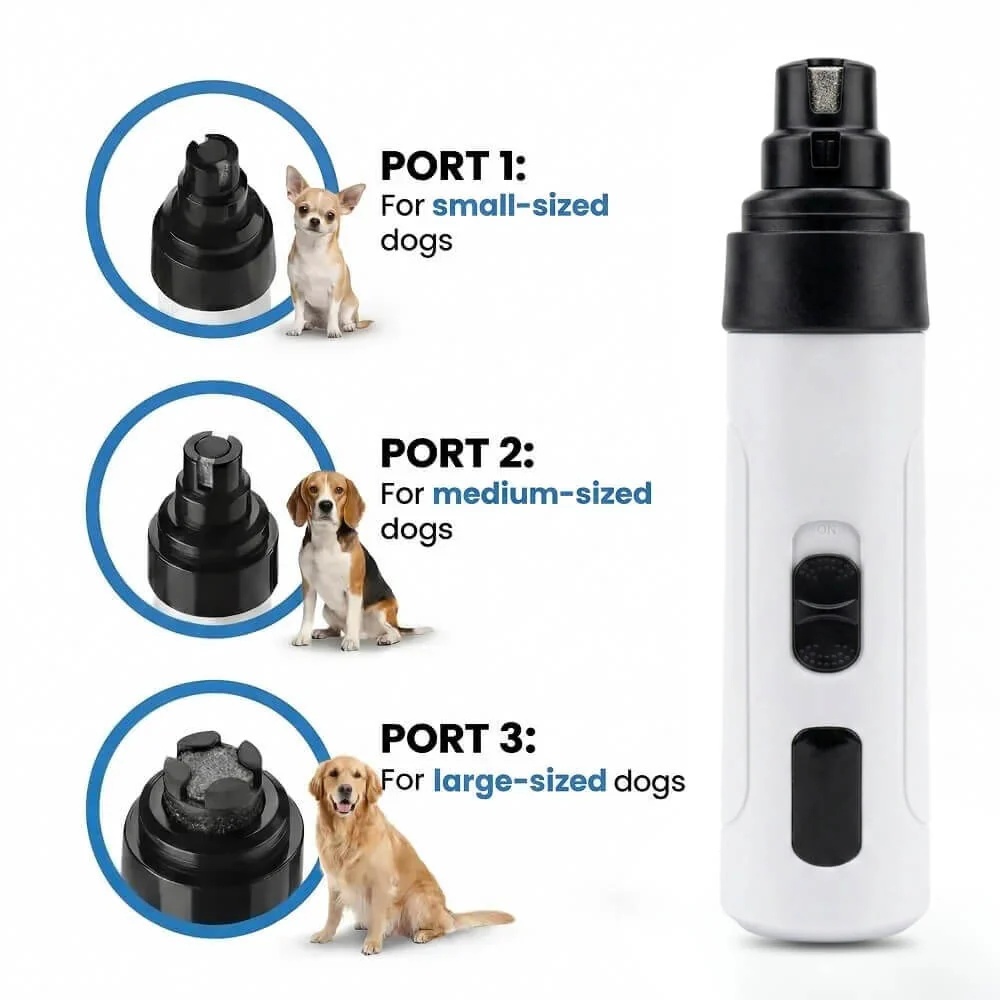
Whisper-quiet DC motor (<40 dB) eliminates fear & discomfort. Features 3 ports, dual speeds, and 7-hour battery life. Safe, precise, and painless.
In This Article
- Discover the biomechanics of how dogs naturally wear down their claws during daily activities.
- Understand the absolute limits of natural wear and why certain claws always require grooming.
- Learn step-by-step cooperative care training to turn scratch boards into a fun, voluntary game.
- Identify critical risks of pavement-filing and how to transition to safe, professional home grinding.
Can Dogs File Their Own Nails? The Surprising Truth About Natural Paw Care
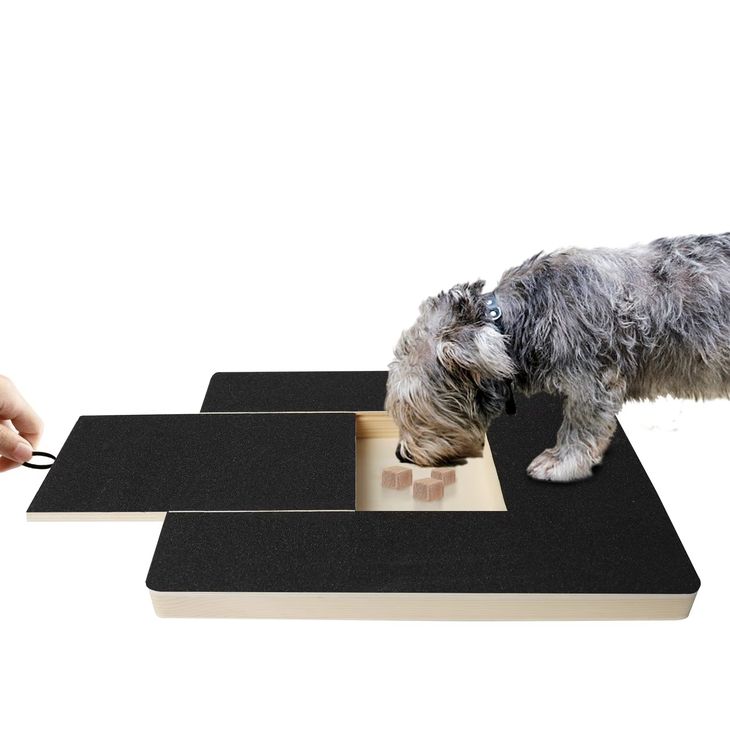
Many active dog owners wonder if their daily outdoor adventures can completely replace stressful grooming sessions.
The short answer is yes, dogs can technically wear down their own claws through specific daily activities.
However, this natural process depends heavily on your dog’s activity level, their breed anatomy, and the surfaces they walk on.
Wild canids like wolves travel miles every day over rough, abrasive terrain to naturally keep their claws short.
Our domestic companions rarely walk enough on harsh surfaces to achieve this same level of natural filing.
Furthermore, specific claws like the dewclaws never touch the ground during regular walking or running.
This means that while natural wear helps, almost all domestic dogs will still require human intervention to maintain optimal paw health.
Relying solely on natural wear can lead to painful issues like splits, cracks, or even a dog dislocated toe nail limping.
Fortunately, you do not have to struggle with dangerous manual clippers to keep those paws in pristine condition.
By combining natural scratching games with modern cooperative grooming tools, you can keep claws short without any stress.
Teaching your dog to voluntarily use a scratch board is an excellent way to harness their natural instincts.
When natural behaviors leave the hind legs or dewclaws unfinished, a gentle grinder can complete the job safely.
If you want to handle this safely at home, the Zenpaw Maxpro Grinder provides painless, quiet filing — explore it here.
99-Day 100% Money-Back Guarantee
“Ever since we started using the Zenpaw Maxpro Grinder, it’s been such a peaceful experience. It’s very quiet, and my dog actually relaxes. It’s turned our stressful sessions into quick, quiet grooming times.”
— Sarah M. | ✔ Verified Customer
- ✓ Prevents Infection & Splitting
- ✓ Ideal for All Dog Sizes
- ✓ Low-Vibration Technology
- ✓ Fast 2-7 Days Delivery
Need Support? Call 302-307-1000
Natural Mechanics: How Active Canines Maintain Their Claws Naturally
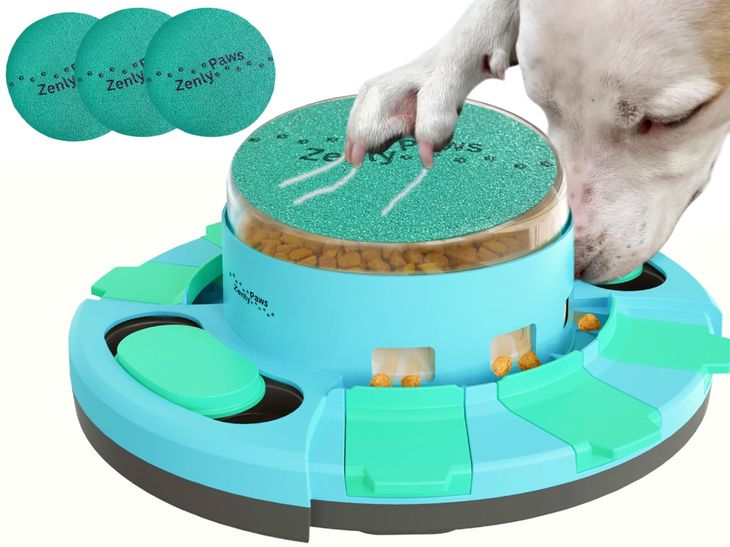
To truly understand canine nail health, we must first look at the biological structure of the claw.
A dog’s nail consists of a hard outer shell made of keratin and a sensitive inner core known as the quick.
The quick contains live blood vessels and nerves that supply nourishment to the growing outer shell.
When active dogs run and dig, they apply pressure that naturally wears down the hard keratin tip.
This physical friction helps keep the nail at a safe length, preventing it from touching the ground directly when standing.
If you want to know how long should dog nails be, they should ideally sit just above the floor surface.
When nails grow too long, they push the toe joint upward, causing skeletal misalignment and significant pain.
Over time, long claws can completely alter a dog’s posture and lead to chronic joint issues.
Relying on natural pet nail filing behaviors is a wonderful starting point but rarely covers all sixteen claws.
For example, front nails always experience more downward force during movement than hind claws.
This means the back paws often remain overgrown even on very active canine companions.
By introducing professional grooming habits early, you protect your pet from structural strain.
Dogs Filing Own Nails on Pavement: Is Concrete Actually Safe?
Many dog parents try dogs filing own nails on pavement by walking exclusively on asphalt or concrete.
While pavement acts like giant sandpaper, it presents several hidden dangers to your dog’s delicate paws.
Rough concrete can quickly wear down the protective pads of the paw, causing painful scrapes and open wounds.
Furthermore, running on hard pavement puts repetitive, high-impact stress on your dog’s joints.
This impact can exacerbate existing joint issues, especially in senior dogs or growing puppies.
There is also a risk of uneven wear, where one side of the nail gets filed down to the raw quick while the other side remains long.
Extreme heat on summer pavement can also blister paw pads within seconds.
Therefore, using pavement as a primary filing tool is not a highly recommended or controllable approach.
Controlled, indoor grooming offers a much safer, predictable path to balanced paw health.
Natural Pet Nail Filing Behaviors: Scratching, Digging, and Substrates
Dogs naturally express their physical needs through instincts like digging in soil or scratching at soft ground.
In the wild, these behaviors served as a built-in maintenance system for their hunting tools.
Sandy soil and natural gravel are highly effective at smoothing out rough edges on the outer shell of the nail.
Modern homes, however, feature plush carpets and slick hardwood floors that offer zero resistance to growing claws.
This lack of friction is why we see a dramatic rise in domestic claw issues compared to working dogs.
By understanding these behaviors, we can channel them into structured activities like cooperative scratch boards.
This keeps the dog’s mind active while taking advantage of their natural physiological drives.
Cooperative Care: Teaching Your Dog to Safely Use a Scratch Board
Cooperative care is a modern training philosophy focused on giving animals choice and control during grooming.
Instead of restraining your pet, you teach them to participate actively in their own wellness routines.
A scratch board is a simple wooden board covered in medium-grit sandpaper designed for this purpose.
By teaching dog to use scratch board techniques, you turn grooming into a rewarding puzzle game.
This completely eliminates the physical struggles associated with traditional vet clinic visits.
Many dogs who panic at the sight of clippers will happily scratch a board for a tasty high-value reward.
It empowers your pet and builds immense trust between you and your canine companion.
Over time, this positive association transfers to other grooming tasks, making your home a sanctuary of peace.
Step-by-Step Guide for Teaching a Dog to Use a Scratch Board
Start by laying the scratch board flat on the floor without any abrasive sandpaper attached first.
Encourage your dog to sniff the board, and immediately click or mark “yes” and offer a high-value treat.
Once they are comfortable, shape the behavior by rewarding them for placing a single paw on the wood.
Slowly transition to a sloped angle, propping the board up against a couch or wall at a forty-five-degree angle.
Lure your dog to reach up, causing their nails to drag naturally down the board as they search for the treat.
Mark and reward this physical dragging motion immediately with a jackpot of delicious snacks.
Keep these training sessions short, lasting no more than two to three minutes to keep their focus high.
Once they understand the movement, attach eighty-grit sandpaper to the board to begin the actual filing process.
Always monitor the nails closely during these sessions to ensure you do not file down to the sensitive quick.
When Natural Wear Is Not Enough: The Need for Precision Grooming
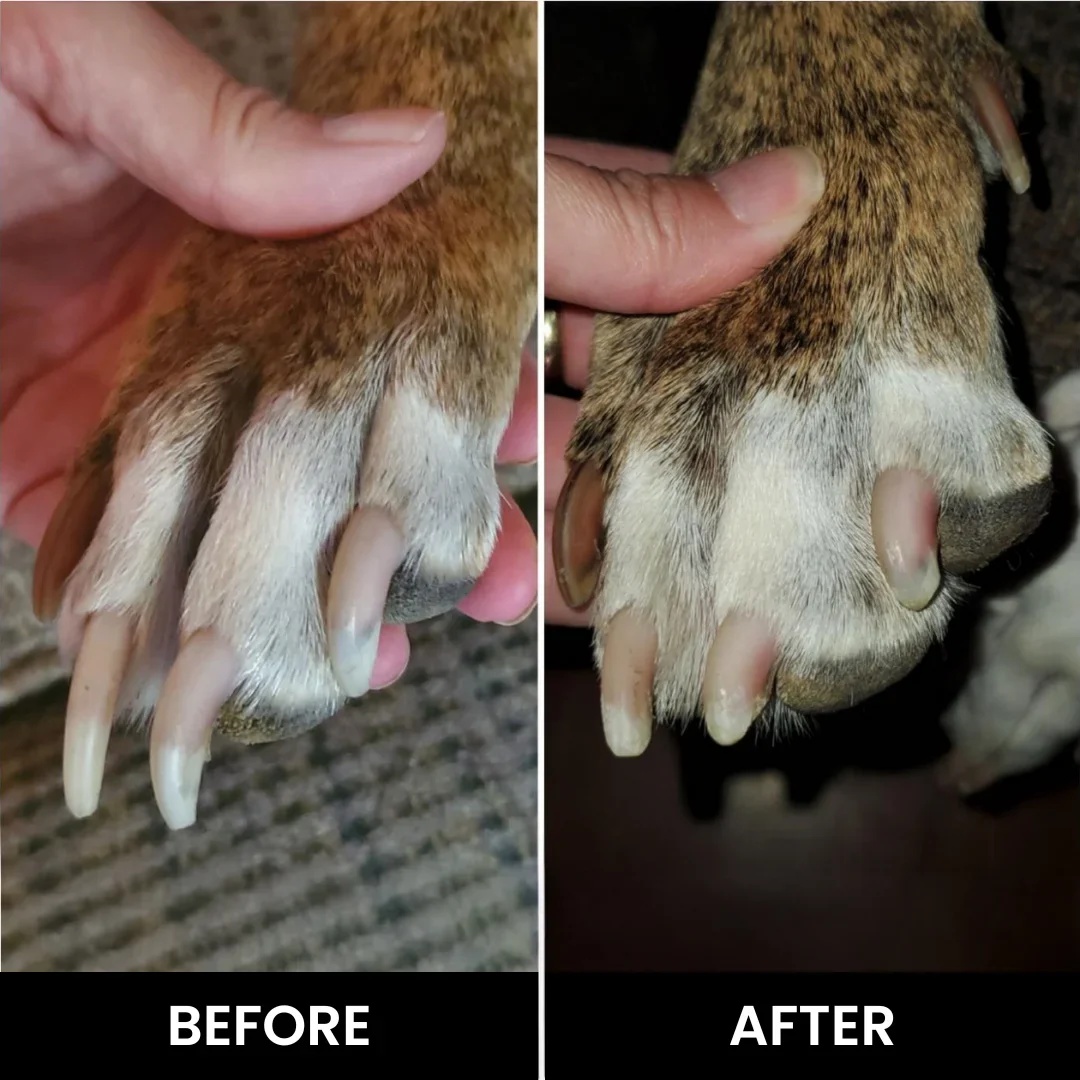
While scratch boards are fantastic for front claws, they rarely solve the issue of overgrown hind nails.
The biomechanics of how a dog pushes off the ground means rear nails rarely scrape the board at the correct angle.
Dewclaws, which sit higher up on the inside of the front leg, never make contact with a flat board.
If left ignored, these dewclaws can curl completely around and grow painfully back into the dog’s skin.
This is why you must check out the visual difference of dog nails before and after professional maintenance.
Relying on natural wear alone leaves these critical areas completely exposed to dangerous overgrowth.
To achieve complete paw safety, a balanced approach combining scratch games and precise grinding is highly recommended.
The Step-by-Step Stress-Free Desensitization Protocol
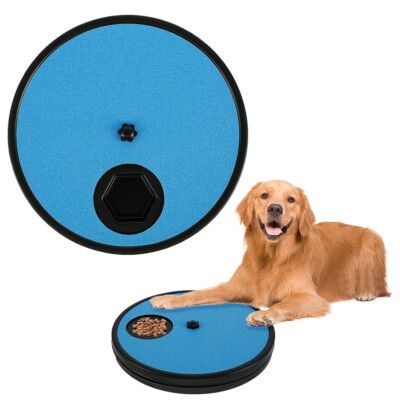
If your dog has a history of grooming anxiety, introducing a new tool requires patience and empathy.
The goal is to build a positive Pavlovian response to the sight, sound, and feel of the grinder.
This step-by-step guide will help you establish a lifetime of stress free nail grooming for dogs.
-
The Sight Phase:
Place the turned-off Zenpaw Maxpro Grinder on the floor next to your dog’s favorite treats.
Let them investigate the tool at their own pace, rewarding any curious sniffs with a treat.
-
The Sound Phase:
Hold the grinder a few feet away from your pet and turn it on to its lowest speed setting.
The whisper-quiet motor of the Zenpaw Maxpro operates under forty decibels, preventing the instant panic caused by loud tools.
Feed your dog high-value treats continuously while the quiet motor hums in the background.
-
The Touch Phase:
Turn the grinder off and gently touch the plastic casing to your dog’s paw joints.
This helps them get used to the physical sensation of the tool resting against their limbs.
-
The Vibration Phase:
Turn the grinder on and touch the handle—not the spinning head—gently to their leg so they feel the soft vibration.
Pair this touch with their absolute favorite treat, like lickable peanut butter.
-
The Active Grinding Phase:
Gently hold a single toe, exposing the nail clearly while keeping the surrounding fur pushed back safely.
Apply the spinning diamond bit to the nail tip for just one to two seconds at a forty-five-degree angle.
Praise them enthusiastically and end the session immediately to keep the experience completely positive.
Traditional Clipper Pitfalls vs. Safe Grinding Methods
For decades, traditional scissor clippers were the only option available to pet parents at home.
Unfortunately, these clippers function by violently crushing the sensitive structure of the nail.
This crushing force often causes the outer keratin shell to split, crack, or splinter painfully.
If you clip too close to the quick, you will cause immediate bleeding and intense pain.
If this occurs, keeping a natural home remedy like black pepper for dog nail bleeding on hand can help stem the flow quickly.
However, the emotional damage of a painful clip can ruin your dog’s trust for several months.
Modern pet parent feedback shows that dynamic grinders completely bypass these severe structural risks.
By shaving down the nail gradually, you can see the light-colored circle of the quick appearing before you cut it.
This turns a guessing game into a highly visual, safe, and controllable experience.
| Grooming Method | Stress Level for Dog | Precision & Safety | Anatomical Suitability |
|---|---|---|---|
| Pavement Filing | Medium (Unpredictable) | Low (Risk of pad scrapes) | Front claws only; dewclaws untouched |
| Cooperative Scratch Board | Low (Voluntary game) | Medium (Requires close monitoring) | Front claws only; hard to target rear feet |
| Zenpaw Maxpro Grinder | Minimal (<40dB Quiet Motor) | High (Gradual 45° diamond filing) | All 16 claws + dewclaws perfectly covered |
Frequently Asked Questions (FAQ)
Transform Your Grooming Routine Today
Ready to transform nail trimming from a battle into a breeze?
Explore the Zenpaw Maxpro 3-in-1 Grinder risk-free with our 99-day money-back guarantee.
Call our support team at 302-307-1000—our team can help you advise on the best grooming practices and help with any product questions.
Note: Individual results may vary depending on individual dog breeds, nail thickness, and behavioral temperaments. This article is intended for general pet grooming reference purposes only and does not replace professional veterinary advice.