
I still remember the absolute terror of holding my dog’s paw, staring at those dark claws, and knowing one wrong move during clipping black dog nails would cause sharp pain and bleeding. My heart raced, his paws trembled, and the stress turned our bonding time into a weekly battle until we developed a gentler, pain-free way to restore his paw health using quiet, precision-engineered tools.
Maxpro 3-in-1 Grinder.
Stress-Free Nail Trimming.
Whisper-quiet DC motor (<40 dB) eliminates fear & discomfort. Features 3 ports, dual speeds, and 7-hour battery life. Safe, precise, and painless.
In This Article
- Step-by-Step Guide: A comprehensive blueprint for clipping black dog nails.
- Anatomy Insights: Deciphering the mystery of the dark canine quick.
- Desensitization: Training your anxious dog to accept paw handling with zero drama.
- Risk Mitigation: Preventing accidental bleeding and protecting sensitive paws.
How to Clip Black Dog Nails Safely: A Step-by-Step Guide

To safely trim dark claws, you must approach the task with the right knowledge and highly specialized tools.
Before beginning, compile all necessary items to keep the session organized, calm, and efficient.
You will need high-quality eco friendly dog nail clippers to start your grooming toolkit.
Additionally, keeping premium dog nail products on hand ensures a complete and professional experience at home.
-
Step 1: Create a Calm, Quiet Environment
Choose a secluded room with bright, direct lighting to maximize your visibility.
Bright lighting is essential because it helps you observe the subtle details of dark nail tissue.
Remove any distractions, other pets, or loud noises that might startle your companion.
Lay down a comfortable, non-slip mat so your dog feels secure and physically supported.
-
Step 2: Inspect the Nail and Locate the Bottom Groove
Hold your dog’s paw firmly but gently to evaluate each individual dark claw.
Look closely at the underside of the nail where it naturally begins to curve downward.
You will notice a distinct groove where the hard outer shell transitions to a softer underside.
This structural change marks the safest starting area for your first incremental cuts.
-
Step 3: Make Tiny, Incremental Shaves
Position your clippers to shave off only one or two millimeters of nail at a single time.
Never attempt to cut a large chunk off a black nail in one single, rapid motion.
Inspect the cut surface of the claw immediately after each small slice you make.
This slow, systematic method is the absolute best way to avoid hitting the hidden quick.
-
Step 4: Watch for the Chalky White and Dark Center Ring
As you shave deeper, the interior of the cut nail will display a dry, chalky white appearance.
Continue making incredibly small shaves until you see a small, dark, jelly-like circle in the center.
This dark inner circle indicates that you are approaching the living blood vessel.
Once this circle appears, you must stop trimming immediately to prevent pain and bleeding.
-
Step 5: File and Polish the Sharp Edges
Use a professional grinder to smooth down any rough, jagged, or sharp edges left by the clippers.
Hold the grinding tool at a precise angle to shape the nail into a smooth, natural dome.
Smoothing the edges prevents the claw from snagging on carpets, blankets, or household furniture.
This finishing step ensures your dog can walk comfortably without any painful scratching sensations.
To make this multi-step process completely stress-free, we highly recommend integrating the Zenpaw Maxpro 3-in-1 Grinder into your regular grooming routine.
Its whisper-quiet motor operates under 40 decibels, which dramatically reduces the anxiety and fear that dogs associate with traditional grooming tools.
By using its precise, painless grinding ports, you can easily polish away sharp edges without the fear of pinching or crushing sensitive paws.
Discover how this professional tool can elevate your home grooming sessions by visiting the Zenpaw Maxpro 3-in-1 Grinder Product Page today.
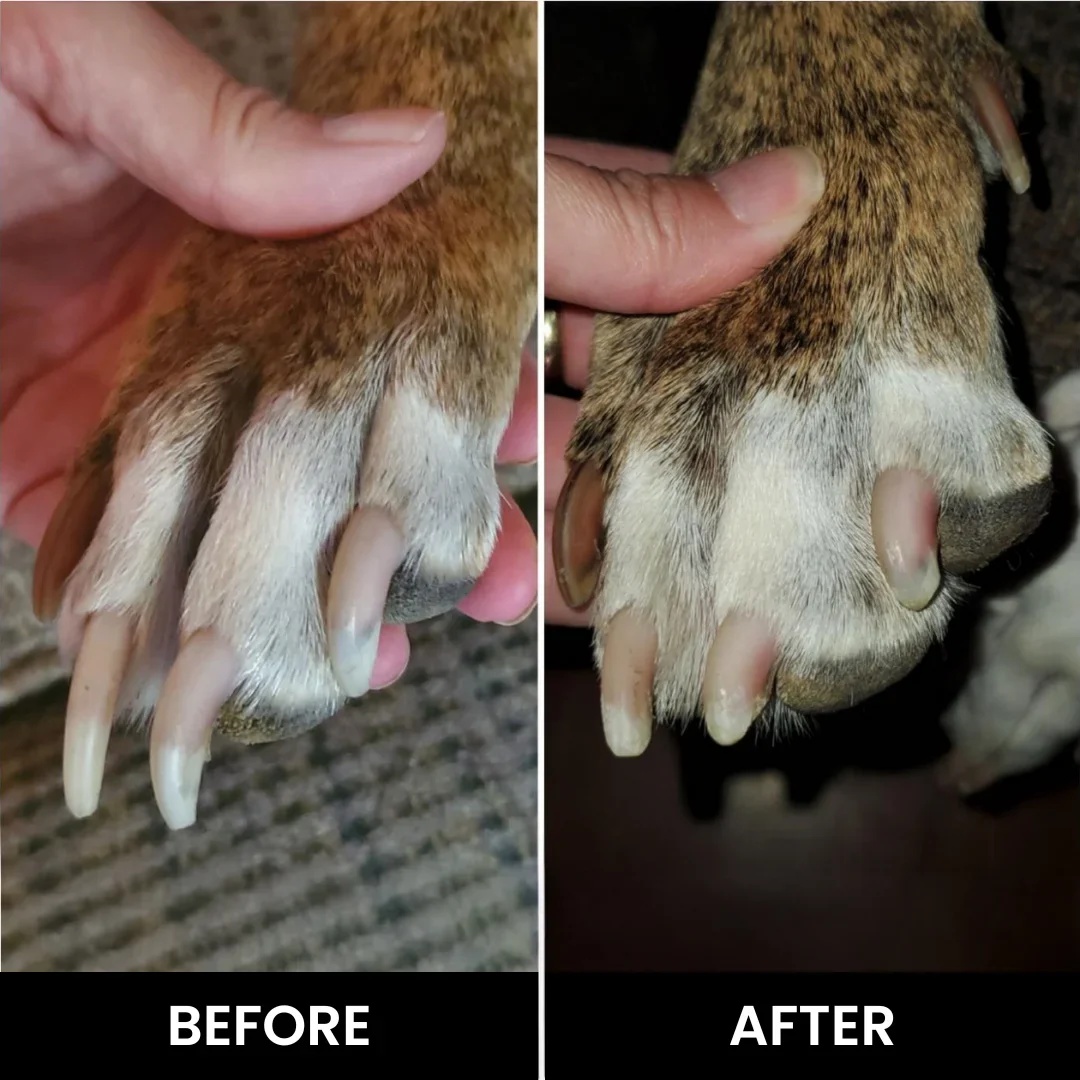
99-Day 100% Money-Back Guarantee
“Ever since we started using the Zenpaw Maxpro Grinder, it’s been such a peaceful experience. It’s very quiet, and my dog actually relaxes. It’s turned our stressful sessions into quick, quiet grooming times.”
— Sarah M. | ✔ Verified Customer
- ✓ Prevents Infection & Splitting
- ✓ Ideal for All Dog Sizes
- ✓ Low-Vibration Technology
- ✓ Fast 2-7 Days Delivery
Need Support? Call 302-307-1000
Understanding Canine Nail Anatomy: Where is the Quick?

To safely master clipping black dog nails, you must first build a solid foundation in basic canine biology.
Unlike light-colored nails, which clearly display the pink blood vessel through a translucent shell, dark claws fully mask this sensitive area.
The interior structure of every dog nail contains a highly sensitive vascular bundle known as the quick.
This quick consists of live blood vessels and microscopic nerve endings that supply nutrients to the growing claw.
Cutting into this region triggers acute, immediate pain and causes rapid bleeding that can easily panic your dog.
Understanding where to clip dog nails black requires looking for structural landmarks on the underside of the claw.
According to veterinary guidelines published by the American Kennel Club (AKC), the quick naturally recedes when nails are trimmed frequently.
Conversely, if you allow claws to grow too long, the internal quick will expand outward toward the tip.
This anatomical detail means that neglected nails require a slow, multi-week approach to safely shorten them.
Understanding this biological relationship helps you avoid painful injuries while keeping your dog’s paws perfectly aligned.
How to Safely Grind Black Dog Nails Without Bleeding
For many dog owners, switching from traditional scissors to an electric grinder is a complete game-changer.
A high-speed grinder allows you to gently shave down tough claws layer by layer with maximum control.
Using heavy duty dog nail trimmers alongside a grinder provides a highly versatile, professional-level system.
This combined approach allows you to shorten the bulk of the nail before safely polishing near the quick.
When you use a grinder, you avoid the sudden crushing pressure that traditional clippers exert on the claw structure.
This crushing pressure often causes micro-fractures in dry, brittle claws, which can lead to painful splits.
Grinding, on the other hand, gradually wears away the excess keratin without putting structural stress on the paw.
To ensure total safety, you must inspect the cut surface after every brief contact with the grinding wheel.
This disciplined, step-by-step observation keeps you fully aware of how close you are to the sensitive inner tissue.
By keeping sessions short and precise, you can maintain healthy paws while keeping your pet completely relaxed.
Practical Application: Desensitization and Grinding Angles
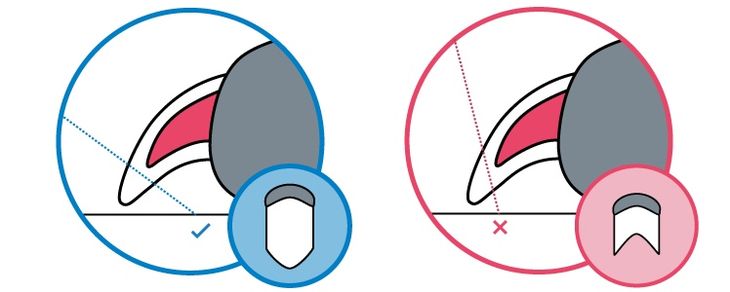
Successfully introducing a new tool to an anxious dog requires a patient, highly structured behavioral approach.
You cannot simply turn on a noisy device and expect your pet to remain perfectly still.
Instead, follow this systematic desensitization process to build deep trust and confidence over several days:
- Day 1: Place the turned-off grinder on the floor and let your dog sniff it, rewarding them with high-value treats.
- Day 2: Turn the grinder on at its lowest speed setting while keeping it a safe distance away from your pet.
- Day 3: Gently touch the body of the vibrating, running tool to your dog’s shoulder or leg to normalize the sensation.
- Day 4: Briefly apply the grinding head to a single nail for just one second, followed immediately by lavish praise.
- Day 5: Gradually extend the grooming time as your dog becomes completely comfortable with the routine.
Once your dog accepts the tool, you must focus on applying the correct grinding angle.
Hold the grinder firmly at a precise 45-degree angle relative to the natural growth of the nail.
This specific angle mimics the natural wear that occurs when a dog walks on outdoor surfaces.
Never hold the spinning grinding wheel against a single claw for more than two or three consecutive seconds.
Continuous contact generates friction, which creates rapid heat buildup that can cause sharp discomfort.
Instead, use quick, sweeping strokes across multiple nails to distribute the friction evenly.
This dynamic method prevents heat spikes while achieving a beautifully rounded, professional finish.
Overcoming Risks: Trimming Black Dog Nails Safely
Grooming dark claws always carries a minor risk of accidental injury, especially if your dog moves suddenly.
Using dull, outdated tools is one of the most common mistakes pet owners make.
You should always invest in sharp dog nail clippers to prevent dangerous slipping and nail splitting.
Dull blades tend to squeeze and crush the nail, which causes sudden pain even if you do not touch the quick.
If you accidentally trim too close and the nail begins to bleed, you must remain completely calm.
Dogs are incredibly sensitive to human emotions, and showing panic will only increase their stress levels.
Keep a clean jar of professional styptic powder within arm’s reach before starting any grooming session.
If a bleed occurs, press a generous pinch of this powder directly onto the tip of the bleeding claw.
Hold firm, consistent pressure against the nail for at least thirty seconds to allow the clotting agent to work.
Knowing how to stop quick bleeding dogs nails quickly ensures you can handle minor accidents with complete confidence.
Comparison: Clipper Styles and Grooming Methods
Choosing the right tool depends heavily on your dog’s size, nail density, and anxiety levels.
Review this comparison table to identify the best tool for your home grooming routine:
| Grooming Tool | Pros | Cons |
|---|---|---|
| Traditional Guillotine Clippers | Fast, cheap, and easily available | High risk of crushing, easy to cut the quick |
| Heavy-Duty Scissor Clippers | Excellent cutting force for thick, dense nails | Requires strong hand pressure, can cause splitting |
| Zenpaw Maxpro 3-in-1 Grinder | Whisper-quiet, painless, extremely safe for dark nails | Takes longer than a single quick scissor cut |
Frequently Asked Questions (FAQ)
Is the Zenpaw Grinder safe for large, heavy dog breeds?
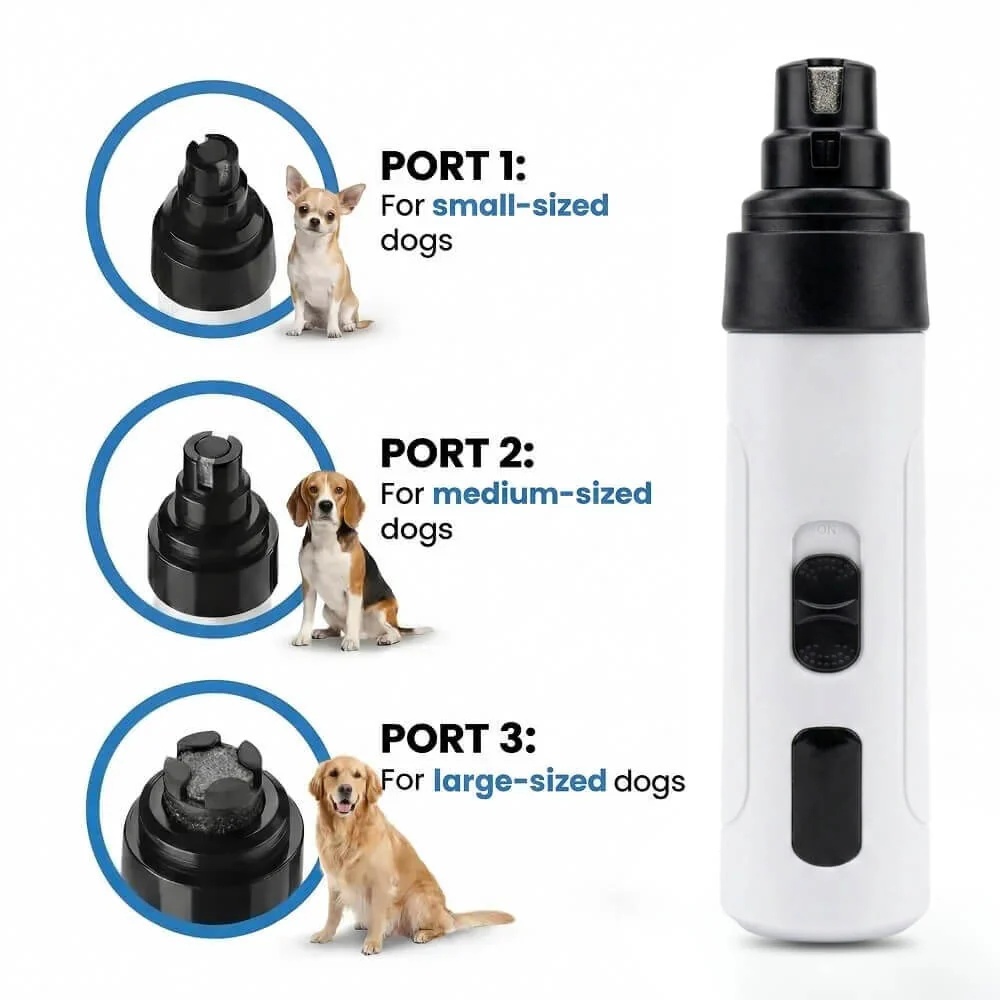
Yes, the Zenpaw Maxpro is engineered with three versatile ports to accommodate pets of all sizes.
The small and medium ports are perfect for delicate puppy paws and smaller breeds.
The wide, fully open port easily handles the thickest, toughest claws found on giant canine breeds.
Its high-torque motor provides continuous power without slowing down under load.
How long does the battery last on a single charge?
The grinder features a high-capacity lithium-ion battery that provides up to 7 hours of continuous run time.
This exceptional battery life means you can complete multiple grooming sessions without needing a recharge.
The device is fully rechargeable via a standard, universal USB cable for maximum convenience.
A full charge cycle is completed in under two hours using any standard USB port.
Which speed setting is best for nervous or anxious dogs?
We highly recommend starting on the lowest speed setting to let your dog adjust to the soft sound.
The low speed produces minimal vibration, which is ideal for sensitive paws and highly anxious pets.
Once your dog relaxes, you can easily switch to the high-speed setting for faster grooming.
This dual-speed versatility gives you complete control over the entire grooming experience.
Does the grinding wheel get hot during extended use?
Our advanced low-heat technology prevents the grinding head from overheating during standard use.
However, you should still avoid holding the spinning wheel on a single spot for more than three seconds.
Alternating between different claws ensures that heat never builds up to a painful level.
This simple technique keeps the entire process completely comfortable and pain-free.
Conclusion
Trimming dark claws does not have to be a stressful battle for you or your dog.
By moving slowly, understanding claw anatomy, and using quiet tools, you can groom with total confidence.
Ready to transform nail trimming from a battle into a breeze? Explore the Zenpaw Maxpro 3-in-1 Grinder. Call: 302-307-1000 — our team can help you advise on the best grooming practices and help with any product questions.
Note: Individual results may vary depending on individual dog breeds, nail thickness, and behavioral temperaments. This article is intended for general pet grooming reference purposes only and does not replace professional veterinary advice.