
I felt absolute panic when my golden retriever, Max, started frantically licking his front paw, revealing a sharp vertical split on his outer claw. Fortunately, there was no blood, but I knew traditional clippers would crush the nail further and cause him intense pain. Managing a dog cracked nail no bleeding requires a gentle, calculated approach, which is why we developed the whisper-quiet Zenpaw Maxpro Grinder to make filing safe, painless, and completely stress-free.
Maxpro 3-in-1 Grinder.
Stress-Free Nail Trimming.
Whisper-quiet DC motor (<40 dB) eliminates fear & discomfort. Features 3 ports, dual speeds, and 7-hour battery life. Safe, precise, and painless.
In This Article
- The Hidden Anatomy: Learn how split claws form and why protecting the quick is essential.
- Safe Filing Guide: Step-by-step instructions to smooth down split nails without pain.
- Preventing Infection: Practical methods to block dirt, bacteria, and moisture.
- Anxiety Solutions: Simple desensitization tips to build your dog’s grooming confidence.
Does Your Dog Have a Cracked Nail But No Bleeding? Here Is What to Do Safely at Home
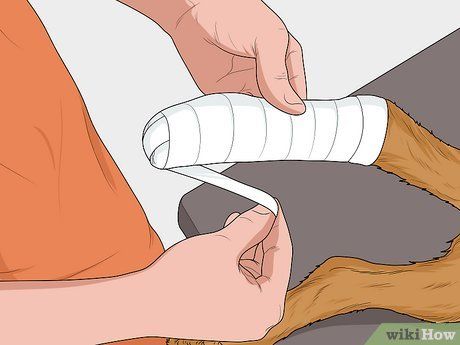
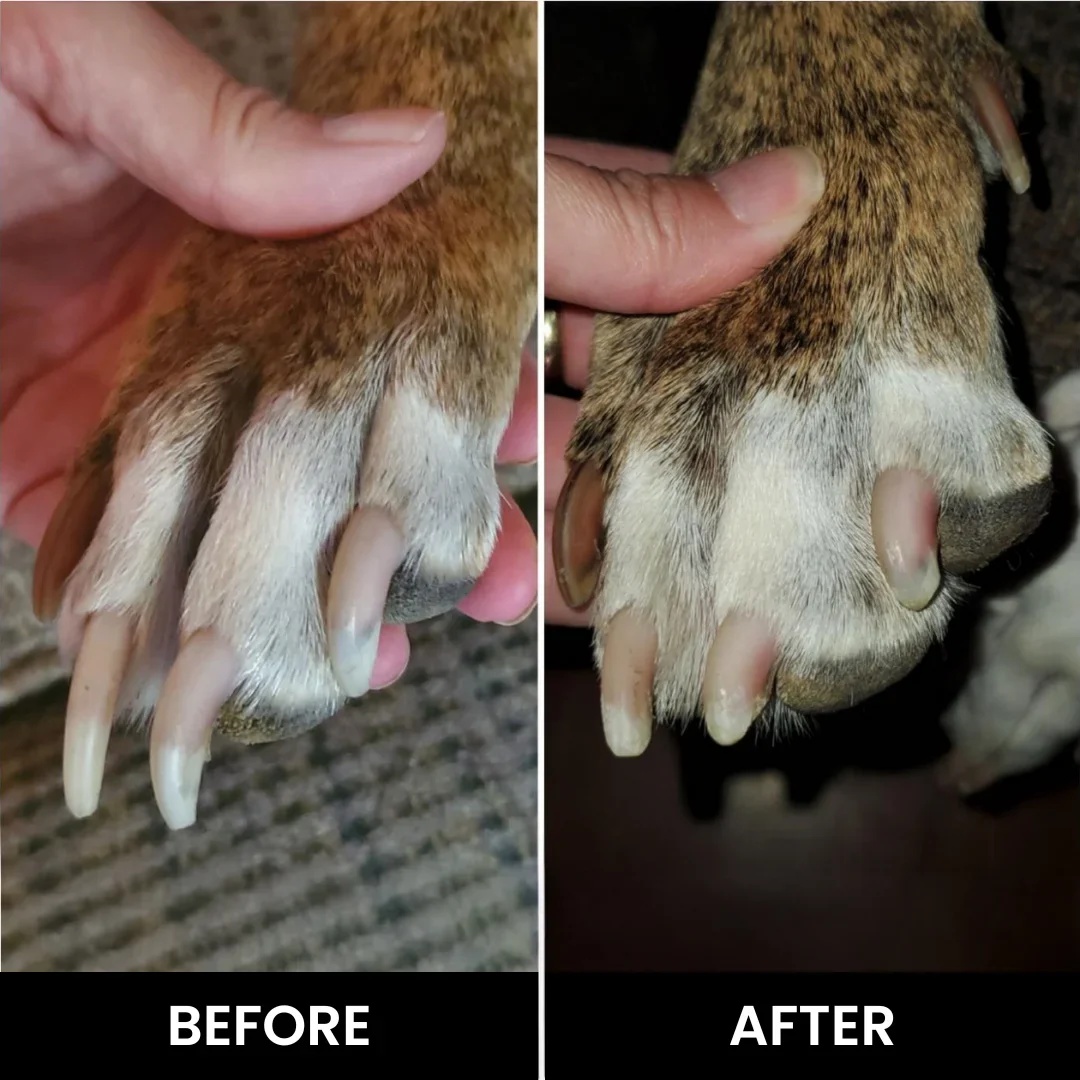
A non-bleeding cracked nail occurs when your dog damages the outer keratin shell of their claw without tearing the blood vessels inside the quick.
This injury typically happens to active dogs of all breeds when they run on rough concrete, dig in hard dirt, or catch their claw on carpet fibers.
You can identify this condition easily because your dog may lick their paw or limp slightly, yet you will find no active bleeding around the nail bed.
It is crucial to address this problem immediately at home before the split propagates further up the toe and exposes the sensitive nerves.
By using a controlled filing method rather than blunt clippers, you can safely remove the snagging edges and protect your dog from sudden pain.
Our grooming experts recommend evaluating the nail under bright light to locate the exact boundary of the living tissue inside.
If you want to handle this safely at home, the Zenpaw Maxpro Grinder provides painless, quiet filing — explore it here.
Your immediate goal is to stabilize the claw by removing the loose, hanging portions that could catch on household surfaces and tear the quick.
First, secure your dog in a well-lit area and gently clean the affected paw with lukewarm water to remove any hidden debris.
Next, use a high-precision filing tool to smooth down the jagged borders of the split, working from the tip of the nail downward.
Avoid using traditional crushing tools that squeeze the nail shaft, as this pressure can easily turn a minor crack into a severe, bleeding split.
Finally, apply a thin layer of pet-safe antiseptic ointment and monitor the claw closely for the next forty-eight hours to ensure no swelling occurs.
99-Day 100% Money-Back Guarantee
“Ever since we started using the Zenpaw Maxpro Grinder, it’s been such a peaceful experience. It’s very quiet, and my dog actually relaxes. It’s turned our stressful sessions into quick, quiet grooming times.”
— Sarah M. | ✔ Verified Customer
- ✓ Prevents Infection & Splitting
- ✓ Ideal for All Dog Sizes
- ✓ Low-Vibration Technology
- ✓ Fast 2-7 Days Delivery
Need Support? Call 302-307-1000
Understanding Canine Nail Anatomy: The Hidden Mechanics of Split Claws
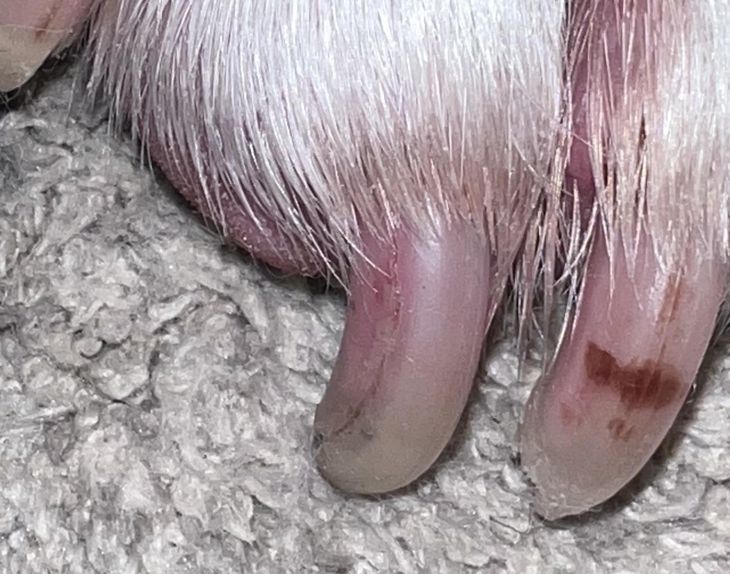
A dog’s claw is not a simple piece of dead tissue like a human fingernail.
It consists of a hard outer sheath made of specialized keratin proteins that shield a highly sensitive inner core.
This inner core, known scientifically as the quick, contains a dense network of blood vessels and extremely sensitive nerve endings.
When an injury occurs, the outer keratin can crack or peel away while leaving the quick completely intact.
This explains why you might observe a severe dog split nail no bleeding on your pet’s paw.
However, the lack of blood does not mean the structural integrity of the claw is secure.
The remaining intact shell is often left brittle and highly susceptible to further mechanical stress during daily exercise.
Keratin Shedding vs. True Structural Cracks
It is important to distinguish between normal wear and a dangerous structural failure.
Healthy dogs occasionally experience natural shedding, which can make the outer layer of the dog nails peeling look slightly frayed.
This peeling is a normal process where old, dead keratin layers slough off to make room for new growth.
A true structural crack, however, is a deep vertical or horizontal split that penetrates through the thickest parts of the wall.
These deep cracks threaten the underlying quick because they allow the claw to bend outward under the weight of the dog.
Our team at Zenpaw stresses the importance of inspecting your dog’s paws weekly to catch these structural cracks early.
By identifying minor splits before they reach the nail bed, you prevent painful veterinary emergencies entirely.
How to Trim and Smooth a Split Claw Without Causing Pain
Filing a damaged nail requires a tool that removes material gradually without applying lateral pressure.
When you use standard scissor-style clippers, the blades crush the cylindrical nail structure before cutting through it.
This crushing action forces the split to expand upward, often tearing into the quick and causing sudden, sharp pain.
For large dogs with thick claws, owners often seek the best clippers large dogs to handle the density.
Yet even the strongest clippers carry the risk of shattering dry, brittle nails that are already structurally compromised.
A far safer alternative is to use a high-quality low noise dog nail grinder to file the claw down gently.
Grinding allows you to shave off microscopic layers of keratin at a controlled rate.
This method eliminates the physical shockwaves that cause splitting and keeps your dog calm throughout the process.
The Science of Grinding Angles and Friction Control
Using a rotary tool safely requires an understanding of basic physics and friction dynamics.
When the grinding wheel contacts the nail, it generates friction heat within seconds.
Dogs have heat-sensitive receptors near the quick that can detect even small increases in temperature.
To prevent thermal discomfort, you must use a pulsing technique rather than holding the grinder steadily on the claw.
Apply the grinding wheel for only two to three seconds at a time before lifting it to let the nail cool.
We recommend holding the grinder at a precise forty-five-degree angle relative to the natural slope of the claw.
This angle mirrors the natural wear pattern of a wild canine and preserves the protective structure of the toe.
Our Zenpaw Maxpro Grinder utilizes advanced low-heat brass spindles to minimize thermal transfer during extended grooming sessions.
The Risks of Neglecting a Non-Bleeding Split: From Dirt Packing to Infection
It is a common mistake to assume a non-bleeding crack requires no active management.
An open crack acts as a perfect physical channel for dirt, mud, and outdoor organic matter to accumulate.
As your dog walks, their weight pushes debris deep into the crevice of the split claw.
This packed dirt becomes highly compacted and is extremely difficult for your dog to clean out through licking.
The dark, moist environment inside the crack provides ideal conditions for opportunistic bacteria to multiply rapidly.
Over several days, this bacterial accumulation can migrate upward into the living tissues of the nail bed.
Once bacteria penetrate the nail bed, they can cause a severe and painful condition known as paronychia.
Identifying the Signs of a Spreading Infection
Owners must remain vigilant and monitor the damaged toe for any physiological changes.
An untreated split can lead to a painful cut dog nail too short infection that requires prescription antibiotics.
Common symptoms of an active infection include localized redness, visible swelling around the cuticle, and skin that feels hot to the touch.
You may also notice your dog licking the single toe constantly or pulling their paw away when you touch it.
In advanced cases, a small amount of clear or cloudy discharge may seep from the base of the nail.
If you observe any of these warning signs, you must consult a licensed veterinarian for a proper medical evaluation.
Preventative maintenance with a safe filing routine is the best way to avoid these painful health complications.
Step-by-Step Home Guide: Filing and Protecting a Cracked Dog Nail

Managing a damaged claw at home does not have to be a stressful or chaotic experience.
By setting up a quiet workspace and gathering the correct tools beforehand, you ensure a smooth process.
Follow this systematic guide developed by Team Zenpaw to safely restore your dog’s paw health.
Step 1: Sanitize and Inspect the Damaged Paw
Begin by washing your hands thoroughly and preparing a clean, well-lit workspace.
Gently place your dog’s paw in a bowl of warm water mixed with a small amount of mild, pet-safe antiseptic soap.
Soak the paw for two to three minutes to soften the dirt and debris trapped inside the crack.
Dry the paw completely using a clean, lint-free microfiber towel.
Use a bright flashlight or your smartphone light to inspect the depth of the split from multiple angles.
Step 2: Isolate the Damaged Toe and Trim Excess Hair
Long paw hair can easily become tangled in a rotating grinding wheel during grooming.
Carefully trim away any long fur surrounding the affected nail using small, blunt-nosed grooming scissors.
Hold the target toe gently but firmly between your thumb and forefinger to isolate it from the rest of the paw.
This isolation prevents your dog from flinching and ensures you have maximum control over the tool’s movement.
Ensure your dog is comfortable with this physical touch before proceeding to the active filing phase.
Step 3: Gradually File Down the Snagging Keratin
Turn on your quiet rotary tool at its lowest speed setting to let your dog adapt to the vibration.
Gently touch the grinding wheel to the very tip of the nail to smooth out the sharpest part of the split.
Work in short, light pulses of two seconds to prevent any heat build-up on the living quick.
Slowly round off the jagged edges of the split until they are completely flush with the rest of the claw.
Avoid grinding directly over the split itself if it sits close to the soft, pink tissue of the quick.
Step 4: Cleanse the Area and Apply a Protective Barrier
Once the nail is smooth and free of snags, wipe the area with a damp antiseptic pad to remove keratin dust.
Apply a small, pea-sized amount of organic coconut oil or vet-approved antiseptic ointment directly to the claw.
This protective barrier keeps environmental dirt from packing into any remaining micro-fissures.
If your dog is prone to licking, slip a clean, breathable cotton dog bootie over the paw for the first twenty-four hours.
Monitor your pet closely during playtime to make sure they do not scratch the bootie off or chew at the toe.
The Science of Desensitizing Anxious Dogs to Grooming Tools
Many dogs associate nail care with past pain, making them highly defensive when you handle their paws.
To overcome this fear, you must implement a gradual, positive reinforcement training program.
Start by simply leaving your grinding tool on the floor next to a pile of high-value treats.
Allow your dog to sniff the device voluntarily, praising them warmly every time they make contact.
Next, hold the tool in your hand and turn it on briefly while offering a favorite treat.
This simple exercise pairs the sound of the motor with a highly rewarding sensory experience.
If your dog exhibits extreme stress, you may discuss a temporary calming medication nail trim protocol with your veterinarian to ease the transition.
Over several weeks, your dog will learn that grooming is a peaceful bonding session rather than a scary threat.
Common Mistakes When Managing Cracked Canine Nails at Home
Many well-meaning pet parents accidentally worsen nail injuries by using incorrect techniques.
The most frequent error is attempting to cut off the split portion using dull household scissors.
These blades apply uneven lateral pressure, which can instantly shatter the remaining healthy nail wall.
Another dangerous mistake is rushing through the filing process because the dog is squirming.
Rushing increases the risk of slipping and accidentally grinding the sensitive skin of the paw pad.
Additionally, some owners fail to clean the tool after use, which can introduce bacteria during the next session.
By slow-rolling the process and using specialized tools, you avoid these common grooming hazards.
The Zenpaw Maxpro Grinder features a powerful but gentle dual-speed motor that allows for slow, meticulous work without any rushing.
Frequently Asked Questions About Managing Dog Nail Splits
Is the Zenpaw Grinder safe for large dogs with very thick claws?
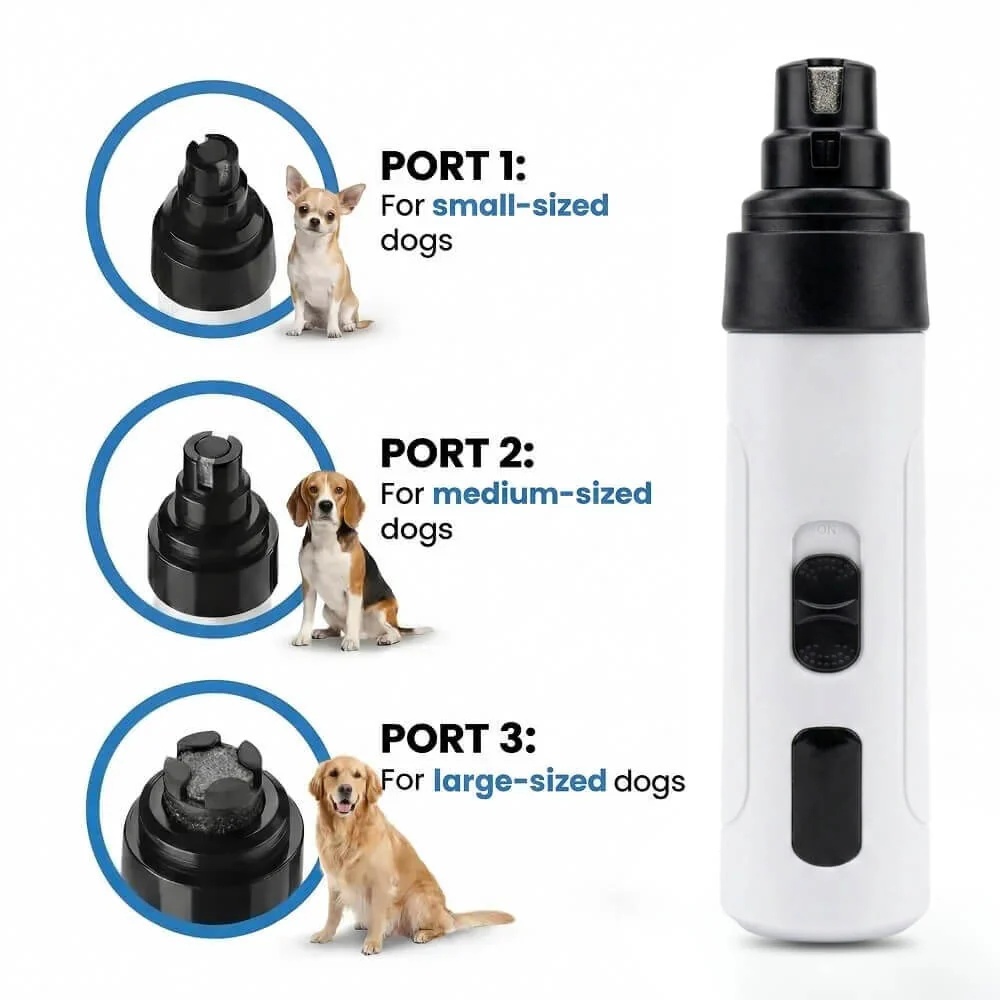
Yes, the Zenpaw Maxpro Grinder is specifically engineered with three distinct ports to accommodate pets of all sizes.
The large, open port is perfectly sized to handle the wide diameter of large breed claws, such as Great Danes and Mastiffs.
The high-torque motor provides consistent rotational power without stalling, even when working on exceptionally dense keratin layers.
This eliminates the need for heavy-duty metal clippers that can easily crush and split thick nails.
We recommend using the high-speed setting for larger breeds to ensure efficient and smooth filing.
How long does the battery last on a single charge?
The Zenpaw Maxpro Grinder features an upgraded lithium-ion battery that delivers up to seven hours of continuous run time.
This exceptional battery life means you can complete multiple grooming sessions without worrying about the device dying mid-trim.
The unit is easily rechargeable using any standard USB port, making it highly convenient for travel.
A convenient LED battery indicator light on the handle displays the remaining charge level in real time.
We design our batteries to hold their charge for months, ensuring the tool is always ready when you need it.
Which speed setting is best for managing a cracked nail?
We strongly recommend starting on the lowest speed setting when working near a fresh, non-bleeding crack.
The lower speed provides you with maximum control and prevents the wheel from removing too much material too quickly.
It also produces the quietest sound level, which is ideal for keeping an anxious dog relaxed during the procedure.
Once you have smoothed down the sharpest edges and stabilized the split, you can switch to the higher speed setting.
The higher speed is excellent for shaping the rest of the nail and creating a clean, rounded finish.
Does the grinding wheel get hot during extended grooming sessions?
Our grinder is engineered with advanced low-heat technology to prevent thermal discomfort for your pet.
Unlike cheap models that use low-grade plastic spindles, our unit utilizes a high-quality brass shaft that dissipates heat rapidly.
However, we still recommend using a pulsing motion to avoid holding the wheel on one spot for more than three seconds.
This pulsing technique allows the nail keratin to cool down naturally between touches.
By combining quality engineering with proper technique, you ensure a completely painless experience for your dog.
Conclusion
Taking care of a dog cracked nail no bleeding at home does not have to be stressful.
With patience, the correct technique, and a whisper-quiet tool, you can keep your dog’s paws healthy and pain-free.
Ready to transform nail trimming from a battle into a breeze? Explore the Zenpaw Maxpro 3-in-1 Grinder. Call: 302-307-1000 — our team can help you advise on the best grooming practices and help with any product questions.
Note: Individual results may vary depending on individual dog breeds, nail thickness, and behavioral temperaments. This article is intended for general pet grooming reference purposes only and does not replace professional veterinary advice.