
I still remember the absolute dread I felt years ago when I accidentally cut my own dog’s nails too short, hearing that sharp yelp and seeing the blood pool on the kitchen floor. It broke my trust with my best friend, and for months, even the sight of a clipper made him run. That painful moment inspired me to find a safer, stress-free way to protect our dogs’ paws, leading us to develop the Zenpaw Maxpro 3-in-1 Grinder.
Maxpro 3-in-1 Grinder.
Stress-Free Nail Trimming.
Whisper-quiet DC motor (<40 dB) eliminates fear & discomfort. Features 3 ports, dual speeds, and 7-hour battery life. Safe, precise, and painless.
In This Article
- Step-by-Step Tutorial: Learn the exact blueprint for safe at-home trimming.
- Anatomy Deep Dive: Discover how to locate the quick, even on dark nails.
- Desensitization Guide: Train your nervous dog to love grooming sessions.
- Risk Mitigation: Avoid structural damage caused by traditional clippers.
How to Trim Your Dog’s Nails at Home: A Step-by-Step Tutorial
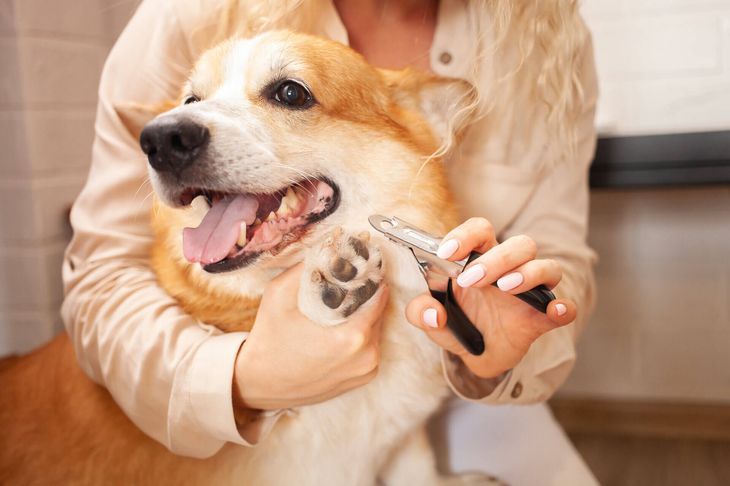
Trimming your companion’s claws does not have to feel like a high-stress chore.
With the right preparation and patience, you can master cutting dog nails in the comfort of your living room.
Before you begin, gather a quiet rotary grinder, styptic powder for unexpected bleeding, and a handful of delicious treats.
Make sure you work in a quiet, brightly lit room where your dog feels completely secure.
-
Step 1: Set Up a Quiet, Secure Space
Find a comfortable spot where your dog can rest without slipping or sliding.
Place a rubber mat or a heavy towel on the floor or grooming table to provide secure traction.
Ensure all your tools are within easy reach so you do not have to leave your pet unattended.
Keep your energy calm and relaxed, as dogs are incredibly sensitive to human emotions.
-
Step 2: Gently Isolate a Single Toe
Lift your dog’s paw gently and hold it in a natural, comfortable position.
Place your thumb on the pad of the toe and your index finger on the top skin above the nail.
Push slightly forward with your thumb while pulling back on your index finger to extend the nail.
This isolates the individual claw and keeps surrounding paw hair away from the rotating wheel.
-
Step 3: Check the Angle and Placement
Position your grinding tool at a forty-five-degree angle relative to the bottom of the nail.
This specific angle mimics the natural wear pattern of a dog walking on rough outdoor surfaces.
Ensure you have a firm but gentle grip on both the paw and the tool to prevent sudden slips.
Keep your eye focused entirely on the tip of the claw throughout the entire process.
-
Step 4: File with Gentle, Brief Contacts
Touch the rotating head of your grinder to the tip of the nail for only two to three seconds at a time.
Continuous contact can quickly build up heat, which causes sudden discomfort in the sensitive nail bed.
Work around the tip of the claw using light, sweeping strokes to remove sharp edges systematically.
Always stop immediately if your dog displays signs of extreme tension or pulls their paw away.
-
Step 5: Reward with High-Value Treats
Give your dog a premium treat immediately after finishing a single nail or paw.
This creates a powerful positive association between paw handling and delicious rewards.
Keep your praise enthusiastic and cheerful to show your pet they are doing a fantastic job.
Never rush the process; it is perfectly acceptable to trim just one paw per session when starting out.
Using a premium, high-performance tool makes executing this step-by-step tutorial completely effortless.
Traditional clippers often crush and split brittle nails, creating painful micro-fractures in the structure.
The Zenpaw Maxpro 3-in-1 Grinder relies on a precision diamond bit to file the nail down smoothly.
You can discover this advanced tool by visiting the Zenpaw Maxpro 3-in-1 Grinder product page today.
99-Day 100% Money-Back Guarantee
“Ever since we started using the Zenpaw Maxpro Grinder, it’s been such a peaceful experience. It’s very quiet, and my dog actually relaxes. It’s turned our stressful sessions into quick, quiet grooming times.”
— Sarah M. | ✔ Verified Customer
- ✓ Prevents Infection & Splitting
- ✓ Ideal for All Dog Sizes
- ✓ Low-Vibration Technology
- ✓ Fast 2-7 Days Delivery
Need Support? Call 302-307-1000
Understanding Canine Nail Anatomy: Where is the Quick?
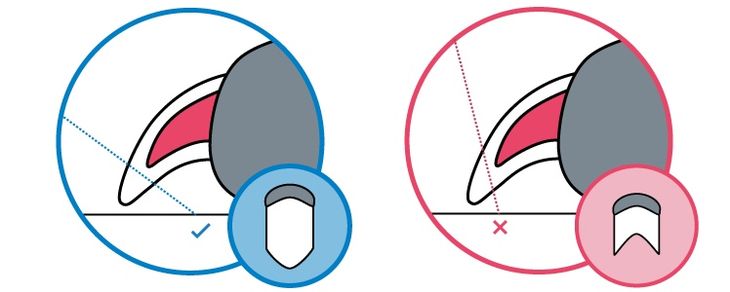
To safely groom your pet at home, you must first understand the inner structure of their claws.
The canine nail consists of two primary parts: a hard outer shell and an inner core called the quick.
The outer shell is made of tough keratin, which contains no nerves or blood supply.
In contrast, the quick is highly vascularized and packed with extremely sensitive nerve endings.
If you accidentally cut into this area, it causes sharp pain and immediate bleeding.
Learning where to clip dog nails is the single most important safety skill you can develop.
On light-colored nails, the quick appears as a distinct pink silhouette visible through the translucent outer shell.
This visual indicator makes it incredibly simple to identify where the safe tissue ends and where you must stop filing.
However, if your dog has overgrown claws, the quick will naturally extend further toward the tip of the nail.
Fortunately, consistent, regular trimming causes this blood vessel to gradually recede back toward the paw.
Filing the tips every two weeks is the safest method to shorten long claws without causing any pain.
If you are still learning the basics, you can find detailed diagrams and instructions on how to cut my dog’s nails to build your confidence.
How to Safely Grind Black Dog Nails Without Bleeding
Managing dark or completely black claws is often the biggest hurdle for dog owners.
Because melanin pigments the outer shell, you cannot see the pink quick from the side of the nail.
To avoid injuries, you must adopt a different visual strategy based on the nail’s cross-section.
Begin by filing away very small amounts of the nail tip, working in thin layers.
After each brief pass of the grinder, stop and look directly at the cut edge of the claw.
Initially, you will see a dry, chalky white or grey material across the entire surface.
As you get closer to the quick, the center of the nail will start to change appearance.
You will soon observe a small, dark, and slightly moist circular dot appearing in the dead center.
This central dot is the protective tissue layer immediately surrounding the start of the quick.
This visual signal is your warning to stop filing immediately to prevent any bleeding.
Many pet parents search for dog nail clippers with light to help them navigate this tricky process.
While built-in lights work beautifully on clear or white claws, they cannot penetrate thick black pigment.
This is why a rotary grinder is universally recommended by professional groomers for dark-nailed dogs.
A high-precision grinder allows you to work in micro-layers, completely removing the risk of sudden, deep cuts.
The Science of Desensitizing Your Dog to Nail Tools

Grooming anxiety is a learned behavior that is completely reversible through systematic desensitization.
If your dog runs away when they see grooming tools, you must rebuild their trust step-by-step.
Start by placing your chosen device on the floor next to a bowl of their favorite treats.
Let your dog investigate and sniff the tool while it is completely turned off.
Reward every moment of curious or relaxed behavior with a high-value food treat.
Once they show no hesitation, turn the tool on at a distance so they can hear the sound.
Team Zenpaw engineered our Maxpro motor to run at a whisper-quiet level below forty decibels.
This ultra-quiet operation prevents the sudden acoustic startle reflex that loud tools trigger.
Slowly bring the running tool closer to their body while feeding them continuous treats.
Next, touch the handle of the vibrating device to their shoulder and leg so they feel the physical sensation.
Only progress to touching the grinding head to the nail once they are completely relaxed.
If you are working with a young pup, starting with specialized puppy toenail clippers can make the first experiences gentle.
As they grow, transitioning to advanced electric dog nail clippers or rotary files ensures a smooth routine for life.
Why Short Nails Matter: The Postural Health of Your Dog
Maintaining short claws is not just about protecting your hardwood floors or preventing snags.
It is a fundamental requirement for your dog’s long-term skeletal alignment and joint health.
When a dog’s claws grow too long, they contact the ground with every single step they take.
This constant physical contact pushes the nail back up into the sensitive joint of the toe.
To relieve this discomfort, your dog is forced to shift their natural weight backward onto their hind legs.
This unnatural postural compensation alters the biomechanics of their entire skeletal system.
Over time, this shift puts immense stress on the ankles, knees, hips, and lower spine.
Chronic joint pain, premature arthritis, and severe muscle strain often trace back to long claws.
Keeping nails short allows the foot pads to make flat, healthy contact with the ground.
Regular maintenance ensures your best friend can run, jump, and play pain-free for years to come.
Common Pitfalls: Why Traditional Clippers Can Harm Your Dog
Many owners continue to use traditional scissor-style clippers out of sheer habit.
However, these bladed tools present several hidden risks that can make home grooming difficult.
When a blade dulls, it no longer cuts cleanly through the tough keratin shell.
Instead, the metal blades apply immense squeezing pressure to the sides of the claw.
This intense force crushes the nail, which often causes it to split and crack up to the quick.
These jagged cracks expose the inner vascular tissues to moisture, dirt, and painful infections.
Furthermore, the physical sensation of a nail being crushed is highly uncomfortable for dogs.
This sudden, pinching pressure is the primary reason many dogs develop a intense dislike of paw handling.
Rotary files completely bypass this crushing mechanical force by shaving the nail down smoothly.
The controlled abrasive action of a diamond bit prevents structural cracking and split ends.
Switching to a modern, quiet grinder is the easiest way to make home grooming completely painless.
What to Do If You Accidentally Cut the Quick
Even the most experienced professional groomers will occasionally nick the quick by accident.
If this happens during your session, the most critical step is to remain completely calm.
Dogs mirror our emotions, and if you panic, your pet will believe something terrible has occurred.
Keep your voice soft, calm, and reassuring while you apply immediate first aid to the paw.
Locate your container of styptic powder and press a small pinch directly onto the bleeding tip.
Apply firm, steady pressure with your thumb for thirty to sixty seconds without rubbing.
If you do not have styptic powder, cornstarch or baking soda can serve as an effective household alternative.
Once the bleeding stops, offer your dog a jackpot of high-value treats and end the grooming session immediately.
This ensures they associate the end of the event with a delicious reward rather than pain.
Allow the nail to heal completely for a few days before attempting to groom that paw again.
Frequently Asked Questions
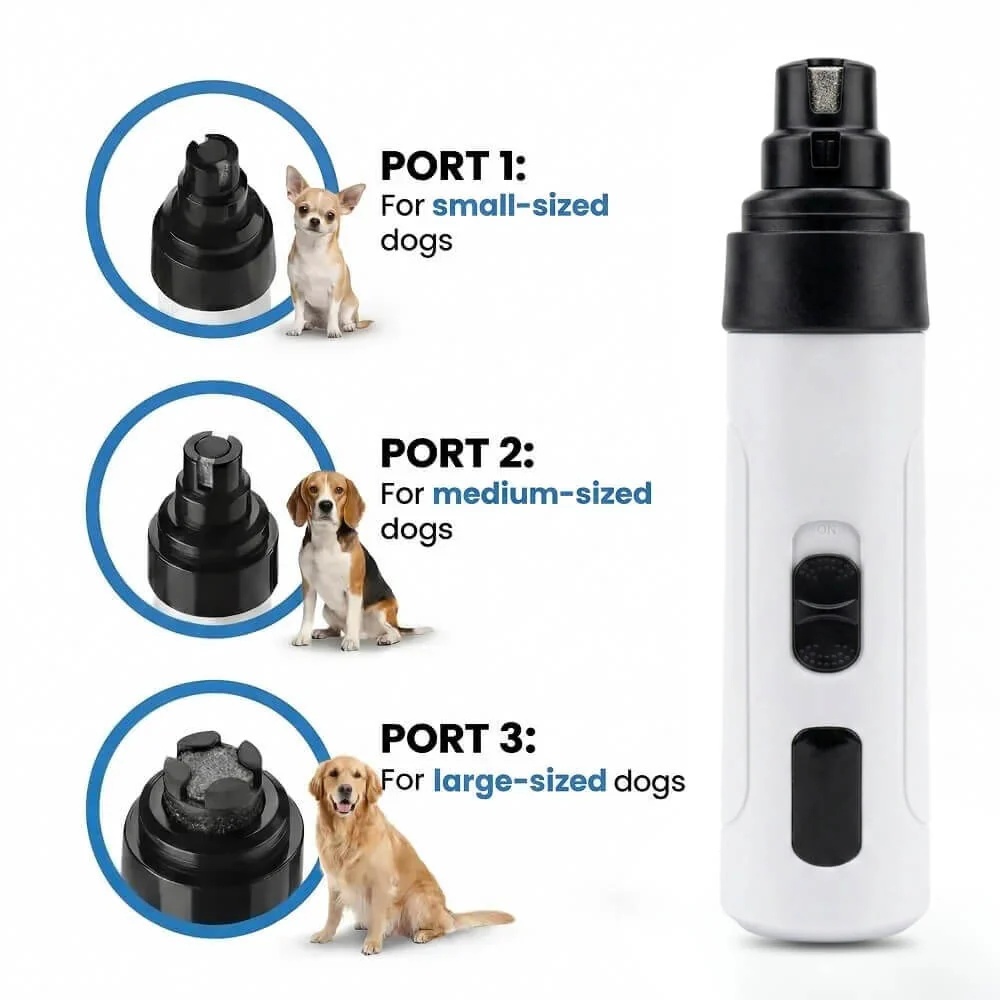
Yes, the Zenpaw Maxpro features three distinct ports designed to accommodate all breeds and sizes.
The small and medium ports are perfect for delicate puppy paws and smaller toy breeds.
The wide-open port exposes the entire grinding wheel to handle thick, heavy claws with ease.
The Zenpaw Maxpro contains a high-capacity battery that delivers up to seven hours of continuous run time.
It charges quickly using a standard USB cable, making it incredibly convenient for home or travel use.
You can easily complete multiple full grooming sessions before needing to plug it back in.
We recommend starting on the low-speed setting to let your dog adjust to the sound and vibration.
Once they are relaxed, you can switch to the high-speed setting for faster filing on thick claws.
Always let your dog’s body language guide your speed adjustments throughout the session.
Our advanced diamond bit is engineered with low-heat technology to prevent friction warmups.
To ensure total comfort, we recommend alternating between claws every few seconds during the session.
This simple technique keeps the temperature perfectly cool and comfortable for your dog’s paws.
Conclusion: Your Stress-Free Grooming Journey Awaits
Maintaining your dog’s paws is a vital act of love that protects their posture and overall wellness.
By switching to a whisper-quiet grinder, you can replace grooming anxiety with a peaceful bonding experience.
Ready to transform nail trimming from a battle into a breeze? Explore the Zenpaw Maxpro 3-in-1 Grinder. Call: 302-307-1000 — our team can help you advise on the best grooming practices and help with any product questions.
Note: Individual results may vary depending on individual dog breeds, nail thickness, and behavioral temperaments. This article is intended for general pet grooming reference purposes only and does not replace professional veterinary advice.