I will never forget the sharp, high-pitched yelp my golden retriever, Bailey, made when his claw caught on the deck boards last spring. Seeing him limp with a bleeding, misaligned paw broke my heart, and it made me realize how easily a dog dislocated toe nail can happen during daily play. Since that terrifying day, our team at Zenpaw has dedicated ourselves to creating safe, whisper-quiet grooming solutions that help prevent these painful snags from ever occurring again.
Maxpro 3-in-1 Grinder.
Stress-Free Nail Trimming.
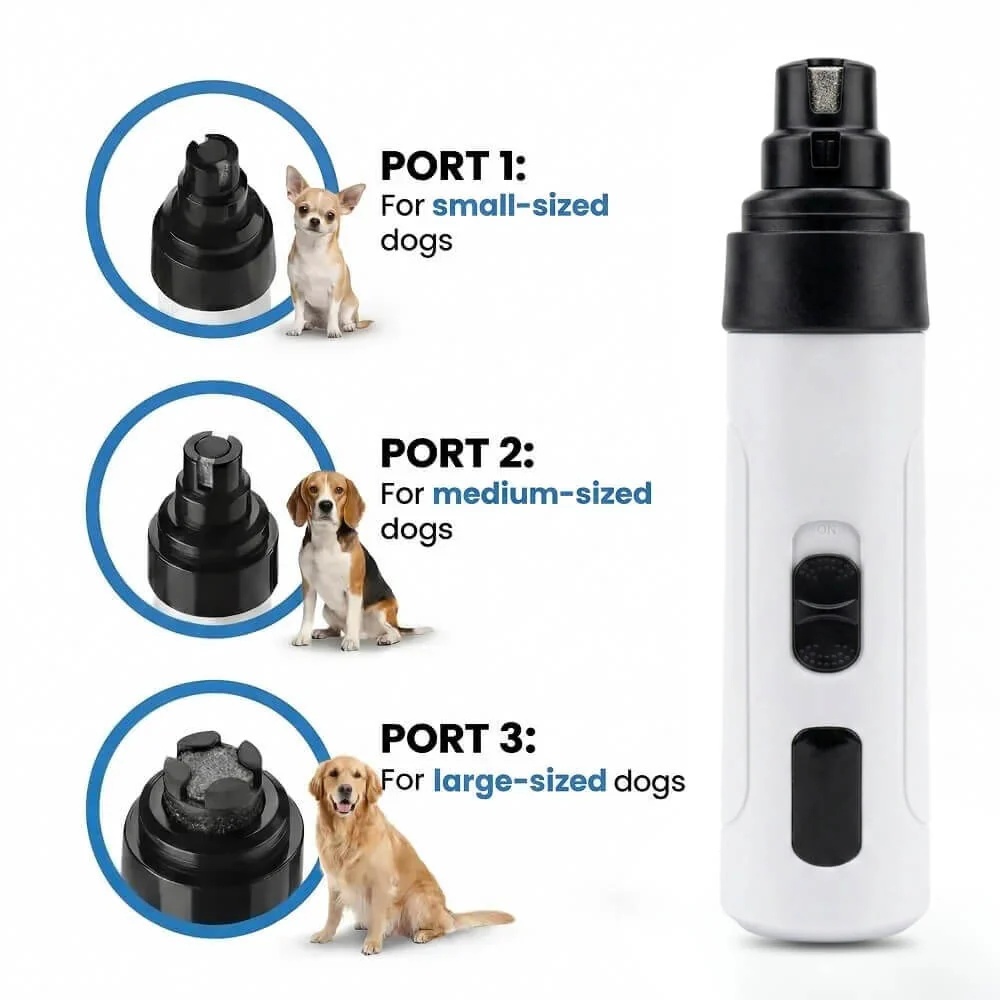
Whisper-quiet DC motor (<40 dB) eliminates fear & discomfort. Features 3 ports, dual speeds, and 7-hour battery life. Safe, precise, and painless.
In This Article
- Understanding the structural severity of a dislocated toe nail compared to simple cracks.
- Identifying the critical clinical symptoms that warrant an immediate veterinary visit.
- Step-by-step first aid techniques to stabilize your dog’s paw safely at home.
- How veterinarians realign dislocated claws and manage post-injury recovery.
- Actionable preventative grooming methods to protect your dog’s paws from future trauma.
Does Your Dog Have a Dislocated Toe Nail? Here is the Quick Expert Answer
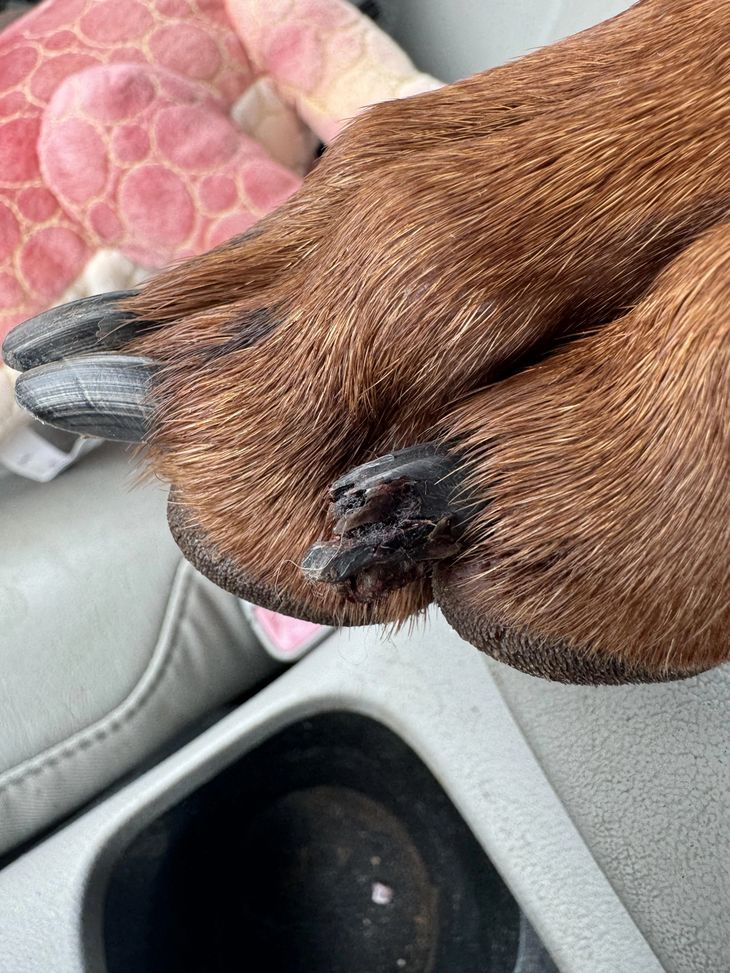
A dislocated toe nail occurs when sudden physical trauma forces the claw and its underlying skeletal joint out of their normal anatomical alignment.
This painful injury typically happens during high-speed runs, rough outdoor play, or when excessively long nails get caught in carpets, wire fences, or wooden deck slats.
You will immediately notice your canine companion limping, whimpering in pain, or holding their injured paw completely off the ground to avoid any direct surface contact.
The affected toe will often look visibly crooked, swollen, and may bleed heavily around the nail bed due to torn blood vessels.
If your dog suffers from this issue, you must act quickly to clean the area and prevent further joint damage or secondary bacterial infections.
First, gently inspect the paw under good lighting to see if the claw is simply broken or if the actual skeletal joint is misaligned.
Next, wrap the paw in a clean, soft bandage to keep it stable while you prepare to visit your local veterinary clinic.
Do not attempt to pull, snap, or force the joint back into its normal position yourself.
A veterinarian is the only professional who can safely realign the skeletal structure under appropriate pain management or sedation.
They will assess the joint, administer targeted pain relief, and apply a supportive splint to assist recovery.
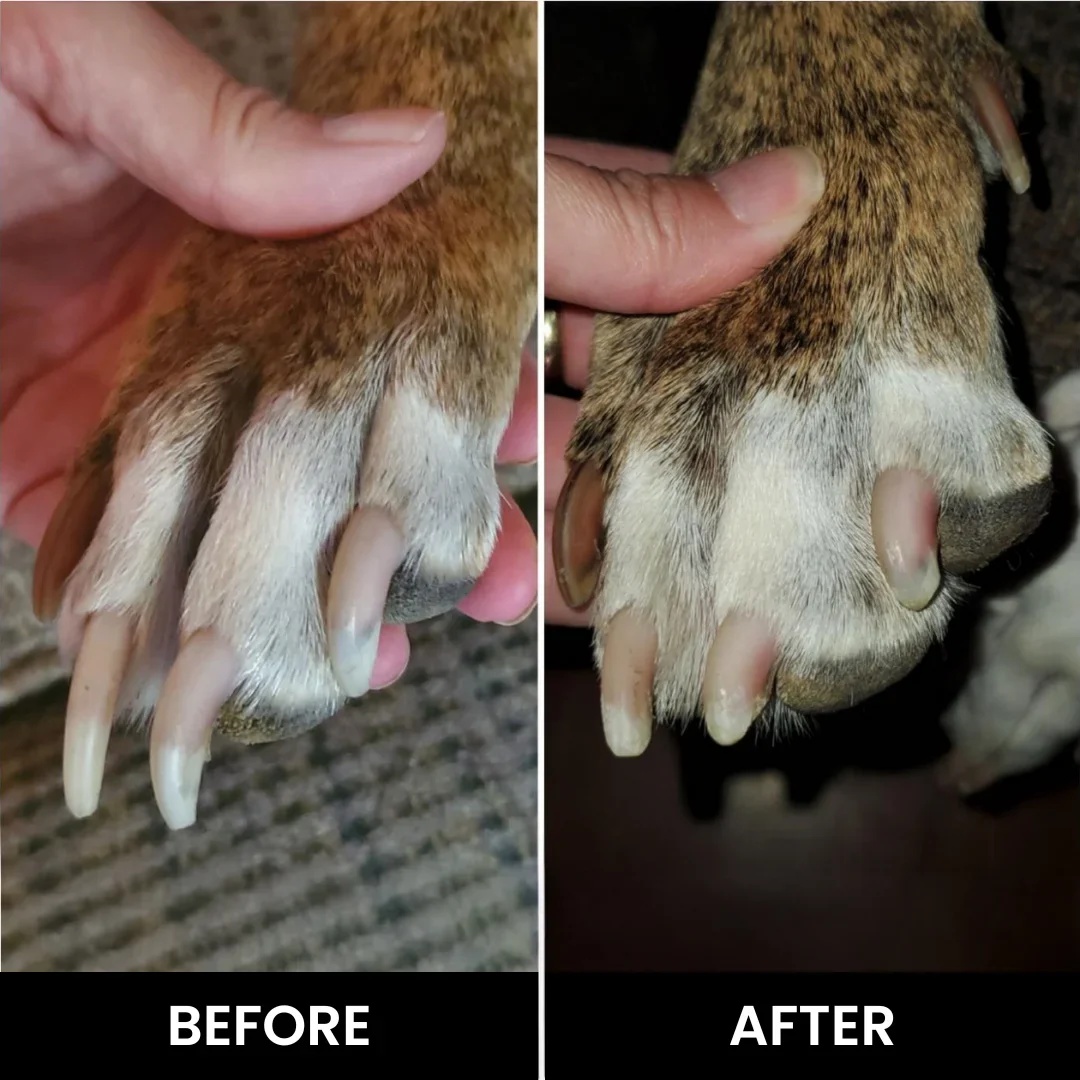
You can easily minimize the risk of these traumatic accidents by maintaining short claws at home through regular grooming.
Using a high-quality filing tool prevents the long snags that cause these painful skeletal injuries in active dogs.
To support your dog’s recovery and keep their paws safe, you can transition to a stress-free maintenance routine.
If you want to handle this safely at home, the Zenpaw Maxpro Grinder provides painless, quiet filing — explore it here.
This gentle tool ensures you never have to worry about painful yanks, accidental cuts, or joint twisting again.
99-Day 100% Money-Back Guarantee
“Ever since we started using the Zenpaw Maxpro Grinder, it’s been such a peaceful experience. It’s very quiet, and my dog actually relaxes. It’s turned our stressful sessions into quick, quiet grooming times.”
— Sarah M. | ✔ Verified Customer
- ✓ Prevents Infection & Splitting
- ✓ Ideal for All Dog Sizes
- ✓ Low-Vibration Technology
- ✓ Fast 2-7 Days Delivery
Need Support? Call 302-307-1000
Understanding Canine Paw Anatomy and Dislocated Claw Joints

To truly understand how a dog dislocated toenail happens, we must look closely at canine paw anatomy.
Unlike human nails, which sit flat on top of the skin, a dog’s claw is physically fused to the skeletal system.
The nail structure grows directly out of the distal phalanx, which is commonly referred to as the P3 bone.
The outer shell of the claw is made of hard keratin that protects the delicate, highly vascular inner tissue known as the quick.
The ungual crest of the P3 bone supports the entire nail bed, making the nail and bone act as a single unit.
When your dog runs, their claws dig into the ground to provide traction and stability.
If a claw is excessively long, it acts as a lever when it strikes a hard surface.
This leverage multiplies the mechanical force directed up into the toe joint.
When the claw snags on an obstacle, this immense lateral pressure can easily force the P3 joint out of its socket.
This structural failure is medically classified as a joint subluxation or a complete toe dislocation.
It is fundamentally different from a simple cracked claw because the skeletal joint itself has been compromised.
If you notice blood coming from the nail bed, it is critical to initiate immediate care for dog nail trauma.
The surrounding nerves and blood vessels are highly sensitive, which explains why this injury causes sudden, intense pain.
Without proper alignment, the joint cannot heal correctly, which can lead to chronic arthritis and altered gait patterns.
Keeping claws trimmed to a safe length is the most effective way to eliminate this dangerous leverage effect.
Identifying a Dislocated Claw in Dogs: Symptoms and Clinical Signs
Recognizing dislocated claw in dogs symptoms early can prevent severe secondary infections and chronic limping.
Because dogs instinctively hide their pain, you must pay close attention to subtle behavioral changes.
The most immediate indicator is sudden, non-weight-bearing lameness on the affected limb.
Your dog may hold the injured paw high in the air and refuse to let it touch the ground.
You will often observe obsessive licking or chewing at the specific toe as they try to soothe the throbbing pain.
Upon closer physical inspection, you may see the toe sitting at an unnatural, crooked angle compared to the other digits.
Swelling will quickly develop around the nail bed and the toe joint as the body initiates an inflammatory response.
Local bleeding is very common, especially if the delicate quick has been torn or exposed during the joint shift.
Your dog may react defensively, growling or pulling away, when you attempt to touch the injured paw.
This is a natural pain response, so you must handle them with extreme gentleness and caution.
Sometimes, the injury is mistaken for a simple split nail, but the misalignment of the bone confirms a dislocation.
If you are dealing with dark claws, identifying the exact source of trauma can be particularly challenging.
You can learn more about managing dark claws in our guide on how to safely trim dog nails black.
Let us examine the key structural differences between common claw injuries to help you identify the issue accurately.
| Injury Type | Key Symptoms | Recommended Action |
|---|---|---|
| Broken or Split Nail | Cracked keratin shell, exposed bleeding quick, normal joint alignment. | Clean the nail, apply styptic powder, trim loose pieces, monitor for infection. |
| Dislocated Toe / Claw | Visibly crooked toe, intense pain, swelling at the joint, inability to bear weight. | Immobilize paw, seek professional veterinary realignment and pain management immediately. |
| Infected Nail Bed | Redness, warmth, discharge/pus, foul odor, gradual onset of limping. | Consult a vet for oral antibiotics and antiseptic paw soaks. |
Using a comparison table helps you quickly assess the severity of your dog’s condition before taking action.
If you suspect a skeletal dislocation, you must prioritize professional medical intervention.
Practical First Aid and Treating Dislocated Pet Claws Safe Protocols
When treating dislocated pet claws, your first goal must be pain reduction and joint stabilization.
Before touching the paw, secure your dog gently to prevent accidental bites due to shock.
If the nail is bleeding actively, you should apply gentle pressure with a clean cloth.
You can also use a safe stop dog nail bleeding home remedy like cornstarch or styptic powder.
Do not apply tight tourniquets or attempt to pop the joint back into its socket yourself.
Doing so can easily cause permanent damage to the delicate ligaments and joint capsule.
Gently wrap the entire paw in a soft, breathable bandage to restrict movement and protect the exposed area.
Keep your dog quiet and calm in a crate or a small room while you contact your veterinary clinic.
Once at the clinic, the veterinarian will likely perform a digital X-ray to check for any hidden bone fractures.
They will then administer local anesthesia or mild sedation to ensure a completely pain-free realignment process.
The vet will carefully perform a closed reduction to slide the joint back into its natural position.
After realignment, they will apply a protective splint or a soft padded wrap to keep the joint stable during healing.
They will also prescribe appropriate anti-inflammatory medications and pain relievers to support a comfortable recovery.
Most dislocated toes heal beautifully within two to four weeks of restricted physical activity.
During this recovery phase, you must prevent your dog from running, jumping, or climbing stairs.
Keep the bandage completely clean and dry, using a plastic bootie when taking them outside for brief potty breaks.
Once the vet clears your dog for normal activity, you must prioritize keeping their claws short to prevent reinjury.
You can easily learn how to keep dog nails short without clipping to avoid joint stress entirely.
Transitioning to a high-quality filing routine is the safest way to maintain their paw health over time.
Using a low noise dog nail grinder allows you to file the claws gradually and gently.
Our Team Zenpaw Maxpro Grinder operates at a whisper-quiet level under 40 decibels to keep anxious dogs perfectly calm.
To introduce the grinder safely, start by letting your dog sniff the tool while it is turned off.
Pair this introduction with high-value treats to create a positive association with the grooming device.
Next, turn the grinder on to let them get used to the soft hum without touching their paws.
Once they are comfortable, hold the grinder at a precise 45-degree angle to the claw surface.
Apply gentle, brief pressure for no more than two to three seconds per nail to prevent heat buildup.
This slow, methodical approach keeps the entire experience pleasant, painless, and completely stress-free.
Overcoming Risks and Common Grooming Mistakes That Cause Nail Trauma
Many paw injuries and joint dislocations are the direct result of incorrect grooming techniques.
Using old, dull guillotine-style clippers is one of the most common mistakes pet owners make.
Dull blades do not cut cleanly; instead, they crush and twist the claw with intense mechanical force.
This violent crushing action can split the keratin shell and put severe rotational stress on the toe joint.
If your dog pulls away suddenly mid-clip, the trapped nail can easily twist and dislocate inside the clipper.
Rushing through the grooming process is another major hazard that often leads to painful accidents.
When you rush, you are highly likely to cut directly into the highly sensitive quick.
This causes sudden, sharp pain that makes your dog associate grooming with fear and physical trauma.
An anxious, squirming dog is far more difficult to groom safely, which increases the risk of future slips.
Our Team Zenpaw Maxpro Grinder solves these common risks by replacing harsh clipping with gradual filing.
The heavy-duty diamond bit wheel files down the keratin shell smoothly without applying any twisting force.
This completely eliminates the risk of splitting the claw or putting harmful torque on the delicate joints.
The built-in safety ports allow you to manage the filing depth with absolute precision and control.
By taking your time and filing regularly, you keep the quick retracted and the claws safely short.
Frequently Asked Questions
We have compiled the most common questions from pet parents to help you manage your dog’s nail care safely.
Is the Zenpaw Grinder safe for large dogs?
Yes, the Zenpaw Maxpro Grinder is specifically designed with three specialized safety ports to accommodate small, medium, and large breeds.
You can select the wide-open port for thick, heavy claws to achieve fast and efficient filing.
How long does the battery last?
The advanced lithium-ion battery delivers up to 7 hours of continuous operation on a single charge.
It features convenient USB rechargeability, allowing you to charge it easily using any standard power adapter.
Which speed is best for anxious dogs?
We recommend starting with the low-speed setting to let your anxious dog get comfortable with the gentle vibration.
Once they are fully relaxed, you can switch to the high-speed setting for faster and more efficient trimming.
Does the grinder get hot during use?
No, the Zenpaw Maxpro utilizes advanced low-heat technology to prevent the brass collet and diamond bit from overheating.
To ensure absolute comfort, we still recommend lifting the grinder off the nail every few seconds to prevent any friction warmth.
What should I do if my dog’s nail starts bleeding at home?
If you accidentally nick the quick, do not panic, as your calm energy will help keep your dog relaxed.
Apply clean styptic powder or cornstarch to the bleeding tip and hold gentle pressure for a few minutes until it stops.
Conclusion: Your Safe Path to Healthy Paws
Maintaining short, healthy claws is the best way to prevent the intense pain of a dislocated toe.
Trust the Zenpaw Maxpro Grinder to keep your dog’s paws safe and healthy.
Explore the Zenpaw Maxpro 3-in-1 Grinder.
Call: 302-307-1000 — our team is ready to advise on the best grooming practices.