
I still remember the absolute panic I felt when my golden retriever came limping back from the yard with a bloody paw, and I realized my poor dog lost nail down to the raw pink tissue. It is a heartbreaking sight for any pet parent, but over my years as a professional groomer, I have learned that quick action and the right, stress-free grooming tools like our whisper-quiet Zenpaw Maxpro Grinder can make all the difference in keeping their paws safe, healthy, and completely pain-free.
Maxpro 3-in-1 Grinder.
Stress-Free Nail Trimming.
Whisper-quiet DC motor (<40 dB) eliminates fear & discomfort. Features 3 ports, dual speeds, and 7-hour battery life. Safe, precise, and painless.
In This Article
- The 5W2H Paw Emergency Guide: An immediate framework for dealing with a missing claw.
- Canine Paw Anatomy: Understanding the highly sensitive vascular quick and how to protect it from bacterial infection.
- Why Claws Shed Unexpectedly: Evaluating physical injuries, behavioral habits, and systemic biological triggers.
- Step-by-Step Home Recovery Protocol: How to gently clean, pack, bandage, and protect the raw toe area.
- Preventative Grooming Techniques: Transitioning away from painful manual clippers to whisper-quiet rotary filing.
What to Do When Your Dog Lost Nail? The Expert 5W2H Recovery Guide
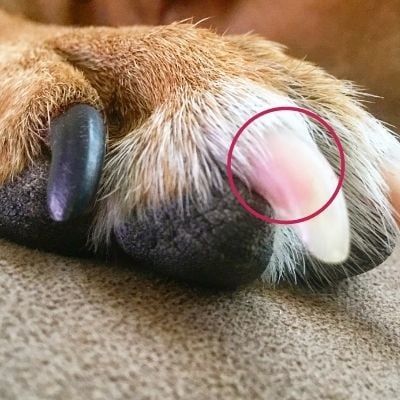
When an active canine companion accidentally tears away a claw, it is a highly painful situation that demands immediate home first aid to prevent dangerous complications.
This traumatic injury typically happens to family dogs when their long claws snag on rough deck boards, carpet fibers, or outdoor tree roots during vigorous play.
The incident can occur anywhere, from your local backyard to forest trails, especially if your pet’s claw health has been neglected over time.
You must address this issue immediately because the exposed nail bed provides an easy pathway for bacteria to enter the soft tissue and cause deep infections.
The main reason for the intense bleeding is the ruptured blood vessels located inside the highly sensitive, pressurized tissue called the quick.
To safely manage this crisis at home, you must remain calm, stop the bleeding with gentle pressure, and keep the paw completely clean and dry.
By taking these quick steps, you can prevent structural damage to the digit and ensure your pet begins their recovery in comfort.
If you are unsure where the injury occurred, inspect your local yard or home environment for sharp objects or tight floorboard cracks.
Many pet parents do not realize that simple rug loops can act like traps for overgrown claws.
By identifying these environmental hazards, you can prevent future accidents and keep your pet’s environment perfectly safe.
To quickly resolve this painful paw injury, you must first keep your dog completely still to prevent their blood pressure from rising.
Apply a clean, dry cloth or sterile gauze directly to the bleeding toe and maintain steady pressure for at least five minutes.
If the blood continues to flow, apply a generous amount of pet-safe styptic powder or cornstarch directly onto the exposed wound.
Once the bleeding is fully controlled, gently bathe the paw in warm water to rinse away any lingering dirt or debris.
Inspect the site carefully to see if any remaining fragment of the claw is still hanging loosely from the skin.
If you see a loose shard, wrap the paw safely and consult a veterinary clinic to have the fragment cleanly removed under mild sedation.
Apply a soothing, pet-safe antiseptic spray to keep the area free from harmful microscopic pathogens.
Cover the entire foot with a clean sock or breathable bandage to prevent your dog from licking the sensitive wound.
Restrict all running, jumping, and long walks for the next forty-eight hours to allow the fresh scab to harden.
Check the wound twice a day for any unusual swelling, discharge, or signs of discomfort.
Avoid using human bandage tapes, which can stick painfully to your dog’s fur and tear their skin during removal.
Instead, choose self-adhering veterinary wrap that clings only to itself for easy, painless dressing changes.
If your pet shows extreme signs of pain, such as growling, heavy panting, or trembling, do not force the home care process.
In these highly stressful situations, seeking immediate help from an emergency veterinary technician is the safest course of action.
If you want to handle this safely at home, the Zenpaw Maxpro Grinder provides painless, quiet filing — explore it here.
99-Day 100% Money-Back Guarantee
“Ever since we started using the Zenpaw Maxpro Grinder, it’s been such a peaceful experience. It’s very quiet, and my dog actually relaxes. It’s turned our stressful sessions into quick, quiet grooming times.”
— Sarah M. | ✔ Verified Customer
- ✓ Prevents Infection & Splitting
- ✓ Ideal for All Dog Sizes
- ✓ Low-Vibration Technology
- ✓ Fast 2-7 Days Delivery
Need Support? Call 302-307-1000
Canine Nail Anatomy and the Danger of the Exposed Quick

To understand why a torn claw is so painful, we must first examine the unique structural anatomy of the canine paw.
A dog’s claw is not like a human fingernail; it is directly attached to the distal phalanx, which is the actual toe bone.
The tough outer layer of the claw consists of hard keratin, which provides structural protection and traction during movement.
Directly beneath this protective keratin shell lies a highly vascular, nerve-rich core known as the quick.
You can learn more about this anatomy in our detailed dog toenail quick guide.
When a claw is torn away, this sensitive bundle of nerves and blood vessels is left completely naked and raw.
Because the quick is connected directly to the bone, any infection in this area can easily spread to the skeletal system.
Veterinarians refer to this serious bone infection as osteomyelitis, which requires intensive medical care.
This is why managing a damaged claw is never just an aesthetic concern; it is a critical step in preserving skeletal integrity.
When claws are allowed to grow too long, the quick naturally extends further down the center of the nail.
This makes regular maintenance much more difficult because the margin of safety becomes incredibly thin.
Using traditional clippers on these extended claws often results in accidental cutting of the vascular core.
This traumatic pinching action causes sharp pain, heavy bleeding, and long-term grooming anxiety for your dog.
Our team at Zenpaw engineered the Maxpro 3-in-1 Grinder to solve this specific anatomical problem.
By filing the claw down in tiny, controlled increments, you can encourage the blood vessels to gradually recede over time.
This risk-free method allows you to safely maintain short, healthy claws without ever risking a painful injury.
The nerve endings inside the quick are highly sensitive to changes in pressure and temperature.
This is why walking on a torn claw feels like walking on an exposed nerve root for humans.
When the outer keratin shell is compromised, even cold air or light breezes can trigger intense throbbing pain.
By protecting the paw with a breathable bootie, you can buffer these environmental triggers and keep your pet comfortable.
Keeping the claw short is the single most effective way to protect this delicate vascular structure from physical shock.
Why a Dog Toenail Fell Off: Structural, Behavioral, and Medical Triggers
If you have ever noticed that a dog toenail fell off unexpectedly, you are likely wondering what caused the issue.
Claw loss in dogs can stem from several distinct physical, environmental, and pathological factors.
The most common cause of sudden claw loss is acute mechanical trauma during everyday activities.
This occurs when a dog running at high speeds snags their claw on a root, metal grate, or thick rug.
The physical force instantly yanks the claw from its socket, leaving the underlying tissue exposed.
Another frequent cause is a specific medical condition known as Symmetrical Lupoid Onychodystrophy.
This is an immune-mediated disorder that causes multiple claws to become extremely brittle and eventually fall off.
If you discover that several of your dogs nail fell off without any history of trauma, you should seek veterinary advice.
Poor systemic nutrition can also lead to weak, flaky keratin layers that split under minimal physical pressure.
Dogs require high levels of high-quality proteins, zinc, and biotin to build strong, resilient claws.
Chronic fungal or bacterial infections at the base of the nail can slowly rot the claw root over time.
As the infection destroys the tissue, the claw loses its anchor and sheds completely.
Furthermore, some anxious dogs will obsessively chew and lick their paws due to environmental allergies or stress.
This constant moisture weakens the keratin structure and makes the claw highly susceptible to splitting.
Understanding what to do when dog wont let you cut nails is the first step in breaks and split detection.
When a dog hides their paws, they prevent you from seeing early warning signs like small hairline cracks.
Using a gentle, positive grooming routine helps build the trust needed to inspect their paws daily.
Symmetrical Lupoid Onychodystrophy often requires lifelong management under the supervision of a veterinary dermatologist.
This management typically includes high doses of niacinamide and essential fatty acid supplements to rebuild the nail bed.
Environmental allergies can also cause intense itching, leading your dog to bite their claws until they split.
Identifying and eliminating these food or seasonal allergens can dramatically improve your dog’s overall claw strength.
By addressing the root cause of the licking, you can break the painful cycle of claw damage and regeneration.
The Physiological Stages of Canine Nail Regeneration
Once a claw has been lost, the body immediately initiates a complex physiological healing response.
During the first twenty-four hours, the exposed tissue forms a dry, protective scab over the sensitive quick.
This initial scab acts as a natural barrier to prevent environmental dirt and bacteria from entering the bone.
Over the next two weeks, the body begins laying down a thin, soft layer of new keratin tissue.
This early growth is highly delicate and can easily be damaged if your dog scratches or runs on hard surfaces.
It typically takes between six and twelve weeks for a complete, fully hardened claw to grow back.
The exact rate of regeneration depends on your dog’s age, breed, nutritional intake, and overall systemic health.
Older dogs or those with metabolic issues may require several months to grow a strong new claw.
During this recovery period, you must keep the surrounding area perfectly clean and protected.
Providing a high-quality joint and skin supplement can help speed up the keratin production process.
Regularly inspecting the toe ensures that the new claw is growing straight and not curving back into the skin.
If the nail bed was severely damaged during the initial trauma, the new claw may grow back misshapen.
A misshapen claw is highly prone to catching on objects, which can lead to recurring injuries in the future.
By using a gentle rotary tool like the Zenpaw Maxpro, you can keep the new growth smooth and perfectly aligned.
The growth of the new claw begins at the nail matrix, which is located deep within the toe’s skin fold.
If the matrix is healthy, the new claw will grow straight, strong, and perfectly anchored.
However, if the matrix was crushed during the initial accident, the new claw may grow back split or unusually thick.
These deformed claws require regular, gentle filing to prevent them from curving and snagging again.
Using a quiet rotary tool allows you to shape the growing claw safely without applying painful lateral pressure.
Step-by-Step Practical Paw Recovery and Home Care Protocol
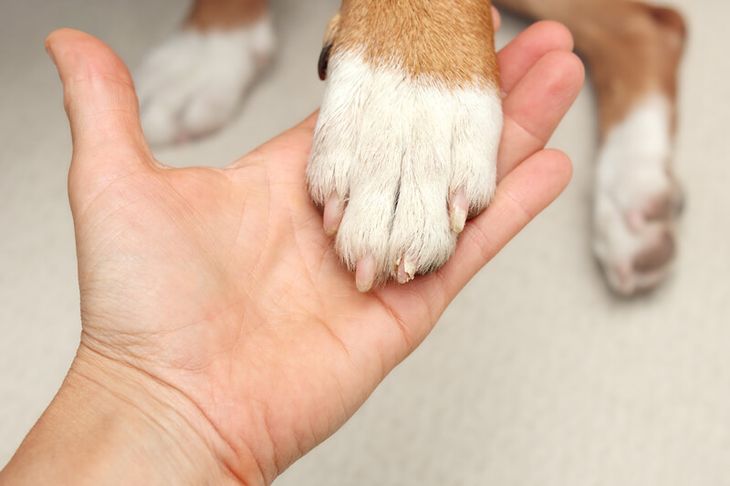
Successfully managing claw recovery at home requires a blend of proper medical hygiene and positive behavioral reinforcement.
First, you must create a quiet, stress-free space away from other family pets to perform daily wound care.
Begin by gently bathing the injured paw in a shallow bowl of lukewarm water mixed with a pet-safe antiseptic solution.
Avoid using harsh chemicals like rubbing alcohol or hydrogen peroxide, which can severely burn the raw tissue.
Pat the paw completely dry with a clean, lint-free microfiber towel to prevent trapping moisture near the wound.
Apply a thin, protective layer of veterinary-approved soothing balm to keep the exposed quick moist and comfortable.
Wrap the toe in a clean, non-stick gauze pad, then secure it with a light layer of self-adhering vet wrap.
Make sure the bandage is snug enough to stay on but loose enough that you can easily slip a finger underneath.
You must change this protective wrap daily to ensure the wound remains clean, dry, and free of unusual discharge.
During this healing phase, your dog may develop a strong aversion to anyone touching their paws due to residual sensitivity.
To overcome this, you should start a daily desensitization routine using high-value rewards like chicken or peanut butter.
Gently touch the healthy paws for just one second, then immediately reward your pet with a delicious positive reward.
Once your dog is comfortable with physical contact, you can slowly introduce safe grooming tools to their routine.
Using a loud, vibrating dremel tool for dog nail trimming can easily terrify an already sensitive pet.
The Zenpaw Maxpro Grinder operates with a whisper-quiet motor under forty decibels to prevent triggering grooming anxiety.
This ultra-quiet performance allows your dog to remain completely relaxed during their regular paw maintenance sessions.
When grinding, always hold the tool at a precise forty-five-degree angle to the natural curve of the claw.
Use short, gentle touches of no more than two seconds per claw to prevent friction heat from building up.
If your dog is highly energetic or resistant to standing still, a specialized setup can make the process much easier.
A supportive dog grooming hammock for nail trimming can safely suspend your pet to reduce struggling.
This suspension gently calms their nervous system and gives you full, safe access to all four paws at once.
Always inspect the clean bandage twice a day to ensure it has not become wet from grass or dew.
A wet bandage traps moisture, which quickly creates a breeding ground for yeast and bacterial infections.
If your dog must go outside to relieve themselves, cover the bandaged paw with a temporary plastic bag or rubber boot.
Remove the plastic covering as soon as they come back inside to allow the wound to breathe naturally.
During the desensitization process, never pull your hand away if your dog gently pulls their paw back.
Simply wait for them to relax, then try again with a softer touch and a tastier, high-value reward.
Overcoming Risks and Common Home Grooming Mistakes
Many well-meaning pet parents accidentally delay their dog’s recovery by making common, easily avoidable mistakes.
The most frequent error is using traditional, dull scissor-style clippers on cracked or healing claws.
Dull blades crush the hard keratin shell with immense pressure, causing microscopic fractures to spread upward.
This crushing force can easily reopen a healing wound or cause a split that reaches the highly sensitive quick.
Another major hazard is rushing through the recovery process and allowing your dog to run on hard surfaces too early.
It takes several weeks for the raw tissue to fully harden, and premature running can easily cause the injury to recur.
You must also resist the urge to apply cosmetic products to a healing or newly regenerated claw.
Applying decorative dog nail varnish to a raw claw can trap harmful bacteria against the skin.
These trapped pathogens can quickly cause deep bacterial infections that damage the root of the nail.
Keep all cosmetic polishes completely away from your dog’s paws until the claw has fully regenerated and hardened.
To avoid these dangerous grooming risks, switch to a progressive, stress-free filing method at home.
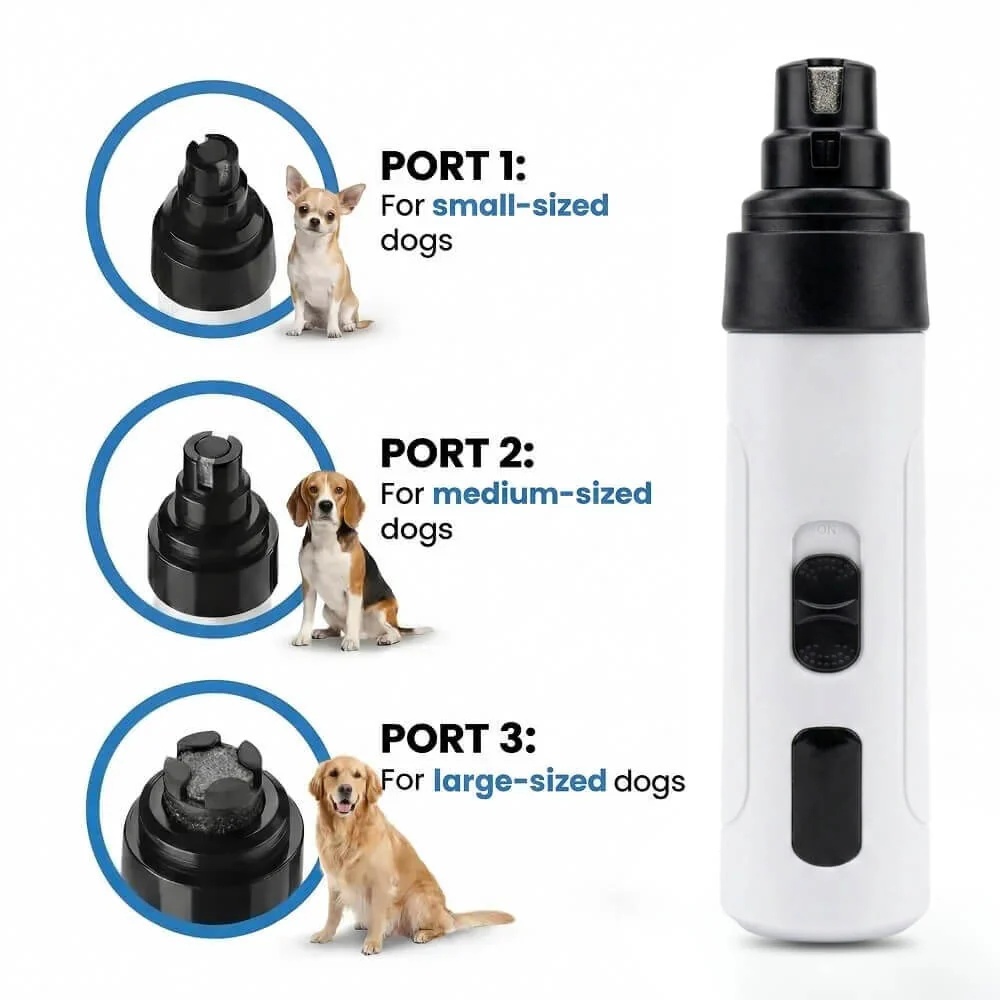
The Zenpaw Maxpro Grinder features dual-speed controls that allow you to file the claw down smoothly and safely.
Its heavy-duty diamond drum bit rotates smoothly without any jarring vibration or painful pinching action.
This smooth performance ensures the outer keratin layer remains strong, intact, and free of vertical splits.
Another common mistake is trying to clip a split claw using standard human nail clippers.
Human clippers are designed for flat surfaces and will violently crush the curved canine claw.
This crushing action can cause the split to travel straight into the quick, causing immediate, severe pain.
Always use tools designed specifically for canine anatomy to ensure safe, painless results.
The Zenpaw Maxpro is engineered specifically to work with the natural curve of your dog’s claws for maximum safety.
Dog Claw Recovery Comparison: Professional Tools vs. Home Methods
| Grooming Tool | Action Mechanism | Pain & Anxiety Risk Level |
|---|---|---|
| Traditional Guillotine Clippers | Crushes and slices with a single metal loop blade | High (prone to cutting the vascular quick and crushing the claw wall) |
| Heavy-Duty Scissor Clippers | Manual dual-blade scissor cut utilizing hand pressure | Medium (requires significant force, easily cracks brittle claws) |
| Zenpaw Maxpro 3-in-1 Grinder | Whisper-quiet high-speed diamond bit filing (<40dB) | Extremely Low (painless, gradual trimming with dual speeds) |
Frequently Asked Questions About Lost Dog Claws and Paw Care
Is the Zenpaw Maxpro Grinder safe for large dog breeds with thick claws?
Yes, the Zenpaw Maxpro is fully optimized to handle claws of all sizes and thicknesses.
It features three specialized ports designed to safely accommodate small, medium, and large dog breeds.
The heavy-duty diamond bit wheel provides ample power to file down even the toughest claws cleanly and quickly.
How long does the grinder battery last on a single charge?
The advanced lithium-ion battery offers up to seven hours of continuous grooming power on a single charge.
It is fully rechargeable using a standard USB cable, making it incredibly convenient for home or travel use.
This long run time ensures you can take your time during sessions without worrying about the battery dying.
Which speed setting is best for a dog recovering from a torn claw?
We strongly recommend using the low-speed setting when working near a recently healed nail bed.
The lower speed provides maximum precision and prevents accidental over-filing of the delicate new keratin.
Once the new claw has fully hardened and matured, you can easily transition to the high-speed setting.
Does the grinding wheel get hot during extended grooming sessions?
No, our advanced motor is engineered with specialized low-heat technology to prevent friction burns.
The whisper-quiet brass spindle is designed to remain cool even during long, multi-dog grooming sessions.
However, we still recommend lifting the grinding wheel every two seconds to ensure your dog remains completely comfortable.
How do I know if my dog’s torn claw is infected and needs emergency vet care?
You must monitor the injured toe daily for any signs of bacterial or yeast infection.
Common signs of infection include significant swelling of the toe, persistent redness, and a foul odor coming from the nail bed.
If you notice yellow or green discharge oozing from the wound, contact your veterinarian immediately.
Additionally, if your dog refuses to put any weight on the paw after forty-eight hours, they require a professional evaluation.
Prompt veterinary attention is essential to prevent the infection from spreading to the digital bone.
Transition to Safe, Stress-Free Paw Care
Ready to transform nail trimming from a battle into a breeze?
Explore the Zenpaw Maxpro 3-in-1 Grinder.
Call: 302-307-1000 — our team can help you advise on the best grooming practices and help with any product questions.