
I still remember the sheer panic of seeing my golden retriever limping across the kitchen, only to discover his dog nail bent sideways after getting caught in the sliding door track. My heart sank as he whined in pain, making me realize how desperately pet parents need a safe, stress-free grooming routine at home, which is why we created the Zenpaw Maxpro 3-in-1 Grinder to transform scary claw maintenance into a gentle, painless bonding experience.
Maxpro 3-in-1 Grinder.
Stress-Free Nail Trimming.
Whisper-quiet DC motor (<40 dB) eliminates fear & discomfort. Features 3 ports, dual speeds, and 7-hour battery life. Safe, precise, and painless.
In This Article
- What to Do: Emergency steps when you discover a dog nail bent sideways.
- Anatomy Explained: Understanding the delicate structure of the quick and keratin.
- Severity Checklist: Distinguishing between minor tears, dislocated toe joints, and deep splits.
- Home Care Protocol: Clean, disinfect, and manage bleeding safely without veterinary stress.
- Skeletal Posture: Why maintaining short claws protects your dog’s long-term skeletal health.
What Should You Do When a Dog Nail is Bent Sideways? Expert Guidance for Pet Parents
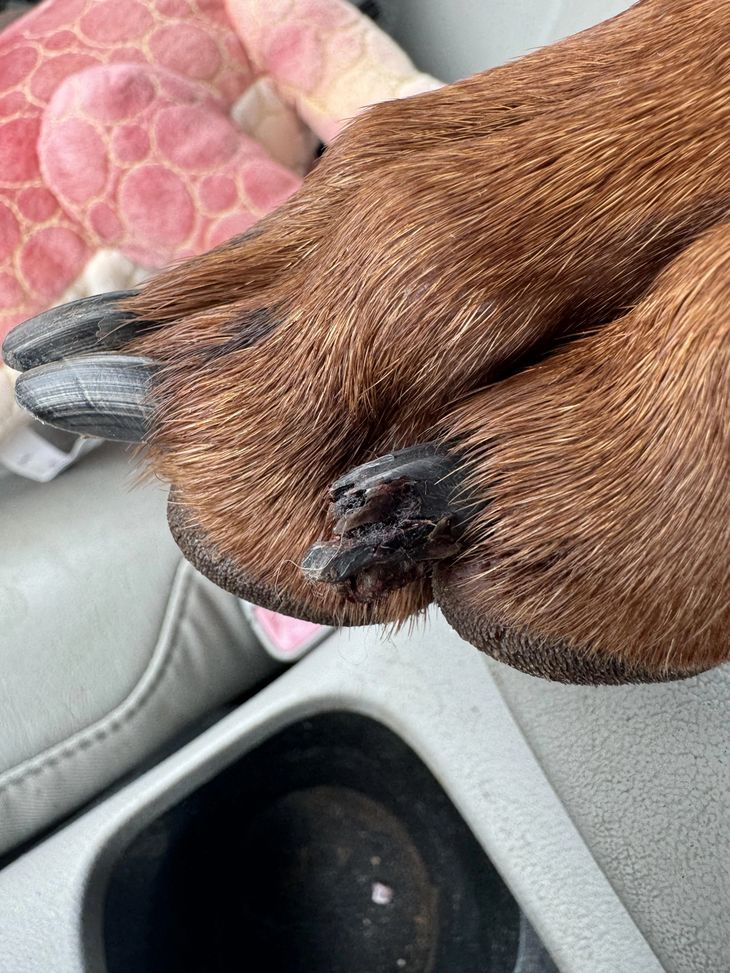
A dog nail bent sideways typically occurs when a canine’s claw snags on carpeting, upholstery, or outdoor brush, causing the keratin shell to twist away from its natural alignment.
This agonizing structural trauma frequently damages the highly sensitive quick, which is the vascular core of the nail containing rich blood vessels and nerve endings.
According to the American Kennel Club (AKC), active dogs and those with overgrown claws are highly susceptible to these painful injuries, which often require immediate first aid to prevent infection and joint misalignment.
When you first notice your companion limping or obsessively licking their paw, it is vital to assess the damage in a calm, quiet environment to determine whether the claw is merely fractured or if you are dealing with a more complex dog dislocated toe nail issue.
If you observe signs of extreme distress or structural deformity, stabilizing the paw at home is your primary objective before deciding on a veterinary consult.
To resolve a bent nail at home, you must first secure your dog gently to prevent sudden movements, then carefully inspect the affected claw for active bleeding or exposed bone.
If there is blood, apply firm pressure with a clean cloth or use a dedicated clotting agent to achieve rapid hemostasis.
Next, sanitize the area with a pet-safe antiseptic solution to wash away debris, and wrap the paw in a light, breathable bandage to protect the raw nail bed from environmental contaminants.
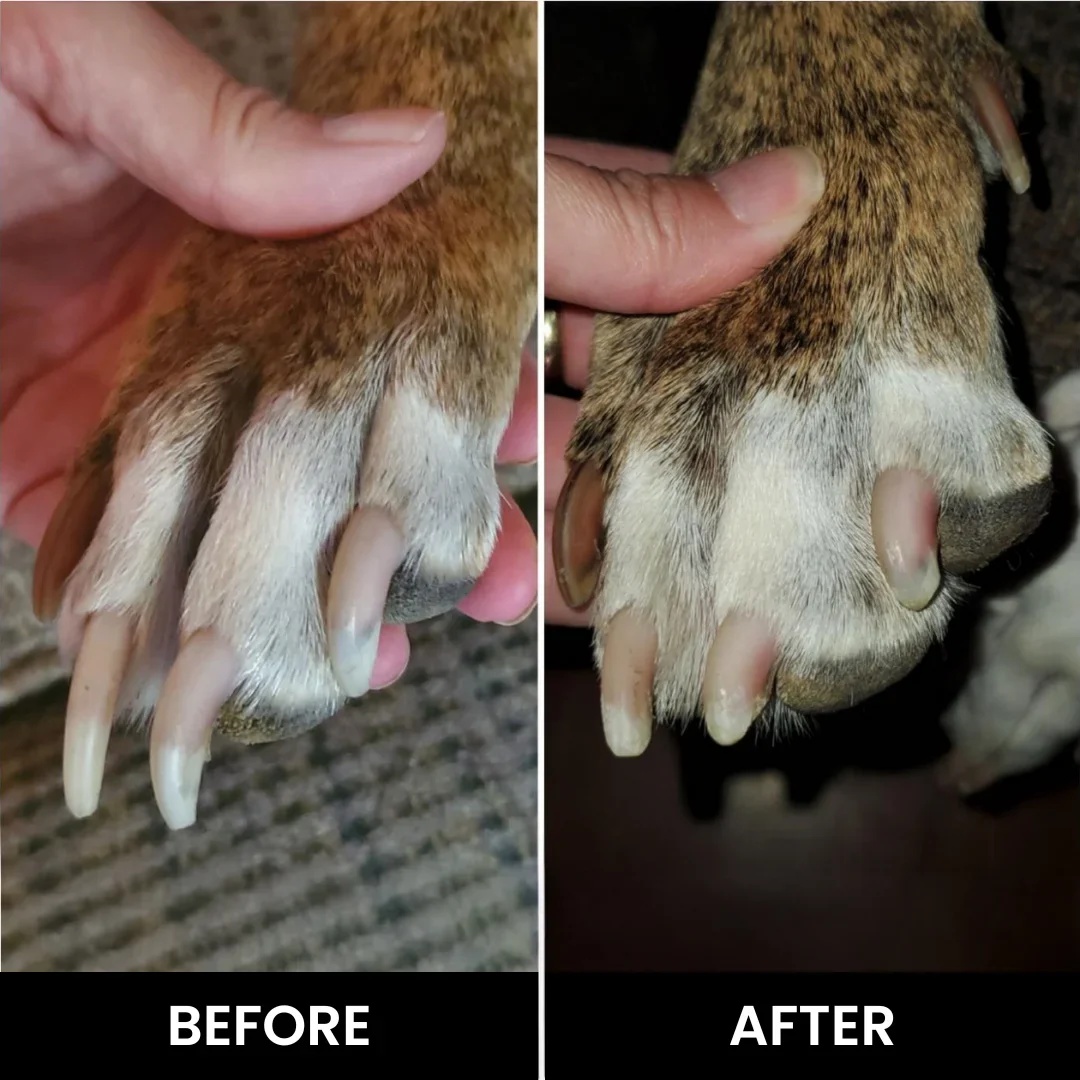
For minor splits where the nail is stable but jagged, you can gently file down the sharp edges to prevent further snagging on household surfaces.
If you want to handle this safely at home, the Zenpaw Maxpro Grinder provides painless, quiet filing — explore it here.
99-Day 100% Money-Back Guarantee
“Ever since we started using the Zenpaw Maxpro Grinder, it’s been such a peaceful experience. It’s very quiet, and my dog actually relaxes. It’s turned our stressful sessions into quick, quiet grooming times.”
— Sarah M. | ✔ Verified Customer
- ✓ Prevents Infection & Splitting
- ✓ Ideal for All Dog Sizes
- ✓ Low-Vibration Technology
- ✓ Fast 2-7 Days Delivery
Need Support? Call 302-307-1000
The Science of Canine Nail Anatomy: The Quick, Keratin, and the Risks of Sideways Bending

To properly manage a dog toenail bent sideways, one must understand the complex anatomy of the canine digit.
A dog’s claw consists of an outer keratinized shell that protects an inner vascular core known as the quick.
The quick is directly connected to the distal phalanx, which is the actual bone at the tip of the dog’s toe.
When a nail bends sideways, it puts tremendous leverage on this bone, potentially causing micro-fractures or joint stress.
This is why dogs express such intense pain when their nails are manipulated after an injury.
Furthermore, the quick contains sensory nerves that transmit immediate pain signals to the brain.
An untreated torn nail can easily lead to a dog nail bed infection, as bacteria from the ground can migrate up the damaged sheath.
If your canine companion is exhibiting signs of severe pain, you must handle the paw with extreme care.
Using traditional, crushing clippers on a compromised nail will only worsen the structural damage.
Our team at Zenpaw recommends a much gentler, progressive approach to smoothing out damaged nail walls.
By using a high-precision tool, you can slowly file away frayed edges without applying sudden, crushing forces to the raw nail bed.
Identifying the Severity: Is It a Torn Claw, a Split Nail, or a Dislocated Toe?
It is crucial for pet parents to distinguish between a simple broken nail and a deeper skeletal injury.
Sometimes, a nail that appears bent sideways is actually a symptom of a deeper dog dislocated toe nail.
You can check for this by observing the angle of the entire toe joint rather than just the claw itself.
If the toe joint is swollen, warm to the touch, or pointing in an unnatural direction, your dog requires veterinary attention.
Conversely, if the injury is isolated to the keratin shell, you may observe a crooked dog nail bleeding from the base.
In these cases, administering first aid at home is highly effective.
You should first clean the area thoroughly to inspect where the split begins.
If the split extends past the quick and into the paw pad, do not attempt to cut it yourself.
Trimming too close to the sensitive tissue can cause agonizing pain and trigger defensive behavior.
Instead, apply a stop dog nail bleeding home remedy to stabilize the bleeding before seeking professional help.
If the split is high up but clean, keeping the nail short and secure will allow it to grow out naturally over the next few weeks.
Managing a Crooked Dog Nail Bleeding at Home: A Step-by-Step Antiseptic Protocol
Dealing with a crooked dog nail bleeding can be a highly stressful experience for both you and your pet.
The first step is always to remain calm, as dogs can easily sense our anxiety and become more reactive.
Prepare your clean workspace with sterile gauze, warm water, pet-safe antiseptic, and a reliable clotting powder.
Gently apply pressure to the bleeding claw using a sterile gauze pad for at least two to three minutes.
If the bleeding does not stop with pressure alone, you should apply a generous amount of styptic powder directly to the wound.
You can also use a household alternative like cornstarch in a pinch, though it is less effective than professional-grade styptic agents.
Once the bleeding is controlled, wash the paw gently with diluted chlorhexidine or warm saline solution.
This helps eliminate dirt and bacteria that could cause a secondary dog nail bed infection.
Avoid using harsh rubbing alcohol or hydrogen peroxide, as these chemicals can damage healing tissues and cause intense burning.
After disinfecting, inspect the structural integrity of the remaining claw.
If the bent portion is dangling by a thread, it may need to be removed by a professional to prevent it from catching on things.
For nails that are stable but cracked, keeping them clean and protected is the best path to recovery.
To learn more about managing acute trauma, read our detailed guide on dog nail trauma care.
How to Trim and Care for Sensitive Paws: Step-by-Step Desensitization and Grinding Guide
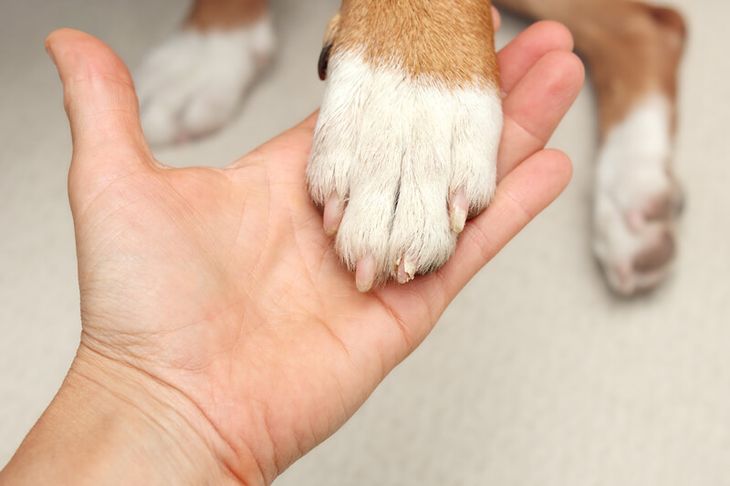
Caring for a dog with a healing or sensitive paw requires patience, trust, and the right tools.
If your dog is terrified of nail trims, you must implement a gradual desensitization protocol.
Start by placing the Zenpaw Maxpro 3-in-1 Grinder on the floor near your dog without turning it on.
Reward your dog with high-value treats every time they sniff or look at the tool.
Once they are comfortable with its physical presence, turn on the whisper-quiet motor while keeping it at a distance.
Because the Zenpaw Maxpro operates at an ultra-quiet level under 40 decibels, most anxious dogs adapt to its hum within a single session.
Gently touch your dog’s shoulder or leg with the vibrating handle of the grinder to get them used to the tactile sensation.
When they remain relaxed, you can begin the actual grooming process on the uninjured paws first.
Hold the dog’s toe firmly but gently, separating the target nail from the surrounding fur.
Hold the grinder at a precise 45-degree angle to the tip of the nail.
Apply light, pulsing pressure for no more than two to three seconds per nail.
This prevents heat buildup and ensures a smooth, rounded finish.
By avoiding the crushing pressure of traditional clippers, you protect the sensitive quick of the dog nail.
For dogs with dark claws, you can easily read about how to identify the internal structure in our guide on trimming dog nails black safely.
Regular, gentle maintenance is the key to preventing the overgrowth that leads to bent and broken claws in the first place.
By incorporating the Zenpaw Maxpro into your bi-weekly routine, you can easily keep dog nails short without clipping, entirely eliminating the risk of painful cracks.
Overcoming Common Grooming Risks: Why Traditional Clippers Can Worsen a Bent Pet Claw Cut
Many pet owners make the mistake of rushing to clip a damaged nail with standard guillotine-style clippers.
This approach often leads to a jagged bent pet claw cut that splits even further up the nail shaft.
Traditional clippers work by applying tremendous lateral pressure to squeeze and sever the hard keratin wall.
If the nail is already weakened or bent sideways, this crushing force can shatter the remaining structure.
This not only exposes the sensitive quick but can also cause excruciating pain, shattering your dog’s trust in the grooming process.
A high-quality rotary grinder, on the other hand, files the nail down progressively and smoothly.
It allows you to work in micro-layers, giving you ultimate control over how much nail material you remove.
This gradual approach is especially important when dealing with thick, brittle claws that are prone to splintering.
Another common mistake is failing to sanitize grooming tools between uses, which can introduce harmful pathogens to a fresh wound.
Our team at Zenpaw recommends wiping down the grinding wheel with an isopropyl alcohol wipe after every session.
Furthermore, never pull or yank on a nail that is bent sideways, as this can severely damage the delicate nail bed.
If a piece of the nail is hanging loosely and causing distress, seek assistance from a certified groomer or veterinarian.
The Hidden Danger of Neglecting Overgrown Claws: Postural Issues and Toe Alignment
Leaving your dog’s nails to grow excessively long does far more than just ruin your carpets.
As the claws grow longer, they begin to contact the ground with every single step your dog takes.
This constant physical contact forces the toe bones into an unnatural upward angle, altering the mechanics of the entire foot.
Over time, this continuous skeletal shift can cause permanent joint alignment issues in the wrists and elbows.
Furthermore, your dog will naturally adjust their posture to compensate for the discomfort, putting undue stress on their spine.
Older dogs are especially vulnerable to this skeletal pressure, as it can worsen pre-existing arthritis.
Keeping nails short allows the paws to make natural, flat contact with the ground.
This supports healthy muscle development and protects long-term joint health.
Regular grinding is the easiest way to prevent these postural issues from developing.
By spending just a few minutes every week filing down the tips, you save your dog from chronic physical stress.
Comparison Matrix: Home First Aid vs. When to Visit the Emergency Vet
Knowing when to manage a bent nail at home versus when to rush to the clinic is essential for your peace of mind.
The following comparison matrix outlines standard scenarios to help you make a safe, informed decision.
| Injury Scenario | Primary Action Required | Groomer Recommendation |
|---|---|---|
| Minor split at the tip, no bleeding | Home filing and monitoring | Safe to smooth with Zenpaw Maxpro Grinder |
| Active bleeding, claw bent sideways at base | Apply pressure, styptic powder, sanitize | Filing after bleeding stops to prevent snagging |
| Exposed bone or deep flesh tear at pad | Emergency veterinary consultation | Do not attempt home trimming; bandage loosely |
| Toe joint swollen, warm, pointing sideways | Veterinary evaluation for joint dislocation | Suspected dislocated toe joint; do not manipulate claw |
Always err on the side of caution if your dog exhibits signs of extreme shock or defensive aggression.
Your pet’s safety and comfort must always remain your top priority.
Frequently Asked Questions About Dog Nail Trauma and Safe Grooming
Is the Zenpaw Maxpro Grinder safe for large dog breeds with thick claws?
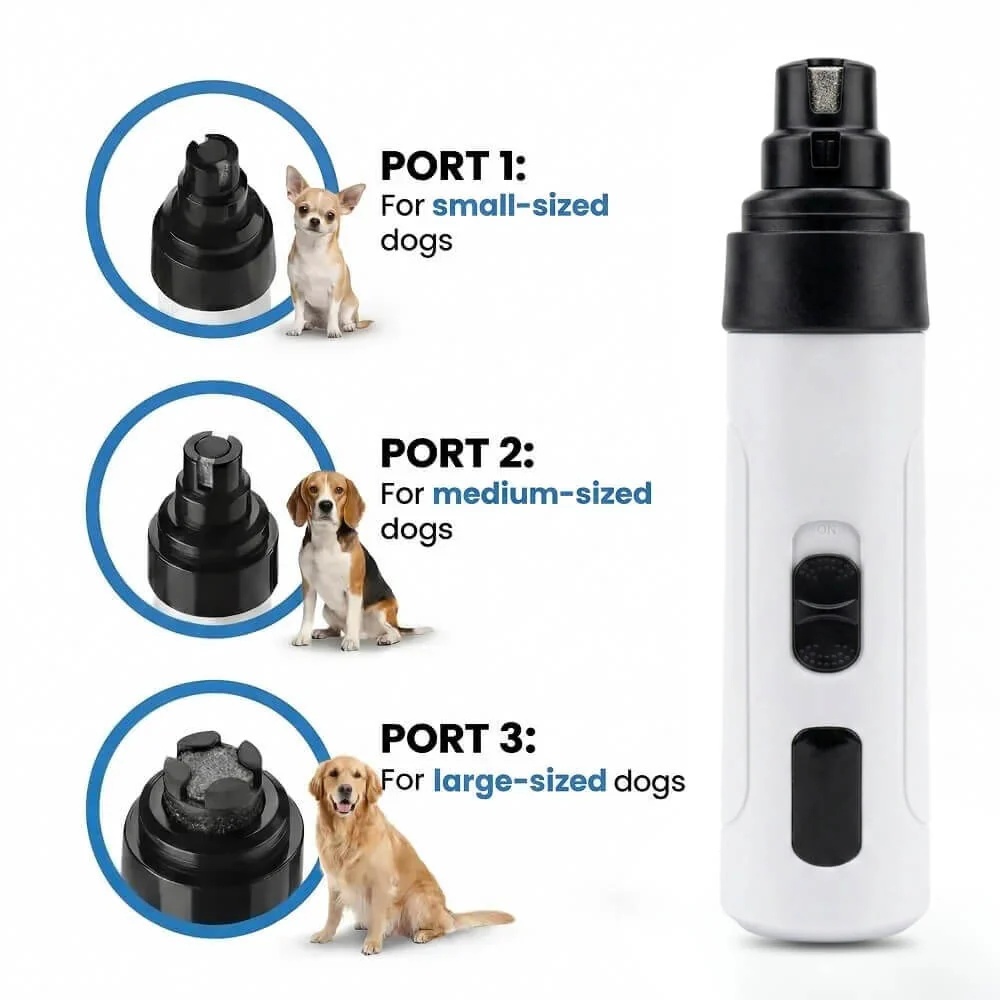
Yes, the Zenpaw Maxpro is engineered with three specialized ports to accommodate dogs of all sizes.
The small and medium ports are perfect for delicate puppy claws and smaller toy breeds.
The wide, open port is specifically designed for the thick, stubborn claws of larger breeds like Labradors, German Shepherds, and Great Danes.
With its powerful dual-speed motor, it can easily grind down even the toughest keratin walls without stalling or slowing down.
How long does the battery last on a single charge?
The Zenpaw Maxpro Grinder features an upgraded lithium-ion battery that delivers up to seven hours of continuous runtime.
It is completely USB-rechargeable, allowing you to charge it using a standard wall adapter, laptop, or power bank.
This long-lasting battery life means you can perform multiple stress-free grooming sessions before needing a recharge.
It also eliminates the frustration of corded devices that restrict your movement and scare your pet.
Which speed setting is best for grooming an anxious dog?
We recommend starting on the low-speed setting when introducing the grinder to an anxious or sensitive dog.
The low speed minimizes vibration and noise, helping your dog remain calm and cooperative.
Once your dog is comfortable with the sensation, you can switch to the high-speed setting for faster, more efficient filing.
Always alternate between nails to allow each claw to cool down during the process.
Does the grinding tip get hot during use?
The Zenpaw Maxpro is designed with advanced low-heat technology to prevent excessive thermal buildup.
Traditional rotary tools can overheat rapidly, causing a painful burning sensation on the dog’s nail.
Our specialized diamond bit grinder dissipates heat efficiently, ensuring a comfortable experience.
However, we still recommend keeping each contact session to under three seconds to guarantee maximum comfort.
Conclusion: Reclaim a Stress-Free Grooming Routine Today
Caring for a bent nail is highly manageable with patience and safe tools.
Ready to transform nail trimming from a battle into a breeze?
Explore the Zenpaw Maxpro 3-in-1 Grinder today.
Call: 302-307-1000 — our team can help you advise on the best grooming practices and help with any product questions.
Note: Individual results may vary depending on individual dog breeds, nail thickness, and behavioral temperaments. This article is intended for general pet grooming reference purposes only and does not replace professional veterinary advice.