
I still remember the sheer panic when my sweet retriever yipped in pain, only to look down and see his dog nail bleeding at base after a clumsy slip on our hardwood floor. The sight of blood pooling around his paw sent my heart racing, and I realized how terrifyingly easy it is to damage those delicate quicks. That stressful afternoon led our team to design the Zenpaw Maxpro Grinder, a whisper-quiet solution to protect our dogs’ paws from grooming trauma.
Maxpro 3-in-1 Grinder.
Stress-Free Nail Trimming.
Whisper-quiet DC motor (<40 dB) eliminates fear & discomfort. Features 3 ports, dual speeds, and 7-hour battery life. Safe, precise, and painless.
In This Article
- Immediate Action Plan: Learn the exact steps to manage a bleeding nail bed safely at home.
- Canine Anatomy Decoded: Understand how the quick and nail structure impact injuries.
- Veterinary Criteria: Discover when a broken nail requires professional medical intervention.
- Stress-Free Trimming: Transition from dangerous clippers to safe, whisper-quiet grinding.
What Should You Do When Your Dog’s Nail is Bleeding at the Base? An Expert Explains
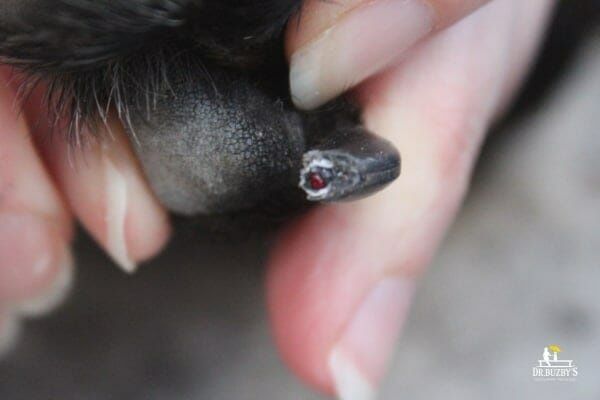
Seeing a dog nail bleeding at base can instantly panic any pet parent.
This specific type of injury occurs when the outer protective shell of the nail splits or breaks away, directly exposing the highly sensitive inner quick at the very cuticle line.
Because this area contains a dense concentration of blood vessels and active nerve endings, even a tiny nick can result in surprisingly heavy bleeding and intense discomfort for your pet.
The incident usually happens when a dog catches their claw on carpet, rough terrain, or during a stressful grooming session with traditional clippers.
Understanding how to handle this situation immediately at home ensures your dog remains calm and prevents dangerous bacteria from entering the open wound.
By acting quickly with the right pressure techniques and soothing agents, you can protect the delicate tissue and prevent further trauma to the paw.
Many dog owners struggle to find the source of the bleeding because of thick fur or dark nail coloration hiding the actual base injury.
It is crucial to remember that your dog is not reacting to the blood itself but to the sudden throbbing pain of the exposed nerve endings.
Remaining calm is your most powerful tool because your pet looks directly to you for reassurance during high-stress moments.
Let us look closely at how you can safely stop the bleeding and restore peace to your home in just a few simple steps.
To manage this injury at home, first secure your dog in a calm, well-lit room to assess the damage safely.
You may need someone to assist you by gently holding your dog’s head and offering comforting treats while you focus on the injured paw.
Apply direct, firm pressure to the bleeding nail using a clean cloth or sterile gauze for at least two full minutes without lifting it to check.
If the bleeding continues, pack the tip of the nail bed with professional styptic powder, cornstarch, or baking flour to help the blood clot quickly.
Avoid using harsh pressure that could cause the split in the keratin sheath to travel further down into the skin.
Once the bleeding stops, wrap the paw loosely in a clean bandage to keep your dog from licking the sensitive area and restarting the blood flow.
Monitor your pet’s behavior closely over the next twenty-four hours to ensure they do not put excessive weight on the injured limb.
Keep your dog resting quietly on a soft surface for several hours to allow the newly formed clot to stabilize completely.
Inspect the nail bed periodically to ensure the bleeding has not resumed after minor movements or bathroom breaks.
If you want to handle your pet’s nail care safely at home and prevent these stressful injuries, the Zenpaw Maxpro Grinder provides painless, quiet filing — explore it here.
99-Day 100% Money-Back Guarantee
“Ever since we started using the Zenpaw Maxpro Grinder, it’s been such a peaceful experience. It’s very quiet, and my dog actually relaxes. It’s turned our stressful sessions into quick, quiet grooming times.”
— Sarah M. | ✔ Verified Customer
- ✓ Prevents Infection & Splitting
- ✓ Ideal for All Dog Sizes
- ✓ Low-Vibration Technology
- ✓ Fast 2-7 Days Delivery
Need Support? Call 302-307-1000
Understanding Canine Nail Anatomy: The Hidden Danger of a Broken Dog Nail at the Base

Decoding the Anatomy of the Quick and Outer Shell
A dog’s claw is far more complex than a human fingernail.
The outer layer consists of a hard, protective sheath made of durable keratin.
Inside this hard keratin shell lies the quick, a living tissue containing blood vessels and extremely sensitive nerve endings.
The quick is directly connected to the distal phalanx, which is the last bone of the toe.
When a broken dog nail at base occurs, it represents an exposed bone-level nerve pathway.
This anatomical connection is why a base-level injury is significantly more painful than a simple tip break.
In some severe cases, a complete break can lead to a painful dog nail falling off entirely.
The quick also helps regulate blood circulation within the paw and provides sensory feedback during walking.
When the outer keratin is compromised, these vital biological systems are immediately disrupted.
Our team at Zenpaw emphasizes that understanding this anatomy is the first step toward stress-free paw care.
Why a Dog Nail Broken at the Base Bleeds So Heavily
The blood vessels inside the quick are supplied by main arterial branches running down the leg.
When the nail sheers off near the skin line, these blood vessels lose their protective keratin support.
Without support, the vessels expand under blood pressure, causing rapid and dramatic bleeding.
This heavy flow can make a broken dog toenail at the base look like a major medical emergency.
Dogs with naturally brittle dog nails are especially prone to these traumatic vertical splits.
Because the claw cannot retract like a cat’s, every step your dog takes puts direct pressure on this highly vascularized zone.
This constant pressure prevents stable clots from forming without immediate human intervention.
Additionally, the constant flexing of the toe joint stretches the torn tissue and breaks open healing wounds.
This cyclical bleeding pattern can become highly distressing for both you and your pet over several days.
Using safe, modern grooming tools helps maintain structural nail integrity and prevents these sudden painful breaks.
The Crucial Steps to Prevent Infection in a Dog Nail Bed Injury
Identifying a Dog Nail Bed Swollen from Infection
The warm, moist crevices of a dog’s paw are breeding grounds for microscopic organisms.
When a dog nail bed injury occurs, the natural barrier against these pathogens is completely destroyed.
If bacteria enter the exposed quick, they can quickly travel up into the toe joint.
You must monitor the paw closely for signs of a dog nail bed swollen or hot to the touch.
Common symptoms of localized infection include persistent limping, excessive licking, and a distinct foul odor coming from the paw.
A chronic dog nail sore that oozes clear or cloudy discharge requires professional veterinary evaluation.
Left untreated, deep nail bed infections can lead to osteomyelitis, a dangerous bone infection.
The swelling may spread to surrounding digits, causing generalized paw pain and systemic lethargy in your dog.
Early detection of these warning signs allows you to seek veterinary support before the infection spreads.
Proactive cleaning and proper grooming are your best defenses against these painful complications.
Safe Sanitizing and Protection Protocols
Never use harsh chemicals like rubbing alcohol or hydrogen peroxide on an open nail quick.
These substances damage the delicate, exposed cells and significantly delay the healing process.
Instead, flush the injured paw with lukewarm water or a diluted, pet-safe chlorhexidine solution.
Gently pat the area dry with a sterile lint-free towel without rubbing the raw tissue.
Apply a thin layer of veterinarian-approved antiseptic ointment to protect the open quick from dirt.
Cover the paw with a clean, breathable sock or a veterinary wrap to prevent your dog from self-trauma.
Change this protective wrapping daily and inspect the tissue for any signs of worsening inflammation.
Make sure the wrap is not too tight, as restricting circulation can lead to severe tissue damage.
If your dog continuously bites at the bandage, a temporary recovery collar may be necessary.
Keeping your dog calm during this recovery phase prevents the physical stress that can reopen the fragile wound.
Grooming Without Fear: How to Transition Your Dog to a Safety-First Nail Grinder
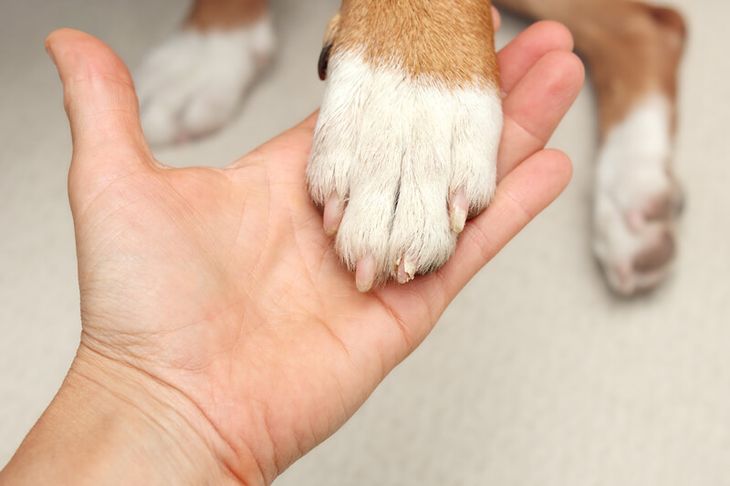
The 4-Step Desensitization Method
Many dogs develop intense grooming anxiety after experiencing a painful quicking incident.
To rebuild trust, you must introduce new grooming tools slowly and with plenty of positive reinforcement.
Start by placing the Zenpaw Maxpro Grinder on the floor turned off, letting your dog sniff it voluntarily.
Reward your dog with high-value treats every time they show curiosity or approach the tool calmly.
Next, turn the grinder on its lowest speed while holding it a few feet away from your pet.
The whisper-quiet motor of the Zenpaw Maxpro operates under 40 decibels to ensure it does not startle sensitive ears.
Once your dog is comfortable with the sound, gently touch the vibrating handle to their shoulder to introduce the sensation.
Slowly work your way down to the paws over several short, stress-free sessions.
For highly anxious pets, consulting resources on dog nail clipping sedation can help you safely manage extreme stress under veterinary guidance.
Patience is the ultimate key to transforming nail care from a terrifying chore into a quiet bonding routine.
Mastering the 45-Degree Grinding Angle
Holding your grooming tool at the correct angle is crucial for a safe and pain-free trim.
Always hold the Zenpaw Maxpro Grinder at a precise 45-degree angle relative to the natural curve of the nail.
This angle allows you to gently file away the sharp outer keratin without putting direct pressure on the quick.
Apply light, brief pressure for no more than two to three seconds at a time on a single nail.
This technique prevents heat buildup, which can cause discomfort even if you do not touch the quick.
Work in quick, sweeping motions to round out the edges of the nail smoothly.
Using this methodical approach ensures you never take off too much nail structure at once.
It also allows you to monitor the nail face closely to see when to stop filing.
Your dog will quickly learn to relax when they realize the process is completely painless.
Regular weekly touch-ups keep the quick naturally receded, making future trims even easier.
Ditching the Blades: Why Traditional Clippers Often Cause Paw Trauma
The Hidden Hazards of Metal Blades
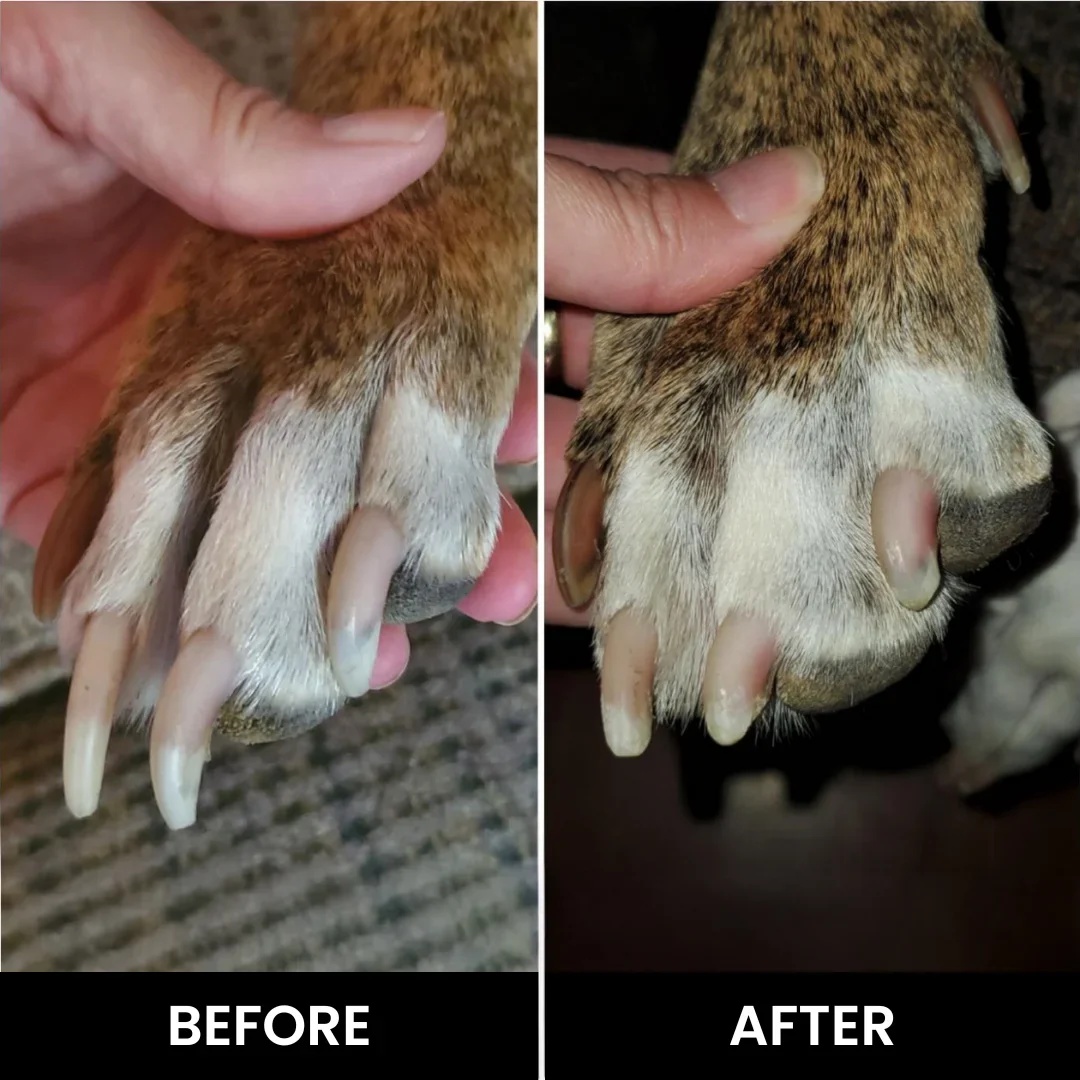
Traditional dog clippers function by applying immense crushing force to sever the tough keratin sheath.
This sudden, violent impact often crushes the sensitive nail flat before the blade finally cuts through.
This crushing action can cause painful micro-fractures along the entire shaft of the claw.
These invisible cracks leave the nail vulnerable to splitting wide open later during normal play.
Using heavy-duty metal blades also makes it incredibly easy to misjudge where the quick begins.
For those using heavy duty dog nail clippers, the lack of visibility often leads to accidental quicking.
Similarly, using guillotine dog nail clippers can blindside pet owners because the blade blocks the view of the cut line.
These physical risks explain why so many dogs struggle, whine, and try to escape during nail care sessions.
A single bad experience with a blade can ruin your dog’s cooperation for years to come.
Moving away from these aggressive cutting mechanisms is the safest decision for your pet’s paw health.
The Gradual Grinding Alternative
Filing down claws gradually completely eliminates the stressful risk of sudden cuts.
A high-quality rotary grinder lets you shave off paper-thin layers of keratin with absolute control.
As you get closer to the quick, you will see a small dark dot appear in the center of the nail.
This visual cue is your safety signal to stop grinding before any bleeding can occur.
This level of precision is virtually impossible to achieve when using traditional scissor-style tools.
Grinding also smooths out rough edges, preventing the claw from snagging and tearing on fabrics.
This dual benefit keeps your furniture safe and protects your pet from catching their claws outdoors.
By switching to a modern rotary tool, you actively protect your pet from the trauma of split nail beds.
Our team at Zenpaw designed our technology specifically to give pet parents this life-changing peace of mind.
Embracing this safer alternative will completely transform your pet’s emotional response to paw maintenance.
Frequently Asked Questions About Managing Paw Injuries and Safe Trimming
Is the Zenpaw Maxpro Grinder safe for large dog breeds with thick claws?
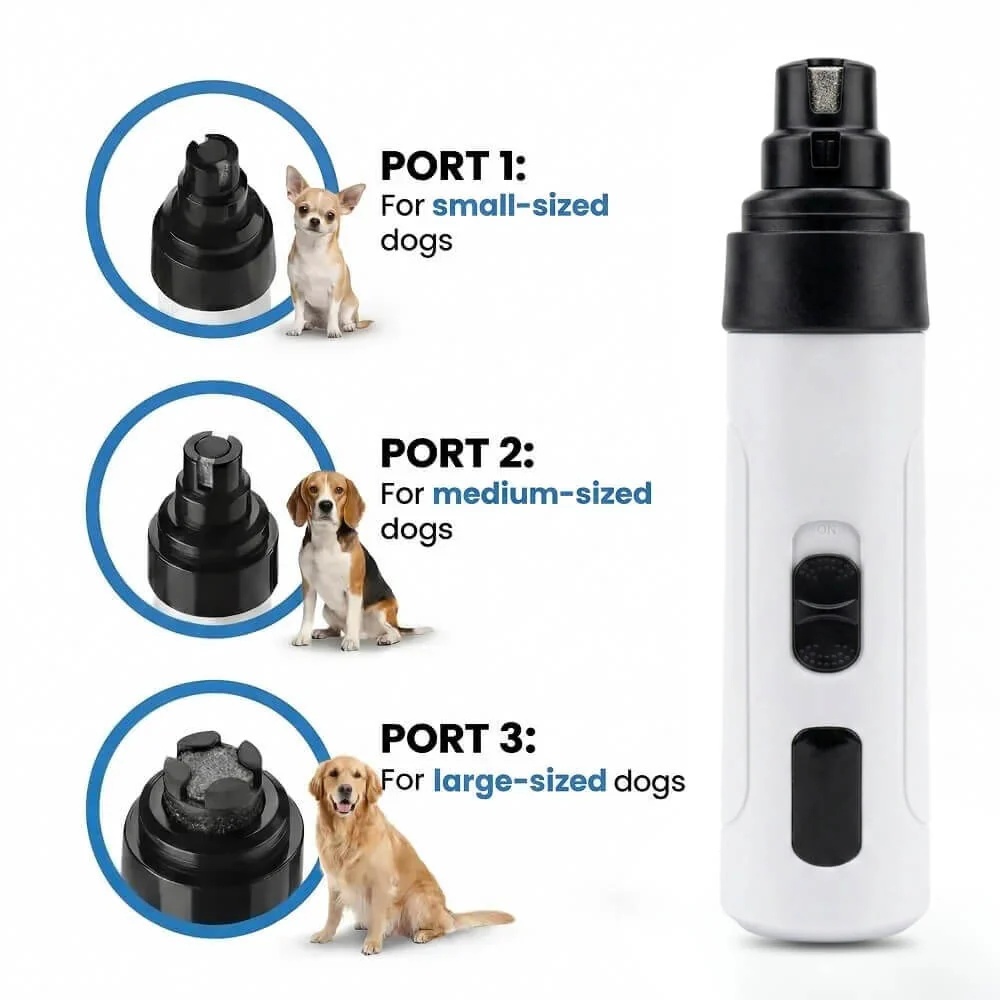
Yes, the Zenpaw Maxpro features three distinct grooming ports designed to accommodate dogs of all sizes.
The small and medium ports are perfect for tiny puppies or fine dewclaws.
The wide, open-face port is engineered specifically to handle the thickest claws of large breeds safely.
Our high-torque motor provides consistent power to file down dense keratin without stalling under pressure.
Large breeds often have highly sensitive paws, making our quiet operation even more beneficial for them.
You can easily glide the grinding wheel over large nail surfaces without causing uncomfortable vibrations.
This makes the tool exceptionally versatile for multi-pet households with varying breed sizes.
Many owners of giant breeds report that this is the first tool that effectively trims thick nails without stress.
How long does the battery last on a single charge?
The Zenpaw Maxpro is equipped with an advanced, long-lasting lithium-ion battery.
It delivers up to seven hours of continuous grooming power on a single full USB charge.
This exceptional battery life means you can easily groom multiple pets without needing to recharge.
A convenient battery indicator light lets you know exactly when it is time to plug it back in.
This cordless design gives you the ultimate freedom to groom your dog anywhere they feel most comfortable.
You do not have to worry about finding an electrical outlet or managing tangles from annoying power cords.
The USB charging compatibility also means you can easily power up the tool using a laptop, phone block, or car port.
It is the perfect, low-maintenance companion for home grooming or travel with your pet.
Which speed setting should I use for an anxious dog?
We recommend starting on the low-speed setting to allow your anxious pet to adjust to the sensation.
The low speed minimizes both sound and vibration, making it highly comforting for sensitive dogs.
Once your dog shows relaxed body language, you can transition to the high-speed setting for faster filing.
This dual-speed versatility allows you to customize every grooming session to your pet’s comfort level.
You should always let your dog’s behavioral cues guide when to increase the motor speed.
If they pull their paw away, simply drop back down to the quieter low speed immediately.
This responsiveness helps build your dog’s confidence and teaches them that they are safe in your hands.
Over time, most pets grow so comfortable that the higher speed becomes the standard choice.
Does the grinder get hot during extended use?
The Zenpaw Maxpro uses innovative low-heat technology to keep the grinding head cool.
This prevents the painful thermal transfer that often occurs with cheap, high-friction pet tools.
We still recommend moving from nail to nail to ensure your dog remains completely comfortable.
This safety practice guarantees a pleasant, worry-free grooming experience for you and your beloved pet.
Taking brief breaks between paws also gives you a chance to reward your dog with praise.
The advanced grinding stone is engineered to dissipate heat quickly and efficiently during long sessions.
This high-grade material ensures that the surface contact remains comfortable against delicate claws.
You can trust that our design prioritizes your dog’s physical comfort from the first nail to the last.
Conclusion
Caring for a bleeding nail is stressful, but the right tools make preventative care simple.
Ready to transform nail trimming from a battle into a breeze?
Explore the Zenpaw Maxpro 3-in-1 Grinder.
Call: 302-307-1000 — our team can help you advise on the best grooming practices and help with any product questions.
Note: Individual results may vary depending on individual dog breeds, nail thickness, and behavioral temperaments. This article is intended for general pet grooming reference purposes only and does not replace professional veterinary advice.