I remember the sheer panic I felt when I first noticed a dog nail curled into paw pad on my rescue pup, Buster, as he limped across the hardwood floor. Lifting his heavy paw revealed a thick, circular claw digging deeply into his soft skin, leaving us both feeling stressed and helpless. Traditional clippers felt too risky, but we discovered a gentle, whisper-quiet way to restore his comfort and reclaim peaceful grooming sessions forever.
Maxpro 3-in-1 Grinder.
Stress-Free Nail Trimming.
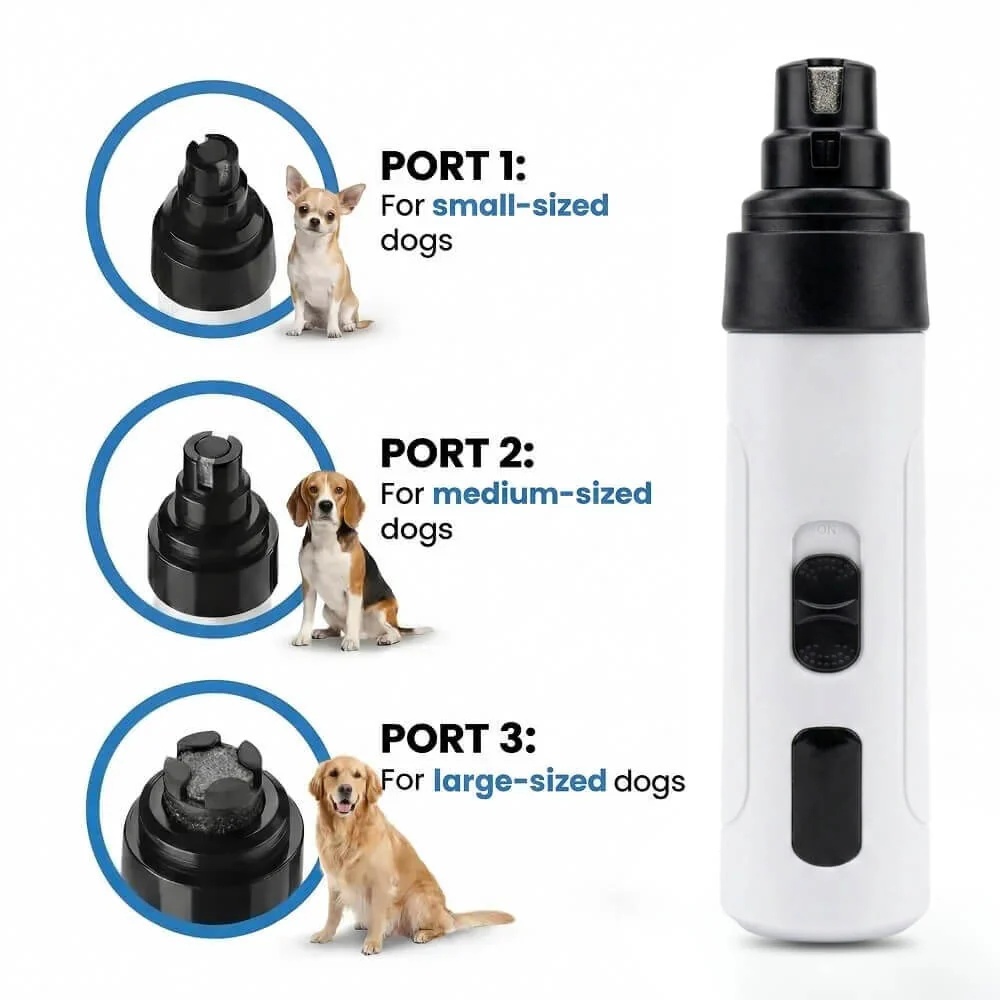
Whisper-quiet DC motor (<40 dB) eliminates fear & discomfort. Features 3 ports, dual speeds, and 7-hour battery life. Safe, precise, and painless.
In This Article
- ✔Evaluating Paw Safety: Learn how to spot when a dog nail is growing into the pad.
- ✔Locating the Sensitive Quick: Step-by-step guidance on identifying live blood vessels.
- ✔Stress-Free Trimming Protocols: Expert grooming techniques for highly anxious pets.
- ✔Preventative Maintenance Habits: How to stop severe overgrowth and circular curling before it starts.
How to Handle a Dog Nail Curled Into Paw Pad Safely?
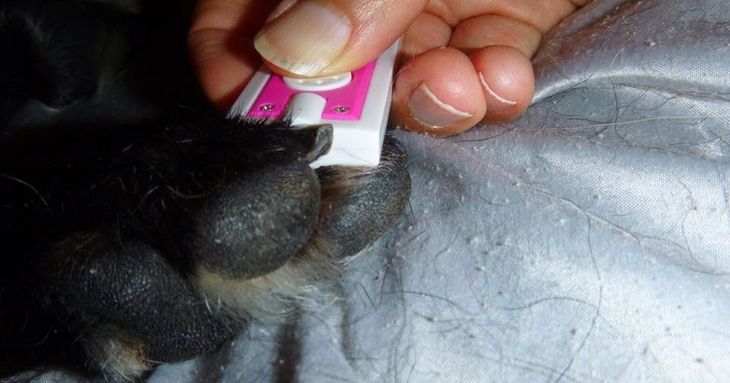
When you discover a dog nail curled into paw pad, it is crucial to remain calm and assess the situation systematically.
This structural issue occurs when a canine’s dewclaw or regular claw grows continuously without being worn down by rough surfaces like concrete.
Every pet parent needs to know that this condition typically impacts senior dogs, less active pups, and breeds with non-contact dewclaws.
You can find this issue during routine weekly paw inspections, which should be conducted in a highly illuminated room.
Addressing this problem promptly is essential because a looping claw will eventually pierce the delicate tissue of the pad, causing intense discomfort.
Left untreated, the constant pressure of the nail forces the dog to shift its body weight, causing joint misalignment.
To safely resolve this at home, you must gather specialized tools like a dog nail trimmer with light to avoid hurting your pet.
You should only attempt this home remedy if the nail is simply resting against the pad rather than being deeply embedded.
If the claw has already punctured the skin and is weeping fluid, you must seek professional care to prevent systemic infections.
By learning how to handle this calmly, you can save your pet from unnecessary discomfort and expensive clinic visits.
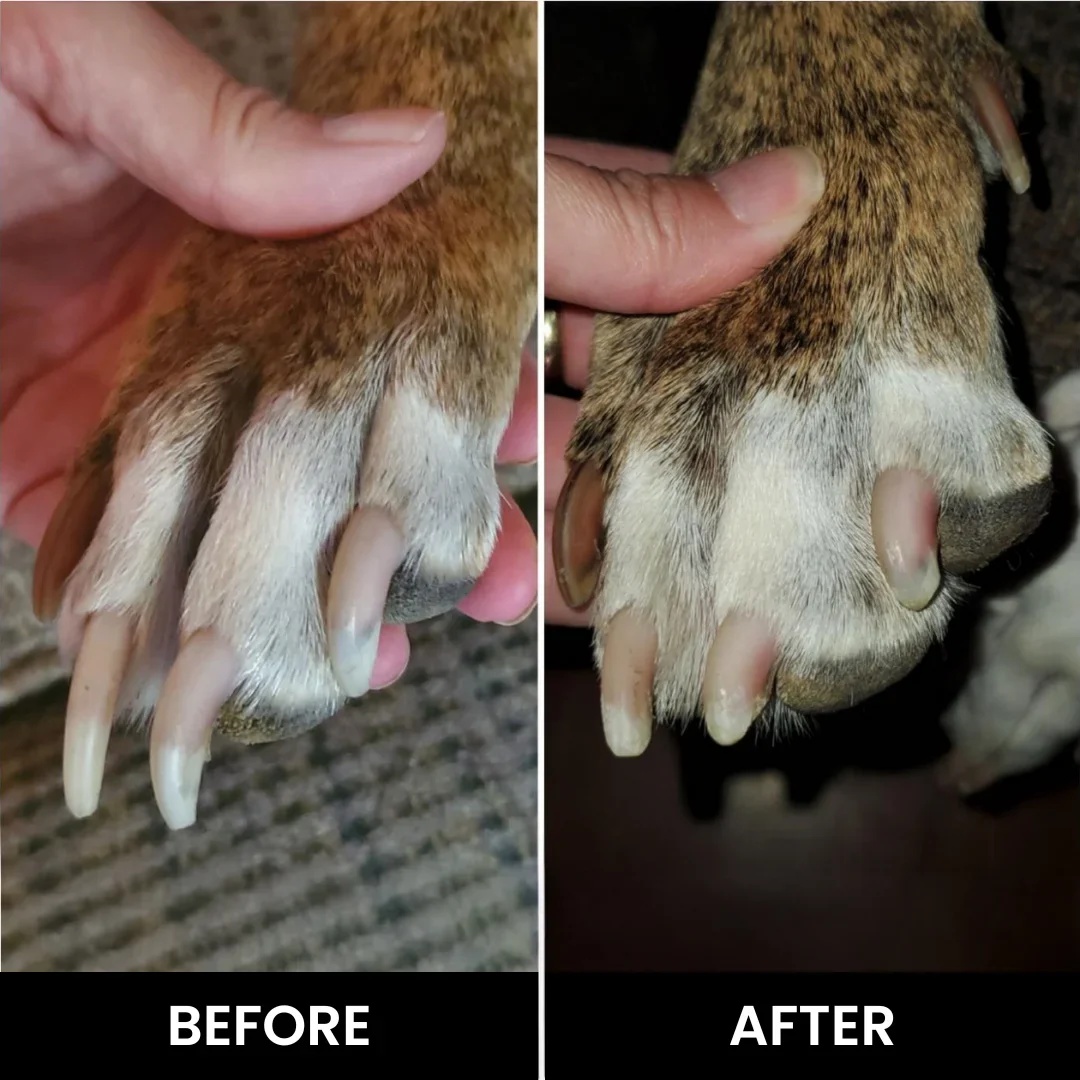
To fix this curling issue safely at home, you must follow a slow, incremental trimming method.
First, secure your dog in a comfortable position where they feel completely safe and supported.
Use your non-dominant hand to gently separate the affected toe from the rest of the paw structure.
This separation helps you see the exact path of the loop and locate the sensitive blood vessel known as the quick.
Position your cutting tool at the very tip of the curved claw, keeping it far away from the pad skin.
Make a tiny, precise cut at a 45-degree angle to immediately break the continuous loop of keratin.
Breaking this loop instantly relieves the crushing tension that has been pressing against the sensitive paw pad.
Once the initial pressure is gone, you can begin filing down the remaining sharp edges gradually.
Never try to cut the entire excess nail off in one single, aggressive clip because this can split the nail bed.
Using a high-quality professional nail grinder for dogs allows you to smooth out the claw gently without any painful pinching.
If you want to handle this safely at home, the Zenpaw Maxpro Grinder provides painless, quiet filing — explore it here.
99-Day 100% Money-Back Guarantee
“Ever since we started using the Zenpaw Maxpro Grinder, it’s been such a peaceful experience. It’s very quiet, and my dog actually relaxes. It’s turned our stressful sessions into quick, quiet grooming times.”
— Sarah M. | ✔ Verified Customer
- ✓ Prevents Infection & Splitting
- ✓ Ideal for All Dog Sizes
- ✓ Low-Vibration Technology
- ✓ Fast 2-7 Days Delivery
Need Support? Call 302-307-1000
Understanding Canine Nail Anatomy: The Mechanics of the Curled Claw
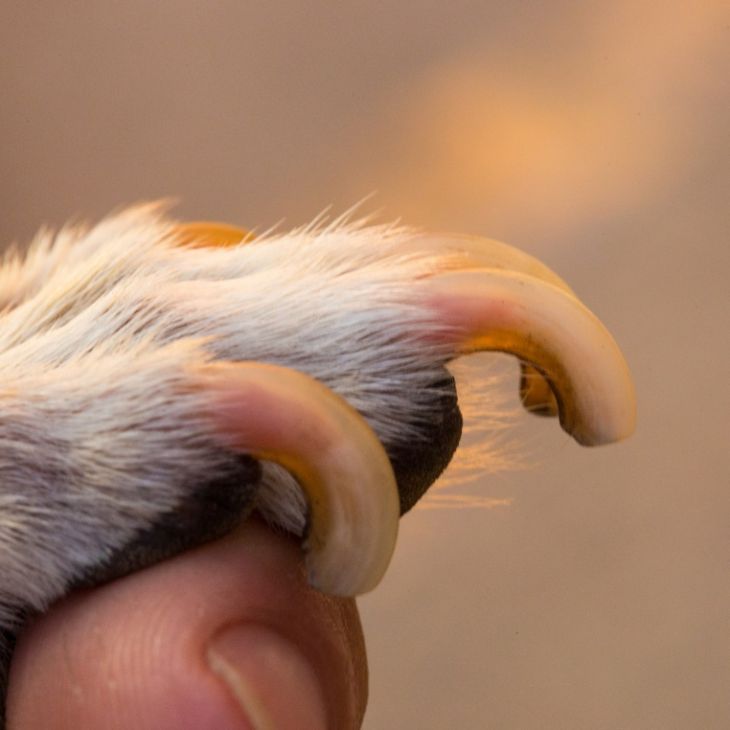
To safely clip any overgrown claw, a deep understanding of canine nail structure is absolutely essential.
The canine claw consists of two primary parts: the tough outer shell and the living inner quick.
The outer shell is made of dead keratin, which does not contain any nerve endings or feeling.
The internal quick is a highly vascularized bundle of blood vessels and extremely sensitive nerves.
If you accidentally cut into this inner core, it will result in sudden pain and profuse bleeding.
As a claw grows longer without maintenance, the quick actually extends further down toward the tip.
This elongation means you cannot simply cut an overgrown nail back to its normal length immediately.
For dogs suffering from unhealthy dog nails, the quick may occupy more than two-thirds of the total claw length.
Understanding this biological fact prevents you from making the mistake of quicking your dog during grooming.
To identify the quick on light-colored nails, look for a pink, fleshy area visible through the semi-translucent shell.
On dark or black nails, the quick is completely hidden from view, making the task significantly more challenging.
When dealing with black claws, you must look at the cut surface of the nail after each tiny trim.
When you see a small, dark grey or black spot appear in the center of the cut surface, you must stop immediately.
This dark circle indicates that you have reached the protective boundary of the living quick.
Consulting a dog nail length chart can help you gauge the ideal target length for your dog’s specific breed.
By using a gradual filing tool, you can slowly encourage the quick to recede safely over several weeks.
Each time you file the tip, the blood vessel withdraws slightly to protect itself from exposure.
This slow method is the safest way to restore severely overgrown claws back to a healthy, natural length.
The Pathological Progression: Why Overgrown Nails Curl Into the Pad
Claw curling is a slow, progressive condition that never happens overnight.
It starts when a dog does not walk enough on hard, abrasive surfaces that naturally file their nails down.
Indoor dogs who spend most of their time on soft carpets or grass are highly susceptible to overgrowth.
The dewclaws are particularly vulnerable because they sit higher up on the leg and never touch the ground.
Because these claws do not experience natural wear, they continue growing in a tight, circular loop.
Over several months, the tip of the looping claw makes contact with the outer surface of the paw pad.
Initially, this contact merely creates mild pressure, which might make your dog lick their paw occasionally.
As the growth continues, the sharp tip begins to indent the tough, leathery skin of the pad.
Eventually, the immense pressure forces the nail to break through the skin barrier, creating an open wound.
This puncture wound introduces dirt and fecal bacteria directly into the deeper tissue layers.
Your dog will display visible signs of distress, such as limping, holding the paw up, or whimpering when touched.
The surrounding area may become red, swollen, warm to the touch, or omit a foul odor.
In senior dogs, arthritis can make joint movement uncomfortable, leading to a further reduction in natural nail wear.
Our pet wellness team emphasizes that preventing this progression is far easier than addressing an infected puncture wound.
Regular visual inspections of all five claws on each foot are the best defense against this painful issue.
If you catch the curve early, you can easily correct the path of growth without any clinical intervention.
How to Trim a Curled Claw and Desensitize Your Anxious Dog

Trimming a deeply curved claw requires extreme patience, precision, and the right sequence of actions.
Follow this expert-approved protocol to safely relieve the pressure on your dog’s paw pad.
First, prepare a calm environment free from loud noises, children, or other distracting household pets.
Sit on the floor with your dog in a comfortable position, offering plenty of gentle physical affection.
Gently hold the affected paw in your palm, ensuring you have a firm but non-constricting grip.
Carefully slide your thumb under the curved nail to gently push the paw pad away from the sharp tip.
This action creates a vital safety gap between the nail tip and the sensitive skin of the pad.
If the gap is extremely tight, use a thin, sturdy tool like a metal spoon to act as a physical shield over the pad.
Position your trimmer or grinder at the very end of the nail, focusing on the outermost curve.
Make a small, clean cut at a 45-degree angle to remove only the non-living keratin tip.
If you are using a grinder, apply the spinning head to the tip in brief, two-second intervals.
Always hold the grinder at a stable 45-degree angle to follow the natural contour of the claw.
This angle helps thin the outer shell, encouraging the quick to retreat inward over time.
Once you have severed the tip, check the paw pad carefully for any signs of skin indentation or redness.
Clean the area thoroughly with a pet-safe antiseptic wipe to remove any trapped dirt or debris.
Reward your brave pup with their favorite high-value treat to build a positive association with the process.
Repeat this gentle filing process every five to seven days to slowly bring the claw back to a healthy length.
If you feel too anxious to make the first cut, search for cheap dog nail clipping in your area to have a professional handle the initial release.
Once the tight loop is broken, you can easily maintain the nails at home using a whisper-quiet grinder.
Overcoming Grooming Anxiety: Desensitization Techniques
Many dogs develop intense fear around nail care due to past negative experiences with painful clippers.
To overcome this deep-seated anxiety, you must implement a gradual desensitization program.
Begin by simply placing your grooming tool on the floor next to your dog’s food bowl during mealtime.
This simple act helps your dog associate the physical sight of the tool with positive rewards.
After a few days, practice lifting your dog’s paw and touching their toes without using any tools.
This step teaches them that having their paws handled does not always lead to a stressful trimming session.
Next, introduce the sound of your grooming device while keeping it at a comfortable distance.
The Zenpaw Maxpro is engineered with a whisper-quiet DC motor that emits a sound under 40 decibels.
This ultra-low noise level is key, as typical high-frequency vibrations from cheap tools easily terrify dogs.
Hold the humming device near their body and feed them treats, showing them the sound is entirely safe.
Once they show no signs of fear, touch the vibrating handle of the grinder to their paw to get them used to the feeling.
Only when your dog remains completely relaxed should you attempt to file a tiny portion of a nail.
Taking this slow, compassionate approach builds lasting trust and transforms grooming into a peaceful bonding habit.
The Hidden Dangers of Traditional Crushing Clippers
Traditional guillotine and scissor-style clippers are the most common tools found in pet households.
However, these mechanical clippers pose significant risks when dealing with curved or fragile nails.
Traditional clippers work by applying massive, opposing pressure to crush through the tough keratin shell.
This crushing action can cause dry, brittle nails to split, shatter, or crack painfully upward.
If a split reaches the sensitive nailbed, it can cause severe bleeding and expose the tissue to dirt.
Furthermore, the physical squeezing sensation of a clipper can pinch the quick even if you do not cut it.
This sudden pinch is highly painful and is often the primary reason dogs develop severe grooming aversion.
In contrast, a high-quality rotary grinder uses a diamond bit to gently shave away the nail layer by layer.
This method eliminates the crushing force entirely, ensuring a completely painless experience for your pet.
By opting for a grinder, you retain complete control over how much nail you remove with each gentle pass.
| Grooming Method | Safety Index | Stress Level | Risk of Quicking |
|---|---|---|---|
| Traditional Clippers | Low (Can split and crack dry nails) | High (Loud crushing force) | High (One wrong cut causes bleeding) |
| Zenpaw Maxpro Grinder | Excellent (Gently shaves away keratin layers) | Minimal (Whisper-quiet motor <40dB) | Extremely Low (Precise micro-shaving control) |
| Professional Groomer Visit | High (Handled by trained professionals) | Moderate (Car travel and strange smells) | Low (Experienced hands, but still uses clippers) |
Frequently Asked Questions About Curled Paw Claws
Is the Zenpaw Maxpro Grinder suitable for very large, thick claws?
Yes, the Zenpaw Maxpro is designed with three distinct ports to accommodate dogs of all sizes.
The high-power brass motor provides sufficient torque to grind down thick claws without stalling.
How long does the battery last on a single charge?
Our premium grinder features a long-lasting lithium battery that provides up to seven hours of active use.
This extended battery life means you can complete multiple stress-free sessions without needing to recharge.
Which speed setting should I use for a highly anxious dog?
We always recommend starting on the lowest speed setting to minimize vibration and sound.
Once your dog is fully acclimated, you can switch to the higher speed for faster, more efficient trimming.
Does the diamond bit grinding head get hot and burn the claw?
No, the Zenpaw Maxpro uses advanced low-heat technology to keep the grinding surface cool.
To ensure absolute safety, simply lift the grinder away from the nail for a brief second between passes.
What should I do if the curled nail has caused a deep wound in the pad?
If the nail has fully punctured the skin and caused bleeding or discomfort, do not attempt to trim it at home.
Take your dog to a professional clinic immediately to have the wound safely addressed.
How often should I trim my dog’s nails to prevent curling?
To maintain optimal paw health, you should trim or file your dog’s nails every two to three weeks.
Regular maintenance keeps the quick short and prevents the claws from touching the ground or curving backward.
Conclusion: Your Stress-Free Grooming Journey Starts Here
Maintaining your dog’s claw health does not have to be a stressful battle of wills.
By understanding nail anatomy, choosing quiet tools, and proceeding slowly, you can easily resolve curled claws safely.
Ready to transform nail trimming from a battle into a breeze? Explore the Zenpaw Maxpro 3-in-1 Grinder. Call: 302-307-1000 — our team can help you advise on the best grooming practices and help with any product questions.