As a professional groomer, I still remember the absolute terror in my rescue dog’s eyes every time I reached for those heavy metal clippers, a gut-wrenching feeling that many pet parents share when trying to protect their companion’s paw health. Introducing an interactive dog nail file toy transformed our stressful grooming battles into cooperative, food-rewarded play sessions that naturally smoothed his sharp claws without any painful clipping incidents.
Maxpro 3-in-1 Grinder.
Stress-Free Nail Trimming.
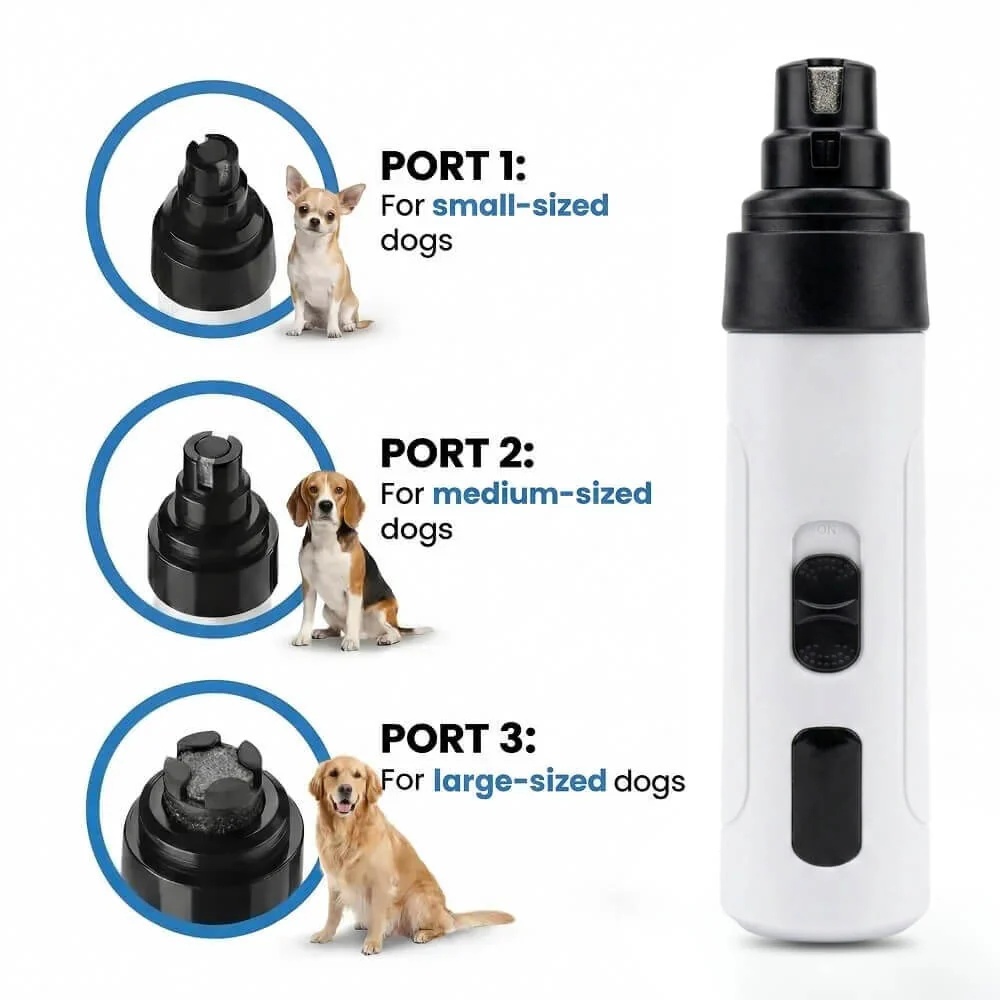
Whisper-quiet DC motor (<40 dB) eliminates fear & discomfort. Features 3 ports, dual speeds, and 7-hour battery life. Safe, precise, and painless.
In This Article
- Market Comparison: Discover the best scratch boxes, interactive board alternatives, and treat-dispensing files.
- Anatomical Insights: Learn how claw structure reacts to mechanical force and why gradual filing preserves nerve health.
- Behavioral Science: Step-by-step counter-conditioning protocols to turn groom anxiety into therapeutic play.
- Pro-Grade Grooming: The ideal transition routine pairing interactive play boards with low-noise finishing tools.
The Best Dog Nail File Toys and Interactive Scratch Pads: Ranked & Reviewed
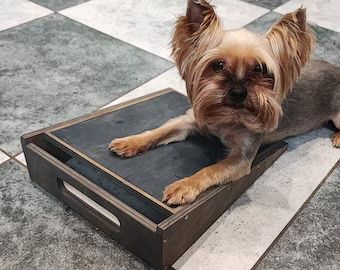
Finding a stress-free alternative to traditional clippers can feel like an uphill battle for pet parents.
Many dogs develop intense behavioral resistance to the sight of silver blades and loud, buzzing high-speed rotary tools.
Fortunately, modern design has introduced the interactive scratch pad toy as a brilliant way to groom claws naturally through active play.
These specialized toys leverage your pet’s instinctual digging behavior to shorten claws without pressure or pinching.
Below, we rank and review the three most popular options currently available on the market.
1. The ScratchSquare Interactive Treat-Dispensing Toy
The ScratchSquare combines a durable rubber block with heavy-grit emery paper panels on its exterior sides.
It acts as a functional chew and fetch toy that naturally files down claws as your dog grasps and rolls it.
This design is highly effective for food-motivated, high-energy breeds who enjoy tossing objects to retrieve dry kibble.
However, the abrasive strips can wear out quickly under heavy usage and do not address rear paws well.
If your pet is sensitive to coarse textures, they may hesitate to play with it without constant encouragement.
2. The PawBuddy Sliding Wooden Scratch Board
The PawBuddy features a sleek wooden ramp with a built-in treat compartment hidden behind an abrasive sliding door.
Dogs must actively scrape their front claws across the board to slide the panel open and reveal a hidden food reward.
This provides an exceptionally high level of mental stimulation and builds a strong positive association with grooming.
It works beautifully for medium and large breeds who easily understand puzzle games.
The primary drawback is its size, as it requires a dedicated storage space and remains purely a front-paw solution.
3. The RollerGrip Cylindrical Emery Play Cylinder
The RollerGrip is a cylindrical rolling toy covered in industrial-grade grip tape designed for outdoor use.
Dogs push the cylinder across the grass, using their weight to naturally sand down their nails as the toy rotates.
It excels at managing the front claws of very heavy, active digging breeds like Terriers and Retrievers.
Unfortunately, toy breeds and smaller puppies lack the physical power to roll the heavy cylinder effectively.
It also lacks the precision required to safely trim around delicate dewclaws.
Smarter Grooming Alternatives for Anxious Pets
While an interactive dog nail file toy with treats is a stellar supplementary tool, it cannot provide a complete paw care routine.
Scratch boards generally only address the front paws, leaving the rear claws to grow excessively long over time.
This is why many pet owners transition to a whisper-quiet, low-vibration tool for a complete and uniform trim.
The Zenpaw Maxpro 3-in-1 Grinder provides a gentle solution operating at a whisper-quiet level under forty decibels.
It allows you to target every single nail, including the rear paws and dewclaws, with absolute safety and precision.
Our diamond-grit grinding heads ensure you never have to worry about replacing paper strips or dealing with messy adhesive cleanup.
| Grooming Tool / Toy | Target Claws | Grit Durability | Noise & Anxiety Level | Safe Precision |
|---|---|---|---|---|
| ScratchSquare Toy | Front Claws Only | Moderate (Requires refills) | Very Low (Play-based) | Low (Self-directed) |
| PawBuddy Sliding Board | Front Claws Only | Moderate (Paper wears fast) | Very Low (Puzzle-based) | Low (Irregular angles) |
| Zenpaw Maxpro Grinder | All Paws & Dewclaws | Exceptional (Diamond-grit) | Whisper-Quiet (<40dB) | High (Manual control) |
For pet parents who want to combine interactive play with professional-grade finishing, checking out the Maxpro is a natural next step.
You can learn more about our painless, stress-free options by exploring the Zenpaw Maxpro 3-in-1 Grinder directly.
99-Day 100% Money-Back Guarantee
“Ever since we started using the Zenpaw Maxpro Grinder, it’s been such a peaceful experience. It’s very quiet, and my dog actually relaxes. It’s turned our stressful sessions into quick, quiet grooming times.”
— Sarah M. | ✔ Verified Customer
- ✓ Prevents Infection & Splitting
- ✓ Ideal for All Dog Sizes
- ✓ Low-Vibration Technology
- ✓ Fast 2-7 Days Delivery
Need Support? Call 302-307-1000
Understanding Canine Nail Anatomy: Why Conventional Trimming Triggers Panic
To truly understand why many dogs develop a deep-seated fear of claw care, we must examine the biology of their paws.
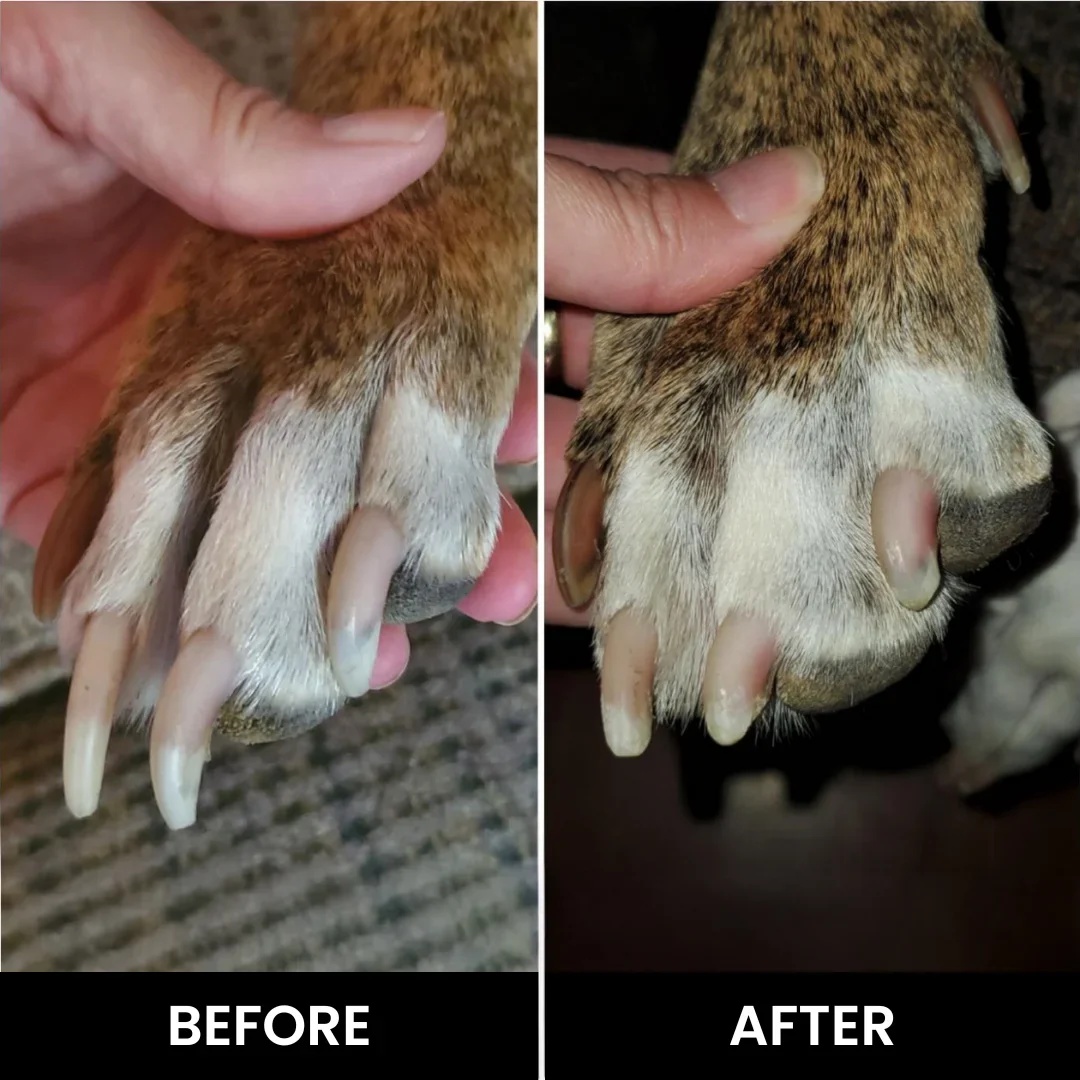
Unlike human nails, which are flat and lack nerve endings, a dog’s claw is a complex, living structure.
Inside the outer keratin shell lies the quick, a highly vascularized tissue containing blood vessels and sensitive nerve pathways.
Traditional scissor-style clippers work by applying massive, concentrated mechanical pressure from two opposite sides.
This force violently pinches and crushes the nerve-dense quick, causing immediate pain even if you do not cut the tissue directly.
For young animals, this traumatic sensation can create lifelong anxiety that makes future grooming sessions incredibly difficult.
By opting for a specialized puppy nail grinder, you introduce a gentle alternative that files the claw gradually.
A diamond-grit rotary head slowly wears away the outer keratin layer rather than crushing the internal structure.
This process gives you precise, visual feedback as you approach the dark, pulp-like circle that indicates the beginning of the quick.
As a result, you can confidently maintain healthy paws without ever risking painful bleeding accidents.
The Science of Desensitizing Your Dog to Nail Care Tools
Canine behaviorists agree that grooming anxiety is a deeply ingrained physiological stress response that requires careful counter-conditioning.
When a dog experiences fear, their sympathetic nervous system triggers a fight-or-flight response, raising their heart rate and cortisol levels.
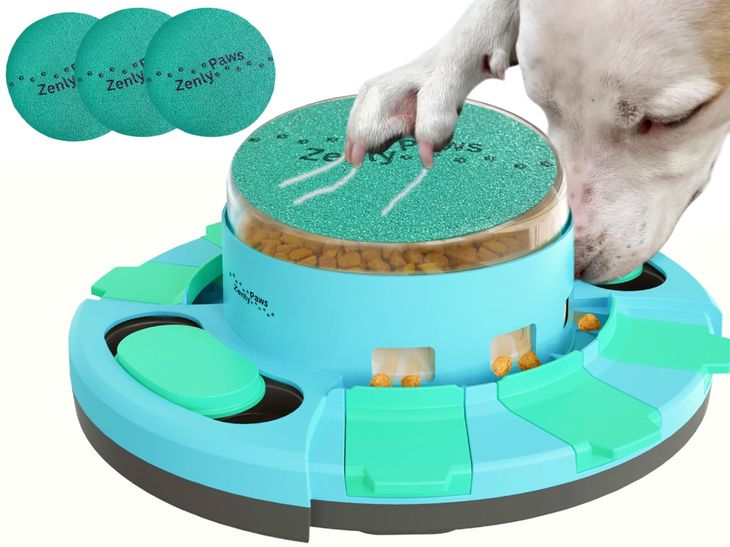
Using a nail file toy for dogs is a highly effective way to intercept this stress response through natural foraging instincts.
By transforming a scary maintenance task into a rewarding game, your pet’s brain begins to associate claw care with positive dopamine releases.
However, relying solely on toys can leave certain areas, such as the curved dewclaws, completely unmanaged.
To safely bridge the gap between play and mechanical grooming, you must introduce tools using a gradual auditory desensitization protocol.
First, place the unpowered grinder on the floor and surround it with their favorite high-value treats.
Allow your dog to investigate and sniff the device at their own pace, rewarding them immediately for any curious behavior.
Next, turn on the low-noise motor several feet away while offering a continuous stream of delicious rewards.
Over several days, slowly bring the running tool closer to their body until they comfortably tolerate the soft, rhythmic vibration against their paw.
This systematic, positive reinforcement method ensures your companion feels entirely safe, cooperative, and respected throughout the entire process.
Step-by-Step Training Guide: Mastering the Scratch Pad and Grinder Transition
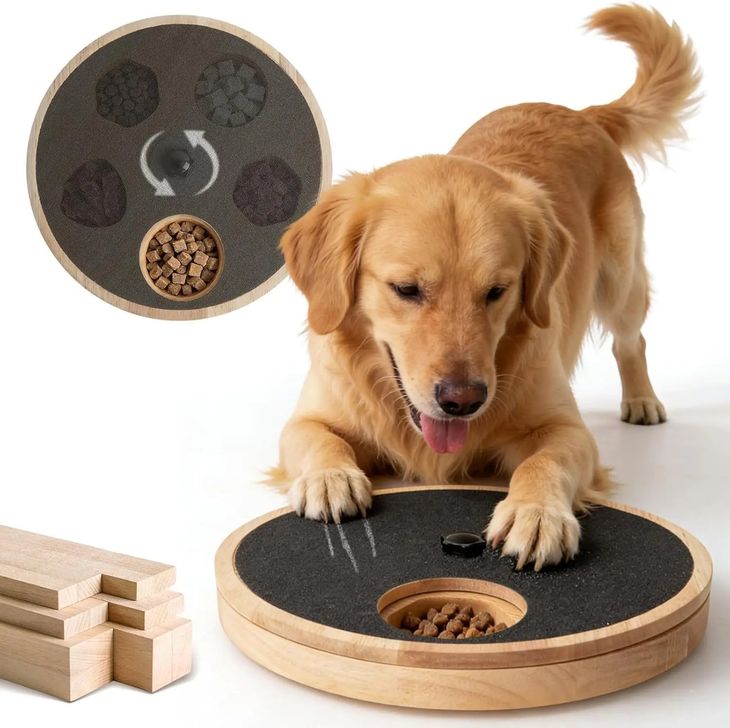
Introducing an interactive scratching board requires clear, consistent communication and structured, positive steps.
Start by laying the scratch pad completely flat on the floor and scattering small treats on top of the abrasive surface.
Praise your dog enthusiastically the moment their paw contacts the sandpaper while they search for the hidden rewards.
Once they understand the basic interaction, elevate the board to a forty-five-degree angle against a wall.
This angled position encourages a natural digging motion that files down the front claws with maximum mechanical efficiency.
While this method effectively manages front claw length, you will still need a controlled solution for the rear legs and dewclaws.
To transition smoothly to a mechanical tool, gently hold your pet’s paw and separate their toes using your fingers.
Hold the quiet rotary grinder at a precise forty-five-degree angle against the tip of the nail.
Apply the grinding head in brief, light touches lasting no longer than two to three seconds at a time.
This rapid, intermittent method prevents friction heat from building up and irritating the highly sensitive nerve endings inside.
To give the claws an incredibly smooth, snag-free finish, consider using a specialized dog nail polisher to round out any rough edges.
Always conclude every session with a highly prized treat to keep the experience positive, relaxing, and fun.
Overcoming Common Pitfalls of Toy-Based Filing and Manual Trimming
While incorporating a scratch toy into your routine is highly beneficial, relying on it exclusively can introduce unexpected risks.
The most common mistake is overlooking the dewclaws, which sit higher up on the inside of the front legs.
Because dewclaws never touch the abrasive surface of a play board, they can grow continuously until they curve and pierce the skin.
Additionally, dogs often scratch with unequal force, wearing down one side of their claws while leaving the other side long.
This uneven wear pattern can subtly alter their natural gait, putting unnecessary stress on their delicate leg joints over time.
Furthermore, using dull, cheap clippers can easily shatter the nail wall, leaving painful, jagged micro-fractures behind.
If you ever accidentally nick the quick during grooming, always ensure you have a reliable dog nail powder for bleeding ready on your table.
Using a premium diamond-grit rotary tool completely eliminates these structural splits by gently filing away the claw material layer by layer.
It provides a perfectly smooth, rounded tip that protects both your skin and your expensive home flooring from accidental scratches.
By blending playful scratch toys with precise manual grinding, you secure a complete, stress-free paw care routine for your beloved companion.
Frequently Asked Questions About Dog Nail Care and Scratch Toys
Our pet wellness team has answered the most common questions regarding interactive grooming toys and quiet grinding devices.
Are dog nail file toys safe for all breeds and sizes?
Yes, most scratch pads are highly safe, but you must monitor your pet’s paw pads carefully during playtime.
Highly enthusiastic diggers can accidentally scrape their delicate footpads against the rough sandpaper, causing painful raw spots.
If your dog has sensitive skin, a quiet mechanical grinder with a protective safety guard is a much safer option.
How often should my dog use a scratch pad or file toy?
We recommend allowing two to three short play sessions per week to keep claw length consistently managed.
However, you should always inspect the claws afterward to ensure the wear is completely even across all toes.
To achieve a professional, balanced look, consider pairing play sessions with a bi-weekly touch-up using a quality dremel pet nail grinding kit.
Can a scratch board completely replace traditional clippers and grinders?
Unfortunately, play boards cannot completely replace professional grinding tools because they cannot reach the dewclaws or rear paws.
Most dogs will only use their front paws to scratch, leave the back claws entirely unfiled.
To maintain all sixteen to eighteen nails safely, a controlled, low-vibration grinder is still required.
What should I do if my dog’s nail starts bleeding?
If you accidentally nick the quick, immediately apply a pinch of styptic powder directly to the tip using a damp cotton swab.
Apply firm, steady pressure for thirty seconds until the bleeding stops completely, and keep your dog calm to allow a secure clot to form.
Using a low-noise rotary grinder is the most effective way to prevent these stressful accidents from ever happening.
How do I choose between a scratch toy and a low-noise grinder?
For high-energy dogs who enjoy active puzzles, a scratch board is an excellent way to burn energy while introducing claw care.
For complete, stress-free grooming that addresses every single paw, a quiet grinder like the Zenpaw Maxpro is far superior.
If you need professional guidance in your area, you can look for free dog nail trimming near me to find supportive community clinics.
Conclusion: Your Stress-Free Paw Care Companion
By pairing interactive file play with the gentle precision of the Zenpaw Maxpro Grinder, you can easily turn nail day into a peaceful bonding experience.
Ready to protect your pet’s paws without the stress, noise, and anxiety of traditional clippers?
Explore our premium solutions or call our friendly pet care support line at 302-307-1000 for personalized advice.
Note: Individual results may vary depending on individual dog breeds, nail thickness, and behavioral temperaments. This article is intended for general pet grooming reference purposes only and does not replace professional veterinary advice.