I still remember hearing my sweet dog, Cooper, click-clack across the hardwood, knowing my paralyzing fear of hurting him had kept me from trimming his nails for weeks. Like many pet parents, I dreaded clippers, terrified of cutting too deep, until I discovered how proper nail care transforms their comfort. At Team Zenpaw, we believe keeping paws healthy should be a peaceful bonding moment rather than a stressful household battle.
Maxpro 3-in-1 Grinder.
Stress-Free Nail Trimming.
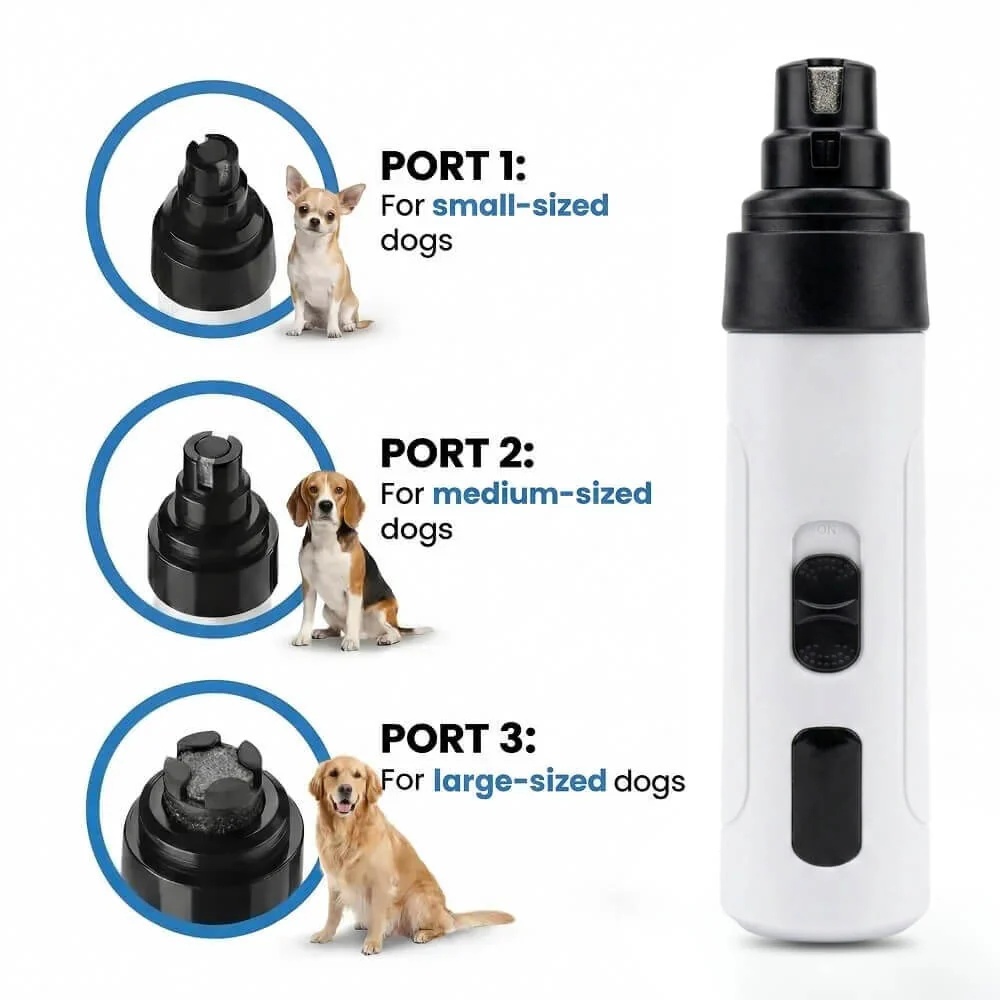
Whisper-quiet DC motor (<40 dB) eliminates fear & discomfort. Features 3 ports, dual speeds, and 7-hour battery life. Safe, precise, and painless.
In This Article
- How to Identify Overgrown Claws: Master the visual and auditory cues that signal your dog is overdue for a trim.
- Understanding the Canine Quick: Learn the anatomical structure of the nail to avoid causing pain or bleeding.
- The “Click Test” & Easy Check Guidelines: Simple, actionable methods to test nail length on any floor.
- Stress-Free Grinding Techniques: Discover how modern, quiet grinding tools make paw maintenance simple and safe.
How to Tell When Your Dog Needs Their Nails Cut
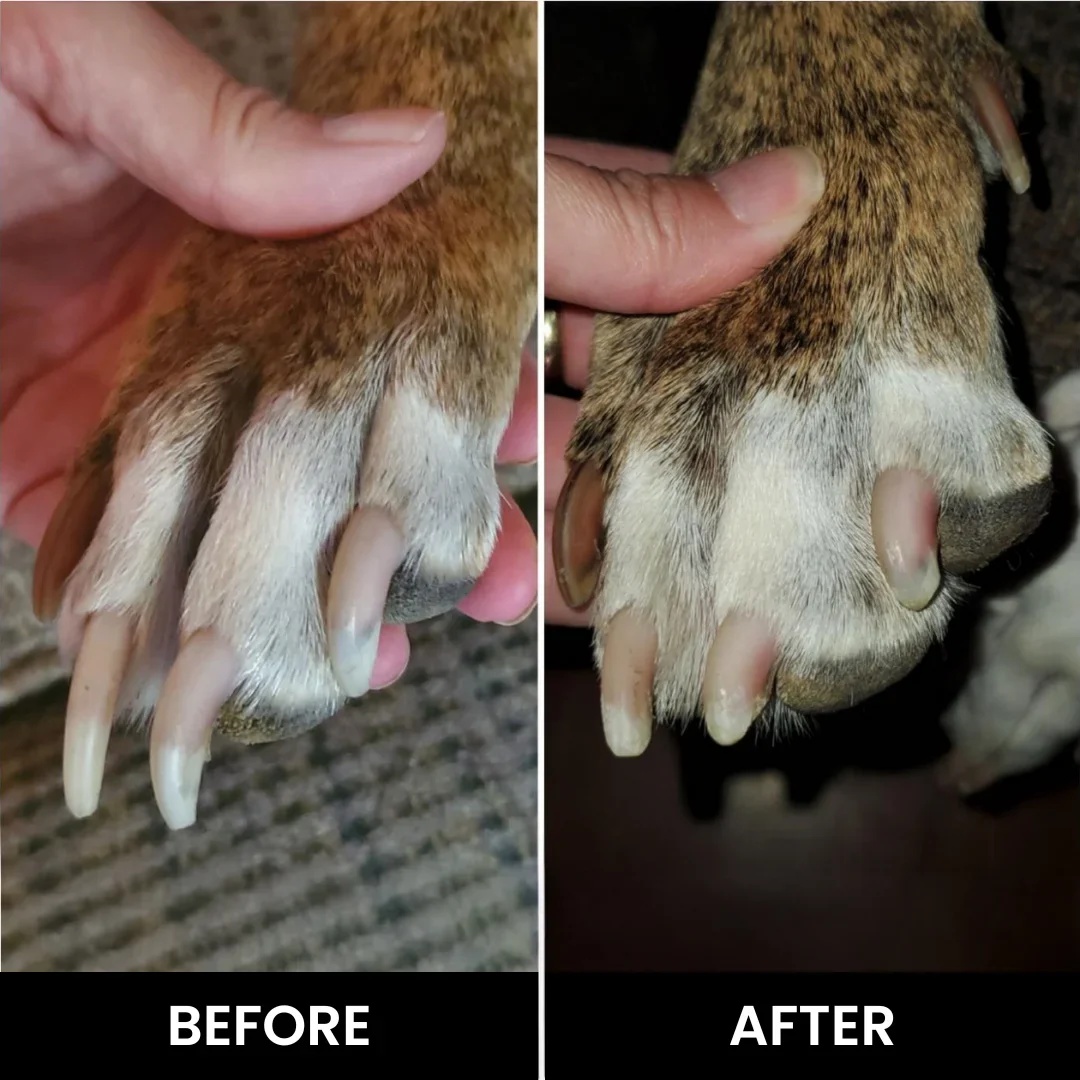
Every dedicated dog parent needs to understand how to recognize when their companion’s claws are growing too long for their own safety.
The most reliable way to monitor this is to regularly observe your dog standing naturally on a completely level floor.
Healthy, properly maintained claws should always sit just slightly above the ground without touching the surface below them.
If you can easily hear a clicking sound as your pet walks across hard floors, their nails are already making direct contact with the ground.
This persistent contact indicates that the claw has grown past its natural boundaries and requires immediate trimming.
By checking your pet’s paw alignment every two weeks, you can prevent structural issues before they impact their daily mobility.
To easily test your dog’s claw length at home, perform the simple paper slide test during a quiet moment.
Gently place your dog on a flat wood or tile surface and attempt to slide a piece of paper under their claws.
If the paper slides through without catching on the nails, your pet’s claws are currently at a safe and healthy length.
If the paper is blocked by the nails, or if the toes are actively tilted upward by the claw length, a trim is necessary.
We advise addressing this by removing small, thin shavings from the nail tip rather than taking off large sections at once.
This conservative approach prevents accidental damage and ensures your dog remains comfortable throughout the process.
If you want to handle this delicate process safely at home, the Zenpaw Maxpro Grinder provides painless, quiet filing.
You can explore it here to make your grooming routine entirely stress-free.
99-Day 100% Money-Back Guarantee
“Ever since we started using the Zenpaw Maxpro Grinder, it’s been such a peaceful experience. It’s very quiet, and my dog actually relaxes. It’s turned our stressful sessions into quick, quiet grooming times.”
— Sarah M. | ✔ Verified Customer
- ✓ Prevents Infection & Splitting
- ✓ Ideal for All Dog Sizes
- ✓ Low-Vibration Technology
- ✓ Fast 2-7 Days Delivery
Need Support? Call 302-307-1000
The Science of Canine Nail Anatomy: Understanding the Quick
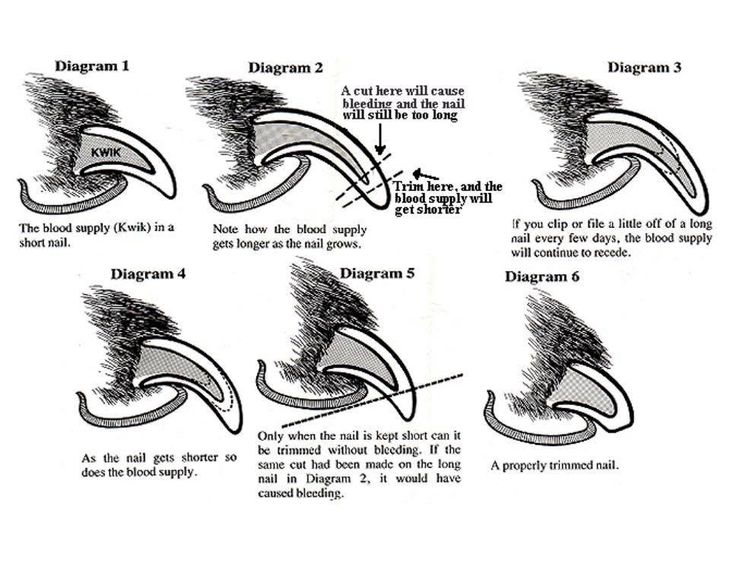
To safely trim your dog’s nails, you must understand the internal structure of the canine claw.
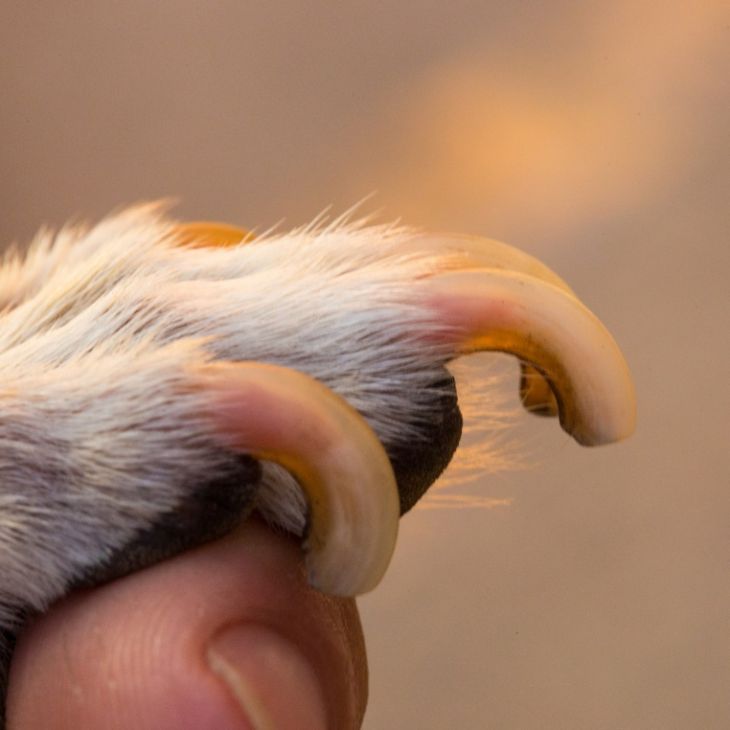
The claw consists of a hard outer shell made of keratin and an inner living core called the quick.
The quick contains highly sensitive blood vessels and nerve endings that supply nutrients to the growing claw.
If you cut into this inner core, it causes sudden, sharp pain and immediate bleeding for your pet.
This is why many dogs develop a severe fear of traditional grooming clippers after experiencing a painful cut.
On light-colored claws, the quick is easily visible as a soft pink shadow running through the center of the nail.
On dark or black nails, however, identifying the quick visually from the side is nearly impossible.
This is where traditional clippers pose the highest risk of crushing and cracking the surrounding structure.
If you notice your dog nails flaking or peeling during grooming, it is a sign of structural weakness from clipper damage.
Using a high-quality rotary grinder allows you to gently sand away the outer shell in safe, micro-layers.
This gradual filing method prevents you from accidentally nicking the nerve center of the claw.
Many pet owners wonder can a dog bleed out from a nail injury, and while it is rarely fatal, it causes immense panic and discomfort.
By choosing a controlled grinding tool, you eliminate the risk of deep, painful cuts and protect your dog’s emotional well-being.
The Hidden Dangers of Long Claws: Why Clicking on the Floor Matters
That familiar sound of rapid-fire clicking on your hardwood floors is more than just a noisy distraction.
It is actually your dog’s way of sending an urgent distress signal about their paw health.
When claws are too long, they push the toe bones upward and backward into unnatural angles whenever your dog stands.
This constant pressure alters the natural alignment of the foot, straining the tendons in the lower leg.
To compensate for this discomfort, your dog is forced to shift their entire center of gravity backward.
This unnatural posture places excessive strain on the hocks, knees, hips, and spine.
Over time, this continuous skeletal compensation can accelerate joint degeneration and contribute to early-onset arthritis.
This skeletal compensation is particularly hard on older pets, which is why senior dog nail trimming requires extra patience and gentle support.
Furthermore, long claws reduce your dog’s traction on smooth surfaces like tile, laminate, and polished wood.
As their claws slip, your dog must tense their stabilizing muscles continuously just to remain standing still.
This continuous muscle tension leads to chronic fatigue and increases the risk of slips, pulls, and ligament tears.
In severe cases, long claws can twist sideways, causing the surrounding skin to stretch and tear.
This constant twisting and friction can leave the dog nail bed swollen and highly vulnerable to bacterial infections.
Regular maintenance ensures that your dog’s weight is distributed evenly across their padded paws, preserving their long-term orthopedic health.
The Easy Length Check Guidelines: Visual Clues and Sound Tests
Developing a reliable routine for checking your dog’s claw length does not require professional training.
You can master the visual and auditory checks in just a few minutes using our standard guidelines.
The easiest test is the auditory “Click Test” performed in a quiet, distraction-free room.
If you can hear your dog’s claws tapping on hard surfaces as they walk, their nails are too long.
The next check is the visual alignment test performed while your dog is standing squarely on a flat surface.
Observe the paws from the side to see if the claw tips are suspended above the floor.
There should be a clear, visible gap of approximately one to two millimeters between the claw and the ground.
If the claws are resting flat on the ground or curving under the toe pads, they require immediate attention.
Let’s examine how claw lengths categorize into different health zones to guide your grooming schedule.
| Nail Status | Visual Indicators | Recommended Action |
|---|---|---|
| Optimal Length | Nails sit completely clear of the floor; no tapping sound is heard when walking. | Maintain current routine; check again in two weeks. |
| Warning Zone | Tips touch the floor lightly; quiet clicking sounds are audible on hard surfaces. | Schedule a gentle trim or grinding session within the next few days. |
| Critical Overgrowth | Nails force toes to splay, twist sideways, or curve backward toward pads. | Immediate gradual trimming required; trim weekly to safely recede the quick. |
By using this clear classification table, you can easily track your dog’s claw health over time.
Regular checks prevent your dog from ever entering the critical overgrowth zone, saving them from joint discomfort.
Remember that active dogs who walk on concrete may naturally wear down their claws, but they still require checkups.
Less active dogs and senior pets will require much more frequent manual trimming to keep their paws comfortable.
Practical Application: How to Safely Trim Your Dog’s Nails at Home
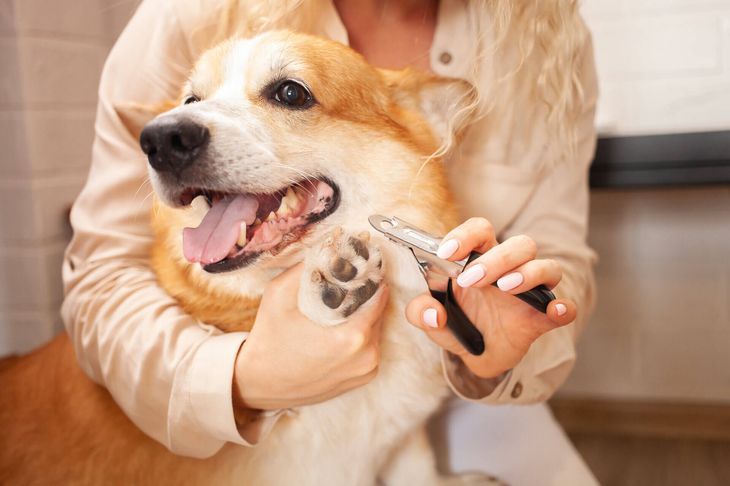
Trimming your dog’s claws at home does not have to be a stressful or chaotic experience for your household.
The secret to success lies in proper desensitization and using the right tools for the job.
Before you ever touch a nail, allow your dog to inspect the quiet grinder while it is turned off.
Reward your dog with high-value treats just for sniffing the device to build positive associations.
Next, turn the grinder on its lowest speed while keeping it at a safe distance from your pet’s paws.
Feed your dog delicious treats as they listen to the low hum of the whisper-quiet motor.
This step teaches them that the soft sound of the grinder predicts wonderful rewards rather than pain.
Once your dog is completely relaxed, gently touch the vibrating body of the grinder to their leg for a second.
Continue to praise and reward them, building up to holding the tool near their paws.
When you are ready to trim, hold your dog’s paw securely but gently, separating the target toe.
Hold the Zenpaw Maxpro Grinder at a precise 45-degree angle relative to the growth of the claw.
Apply the grinding head to the claw tip in short, gentle bursts of no more than two to three seconds at a time.
This quick, pulsing technique prevents heat from building up on the nail, which can cause sudden discomfort.
As you grind, look at the center of the nail tip to watch for the internal structures.
When you see a small, dark circle begin to appear in the center of the white inner nail, stop grinding immediately.
This dark spot indicates that you have reached the safety boundary right before the living quick.
Repeat this careful, gentle process for each toe, keeping sessions short and positive for your dog’s comfort.
Overcoming Risks: Moving the Quick Back and Dealing with Mistakes
One of the biggest challenges pet parents face is dealing with severely overgrown claws.
When a claw grows long, the internal quick grows along with it, making safe cutting very difficult.
If you attempt to cut an overgrown nail back to its normal length all at once, you will cut the quick.
The correct strategy is to trim or grind the nail tips slightly once every seven to ten days.
By safely removing the outer tip of the nail shell, you expose the tip of the quick to light and air.
This gentle exposure stimulates the blood vessels to naturally recede back up the nail shaft over time.
Within a few weeks of consistent, micro-trims, you can safely restore even severely overgrown nails to a healthy length.
You might even encounter a dog nail bleeding after walk sessions if the long claw scrapes violently against rough surfaces.
If you ever accidentally nick the quick during a grooming session, it is vital to remain completely calm.
Your dog takes behavioral cues from you, and showing panic will only increase their grooming anxiety.
Keep a small container of styptic powder or clean cornstarch nearby during every grooming session.
Simply press a pinch of the powder directly onto the bleeding nail tip with moderate pressure for thirty seconds.
The bleeding will stop quickly, allowing you to soothe your dog with gentle praise and extra treats.
Using the Zenpaw Maxpro Grinder drastically reduces this risk because it files the nail away in safe, predictable micro-layers.
Frequently Asked Questions (FAQ)
Protect Your Dog’s Paws for a Happier, Healthier Life
Maintaining short, quiet claws is one of the greatest gifts you can give your beloved companion.
Ready to transform nail trimming from a battle into a breeze?
Explore the Zenpaw Maxpro 3-in-1 Grinder today.
Call 302-307-1000 — our team can help you advise on the best grooming practices and help with any product questions.