
Maxpro 3-in-1 Grinder.
Stress-Free Nail Trimming.
Whisper-quiet DC motor (<40 dB) eliminates fear & discomfort. Features 3 ports, dual speeds, and 7-hour battery life. Safe, precise, and painless.
In This Article
- First aid steps to take when a dog lost toenail.
- Anatomy of the canine nail bed and the healing timeline.
- How to protect the raw nail quick from environmental contaminants.
- Expert tips for introducing safe, stress-free grinding to prevent future splits.
What to Do When a Dog Toenail Fell Off? Here’s the Complete First Aid Protocol
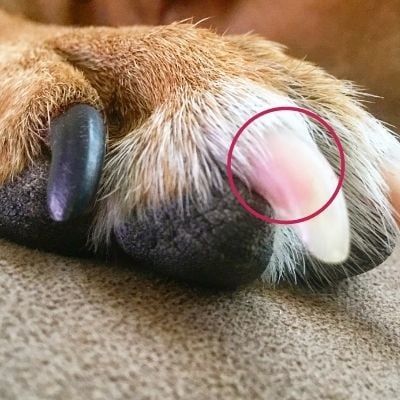
Finding that your beloved canine companion has lost a claw is an incredibly distressing experience that requires immediate, structured intervention.
This traumatic injury typically occurs when a dog’s claw gets snagged on carpet fibers, dense outdoor brush, or gaps in wooden decking, causing the outer shell to tear away from the sensitive flesh underneath.
The highly vascularized tissue known as the quick contains dense networks of nerve endings and blood vessels, which explains why this injury produces sudden pain and heavy bleeding.
To support your dog’s recovery, you must act quickly to stop the blood flow, sanitize the exposed nail bed, and wrap the paw securely to shield it from bacteria.
You can manage minor nail tears effectively at home by keeping the area clean, dry, and wrapped in clean bandages to prevent constant licking.
The first critical step in your home care plan is applying direct, gentle pressure to the tip of the injured toe with a clean towel to slow the bleeding.
Next, apply a generous amount of pet-safe styptic powder or cornstarch directly to the raw tissue to form a secure seal over the ruptured blood vessels.
Once the bleeding stops completely, gently spray the paw with a non-stinging antiseptic solution to flush out any microscopic dirt or debris.
Wrap the foot securely with a non-stick sterile gauze pad followed by a breathable self-adhering bandage, taking care not to wrap the leg too tightly.
Restrict your dog’s physical activity for the first forty-eight hours to prevent the raw wound from reopening during play or running.
If the toe continues to bleed heavily after twenty minutes of direct pressure, or if you notice signs of severe pain, you should contact a professional veterinary clinic immediately.
To handle routine paw maintenance safely at home and prevent these painful accidents, the Zenpaw Maxpro Grinder provides a painless, quiet filing experience — explore it here.
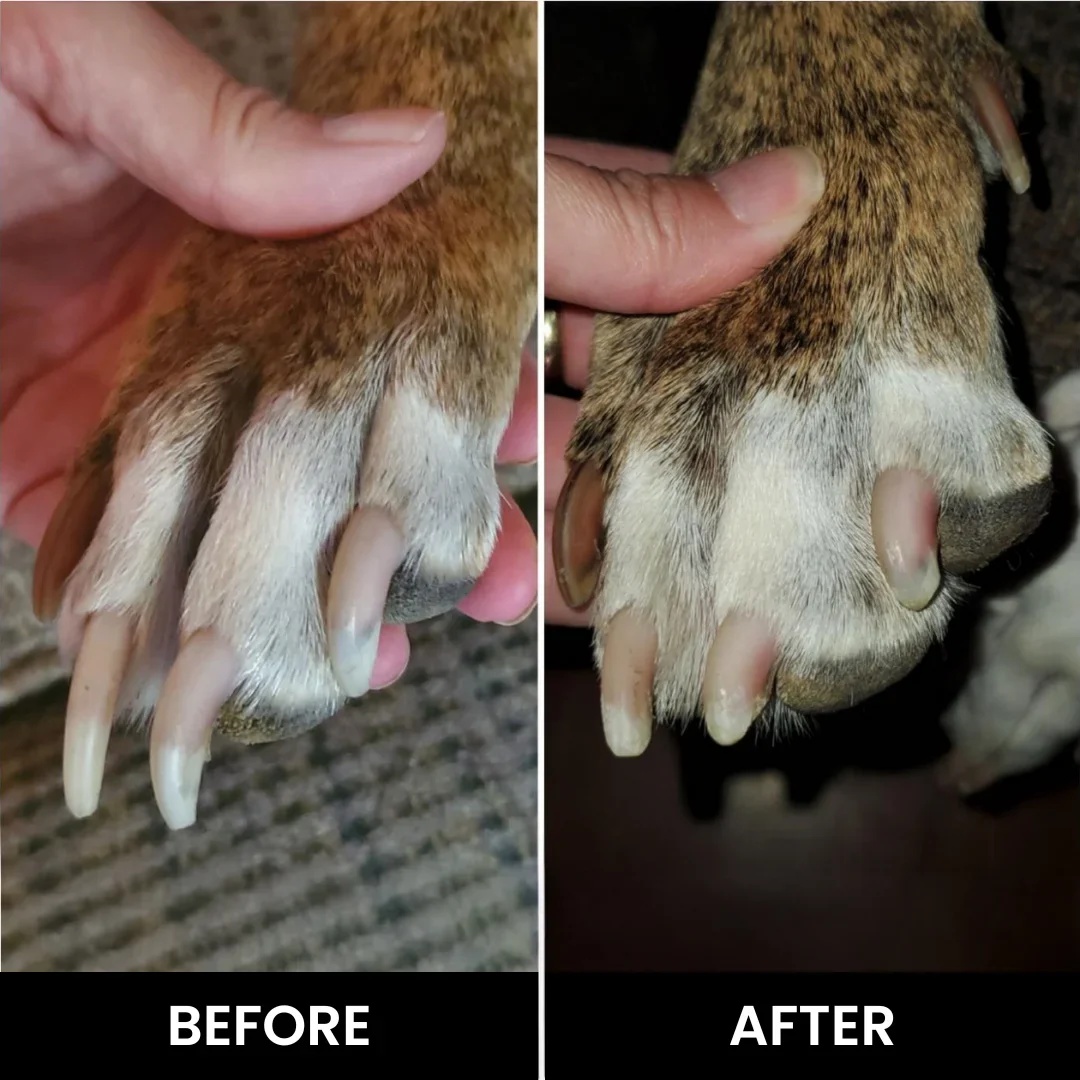
99-Day 100% Money-Back Guarantee
“Ever since we started using the Zenpaw Maxpro Grinder, it’s been such a peaceful experience. It’s very quiet, and my dog actually relaxes. It’s turned our stressful sessions into quick, quiet grooming times.”
— Sarah M. | ✔ Verified Customer
- ✓ Prevents Infection & Splitting
- ✓ Ideal for All Dog Sizes
- ✓ Low-Vibration Technology
- ✓ Fast 2-7 Days Delivery
Need Support? Call 302-307-1000
Understanding Canine Nail Anatomy: The Sensitivity of the Quick

To care for your dog’s paws properly, you must understand the anatomical structure of canine claws.
A dog’s claw is not a simple flat surface like a human fingernail; instead, it is a complex, three-dimensional structure that grows directly from the toe bone.
The hard outer layer is composed of tough keratin, which acts as a protective shield for the delicate tissue inside.
Underneath this shell lies the quick, a highly sensitive tissue packed with blood vessels and active nerve endings.
When a dog toenail fell off, this outer keratin shell is stripped away completely, exposing the sensitive quick to dirt and air.
This exposure causes intense discomfort whenever the raw toe touches the ground or comes into contact with household surfaces.
Neglecting basic nail hygiene allows the inner blood vessels to grow longer and extend further toward the tip of the claw.
To manage this growth safely, you must learn to trim overgrown dog nails in gradual, careful stages.
Keeping the outer keratin shell short naturally encourages the sensitive inner blood vessels to recede over time.
Using premium dog nail care products keeps the claws strong, flexible, and far less likely to split or crack.
You should inspect your pet’s claws weekly to identify minor splits or structural damage before they lead to a complete tear.
The Primary Causes of Torn or Missing Claws in Dogs
Understanding the root causes of a missing claw helps you make your home and yard safer for your pet.
Physical trauma is the leading reason why dogs nail fell off during everyday play.
A dog can easily catch a claw on a loose carpet thread, woven wire fencing, or outdoor deck stairs.
When the dog pulls their foot back quickly in panic, the force can rip the entire claw cleanly from the nail bed.
Severe nutritional deficiencies, fungal infections, or autoimmune conditions like Symmetrical Lupoid Onychodystrophy can also weaken the keratin.
Brittle, weak claws are highly susceptible to splitting vertically, which eventually leads to the outer shell breaking off.
This is why understanding how to trim your dogs nails with gentle, impact-free tools is so important for long-term health.
Filing the nails rather than clipping them avoids the sudden impact that can cause deep microscopic cracks in the keratin.
Filing also prevents the nails from snagging on household surfaces during daily play.
Keeping your home free of loose rugs and blockading hazardous staircases can greatly reduce the risk of a painful claw injury.
How to Protect the Raw Claw and Manage the Regrowth Process
When your dog lost toenail, the healing process depends entirely on keeping the open wound sterile.
The first forty-eight hours are crucial for preventing bacteria from entering the raw, exposed tissue.
You must clean the paw daily with a mild, pet-safe antiseptic soap and dry it completely with a soft towel.
Apply a clean, non-stick gauze pad over the raw toe and secure it with a flexible bandage to keep dirt out.
Using a protective recovery bootie or a standard Elizabethan collar prevents your dog from licking the healing wound.
Licking introduces harmful mouth bacteria to the raw tissue, which can easily lead to a serious secondary infection.
It typically takes about two to three weeks for a thin, hard protective layer of keratin to form over the sensitive quick.
Once this initial protective barrier forms, your pet will feel much more comfortable walking on the paw.
The complete regeneration of a strong, full-length nail typically takes anywhere from two to five months.
Adding a high-quality biotin or omega-3 fatty acid supplement to your dog’s food can support fast, healthy keratin growth.
You should monitor the healing toe daily for any signs of swelling, continuous redness, or unpleasant odors that require veterinary care.
A Professional Guide to Painless Maintenance and Stress-Free Grooming
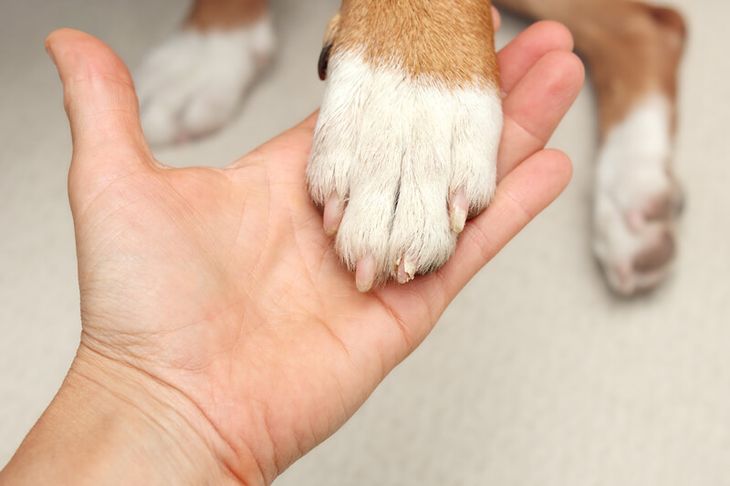
Once your dog’s injured toe has fully healed, you should focus on rebuilding a gentle, positive paw-care routine.
The physical trauma of losing a nail often leaves dogs highly sensitive to anyone touching their paws.
To overcome this fear, you should begin by gently touching your dog’s leg and rewarding them with a high-value treat.
Gradually progress to holding the paw in your hand for ten seconds before giving them praise.
Using an innovative dog nail trimmer with light helps you spot the internal boundary of the quick, even on dark nails.
Once your pet is comfortable with paw handling, you can introduce the gentle hum of our whisper-quiet rotary grinder.
Our Zenpaw Maxpro tool runs at less than forty decibels, creating a calm environment that won’t startle your pet.
Always hold the rotary grinder at a precise forty-five-degree angle relative to the natural slope of the claw.
Use short, light, pulsing motions for no more than two seconds per nail to prevent friction heat from building up.
If your dog becomes anxious or pulls away, pause the session and reward them to keep the experience positive.
Taking a slow, patient approach ensures your pet learns to view grooming sessions as a peaceful bonding experience rather than a stressful chore.
Essential Safety Safeguards: Avoiding Severe Grooming Failures
One of the most common grooming mistakes is using dull, low-quality top paw nail clippers on thick claws.
These traditional clippers crush the hard keratin shell rather than slicing cleanly through it.
This crushing pressure causes sharp pain and can easily split the nail down to the sensitive quick.
These longitudinal splits often go unnoticed and can snag on carpet fibers, eventually causing the entire claw to rip off.
Rushing through a trimming session also increases the risk of cutting the quick and causing painful bleeding.
Transitioning to our advanced rotary grinder allows you to gently shave the nail down in micro-layers with absolute control.
Filing the nails creates a smooth, rounded edge that is highly resistant to snagging, splitting, or catching on household surfaces.
Always keep a container of styptic powder nearby during grooming sessions to quickly manage any accidental cuts.
By taking your time and using quiet, low-vibration tools, you can keep your dog’s paws safe, healthy, and completely free of injuries.
Frequently Asked Questions About Lost Dog Nails and Prevention
Is the Zenpaw Grinder safe for large dogs with thick nails?
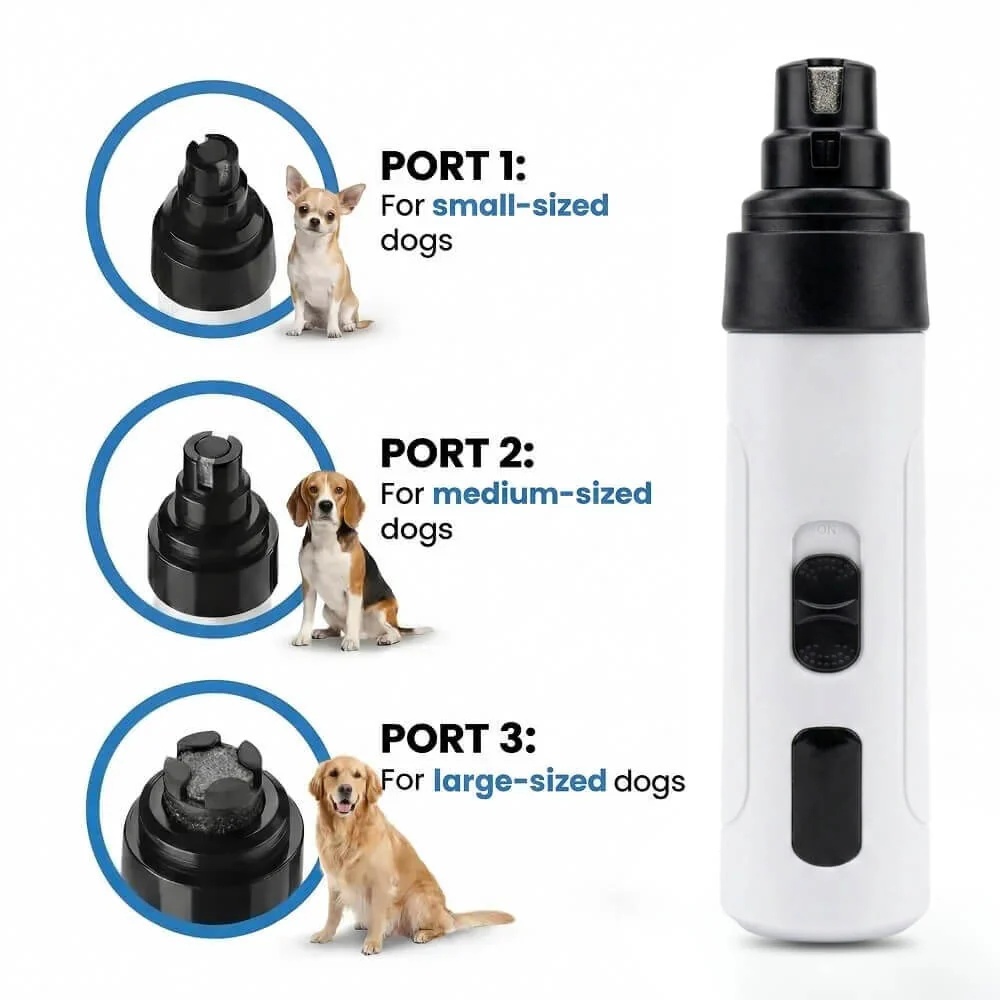
Yes, our advanced rotary tool features three distinct ports designed to accommodate claws of all shapes and sizes.
The wide, open port is specifically engineered to handle the thickest claws of large breeds smoothly.
The high-torque motor provides ample power to file down heavy nails without stalling or slowing down.
How long does the battery last on a single charge?
Our long-lasting lithium battery delivers up to seven hours of continuous runtime on a single charge.
This exceptional battery life allows you to complete multiple grooming sessions without needing a recharge.
You can easily recharge the device using the included USB cable with any standard charging block.
Which speed setting is best for anxious pets?
We recommend starting on the low-speed setting to let your anxious pet adjust to the gentle sensation.
The low-speed setting runs at a highly subdued frequency, minimizing both sound and vibration to keep your dog calm.
Once your pet is comfortable, you can switch to the high-speed setting for faster, more efficient filing.
Does the grinder head get hot during operation?
No, our unique grinding wheel is engineered with advanced low-heat technology to keep the surface cool.
Traditional high-RPM tools can generate heat quickly, causing a burning sensation on your dog’s claw.
Our cool-running system ensures a comfortable, pain-free grooming experience from start to finish.
Conclusion
Ready to transform nail trimming from a battle into a breeze? Explore the Zenpaw Maxpro 3-in-1 Grinder. Call: 302-307-1000 — our team can help you advise on the best grooming practices and help with any product questions.