I still remember the absolute panic when I accidentally clipped my dog’s quick, leaving us both shaken as blood dripped onto the rug. I spent hours frantically searching Google for dog nail cut too short how long to heal, wishing for a safer way. That painful moment inspired our team at Zenpaw to develop a whisper-quiet, painless grooming alternative that turns scary nail trims into peaceful bonding sessions for every pet parent.
Maxpro 3-in-1 Grinder.
Stress-Free Nail Trimming.
Whisper-quiet DC motor (<40 dB) eliminates fear & discomfort. Features 3 ports, dual speeds, and 7-hour battery life. Safe, precise, and painless.
In This Article
- Dog Nail Cut Too Short How Long to Heal: The recovery timeline.
- Understanding Canine Nail Anatomy: Why traditional clippers damage the quick.
- Deep Cut Quick Recovery Time: Pain relief, protection, and home care.
- Identifying Infection Risks: Monitoring slow-healing claws.
- The Science of Desensitization: Stress-free grooming techniques.
Dog Nail Cut Too Short How Long to Heal? The Complete Recovery Timeline

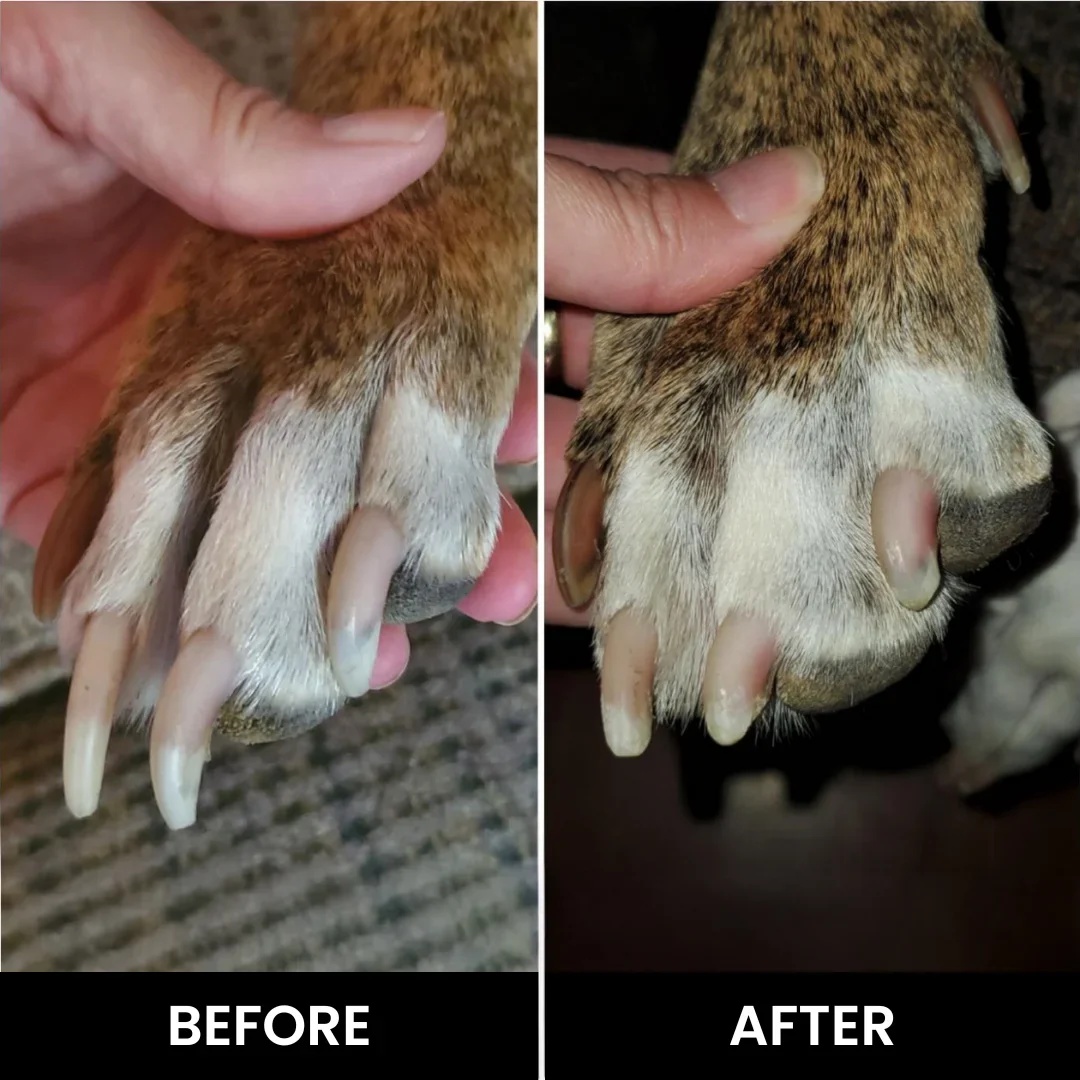
When you accidentally clip a canine’s nailbed into the active blood vessel known as the quick, the recovery process typically spans anywhere from two to ten days depending entirely on the depth of the initial trauma. This common grooming accident happens to pet parents everywhere when traditional metal clippers slip or crush the delicate nail plate, exposing highly sensitive nerve endings. The immediate bleeding can look terrifying because this vascular zone is heavily supplied with blood, but a healthy dog’s body begins forming a protective clot within minutes. Over the next forty-eight hours, a hard scab forms to seal the raw tissue, and a brand-new outer layer of protective keratin will slowly grow over the exposed quick within two weeks to fully shield it from outdoor elements. We always recommend keeping your dog resting indoors during this initial healing window to prevent dirt from entering the open wound and causing a painful secondary infection.
To properly support your dog’s recovery at home, you must immediately apply gentle pressure with a clean cloth or styptic powder to stop the bleeding within five to ten minutes. Once the bleeding ceases, keep the affected paw completely dry and avoid long walks on hard pavement or muddy grass for at least forty-eight hours to protect the delicate scab. Clean the paw daily with lukewarm water and a mild pet-safe antiseptic spray, then wrap the paw loosely if your dog cannot resist licking or chewing the healing nailbed. If the nail continues to bleed after twenty minutes of direct pressure, or if you notice a foul odor and swelling, you should consult your local veterinarian immediately. If you want to handle this safely at home, the Zenpaw Maxpro Grinder provides painless, quiet filing — explore it here.
99-Day 100% Money-Back Guarantee
“Ever since we started using the Zenpaw Maxpro Grinder, it’s been such a peaceful experience. It’s very quiet, and my dog actually relaxes. It’s turned our stressful sessions into quick, quiet grooming times.”
— Sarah M. | ✔ Verified Customer
- ✓ Prevents Infection & Splitting
- ✓ Ideal for All Dog Sizes
- ✓ Low-Vibration Technology
- ✓ Fast 2-7 Days Delivery
Need Support? Call 302-307-1000
Understanding Canine Nail Anatomy: Why Traditional Clippers Can Damage the Quick
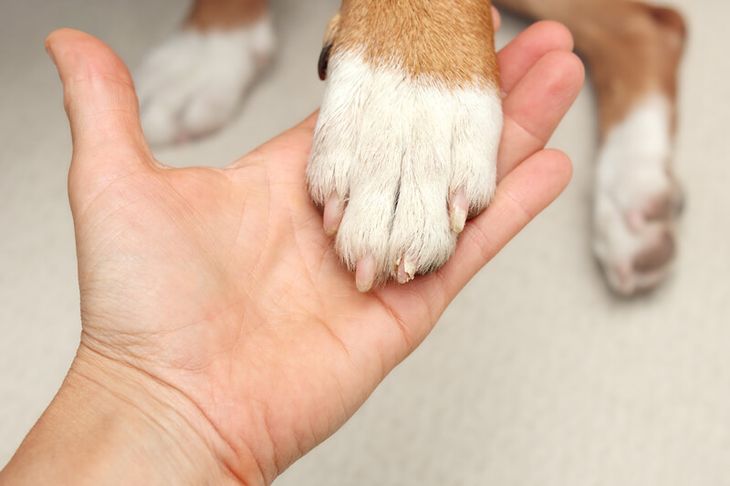
Canine claws are structurally unique compared to human fingernails.
They consist of a hard outer layer made of tough keratin protein.
Inside this protective shell lies a highly vascularized core known as the quick.
The quick is packed with live blood vessels and extremely sensitive nerve endings.
This tissue is directly connected to the skeletal system of the dog’s toe.
When you use traditional scissor-style clippers, they apply massive squeezing pressure.
This mechanical force violently compresses the nail before the blade cuts.
This crushing action often causes microscopic cracks along the nail shaft.
These small fractures can expose the delicate quick to air and environmental elements.
Even if you do not clip the quick, the sudden pinch causes intense throbbing pain.
This traumatic sensation is why many dogs develop a severe phobia of nail clippers.
When the quick is cut too short, it bleeds heavily because of high vascular pressure.
The exposed nerve endings send immediate distress signals to your dog’s brain.
A professional dog nail grinder avoids this structural trauma entirely.
The high-speed rotating head gently files the keratin layer down step by step.
This progressive wear allows you to monitor the nail tip’s color changes safely.
You can stop the process the moment you see the light-colored dot of the quick.
This gentle method ensures the claw remains smooth without structural damage.
Based on grooming feedback from over 18,587+ Zenpaw users, grinding reduces stress signals significantly.
By protecting this anatomical zone, you help maintain your pet’s overall paw health and comfort.
Managing Deep Cut Quick Recovery Time: Pain Relief and Protection
A deep cut quick recovery time requires dedicated care and active monitoring.
The short cut claw healing duration is heavily influenced by your dog’s daily habits.
Highly active dogs face a higher risk of reopening the delicate healing wound.
You must restrict running, jumping, and rough play for at least three to five days.
The recovery time for injured quick can be optimized by maintaining a dry environment.
Moisture softens the newly formed protective scab, which can lead to premature bleeding.
If your dog resists paw handling during recovery, you can wrap dog in blanket to cut nails to keep them secure.
Swaddling provides a calming pressure that reduces anxiety and prevents sudden flinching.
Never apply harsh human cosmetic products like a safe non toxic dog nail polish remover near the raw tissue.
The toxic chemicals in these formulations will cause painful burning and chemical irritation.
Instead, use a veterinary-approved antiseptic wash to flush out dirt after outdoor bathroom breaks.
The body will naturally respond by producing a hard protective crust over the quick.
Within seventy-two hours, the acute sensitivity should begin to subside significantly.
You will notice your dog putting more weight on the paw as the nerve endings recover.
Always keep a close eye on their behavior to ensure they are not licking the area constantly.
Excessive licking introduces oral bacteria that can stall the natural recovery process.
Applying a light, pet-safe bitter spray around the bandage can discourage this habit.
If the paw remains sensitive after a week, consult a professional for guidance.
With consistent care, the protective keratin shell will eventually grow back to shield the quick.
Identifying Signs of Infection in a Slow-Healing Claw
An exposed quick is highly vulnerable to pathogens found in dirt and grass.
You must check the injured toe every morning for subtle signs of infection.
A normal, healing quick should look dry and clean within forty-eight hours.
If the surrounding skin looks swollen, red, or glossy, bacteria may have invaded the tissue.
The infected area will often feel noticeably hot to the touch compared to the other toes.
Your dog may also exhibit sudden limping or hold the injured paw off the ground.
If you spot a yellow or green discharge oozing from the cuticle, action is required.
A persistent, unpleasant odor from the paw is another strong indicator of bacterial activity.
If you suspect an infection is starting, you can prepare a home remedy for dog nail bed infection to help clear the tissue.
A warm soak with diluted chlorhexidine or pure Epsom salts can naturally draw out impurities.
Keep the soak limited to five minutes, then dry the paw completely with a clean towel.
Avoid wrapping the wet paw, as trapped moisture encourages rapid fungal and bacterial growth.
If the swelling does not improve within twenty-four hours, seek professional veterinary assistance.
Left unmanaged, a localized nail bed infection can spread into the deeper bone structures.
Prompt care ensures your dog remains comfortable and avoids serious health complications.
Our team at Team Zenpaw always stresses prevention as the most effective wellness strategy.
The Science of Desensitizing Your Dog to Nail Tools
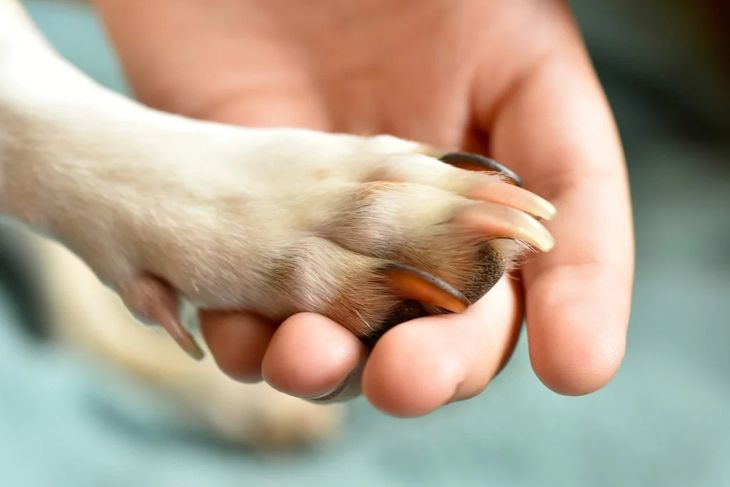
Preparing your dog for nail care requires a careful behavioral desensitization strategy.
Dogs naturally guard their paws because their feet are vital for survival and balance.
You should begin by placing the Zenpaw Maxpro Grinder on the floor during quiet hours.
Place a favorite treat right next to the device to build a positive association.
Repeat this step daily until your dog approaches the tool with a wagging tail.
Next, turn on the whisper-quiet motor while keeping the device at a short distance.
The Zenpaw Maxpro operates at under forty decibels to protect sensitive canine ears.
This noise level is quieter than a gentle library whisper, preventing the startle reflex.
Gently touch the vibrating handle of the grinder to your dog’s shoulder to let them feel the sensation.
Reward them immediately with praise and high-value treats for remaining calm.
Gradually move the tool closer to the paws over several progressive training sessions.
When you are ready to file, hold the grinder at a precise forty-five-degree angle.
This angle aligns perfectly with the natural downward growth curve of the claw.
Apply the grinding wheel to the nail plate for only two seconds at a time.
This pulsing technique prevents any friction heat from irritating the quick.
If you are managing an older pet, you can use toenail grippers for elderly dogs to give them extra traction on slippery floors.
Providing a stable surface reduces joint strain and helps them feel secure during grooming.
With patience and positive reinforcement, your dog will learn that nail grooming is completely safe.
Taking it slow protects your bond and makes paw maintenance a stress-free experience.
Why Traditional Clippers Fail and How Grinding Changes the Game
Traditional dog nail clippers operate like heavy-duty guillotine shears.
This mechanism forces two sharp blades together with intense mechanical pressure.
If the blades are even slightly dull, they will crush the nail instead of slicing it cleanly.
This structural crushing often leaves jagged, rough edges on the claw.
These rough edges can easily snag on rugs, blankets, or outdoor grass, causing painful tears.
Jagged claws also increase the risk of painful splits that travel up to the nail bed.
A high-quality rotary grinder files the nail down gently through high-speed micro-abrasion.
This smooth abrasive action rounds the edges of the claw perfectly.
You can shape the nail so it never snags on your home textiles or carpets.
Grinding also allows you to work in tiny increments to avoid the vascular quick.
The Zenpaw Maxpro Grinder offers dual-speed controls to customize your grooming approach.
The lower speed is ideal for thin, delicate puppy nails or highly anxious dogs.
The higher speed easily glides through thick, stubborn claws on larger breeds.
By making the switch, you replace high-stress cutting with gentle, painless filing.
Your dog will no longer associate paw care with pain, bleeding, or sudden pinches.
This simple change in your routine can completely transform your dog’s behavior over time.
Frequently Asked Questions About Dog Nail Care
How can I tell where the quick is on black dog nails?
Locating the quick on dark or black dog nails requires a careful and methodical approach.
You cannot see the pink blood vessel through a dark outer shell from the side.
Instead, you must look directly at the cross-section of the nail tip as you grind.
Start by filing away small, micro-layers of the nail very slowly.
After each pass, inspect the center of the freshly ground nail tip.
At first, you will see a dry, powdery white or grey circular core.
As you get closer to the living tissue, this center will change to a dark, moist-looking dot.
This dark dot is the protective outer wall of the vascular quick.
Once you see this distinct color change, you must stop grinding immediately.
This visual cue is your safest guide to preventing accidental bleeding on dark paws.
What should I do if my dog starts bleeding during a trim?
If you accidentally cut the quick, the most important step is to remain completely calm.
Your dog will mirror your emotional state and panic if they sense your distress.
Immediately apply a clean paper towel or gauze directly to the bleeding claw.
Hold firm pressure against the nail tip for at least two to three minutes.
If you have styptic powder nearby, press a generous pinch of it into the wound.
You can also use household cornstarch or baking soda if styptic powder is unavailable.
Keep your dog quiet and still to allow a strong, natural blood clot to form.
Avoid wiping the clot away once the bleeding pressure slows down or stops.
Keep your dog off hard, abrasive surfaces for several hours to protect the raw nail.
How often should I grind my dog’s nails to keep the quick short?
Regular maintenance is essential for keeping your dog’s nails healthy and short.
We recommend grinding your dog’s claws once every one to two weeks.
If you hear their nails clicking on hard floors, they are definitely too long.
Frequent, light grinding sessions help the vascular quick naturally recede over time.
When the quick recedes, you can safely file the nail to a shorter, healthier length.
Waiting too long between trims allows the quick to grow longer and closer to the tip.
Short, regular sessions are also excellent for reinforcing your dog’s behavioral training.
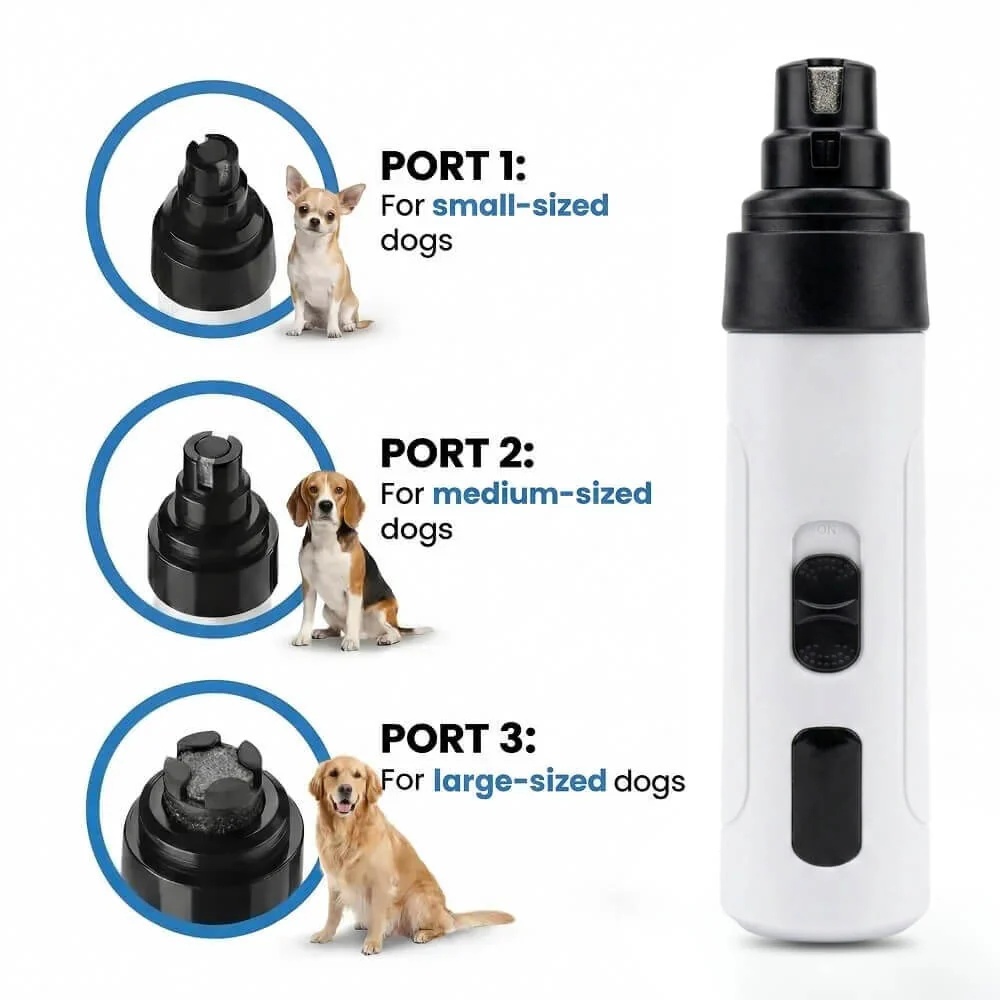
Is the Zenpaw Maxpro Grinder safe for large, heavy breeds?
Yes, the Zenpaw Maxpro Grinder is highly effective for large and heavy dog breeds.
It is equipped with a powerful motor that maintains consistent speed under pressure.
The heavy-duty grinding wheel handles thick, dense claws with absolute ease.
You can use the large, open port on the protective cap for spacious access.
Large breeds often have very hard nails that require a sturdy, durable tool.
Our device provides the strength of professional groomer tools in a user-friendly design.
It allows you to maintain big paws safely without the physical strain of clippers.
Does the Zenpaw Grinder come with a money-back guarantee?
We offer an industry-leading ninety-nine-day money-back guarantee on our grinder.
We want you and your dog to have ample time to get comfortable with the device.
If you are not completely satisfied with your purchase, you can return it for a full refund.
Our customer support team is always available to help you with any questions.
We stand behind the quality and safety of our whisper-quiet design.
This risk-free trial reflects our commitment to stress-free pet grooming.
Conclusion: Your Stress-Free Grooming Journey
Ready to transform nail trimming from a battle into a breeze? Explore the Zenpaw Maxpro 3-in-1 Grinder. Call: **302-307-1000** — our team can help you advise on the best grooming practices and help with any product questions.