
I will never forget the sharp, high-pitched yelp my dog Bella gave when I accidentally clipped her quick, leaving her paw bloody and exposing her to an infected nail bed after deep cut. It broke my heart to see her lick her paw in pain for days, which is why we at Team Zenpaw developed a painless, quiet grooming alternative that keeps your pet’s claws healthy and stress-free.
Maxpro 3-in-1 Grinder.
Stress-Free Nail Trimming.
Whisper-quiet DC motor (<40 dB) eliminates fear & discomfort. Features 3 ports, dual speeds, and 7-hour battery life. Safe, precise, and painless.
In This Article
- Recognizing Signs: Identify the immediate red flags of a bacterial infection in a compromised dog claw.
- Anatomy Explained: Understand how the quick and cuticle function to protect your dog’s paws from dirt.
- Safe Recovery: Step-by-step guidance on keeping the claw clean and dry during healing.
- Prevention Tips: Learn how to transition from painful traditional clippers to safe, whisper-quiet grinding technology.
What Are the Signs of an Infected Nail Bed After a Deep Cut? Here is the Complete Guide
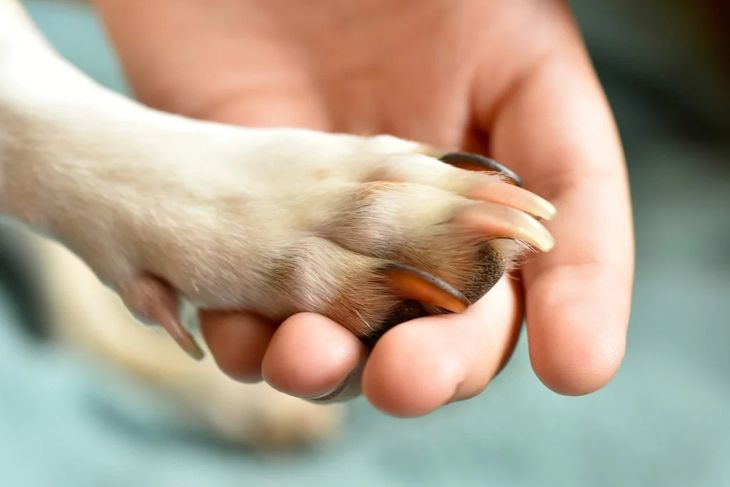
Accidentally cutting your dog’s nail too short can lead to a painful and potentially serious infected nail bed after deep cut.
This condition occurs when the protective outer claw shell is breached and the sensitive inner tissue is exposed.
Any pet parent can make this mistake, especially when trimming dark or thick nails where the vascular quick is invisible.
The vulnerability begins immediately after the cut, but visible signs of a bacterial invasion usually manifest within twenty-four to forty-eight hours.
This happens because the paw constantly touches the ground, which is teeming with microbes, dirt, and feces.
When these pathogens enter the raw, open quick, they multiply rapidly in the warm, moist environment of the claw.
To support your pet, you must recognize the early red flags like continuous paw licking, swelling, and localized heat.
If left unmanaged, the bacterial colonization can travel deeper into the digital bone, causing severe joint pain or systemic illness.
If you have cut the claw too deep, you must act quickly to wash away debris and protect the exposed area.
Begin by gently rinsing the paw with a lukewarm, veterinary-approved antiseptic wash to flush out surface pathogens.
Do not use harsh chemicals like rubbing alcohol or hydrogen peroxide, as these destroy healthy cells and delay recovery.
Apply a clean, non-stick gauze pad with gentle pressure to ensure any minor capillary bleeding stops completely.
Once the surface is dry, apply a small amount of pet-safe protective balm to seal the raw tissue from dirt.
Keep your dog indoors on clean, dry surfaces for at least twenty-four hours to let the cuticle close.
Avoid walks on dusty trails or muddy grass where outdoor bacteria thrive.
If you notice persistent limping, pus, or a foul smell, you should immediately consult your family veterinarian for assistance.
To prevent these stressful accidents altogether, we recommend transitioning to a safe, modern grooming tool.
Our whisper-quiet Zenpaw Maxpro Grinder offers a painless and precise way to file your dog’s nails without the risk of crushing or cutting too deep — explore it here.
99-Day 100% Money-Back Guarantee
“Ever since we started using the Zenpaw Maxpro Grinder, it’s been such a peaceful experience. It’s very quiet, and my dog actually relaxes. It’s turned our stressful sessions into quick, quiet grooming times.”
— Sarah M. | ✔ Verified Customer
- ✓ Prevents Infection & Splitting
- ✓ Ideal for All Dog Sizes
- ✓ Low-Vibration Technology
- ✓ Fast 2-7 Days Delivery
Need Support? Call 302-307-1000
Understanding Canine Nail Anatomy and Cuticle Bacteria Risks

Canine nails are anatomically unique structures that differ significantly from human fingernails.
They consist of a tough, outer keratin shell called the unguis, which surrounds a softer inner layer known as the subunguis.
Directly beneath these protective layers lies the quick, a highly vascularized area containing rich blood supplies and sensitive nerve fibers.
The quick is directly anchored to the third phalanx, which is the distal bone of your dog’s toe.
This close structural connection means that any trauma to the quick can quickly migrate into the bone tissue.
When you clip a nail too short, you do not just cut hair-like keratin; you slice open a living blood vessel.
This physical breach exposes the interior core to a variety of environmental hazards, creating significant cuticle bacteria risks.
The cuticle of a dog’s nail acts as a tight barrier seals out moisture, dirt, and microscopic pathogens.
Once this natural barrier is compromised by a deep cut, environmental bacteria such as Staphylococcus, Streptococcus, or Pseudomonas find an easy pathway inward.
These bacteria are commonly found in garden soil, household carpets, grass, and outdoor puddles.
If a dog has a dog nail bleeding after walk on pavement, the abrasive ground may have worn away the scab, inviting infection.
This is why maintaining a smooth, uncracked claw is so essential to preventing bacterial migration into the toe joints.
Early and Progressive Cut Dog Nail Too Short Infection Symptoms
Recognizing the earliest physical signs of a claw infection can prevent significant discomfort for your pet.
The primary behavioral sign of an emerging infection is localized paw chewing or constant licking.
Dogs lick their paws to soothe pain, but the moist environment of the saliva actually encourages further bacterial growth.
You may also notice your dog limping, favoring the leg, or lifting the paw off the ground while resting.
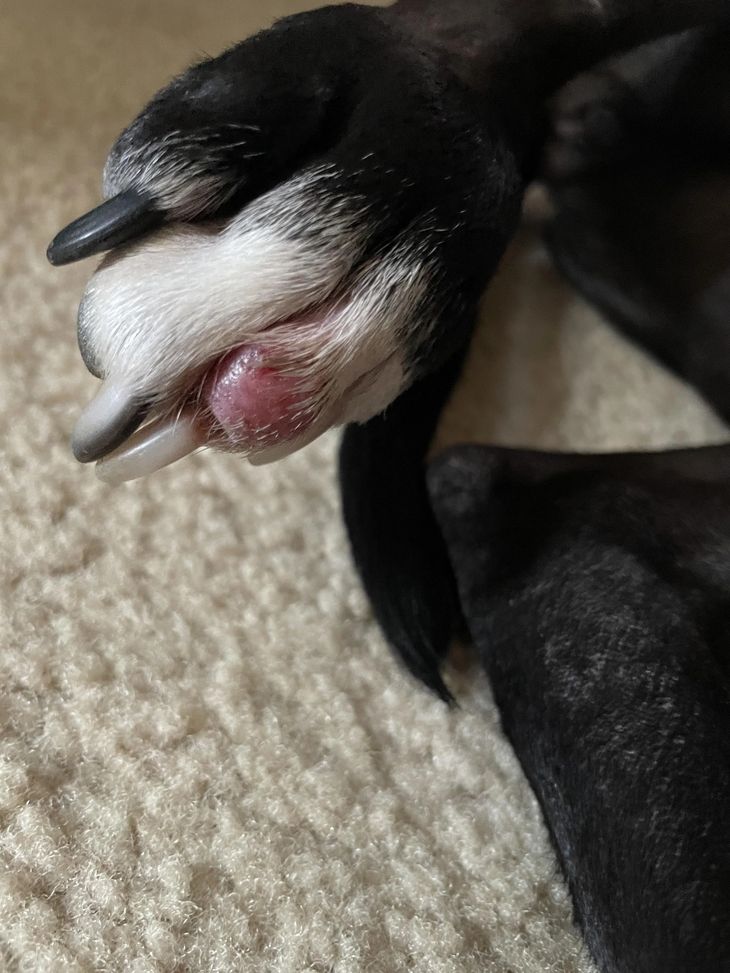
Upon close inspection, you will often find that the skin surrounding the base of the nail is red, swollen, and tight.
These physical changes are classic cut dog nail too short infection symptoms that point to active localized inflammation.
If you gently touch the toe, you may feel a distinct warmth radiating from the tissue, which is a sign of an immune response.
As the bacterial presence develops, a cloudy, watery, or pus-filled discharge may begin to leak from the cuticle.
This discharge is often accompanied by a sour or foul odor, which is a clear sign of microbial colonization.
In chronic or severe cases, the entire toe can swell, and the nail shaft may become brittle, loose, or discolored.
If you notice these progressive changes, it is important to implement supportive care to manage the infection from worsening.
Practical Paw Recovery: How to Help Maintain and Support Claw Health
Supporting your dog’s recovery from a claw injury requires a structured, gentle approach to minimize anxiety.
For dogs that become highly agitated during claw care, using a dog swaddle harness for nail trimming can provide structural stability.
This supportive harness suspends your pet comfortably, reducing struggle and preventing accidental deep cuts.
Once your dog is relaxed, clean the affected nail bed twice daily with a highly diluted, pet-safe antiseptic wash.
After washing, ensure the area is gently dried using a sterile gauze pad to prevent moisture buildup.
You can apply a small amount of veterinary-approved soothing balm to support the natural recovery of the skin.
When you are ready to file the other claws, avoid using traditional, high-pressure scissor clippers.
For minor rough edges, you can manually file dog nails emery board style to smooth out snags.
However, for regular maintenance, a quiet, low-vibration rotary grinder is much more efficient.
When using the Zenpaw Maxpro Grinder, hold the device comfortably at a forty-five-degree angle relative to the nail.
Gently touch the spinning wheel to the tip of the claw for just two to three seconds at a time.
This technique wears down the nail gradually without generating friction-induced heat.
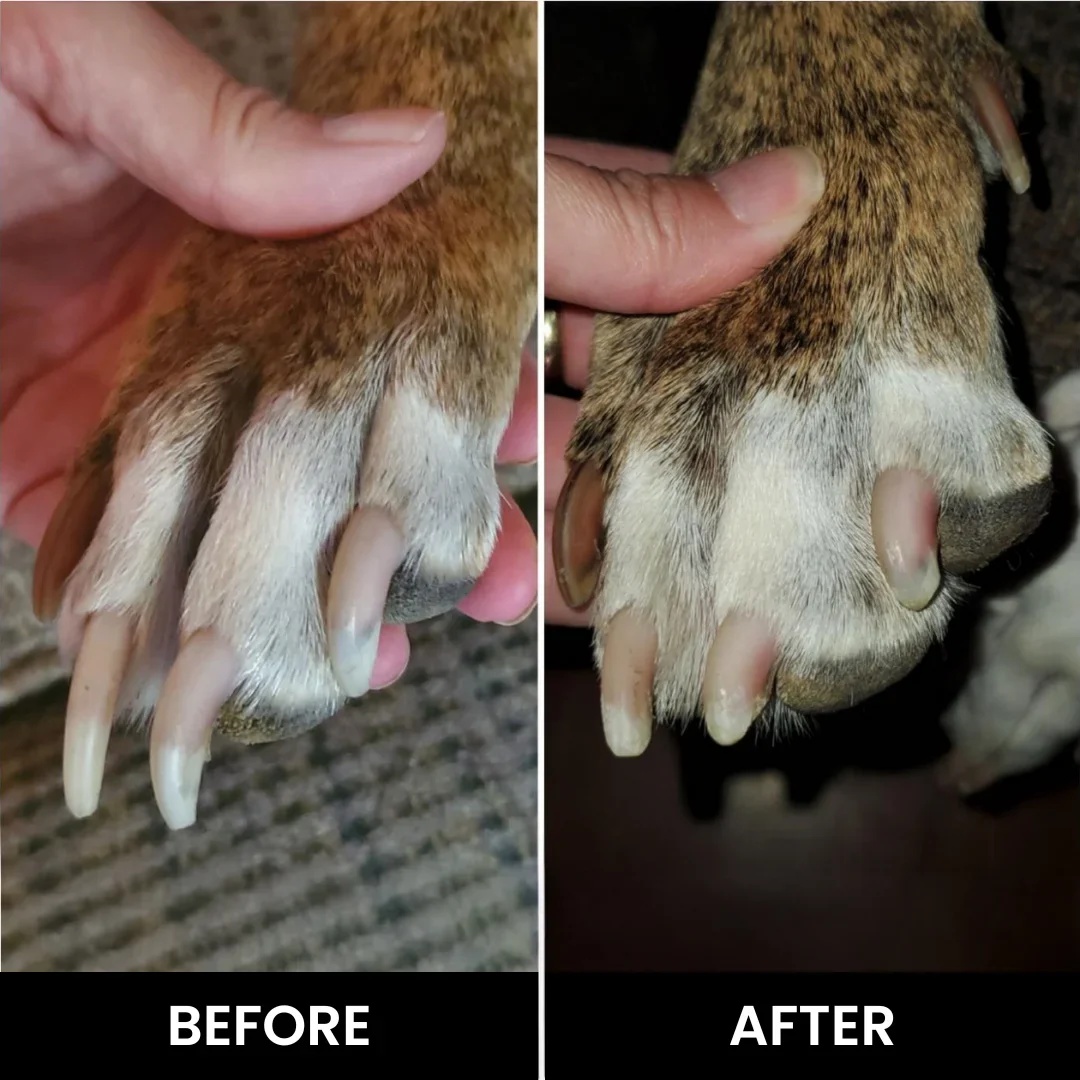
Regular, smooth grinding is the best way to prevent dog nails tearing rug loops or cracking on hard pavement.
The Hidden Dangers of Traditional Dog Clippers
Many dog owners do not realize that standard scissor or guillotine clippers place immense structural stress on claw keratin.
These tools operate by squeezing the nail from both sides with steel blades until the shell gives way.
This high-pressure crushing motion often splinters the nail, creating micro-cracks that run all the way up to the cuticle.
These microscopic fractures allow environmental debris to penetrate deep into the nail bed, even if no bleeding occurred.
If you have a large breed dog, using heavy-handed heavy duty clippers large dog owners often buy can cause significant pain and discomfort.
The loud, metallic “snapping” sound also triggers a strong fear response, leading to extreme grooming anxiety.
Transitioning to a gradual diamond-bit rotary grinder is a much safer, stress-free alternative.
A professional grinder gently smooths away the nail tip molecule by molecule, leaving a perfectly rounded finish.
| Grooming Method | Nail Splitting Risk | Anxiety Level (Dog) | Precision & Safety |
|---|---|---|---|
| Traditional Clippers | High (Crushes & cracks keratin) | Extreme (Loud clipping sound & painful pressure) | Poor (Easy to accidentally cut the quick) |
| Manual Emery Board | Low (Gentle filing action) | Moderate (Slow process causes impatience) | High (Very slow, hard to shape thick claws) |
| Zenpaw Maxpro Grinder | None (Smooths edges molecule by molecule) | Very Low (Whisper-quiet motor <40dB) | Perfect (Dual-speed control & safety ports) |
Frequently Asked Questions About Safe Dog Nail Trimming
Is the Zenpaw Grinder safe for large dogs?
Yes, the Zenpaw Maxpro Grinder is highly safe and effective for dogs of all sizes.
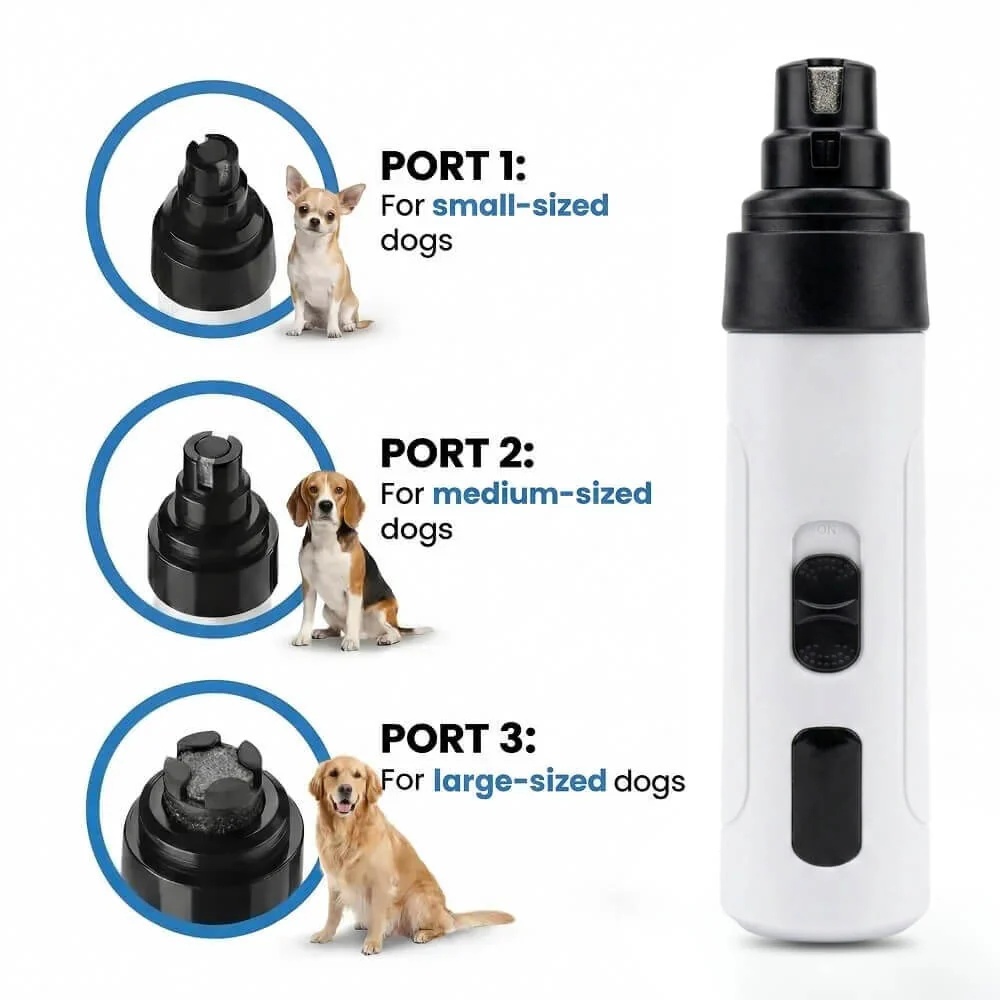
It features three specialized grooming ports designed to accommodate small, medium, and large breeds.
The large port is specifically engineered to handle the thickest claws with ease.
Our heavy-duty brass spindle motor provides ample torque without slowing down under pressure.
This ensures a smooth, rapid filing process even on very dense nails.
How long does the battery last on a single charge?
The Zenpaw Maxpro is equipped with a high-capacity lithium-ion battery that lasts up to seven hours.
This exceptional battery life allows you to complete multiple stress-free grooming sessions before needing a recharge.
The device is fully USB rechargeable, making it highly convenient for home or travel use.
An intuitive LED power indicator lets you monitor the remaining charge at a glance.
You can easily charge the device using any standard phone block, laptop, or portable power bank.
Which speed setting is best for my dog’s nails?
Our grinder offers two distinct speed settings to match your dog’s comfort level and nail thickness.
The low-speed setting is ideal for delicate puppy claws and highly anxious dogs.
It allows for a very gentle, quiet introduction to the filing sensation.
The high-speed setting is perfect for rapidly shaping thick, dense nails on larger breeds.
We recommend starting on the low setting to let your pet acclimate to the vibration.
You can transition to the high speed once your dog is relaxed and comfortable.
Does the grinding tip get hot during use?
No, the Zenpaw Maxpro utilizes advanced low-heat technology to prevent friction-induced heat.
Our premium diamond-bit grinding wheel runs cooler than standard sandpaper bands.
This prevents any burning sensation on your dog’s sensitive claw tissue.
However, we still recommend filing in short, two-second intervals as a safety precaution.
This brief contact technique ensures your dog’s claw remains completely cool and comfortable.
Conclusion
Ready to transform nail trimming from a battle into a breeze? Explore the Zenpaw Maxpro 3-in-1 Grinder. Call: 302-307-1000 — our team can help you advise on the best grooming practices and help with any product questions.
Note: Individual results may vary depending on individual dog breeds, nail thickness, and behavioral temperaments. This article is intended for general pet grooming reference purposes only and does not replace professional veterinary advice.