When my beloved retriever began continuously licking her paws, I assumed it was simple seasonal allergies, but my heart shattered weeks later when her beautiful claws started splitting and falling off one by one, leaving her raw, bleeding, and terrified of any paw contact. Watching her suffer through the excruciating pain of lupoid onychodystrophy in dogs taught me how vital gentle paw hygiene is. That painful journey is why Team Zenpaw designed the whisper-quiet, painless Maxpro 3-in-1 Grinder to help pet parents safely trim and smooth delicate claws without the terrifying pinch of traditional clippers.
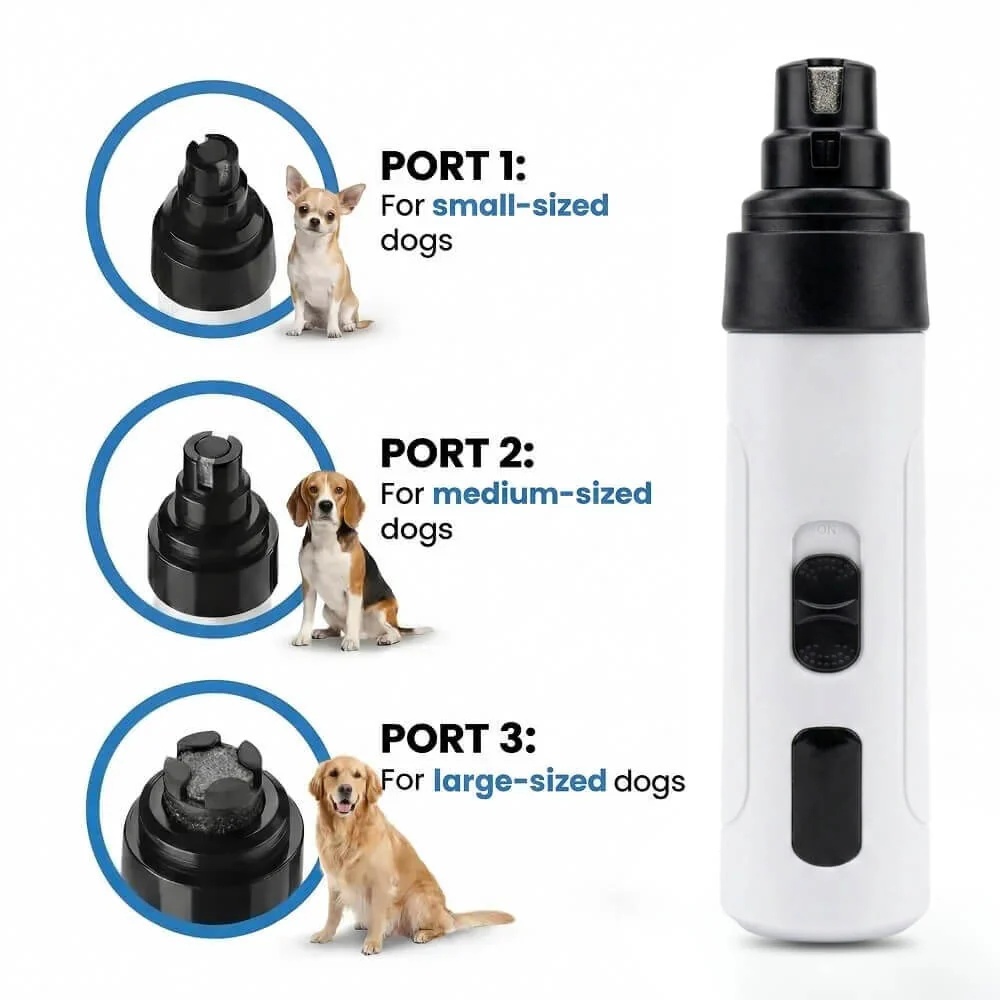
Maxpro 3-in-1 Grinder.
Stress-Free Nail Trimming.
Whisper-quiet DC motor (<40 dB) eliminates fear & discomfort. Features 3 ports, dual speeds, and 7-hour battery life. Safe, precise, and painless.
In This Article
- Understanding SLO: How symmetric lupoid onychodystrophy selectively attacks your dog’s nail beds.
- Clinical Symptoms & Identification: Spotting the warning signs of lupus dog nails early before severe damage occurs.
- Diagnostic Protocols: Knowing how veterinarians differentiate autoimmune nail issues from bacterial infections.
- Advanced Medical & Holistic Therapy: Best treatment practices, including fatty acids, niacinamide, and pain management.
- Stress-Free Nail Grooming: Safe nail grinding techniques using whisper-quiet technology to manage compromised claws.
What is Lupoid Onychodystrophy in Dogs?
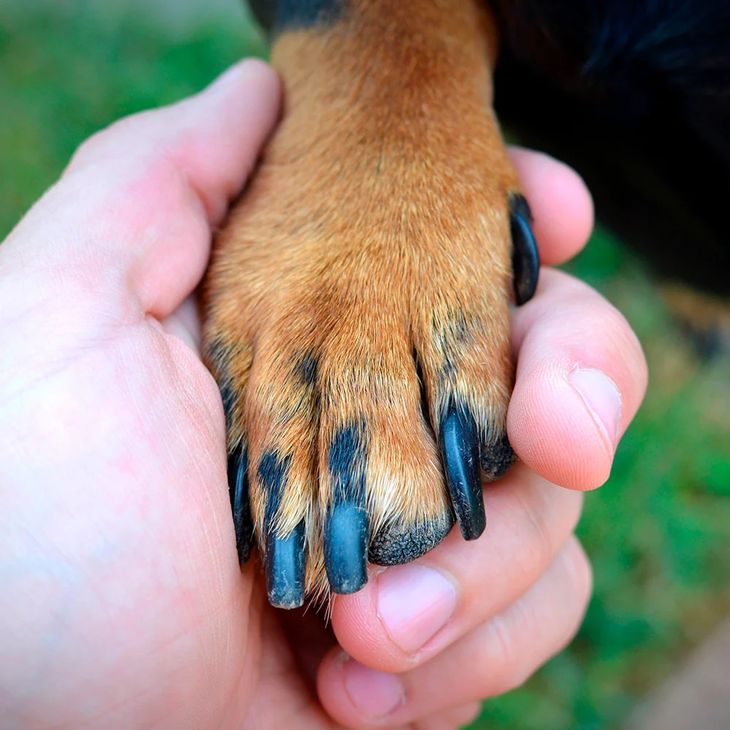
Symmetric lupoid onychodystrophy, frequently abbreviated as SLO, is a localized autoimmune disorder that exclusively targets a canine’s nail beds.
The condition causes the dog’s own immune system to mistakenly attack the delicate outer matrix of the claw, leading to severe inflammation, splitting, and eventual shedding of multiple nails across all four paws.
This painful process typically impacts young to middle-aged dogs, with specific breeds such as German Shepherds, Gordon Setters, Rottweilers, and Greyhounds showing a higher genetic predisposition.
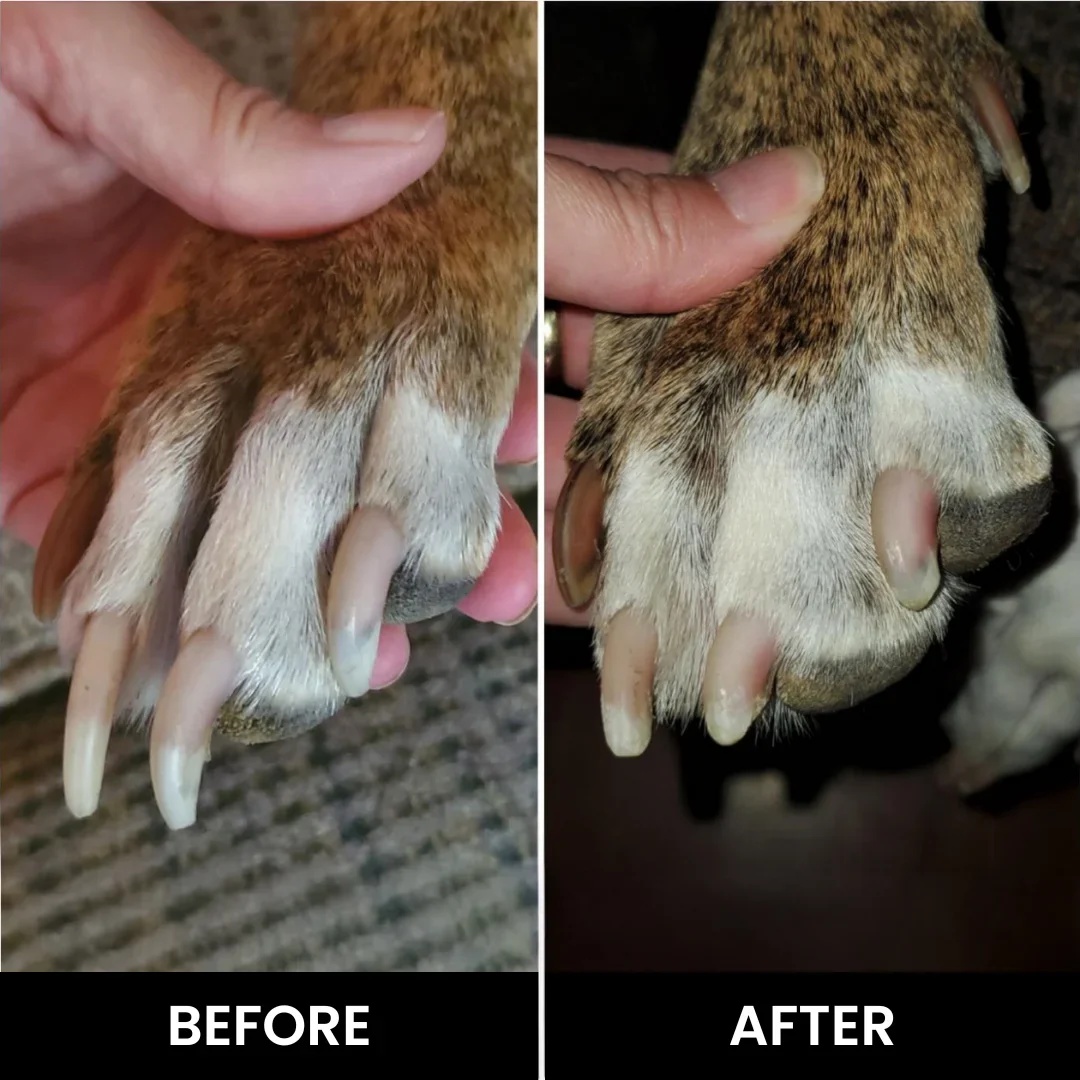
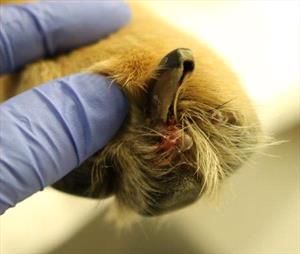
When the disease strikes, it causes the nail to separate from the quick, exposing raw, sensitive tissue and making basic activities like walking extremely painful.
Veterinarians and canine wellness experts emphasize that while the physical manifestation is confined entirely to the claws, the root cause is a systemic immune system malfunction rather than a localized physical injury.
Early identification is absolutely critical because left unchecked, this condition leads to secondary infections and long-term lameness that severely diminishes your dog’s overall quality of life.
To effectively support a canine dealing with this autoimmune issue, pet parents must implement a multi-layered management plan that combines medical intervention with careful home grooming.
First, work closely with your family veterinarian to secure an accurate diagnosis and establish a targeted immunomodulatory drug protocol.
Second, keep the affected paws meticulously clean by soaking them in warm, diluted chlorhexidine or Epsom salt baths to keep harmful pathogens at bay.
Third, protect the exposed nail beds by applying veterinarian-approved topical ointments and utilizing breathable booties during outdoor excursions.
Fourth, transition away from impact-heavy grooming tools and instead use gentle filing techniques to keep the growing nails smooth, preventing them from catching on rugs or blankets.
If you want to handle this safely at home, the Zenpaw Maxpro Grinder provides painless, quiet filing — explore it here.
99-Day 100% Money-Back Guarantee
“Ever since we started using the Zenpaw Maxpro Grinder, it’s been such a peaceful experience. It’s very quiet, and my dog actually relaxes. It’s turned our stressful sessions into quick, quiet grooming times.”
— Sarah M. | ✔ Verified Customer
- ✓ Prevents Infection & Splitting
- ✓ Ideal for All Dog Sizes
- ✓ Low-Vibration Technology
- ✓ Fast 2-7 Days Delivery
Need Support? Call 302-307-1000
Deep Dive into Canine Lupoid Onychodystrophy Symptoms and Nail Anatomy
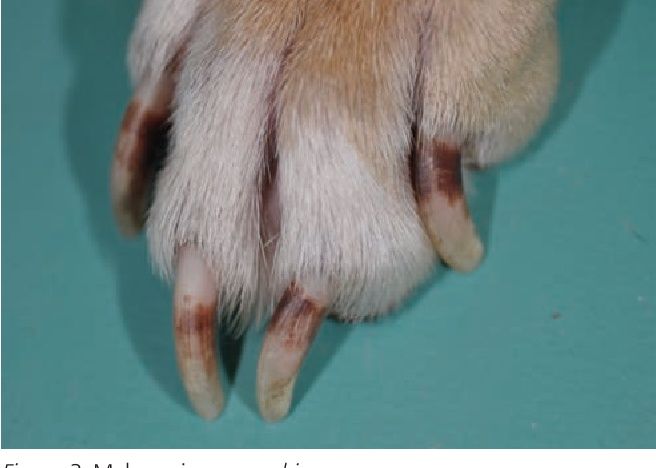
To truly understand symmetric lupoid onychodystrophy, we must first look at the unique physical structure of canine claws.
Unlike human fingernails, a dog’s claw is directly fused to the distal phalanx bone, meaning any deep nail tissue damage reaches incredibly close to the skeletal system.
The vascular quick sits right in the center of the claw, supplying constant blood flow and nerve sensations to the surrounding horn.
In dogs suffering from SLO, the body’s immune cells aggressively target the basal epithelial cells within the claw matrix.
This continuous internal attack deprives the growing nail of cellular structure, causing it to detach entirely from its underlying dermal support.
As the nail loses its anchor, physical stress from walking causes the outer shell to wobble, split, and painfully slough away.
Because the immune response is systemic, this sloughing is rarely isolated to a single claw, eventually spreading symmetrically across all limbs.
The Anatomy of SLO: Why Claws Fall Off
When looking closely at lupus dog nails, the microscopic changes within the tissue are highly dramatic.
The inflammatory infiltrate, primarily composed of lymphocytes, lines up along the junction between the claw dermis and epidermis.
This classic “interface dermatitis” pattern disrupts the normal keratinization process required to form hard, healthy nail structures.
Deprived of healthy keratin, the claw grows out weak, brittle, and hollowed out from the inside.
The lightest pressure from stepping on hard ground can cause the entire compromised sheath to buckle and tear away from the raw quick.
Once the shell falls off, the exposed nerve endings in the quick make even the lightest touch feel agonizing.
Understanding this delicate structural breakdown highlights why rough grooming tools must be avoided at all costs.
Identifying the Warning Signs: From Licking to Lupus Dog Nails
Recognizing early canine lupoid onychodystrophy symptoms can save your companion months of hidden discomfort.
The very first sign is often an unusual obsession with paw hygiene, characterized by continuous licking and chewing.
You might observe your dog holding a paw up or limping slightly on hard, uneven surfaces.
Upon closer physical inspection, the base of the nail near the cuticle may appear swollen, red, or crusty.
Within days, one or more nails will begin to split longitudinally from the base upward.
Soon after, the outer horn separating from the tissue becomes clearly visible as the entire nail sloughs off.
If you notice multiple claws losing their sheaths without any obvious physical trauma, this is a strong indicator of an autoimmune issue.
Diagnostic Steps and Veterinary Protocols for SLO
Accurately diagnosing autoimmune claw disease requires systematic evaluation by a veterinary professional to rule out mimics.
Your vet will first examine your dog’s history, noting the pattern of claw loss and the absence of skin lesions elsewhere on the body.
While a definitive diagnosis technically requires a surgical biopsy of the distal phalanx bone, many veterinarians choose to treat empirically first.
This approach avoids an invasive procedure while monitoring how the claws respond to targeted medical therapies.
They will also perform bacterial and fungal cultures to ensure the primary issue is not an infectious organism.
Because conditions like thyroid disease can impact claw quality, comprehensive blood profiles are often run alongside.
Distinguishing this autoimmune response from simple local infections prevents inappropriate long-term antibiotic use.
Distinguishing SLO from Other Nail Infections
It is incredibly common for pet parents to confuse autoimmune claw issues with bacterial infections.
An isolated paronychia dog nail infection usually presents with localized pus, swelling, and extreme heat in just one claw.
Conversely, autoimmune SLO causes widespread, symmetrical shedding across multiple paws, often without any initial pus.
To help visualize these structural differences, examine the diagnostic comparison table below.
| Diagnostic Feature | Symmetric Lupoid Onychodystrophy (SLO) | Bacterial Paronychia Infection | Physical Trauma or Injury |
|---|---|---|---|
| Number of Claws Affected | Multiple claws across all four paws symmetrically | Usually limited to one or two claws locally | Typically a single isolated claw |
| Primary Physical Signs | Dry splitting, scaling, complete claw shedding | Severe swelling, redness, pus, localized warmth | Jagged cracks, active bleeding, torn quick |
| Systemic Root Cause | Autoimmune attack on the nail matrix | Local opportunistic bacterial invasion | External force, catching, or rough clipping |
Holistic and Medical Treatments for Lupoid Onychodystrophy in Dogs
Successfully managing this chronic condition requires a balanced protocol of immunomodulators and structural supports.
The standard medical approach centers around a combination of Tetracycline (or Doxycycline) and Niacinamide.
This drug pairing works synergistically to modulate the overactive immune response without the harsh side effects of long-term steroids.
In highly acute, painful cases, temporary courses of immunosuppressive corticosteroids like prednisone may be used.
Additionally, high doses of Omega-3 fatty acids are essential to restore lipid barriers within the delicate nail beds.
Biotin and zinc supplements are also frequently added to the daily regimen to encourage stronger keratin growth.
Patience is absolutely key, as it often takes three to four months to see healthy new nail growth emerge.
Managing Pain and Protecting Raw Nail Beds
Because exposed quicks are incredibly painful, immediate pain management is a top priority.
Your veterinarian may prescribe non-steroidal anti-inflammatory drugs (NSAIDs) or gabapentin to relieve nerve pain.
At home, you must keep the paws protected during walks to prevent debris from irritating the raw tissues.
Soft, breathable boots work beautifully to shield the sensitive paws from hot pavement and rough dirt.
Keep outdoor exercise brief and gentle to avoid putting excessive stress on the healing nail beds.
Always dry the paws thoroughly after outdoor trips to prevent moisture buildup, which can invite yeast infections.
By minimizing physical irritation, you give the immune-compromised tissues the quiet space they need to heal.
Gentle Paw Care and Behavioral Support: Step-by-Step Guide
Caring for a dog with highly sensitive claws requires a dramatic shift in your handling and grooming habits.
Because these dogs associate paw touching with intense pain, they quickly build strong defensive behaviors.
If your dog terrified of getting nails clipped reacts with panic, forcing the issue will only ruin their trust and increase their fear.
Similarly, if your dog won’t stay still to cut nails, you run a high risk of accidentally pulling on a loose claw.
You must design a soothing environment where your companion feels completely safe, calm, and in control.
Using a gentle, low-vibration filing tool lets you smooth fragile nail edges slowly, avoiding any sudden pinching sensations.
With consistent, positive reinforcement, you can turn a scary chore into a calm, therapeutic bonding experience.
Step-by-Step Desensitization to Grinding Tools
To rebuild trust, you must introduce your grooming tools slowly over several days.
Start by simply placing the turned-off grinder on the floor and scattering high-value treats around it.
Once your dog sniffs the tool without hesitation, turn the grinder on its lowest setting while keeping it several feet away.
Offer delicious treats like peanut butter to create a positive association with the soft, soothing sound.
The Zenpaw Maxpro’s whisper-quiet motor under 40dB makes this step incredibly easy, as it lacks the scary high-pitched whine of traditional rotary tools.
Slowly bring the vibrating body of the grinder near their shoulder, rewarding them for remaining completely relaxed.
Only progress to touching the nails once your dog happily accepts having their paws gently held.
How to Safely File Compromised Claws at a 45-Degree Angle
When you are ready to file, hold the paw firmly but gently to prevent sudden twisting motions.
Ensure you hold the grinder at a precise 45-degree angle relative to the natural slope of the nail.
Apply very light, brief touches lasting no more than two seconds per nail to prevent heat buildup.
Gently smooth away any jagged, split edges that could easily catch on rugs or fabrics.
Never try to grind the nail down too close to the sensitive, exposed quick.
Always let your dog take frequent breaks during the session to keep their stress levels low.
Using this systematic approach ensures the grooming process remains entirely comfortable and pain-free.
Overcoming Risks: Why Traditional Clippers Fail Compromised Nails
Using standard clippers on a dog with autoimmune claw issues can lead to immediate complications.
Traditional guillotine or scissor clippers work by applying crushing force from opposite sides to cut through the nail.
For a brittle, hollowed-out SLO claw, this harsh impact can instantly shatter and splinter the entire nail plate.
This sudden pressure often triggers intense pain, causing your pet to pull away in panic.
If your dog yelps when cutting nails, it is a clear warning that the physical structure is being pinched.
For owners who must try to cut my senior dog’s nails without getting bit, switching to a high-quality grinder is a vital safety step.
A gentle grinder shaves the nail down micro-layer by micro-layer, completely avoiding any painful crushing impact.
Frequently Asked Questions about Symmetric Lupoid Onychodystrophy
Conclusion
Managing lupoid onychodystrophy is a long, demanding journey that requires deep empathy and the right tools.
By combining expert veterinary support with gentle home grooming, you can guide your companion back to a pain-free life.
Ready to transform nail trimming from a battle into a breeze?
Explore the Zenpaw Maxpro 3-in-1 Grinder today.
Call: 302-307-1000 — our team can help you advise on the best grooming practices and help with any product questions.
Note: Individual results may vary depending on individual dog breeds, nail thickness, and behavioral temperaments. This article is intended for general pet grooming reference purposes only and does not replace professional veterinary advice.