
I still remember the guilt of hearing my sweet rescue dog, Max, click-clacking across the hardwood floor, a sound that I foolishly ignored until his paws began to splay and he started whimpering in pain during our evening walks. Like many pet parents, I was absolutely terrified of cutting his dark claws and accidentally slicing the quick, which made me constantly wonder what happens if you never cut your dog’s nails, eventually leading our Team Zenpaw to develop a whisper-quiet, painless grinding solution that completely protects our dogs’ precious paws.
Maxpro 3-in-1 Grinder.
Stress-Free Nail Trimming.
Whisper-quiet DC motor (<40 dB) eliminates fear & discomfort. Features 3 ports, dual speeds, and 7-hour battery life. Safe, precise, and painless.
In This Article
- The Core Risks: What happens biologically if you never trim your dog’s claws.
- Anatomy Explained: How the living quick behaves and grows when neglected.
- Skeletal Damage: The severe joint strain and structural changes that occur.
- Step-by-Step Recovery: Safe ways to grind overgrown claws and protect paw health.
What Happens if You Never Cut Your Dog’s Nails? The Ultimate Veterinary and Grooming Guide
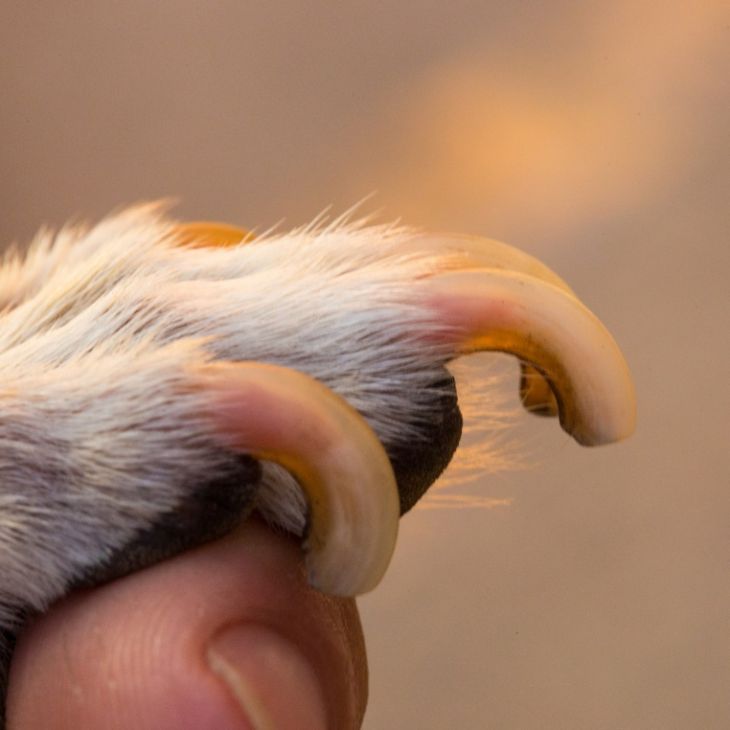
Neglecting canine nail care leads to a cascade of severe physical and structural issues for your beloved companion.
When domestic dog claws are never trimmed, they grow in a natural downward spiral that eventually forces the toes to splay and bend unnaturally.
This structural misalignment shifts your dog’s entire weight-bearing posture backward onto their hind pads, causing immense strain on their skeletal system.
Over time, this unnatural posture damages the leg joints, worsens arthritis, and can cause permanent tendon damage.
Every breed is susceptible to these joint issues, but indoor dogs living on soft carpets are at the highest risk because they lack natural concrete wear.
Within just a few months of neglect, these elongated claws can curl completely backward and painfully puncture the sensitive paw pads.
This piercing causes deep, open wounds that frequently invite dangerous bacterial infections into the paw.
Resolving this painful condition requires a slow, structured approach to gradually recede the overgrown quick.
You must first identify the sensitive blood vessel inside the claw, which is known as the quick.
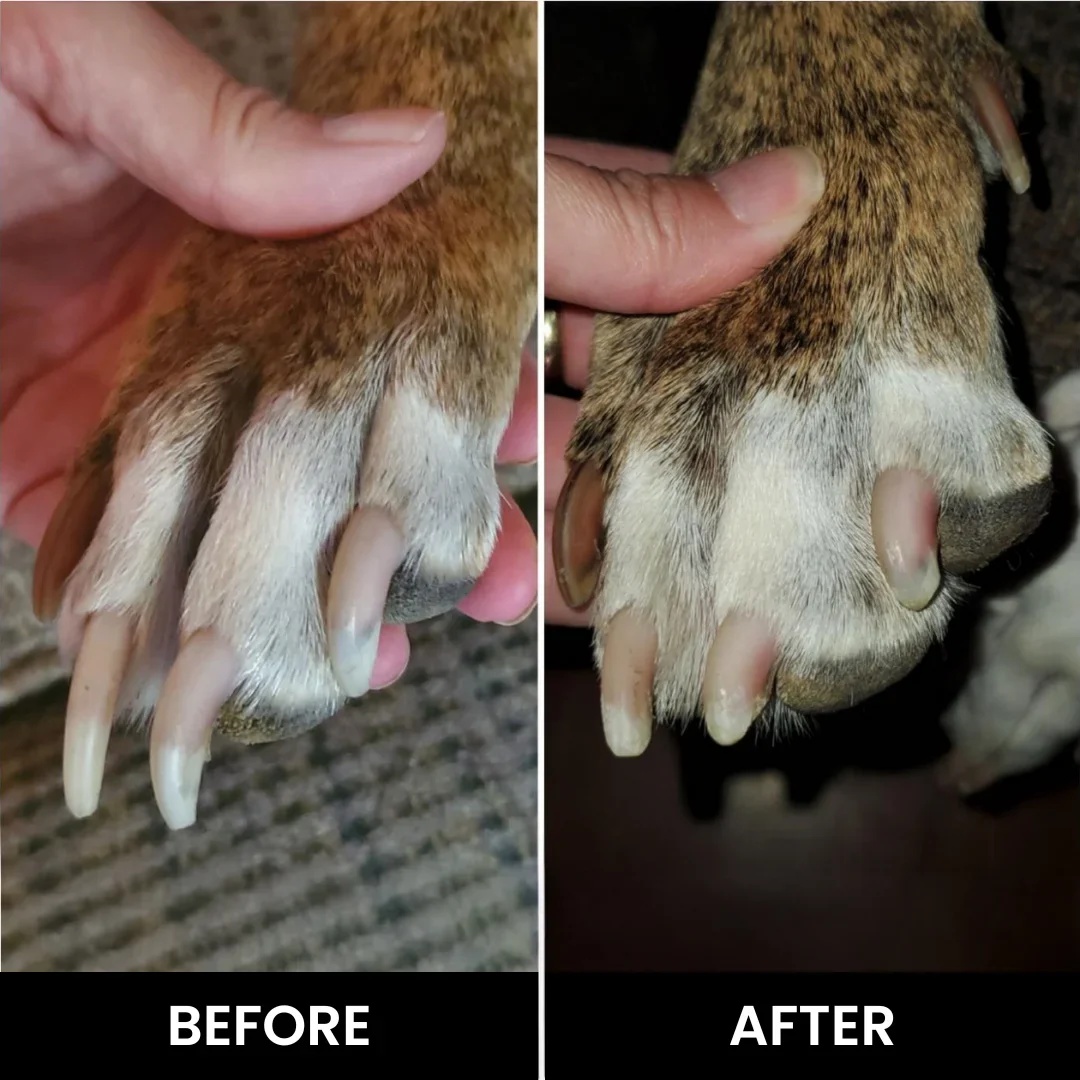
Regularly filing the outer tip of the claw forces this blood vessel to safely recede back toward the paw over time.
Instead of using aggressive clippers that crack the nail, you should utilize a controlled, low-vibration grinder.
Gently file the nail at a precise forty-five-degree angle for only a few seconds per toe to prevent heat buildup.
Repeating this gentle filing process every seven to ten days will safely restore your dog’s claws to a healthy length.
If you want to handle this safely at home, the Zenpaw Maxpro Grinder provides painless, quiet filing — explore it here.
99-Day 100% Money-Back Guarantee
“Ever since we started using the Zenpaw Maxpro Grinder, it’s been such a peaceful experience. It’s very quiet, and my dog actually relaxes. It’s turned our stressful sessions into quick, quiet grooming times.”
— Sarah M. | ✔ Verified Customer
- ✓ Prevents Infection & Splitting
- ✓ Ideal for All Dog Sizes
- ✓ Low-Vibration Technology
- ✓ Fast 2-7 Days Delivery
Need Support? Call 302-307-1000
Understanding Canine Nail Anatomy: The Science of the Quick and Overgrowth
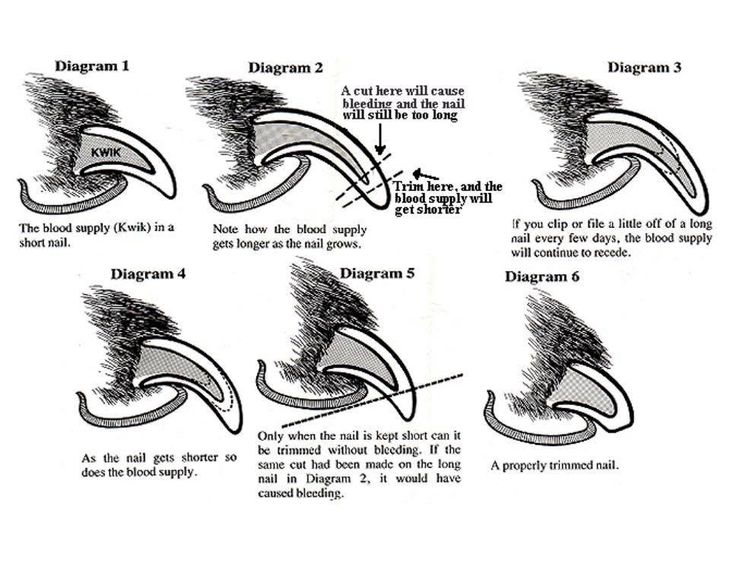
To safely maintain your dog’s claws, you must first understand the complex anatomical structure hidden inside the hard keratin shell.
The canine claw consists of two primary layers: the tough outer protective sheath and the highly vascularized inner core.
This delicate inner core is known as the quick, which contains an intricate network of blood vessels and extremely sensitive nerve endings.
The quick is directly attached to the distal phalanx, which is the actual bone at the very tip of your dog’s toe.
When a dog’s claws are regularly maintained, the quick remains short and safely tucked far away from the nail tip.
However, what happens if you don’t cut dog’s nails is that this inner blood vessel gradually extends further down the claw shaft.
As the outer keratin sheath grows longer, the living quick expands along with it to provide blood supply to the extended structure.
This natural extension makes it physically impossible to trim overgrown nails back to a healthy length in a single grooming session.
If you attempt to cut a long nail back to a normal length with clippers, you will inevitably slice directly through this live blood supply.
Slicing the quick causes sudden, sharp pain that can make your dog highly fearful of future paw handling and grooming sessions.
For pet parents of dogs with dark claws, finding the boundary of this live tissue can feel like an incredibly stressful guessing game.
Thankfully, learning how to cut black dog nails using flashlight is a brilliant way to illuminate and visualize the hidden quick’s shadow.
By shining a bright light through the side of the claw, you can identify exactly where the safe pink tissue ends.
If the nails are left completely untouched, the outer keratin layer will begin to dry out and suffer from severe physical degradation.
This dry degradation often results in dog nails flaking or peeling away in thin, brittle layers due to uneven walking pressure.
These weakened, flaking nails are highly susceptible to vertical splitting and cracking when your dog runs on hard surfaces.
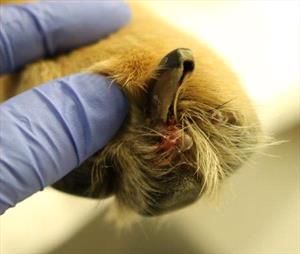
When a claw splits open, it exposes the sensitive inner nerve endings to moisture, dirt, and dangerous pathogens from the ground.
This environmental exposure can lead to rapid bacterial colonization, causing hot, swollen, and extremely painful nailbed infections.
You can monitor your dog’s paw health by comparing their symptoms to early stage infected dog nails pictures to catch swelling early.
Our pet wellness team strongly advises using a gentle diamond-grit grinder to slowly and safely file down overgrown claws.
Filing the very tip of the nail every week sends a natural biological signal that encourages the quick to safely recede.
This gradual recession allows you to safely shorten the entire claw over time without ever causing pain or bleeding.
The Pain Risks of Overgrown Nails: Skeletal Alignment and Joint Strain
The physical pain risks of never cutting dog claws extend far beyond simple paw irritation or minor localized discomfort.
Because dogs are digitigrade animals, their entire musculoskeletal framework is built to walk lightly on their toe pads.
The toes act as natural shock absorbers, protecting the leg joints from the impact of running, jumping, and walking.
When claws become excessively long, they act like a physical wedge that forces the toe joints to bend upward with every step.
This upward bending prevents the foot pads from making flat, comfortable contact with the ground surface.
To compensate for this constant joint pressure, your dog must shift their entire center of gravity backward.
This dramatic posture shift forces the dog to stand with their hind legs tucked deeply under their body.
This awkward, crouched stance places an immense physical load on the quadriceps, hamstring muscles, and lower back.
Over time, this continuous muscular overwork leads to chronic myofascial pain, stiffness, and localized muscle spasms.
In the front legs, the lack of proper shock absorption causes repetitive micro-trauma to the delicate wrist bones.
This micro-trauma accelerates the breakdown of joint cartilage, leading to premature and highly painful osteoarthritis.
For older dogs who already suffer from mild joint wear, overgrown claws can completely destroy their remaining mobility.
This skeletal degeneration is exactly what happens when you don’t trim your dog’s nails to maintain healthy postural alignment.
Furthermore, the lack of traction from splayed, flattened toes makes walking on slippery hardwood or tile floors incredibly dangerous.
Your dog will constantly slip and slide, which can easily lead to acute muscle strains, torn ligaments, or painful joint dislocations.
By keeping your dog’s claws short and neat, you restore their natural skeletal alignment and protect their long-term mobility.
Short claws allow the toe joints to remain in a relaxed, neutral position, ensuring optimal shock absorption across all four limbs.
Our pet wellness team always emphasizes that regular nail care is a fundamental component of lifelong orthopedic health.
Using a quiet, low-vibration grinder allows you to easily maintain this vital short length without causing any stress or pain.
Step-by-Step Practical Guide: How to Safely Trim and Grind Your Dog’s Nails
Helping an anxious dog feel comfortable with nail grooming requires a structured, slow desensitization plan.
The primary goal is to replace your dog’s fear of paw handling with anticipation of praise and rewards.
Start your training in a quiet, distraction-free room where your dog feels completely safe and relaxed.
On the first day, simply touch your dog’s paws gently without bringing out any grooming tools at all.
Reward your dog with a delicious, high-value treat every time they allow you to hold their paw for a few seconds.
On the second day, introduce the Zenpaw Maxpro Grinder while it is completely powered off.
Allow your dog to sniff the device naturally and immediately reward their curiosity with praise and treats.
Next, turn the grinder on its lowest speed while holding it a few feet away from your pet.
The whisper-quiet motor of the Zenpaw Maxpro operates under forty decibels, preventing any sudden auditory startle response.
This gentle hum is far less intimidating to a dog’s sensitive hearing than loud, vibrating industrial rotary tools.
Praise your dog warmly while the tool hums in the distance, helping them associate the sound with positive experiences.
Slowly bring the humming grinder closer to your dog over several days, rewarding them for remaining calm and relaxed.
Once they are completely comfortable with the sound, touch the back of the vibrating tool to their leg to introduce the sensation.
When you are ready to file the claws, hold the paw securely and use your fingers to gently separate the toes.
Hold the rotating diamond grinding wheel at a precise forty-five-degree angle to the very tip of the claw.
Apply gentle pressure for only two to three seconds per nail to prevent any friction-induced heat from building up.
Always file in quick, light strokes, moving steadily from the bottom of the nail up toward the top curve.
If your dog becomes stressed or pulls their paw away, stop immediately and try again the following day.
For highly sensitive dogs who refuse paw handling, utilizing a dog nail scratch box is a fantastic way to let them file their own front claws through play.
However, you will still need a reliable tool like the Zenpaw Maxpro to safely round off the hind claws and dewclaws.
If you encounter any rough edges or minor cracks during your grooming sessions, knowing how to treat a split dog nail is vital to prevent deeper damage.
Using our quiet grinder regularly prevents these painful splits entirely, keeping the claw edges perfectly smooth and polished.
Avoiding Common Trimming Traps: Why Traditional Clippers Pose Pain Risks
Traditional scissor-style or guillotine clippers are the source of most grooming anxiety for both dogs and owners.
These manual tools operate by applying a massive crushing force to cut through the dense keratin sheath of the claw.
This aggressive squeezing action often causes the hard nail to splinter, crack, or pinch the sensitive quick inside.
Even if you do not cut the blood vessel, the crushing pressure itself can cause sharp, lingering discomfort.
Over time, dull clipper blades will squeeze the nail flat before cutting, which can easily shatter the outer wall.
This shattering exposes the delicate inner tissue, creating an immediate risk of painful splitting and infection.
Additionally, clippers offer zero margin for error, making it incredibly easy to accidentally cut the quick on an anxious dog.
One single bad experience with bleeding can ruin months of positive behavior training and trust-building.
In contrast, the Zenpaw Maxpro Grinder offers a incredibly safe, controlled, and stress-free alternative.
The rotating diamond bit gently shaves away the hard nail tissue in micro-layers rather than crushing it.
This gradual shaving method allows you to see the changing color of the nail as you get closer to the quick.
As you grind, the center of the nail will show a soft, moist circle, indicating you should stop filing immediately.
This visual indicator completely eliminates the guesswork and stress of trimming dark or thick black claws.
Furthermore, our grinder automatically polishes the nail edges as it files, leaving them smooth and rounded.
This smooth finish prevents the claws from snagging on your carpets, furniture, and delicate clothing.
By switching to a whisper-quiet grinding tool, you eliminate the pain risks associated with aggressive manual clippers.
Our pet wellness team is proud to offer a tool that turns a stressful chore into a peaceful bonding experience.
Frequently Asked Questions About Dog Nail Health and Grinding
Is the Zenpaw Maxpro Grinder suitable for toy breeds as well as giant dog breeds?
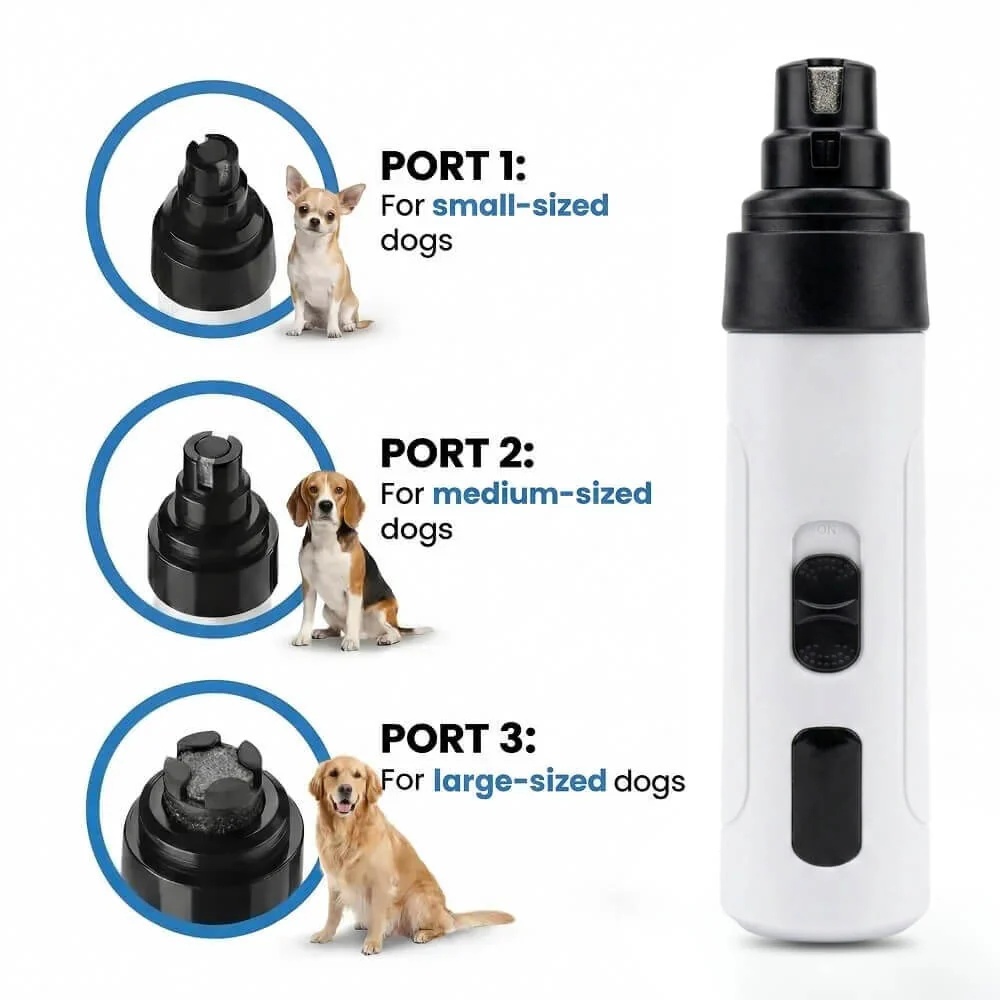
Yes, the Zenpaw Maxpro is equipped with a versatile safety cap featuring three distinct port sizes to accommodate all breeds.
The small and medium ports are perfect for tiny paws, preventing the rotating wheel from touching the delicate surrounding skin.
For giant breeds with very thick claws, you can easily remove the safety cap to expose the entire grinding wheel for maximum efficiency.
How does the USB charging system work and how long is the battery run time?
The grinder is built with a high-capacity lithium battery that provides up to seven hours of continuous use on a single charge.
It comes with a universal USB charging cable that plugs easily into any standard phone charger, laptop, or power bank.
This cordless design allows you to groom your pet anywhere without being restricted by annoying power cords.
What are the dual-speed settings and when should I use each one?
Our whisper-quiet grinder features two adjustable speed settings to match different nail thicknesses and sensitivity levels.
The low speed is perfect for delicate finishing work, small dogs, and anxious pets who are still getting used to the tool.
The high speed provides extra power to quickly file down thick, tough claws on larger breeds with ease.
Does the grinding head get hot and could it burn my dog’s sensitive paws?
No, the Zenpaw Maxpro is engineered with advanced low-heat technology to keep the diamond bit cool during grooming.
To ensure absolute safety, we recommend using light, pulsing strokes rather than holding the wheel on one spot for too long.
This simple technique completely prevents any friction heat buildup, keeping the entire experience pain-free and comfortable.
How often should I grind my dog’s nails to keep them at a healthy length?
We recommend grinding your dog’s nails once every seven to ten days to maintain an ideal, active length.
Regular weekly touch-ups take only a few minutes and prevent the living quick from growing too far down the claw.
Consistent, short sessions are much easier for your dog to tolerate than long, infrequent grooming appointments.
Conclusion: Your Stress-Free Grooming Journey Starts Here
Keeping your dog’s claws short is a vital pillar of their joint health and daily comfort.
The Zenpaw Maxpro 3-in-1 Grinder makes nail care a peaceful bonding ritual rather than a stressful battle.
Ready to transform your grooming routine?
Explore our whisper-quiet grinder today.
Call us at 302-307-1000 for personal advice and product support!
Note: Individual results may vary depending on individual dog breeds, nail thickness, and behavioral temperaments. This article is intended for general pet grooming reference purposes only and does not replace professional veterinary advice.