
Maxpro 3-in-1 Grinder.
Stress-Free Nail Trimming.
Whisper-quiet DC motor (<40 dB) eliminates fear & discomfort. Features 3 ports, dual speeds, and 7-hour battery life. Safe, precise, and painless.
In This Article
- Understanding why long canine claws snag and destroy woven rug loops.
- How traditional clipping leaves razor-sharp edges that worsen fiber damage.
- A professional step-by-step grinding guide to achieve smooth, rounded claws.
- Stress-free desensitization protocols for highly anxious dogs.
- Expert-approved veterinary insights on quick recede techniques.
How Do You Stop Dog Nails From Tearing Up Your Carpet?
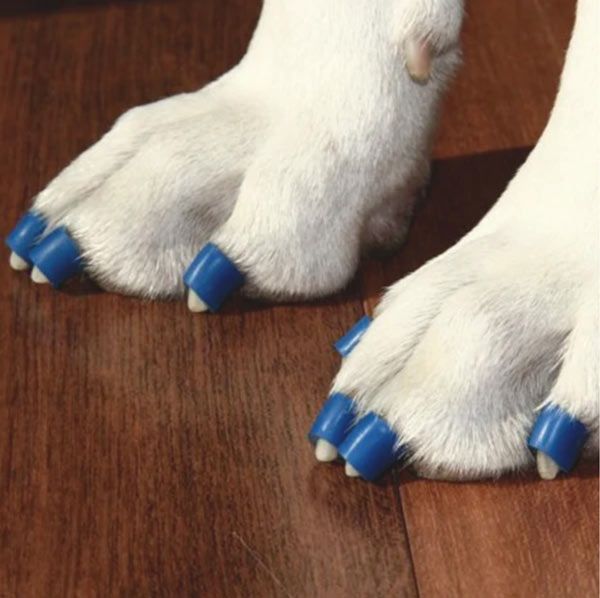
Your dog’s long claws easily hook into woven carpet loops during daily play.
This destructive snagging affects pet parents who struggle to maintain a consistent grooming routine.
The damage happens most frequently in high-traffic areas like living rooms and hallways.
Without regular maintenance, the outer keratin sheath of the claw splits and creates sharp, hook-like edges.
These split ends catch on carpet fibers and pull them loose from the backing.
You can solve this problem by establishing a weekly paw health checkup.
Trimming the nails regularly keeps them short enough to avoid touching the floor.
This simple habit protects your home decor and keeps your dog comfortable.
By maintaining short claws, you prevent the painful pulling of fibers that stresses your pet.
It is a highly effective way to protect both your investments and your dog’s physical well-being.
You can quickly fix this issue by adopting a simple three-step grooming routine.
First, inspect your dog’s paws to identify any split or jagged edges.
Second, use a safe tool to shorten the claws without cutting into the sensitive nerve area.
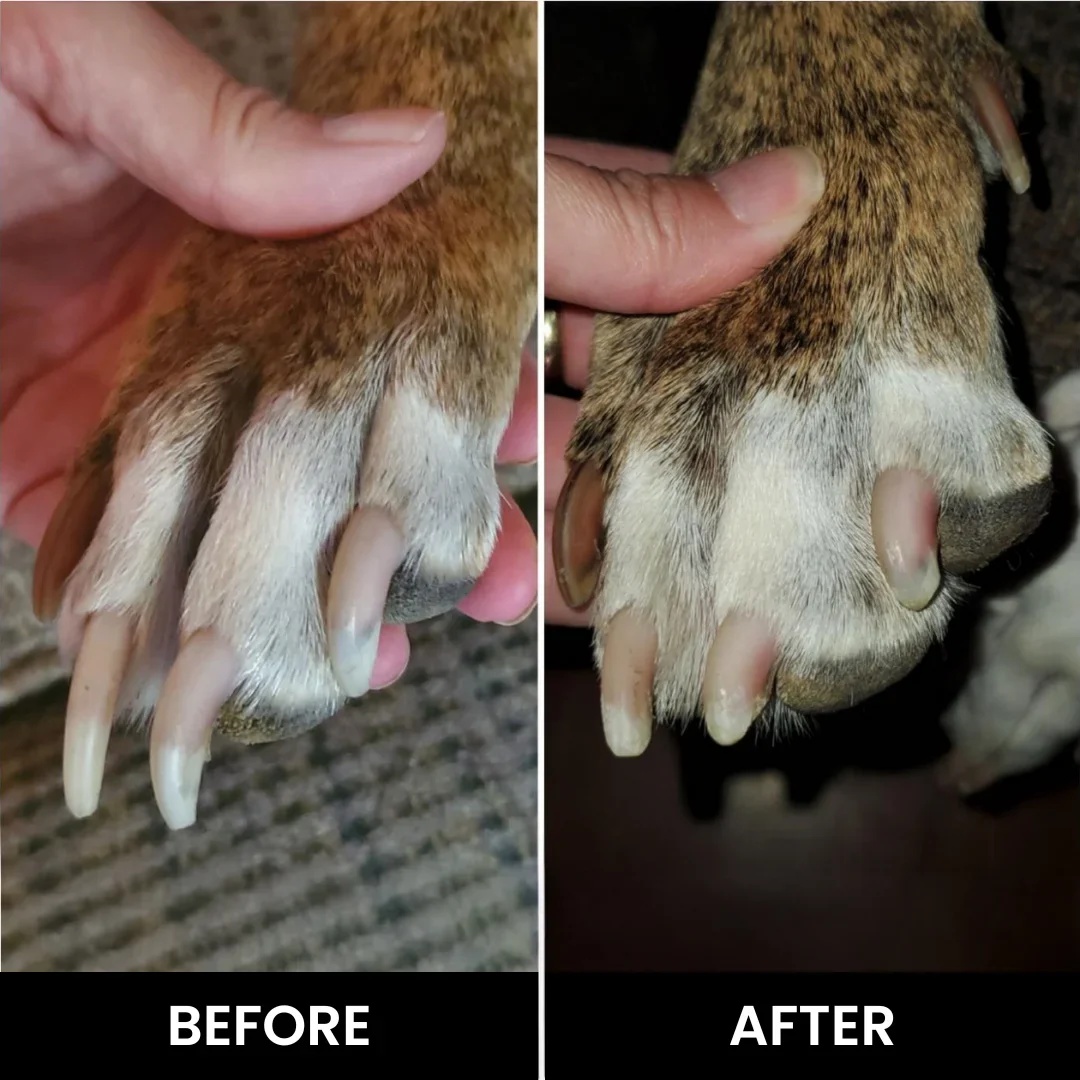
Third, round off the remaining edges to ensure they glide smoothly over carpet weaves.
This process removes the physical hooks that cause all the damage.
If you want to handle this safely at home, the Zenpaw Maxpro Grinder provides painless, quiet filing — explore it here.
99-Day 100% Money-Back Guarantee
“Ever since we started using the Zenpaw Maxpro Grinder, it’s been such a peaceful experience. It’s very quiet, and my dog actually relaxes. It’s turned our stressful sessions into quick, quiet grooming times.”
— Sarah M. | ✔ Verified Customer
- ✓ Prevents Infection & Splitting
- ✓ Ideal for All Dog Sizes
- ✓ Low-Vibration Technology
- ✓ Fast 2-7 Days Delivery
Need Support? Call 302-307-1000
Understanding Canine Nail Anatomy and Why Rugs Suffer
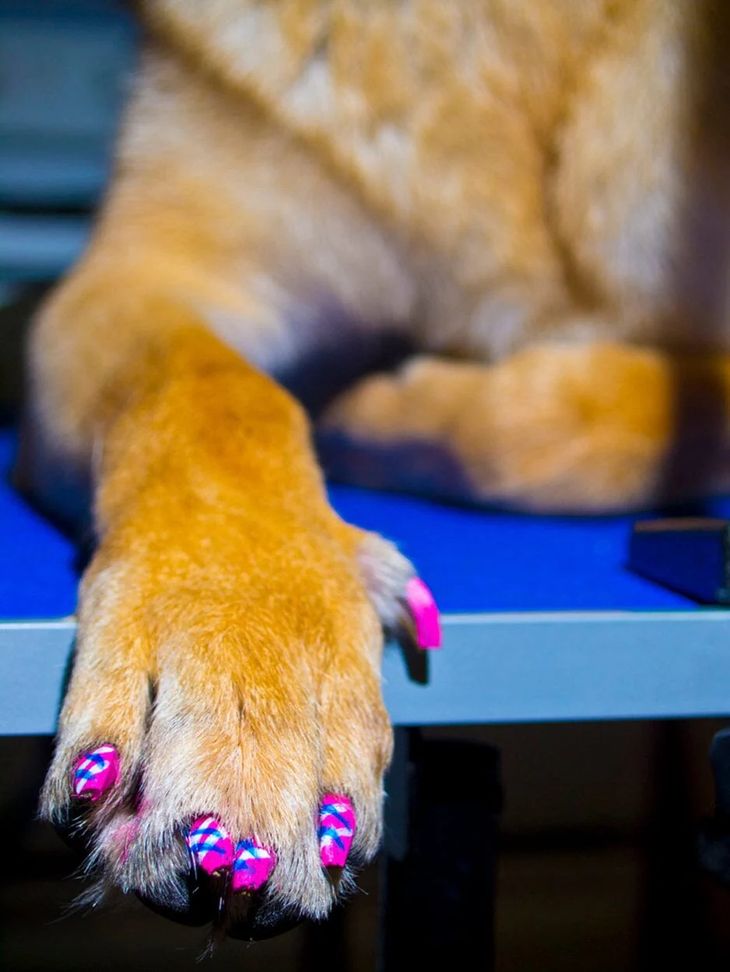
Overgrown claws do much more than just ruin your favorite home decor.
They also pose a serious threat to your dog’s joint health and comfort.
When a dog’s claws grow too long, they alter the way the paw contacts the ground.
Every step on a hard floor pushes the nail back into the joint socket.
This constant pressure causes structural misalignment throughout the entire limb.
To protect your home and your pet, you must understand how a claw is structured.
The canine claw consists of a hard outer sheath and an inner living core.
This living core is known as the quick and contains blood vessels and nerves.
If the claw grows unchecked, the quick will also extend further down the nail.
This overgrowth makes traditional clipping highly dangerous and painful.
Regular filing is the only safe way to encourage the quick to recede over time.
Many owners attempt to file dog nails emery board style for quick touch-ups.
However, manual boards are far too slow for thick, adult dog claws.
Electric grinders offer a much faster, gentler, and more precise solution.
They allow you to slowly sand the nail back without risking a sudden, painful cut.
The Anatomy of the Quick and the Danger of Overgrowth
The quick is the most sensitive part of your dog’s entire paw.
It supplies vital blood flow and nervous feedback directly to the nail bed.
On white claws, the quick looks like a soft pink line near the base.
On black claws, the quick is completely invisible to the naked eye.
This lack of visibility makes trimming dark nails highly stressful for pet parents.
If you accidentally cut this area, your dog will experience sharp pain.
The resulting bleeding can be very difficult to stop without styptic powder.
You might even notice a dog nail bleeding after walk on pavement if the claws are already brittle.
Brittle nails split easily when they make contact with rough concrete or asphalt.
Regular grinding strengthens the nail structure and prevents these painful splits.
By filing the tips weekly, you safely force the blood vessels to shrink back.
This allows you to maintain shorter, healthier nails without any bleeding.
How Long Nails Alter a Dog’s Natural Gait
Overgrown claws force a dog to walk with an unnatural flat-footed posture.
This posture shifts their entire center of gravity backward.
This backward shift puts excessive stress on the hocks and stifle joints.
Over time, this unnatural strain can cause early-onset joint disease.
It also reduces your dog’s ability to grip smooth flooring naturally.
To find traction, your dog will instinctively flex their toes to dig in.
This digging motion is the primary cause of dog scratching rugs long nails damage in homes.
Shorter claws allow the paw pads to function as nature intended.
This restores your dog’s balance and stops the instinctual scratching behavior.
Keeping the nails short is essential for long-term spinal alignment.
The Mechanics of Claw Damage: Why Clipping Leaves Sharp Edges
Many pet parents believe that traditional clipping is the best solution.
However, standard clippers often worsen the carpet-snagging problem.
Clippers work by squeezing the hard outer shell of the nail until it breaks.
This crushing force creates microscopic cracks throughout the keratin layers.
The resulting edges are incredibly sharp, jagged, and prone to splintering.
These rough edges act like tiny saws against your delicate carpet fibers.
They easily catch on woven rugs and pull the loops out of alignment.
To solve this, you must focus on smoothing sharp claw edges after trimming.
Sanding down these rough points is the only way to protect your floors.
A quality grinder rounds the nail tip into a perfectly smooth dome.
This allows the claw to slide harmlessly across carpets without snagging.
It also prevents the nail from catching and tearing during outdoor runs.
Comparing Trimming Tools for Effective Home Care
Choosing the right tool determines the success of your grooming routine.
Standard clippers like resco dog nail clippers are fast but cause heavy splitting.
These clippers can easily crush sensitive nerves if your dog wiggles.
An electric sander like the andis dog nail grinder provides speed but can be very loud.
Loud noises and high vibrations can terrify an already anxious dog.
This fear makes future grooming sessions an exhausting physical struggle.
The Zenpaw Maxpro 3-in-1 Grinder solves this by using a whisper-quiet motor.
Operating at under 40 decibels, it will not startle sensitive pets.
It offers the perfect balance of gentle power and whisper-quiet operation.
This allows you to groom your pet in a calm, relaxed environment.
| Tool Type | Pros | Best For / Cons |
|---|---|---|
| Traditional Clippers | Fast cut, inexpensive | Splits nails, leaves razor-sharp jagged edges |
| Manual Emery Boards | Extremely quiet, cheap | Very slow, practical only for tiny puppies |
| Zenpaw Maxpro Grinder | Whisper-quiet (<40dB), rounds edges perfectly | Best overall for stress-free carpet protection |
A Step-by-Step Guide to Smoothing Your Dog’s Nails

Smoothing your dog’s claws requires patience and a gentle hand.
If your dog is afraid of grooming, you must not rush the process.
Forcing your pet into submission will only increase their long-term anxiety.
We recommend a gradual desensitization process over several days.
This training helps your dog build a positive association with the tool.
Always work in a brightly lit room to ensure maximum visibility.
Hold your dog’s paw firmly but gently to prevent sudden jerking.
Work on one nail at a time using short, gentle strokes.
This careful technique prevents heat buildup and keeps your dog calm.
With consistent practice, grooming will become a peaceful routine.
How to Desensitize Your Anxious Dog
Begin by placing the turned-off grinder near your dog on the floor.
Reward them with high-value treats whenever they investigate the device.
Next, turn the grinder on its lowest speed while holding it at a distance.
Feed your dog tasty treats to associate the soft hum with good things.
Slowly bring the humming tool closer to their paws over multiple sessions.
Never touch the nail until your dog is completely relaxed near the sound.
If your dog continues to struggle, try using a dog swaddle harness for nail trimming.
This secure harness wraps comfortably around your dog to keep them still.
It reduces their anxiety by mimicking the calming sensation of swaddling.
This allows you to focus on the nails without any stressful wrestling matches.
Always reward your dog immediately after finishing each individual paw.
Mastering the Safe 45-Degree Grinding Angle
The key to a smooth, snag-free finish is holding the correct angle.
Always hold the grinding wheel at a 45-degree angle to the claw.
This angle matches the natural slope of a healthy, active dog’s nail.
Start by gently grinding the bottom tip to remove the hooking curve.
Next, sweep the grinder in a circular motion around the sides.
This rounds off any sharp corners that could snag your rugs.
Limit each contact to a maximum of two seconds to avoid overheating.
Excessive heat can quickly irritate the nerve endings inside the claw.
If a nail feels warm, move to another paw and let it cool down.
Check your work by running your thumb over the finished nail.
The surface should feel completely smooth, rounded, and clean.
Avoiding Pain and Panic During Home Grooming
Many pet parents make the mistake of trying to finish too quickly.
Attempting to grind all four paws in one session can overwhelm your dog.
If your pet becomes restless, take a break and resume the next day.
Grooming even one nail per day is a highly successful start.
Another common error is using dull, worn-out grooming tools.
Dull grinding wheels require more pressure, which creates dangerous heat.
This friction can burn the sensitive quick and cause immediate panic.
Always inspect your grinding heads before beginning a session.
Replace any worn parts to ensure a fast, cool, and efficient file.
The Zenpaw Maxpro features premium diamond bit wheels for maximum durability.
These high-grade bits grind smoothly without requiring heavy pressure.
This protects your dog from painful heat and makes grooming incredibly safe.
By choosing the right tools, you eliminate the risks of home grooming.
Common Questions About Dog Nail Maintenance and Home Solutions
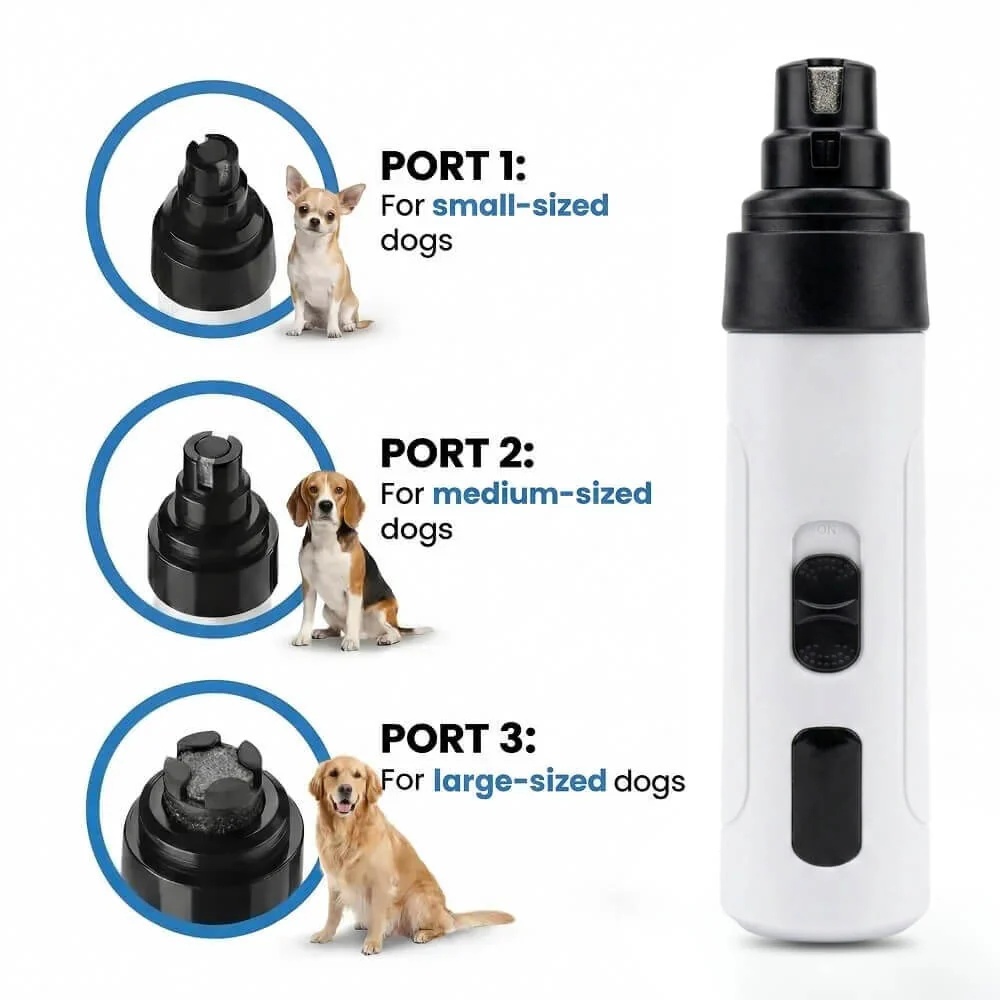
It features three different port sizes designed to match various breeds.
The wide port is perfect for safely grinding thick nails on large dogs.
Its powerful motor easily files down tough keratin without slowing down.
It provides up to 7 hours of continuous operation on a single charge.
The convenient USB rechargeable design makes it easy to power up anywhere.
You will never have to worry about the battery losing power mid-groom.
This gentle speed produces minimal noise and vibration to keep your pet calm.
Once your dog is comfortable, you can switch to the high-speed setting.
The dual-speed control allows you to customize the process for your dog.
This system minimizes heat buildup on the grinding surface during use.
We still recommend working in short bursts and rotating paws regularly.
This simple practice ensures a completely painless experience for your dog.
Protect Your Home and Your Dog’s Paws Today
Regularly smoothing your dog’s claws is the best way to protect your carpets.
Ready to transform nail trimming from a battle into a breeze? Explore the Zenpaw Maxpro 3-in-1 Grinder. Call: 302-307-1000 — our team can help you advise on the best grooming practices and help with any product questions.