
I still remember the heart-stopping moment my sweet Labrador let out a sharp yelp after snagging his paw on the deck, leaving me panicking over how to treat a split dog nail safely while his paw was bleeding. As a professional groomer, I knew how fragile the quick was, yet seeing my own dog in pain made me realize how terrifying this is for every pet parent, which eventually led our team to develop a painless, stress-free grooming solution to protect their sensitive paws.
Maxpro 3-in-1 Grinder.
Stress-Free Nail Trimming.
Whisper-quiet DC motor (<40 dB) eliminates fear & discomfort. Features 3 ports, dual speeds, and 7-hour battery life. Safe, precise, and painless.
In This Article
- Step-by-Step Emergency Response: How to stop bleeding and stabilize a damaged claw immediately.
- Understanding Canine Nail Anatomy: Identifying the quick and assessing vertical vs. horizontal splits.
- The Science of Damage: Why dog claws split and how to distinguish minor flaking from severe structural cracking.
- Behavioral Success: Introducing low-stress grooming tools and the correct grinding techniques for long-term health.
How to Treat a Split Dog Nail: A Step-by-Step Guide
Prerequisites and Essential Tools
Before managing a split claw at home, you must prepare a quiet, well-lit workspace to keep your dog calm.
Gather styptic powder, sterile gauze pads, self-adhesive medical wrap, a mild antiseptic solution, and a precise trimming tool.
Having a favorite high-value treat nearby will help reward your dog for their cooperation throughout the process.
Step 1: Secure and Calm Your Dog
Place your dog in a comfortable position where you can easily access the injured paw without straining their joints.
Speak in soft, soothing tones to reassure them, as our canine companions are highly sensitive to our emotional states.
If your pet exhibits severe anxiety or tries to pull away constantly, consulting your vet about gabapentin for dogs to cut nails can make a significant difference.
Ensure a helper gently supports your dog’s head and body to prevent any sudden, painful movements.
Step 2: Inspect and Clean the Injured Paw
Gently lift the paw and examine the damaged nail under a strong, clear light source.
Rinse away any visible dirt or debris using lukewarm water mixed with a pet-safe antiseptic solution.
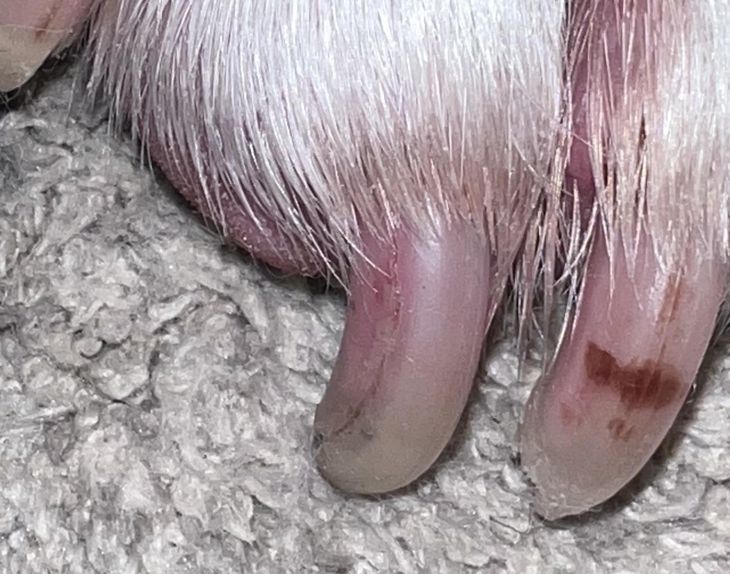
Look closely at the split to determine if the crack has breached the sensitive, pink inner quick.
Take great care not to squeeze the injured toe, as the exposed quick contains highly sensitive nerve endings.
Step 3: Stop Any Active Bleeding
Press a clean piece of sterile gauze firmly against the tip of the bleeding claw to absorb active blood flow.
Apply a generous pinch of styptic powder directly to the exposed area using a clean finger or a damp cotton swab.
Maintain consistent, moderate pressure for at least sixty seconds to allow a strong clot to form.
If the bleeding does not stop after several attempts, keep the paw elevated and seek professional veterinary guidance immediately.
Step 4: Trim Away Loose, Dangling Nail Pieces Safely
Carefully assess if there are any loose, unattached shards of the keratin shell hanging from the toe.
Using a high-quality pair of electric dog nail clippers is highly recommended to clip away only the dead, dangling portion.
Avoid cutting into the live quick, as doing so will cause intense discomfort and trigger renewed bleeding.
If the split extends deeply into the paw skin, leave the nail intact and have a veterinary professional manage the extraction.
Step 5: Protect the Paw and Encourage Regrowth
Apply a thin layer of pet-safe antiseptic ointment over the clean, dry nail bed to ward off bacterial invaders.
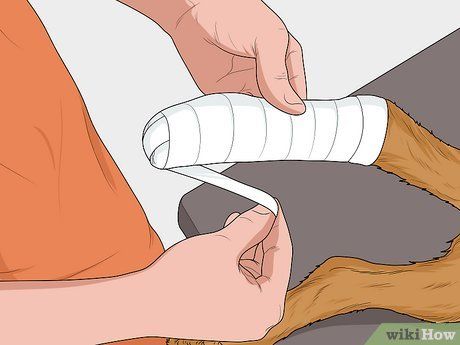
Wrap the entire paw loosely with sterile gauze, securing it with self-adhesive bandage wrap up to the wrist joint.
To guard the healing claw from moisture and rough surfaces during short outdoor bathroom breaks, apply temporary protective booties.
Once the initial tenderness subsides, you can use specialized dog nail covers for hardwood floors to protect your home and prevent further snags.
Grooming Integration with Team Zenpaw
At Team Zenpaw, we believe that caring for your pet’s claws should never be a source of trauma or fear.
After the initial injury has begun to heal, transitioning to a regular, stress-free maintenance schedule is essential for preventing future structural damage.
Our team recommends using the whisper-quiet Zenpaw Maxpro 3-in-1 Grinder to keep the edges of the healing nail perfectly smooth and snag-free.
This veterinarian-approved tool operates under forty decibels, ensuring your dog remains completely relaxed during their home grooming sessions.
99-Day 100% Money-Back Guarantee
“Ever since we started using the Zenpaw Maxpro Grinder, it’s been such a peaceful experience. It’s very quiet, and my dog actually relaxes. It’s turned our stressful sessions into quick, quiet grooming times.”
— Sarah M. | ✔ Verified Customer
- ✓ Prevents Infection & Splitting
- ✓ Ideal for All Dog Sizes
- ✓ Low-Vibration Technology
- ✓ Fast 2-7 Days Delivery
Need Support? Call 302-307-1000
Understanding Canine Nail Anatomy: Vertical vs. Horizontal Splits
To successfully manage a split claw, pet parents must understand the internal structures that make up a dog’s nail.
The canine claw consists of a hard, protective outer layer composed of a protein called keratin.
Directly beneath this tough shell lies the quick, a highly vascularized tissue bundle packed with blood vessels and nerves.
When a claw breaks, the type of split determines the severity of the discomfort and the required grooming response.
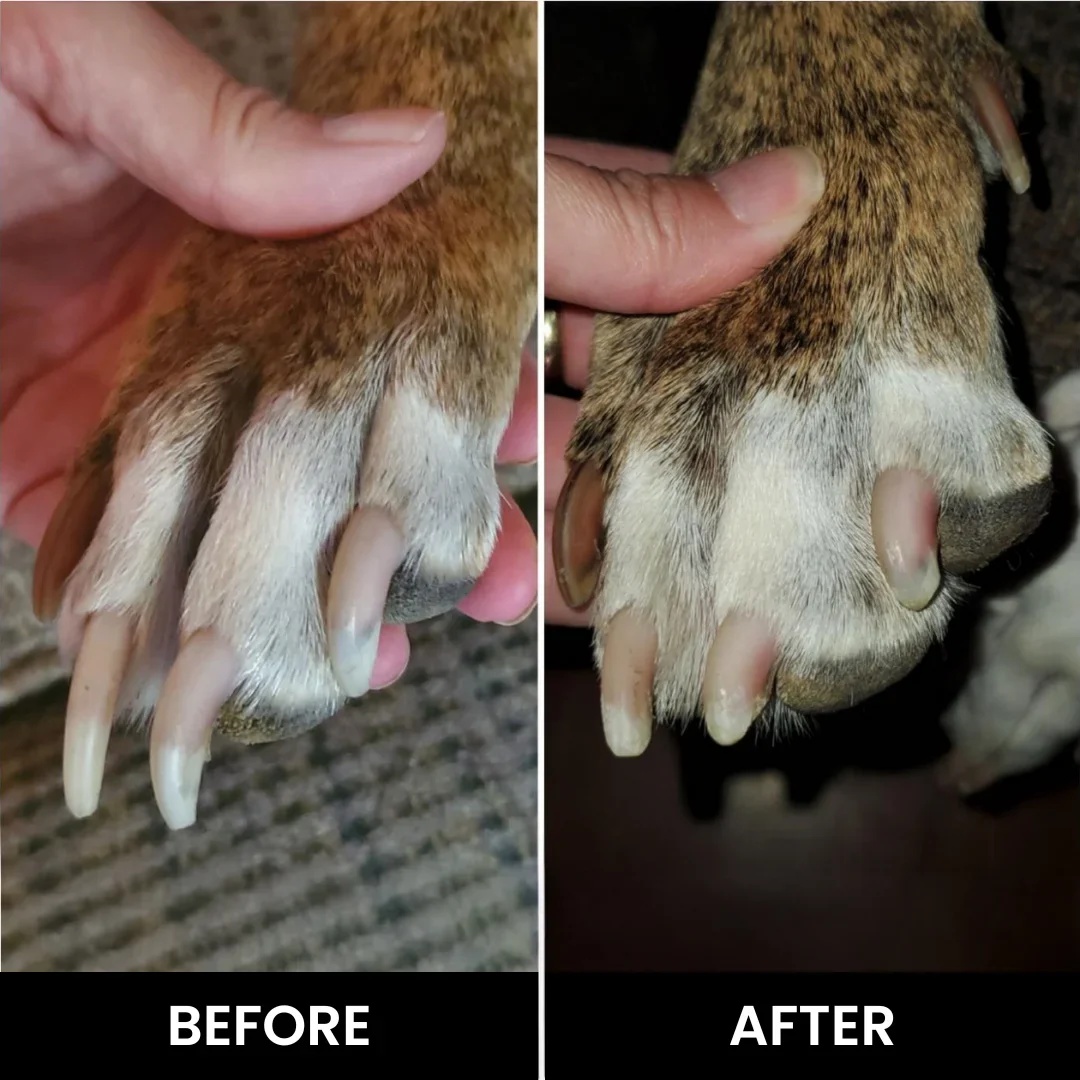
Horizontal splits typically occur near the tip of the nail shell, often leaving the quick completely uninjured.
These breaks are generally easier to manage at home because you can file or trim the dead outer shell without pain.
Conversely, vertical splits are much more complex because they run upward toward the highly sensitive nailbed.
Vertical cracks frequently expose the quick, leaving your dog vulnerable to persistent discomfort and bacterial infections.
If a vertical split travels past the visible margin of the toe skin, home trimming is generally not recommended.
In these deep structural cases, a certified pet professional or veterinarian should evaluate the paw to prevent permanent damage.
The Science of Nail Damage: Why Do Claws Split?
Understanding the root causes of split nails is the best way to protect your canine companion’s paws from future injuries.
Healthy dog claws are naturally strong, flexible, and capable of withstanding various physical impacts during play.
However, several underlying environmental and biological factors can leave a dog’s nails dry, brittle, and prone to cracking.
It is important to recognize the physical difference between basic dog nails flaking and severe, painful structural splits.
Flaking is a normal, superficial shedding of the outer keratin layers that rarely causes your pet any physical pain.
A true split, however, involves a deep fracture that tears through multiple structural layers of the hard claw shell.
The most common cause of split claws is excessive length, which places unnatural upward pressure on the toe with every step.
When long claws repeatedly strike hard surfaces like asphalt or hardwood floors, the structural integrity of the keratin weakens.
Nutritional deficiencies, lack of moisture, and underlying endocrine issues can also cause a dog’s nails to become dry and fragile.
Regularly using a high-quality, low vibration dog nail grinder keeps the nails short and prevents dangerous structural cracks from ever forming.
Managing Long-Term Recovery and Stress-Free Nail Maintenance

Once your dog’s split claw has stabilized, implementing a gentle, long-term care routine is vital for healthy regrowth.
Reintroducing nail grooming after an injury requires patience, positive reinforcement, and specialized, stress-free tools.
The sound of loud grooming motors can trigger immediate anxiety, especially in a dog that is recovering from a painful paw injury.
Our pet wellness team recommends using a whisper-quiet motor to build positive associations during your desensitization sessions.
Begin by letting your dog sniff the grinding tool while it is turned off, rewarding them with highly delicious treats for calm behavior.
Gradually turn the motor on at a safe distance, allowing them to get used to the soft sound without touching their sensitive paws.
Once they are comfortable, gently touch the vibrating body of the tool to their leg to help them get used to the sensation.
When you begin grinding, hold the tool at a precise forty-five-degree angle relative to the natural growth line of the claw.
Work in short, gentle bursts of two to three seconds per toe to prevent heat from building up on the sensitive nail surface.
By keeping sessions short and reward-heavy, you can transform a stressful chore into a peaceful, bonding experience.
Why Traditional Clippers Can Worsen Nail Splits
Many dog owners do not realize that using traditional guillotine or scissor-style clippers can actually cause claws to crack.
Manual clippers work by applying intense, crushing force to squeeze the curved sides of the hard nail shell together.
If the clipper blades are even slightly dull, this crushing pressure can shatter the dry keratin, leading to painful vertical fractures.
For dogs that already have fragile or flaking claws, this structural stress can quickly turn a routine trim into an emergency.
By contrast, high-quality electric dog nail clippers and grinders file the nail down gradually using high-speed, gentle friction.
This progressive filing action eliminates the sudden, jarring shock that often terrifies anxious dogs during traditional trims.
Grinding also allows you to trim the nail shell back in micro-layers, giving you precise control over how close you get to the quick.
Switching to a modern, low-vibration grinder is one of the easiest ways to ensure your dog’s paws remain strong, healthy, and crack-free.
Frequently Asked Questions (FAQ)
Is the Zenpaw Grinder safe for large dogs?
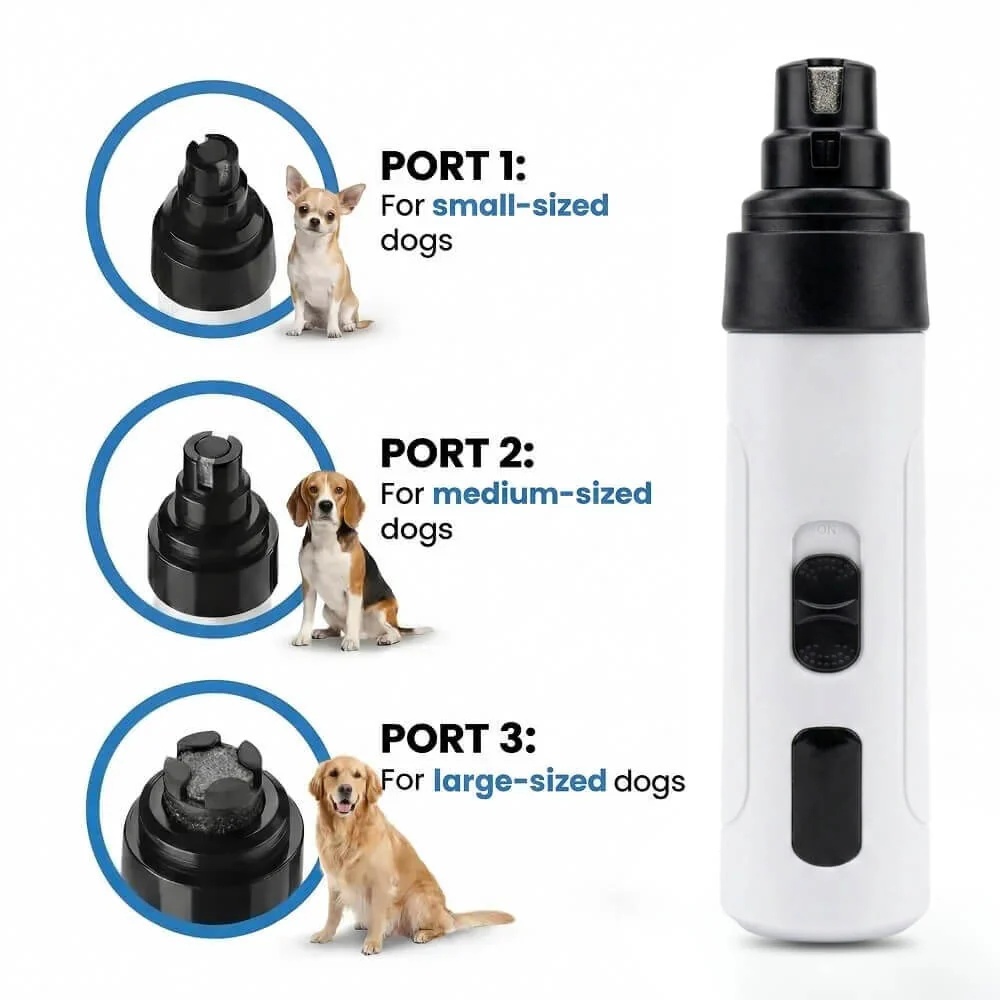
Yes, the Zenpaw Maxpro 3-in-1 Grinder is equipped with a powerful dual-speed motor and three custom ports designed to accommodate dogs of all sizes.
The small and medium ports are perfect for shielding tiny claws, while the wide-open port handles thick, heavy nails with ease.
How long does the battery last on a single charge?
Our advanced grinder features a long-lasting, USB-rechargeable battery that provides up to seven hours of continuous grooming power.
This allows you to take your time and complete grooming sessions without worrying about the device running out of power mid-trim.
Which speed is best for daily nail maintenance?
We recommend starting on the low-speed setting to let your dog get used to the sound and physical sensation of the grinding wheel.
Once your pet is relaxed, you can switch to the high-speed setting for faster and more efficient trimming on thick, stubborn claws.
Does the grinding wheel get hot during use?
Our grinder is engineered with advanced low-heat technology to minimize thermal buildup on your dog’s sensitive claws.
To ensure maximum safety, we always recommend moving the grinder from toe to toe rather than holding it on a single claw for too long.
Can I use gabapentin to calm my dog before grooming?
If your pet has a history of extreme grooming anxiety, using gabapentin for dogs to cut nails can be a helpful option under professional guidance.
Always consult your family veterinarian to secure the correct dosage and ensure this medication is safe for your individual pet’s health.
Are nail covers safe to use during claw recovery?
You should wait until the raw quick has fully healed and a protective layer of new keratin has grown over the injured site.
Once healed, applying dog nail covers for hardwood floors can protect your home and prevent the new nail from catching on rough fabrics.
Conclusion
Stabilizing a split nail requires a calm, methodical approach to ensure your dog feels safe, comfortable, and protected.
By combining safe first-aid techniques with precise, gentle grooming tools, you can ensure their claws heal cleanly and stay strong.
Ready to transform nail trimming from a battle into a breeze? Explore the Zenpaw Maxpro 3-in-1 Grinder. Call: **302-307-1000** — our team can help you advise on the best grooming practices and help with any product questions.