
When my sweet Golden Retriever began frantically licking his swollen paw, I felt a familiar surge of panic as a pet parent. Looking closer, I noticed a bright red, angry cuticle area and realized I needed a safe, reliable home remedy for dog nail bed infection to soothe his pain before it escalated. That is when I discovered the powerful combination of natural paw soaks and switching to stress-free, whisper-quiet grooming tools like the Zenpaw Maxpro 3-in-1 Grinder to stop painful nail splits before they ever start.
Maxpro 3-in-1 Grinder.
Stress-Free Nail Trimming.
Whisper-quiet DC motor (<40 dB) eliminates fear & discomfort. Features 3 ports, dual speeds, and 7-hour battery life. Safe, precise, and painless.
In This Article
- Step-by-Step Paw Soak: How to safely administer home remedies to clear nail bed pathogens.
- Canine Anatomy Deep-Dive: Understanding the quick, cuticle base, and underlying causes of infections.
- Stress-Free Prevention: Professional methods to trim and grind nails safely using whisper-quiet tools.
- Actionable Troubleshooting: Identifying critical warnings that require veterinary intervention.
How to Treat a Dog’s Swollen Paw: A Step-by-Step Soaking Guide
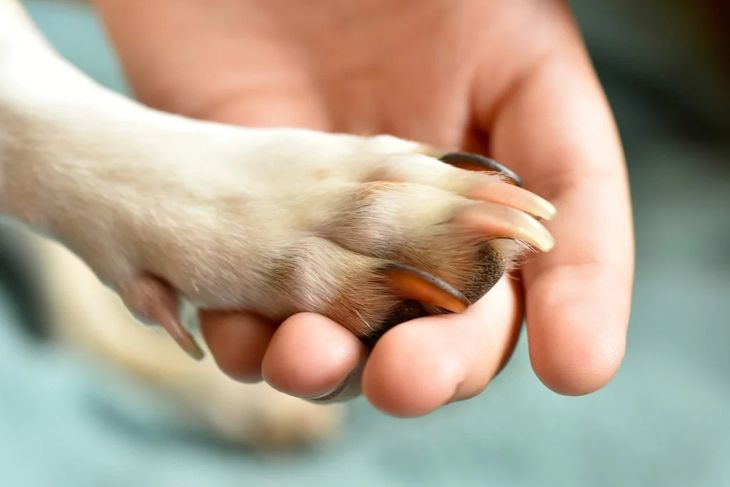
Treating a canine nail bed infection at home requires a structured, hygienic approach.
This guide outlines a simple, highly effective sanitizing protocol to reduce discomfort and eliminate harmful bacteria or fungi.
Gathering your supplies beforehand ensures your pet remains calm and the environment stays clean.
Prerequisites / What You’ll Need
Before starting the therapy, make sure you have the following items ready at your grooming station:
- Warm water (approximately 98 to 101 degrees Fahrenheit).
- A shallow plastic basin, tub, or clean sink.
- Pure Epsom salt (unscented) or organic baking soda.
- An organic, pet-safe antiseptic wash (such as dilute chlorhexidine).
- Two clean, highly absorbent microfiber towels.
- A handful of high-value training treats to reinforce cooperative behavior.
Step 1: Inspect and Clear the Affected Paw
Gently lift your dog’s sore paw and inspect the surrounding cuticle area under bright, direct light.
Look for any visible foreign objects like splinters, thorns, or compacted dirt wedged near the nail bed.
If debris is present, carefully wash it away with a splash of lukewarm water rather than picking at the wound.
Keep your movements incredibly slow and deliberate to avoid triggering pain-related pulling or struggling.
Reward your dog with a premium treat immediately after they let you touch the sensitive limb.
Step 2: Prepare the Healing Warm Soak
Fill your plastic basin with two to three inches of warm water, ensuring it is deep enough to cover the entire foot.
For general bacterial issues, dissolve two tablespoons of pure Epsom salt per gallon of water.
If you suspect a yeast-based issue, a baking soda soak for dog nail infection is an excellent alternative to restore optimal skin pH.
Stir the mixture thoroughly with a clean spoon until all solid crystals are fully dissolved in the liquid.
Test the temperature with your inner wrist to guarantee it feels lukewarm and comfortable before introducing your pet.
Step 3: Submerge and Cleanse the Affected Toe
Lower your dog’s affected foot into the bath while offering calm verbal reassurance.
Keep the paw submerged for exactly ten to fifteen minutes to allow the solution to penetrate the deep tissue folds.
This step forms the core of an effective dog nail bed infection treatment home remedy by drying out pustules and drawing out deep-seated heat.
If your dog attempts to pull away, use a small plastic cup to continuously scoop the warm water over the toe joints.
Maintain a relaxed posture and feed small treats continuously to make this clinical bath a positive bonding habit.
Step 4: Dry the Paw Thoroughly to Block Fungal Growth
Remove the paw from the water and place it directly onto a dry, highly absorbent microfiber towel.
Gently pat the skin dry, paying close attention to the spaces between the toe pads and the base of the cuticles.
Failing to dry these crevices creates a warm, dark, damp microclimate that accelerates dog nail yeast infection symptoms like intense itching and red rusty staining.
Never rub the sore area aggressively, as this can break fragile tissue and worsen localized swelling.
You can use a hair dryer on a strictly cool setting to ensure absolute dryness if your dog is not afraid of the noise.
Step 5: Apply a Protective Balm and Keep It Clean
Apply a thin layer of organic coconut oil or a specialized, pet-safe antiseptic ointment over the dry cuticle.
Coconut oil serves as a fantastic natural cure for infected claw concerns due to its rich lauric acid content and mild antimicrobial traits.
Place a clean, breathable cotton dog sock over the foot to prevent your pet from licking the healing ointment off immediately.
Ensure the sock is secured loosely so it does not restrict healthy blood flow to the lower extremity.
Repeat this complete washing and protecting sequence twice daily for five consecutive days to see a visible reduction in swelling.
Enabling Safe Paw Maintenance with Team Zenpaw
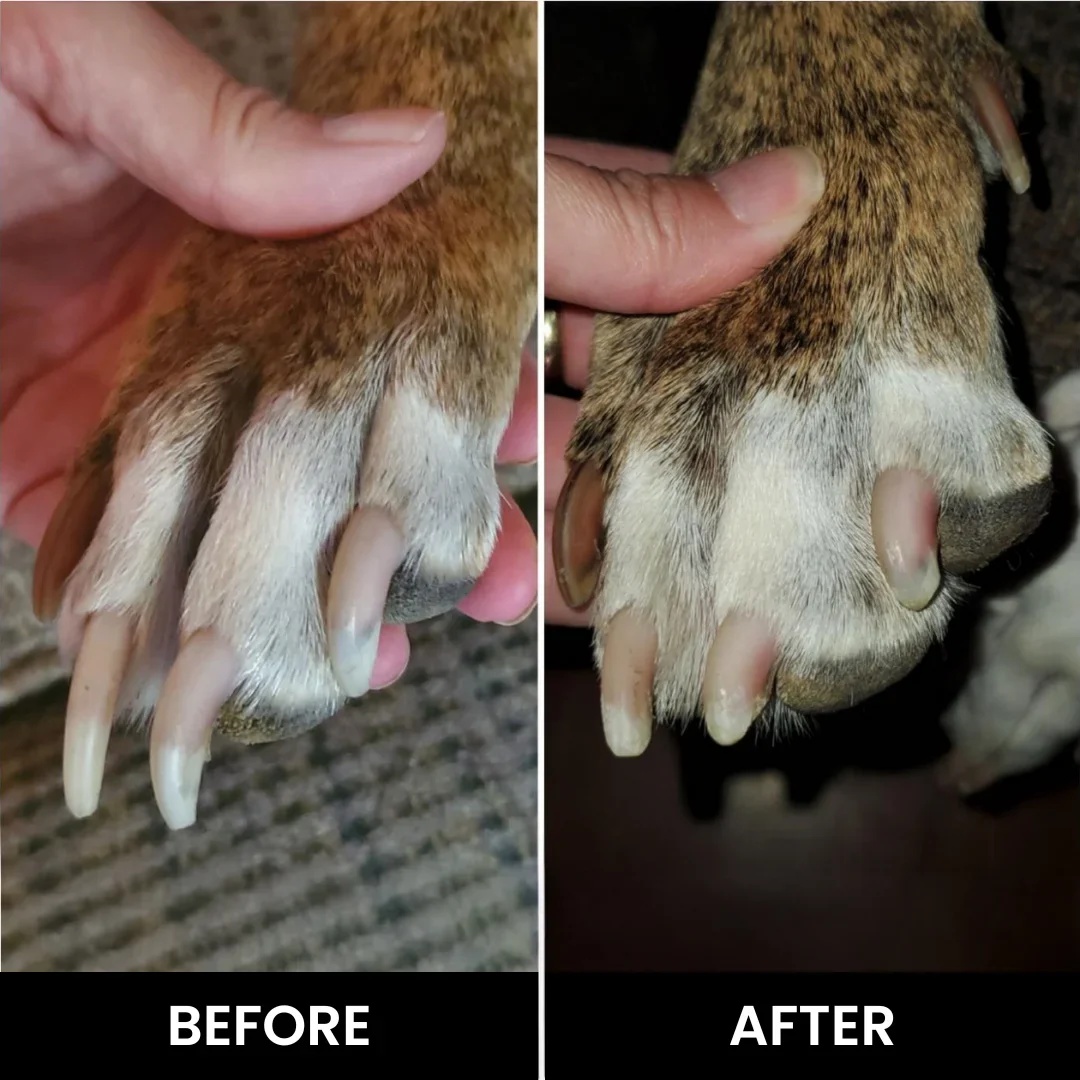
Maintaining clean, short nails is the absolute best way to support your dog’s recovery and prevent future structural splits.
To safely maintain nails at home without risking traumatic cuts, try using the Zenpaw Maxpro 3-in-1 Grinder.
This veterinary-approved tool files away split edges smoothly, keeping dirt and harmful microbes from entering the delicate quick.
99-Day 100% Money-Back Guarantee
“Ever since we started using the Zenpaw Maxpro Grinder, it’s been such a peaceful experience. It’s very quiet, and my dog actually relaxes. It’s turned our stressful sessions into quick, quiet grooming times.”
— Sarah M. | ✔ Verified Customer
- ✓ Prevents Infection & Splitting
- ✓ Ideal for All Dog Sizes
- ✓ Low-Vibration Technology
- ✓ Fast 2-7 Days Delivery
Need Support? Call 302-307-1000
Understanding Canine Nail Anatomy and Why Infections Spark
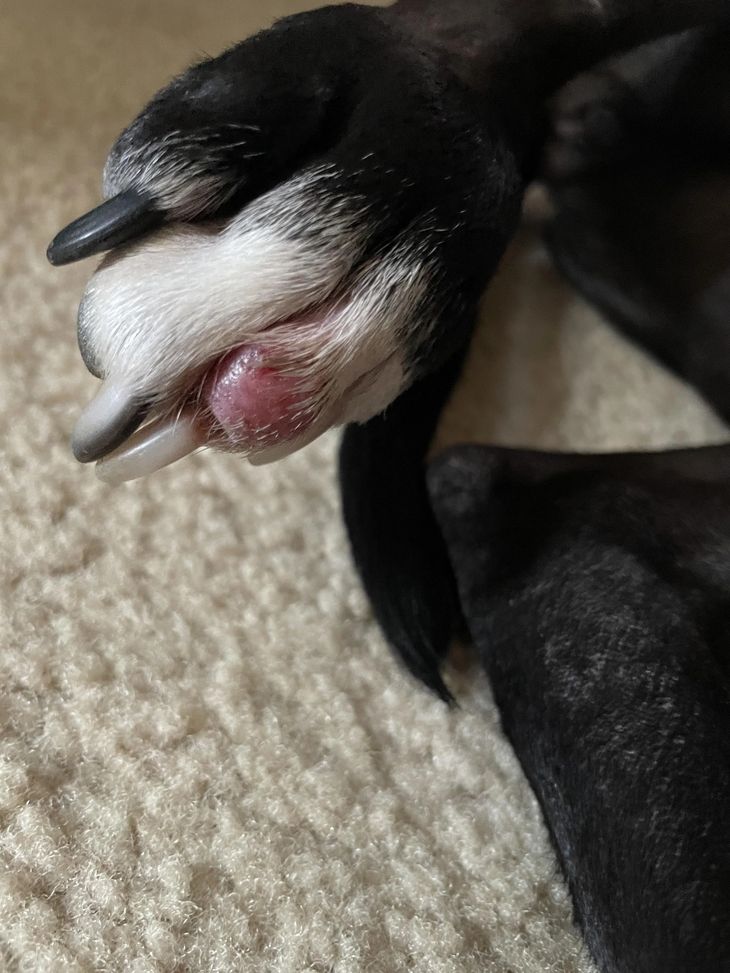
Canine nails are highly complex structures that require a deep anatomical understanding to care for properly.
Unlike human nails, a dog’s claw is directly fused to the distal phalanx bone of their toe.
This intimate structural connection means a localized nail infection can quickly spread to the bone if left untreated.
The outer layer is composed of hard, dead keratin designed to protect the highly vascularized living core underneath.
This sensitive inner tissue is commonly known as the quick.
The Vulnerability of the Cuticle Base
The cuticle base is the delicate transition point where the soft, live skin meets the hard keratin shell.
This area is rich in nerve endings, making even minor inflammation incredibly painful for your dog.
When a nail splits or tears during activity, it can cause severe dog nail bleeding at cuticle base junctions.
This open vascular wound provides an immediate pathway for environmental bacteria and soil-borne fungi to enter.
As bacteria multiply, pressure builds beneath the hard nail wall, resulting in localized heat and swelling.
Understanding Toe Trauma and Nail Loss
Sudden physical accidents are a primary cause of severe, localized paw issues.
A dog running on uneven ground or catching their foot in a deck gap can suffer a painful dog dislocated toe nail injury.
This sudden blunt force often tears the protective nail casing away entirely, exposing the raw bone tissue underneath.
Pet parents often worry and ask: do dogs toenails grow back after falling off?
The encouraging news is that yes, they generally regenerate within several months, provided the underlying germinal matrix remains healthy and free of infection.
Consistent warm antiseptic baths are absolutely essential during this long healing phase to protect the exposed living tissue.
Systemic Factors and Weakened Paw Defense Systems
Not all recurring claw infections stem from outdoor physical injuries.
Sustained issues with thin, fragile claws can often indicate underlying internal health complications.
If your dog’s nails chip, peel, or split under minimal stress, their body may be struggling with systemic endocrine imbalances.
For instance, there is a strong link between brittle dog nails thyroid disease, where low hormone production weakens the cellular structure of keratin.
This metabolic deficit makes your pet far more susceptible to painful cracking and secondary bacterial entry.
Consulting your veterinarian for a simple blood panel is a wise move if home care remedies do not resolve long-term brittle claws.
Professional Prevention: Keeping Paw Infections at Bay

Preventing physical trauma is the most effective way to protect your dog’s sensitive nail beds.
Allowing nails to grow too long alters your dog’s natural gait, shifting their weight backward onto their hocks.
This unnatural posture puts constant leverage on the toe joints, making nails highly prone to splitting or tearing.
Using a modern, whisper-quiet nail grinder lets you maintain healthy claw lengths safely and painlessly at home.
How to Introduce the Zenpaw Maxpro Grinder
Helping an anxious dog feel comfortable with grooming requires a patient desensitization process.
Start by placing the turned-off Zenpaw Maxpro grinder on the floor next to your pet’s favorite treats.
Allow them to sniff and explore the device, rewarding their curiosity with enthusiastic praise.
Next, turn the device on its lowest speed setting while keeping it a few feet away from their body.
The whisper-quiet motor operates under 40 decibels, ensuring your pet does not experience the sudden panic triggered by loud, vibrating tools.
Gently touch the vibrating handle to your dog’s shoulder so they get used to the physical sensation before you attempt to touch their toes.
Mastering the Safe 45-Degree Grinding Angle
Once your dog is comfortable, hold their paw firmly but gently to prevent sudden movements.
Hold the grinder at a precise 45-degree angle, working from the bottom of the nail upward toward the tip.
Apply light, pulsing pressure for no more than two seconds per nail to prevent friction heat from building up.
This gradual filing method lets you easily see the safe, circular target zone of the quick as you work.
Stop immediately once you see a small, dark dot appear in the center of the shaved keratin surface.
The Hidden Dangers of Heavy Metal Scissors and Clippers
Traditional scissor-style clippers work by applying crushing physical pressure from opposite sides of the claw.
This intense compression force often cracks and splinters dry, brittle keratin structures.
These micro-cracks run upward into the living cuticle area, inviting bacterial and fungal pathogens inside.
Additionally, the sudden, loud “snapping” sound and sharp pinch can make dogs highly fearful of future grooming sessions.
Switching to a high-speed diamond bit grinder smoothly files away the nail, eliminating these mechanical splits and protecting the sensitive quick.
Frequently Asked Questions About Dog Nail Infections
Managing paw health can feel overwhelming, but clarity helps prevent simple issues from worsening.
Below are detailed answers to the most common questions about treating and preventing canine nail bed infections.
Can I use human antiseptic soap on my dog’s infected paw?
No, you should never use human antiseptic soaps or harsh alcohol-based rubs on your dog’s sore skin.
Human products are formulated for our natural skin pH, which is significantly more acidic than a dog’s neutral skin pH.
Using these products can strip away your pet’s protective lipid barrier, causing intense dryness, cracking, and worsening irritation.
Instead, opt for vet-approved dilute chlorhexidine washes or a gentle, natural warm Epsom salt bath.
These options safely soothe inflamed tissue without causing stinging or skin damage.
How can I identify a yeast infection versus a bacterial infection?
While both issues cause swelling, yeast infections have distinct, easy-to-spot characteristics.
A fungal yeast issue usually produces a sweet, musty odor similar to corn chips.
You will also likely notice a greasy, dark brown residue accumulating around the cuticle rim.
Bacterial infections, on the other hand, tend to cause sudden, severe swelling in a single toe, often accompanied by a watery discharge.
If you notice multiple paws showing greasy discharge and intense itching, a fungal issue is the highly likely cause.
How often should I grind my dog’s nails to prevent structural issues?
Ideally, you should grind your dog’s nails every two to three weeks to maintain an optimal length.
Frequent, light maintenance sessions help the sensitive living quick gradually recede over time.
This is especially helpful for older dogs or pets with long, overgrown nails.
Waiting too long between trims allows the quick to grow longer, making future grooming much more difficult.
Regular, light maintenance keeps the nail structure strong and prevents painful splits.
What should I do if the nail bed begins to discharge fluid?
If you notice a cloudy or bloody fluid discharging from the nail bed, keep the area clean and monitor it closely.
Cleanse the paw with a lukewarm antiseptic soak, then pat it completely dry with a fresh towel.
Apply a pet-safe antiseptic ointment and protect the foot with a clean, breathable cotton sock.
If the fluid discharge continues for more than 48 hours or develops a foul odor, it is time to consult your veterinarian.
Persistent fluid often indicates a deep-seated infection that may require oral antibiotics to fully heal.
Is the Zenpaw Maxpro 3-in-1 Grinder safe for extra-thick nails?
Yes, the Zenpaw Maxpro is equipped with a high-torque motor designed to handle nails of all sizes and thicknesses.
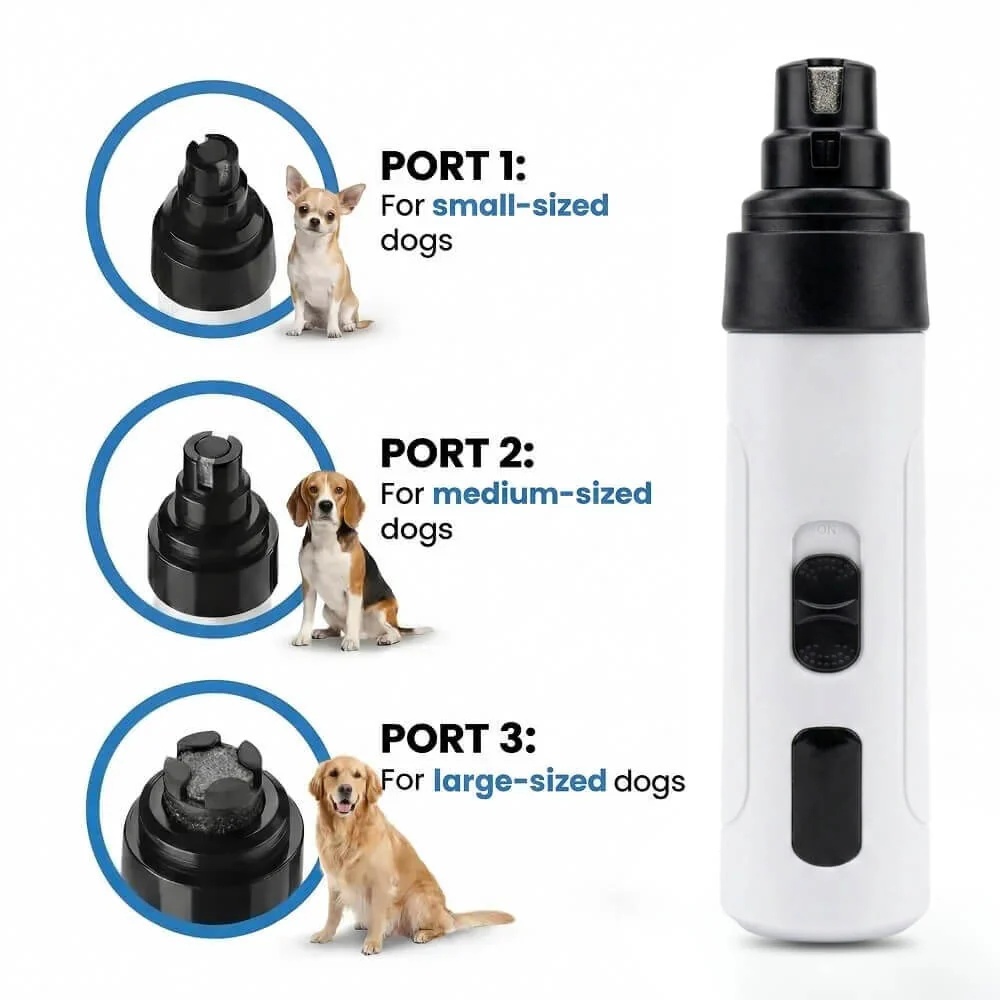
It features three grooming ports tailored to small, medium, and heavy-duty nail types.
The dual-speed settings let you file down thick claws smoothly without causing uncomfortable heat build-up.
This versatile tool is ideal for household pets of all breeds, from tiny Chihuahuas to large Mastiffs.
Using a high-quality diamond bit ensures clean, smooth edges every time, without the risk of splitting the nail.
Conclusion: Your Stress-Free Paw Care Routine Starts Here
Consistently caring for your dog’s paws is one of the best ways to ensure their long-term health and comfort.
Combining soothing warm soaks with stress-free grooming tools keeps their paws strong, clean, and healthy.
Ready to transform nail trimming from a stressful chore into a peaceful bonding experience?
Explore the Zenpaw Maxpro 3-in-1 Grinder today.
Call our customer care team at 302-307-1000 — we are always here to help you with product questions and share safe, stress-free grooming tips.
Note: Individual results may vary depending on individual dog breeds, nail thickness, and behavioral temperaments. This article is intended for general pet grooming reference purposes only and does not replace professional veterinary advice.