Maxpro 3-in-1 Grinder.
Stress-Free Nail Trimming.
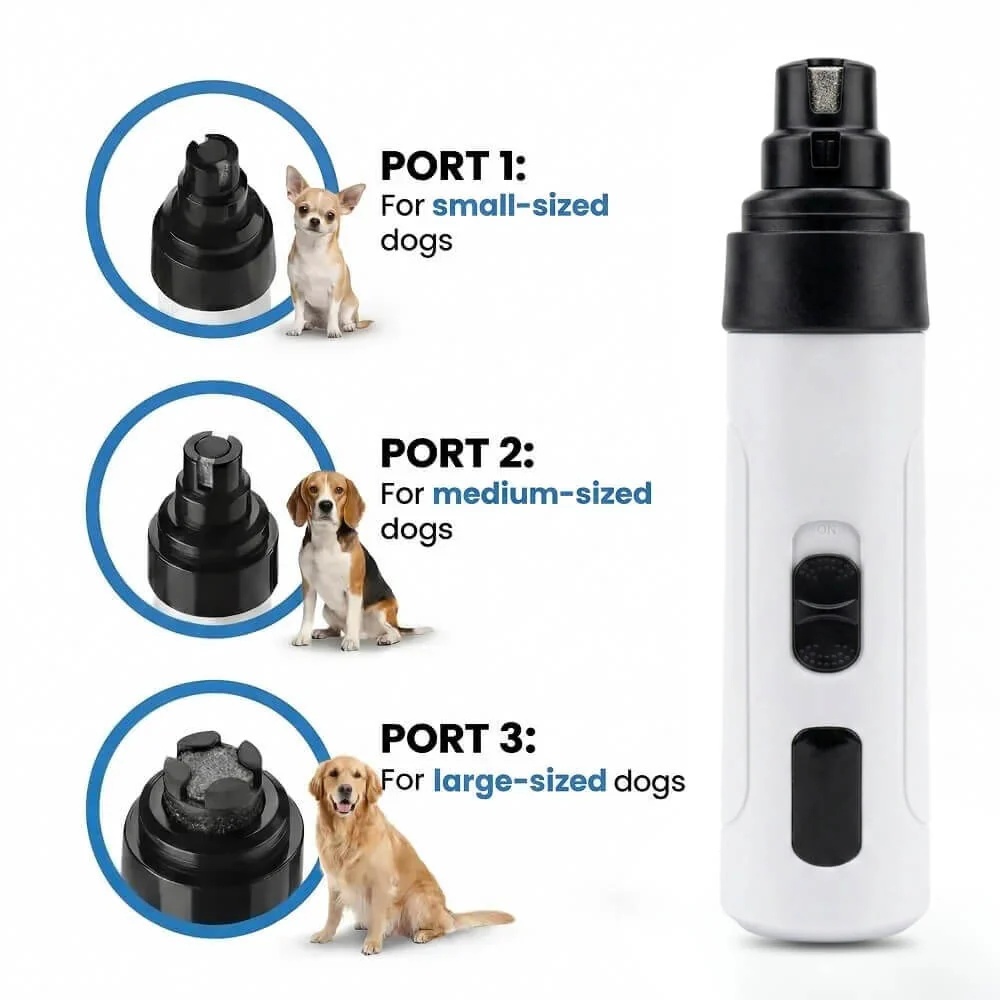
Whisper-quiet DC motor (<40 dB) eliminates fear & discomfort. Features 3 ports, dual speeds, and 7-hour battery life. Safe, precise, and painless.
In This Article
- Understanding the root causes of Malassezia yeast overgrowth in canine claw folds.
- Recognizing key symptoms including musty odors, rust-colored discharge, and obsessive paw licking.
- Safe home care routines and why smooth nail filing prevents fungal colonization.
- How to implement stress-free desensitization to make grooming your dog’s sensitive paws peaceful.
What is a Dog Nail Bed Yeast Infection? Expert Answers Explained
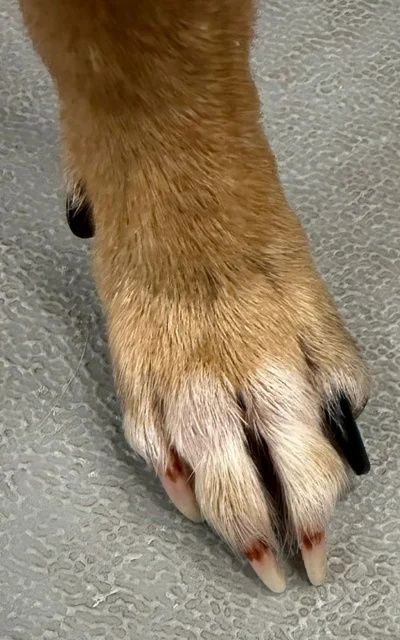
A dog nail bed yeast infection is an opportunistic fungal overgrowth that develops in the warm, damp recesses of a canine’s claw folds.
This inflammatory condition is primarily triggered when naturally occurring Malassezia yeast spores multiply out of control due to excessive moisture or weakened skin immunity.
According to the American Kennel Club, it typically affects allergy-prone dogs, frequent swimmers, and breeds with heavy paw skin folds during hot, humid summer months.
You will often observe this infection presenting as a rusty, reddish-brown discoloration at the base of the claw, accompanied by persistent paw licking and discomfort.
To resolve this problem, pet parents must thoroughly eliminate moisture traps, sanitize the paws daily, and keep the claws trimmed short to prevent splaying.
Managing this issue requires a daily routine of antiseptic soaking and meticulous drying of the affected paws.
You can soak your dog’s paws in a diluted chlorhexidine bath or a warm water rinse mixed with organic apple cider vinegar for ten minutes to neutralize yeast spores.
After the soak, use a clean microfiber towel to dry every single crevice between the toes completely, as leftover dampness feeds the yeast.
Keep the claws neatly trimmed to allow maximum airflow around the raw nail bed tissues and prevent dirt accumulation.
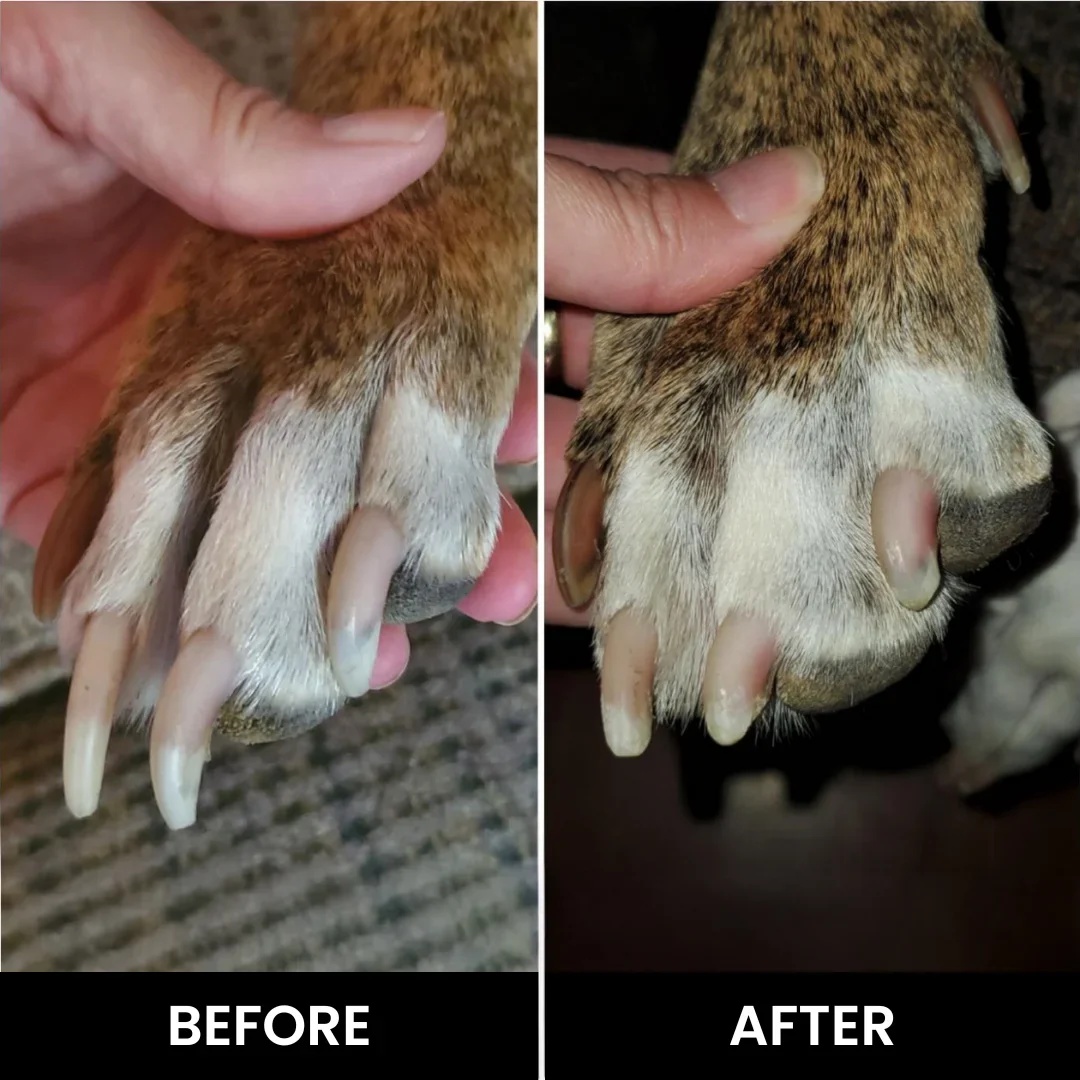
Filing the claws with a smooth, high-precision tool prevents the nail plate from cracking and harboring stubborn fungal spores.
If you want to handle this safely at home, the Zenpaw Maxpro Grinder provides painless, quiet filing — explore it here.
99-Day 100% Money-Back Guarantee
“Ever since we started using the Zenpaw Maxpro Grinder, it’s been such a peaceful experience. It’s very quiet, and my dog actually relaxes. It’s turned our stressful sessions into quick, quiet grooming times.”
— Sarah M. | ✔ Verified Customer
- ✓ Prevents Infection & Splitting
- ✓ Ideal for All Dog Sizes
- ✓ Low-Vibration Technology
- ✓ Fast 2-7 Days Delivery
Need Support? Call 302-307-1000
Scientific Depth: Why Moisture and Malassezia Cause Dog Nail Fungus
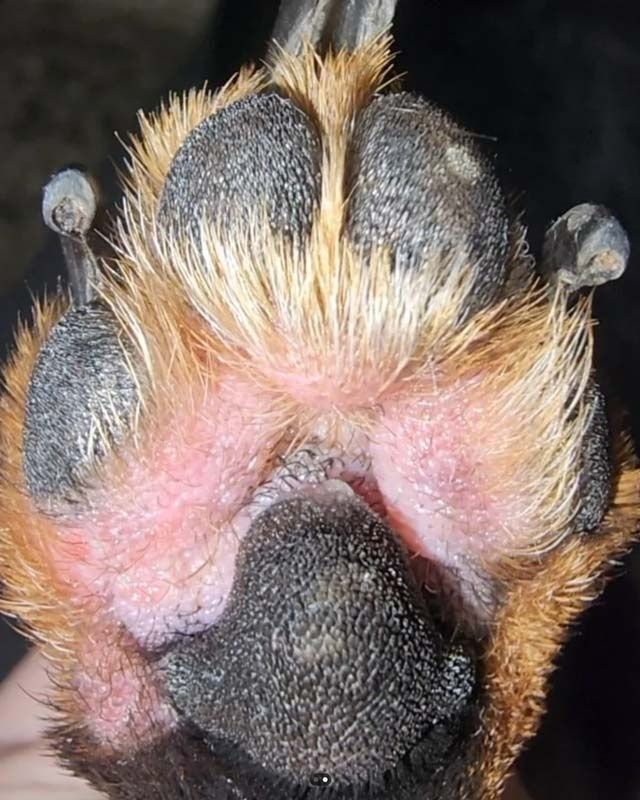
Fungal organisms are opportunistic pathogens that wait for the perfect microclimate to multiply rapidly.
The primary culprit behind these paw issues is a microscopic, single-celled yeast called Malassezia pachydermatis.
Under normal conditions, this yeast lives completely harmlessly on your dog’s skin, claw folds, and outer ears.
However, when moisture becomes trapped in the tight spaces of the nail fold, it creates an ideal incubator for rapid fungal replication.
This damp microenvironment is often exacerbated by frequent swimming, walking on wet morning grass, or obsessive behavioral paw licking.
When the yeast population explodes, it triggers an irritating skin condition commonly known as dog nail fungus.
As the fungus colonizes the surrounding tissue, it breaks down the natural keratin barrier of the outer claw sheath.
This structural breakdown leads to inflamed nail beds, raw skin folds, and a dark brown or rust-colored metabolic discharge.
Dogs with environmental allergies are particularly vulnerable because their skin barrier is already chronically compromised.
Breeds with heavy skin folds, such as Bulldogs and Pugs, trap moisture much more easily around their paws than other breeds.
To protect your dog, you must understand that preventative, dry grooming is your absolute first line of defense.
Keeping the hair around the paw pads neatly trimmed helps fresh air circulate freely around the raw claws.
Using a high-quality grinder allows you to maintain short nails without causing micro-cracks in the claw’s outer keratin.
Our team at Zenpaw emphasizes that smooth, uncracked nails are far less likely to harbor microscopic fungal spores.
Recognizing the Red Flags: Key Symptoms of Yeast Infection in Dog Nails
Identifying a dog nail bed yeast infection early can prevent the issue from spreading deep into the toe joints.
The most common early warning sign is obsessive paw licking, chewing, and biting at the toes.
You may notice your dog constantly grooming their feet, especially after coming inside from a walk or running in wet grass.
Another classic symptom of a yeast infection dog nails issue is a distinct, pungent odor that smells remarkably like corn chips or sour cheese.
This persistent odor is a direct byproduct of the active yeast’s metabolic process on the skin’s surface.
If you closely inspect the base of your dog’s claw, you will likely see a rusty, reddish-brown discoloration.
This staining occurs because of porphyrin, a natural pigment found in canine saliva that reacts with the fungal colonization.
The nail bed tissue itself may appear swollen, bright red, and highly sensitive to your gentle touch.
In severe cases, the claw can become brittle, soft, and prone to splitting or peeling easily.
A splitting nail can lead to a painful dog nail growing into pad if left unmaintained and unfiled.
This structural pain can cause your dog to limp, hold their paw up, or display unusual anxiety during routine grooming sessions.
Let us examine how yeast infections differ from other common claw issues in the comparison table below.
| Symptom / Feature | Yeast Infection (Malassezia) | Bacterial Infection (Paronychia) | Physical Trauma (Split Claw) |
|---|---|---|---|
| Primary Odor | Musty, sour corn-chip smell | Foul, rotting, or metallic smell | No distinct odor initially |
| Color Changes | Rusty, reddish-brown staining | Yellow or green pus discharge | Red blood or bruising inside nail |
| Pain Levels | Moderate, chronic itching | Severe, acute pain and heat | Sharp, sudden pain upon contact |
| Common Triggers | Moisture, environmental allergies | Puncture wounds, deep cuts | Caught on carpets, rough clipping |
Safe Grooming Practices: Preventing Yeast Overgrowth and Nail Bed Damage
Traditional grooming tools can sometimes do more harm than good when dealing with sensitive paw tissues.
For instance, heavy-duty clippers tend to crush the nail plate with massive mechanical force.
This crushing action creates microscopic fractures along the entire length of the claw.
These tiny cracks act as perfect shelters where moisture and yeast spores can easily hide from topical rinses.
If you are concerned about safety, utilizing dog nail clippers with guard can prevent you from cutting into the sensitive quick.
However, traditional clippers still apply vertical pressure that can cause brittle, infected nails to splinter.
This is why professional groomers increasingly recommend high-speed rotary files for compromised claws.
A rotary file gently grinds down the keratin layer by layer without any crushing force or splintering.
This smooth grinding technique leaves a perfectly rounded edge that seals out environmental moisture and debris.
Furthermore, grinding allows you to get much closer to the quick safely, maximizing the open-air exposure of the nail bed.
By keeping the claw short, you also prevent the nail from putting pressure on the sensitive toe joint during walks.
If an accident ever occurs and you nick the quick, having cornstarch for dog nail bleeding on hand is an excellent home remedy.
With a quiet grinder like the Zenpaw Maxpro, the risk of bleeding is virtually eliminated because you have complete control over every millimeter.
Practical Application Guide: Desensitizing and Grinding Your Dog’s Claws
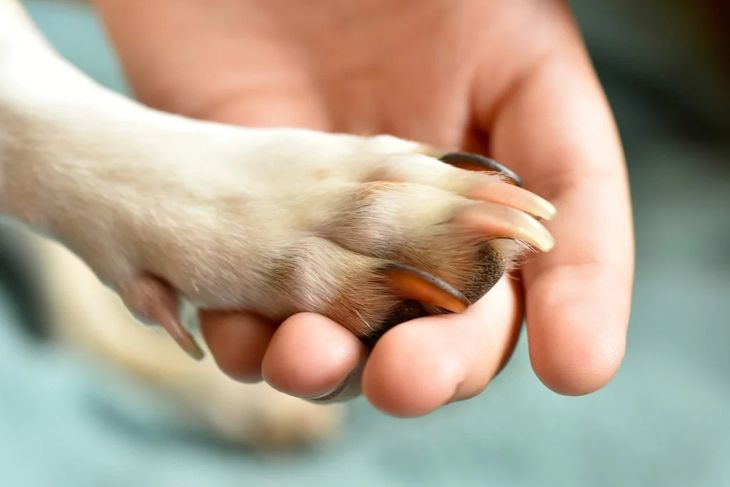
Introducing any grooming tool to an anxious dog requires patience, consistency, and plenty of positive reinforcement.
This is especially true when their sensitive paws are already tender from an active dog nail yeast infection.
We recommend a simple five-day desensitization protocol to make the entire process completely stress-free.
On the first day, simply place the quiet grinder on the floor near your dog and let them sniff it while offering high-value treats.
Do not turn the device on yet; simply associate the physical tool with positive rewards and a relaxed environment.
On the second day, turn the grinder on its lowest speed while holding it a few feet away from your pet.
Praise them warmly and offer treats to build positive associations with the soft, whisper-quiet hum.
On the third day, touch the handle of the vibrating grinder to your dog’s leg or shoulder for just two seconds.
This simple touch helps them get accustomed to the physical sensation of the vibration without any fear.
On the fourth day, gently touch the grinding head to one of their healthy, non-sensitive claws for a split second.
By the fifth day, you can begin filing the nails in short, controlled, and stress-free sessions.
When filing, always hold the grinder at a precise forty-five-degree angle to the claw’s natural growth line.
Use short, gentle touches lasting no more than two to three seconds per nail to prevent friction heat buildup.
If your dog has severe anxiety, you might consider professional mobile dog nail trimming services to help establish a safe baseline routine.
However, the whisper-quiet motor of the Zenpaw Maxpro allows most pet parents to succeed easily at home.
Overcoming Risks: Mistakes That Worsen Paw Moisture and Nail Bed Infections
The absolute biggest mistake pet parents make is leaving paws damp after outdoor walks or baths.
A quick towel wipe-down is often not enough to dry the deep, hidden crevices of the paw pads.
We recommend using a dedicated pet dryer on a cool setting to ensure all trapped moisture is completely evaporated.
Another common error is rushing the trimming process, which can startle your dog and cause physical injury.
Rushing often leads to cutting directly into the quick, which causes intense pain and open bleeding.
An open, bleeding wound on an already infected paw can lead to secondary bacterial complications.
Furthermore, using dull, dirty tools can introduce new, harmful pathogens directly into the sensitive nail bed.
Always sanitize your grooming tools with isopropyl alcohol before and after each session.
Finally, do not ignore your dog’s underlying diet, as food sensitivities often fuel systemic yeast overgrowth.
Consult with your veterinarian about grain-free or limited-ingredient diets if the infections keep returning despite clean grooming.
Frequently Asked Questions About Dog Nail Bed Yeast Infections
We have compiled the most common questions pet parents ask about managing yeast infections and grooming safely.
Conclusion: Your Partner in Stress-Free Canine Wellness
Ready to transform nail trimming from a battle into a breeze? Explore the Zenpaw Maxpro 3-in-1 Grinder. Call: **302-307-1000** — our team can help you advise on the best grooming practices and help with any product questions.