
I still remember the heart-stopping moment my golden retriever yelped in pain after his claw caught on a deck board, leaving him with a bloody, torn paw that made me feel absolutely helpless. Dealing with a sudden dog nail bed injury is incredibly stressful for any pet parent, but over the years, we at Team Zenpaw have discovered that gentle, preventative nail care using whisper-quiet, painless tools can save your dog from this exact agony.
Maxpro 3-in-1 Grinder.
Stress-Free Nail Trimming.
Whisper-quiet DC motor (<40 dB) eliminates fear & discomfort. Features 3 ports, dual speeds, and 7-hour battery life. Safe, precise, and painless.
In This Article
- Understanding Nail Bed Anatomy: Learn how the quick and the hard outer shell interact during daily movement.
- Immediate Emergency Steps: Step-by-step instructions on how to safely manage dog nail bed bleeding at home.
- Identifying Infection Risks: Spotting the early warning signs of complications, yeast, and deep tissue issues.
- Guilt-Free Prevention Tactics: Discover how the Zenpaw Maxpro 3-in-1 Grinder helps you maintain nails safely without pain.
How to Identify and Manage a Dog Nail Bed Injury

A dog nail bed injury occurs when the highly sensitive, vascularized tissue at the base of your pet’s claw is torn, fractured, or crushed by mechanical impact.
Active canine companions are the primary candidates for this painful condition because their daily habits expose their paws to high-impact physical stress.
This structural damage typically happens when an overgrown claw snags on rough surfaces like chain-link fences, hardwood decks, or dense forest undergrowth.
You will immediately recognize the problem when your dog begins limping, whimpering, holding their paw off the ground, or excessively licking the affected toe.
The root cause of these sudden failures is almost always neglected nail length, which forces the claw to bear unnatural mechanical loads with every step.
When the nail is too long, the ground pushes the hard claw upward, creating immense leverage that easily splits the underlying tissue at the base.
Fortunately, you can successfully support your dog’s recovery at home by immediately stabilizing the claw and protecting the exposed nerve endings.
Severe structural complications require prompt professional evaluation from your local veterinary team to rule out joint damage or bone infections.
Managing the situation at home requires a structured, calm approach to keep your dog’s physiological stress levels low.
First, safely secure your dog in a quiet area of your home to prevent further physical activity from worsening the tissue damage.
Gently wash the injured paw with lukewarm water to remove any embedded dirt, grass, or debris from the raw site.
Apply direct, even pressure with a sterile gauze pad to control the bleeding, holding it firmly in place for several minutes.
Avoid pulling on loose fragments of the nail shell yourself, as this can cause immense pain and tear the healthy quick further.
Inspect the toe closely under bright light to see if the living core of the nail is fully exposed or still partially protected.
Wrap the paw in a light, protective layer to keep outdoor contaminants from entering the open wound during quick bathroom breaks.
Cleanse the area twice daily with a highly diluted, pet-safe antiseptic solution to prevent bacterial colonization.
If you want to handle your dog’s regular nail maintenance safely at home to prevent these disasters, the Zenpaw Maxpro Grinder provides painless, quiet filing — explore it here.
99-Day 100% Money-Back Guarantee
“Ever since we started using the Zenpaw Maxpro Grinder, it’s been such a peaceful experience. It’s very quiet, and my dog actually relaxes. It’s turned our stressful sessions into quick, quiet grooming times.”
— Sarah M. | ✔ Verified Customer
- ✓ Prevents Infection & Splitting
- ✓ Ideal for All Dog Sizes
- ✓ Low-Vibration Technology
- ✓ Fast 2-7 Days Delivery
Need Support? Call 302-307-1000
Understanding Canine Nail Anatomy: The Quick and the Danger of Trauma
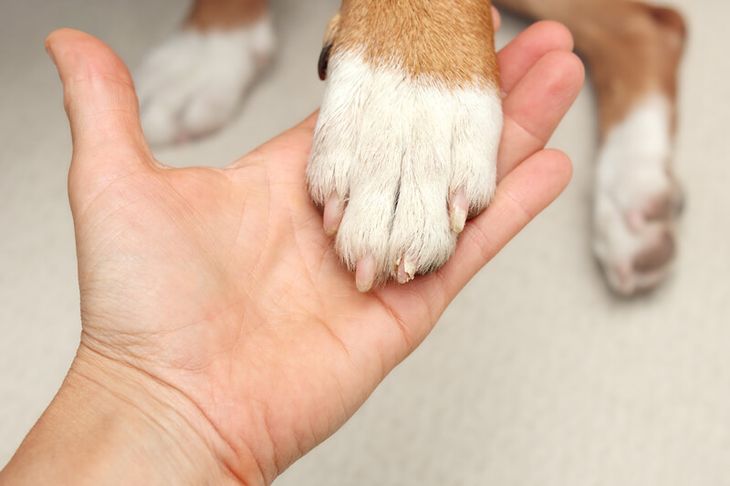
Every professional groomer understands that canine claws have a highly complex, biological design built for traction and safety.
The visible outer shell consists of tough, mineralized keratin known as the unguis, which forms a protective shield.
Directly beneath this hard wall sits the quick, a highly sensitive core filled with microscopic blood vessels and sensory nerves.
This living core is directly connected to the distal phalanx bone of your dog’s toe, making it a physical extension of their skeletal system.
When a dog experiences a dog nail split underneath, these nerve endings are violently exposed to ambient air and physical pressure.
This exposure causes an immediate, intense throbbing pain that makes walking almost impossible for your canine companion.
Because the quick has a direct vascular link to the underlying bone, any infection here can easily travel upward into the skeletal joints.
The American Kennel Club emphasizes that keeping the nails short naturally encourages the quick to recede safely over time.
When you neglect regular maintenance, the quick grows longer alongside the keratin shell, making future trims increasingly risky.
Using a gentle grinding wheel allows you to safely polish away the outer shell without risking the structural damage associated with crushing tools.
Consistent, low-stress care keeps this anatomical structure perfectly balanced, ensuring your dog’s paws remain healthy and pain-free.
How to Manage Severe Dog Nail Bed Bleeding Safely
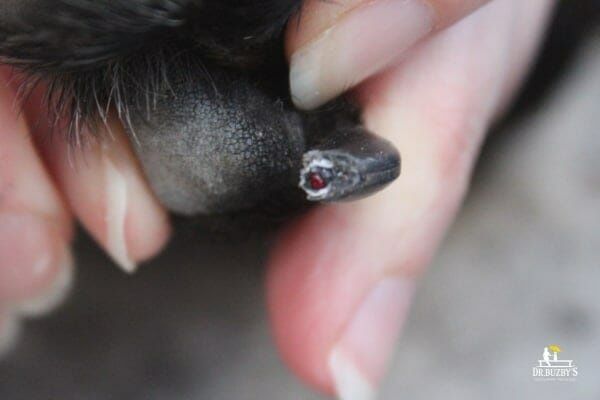
If your pet has suffered a torn claw, the volume of blood can be highly alarming to encounter at home.
This heavy flow occurs because the quick contains a pressurized supply of small blood vessels designed to nourish the growing keratin.
When a dog nail bleeding wont stop, your primary objective must be to remain completely calm and focused.
Your dog can easily sense your anxiety, which elevates their heart rate and further increases the localized blood pressure.
Firmly press a clean, dry cloth or a sterile gauze pad directly against the bleeding site for at least five uninterrupted minutes.
Do not pull the cloth away repeatedly to check the wound, as this action breaks the fragile clot that is trying to form.
If direct pressure does not stop the bleeding, apply a liberal amount of styptic powder directly to the exposed quick.
You can also use household cornstarch or baking flour as an effective, temporary coagulant if you do not have professional styptic powder on hand.
Once you control the immediate bleeding, you must shield the sensitive area from environmental bacteria and physical friction.
Applying a clean dog nail bandage protects the open wound and prevents your dog from constantly licking the sore claw.
Make sure the wrap is secure but not overly tight, as wrapping too tightly can dangerously restrict the healthy circulation to the foot.
Check the surrounding toes frequently for coldness or unusual swelling to ensure your pet remains comfortable during recovery.
Identifying and Preventing Secondary Infections in Damaged Claws
An open, raw nail bed is a direct pathway for opportunistic bacteria and fungal organisms to enter your dog’s body.
Because dogs walk on soil, grass, and pavement, their paws are constantly exposed to millions of microscopic pathogens daily.
If bacteria manage to invade the deep tissue of the nail bed, they can cause a highly painful condition called paronychia.
You must watch closely for classic clinical signs of infection, such as local swelling, severe redness, heat, and yellow discharge.
Fungal pathogens can also take advantage of the compromised tissue, creating a damp environment where yeast thrives unchecked.
Taking time to review dog nail yeast infection pictures can help you learn how to identify abnormal crusting and discolored skin around the claw base.
If you notice a strong, sweet corn-like odor coming from the paw, a fungal issue may already be developing.
Keep the healing paw completely dry and clean by avoiding muddy walks and damp grass during the initial recovery phase.
Cleanse the area with a vet-approved antiseptic solution once or twice daily to wash away superficial surface bacteria.
Always consult your family veterinarian if you observe persistent limping, lethargy, or if the local swelling does not improve after 48 hours.
Proactive care and clean environments are your best defenses against the painful complications of secondary claw infections.
How to Support Dog Nail Health: Safe Trimming with the Zenpaw Maxpro Grinder
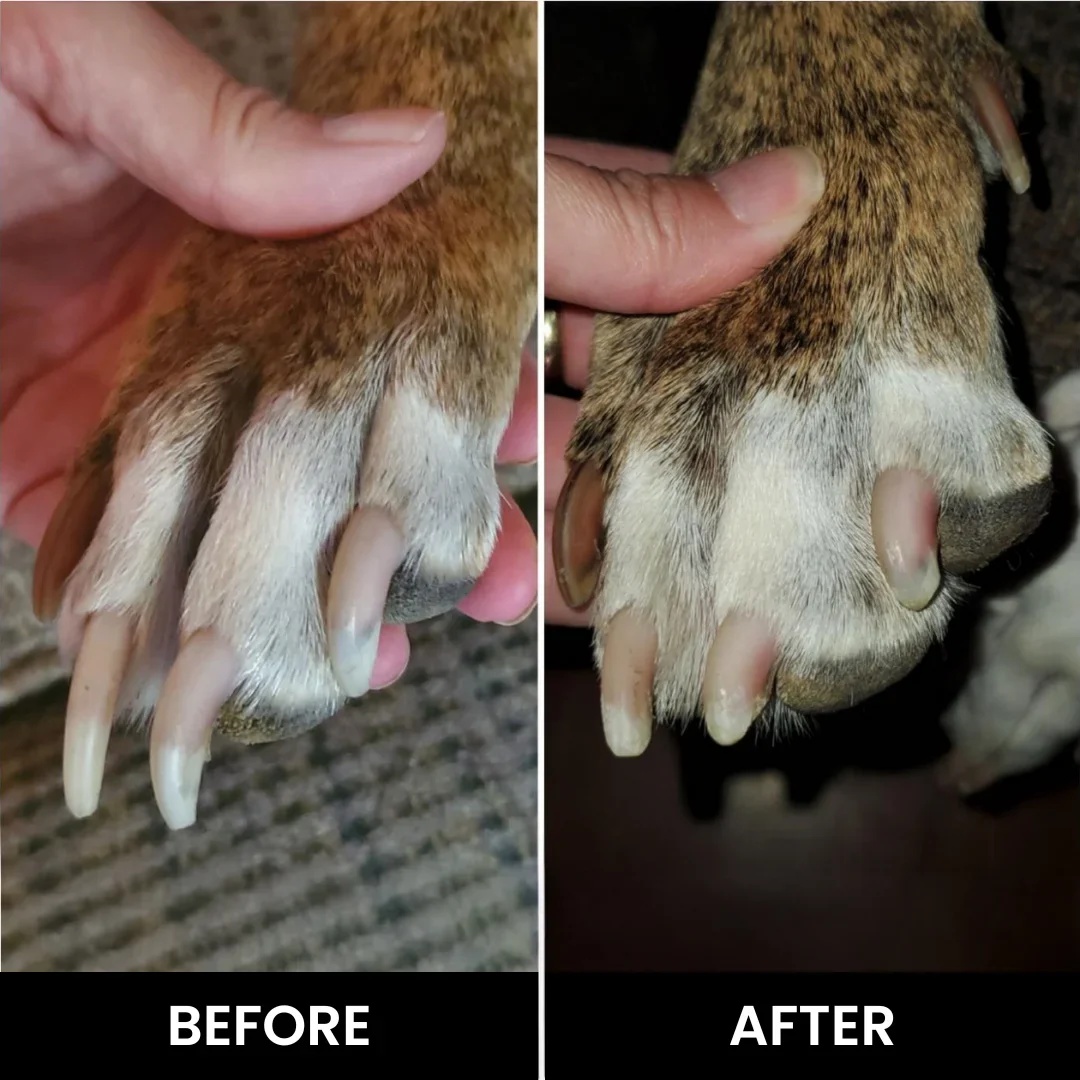
Overgrown canine claws are the absolute leading cause of painful tears, splits, and structural failures in the nail bed.
When nails grow too long, they alter your dog’s natural posture, putting immense pressure on their leg joints and spine.
You can easily identify this overgrowth when you notice dog nails tearing up carpet or loudly clicking on your kitchen tiles.
To prevent these painful physical snags, we must establish a regular, stress-free trimming routine using comfortable tools.
Transitioning from traditional, loud tools to a whisper-quiet grinding device is the best way to keep your dog comfortable.
Our team recommends introducing the Zenpaw Maxpro Grinder slowly, using positive reinforcement to build their confidence.
Start by letting your pet sniff the turned-off device while offering their favorite high-value treats like chicken or peanut butter.
Next, turn the device on its lowest speed in the same room to let them get used to the quiet hum.
The Zenpaw Maxpro Grinder operates below 40 decibels, which is quieter than a gentle whisper and will not trigger their flight response.
Gently press the vibrating handle against your dog’s paw so they get used to the physical sensation without any fear.
When you are ready to trim, hold your dog’s paw securely but gently, isolating one individual toe at a time.
Apply the high-quality grinding head to the very tip of the claw at a precise 45-degree angle.
Use light, pulsing touches of only two to three seconds to prevent heat from friction from building up on the nail.
This gradual filing method lets you easily see the safety zone of the quick, eliminating the risk of accidental bleeding.
By grinding regularly, you safely encourage the inner quick to recede, ensuring your dog’s claws stay short and structurally sound.
Common Pitfalls: Why Traditional Clippers Risk Serious Injury
Many well-meaning pet owners accidentally cause painful paw injuries by using dull, low-quality guillotine or scissor-style clippers.
These traditional metal tools work by applying immense crushing pressure to the cylindrical wall of your dog’s nail.
This harsh compression often causes the dry keratin shell to splinter or shatter violently under the sudden force.
This fracturing can expose the sensitive inner quick to dirt, water, and dangerous physical impacts even if you do not cut the vein directly.
Additionally, clippers make a loud, metallic popping sound that many dogs associate with sudden physical discomfort and pain.
This scary sound quickly builds severe grooming anxiety, making your pet struggle, whine, and resist future paw handling.
Rushing through a stressful trimming session increases the risk of slipping and cutting directly into the nerve-rich quick.
Our advanced Zenpaw Maxpro Grinder completely eliminates this crushing force by gently shaving the nail down millimeter by millimeter.
The smooth, controlled rotation of our specialized grinding wheel gives you absolute precision and complete peace of mind.
Choosing a low-vibration, painless tool allows you to protect your pet’s emotional well-being while maintaining perfect paw health.
Frequently Asked Questions About Dog Nail Care
Is the Zenpaw Grinder safe for large dogs?
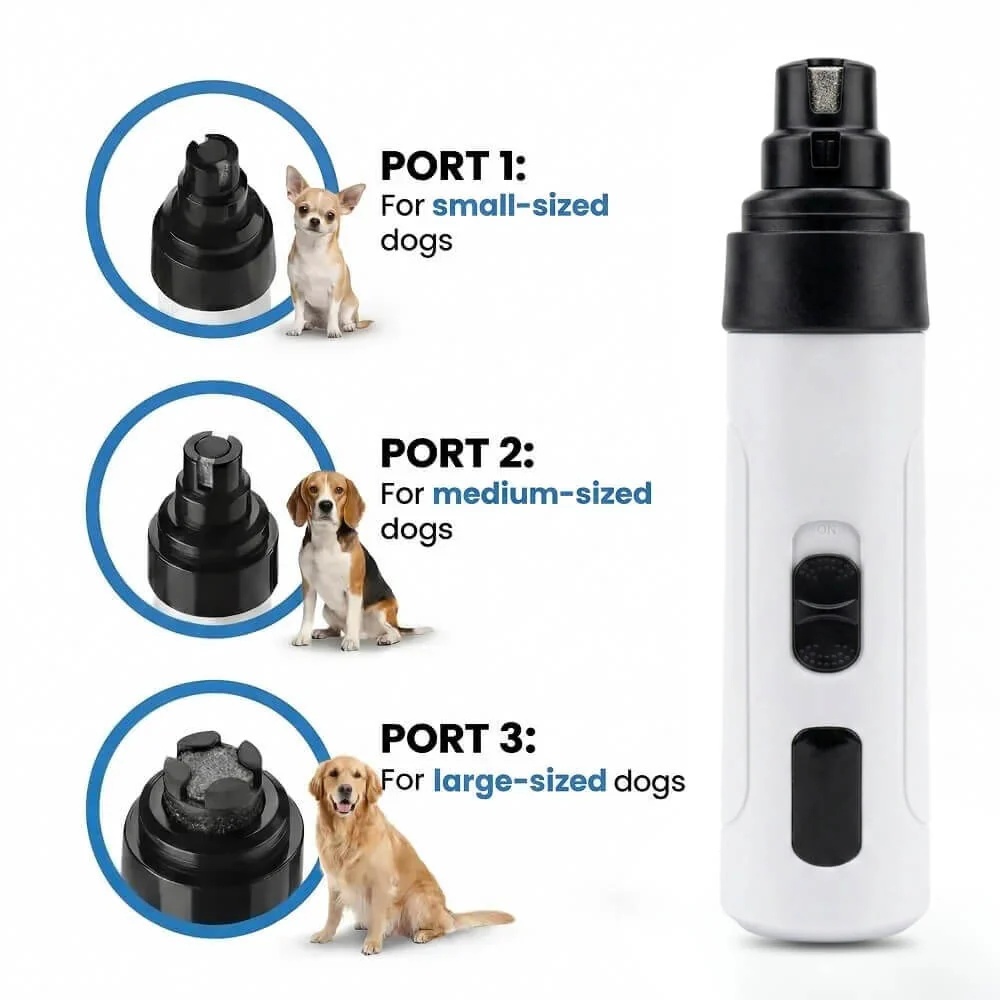
Yes, the Zenpaw Maxpro Grinder is fully equipped with three distinct ports designed to accommodate all dog breeds safely.
The large, open port is specifically designed to handle thick, heavy claws on giant breeds like Mastiffs and Great Danes.
How long does the battery last on a single charge?
The Zenpaw Maxpro is powered by a high-capacity lithium-ion battery that provides up to seven hours of continuous use.
This long-lasting performance is paired with convenient USB charging, allowing you to easily charge the tool anywhere.
Which speed setting is best for nervous dogs?
We recommend starting on the low-speed setting to let sensitive or highly anxious pets get used to the quiet sound.
You can easily switch to the high-speed setting once your dog is comfortable to quickly shorten thick nails.
Does the grinding wheel get hot during use?
Our advanced diamond bit grinding wheels use low-heat technology to minimize friction and prevent burning.
Always use short, gentle taps on each individual nail to guarantee your dog remains completely comfortable.
A Peaceful Approach to Paw Health
Protecting your dog’s paws from a painful nail bed injury starts with stress-free, regular maintenance.
By replacing stressful clippers with quiet grinding tools, you build trust and ensure long-term wellness.
Ready to transform nail trimming from a battle into a breeze?
Explore the Zenpaw Maxpro 3-in-1 Grinder.
Call: 302-307-1000 — our team can help you advise on the best grooming practices and help with any product questions.
Note: Individual results may vary depending on individual dog breeds, nail thickness, and behavioral temperaments. This article is intended for general pet grooming reference purposes only and does not replace professional veterinary advice.