
I still remember the heart-wrenching yelp when my golden retriever snagged his paw on the deck, only for me to discover a painful dog nail split underneath that looked absolutely terrifying. As a pet parent, that sudden wave of panic is overwhelming, but our team at Zenpaw discovered that with the right stress-free tools, we can restore comfort and protect our dogs without a stressful, costly vet visit.
Maxpro 3-in-1 Grinder.
Stress-Free Nail Trimming.
Whisper-quiet DC motor (<40 dB) eliminates fear & discomfort. Features 3 ports, dual speeds, and 7-hour battery life. Safe, precise, and painless.
In This Article
- Discover why a split underneath happens and how to manage the vascular quick safely.
- Learn the foundational canine anatomy behind split nail layers.
- Get a step-by-step veterinary-approved protocol to smooth cracks and prevent infections.
- Avoid the dangerous mechanical crushing of traditional clippers.
- Master quiet conditioning tips to ease your dog’s grooming anxiety.
What Should You Do When Your Dog’s Nail Splits Underneath? An Expert Answer
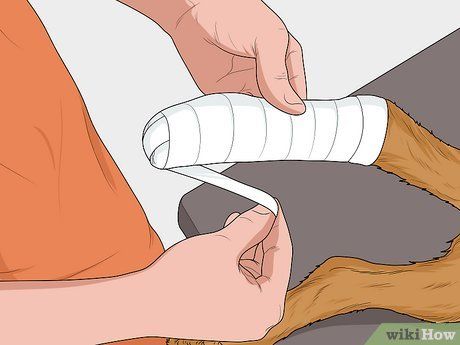
When you notice a painful dog nail split underneath, it usually occurs because the structural integrity of the lower nail wall has been compromised by dry conditions, physical trauma, or uneven ground impact.
This injury specifically targets the softer underside of the claw, exposing the sensitive nerve endings and blood vessels known as the quick.
Active dogs of any age can suffer from this issue during daily runs or backyard play, especially when their nails are left unmaintained and grow too long.
The split typically manifests on the weight-bearing front paws where the sheer force of impact is greatest during sudden stops and turns.
Understanding why this happens helps pet parents recognize that immediate, gentle intervention is critical to prevent dirt and bacteria from packing deep into the open fissure.
By addressing the problem early at home, you can safeguard your companion’s mobility, ease their acute throbbing discomfort, and avoid painful secondary infections without escalating their grooming anxiety.
We recommend keeping a close eye on their walking gait, as a sudden limp or frequent paw licking is the first clear signal that a split has occurred.
To resolve this issue safely, start by gently washing the affected paw with warm water and a mild, pet-safe antiseptic to clear away any trapped debris.
Next, inspect the area under a bright light to determine if the quick is actively bleeding or completely exposed to the elements.
If you observe active bleeding, apply gentle pressure with a clean cloth or use a small amount of styptic powder to stop the blood flow immediately.
Once the paw is dry and stable, use a specialized filing tool to carefully smooth out any jagged, loose hanging nail layers that could snag on carpets or grass.
Avoid pulling or violently twisting the loose piece, as this can tear the healthy tissue further up the nail bed and cause severe pain.
Keep the paw clean and protected over the next few days to allow the protective outer shell to naturally grow forward from the base.
If you want to handle this safely at home, the Zenpaw Maxpro Grinder provides painless, quiet filing — explore it here.
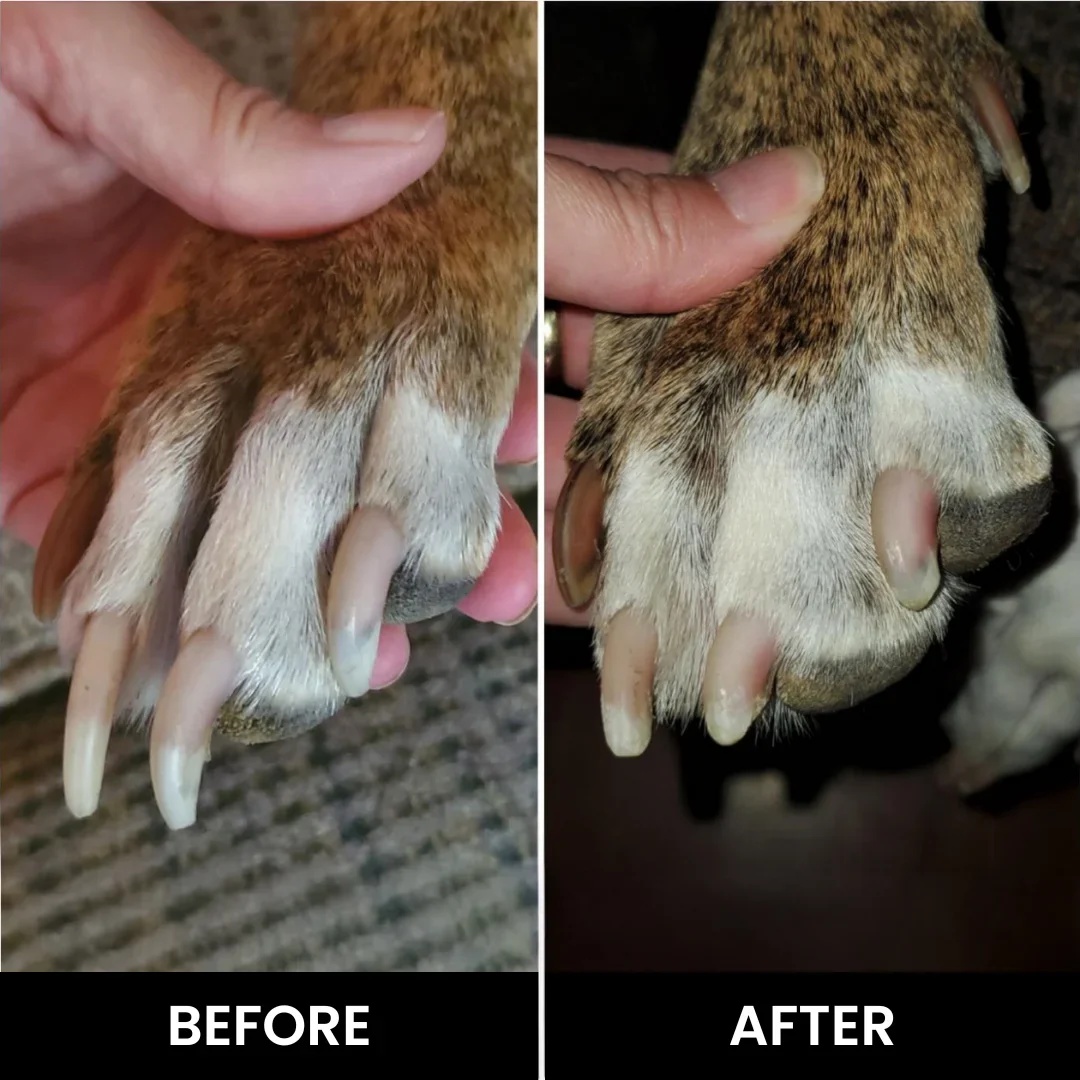
99-Day 100% Money-Back Guarantee
“Ever since we started using the Zenpaw Maxpro Grinder, it’s been such a peaceful experience. It’s very quiet, and my dog actually relaxes. It’s turned our stressful sessions into quick, quiet grooming times.”
— Sarah M. | ✔ Verified Customer
- ✓ Prevents Infection & Splitting
- ✓ Ideal for All Dog Sizes
- ✓ Low-Vibration Technology
- ✓ Fast 2-7 Days Delivery
Need Support? Call 302-307-1000
Understanding Canine Nail Anatomy: The Secret Behind Dog Nails Splitting Underneath
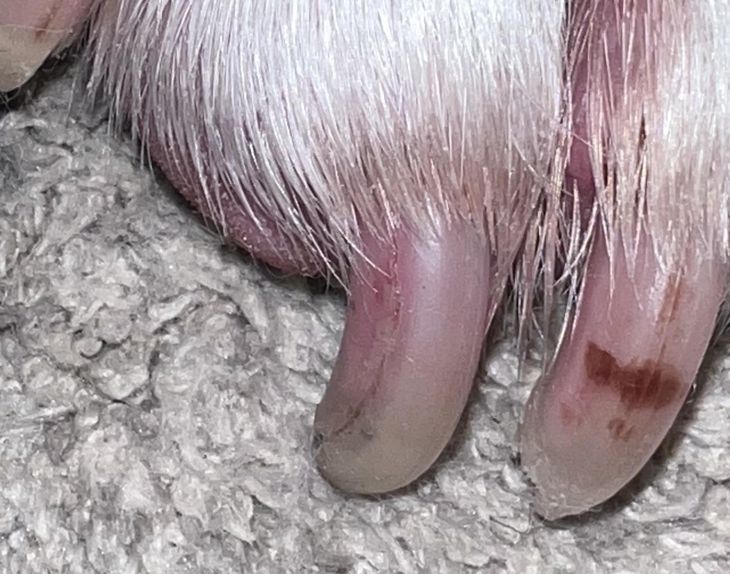
A dog’s claw is not a simple block of keratin like a human fingernail.
It is a complex, three-dimensional structure designed to grip the earth.
The hard outer layer is the dorsal plate, which protects the softer sole underneath.
When this sole becomes dry or brittle, it loses its natural elasticity.
As a result, daily pressure causes the sole to crack, leading to dog nails splitting underneath.
Directly inside this protective shield lies the quick, a highly sensitive vascular bundle.
If the split extends too deep, you may find the dog nail separated from quick.
This separation leaves the nerve endings completely unprotected, causing sharp pain with every step.
Our team at Zenpaw knows how distressing this is for both you and your pet.
That is why understanding this anatomy is the first step toward safe, stress-free healing.
What Causes a Dog Nail Split Vertically Underneath?
Several underlying factors can trigger a structural failure in your dog’s claws.
Environmental dryness is a primary culprit, especially during cold winter months.
Walking on abrasive surfaces like concrete or gravel can also micro-fracture the nail sole.
Over time, these micro-fractures merge, resulting in a dog nail split vertically underneath.
Nutritional deficiencies can also play a major role in nail weakness.
A lack of essential fatty acids or zinc can make the keratin layers incredibly brittle.
In some cases, chronic splitting may point to an autoimmune condition known as slo dog nails.
This condition requires careful management and veterinary diagnosis to support healthy claw regrowth.
Regular grooming with a high-quality tool prevents long nails from curving under and cracking.
By keeping the nails short, you reduce the physical leverage that forces them to split under pressure.
Step-by-Step Recovery Guide: Reclaiming Paw Health Safely

Step 1: Inspecting the Paw and Stopping Bleeding
First, secure your dog in a quiet, well-lit room to minimize distraction.
Gently lift the injured paw and wipe it with a damp, warm cloth to inspect the damage.
Look closely to see if the split has breached the vascular core of the claw.
If you see blood, do not panic, as dogs can sense your anxiety immediately.
Apply a pinch of styptic powder directly to the bleeding spot with a clean cotton swab.
Hold firm, gentle pressure on the area for up to sixty seconds to allow clotting.
If the bleeding does not stop after several minutes of pressure, consult your veterinarian.
Once the bleeding is controlled, keep the dog calm and off their feet to protect the fresh clot.
Step 2: Smooth the Edges to Prevent Snagging
A split nail has rough, jagged edges that easily catch on carpets, blankets, or grass.
This snagging can tear the nail further, turning a minor split into a major veterinary emergency.
Traditional clippers should be avoided here, as their crushing action can shatter the weakened nail shell.
Instead, you should use a high-quality silent dog nail grinder to gently file the rough edges.
Turn on the grinder and let your dog hear the whisper-quiet hum first to reassure them.
Hold the grinder at a precise forty-five-degree angle relative to the natural slope of the claw.
Use short, gentle touch-and-go strokes to file away only the loose, sharp fibers.
Never hold the grinding wheel against the nail for more than two seconds at a time to prevent heat build-up.
This careful smoothing process stabilizes the claw, allowing it to grow out safely without further cracking.
Step 3: Creating a Low-Stress Conditioning Protocol
Many dogs associate nail care with past pain, making them highly defensive during grooming.
Building a positive association through desensitization is key to stress-free maintenance.
Start by simply showing the grinder to your dog while offering a high-value treat.
Once they are comfortable with its presence, turn the device on without touching their paws.
Reward them generously for remaining calm near the quiet hum of the motor.
Next, gently touch the handle of the vibrating grinder to their leg so they get used to the physical sensation.
Only progress to actual nail grinding when your dog shows relaxed body language throughout these steps.
By moving slowly and patiently, you transform grooming from a scary battle into a peaceful bonding routine.
The Pitfalls of Traditional Grooming Tools on Compromised Claws
Using traditional guillotine or scissor-style clippers on a split nail is a recipe for disaster.
These mechanical tools function by applying immense squeezing force directly to the nail wall.
When a claw is already split, this crushing action spreads the crack upward toward the nail bed.
This can lead to agonizing pain, sudden bleeding, and long-term damage to the delicate growth matrix.
Furthermore, over-clipping can easily slice through the quick, leaving the dog nail bone exposed to harmful environmental pathogens.
Grinding offers a completely controlled, layer-by-layer filing approach that bypasses these physical risks entirely.
The Zenpaw Maxpro Grinder uses low-vibration technology to shave away microscopic layers of keratin without crushing the nail.
This provides an incredibly safe, painless alternative that gives pet parents complete peace of mind.
| Grooming Method | Risk of Further Splitting | Anxiety and Stress Levels |
|---|---|---|
| Traditional Metal Clippers | High — Crushes and cracks compromised fibers | High — Loud snapping noises and pinching sensations |
| Manual Sanding Files | Low — Takes too long and irritates the paw | Medium — Requires tedious, physical friction |
| Zenpaw Maxpro Grinder | Minimal — Shaves layers smoothly and gently | Very Low — Whisper-quiet and ultra-gentle |
Frequently Asked Questions
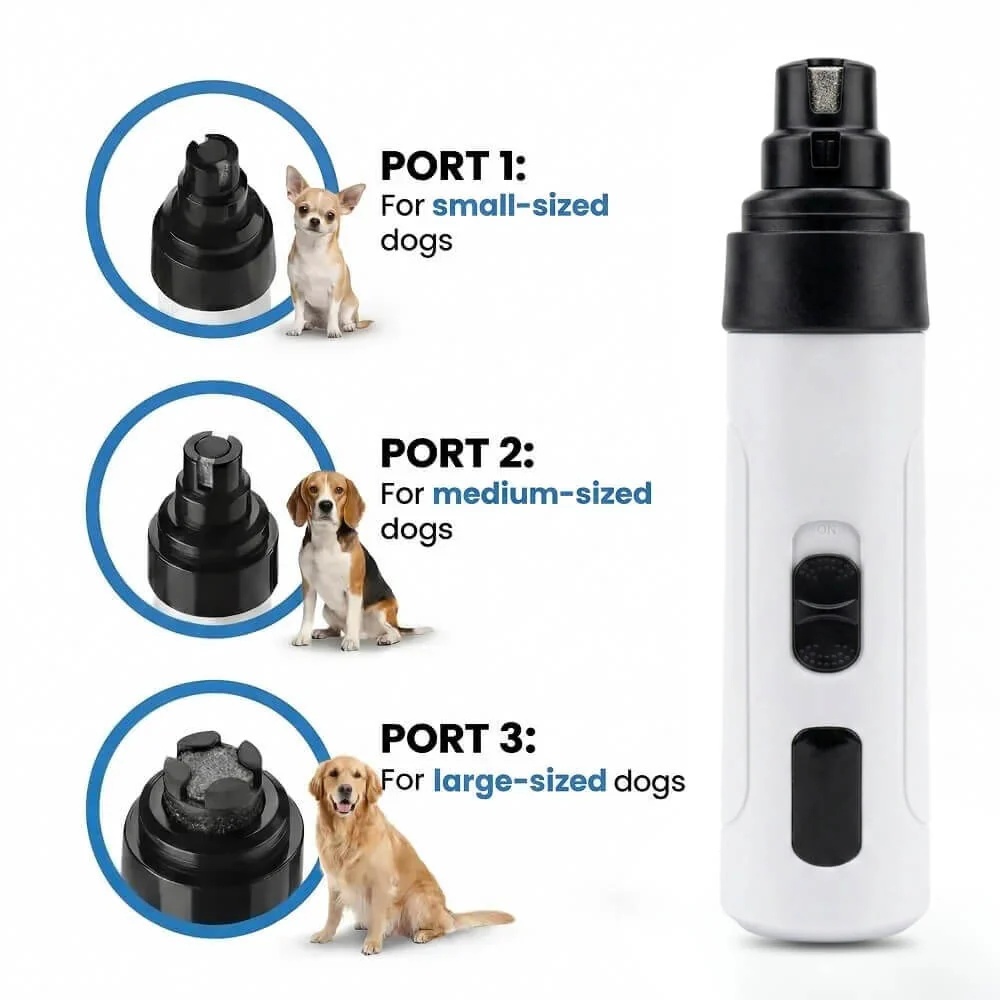
Yes, the Zenpaw Maxpro Grinder is specifically designed with three specialized safety ports.
These ports accommodate small, medium, and large breeds with varying nail thicknesses.
The high-power brass motor delivers smooth torque to easily file down even the toughest claws.
The built-in lithium-ion battery provides up to seven hours of continuous runtime on a single charge.
It utilizes a convenient USB charging cable, making it easy to recharge anywhere.
This long life ensures you can take your time during slow desensitization sessions without running out of power.
We highly recommend starting on the low speed setting to maintain maximum control.
The low speed allows you to gently touch up the rough, split fibers without putting pressure on the core.
Once the sharp edges are rounded off, you can switch to high speed for final smoothing if your dog remains calm.
The Zenpaw Maxpro Grinder uses advanced low-heat diamond bit technology to prevent thermal buildup.
However, we always recommend using a touch-and-go method rather than holding the wheel on the nail.
By moving from nail to nail, you ensure the claw remains cool and completely comfortable.
You can use protective pet-safe sealants once the nail is completely clean and the quick is not exposed.
Some pet parents compare dog nail polish pens to traditional liquids for minor structural support.
Always ensure the underlying tissues have healed completely before applying any cosmetic or sealing product.
Conclusion
Protecting your companion’s paws from a split claw doesn’t have to be a stressful ordeal.
Ready to transform nail trimming from a battle into a breeze?
Explore the Zenpaw Maxpro 3-in-1 Grinder.
Call: 302-307-1000 — our team can help you advise on the best grooming practices and help with any product questions.