Maxpro 3-in-1 Grinder.
Stress-Free Nail Trimming.
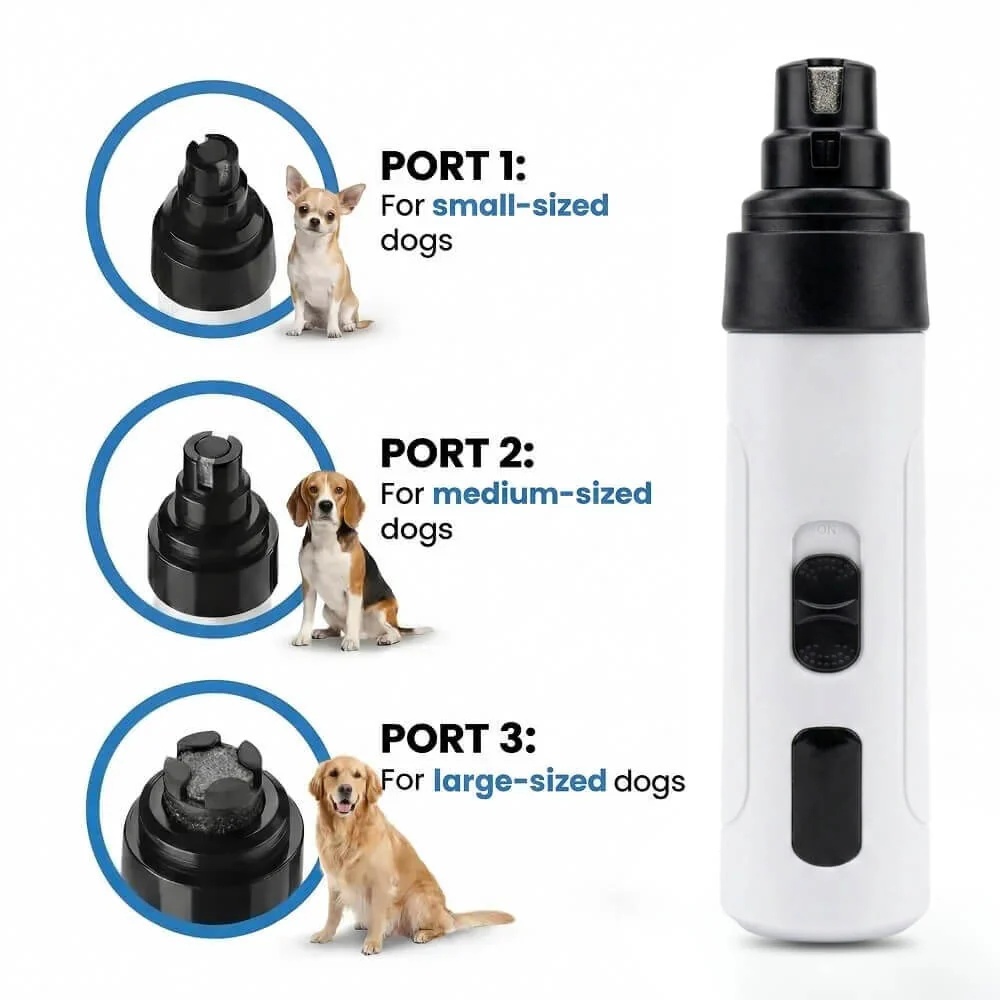
Whisper-quiet DC motor (<40 dB) eliminates fear & discomfort. Features 3 ports, dual speeds, and 7-hour battery life. Safe, precise, and painless.
In This Article
- Learn how to recognize a separated nail shell and the underlying quick anatomy.
- Understand the structural differences between a bleeding split and a dry separation.
- Master safe, clean, and quiet grooming techniques to prevent painful snags.
- Discover a step-by-step first aid plan to manage paw comfort easily at home.
- Find out how to choose stress-free filing tools to protect your pet’s claws.
What Should You Do When a Dog Nail Separated from the Quick?
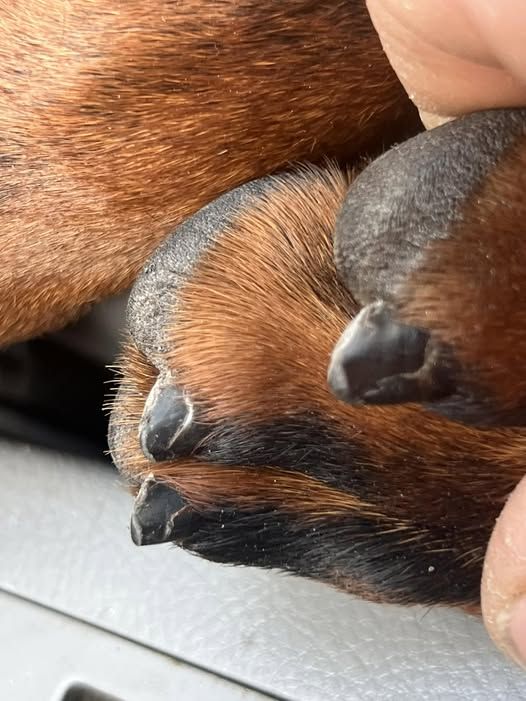
When a beloved family pet experiences a sudden injury where the outer protective shell of the claw detaches from the sensitive inner blood vessel, you are dealing with a distressing situation that requires immediate, gentle intervention in your home.
This painful separation usually happens when an active dog catches their claw on rough outdoor surfaces, woven carpets, or wire crates, which forcibly tears the hard keratin sheath away from the nerve-rich tissue underneath.
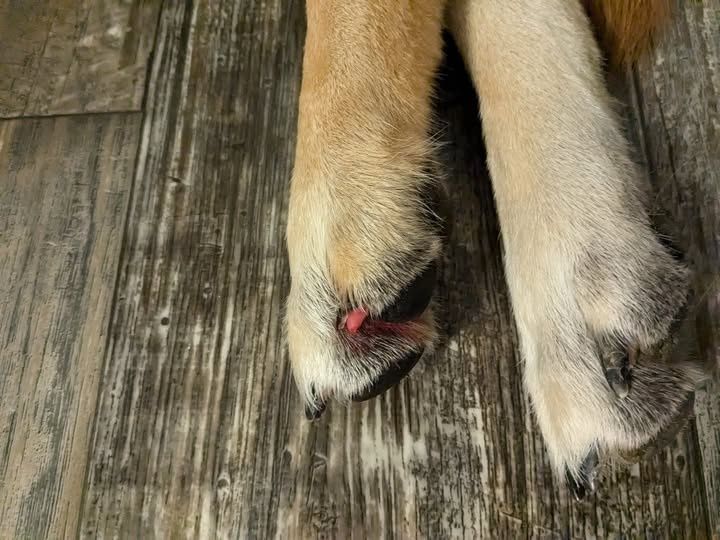
As a dedicated dog owner, you must carefully evaluate the paw right away to determine if the sensitive tissue is fully exposed or still partially protected by a loose, dangling outer nail shell.
If you notice your dog limping, whimpering, or repeatedly licking the affected paw, you should immediately confine them to a clean, dry indoor area to prevent dirt from packing into the open wound.
You should address this issue promptly because an exposed quick is highly susceptible to bacterial contamination from muddy yards or household floors.
By carefully cleaning the paw with warm water and applying a pet-safe antiseptic, you can successfully manage mild cases at home while monitoring for signs of swelling or warmth.
Understanding when to consult a veterinarian is also critical, especially if you observe continuous bleeding, severe swelling, or signs of intense discomfort that do not subside within a few hours.
Most minor claw separations can be managed comfortably by keeping the dog quiet, dry, and protected from running on hard concrete or rough gravel fields.
With patience, you can help your pet recover without the stress of emergency clinic visits for minor chips.
If you want to handle this safely at home, the Zenpaw Maxpro Grinder provides painless, quiet filing — explore it here.
Resolving this nail issue at home requires a structured, calm approach to ensure your dog remains comfortable and free from additional distress throughout the process.
First, you should wash your hands thoroughly and gently rinse the injured paw under lukewarm water to remove any trapped dirt or debris from the nailbed.
Next, apply mild pressure with a clean, dry cloth or a sterile gauze pad if you observe any minor bleeding from the exposed tissue.
Once the bleeding stops, you can apply a small amount of veterinary-approved antiseptic spray or ointment to protect the sensitive area from potential environmental pathogens.
If a portion of the nail shell is dangling loosely and causing your pet discomfort, you can use a high-quality, quiet tool to smooth down any sharp edges.
Avoid pulling or ripping the loose nail sheath off yourself, as this can cause intense pain and lead to severe tissue damage.
You should wrap the injured paw loosely in a breathable veterinary wrap to prevent your dog from licking the open wound.
Make sure to monitor the bandage closely to ensure it is not wrapped too tightly, which could restrict healthy blood circulation to the toes.
Check the claw twice daily to ensure the area remains clean, dry, and completely free of any unpleasant odors or discharge.
Finally, encourage your dog to rest quietly on a soft bed for the first twenty-four hours to allow the exposed tissue to begin drying and healing naturally.
99-Day 100% Money-Back Guarantee
“Ever since we started using the Zenpaw Maxpro Grinder, it’s been such a peaceful experience. It’s very quiet, and my dog actually relaxes. It’s turned our stressful sessions into quick, quiet grooming times.”
— Sarah M. | ✔ Verified Customer
- ✓ Prevents Infection & Splitting
- ✓ Ideal for All Dog Sizes
- ✓ Low-Vibration Technology
- ✓ Fast 2-7 Days Delivery
Need Support? Call 302-307-1000
Understanding Canine Nail Anatomy and Why a Dog Toenail Separated from Quick Occurs
To properly care for your dog’s paws, you must first understand the unique anatomical structure of a canine claw.
A dog’s nail consists of two main parts: the hard outer shell made of keratin and the soft inner core known as the quick.
The quick contains highly sensitive nerves and blood vessels that directly feed the growing nail.
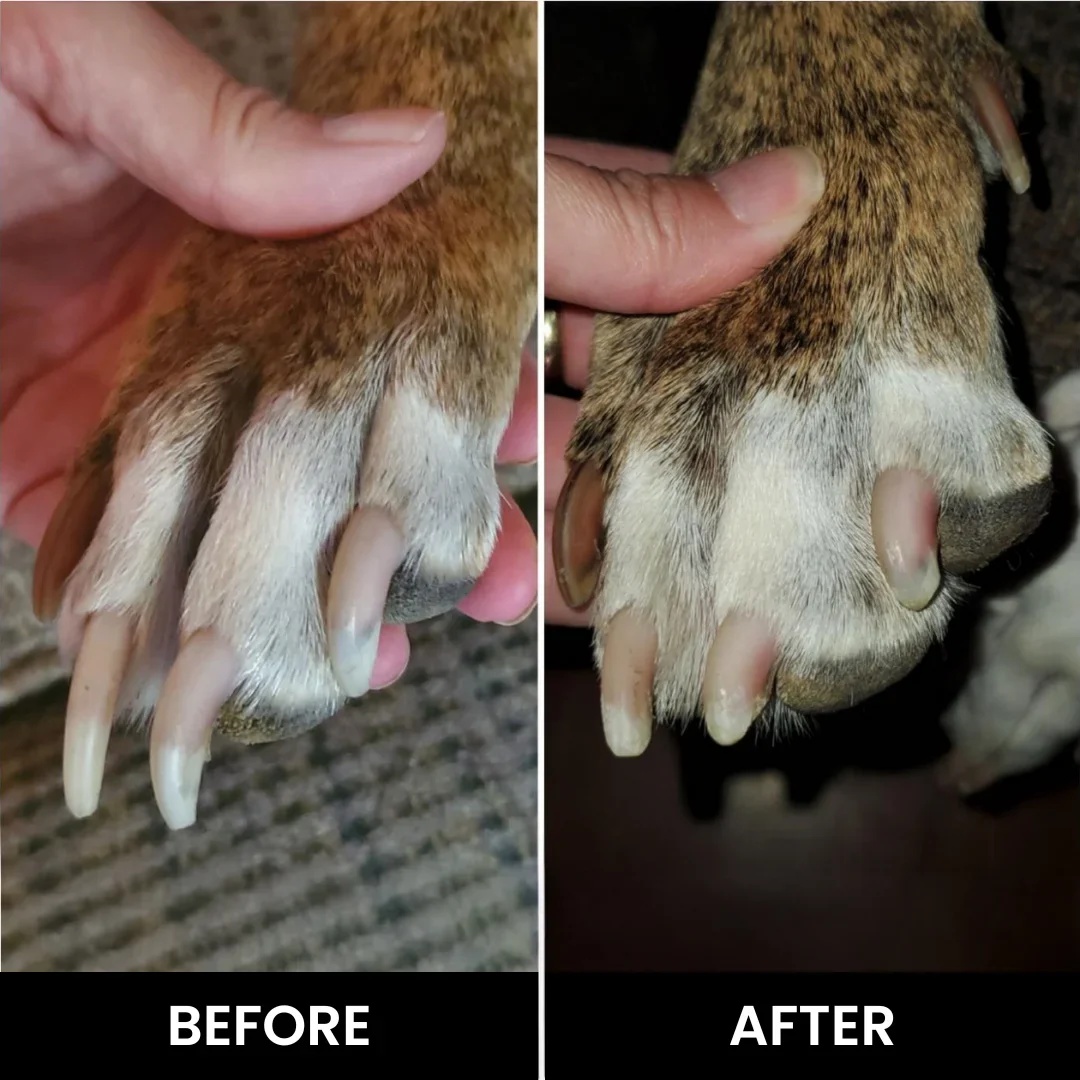
When a dog toenail separated from quick occurs, this protective outer keratin layer pulls away from the living tissue.
This separation exposes the delicate nerves to the open air, which causes immediate, sharp discomfort for your canine companion.
In many cases, the nail sheath splits due to physical trauma, such as catching a claw on a wire fence or landing awkwardly during a run.
According to the American Kennel Club (AKC), active dogs are highly prone to these types of sudden claw snags.
When the dog nail and quick separated, the structural integrity of the entire claw is compromised.
If you leave the remaining nail rough or jagged, it can catch again and tear even deeper into the paw.
Using a safe, gentle filing tool helps you smooth these rough edges without causing additional vibration or pain.
Our team at Zenpaw designed the Maxpro Grinder with a whisper-quiet motor to ensure your dog remains relaxed during this delicate process.
Unlike heavy-duty industrial rotaries, our custom motor operates at a frequency that does not startle sensitive canine ears.
This calm environment allows you to inspect the damaged claw closely without wrestling your pet.
By carefully shaping the compromised edge, you help the outer shell regrow in a natural, straight direction.
Taking care of this anatomy at home is highly achievable when you have the correct, low-stress tools in your hands.
Identifying a Dog Nail Separated from Quick Not Bleeding vs. Active Bleeding Injuries
It can be quite surprising to discover a dog nail separated from quick not bleeding, but this scenario is actually quite common.
Sometimes, the outer sheath detaches gradually over several days due to a minor, repetitive strain.
In these slow-developing cases, the body has time to form a dry, protective barrier over the quick before the shell fully detaches.
However, if the separation is caused by a sudden, violent impact, you will likely see active bleeding and immediate pain.
An actively bleeding nailbed requires you to act quickly to stop the blood flow and soothe your anxious pet.
You can apply styptic powder, clean cornstarch, or gentle pressure with a sterile cloth directly to the wound.
Do not use harsh chemical cleaners like hydrogen peroxide, as they can damage the delicate exposed cells and delay healing.
Once the bleeding has stopped completely, you can assess the remaining nail structure safely.
If the quick is dry and not bleeding, your main goal is simply to protect the area from dirt and prevent further tearing.
You can gently file down the surrounding cracked edges to prevent the nail from snagging on carpets or grass.
The Zenpaw Maxpro Grinder offers dual-speed control, allowing you to use a very low speed for hyper-precise, pain-free adjustments near sensitive areas.
This lets you gently smooth out micro-cracks before they have a chance to travel further up the nail wall.
Keeping a close eye on dry separations is just as important as managing wet, bleeding wounds.
A dry quick can still easily become irritated if it rubs constantly against rough indoor flooring.
By maintaining a smooth, rounded edge, you shield the underlying quick from unnecessary friction and physical pressure.
Preventing Dirt, Debris, and Infection in an Exposed Nail Quick
An exposed quick acts like an open highway for bacteria, yeast, and environmental pathogens to enter your dog’s body.
Because dogs walk directly on household floors and outdoor soils, keeping the injured paw clean is your highest priority.
Dirt can easily pack under a loose nail shell, creating a warm, damp environment where infections thrive.
To prevent this, you should soak the injured paw in warm water mixed with a small amount of Epsom salts for five minutes.
This natural soak helps soothe irritated tissues and gently flushes out hidden debris without painful scrubbing.
After soaking, pat the paw completely dry with a soft, clean towel to prevent moisture buildup.
You can apply a thin layer of pet-safe antiseptic cream to act as a protective barrier against bacteria.
Avoid using human ointments that contain pain relievers, as these can be highly toxic to dogs if licked.
If your dog licks the area persistently, use a temporary protective bootie or an Elizabethan collar to keep them away from the paw.
Check the paw every single day for early warning signs of a developing infection.
These signs include excessive redness, swelling around the toe joint, yellow discharge, or a foul odor.
If you notice any of these symptoms, or if your dog refuses to put any weight on the leg, contact your veterinarian immediately.
Early detection and management of nail infections prevent the bacteria from spreading to the deeper bones of the toe.
By staying vigilant and maintaining a clean environment, you ensure a smooth, worry-free healing process for your pet.
Our team at Zenpaw believes that proactive paw hygiene is the foundation of long-term canine comfort and happiness.
Systemic Health and Nail Shell Shedding: When It’s More Than a Simple Snag
While physical trauma is the most frequent cause of nail separation, chronic issues can also play a major role.
Some dogs suffer from an autoimmune condition called Symmetrical Lupoid Onychodystrophy, which directly affects claw health.
To understand more about this specific chronic condition, you can read our comprehensive guide on slo dog nails.
This condition causes the outer sheaths of multiple nails to lift, crack, and shed away from the quick without any obvious physical injury.
If you notice multiple claws separating or splitting across different paws, a veterinary evaluation is highly recommended.
Poor nutrition, lack of essential fatty acids, and localized fungal infections can also weaken the overall structure of the keratin shell.
Regular grooming and inspections allow you to catch these subtle structural changes before a painful tear occurs.
By maintaining a consistent trimming schedule, you prevent the claws from reaching a dangerous length that invites catching and splitting.
Understanding how fast do dog nails grow helps you establish a reliable, stress-free grooming routine at home.
Generally, most canine nails require a light trim or grind every two to three weeks to keep the quick naturally receded and safe.
When claws are kept short, they are significantly less likely to experience the leverage forces that cause separation.
If a dog’s nails are allowed to grow too long, they push against the ground with every step, forcing the nail bed upward.
This continuous pressure weakens the bond between the keratin sheath and the quick over time.
By investing just a few minutes every other week to file the tips, you eliminate this chronic source of stress on their paws.
Your pet will walk with a much more natural posture, protecting their joints and paw health simultaneously.
Safe Paw Care Protocols: How to Groom Around a Healing Nailbed

Grooming a dog with a healing claw injury requires extreme patience, a gentle touch, and the right tools.
You must never rush the process, as a single bad experience can create long-term grooming anxiety for your dog.
Start by introducing your pet to a high-quality, ultra-quiet filing device in a calm environment.
Choosing a silent dog nail grinder helps eliminate the terrifying buzzing noise that triggers the fight-or-flight response in sensitive pets.
Allow your dog to sniff the turned-off tool while offering high-value treats to build a positive association.
Once they are comfortable, turn the tool on low speed nearby without touching their paws, continuing to reward their calm behavior.
When you are ready to groom, gently hold the paw and secure the individual toe between your fingers.
Always hold the filing wheel at a precise 45-degree angle to the nail tip for the smoothest, safest results.
Apply the grinder to the nail in short, gentle touches of no more than two to three seconds at a time.
This brief contact prevents heat from building up on the nail, which could cause discomfort to the underlying tissue.
For dogs with highly sensitive paws, taking them to a professional for initial maintenance can sometimes be helpful.
You can review typical walk in dog nail trimming prices to decide if a professional visit fits your current budget.
However, mastering this simple skill at home saves you money and spares your dog the stress of frequent vet car rides.
Avoid applying any cosmetic products, such as those discussed in comparisons of dog nail polish pens, to a healing or recently cracked nailbed.
Keep the injured paw completely clean, dry, and free of any foreign chemicals until the keratin sheath has fully regrown.
Instead of using heavy chemical dyes, focus strictly on natural healing balms and clean antiseptic wraps.
Remember to reward your dog generously with their favorite treats after every successful, quiet session.
This positive reinforcement teaches them that paw care leads to delicious rewards and warm praise.
Over time, your dog will willingly offer their paws for grooming without any signs of fear or resistance.
Our team at Zenpaw is dedicated to helping you build this beautiful bond of trust through gentle, safe grooming practices.
A Step-by-Step Home First Aid Protocol for Dog Paw Accidents
When a claw injury occurs, remaining calm is the most important step you can take to help your dog.
Dogs are highly intuitive animals and will instantly pick up on your anxiety or panic.
Take a deep breath, speak in a soothing, low voice, and gently guide your dog to a quiet, well-lit room.
Have another family member gently comfort your dog’s head while you focus entirely on inspecting the injured paw.
Begin by checking the surrounding pads and toes for any secondary cuts or embedded splinters.
If you see active bleeding from the nail, apply firm, steady pressure with a clean cloth for at least five minutes.
Avoid lifting the cloth repeatedly to check the wound, as this can break the freshly formed blood clot.
If the bleeding is stubborn, apply a small amount of styptic powder or clean baking soda directly to the bleeding tip.
Once the bleeding stops completely, examine the angle of the nail separation very closely.
If a large piece of the nail shell is dangling by a tiny thread of tissue, do not try to cut or pull it off with force.
Doing so can tear the healthy living tissue further up the toe, causing intense pain and a secondary bleeding event.
Instead, protect the dangling piece by wrapping the entire paw loosely in a clean, soft cotton sock.
You can secure the top of the sock with a piece of medical tape, ensuring it is not too tight around the ankle.
Keep your dog indoors and discourage them from jumping off couches or running up and down staircases.
This resting period prevents the healing blood clot from dislodging and protects the exposed quick from sudden impacts.
Within twenty-four to forty-eight hours, the exposed quick will dry out and form a hard, dark crust.
Once this natural protective barrier forms, your dog will experience a significant drop in physical discomfort.
You can then safely use a gentle rotary tool to smooth away any remaining sharp, cracked edges on the claw shell.
Using the Zenpaw Maxpro Grinder ensures you can tidy up the claw smoothly without causing painful vibrations on the sensitive toe.
This step-by-step approach ensures your dog’s paw heals perfectly while preserving their trust in your loving care.
Why Traditional Clippers Can Worsen a Separated Nail Shell
Using traditional scissor-style or guillotine clippers on a damaged nail is one of the most common grooming mistakes.
These outdated tools work by applying heavy, crushing force from opposite sides to cut through the hard keratin claw.
This intense pressure can easily cause a compromised, dry nail to split further up the shaft, tearing the quick even more.
The sudden, loud snapping sound of traditional clippers also startles anxious dogs, making them associate paw care with fear.
In contrast, a modern rotary grinder works by gradually wearing away the nail tissue molecule by molecule.
This micro-filing action eliminates the risk of sudden cracks and allows you to stop the moment you get close to the quick.
By switching to a modern rotary tool, you gain complete control over the grooming speed and depth.
The Zenpaw Maxpro Grinder utilizes low-heat, low-vibration technology to ensure a completely smooth and painless grooming session.
This advanced engineering protects the delicate nerve endings of a healing quick from painful pressure or friction heat.
Protecting your dog’s paws from additional trauma is key to helping their nails heal quickly and cleanly.
Many pet owners discover that grinding completely removes the guesswork involved in finding the quick, especially on dark claws.
Instead of guessing where to cut, you can slowly file down the claw and watch for a tiny dark dot to appear at the center.
This dark dot is the physical start of the quick, signaling that you should stop filing immediately.
This visual safety indicator is completely lost when you use traditional clippers, which hide the nail bed during the cut.
By adopting a modern grinding routine, you ensure a safe, precise, and completely stress-free experience for your beloved pet.
Frequently Asked Questions
It features three distinct grooming ports designed to accommodate small, medium, and large breeds safely.
The powerful DC motor provides ample torque to smooth down even the thickest, most stubborn canine claws without stalling.
You can use the open-face area of the grinding wheel to shape the larger claws of breeds like Mastiffs and Great Danes.
It delivers up to seven hours of continuous, quiet grooming power on a single full charge.
This long-lasting battery life means you rarely have to worry about the tool dying in the middle of a grooming session.
The convenient USB charging port allows you to quickly power up the device using a standard phone charger, laptop, or power bank.
The lower speed offers maximum precision and control, preventing you from accidentally taking off too much nail.
It also minimizes the tiny vibrations felt by your dog, keeping them calm and relaxed.
Once your dog is comfortable and the damaged area is smoothed, you can switch to the higher speed for general nail maintenance.
Traditional grinders can heat up rapidly, which causes sudden pain if held against the nail for too long.
Our specialized brass grinding wheel distributes heat evenly and dissipates it quickly during operation.
To ensure complete safety, you should still use short, gentle touches of two to three seconds on each individual nail.
The exact healing time depends on your dog’s age, overall health, breed, and the severity of the initial tear.
During the first two weeks, the sensitive exposed quick will dry out and lose its extreme sensitivity.
Providing a clean environment and regular, gentle maintenance with a quiet grinder supports a fast, complications-free recovery.
Your Partner in Stress-Free Paw Wellness
Caring for a damaged nail is a journey of trust and patience.
With the right approach and gentle tools, you can support your dog’s recovery safely at home.
Ready to transform nail trimming from a battle into a breeze?
Explore the Zenpaw Maxpro 3-in-1 Grinder today.
Call: 302-307-1000 — our team can help you advise on the best grooming practices and help with any product questions.