
Years ago, my sweet rescue dog would shake in terror at the mere sight of nail clippers, leaving us both completely exhausted, stressed, and constantly wondering how fast do dog nails grow just so I could mentally prepare for our next painful battle. I felt like a failure as a pet parent until we discovered a gentler way to care for his paws, transforming our agonizing routine into a quiet, peaceful bonding moment with Team Zenpaw’s whisper-quiet solutions.
Maxpro 3-in-1 Grinder.
Stress-Free Nail Trimming.
Whisper-quiet DC motor (<40 dB) eliminates fear & discomfort. Features 3 ports, dual speeds, and 7-hour battery life. Safe, precise, and painless.
In This Article
- Understanding the baseline of canine claw anatomy and the direct factors that speed up or slow down growth.
- How to establish an effective, customized trimming schedule tailored specifically to your dog’s lifestyle and age.
- Professional desensitization strategies designed to eliminate stress, anxiety, and fear during paw care sessions.
- The structural difference between painful clipper crushing and safe, progressive nail grinding.
How Fast Do Dog Nails Grow? The Science of Canine Paw Health
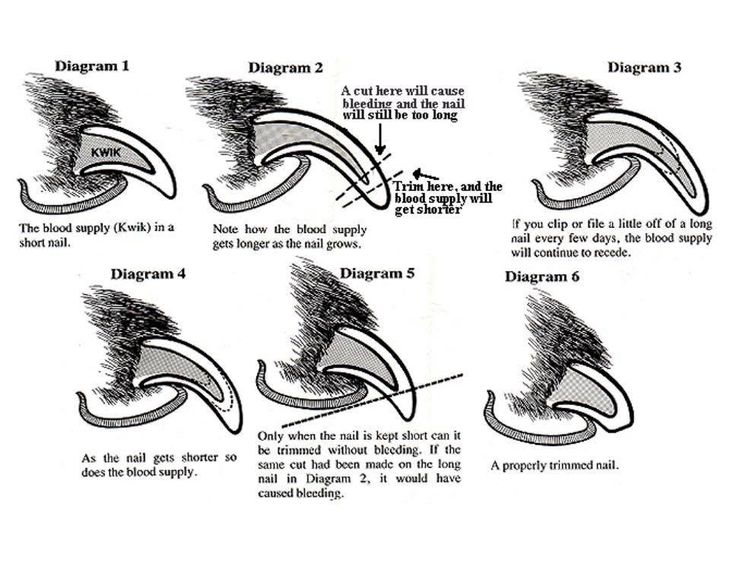
Domestic canine nails grow continuously at a baseline rate of about one-sixteenth to one-eighth of an inch every single month.
This natural process occurs within the highly vascular nail bed where specialized keratin-producing cells actively build the hard outer claw shell.
This steady growth affects every single breed of dog, from tiny toy puppies to massive working seniors, throughout their entire lives.
However, the actual visible length of the claw is heavily influenced by how often your dog walks on rough, natural surfaces like concrete.
Active outdoor dogs wear their nails down naturally during daily exercises, keeping the tips at a safe, flat angle.
In contrast, indoor pets walking on soft carpets, grass, or laminate flooring experience almost zero natural abrasive wear.
This biological reality means that without intervention, the outer keratin sheath will quickly extend far past the active boundary of the toe pad.
When this happens, the inner blood vessel known as the quick begins to grow longer too, migrating down the center of the nail.
Leaving the claws to grow unchecked leads to splayed paws, bone misalignment, and extreme discomfort during normal movement.
Therefore, tracking this growth is vital because it determines how long you should wait before initiating your next safe home grooming session.
To properly manage this continuous cycle, you must implement a structured and gentle nail maintenance routine at home.
First, examine your dog’s paws weekly by gently pressing on the toe pads to extend each nail fully for visual evaluation.
Second, listen closely for any telltale clicking sounds on hard floors, which serve as an immediate indicator that a trim is due.
Third, commit to a consistent trimming or grinding schedule every two weeks to keep the overall claw length under control.
Fourth, always trim or file in small, incremental steps rather than taking off large chunks of the nail at once.
Fifth, pair every single session with exceptional positive reinforcement, offering delicious high-value treats to create a happy association.
Finally, utilize a high-quality, professional rotary filing tool to smoothly polish away the sharp edges without causing structural splits.
If you want to handle this safely at home, the Zenpaw Maxpro Grinder provides painless, quiet filing — explore it here.
99-Day 100% Money-Back Guarantee
“Ever since we started using the Zenpaw Maxpro Grinder, it’s been such a peaceful experience. It’s very quiet, and my dog actually relaxes. It’s turned our stressful sessions into quick, quiet grooming times.”
— Sarah M. | ✔ Verified Customer
- ✓ Prevents Infection & Splitting
- ✓ Ideal for All Dog Sizes
- ✓ Low-Vibration Technology
- ✓ Fast 2-7 Days Delivery
Need Support? Call 302-307-1000
How Long to Wait Between Dog Nail Trimming: Key Scheduling Deciders
Determining how long to wait between dog nail trimming requires looking closely at your pet’s daily lifestyle, diet, and unique biological makeup.
For the vast majority of companion dogs, the absolute sweet spot for regular nail maintenance is every two to three weeks.
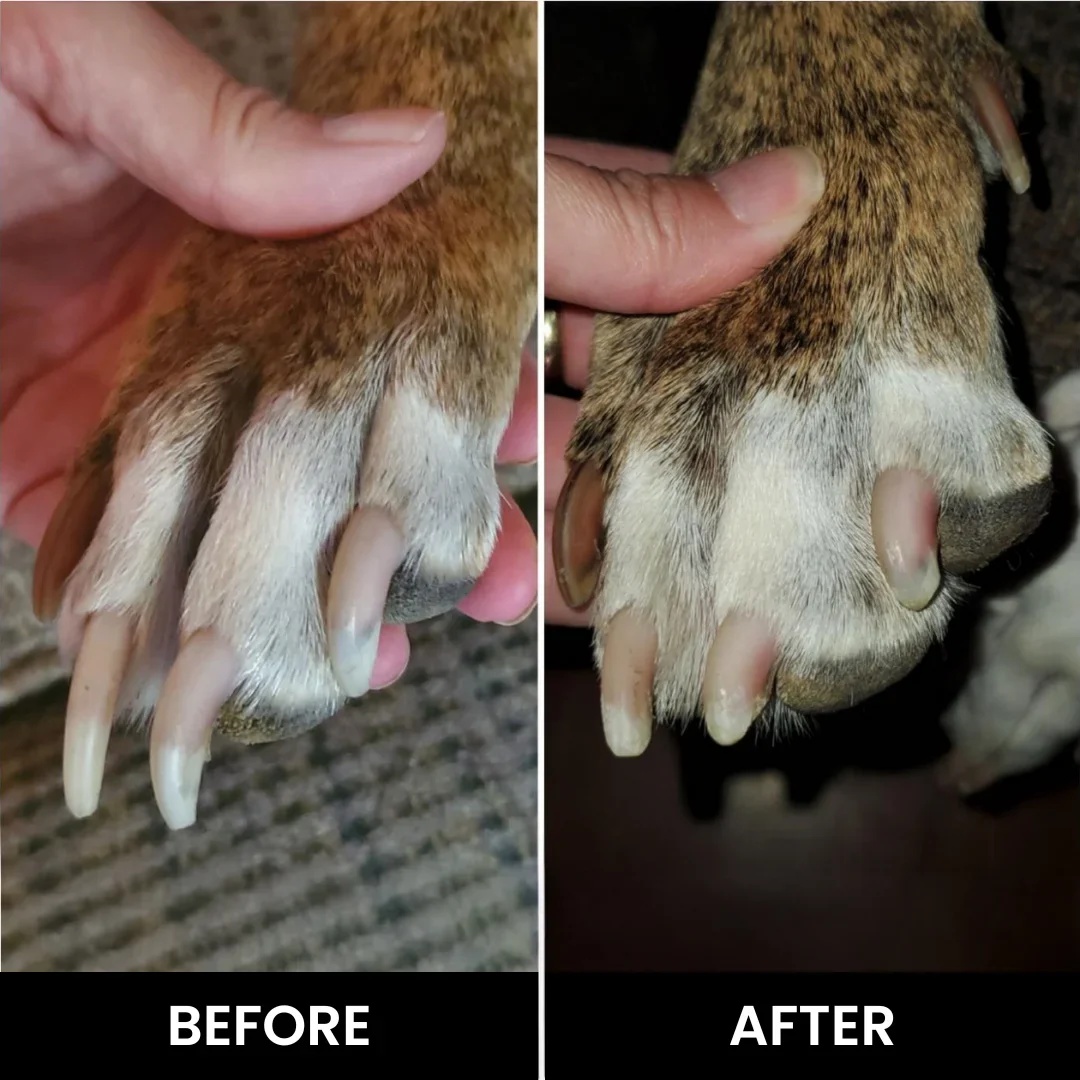
If you wait four to six weeks between trims, you are allowing the nail to grow long enough to change how the paw touches the floor.
This extended wait causes the toes to splay outward, placing unnatural stress on the delicate joints of the lower leg.
Over time, this postural shift can lead to serious compensatory orthopedic strain throughout the wrists, shoulders, and hips.
To avoid these long-term skeletal issues, professional groomers recommend establishing a firm, bi-weekly schedule.
This disciplined schedule ensures the claws remain level with the bottom of the paw pads, protecting your dog’s natural gait.
For highly active dogs who run on concrete daily, you might extend the wait time to four weeks, checking the dewclaws weekly.
Dewclaws do not touch the ground, meaning they never experience natural wear and must always be trimmed manually.
Let’s examine how recommended trimming frequencies differ across various lifestyles and dog sizes:
| Dog Size & Lifestyle | Keratin Growth Speed | Recommended Grooming Frequency |
|---|---|---|
| Small Breeds (Mostly Indoors) | Fast Growth Rate | Every 10 to 14 Days |
| Medium Breeds (Moderate Walks) | Average Growth Rate | Every 2 Weeks |
| Large Breeds (Active Outdoors) | Slower Visible Growth | Every 3 to 4 Weeks |
| Senior Dogs (Low Mobility) | Slow Growth but No Wear | Every 10 Days |
Many worried owners search for the best dog nail clippers with quick sensor reviews hoping to find an easier shortcut.
However, electronic sensors can easily give false readings if the nail is dirty, wet, or naturally thick.
When clippers fail or pinch, it is highly common that a dog pretends to faint having nails cut because the anxiety of the situation is too overwhelming.
Filing the claws down gradually using a high-quality, whisper-quiet motor is a much more humane and predictable method.
The Biological Reality of Dog Nail Growth Rate: Activity vs. Genetics
Every dog has a unique, genetically predetermined dog nail growth rate that dictates how quickly they produce new keratin fibers.
Just like human hair and fingernails, this metabolic speed is heavily dictated by endocrine system health and nutritional intake.
A diet packed with premium animal proteins, essential zinc, and biotin will naturally accelerate the production of thick, healthy claws.
Conversely, a dog suffering from nutritional deficiencies may exhibit slower, weaker growth, resulting in brittle claws that split easily.
Hormonal shifts also play a major role, which explains why puppies experience rapid nail growth during developmental spurts.
Senior dogs typically produce keratin more slowly, but their lack of activity means they do not wear their nails down at all.
Seasonal changes also influence this cycle, with many dogs showing faster nail growth during the warm, highly metabolic summer months.
During winter, reduced outdoor walks combined with dry indoor air can make the claws hard, brittle, and prone to painful cracking.
Therefore, adjusting your grooming approach to match these seasonal and metabolic changes is crucial for maintaining optimal paw health.
Instead of relying on rigid calendar dates, you should visually inspect the length and shape of the claws every single week.
How Often Should Dog’s Nails Be Cut: Age and Diet Dynamics
Understanding how often should dog’s nails be cut is a critical step in mastering stress-free home husbandry.
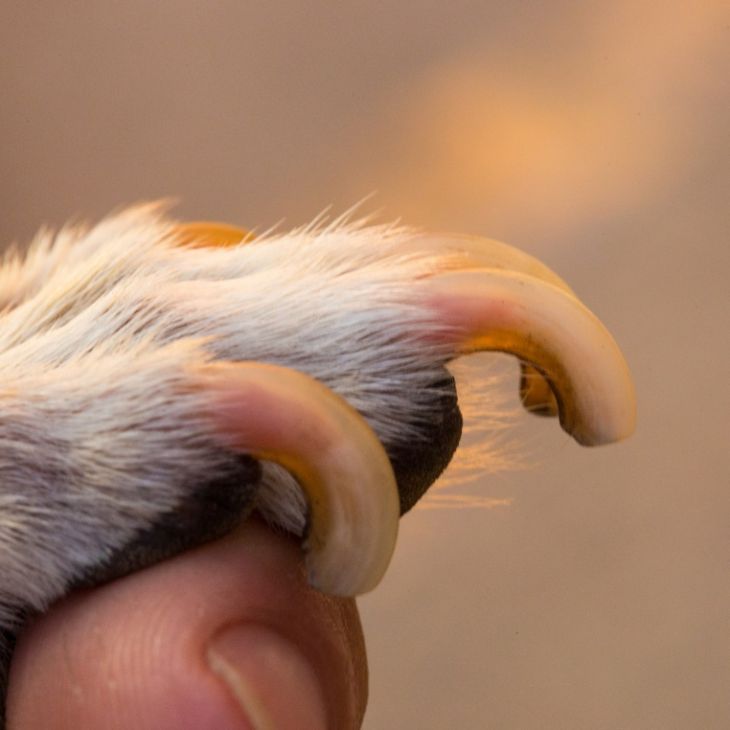
As a rule of thumb, if the nail curves past the pad or touches the ground when your dog stands, it is too long.
The nail tips should ideally hover just a fraction of a millimeter above the floor surface when the dog is standing naturally.
This slight gap prevents the nail from pushing back into the sensitive nail bed with every step your dog takes.
When nails are kept short, the weight of the dog is distributed evenly across the sturdy leathery pad of each toe.
Long, neglected nails force the entire foot to tilt backward, putting excess pressure on the tendon structures of the leg.
This painful angle can lead to chronic soreness, skin infections under the toe joint, and permanent structural damage.
To prevent these issues, you must prioritize consistent, low-stress maintenance sessions over infrequent, deep-cutting attempts.
Keeping the quick short requires frequent, micro-grooming sessions rather than waiting for the claws to become severely overgrown.
Our whisper-quiet technology makes it simple to integrate these quick touch-ups into your regular weekly bonding routines.
Step-by-Step Guide: How to Trim Your Dog’s Nails at Home Safely
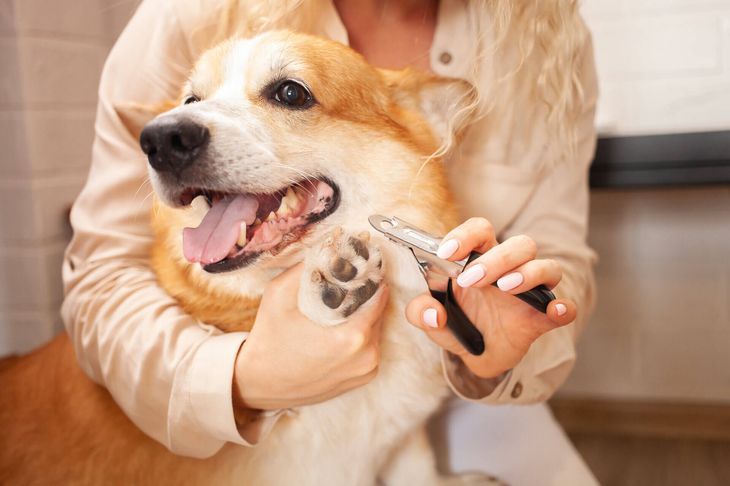
Transitioning your dog to home grooming requires a calm environment, infinite patience, and the correct approach.
It is incredibly common to feel stressed if your dog tries to bite when cutting nails due to traumatic past experiences.
We must dismantle this fear entirely by using systematic desensitization to build a strong foundation of trust.
First, place your Zenpaw Maxpro Grinder on the floor while it is turned completely off, allowing your dog to explore it naturally.
Reward every sniff or curious glance with a piece of high-value treat like boiled chicken or freeze-dried liver.
Second, turn the grinder on its lowest, quietest speed while holding it a few feet away from your pet.
Our whisper-quiet motor runs under forty decibels, which is specifically designed to stay below a dog’s sensory alarm threshold.
Continue feed treats while the machine hums softly, teaching your dog that this gentle sound predicts delicious rewards.
Third, press the vibrating body of the quiet grinder against your dog’s shoulder so they feel the physical sensation safely.
Fourth, pick up a single paw, gently separate the toes, and press the spinning head to a nail for just one second.
Fifth, file the nail by holding the grinder at a precise forty-five-degree angle relative to the natural slope of the claw.
Work in quick, two-second bursts, moving from toe to toe to prevent any friction heat from building up on the nail.
Always keep a container of styptic powder nearby, or learn to use flour to stop dog nail bleeding in case of an unexpected quick emergency.
Once you finish all four paws, celebrate with a play session or a special treat to end the grooming on a joyful note.
Traditional Clippers vs. Precision Grinding: Avoiding Quick Injuries
Using traditional guillotine or scissor-style clippers is the leading cause of accidental quicking injuries in family dogs.
Dull metal blades do not slice cleanly; instead, they forcefully crush the highly sensitive keratin layers of the claw.
This intense structural squeezing pinches the delicate nerves of the quick, causing sharp pain before the cut is even completed.
This crushing sensation explains why so many dogs pull their paws away, whimpering in anticipation of the next painful squeeze.
Furthermore, clippers often leave behind jagged, sharp edges that can easily catch on carpets, blankets, or outdoor terrain.
These snags can lead to painful tears that pull the entire claw away, requiring immediate medical care at home.
If your dog suffers from a torn claw, you must quickly implement proper dog nail injury treatment at home to protect the raw nail bed.
Precision grinding with the Zenpaw Maxpro avoids these structural injuries by filing the nail down in micro-layers.
The high-speed diamond bit sands away the hard keratin smoothly, allowing you to stop the moment you see the soft quick.
This gradual process gives you complete control, leaving a perfectly rounded edge that cannot scratch your floors or snag fabrics.
Frequently Asked Questions About Dog Nail Growth & Trimming
Is the Zenpaw Maxpro Grinder powerful enough for giant breed dogs?
Yes, the Zenpaw Maxpro features a high-performance copper-core motor that provides ample power for thick, heavy claws.
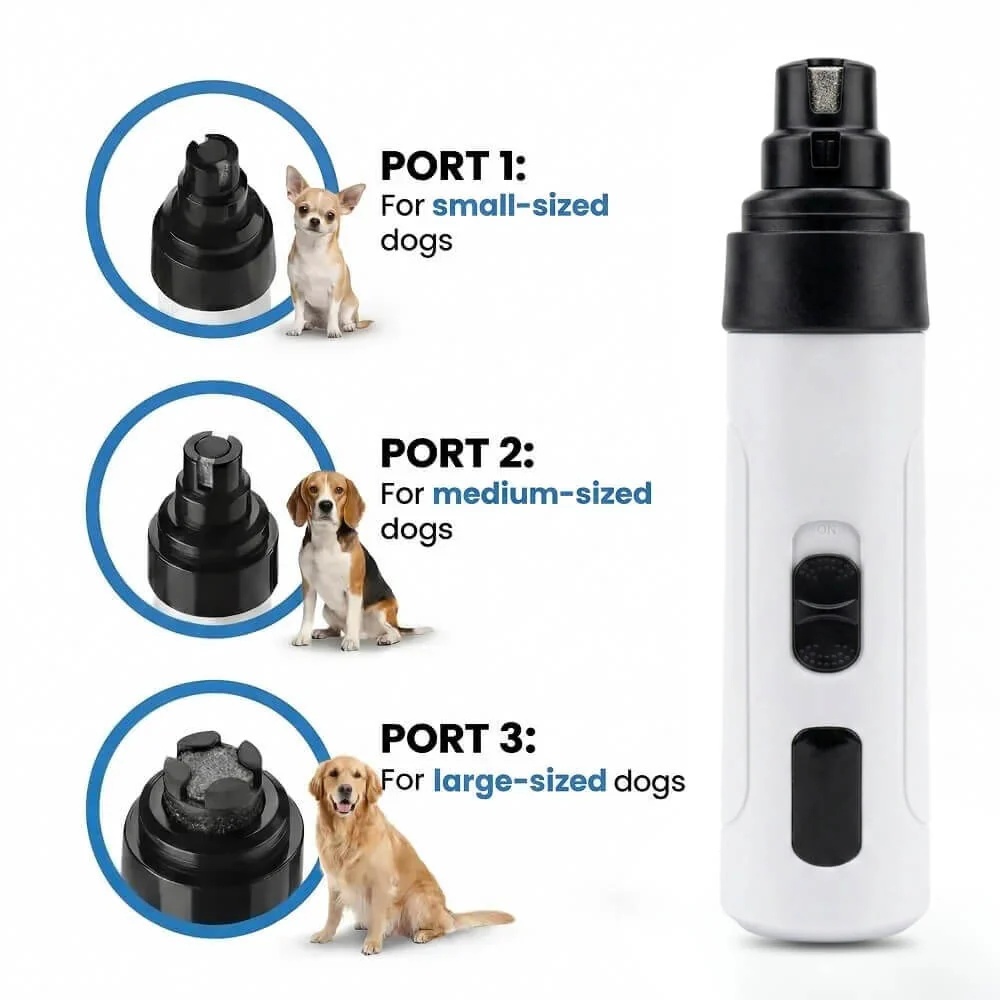
It comes equipped with three safety ports designed to accommodate small, medium, and large breeds with absolute precision.
How long does the battery last on a single USB charge?
Our grinder is equipped with a premium lithium-ion battery that delivers up to seven hours of continuous run time.
This exceptionally long battery life means you can complete multiple stress-free sessions without worrying about a dying motor.
Which speed setting is best for a highly anxious dog?
We highly recommend starting on our lowest speed setting, which minimizes noise and physical vibration for sensitive paws.
Once your dog feels relaxed, you can easily switch to the high-speed setting for faster and more efficient grooming.
Does the grinding head get hot during a long grooming session?
No, our advanced brass spindle technology is specifically engineered to run cool, preventing heat from transferring to the nail.
However, we always suggest moving between different toes every few seconds to keep your dog completely comfortable.
Conclusion: Partnering with Zenpaw for Stress-Free Grooming
Establishing a consistent, positive paw routine protects your dog’s orthopedic health, prevents painful splits, and builds incredible trust.
Ready to transform nail trimming from a battle into a breeze?
Explore the Zenpaw Maxpro 3-in-1 Grinder.
Call: **302-307-1000** — our team can help you advise on the best grooming practices and help with any product questions.