
I still remember the sudden, sharp yelp that echoed through my living room the afternoon I attempted to clip my sweet golden retriever’s overgrown claws, only to find myself staring in horror at a ragged, bleeding crack that went straight up to the quick. It is a terrifying feeling when your best friend winces at your touch, leaving you desperate to understand why are my dogs nails splitting and how to protect their sensitive paws from further pain. That heart-wrenching moment drove our team at Zenpaw to engineer a whisper-quiet, painless grooming solution that replaces aggressive, crushing metal clippers with gentle, veterinary-approved precision, restoring peace and trust to your pet care routine.
Maxpro 3-in-1 Grinder.
Stress-Free Nail Trimming.
Whisper-quiet DC motor (<40 dB) eliminates fear & discomfort. Features 3 ports, dual speeds, and 7-hour battery life. Safe, precise, and painless.
In This Article
- Why Are My Dogs Nails Splitting? – Discover the primary environmental and physiological triggers behind weak claws.
- The Crushing Blow of Traditional Clippers – Understand how standard cutting tools structurally damage the nail shell.
- Nutritional and Thyroid Health Indicators – Learn how brittle, peeling nails point to internal wellness concerns.
- Safe Filing and Paw Restoration – Explore step-by-step techniques to shape claws without pain or bleeding.
Why Are My Dogs Nails Splitting? Here is What the Experts Say
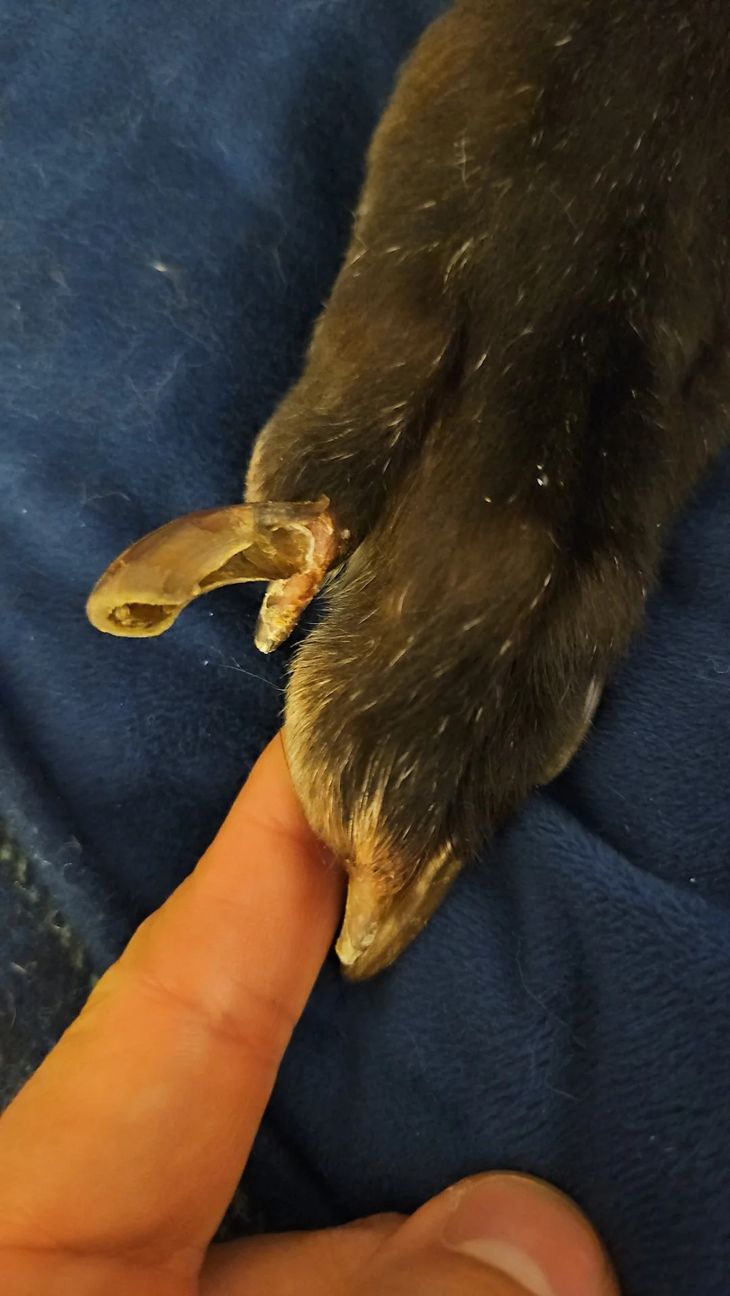
Canine claws are composed of a strong outer layer called the nail shell, which is made of a tough protein called keratin.
This protective shell shields the highly sensitive inner quick, which is packed with active blood vessels and nerves.
When you ask why are my dogs nails splitting, experts point to a variety of factors ranging from daily physical wear to systemic metabolic issues.
Active dogs who run on abrasive concrete surfaces may wear down their claws naturally, but uneven pressure can easily cause micro-fractures in the outer keratin layer.
According to the American Kennel Club (AKC), frequent exposure to moisture, harsh winter salts, or chemical floor cleaners can strip the natural oils from the nailbed, leaving the tissue brittle and prone to peeling.
In older dogs, slow cellular regeneration often leads to dog nails splitting and cracking because the body struggles to maintain thick, resilient nail walls.
Additionally, underlying veterinary conditions like hypothyroidism, hormonal imbalances, or autoimmune disorders can manifest directly through weak, flaking claws.
Solving this stressful paw problem starts with identifying the specific root cause and immediately modifying your home grooming toolkit.
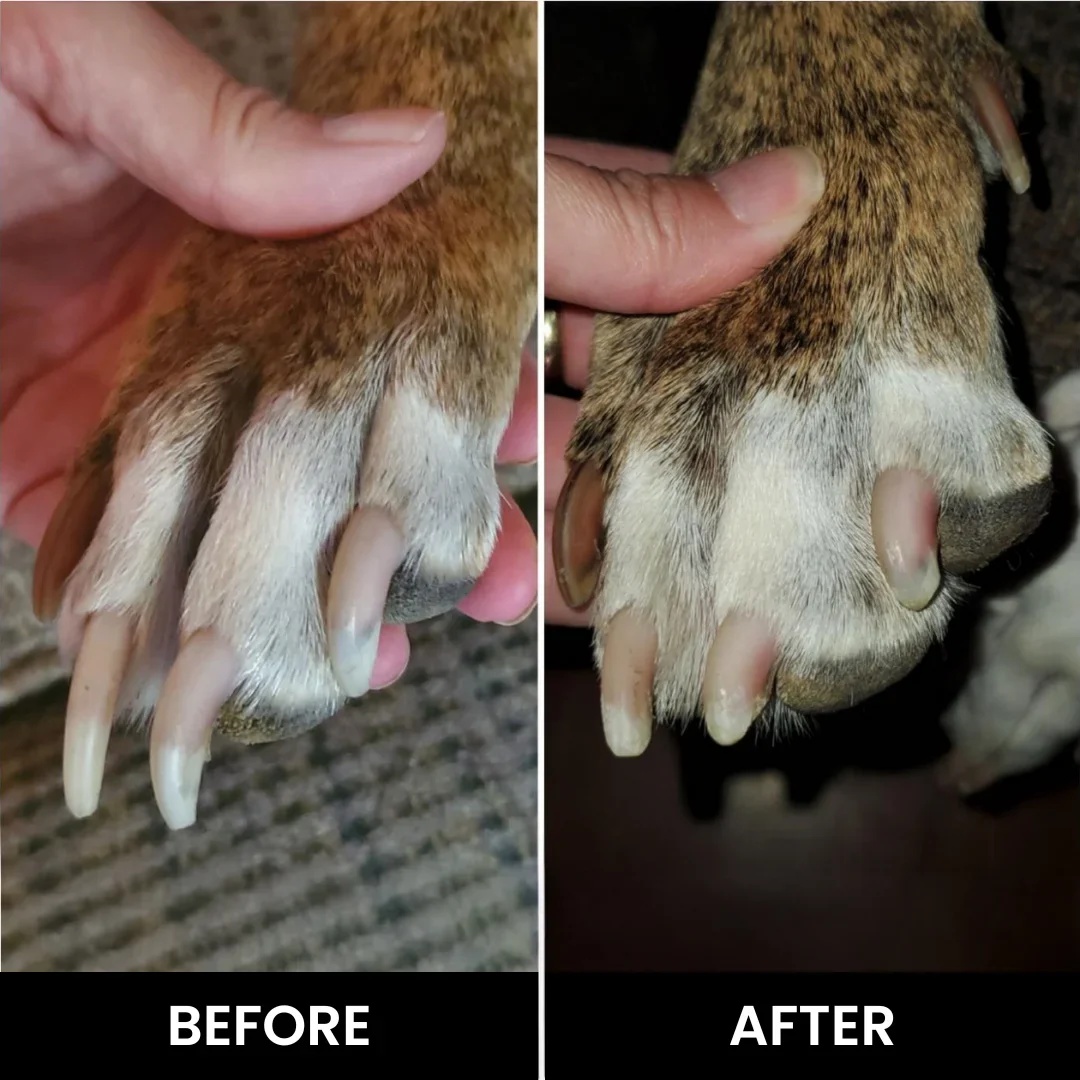
If the splitting occurs after routine trims, you should evaluate the physical force of your cutting tool, as dull blades exert an immense crushing pressure that fractures the nail horizontally.
Keep your pet’s paws clean and thoroughly dry after outdoor walks, and consider applying a veterinary-approved paw balm to lock in moisture and protect the nail plate.
To eliminate the violent physical impact of traditional cutting, transitioning to a high-precision rotary tool is the single best preventative measure you can take at home.
This allows you to gently smooth out micro-cracks before they travel up the nail shaft, preventing painful infections and keeping the quick safe.
If you want to handle this safely at home, the Zenpaw Maxpro Grinder provides painless, quiet filing — explore it here.
99-Day 100% Money-Back Guarantee
“Ever since we started using the Zenpaw Maxpro Grinder, it’s been such a peaceful experience. It’s very quiet, and my dog actually relaxes. It’s turned our stressful sessions into quick, quiet grooming times.”
— Sarah M. | ✔ Verified Customer
- ✓ Prevents Infection & Splitting
- ✓ Ideal for All Dog Sizes
- ✓ Low-Vibration Technology
- ✓ Fast 2-7 Days Delivery
Need Support? Call 302-307-1000
The Mechanics of Splitting: Why Do My Dogs’ Nails Split When I Cut Them?

The sudden structural failure of a claw during grooming is a very common issue for pet parents.
To understand why do my dogs’ nails split when i cut them, we must look at the physical physics of traditional scissor or guillotine clippers.
These manual tools work by squeezing the curved nail plate from opposite sides until the blade can force its way through the structure.
This intense compression forces the hollow, curved nail to flatten out briefly before the cut is finalized.
If the nail is dry or thick, this flattening motion breaks the biological bonds holding the keratin fibers together.
The result is a classic stress fracture that propagates along the natural grain of the claw.
In many cases, a dog nail split horizontally because the crushing action shears the layered structure of the outer wall.
This structural damage is often amplified if the clipper blades are dull, rusted, or slightly misaligned.
Instead of cutting cleanly, dull blades violently crush the nail plate, leaving jagged edges behind.
These rough edges easily snag on carpets, grass, and upholstery during normal daily activities.
A minor snag can quickly turn a small crack into a severe injury where the dog nail broke in half, exposing the nerve-rich quick below.
Once the quick is exposed, it causes immediate bleeding, intense pain, and leaves your pet highly vulnerable to deep bacterial infections.
By using a continuous rotary filing motion instead of a violent crushing chop, you can maintain the structural integrity of the claw completely.
Rotary filing gently removes microscopic layers of keratin at high speeds, leaving a smooth, rounded edge that resists snagging.
This is why Team Zenpaw focuses on smooth, vibration-free grinding to preserve the natural strength of each claw shell.
Environmental, Nutritional, and Health Indicators in Canine Paws
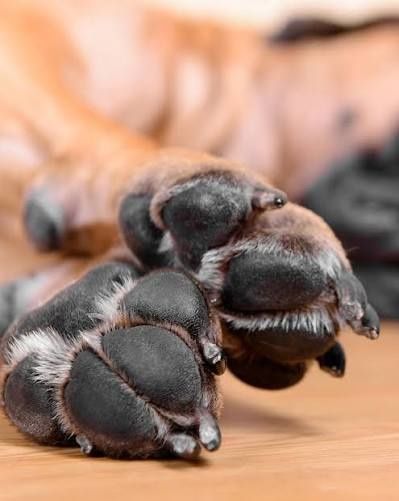
Healthy paws require a balanced internal biochemistry, as well as a clean and dry living environment.
If you observe chronic peeling without any obvious trauma, you are likely dealing with reasons for weak splitting dog claws that originate deep inside your dog’s body.
Diet plays a vital role in synthesizing the structural proteins required to build thick, resilient nail shells.
A deficiency in essential fatty acids, such as Omega-3 and Omega-6, can dry out the nailbed and skin, causing brittle claws.
Biotin, zinc, and high-quality proteins are also essential building blocks that keep the keratin layers firmly bonded together.
Without these key nutrients, the outer shell becomes thin and easily flakes away under minimal physical stress.
Systemic medical conditions can also directly affect your dog’s physical paw health.
Hypothyroidism, which slows down the metabolic rate, often leads to dry skin, hair loss, and incredibly brittle, slow-growing claws.
An autoimmune disease known as Symmetrical Lupoid Onychodystrophy (SLO) causes the body to attack the claw beds, leading to pain and multiple split nails.
Environmental factors like walking on chemically treated lawns or salted winter roads can also strip away protective natural oils.
When the nails become extremely dry and itchy, you may notice that your dog chewed nail off in a desperate attempt to relieve the constant discomfort.
This obsessive chewing often introduces harmful oral bacteria into the open nailbed, leading to painful swelling and infection.
Regular inspections are essential to catch these subtle changes in claw texture, color, and strength before they develop into severe injuries.
By tracking these physical paw changes, you can catch underlying health issues early and keep your pet’s feet comfortable.
How to File and Strengthen Your Dog’s Nails: A Painless Step-by-Step Guide
Transitioning from traditional clippers to a high-speed rotary grinder is the most effective way to care for brittle claws.
However, introducing a new grooming tool requires patience, positive reinforcement, and a structured desensitization process.
First, let your dog inspect the inactive grinder while offering high-value treats like peanut butter or freeze-dried meat.
Once your dog associates the tool with positive rewards, turn the motor on without touching their paws.
The Zenpaw Maxpro Grinder features a whisper-quiet motor operating under 40dB, which minimizes grooming anxiety from the start.
This exceptionally low noise level ensures your dog remains calm and cooperative, even during extended grooming sessions.
Once your dog is comfortable with the quiet hum, gently lift one paw and hold it securely but comfortably.
If your dog is highly anxious or struggles to stay still, you can use a hanging dog nail trim bag to safely support their weight and keep them calm.
Apply the rotary grinder to the tip of the nail at a precise 45-degree angle to follow the natural curve of the claw.
Use light, pulsing pressure for no more than two to three seconds per nail to prevent heat buildup from friction.
Slowly work around the tip to round off any sharp edges, checking frequently to avoid getting too close to the sensitive quick.
For dogs that absolutely refuse mechanical tools, you can use a dog sandbox to file nails as a fun, stress-free alternative that utilizes their natural digging instincts.
Always end your grooming sessions with praise and treats to build a positive long-term relationship with paw care.
Comparing Grooming Methods for Weak, Brittle Claws
Selecting the right grooming approach can make a dramatic difference in preventing painful claw fractures.
Below is a factual comparison of the three most common nail trimming methods used by pet owners today.
| Grooming Method | Risk of Cracking & Splitting | Anxiety & Noise Levels | Precision & Quick Safety |
|---|---|---|---|
| Traditional Metal Clippers | Very High (Crushes nail) | High (Loud clicking sound) | Low (Easy to cut the quick) |
| Zenpaw Maxpro Grinder | Extremely Low (Smooth filing) | Whisper-Quiet (<40dB) | High (Gradual, controlled wear) |
| Standard Hardware Rotary Tools | Moderate (Can overheat quickly) | Very High (Loud, high-vibration) | Moderate (Hard to control speed) |
Overcoming Risks and Common Grooming Mistakes
Many pet parents accidentally worsen claw issues by using improper grooming techniques at home.
The most common mistake is applying too much continuous pressure, which generates excessive friction heat and causes pain deep inside the nail bed.
Always use short, pulsing strokes with your grinder, allowing the nail tip to cool down between contacts.
Another risk is rushing the process, which can startle your dog and cause them to pull away mid-grind.
If you move too quickly, you might accidentally nick the surrounding paw pad or catch the long fur around the toes in the rotating tip.
To prevent this, you can slide a nylon stocking over the paw and push the claws through the mesh to keep the fur safely out of the way.
Additionally, avoid using old, worn-down grinding wheels that require extra force to file the nail.
The Zenpaw Maxpro Grinder uses a high-quality diamond bit emery wheel that files cleanly without needing heavy physical pressure.
By avoiding these common mistakes, you can protect your dog’s paws and build their confidence during grooming.
Dog Nail Health: Frequently Asked Questions
Is the Zenpaw Grinder safe for large dogs with thick nails?
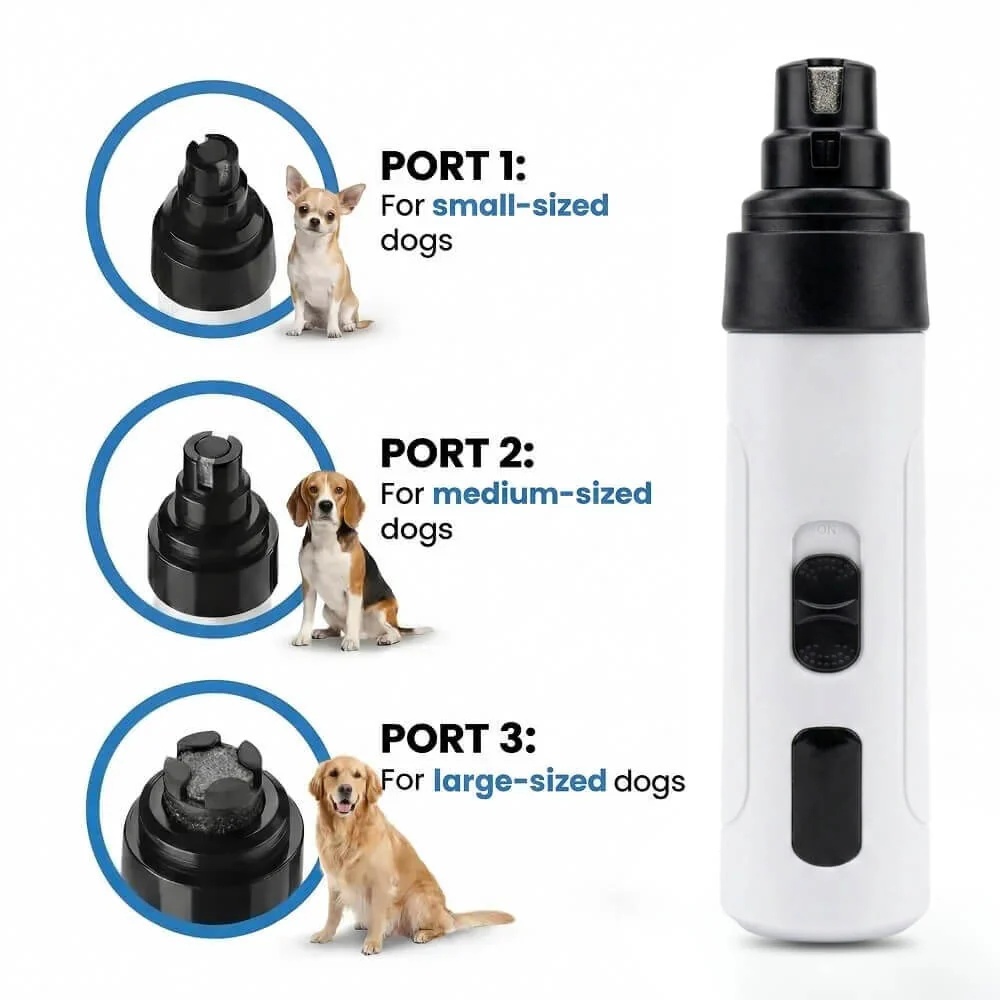
Yes, the Zenpaw Maxpro is designed with three distinct ports and dual-speed controls to safely handle all dog sizes.
The small and medium ports are perfect for thinner claws, while the open port easily files down thick, tough nails on large breeds.
How long does the battery last on a single charge?
Our grinder features a long-lasting, USB-rechargeable battery that provides up to 7 hours of continuous run time.
This allows you to complete multiple grooming sessions without worrying about the battery dying mid-trim.
Which speed setting should I use for brittle or split claws?
We recommend starting on the low-speed setting to gently smooth out any existing cracks or splits without causing extra stress.
Once the jagged edges are rounded off, you can switch to the higher speed for faster, more efficient shaping.
Does the grinding tip get too hot during use?
Our advanced diamond bit uses low-heat technology to minimize temperature buildup during normal filing.
However, you should still use quick, pulsing touches to keep your dog’s paws perfectly cool and comfortable.
A Lifetime of Happy, Stress-Free Paw Care
Protecting your dog from the pain of split, cracking claws is a fundamental part of responsible pet ownership.
By understanding the root causes of nail splitting and upgrading your grooming routine, you can keep your pet happy and active.
Ready to transform nail trimming from a battle into a breeze?
Explore the Zenpaw Maxpro 3-in-1 Grinder today.
Call us at 302-307-1000 — our friendly team is here to help you choose the best grooming tools and answer any product questions you have.
Note: Individual results may vary depending on individual dog breeds, nail thickness, and behavioral temperaments. This article is intended for general pet grooming reference purposes only and does not replace professional veterinary advice.