
Maxpro 3-in-1 Grinder.
Stress-Free Nail Trimming.
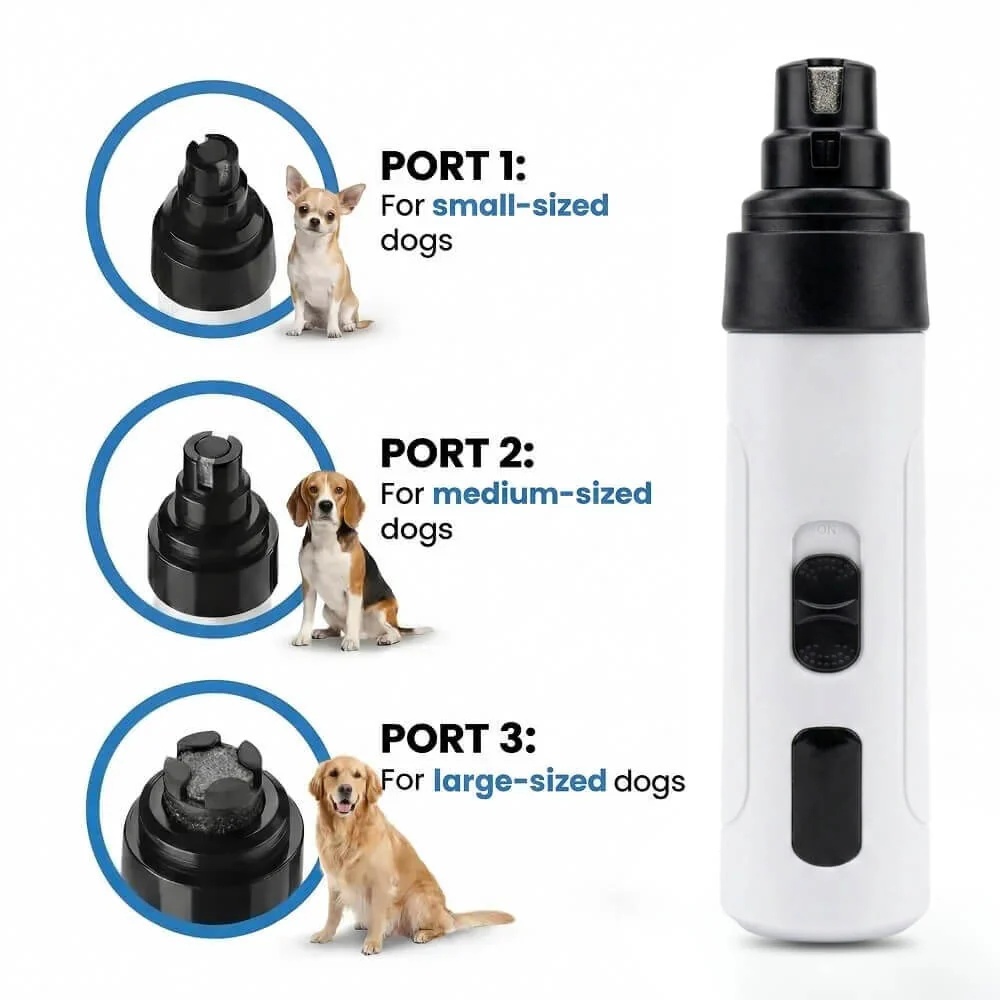
Whisper-quiet DC motor (<40 dB) eliminates fear & discomfort. Features 3 ports, dual speeds, and 7-hour battery life. Safe, precise, and painless.
In This Comprehensive Guide
-
✓
Step-by-Step DIY Construction: How to design and construct a durable nail-filing sandbox. -
✓
Behavioral Training Secrets: Effortlessly teach your dog safe digging instincts with positive reinforcement. -
✓
Sanding Media Science: Choosing the correct sand texture and abrasive paper grits to prevent injury. -
✓
Anatomical Insights: How natural friction wears down the nail shell safely while protecting the quick.
How to Build a DIY Sandbox to File Dog Nails Naturally: A Step-by-Step Guide
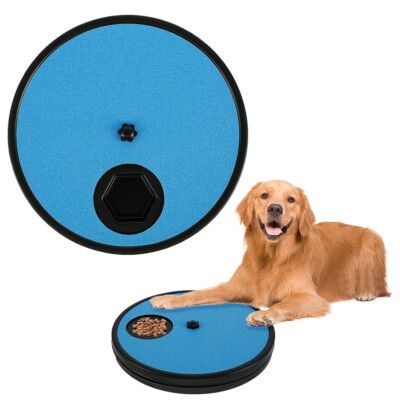
Building a custom sanding playground is a brilliant way to harness your dog’s instinctual digging behavior for daily grooming.
This biological drive provides a highly engaging activity while safely shortening sharp claws.
To successfully assemble this therapeutic tool, gather the essential materials listed below before starting.
Prerequisites & Materials Needed
- A heavy-duty plastic storage tub or a shallow wooden crate (minimum 24″ x 18″ for medium dogs).
- Two bags of sterilized playground sand (avoid coarse construction sand as it can damage soft paw pads).
- Three sheets of heavy-duty, waterproof 80-grit emery sandpaper.
- An ultra-strong, non-toxic outdoor adhesive or double-sided carpet tape.
- A handful of highly fragrant, dehydrated treats to motivate natural foraging.
-
Step 1: Selecting and Preparing the Sandbox Base
You must choose a container that accommodates your dog’s full stance easily.
The container walls should only stand about four to six inches high.
This low profile allows senior pets and small breeds to step inside without straining their joints.
Clean the interior floor of your container thoroughly to remove any manufacturing dust or lingering oils.
Wipe the surface completely dry with a clean microfiber cloth so the adhesive bonds perfectly.
-
Step 2: Installing the Emery Sandpaper Foundation
Apply your heavy-duty double-sided tape evenly across the interior bottom surface of the empty container.
Press your high-grit emery sheets firmly onto the taped floor, smoothing out any raised air bubbles.
This sandpaper layer acts as a safety net when your dog digs through the loose sand.
Ensure the sandpaper corners are completely flush against the floor so they do not peel up.
Let the adhesive cure for at least three hours before proceeding to the next step.
-
Step 3: Dispensing the Sterilized Play Sand Layer
Pour the clean play sand into the container until it reaches a depth of two to three inches.
This optimal depth provides enough loose material to stimulate your dog’s digging instinct.
Do not fill the container to the top, as this will lead to excess sand spilling onto your clean floors.
Gently smooth the sand layer flat using a plastic trowel or your hand.
This creates an inviting, uniform surface that is ready for behavioral training.
-
Step 4: Creating the Treat Foraging Matrix
Scatter several small, highly aromatic training treats directly across the top sand layer.
Gently push half of these treats slightly below the surface with your fingertips.
This strategic layering forces your dog to use their nose and front paws to locate the rewards.
The hidden treats trigger an instinctual hunting drive that makes the experience highly rewarding.
This sensory puzzle ensures your dog keeps digging enthusiastically without losing focus.
-
Step 5: Introducing and Reinforcing the Digging Motion
Lead your dog over to the newly built diy sandbox nail filer using a happy, enthusiastic tone.
Point to the visible treats on the surface and encourage your pet to sniff them.
Praise them warmly the exact moment their front paws touch the textured sand surface.
As they scratch the surface to find the buried treats, use a specific verbal cue like “Dig!” or “Find it!”
Keep these initial training sessions limited to three minutes to avoid over-filing tender paw pads.
While building a custom sandbox is an exceptionally effective technique for teaching dog to dig in sand to file claws, it primarily shapes the front nails and cannot safely trim the dewclaws or rear paws.
To establish a truly complete, professional-grade grooming routine, we highly recommend pairing your natural sandbox play with the whisper-quiet Zenpaw Maxpro 3-in-1 Grinder.
This veterinarian-approved tool allows you to safely round off jagged edges and maintain the rear paws easily, making nail care a peaceful bonding experience for your entire household.
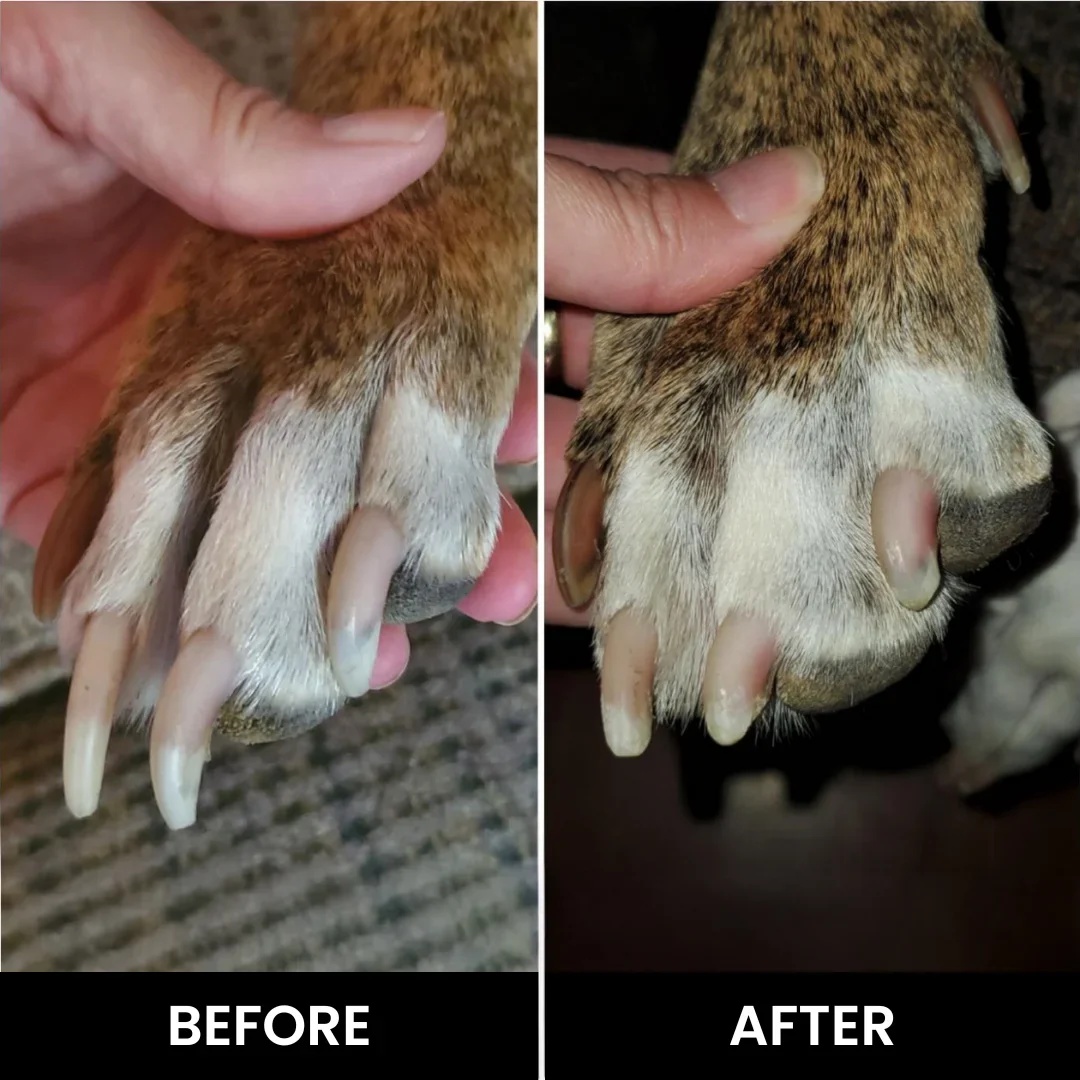
99-Day 100% Money-Back Guarantee
“Ever since we started using the Zenpaw Maxpro Grinder, it’s been such a peaceful experience. It’s very quiet, and my dog actually relaxes. It’s turned our stressful sessions into quick, quiet grooming times.”
— Sarah M. | ✔ Verified Customer
- ✓ Prevents Infection & Splitting
- ✓ Ideal for All Dog Sizes
- ✓ Low-Vibration Technology
- ✓ Fast 2-7 Days Delivery
Need Support? Call 302-307-1000
The Biological Science Behind Natural Sand Filing
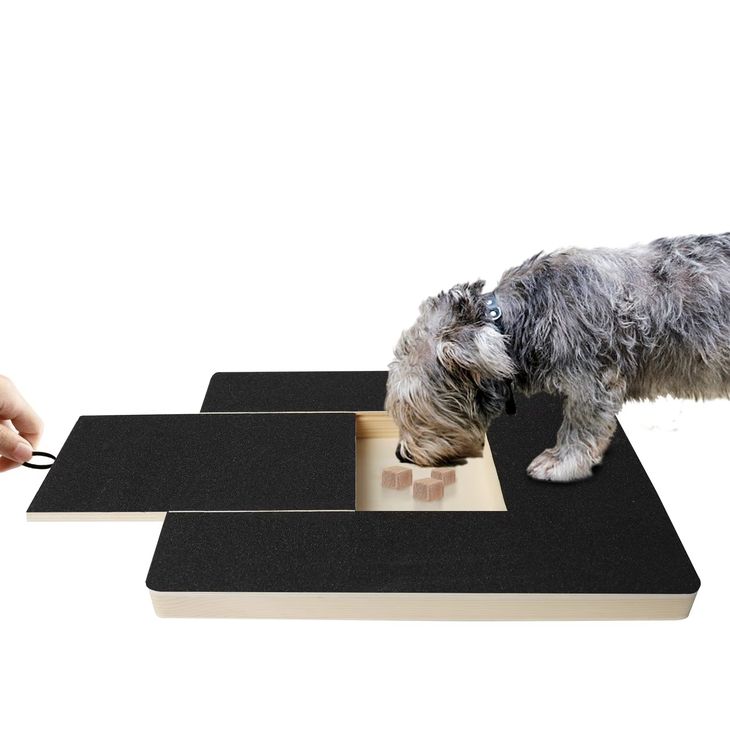
To understand why a dog sandbox nail file is so effective, we must look closely at canine skeletal structure and nail anatomy.
A dog’s claw is not a simple, lifeless piece of tissue like a human fingernail.
It consists of a hard, keratinized outer shell that surrounds a highly sensitive living core known as the quick.
The quick is packed with active blood vessels and nerve endings that send sharp pain signals to the brain if nicked.
When nails grow too long, they push the dog’s toe bones upward, altering their natural walking posture.
According to certified veterinary orthopedic specialists, this posture shift places harmful, chronic stress on the wrists, elbows, and shoulders.
This skeletal misalignment is a primary cause of early-onset osteoarthritis in highly active dog breeds.
When your dog digs in a sandbox, the multi-directional friction of the sand gently wears down the outer keratin shell.
This gradual friction mimics the natural wear and tear that wild canines experience on rocky landscapes.
The gentle, progressive reduction of the claw encourages the quick to safely recede deeper into the nail bed over time.
This makes sand digging an outstanding alternative for dogs that suffer from severe veterinary handling phobias.
Some highly anxious pets must be physically restrained, and owners even resort to trying to swaddle dog to cut nails to prevent sudden lunging.
By shifting to an interactive digging box, you eliminate the need for physical force and work alongside your dog’s biology.
Evaluating Sandboxes vs. Flat Emery Scratch Boards
Many pet owners are unsure whether to construct a full sandbox or purchase a flat, stationary emery scratch board.
While basic scratch boards can help file nail tips, they have several physiological and training limitations.
A flat board requires your dog to scratch at a single, unnatural angle to achieve any filing effect.
This repetitive, single-angle motion can put uneven lateral pressure on the toe joints, causing joint fatigue.
Additionally, flat boards do not shape the sides of the claw, leaving sharp, razor-thin edges on the nail.
A sandbox addresses this problem by surrounding the entire claw with thousands of tiny, moving abrasive sand particles.
As the paw pushes down, the shifting sand files the top, bottom, and sides of the nail simultaneously.
This produces a beautifully rounded, smooth nail tip that will not catch on rugs or scratch your wooden floors.
Furthermore, sand digging engages the deep stabilizer muscles in your dog’s shoulders, providing wonderful mental and physical stimulation.
| Feature Metric | Natural Sandbox Filer | Standard Flat Emery Board |
|---|---|---|
| Filing Angle Coverage | 360-degree uniform wear around the entire nail tip | Single-angle flat wear across the nail tip only |
| Training Complexity | Extremely low — utilizes natural instinctual foraging | High — requires clicker training to shape movement |
| Friction Heat Buildup | Practically zero due to moving sand particles | Moderate to high on fixed, high-grit emery paper |
| Joint Impact | Soft, shock-absorbing cushion from deep sand | Hard, high-impact force on solid board surfaces |
Step-by-Step Desensitization and Comprehensive Paw Care
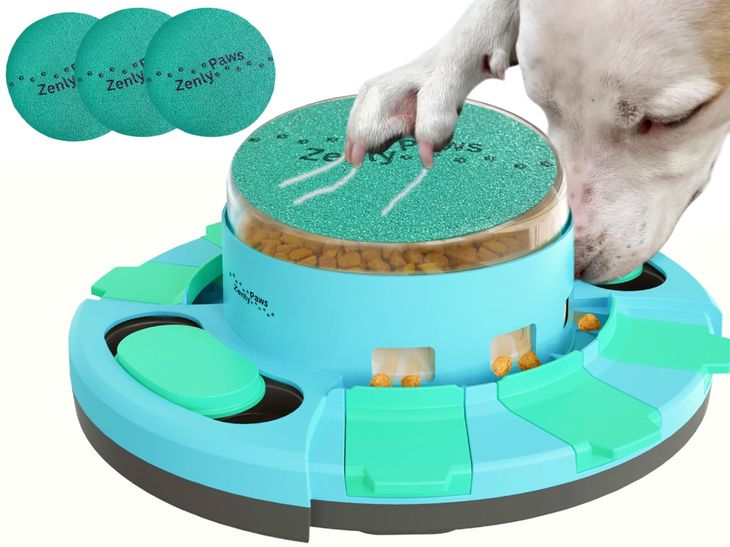
To safely manage the claws that sand digging cannot reach, a gradual, reward-based training plan is absolutely vital.
Introducing a physical grooming device requires patience, empathy, and a high-volume supply of delicious, healthy treats.
Start by placing your Zenpaw Maxpro Grinder on the living room rug while it is completely turned off.
Praise your dog warmly and offer a high-value treat every single time they choose to approach and sniff the tool.
This simple pairing quickly teaches your dog that the presence of the grinder predicts positive rewards.
After a few successful sessions, turn the grinder on its lowest speed while holding it a few feet away from your pet.
The whisper-quiet, low-vibration motor runs under 40dB, keeping your dog calm and comfortable.
Feed your pet delicious treats continuously while the quiet motor hums in the background.
Once they show relaxed body language, gently touch the vibrating body of the device to their leg for one second.
Slowly work your way down the leg over several days until you can comfortably touch the paw pads.
When you are ready to file the nails, hold the grinder at a precise 45-degree angle to the claw.
This specific angle matches the natural anatomical slope of the nail and avoids the sensitive quick.
Only apply light, gentle pressure for two to three seconds per claw to prevent heat buildup on the nail bed.
If your pet suffers from deep, generalized grooming panic, consult your veterinarian about prescription support.
For highly anxious dogs, veterinarians often recommend gabapentin for dogs to cut nails during the initial stages of training.
For mild, situational tension, natural supplements like melatonin for dogs to cut nails can support calm, relaxed behaviors.
In cases of severe behavioral distress, speaking with your vet about a safe trazodone dosage for dogs nail trim can provide a helpful safety net during grooming.
The Dangers of Traditional Crushing Clippers
Using traditional guillotine or scissor-style clippers poses severe risks to your dog’s structural health.
Dull metal clipper blades violently squeeze and crush the hard keratin nail shaft rather than cutting through cleanly.
This intense, sudden pressure causes microscopic fractures to run up the length of the nail.
These structural fractures lead to painful splitting, peeling, and raw infections weeks after the trim.
If a split nail tears up into the sensitive quick, it can cause severe bleeding and require urgent veterinary care.
To shield their home, some frustrated pet owners apply temporary dog nail caps for hardwood floors to cover sharp points.
However, these vinyl covers only hide the symptom and do not address the discomfort of long, overgrown nails.
Rushing through the grooming process is another common mistake that destroys your dog’s trust.
A single painful pinch can ruin months of positive training and make your dog fear grooming for years.
The Zenpaw Maxpro Grinder eliminates these risks entirely by using a safe, progressive diamond-bit filing action.
This advanced tool slowly shapes the nail millimeter by millimeter, giving you absolute control over the process.
This stress-free approach protects the quick, eliminates painful pinches, and keeps your pet completely comfortable.
Frequently Asked Questions About Natural Sandbox Nail Filing
Is the Zenpaw Maxpro Grinder safe and powerful enough for large, heavy dog breeds?
Yes, the Zenpaw Maxpro is engineered with a powerful, high-torque motor designed to easily handle the thickest nails.
It features three specialized ports that perfectly accommodate small, medium, and giant dog claws.
You can use the large, open port to quickly shape and shorten thick, dense nails with absolute safety.
How long does the Zenpaw Grinder battery last on a single charge?
The high-performance lithium-ion battery provides up to seven hours of continuous runtime on a single charge.
It comes with a universal USB charging cable, allowing you to charge the device easily using your laptop or wall adapter.
This long battery life means you can complete multiple thorough grooming sessions without worrying about power loss.
Which speed setting should I use for highly anxious or sensitive dogs?
We strongly recommend starting on the low-speed setting to ensure the quietest operation possible.
The low speed runs at a very gentle vibration frequency, making it ideal for young puppies and nervous rescue dogs.
Once your pet is completely comfortable, you can switch to high speed to quickly shorten thick, tough claws.
Does the grinding tip get warm during extended grooming sessions?
The Zenpaw Maxpro is designed with advanced low-heat technology to prevent friction heat buildup.
The high-density diamond drum bit dissipates heat rapidly to keep the nail cool and comfortable.
We still advise lifting the grinder off the nail every three seconds to ensure a completely pleasant experience.
Conclusion
Ready to transform nail trimming from a battle into a breeze? Explore the Zenpaw Maxpro 3-in-1 Grinder. Call: 302-307-1000 — our team can help you advise on the best grooming practices and help with any product questions.