
I still remember the absolute panic when my rescue dog, Bailey, tore his dewclaw on a rough patch of carpet, leaving behind a bloody, raw nail bed that made me desperately wonder, will a dogs nail grow back? Watching him limp in pain broke my heart, but finding a stress-free way to groom his remaining nails with the Zenpaw Maxpro 3-in-1 Grinder changed everything for our healing journey.
Maxpro 3-in-1 Grinder.
Stress-Free Nail Trimming.
Whisper-quiet DC motor (<40 dB) eliminates fear & discomfort. Features 3 ports, dual speeds, and 7-hour battery life. Safe, precise, and painless.
In This Article
- Biological Regrowth Facts: Discover how the germinal matrix rebuilds the lost outer claw shell.
- Regrowth Timelines: Track exactly how long your dog’s nail takes to heal based on size and age.
- Anatomical Insights: Learn the vital role of the quick and the risks of nerve exposure.
- Grooming Strategies: Master desensitization steps to prevent future nail trauma at home.
- Expert Safety Protocols: Identify common home-care mistakes that trigger painful secondary infections.
Will a Dog’s Nail Grow Back? Here’s What the Experts Say
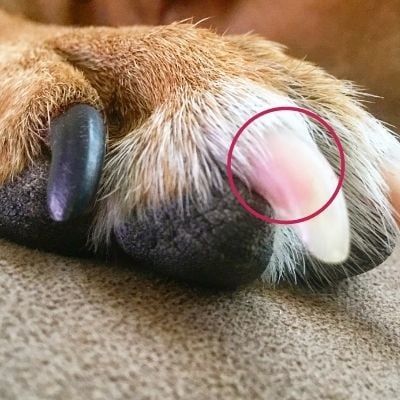
Yes, a dog’s nail will almost always grow back after an injury, tear, or routine trimming mishap.
This biological recovery is highly dependent on whether the underlying nail matrix and the quick remain healthy and intact.
When a dog experiences a broken nail, the germinal matrix at the base of the toe begins a rapid cellular division process to form a new outer shell.
Veterinary experts confirm that if this growth tissue is undamaged, the keratin layer will regenerate progressively over several weeks.
However, if the nail bed is completely destroyed or surgically removed, regrowth may not occur at all.
Understanding this process helps pet parents respond calmly to common canine claw injuries.
Proper cleaning and immediate wound stabilization are crucial during the initial recovery phase.
If you want to handle this safely at home, the Zenpaw Maxpro Grinder provides painless, quiet filing — explore it here.
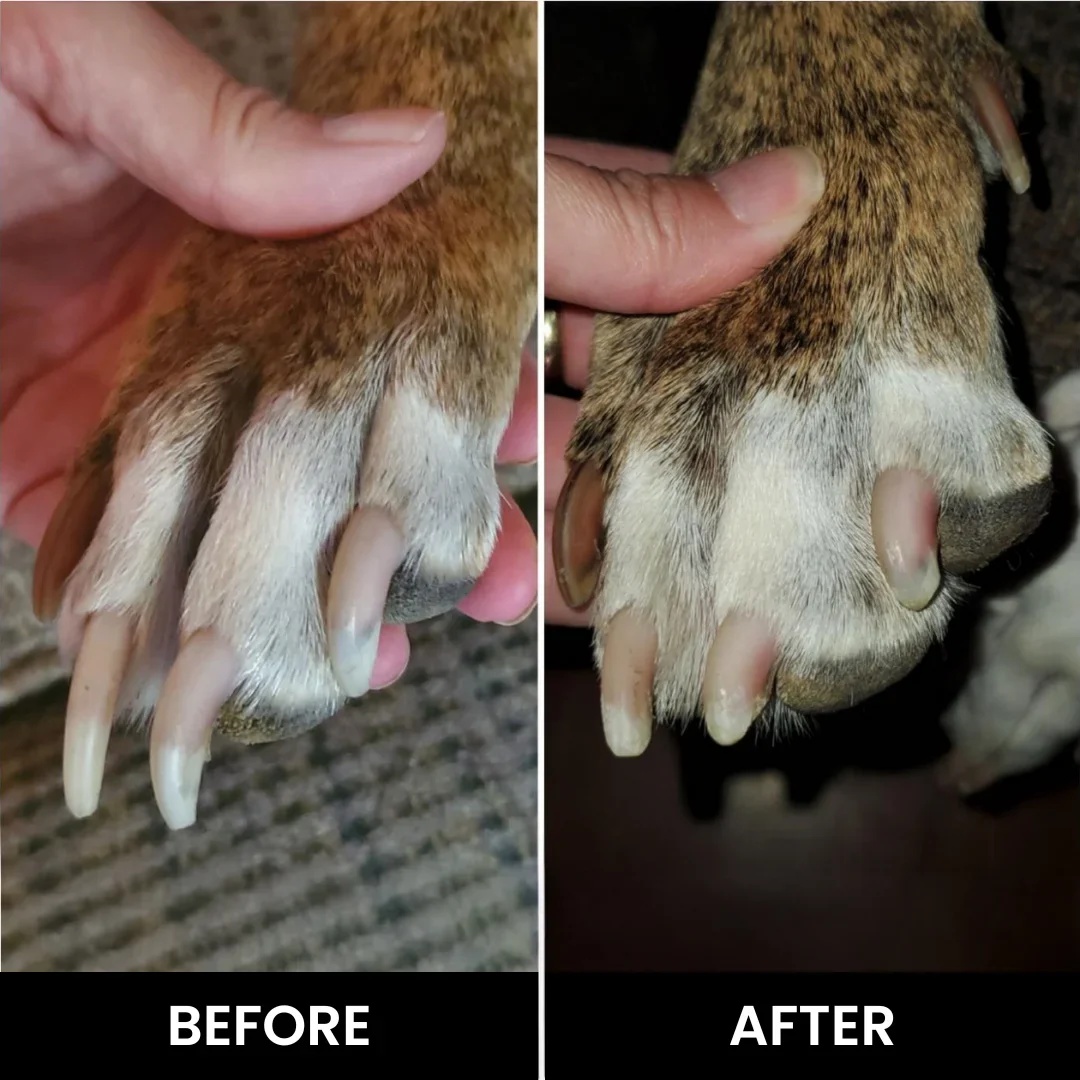
99-Day 100% Money-Back Guarantee
“Ever since we started using the Zenpaw Maxpro Grinder, it’s been such a peaceful experience. It’s very quiet, and my dog actually relaxes. It’s turned our stressful sessions into quick, quiet grooming times.”
— Sarah M. | ✔ Verified Customer
- ✓ Prevents Infection & Splitting
- ✓ Ideal for All Dog Sizes
- ✓ Low-Vibration Technology
- ✓ Fast 2-7 Days Delivery
Need Support? Call 302-307-1000
Understanding Canine Nail Anatomy and Why Do Dogs Toenails Grow Back

The anatomy of a dog’s claw is intimately linked to the third toe bone, also known as the distal phalanx.
This skeletal connection means that any severe trauma to the nail can actually affect the bone structure itself.
The protective outer layer is made of hard keratin, which shields the sensitive inner quick.
When answering the question, do dogs toenails grow back, we must first look at the health of this vital inner quick.
If the quick is intact, the blood supply remains active, delivering essential proteins for claw regeneration.
A damaged quick will slowly recede back into the toe bone over time as healing progresses.
Using improper tools can easily compromise this natural anatomical structure.
Traditional scissor nail clippers for dogs can crush the nail shell, causing painful microscopic fractures.
These fractures make the claw highly susceptible to future splitting and deep infections.
Learning how to cut dog nails with quick awareness is the absolute key to preventing trauma.
By protecting the quick from blunt force, you allow the nail matrix to function without painful setbacks.
Keratin synthesis is a continuous metabolic process in healthy dogs.
The speed of this synthesis is heavily influenced by the dog’s thyroid function and systemic nutrition.
Calcium, zinc, and biotin play fundamental roles in building a tough, resilient outer nail shell.
When an injury occurs, the body redirects localized blood flow to the injured digit.
This increased circulation explains why the toe may feel warm to the touch during the first few days of healing.
It also explains why a torn nail bed is highly susceptible to swelling and fluid discharge.
Keeping the area clean prevents bacteria from interrupting this delicate biological synthesis.
Over 18,587+ happy pets have benefited from transitioning to stress-free grooming to support safe nail recovery.
Our grooming experts emphasize that keeping remaining nails trimmed reduces pressure on the injured paw.
By maintaining a shorter length on other claws, you prevent your dog from shifting their weight awkwardly.
This balance minimizes the risk of joint strain and compensatory muscle soreness during healing.
The Canine Nail Regrowth Timeline: What to Expect Week by Week
The canine nail regrowth timeline depends heavily on the size and breed of your dog.
On average, healthy dog nails grow at a rate of approximately 1.9 millimeters per week.
However, when a nail is completely lost, the regenerative journey is much longer.
Let us break down the exact dog nail grow back time so you can track your pet’s recovery with confidence.
Phase 1: The Inflammatory and Hemostasis Stage (Days 1 to 3)
Immediately after the injury, the body works to stop the bleeding through clotting factors.
The exposed quick is incredibly sensitive to pressure and touch during this early phase.
You may notice your dog limping or constantly licking the affected paw to soothe the throbbing sensation.
Your primary goal during these first three days is to keep the wound completely clean and dry.
Avoid taking your dog to muddy dog parks or on rough concrete walks that could re-open the blood vessels.
Cleanse the area with a highly diluted chlorhexidine solution once per day to keep pathogens at bay.
If bleeding recurs, apply a small amount of styptic powder with a sterile cotton swab.
A light protective bootie can keep dirt away during quick outdoor potty breaks.
Phase 2: The Epithelialization and Early Shell Formation (Days 4 to 14)
During the second week, a thin, soft, and shiny protective membrane begins to cover the exposed quick.
This soft shell is highly vulnerable to early damage and must be treated with extreme care.
The sensitivity will begin to decrease as the nerve endings are shielded by this new tissue layer.
You will notice your dog starting to walk more comfortably on the injured paw.
However, you should still restrict vigorous play sessions to protect the fragile growing tip.
Inspect the toe daily for any signs of swelling, redness, or unusual discharge.
Keep your indoor floors swept and clean to prevent dust from clinging to the sticky new tissue.
A balanced diet rich in essential amino acids will support the rapid cellular division occurring at the nail bed.
Phase 3: The Hard Keratinization Phase (Weeks 3 to 8)
The soft membrane gradually hardens as calcium and dense keratin fibers deposit into the new nail shell.
The claw will begin to look like a small, blunt stub protruding from the toe bed.
During this phase, proper nail hygiene is vital to ensure the claw grows in a straight, healthy direction.
If the surrounding tissue is scarred, the nail may attempt to grow at an unusual or crooked angle.
Regular, gentle maintenance during this period helps guide the new claw safely over the toe pad.
This is the ideal time to check the length of the surrounding nails to ensure the paw aligns flat on the ground.
A crooked paw posture can put uneven force on the newly forming claw, causing it to crack.
Use a whisper-quiet file to keep the adjacent claws perfectly short and level.
Phase 4: Full Recovery and Length Restoration (Months 2 to 6)
For most small to medium breeds, a completely lost nail will take about two to three months to fully grow back.
For larger breeds or senior dogs with slower metabolisms, full length restoration can take up to six months.
Continuous monitoring ensures that the new nail remains strong and does not become brittle or split easily.
Introduce routine, low-stress nail maintenance early to keep the quick naturally receded.
A short quick is far less likely to suffer future traumatic avulsions or painful snags.
Safe Nail Maintenance and How to Protect a Growing Soft Nail
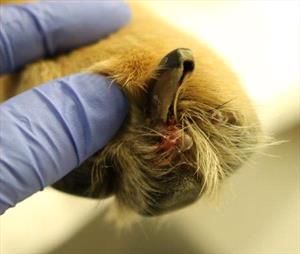
Grooming a dog with a recovering nail requires an incredibly gentle and stress-free approach.
Traditional clippers create a sharp, high-pressure pinching force that can easily re-injure the fragile claw.
This is why we highly recommend using a whisper-quiet, low-vibration pet nail grinder.
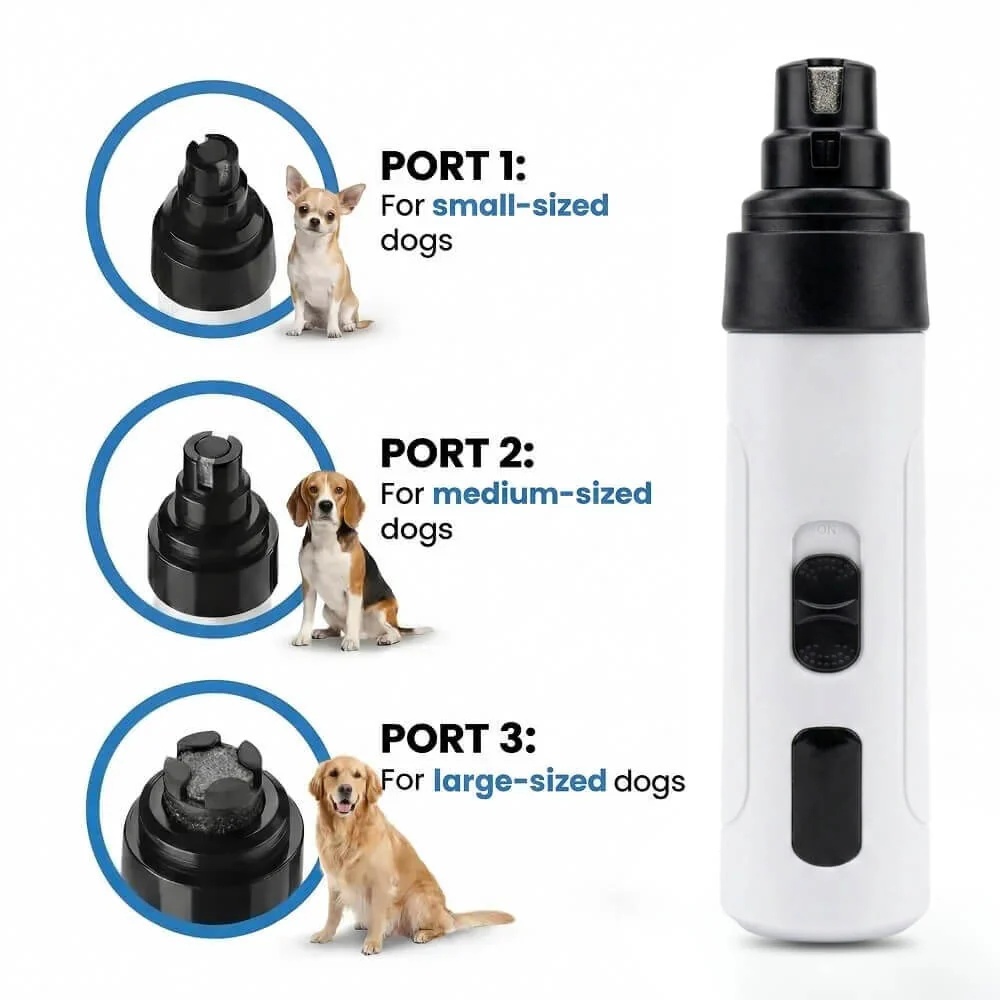
The Zenpaw Maxpro 3-in-1 Grinder operates under 40 decibels to ensure your anxious dog remains calm.
Let us look at a simple, step-by-step desensitization protocol to make grooming a peaceful bonding experience.
Step 1: Introduction Without Contact (Days 1 to 3)
Place the grinder on the floor near your dog’s favorite resting spot while it is turned off.
Allow your dog to sniff the device naturally and reward them immediately with high-value treats.
You can also introduce an interactive dog nail file toy to help them get comfortable with paw manipulation.
This early step builds a highly positive mental association with grooming tools.
Never rush this phase, as rushing can cause your dog to retreat and develop tool aversion.
Patience now will save you from years of stressful struggles during future grooming sessions.
Step 2: Sound and Vibration Familiarization (Days 4 to 6)
Turn on the grinder on its lowest speed setting while keeping it a few feet away from your dog.
Feed your dog delicious treats continuously while the quiet motor hums in the background.
Slowly bring the humming grinder closer to their paw without actually touching the nails.
If your dog remains relaxed, reward them with physical praise and a comforting belly rub.
Our whisper-quiet motor operates at a frequency that does not irritate sensitive canine ears.
This design prevents the sudden startle reflex commonly triggered by loud industrial tools.
Step 3: The First Gentle Contact (Day 7 and Beyond)
Hold your dog’s paw securely but gently, supporting the individual toe of the nail you wish to trim.
Touch the rotating grinder head to the tip of the nail for only one to two seconds at a time.
Always hold the grinder at a precise 45-degree angle to match the natural slope of the claw.
This specific angle prevents you from accidentally grinding into the sensitive quick tissue.
Unlike a heavy, vibrating dremel pet nail grinding kit, the Zenpaw Maxpro provides complete tactile control.
This fine control ensures that you never generate excessive, uncomfortable friction heat on the nail shell.
Always stop and praise your dog after completing each individual nail to keep their confidence high.
Mistakes to Avoid: How Dull Clippers Damage Recovering Claws
Many pet parents make the critical mistake of rushing the nail grooming process out of sheer anxiety.
Using old, dull scissor-style clippers can split a healthy nail and completely shatter a recovering claw.
This sudden splitting can tear the delicate, newly formed keratin layers away from the quick.
Another dangerous mistake is holding a high-speed grinding tool on a single nail for too long.
Continuous contact builds up intense friction heat that can cause severe, deep-seated pain in the nail bed.
To avoid this, always use a gentle “touch-and-go” technique, grinding for no more than three seconds per nail.
Finishing the session with a specialized dog nail polisher helps smooth away any micro-snags.
Smooth edges prevent the claw from catching on rugs, blankets, or outdoor debris during daily play.
By taking a slow, methodical approach, you protect your dog from the psychological trauma of grooming pain.
Never pull or yank the paw if your dog tries to pull away during the session.
Simply release the paw gently, take a deep breath, and try again with a calmer posture.
Your dog feeds off your emotional energy, so staying relaxed is key to their success.
| Grooming Method | Noise & Vibration Levels | Safety & Quick Protection |
|---|---|---|
| Traditional Dull Clippers | Silent but produces loud, alarming crushing snaps. | Extremely high risk of crushing the shell and cutting the quick. |
| Standard High-Vibration Grinders | Loud motor (60dB+) that terrifies anxious pets. | Moderate risk of overheating the claw due to low-quality friction. |
| Zenpaw Maxpro 3-in-1 Grinder | Whisper-quiet (<40dB) with ultra-low vibration. | Equipped with protective safety ports and precise speed controls. |
Frequently Asked Questions About Dog Nail Growth and Repair
Conclusion
Ready to transform nail trimming from a battle into a breeze? Explore the Zenpaw Maxpro 3-in-1 Grinder. Call: 302-307-1000 — our team can help you advise on the best grooming practices and help with any product questions.