
I will never forget the sharp, high-pitched yelp my golden retriever, Bailey, let out when his nail caught on the heavy deck stairs, and looking down to see blood pooling around his paw and a raw, pink nub sticking out from his split claw made my heart stop as I realized his dog nail broke quick exposed. It was a terrifying experience that ultimately led our team to design safer, whisper-quiet grooming solutions to prevent these painful accidents entirely.
Maxpro 3-in-1 Grinder.
Stress-Free Nail Trimming.
Whisper-quiet DC motor (<40 dB) eliminates fear & discomfort. Features 3 ports, dual speeds, and 7-hour battery life. Safe, precise, and painless.
In This Article
- Immediate Action Steps: How to safely manage your dog’s exposed quick right after a painful break.
- Canine Claw Anatomy: The physiological science behind the quick and why it causes extreme sensitivity.
- Preventative Care Hacks: Transitioning your dog from stressful traditional clippers to quiet, pain-free grinding.
- Identifying Infection Risks: Recognizing red flags in your dog’s healing claw before complications arise.
What Should You Do When Your Dog’s Nail Breaks and the Quick Is Exposed?
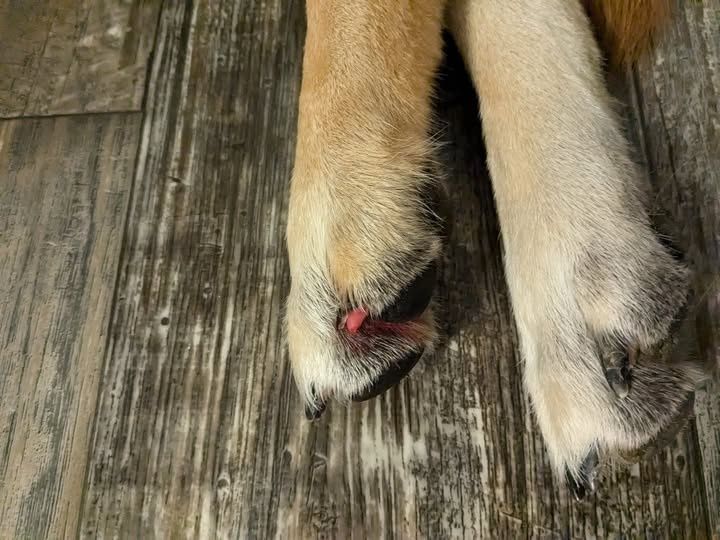
When a dog experiences a sudden claw break, the highly sensitive bundle of blood vessels and nerves known as the quick is left entirely open to the environment.
This structural emergency typically occurs during high-speed play on hard surfaces or when a long nail gets snagged in carpet fibers.
The resulting injury causes immediate, sharp discomfort because the nerve endings inside the claw are now directly stimulated by air, moisture, and pressure.
Any breed can suffer from this issue, though dogs with long, unmaintained claws are far more susceptible to structural splits.
According to guidelines from the American Kennel Club, the primary goal of immediate home care is to stop the bleeding and seal the area from environmental pathogens.
Veterinary experts emphasize that leaving the quick unprotected can quickly allow bacteria to ascend into the deeper structures of the toe bone.
If you want to handle regular nail maintenance safely at home to prevent these breaks entirely, the Zenpaw Maxpro Grinder provides painless, quiet filing — explore it here.
Your first practical step at home is to calm your pet and gently restrict their movement to prevent further trauma to the paw.
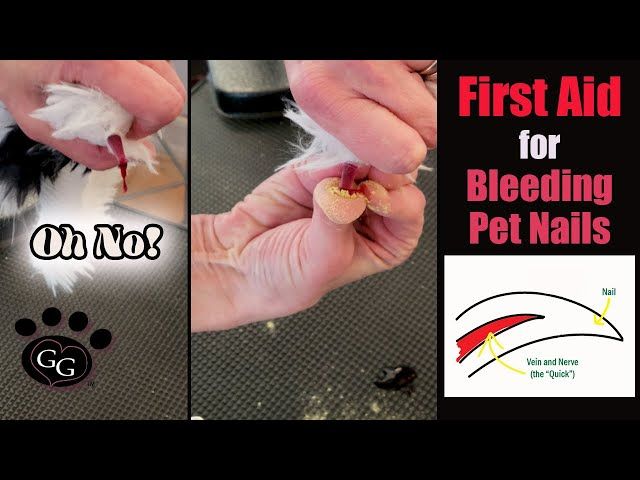
Apply firm, consistent pressure to the tip of the bleeding nail using a sterile gauze pad or a clean kitchen towel.
If the bleeding does not subside within five minutes, apply a specialized styptic powder or household cornstarch directly to the raw tissue.
Avoid wiping away the formed clot once the bleeding stops, as this will trigger another round of heavy bleeding.
Once stabilized, clean the area gently with lukewarm water to remove dried blood and inspect the extent of the crack.
If a segment of the outer nail shell is hanging loosely, it must be carefully managed to prevent it from tearing further.
Keep your pet resting on clean, dry indoor surfaces and avoid any outdoor play on soil, mud, or rough gravel for at least forty-eight hours.
99-Day 100% Money-Back Guarantee
“Ever since we started using the Zenpaw Maxpro Grinder, it’s been such a peaceful experience. It’s very quiet, and my dog actually relaxes. It’s turned our stressful sessions into quick, quiet grooming times.”
— Sarah M. | ✔ Verified Customer
- ✓ Prevents Infection & Splitting
- ✓ Ideal for All Dog Sizes
- ✓ Low-Vibration Technology
- ✓ Fast 2-7 Days Delivery
Need Support? Call 302-307-1000
Understanding Canine Nail Anatomy: Where Is the Quick?

A canine claw is vastly different from a flat human fingernail and functions as a highly specialized appendage.
The outer layer consists of a hard, protective sheath made of structural keratin designed to withstand heavy wear.
Directly inside this hard shell lies the dermis, which pet parents commonly refer to as the quick.
This inner core is rich with microscopic blood vessels that supply oxygen and vital nutrients to the growing claw.
It also contains a dense network of highly sensitive sensory nerves that transmit pressure and temperature signals to the brain.
When the protective outer keratin layer is cracked or torn away, these raw nerves are suddenly exposed to the elements.
This exposure explains why your dog reacts with such intense panic and immediate vocalization during a broken dog nail exposed quick scenario.
On clear or light-colored claws, you can easily identify the quick as the soft pink shadow running through the center of the nail.
On black or dark nails, however, this structure is completely hidden by dense pigmentation, making safe grooming extremely challenging.
Understanding this anatomy highlights why blind cutting with old-fashioned scissor tools presents such a high risk of injury.
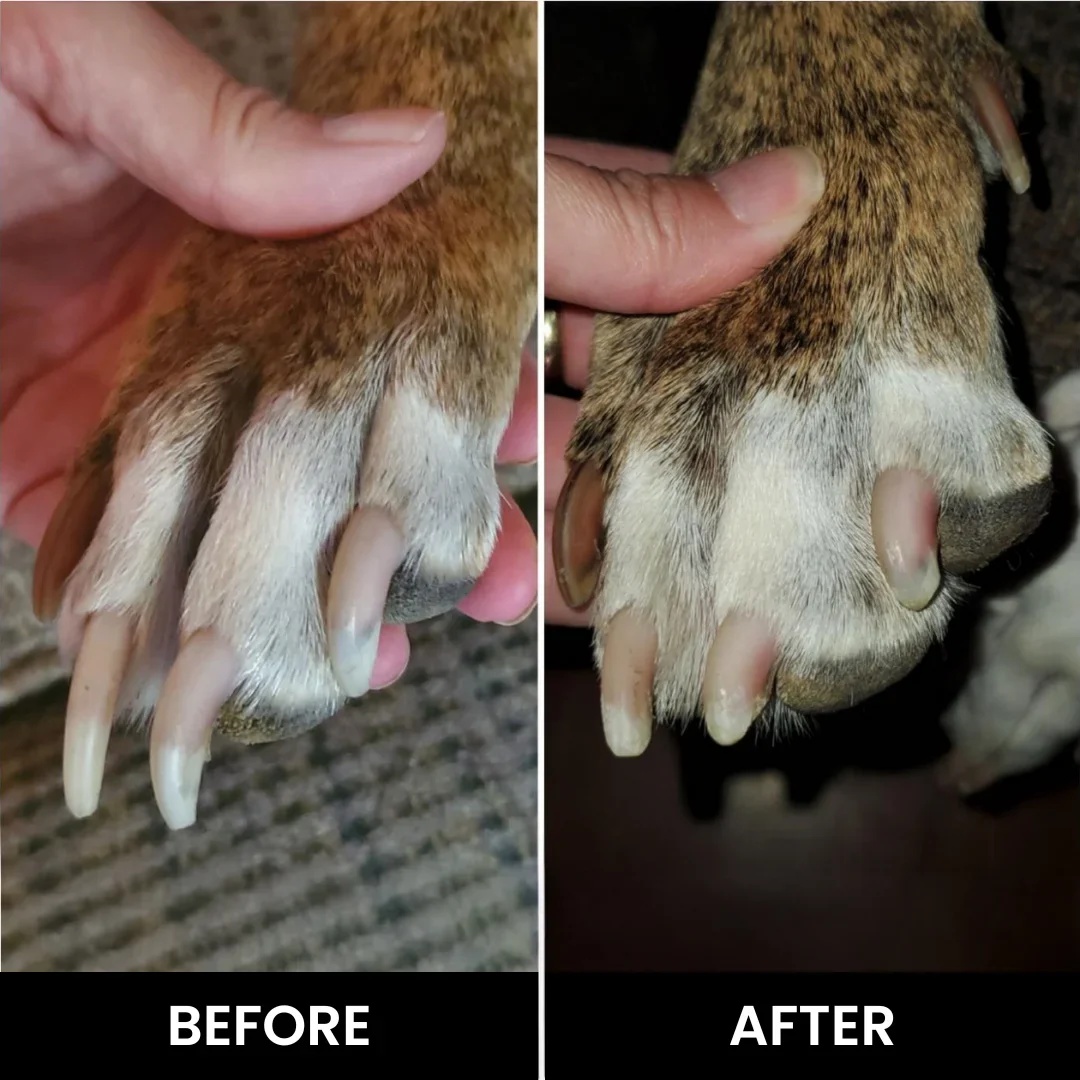
When a nail is left to grow too long, the internal quick expands outward toward the tip of the claw.
Regular, gradual filing is the only reliable way to encourage this vascular core to safely recede back toward the paw bed.
The Dangerous Downside of Using Traditional Dull Clippers
Traditional scissor or guillotine-style clippers work by applying immense mechanical force to a single point on the claw.
This intense pressure violently squeezes and crushes the hard keratin shell before the blade can actually slice through.
For dogs with thick, dense nails, this crushing action often causes microscopic fractures to run up the length of the nail sheath.
Over time, these micro-cracks weaken the structural integrity of the claw, leaving it highly susceptible to splitting during play.
Many pet owners turn to professional dog nail clippers, but even sharp blades still squeeze the nerve-rich tissue before severing it.
If the blade is slightly dull, it can easily tear the outer shell away from the inner vascular core.
This traumatic shearing force can leave you desperately needing a comprehensive dog split toenail treatment protocol to manage the damage.
Furthermore, the loud, metallic “snap” sound of traditional clippers often triggers an immediate adrenaline spike in anxious pets.
Once a dog associates that loud sound with physical pain, they will actively fight any future attempt to trim their paws.
Modern veterinary behaviorists strongly recommend moving away from high-pressure impact tools to reduce grooming-related phobias.
Friction-based grinding tools offer a vastly superior alternative by removing microscopic layers of keratin in a controlled, gentle manner.
The Zenpaw Maxpro Grinder avoids any crushing pressure, keeping the structural integrity of the claw perfectly intact.
How to Spot Symptoms of Infection in Exposed Claw Vessels
An untreated claw injury is highly vulnerable to secondary bacterial infections due to its constant contact with ground surfaces.
When your dog nail broken and quick is exposed, the open wound behaves like a direct highway into the bloodstream.
You must monitor the injured paw closely over the next seven to ten days for signs of inflammation.
A healthy healing claw will slowly dry out, forming a dark, protective scab over the exposed nerve endings.
However, if the toe tissue remains bright red, swollen, or warm to the touch, bacteria may have colonized the wound.
Pay close attention to your pet’s behavioral cues, such as continuous licking or chewing at the affected paw.
If your dog begins limping or favors the leg while standing, this indicates deep structural discomfort.
Any clear or yellowish discharge oozing from the base of the nail sheath requires prompt veterinary evaluation.
In severe cases, a localized infection can spread upward, eventually requiring systemic antibiotics to protect the toe joint.
To ensure your dog’s paws are safely managed when injuries occur, many owners seek professional walk in dog nail trimming near me to get immediate expert help.
Keeping the claw trimmed short and smooth prevents dirt from accumulating in the deep grooves of a dog nail cracked quick exposed.
By transitioning to regular, stress-free grinding, you keep the claws at an ideal length, drastically reducing the risk of outdoor snags.
Step-by-Step Desensitization and Precise Grinding Angles
Helping an anxious pet accept a new grooming device requires a systematic, positive approach.
We recommend starting with a quiet, low-vibration tool to build immediate trust and avoid triggering their defense reflexes.
Begin by introducing the turned-off device to your dog in a comfortable, neutral environment where they feel completely secure.
Allow your pet to sniff the tool freely, rewarding every curious interaction with a high-value treat.
For highly reactive or stubborn dogs, utilizing a specialized dog nail file board with treats is an excellent way to introduce positive cooperative care.
Once they are comfortable with the physical object, turn the motor on without touching their paws.
Our whisper-quiet motor operates below forty decibels, ensuring your pet remains relaxed during this critical auditory acclimation phase.
Hold the buzzing tool nearby while feeding your dog their favorite treats to build a strong positive association with the sound.
When you are ready to begin the actual trim, gently secure the toe and hold the grinder at a precise forty-five-degree angle.
This specific angle allows you to follow the natural downward curve of the claw, minimizing the risk of friction heat.
Apply the grinding head in short, gentle pulses lasting no more than two seconds per touch.
This pulsing technique prevents thermal buildup, keeping the sensory nerves inside the claw cool and entirely comfortable.
While some owners use a traditional dremel pawcontrol dog nail grinder, many find the high vibration still causes significant paw anxiety.
By selecting a dedicated, low-vibration tool like the Zenpaw Maxpro, you can achieve a perfectly smooth, splinter-free finish without any struggle.
Crucial Mistakes to Avoid When Caring for Your Dog’s Nails
One of the most common grooming errors is attempting to rush through a nail trimming session when your pet is visibly stressed.
Forcing a panicking dog to sit still will only reinforce their fear, making future sessions significantly harder.
Another frequent mistake is applying static, prolonged pressure with a grinder, which quickly overheats the sensitive claw.
Always keep the grinding wheel moving across the nail tip to distribute the friction heat evenly.
Many pet owners also make the mistake of ignoring the dewclaws, which are located higher up on the inside of the wrist.
Because these claws do not touch the ground, they do not wear down naturally and can easily curl back into the skin if left unmanaged.
Additionally, using dull or worn-out grinding wheels can cause the tool to slip, potentially grazing the surrounding paw pads.
Always inspect your equipment before you begin to ensure the abrasive surface is clean and structurally sound.
The Zenpaw Maxpro features multiple port sizes to accommodate different claw thicknesses, eliminating the risk of slipping.
By taking your time and prioritizing your dog’s comfort, you can build a safe, predictable grooming routine that protects their health.
Traditional Clippers vs. Whisper-Quiet Grinding
Choosing the right tool is essential for protecting your dog’s long-term paw health and behavioral comfort.
| Grooming Feature | Traditional Clippers | Zenpaw Maxpro Grinder |
|---|---|---|
| Cutting Mechanism | High-pressure crushing and shearing force | Gentle, high-speed micro-abrasion filing |
| Keratin Damage Risk | High risk of structural splitting and micro-cracks | Virtually zero risk; leaves edges perfectly smooth |
| Vibration & Noise | Loud, sudden metallic “snap” sound | Whisper-quiet operation under 40 decibels |
| Quick Protection | Blind, instant cut with high risk of injury | Gradual, controlled filing with high visibility |
| Pet Anxiety Level | Typically very high due to previous painful nicks | Extremely low; easily accepted by sensitive pets |
Frequently Asked Questions About Dog Nail Injuries and Safe Grooming
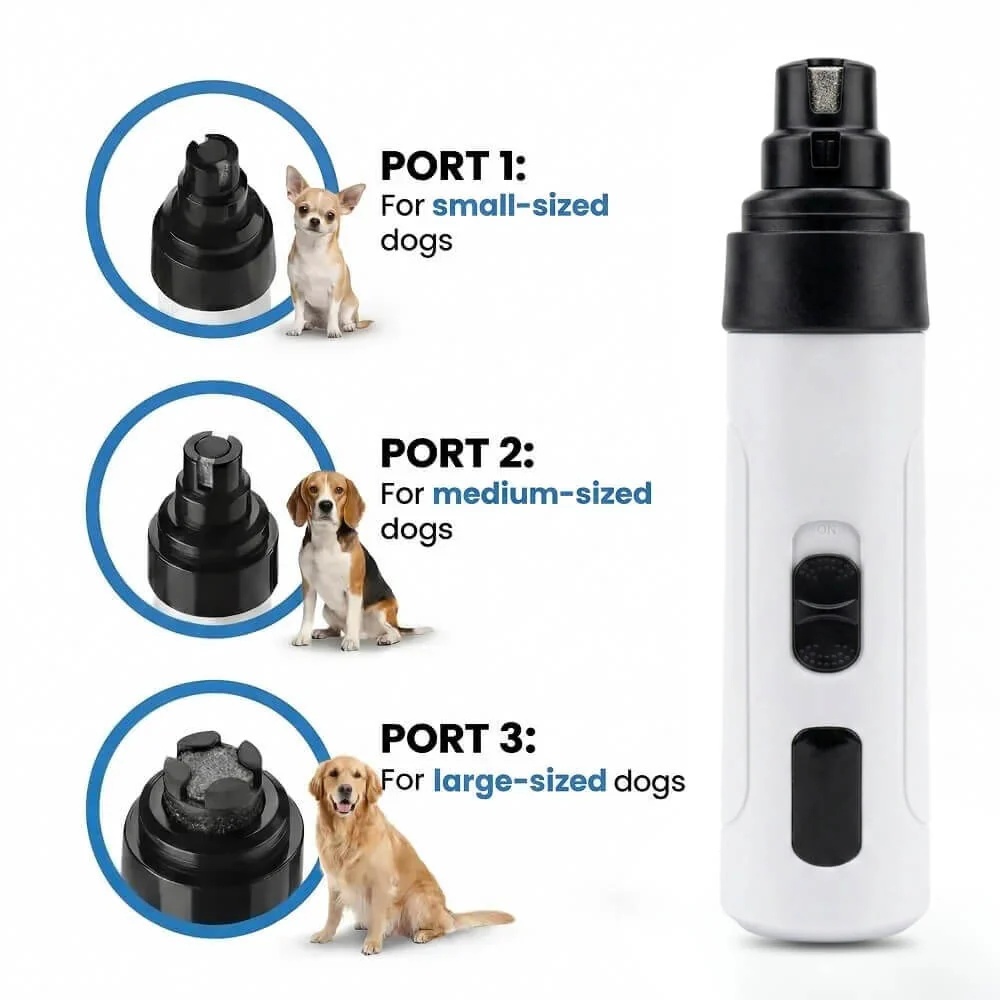
It features three distinct ports designed to safely accommodate small, medium, and heavy-duty claws.
The high-torque motor effortlessly files down thick, dense keratin without slowing down or catching under load.
It is fully USB-rechargeable, allowing you to charge it easily via your laptop, power bank, or standard wall adapter.
This long-lasting battery life ensures you can comfortably complete multiple grooming sessions without worrying about losing power.
Once your dog is relaxed and comfortable, you can switch to the high-speed setting for faster, more efficient filing.
The low-speed setting is ideal for delicate finishing work and smoothing out rough outer edges near the quick.
However, you should always apply the grinding head in short, two-second pulses to prevent local friction heat on the claw.
This pulsing technique keeps the sensory nerves inside the claw cool, comfortable, and completely pain-free.
Use our step-by-step desensitization protocol, pairing the quiet sound of the tool with delicious, high-value treats.
Keep your initial sessions incredibly short, focusing on just one single nail per day until their confidence grows.
Conclusion
Managing a painful broken nail is highly stressful, but consistent, gradual preventative grooming keeps the quick short and structurally secure.
Ready to transform nail trimming from a battle into a breeze? Explore the Zenpaw Maxpro 3-in-1 Grinder. Call: 302-307-1000 — our team can help you advise on the best grooming practices and help with any product questions.