
I still remember the absolute panic I felt when my golden retriever, Max, started obsessively licking his paws, and a quick online search for early stage infected dog nails pictures confirmed my worst fears: his cuticles were raw, red, and swollen. I was terrified of traditional clippers, but discovering the Zenpaw Maxpro 3-in-1 Grinder completely transformed our grooming routine, turning a stressful, painful ordeal into a quiet, comforting bonding session that keeps his paws wonderfully healthy.
Maxpro 3-in-1 Grinder.
Stress-Free Nail Trimming.
Whisper-quiet DC motor (<40 dB) eliminates fear & discomfort. Features 3 ports, dual speeds, and 7-hour battery life. Safe, precise, and painless.
In This Article
- Best Nail Grooming Tools: A direct comparison of leading pet nail care solutions for sensitive paws.
- Early Infection Identification: How to recognize initial signs of nail fold inflammation using clinical criteria.
- Anatomy of the Canine Cuticle: An inside look at the claw matrix and the structural origin of common infections.
- Step-by-Step Grooming Guide: How to employ stress-free grinding techniques to maintain clean cuticle margins safely.
- Preventive Care Strategies: Actionable advice to avoid structural split claws and environmental contamination.
The 3 Best Professional Dog Nail Grooming Tools: Ranked & Reviewed
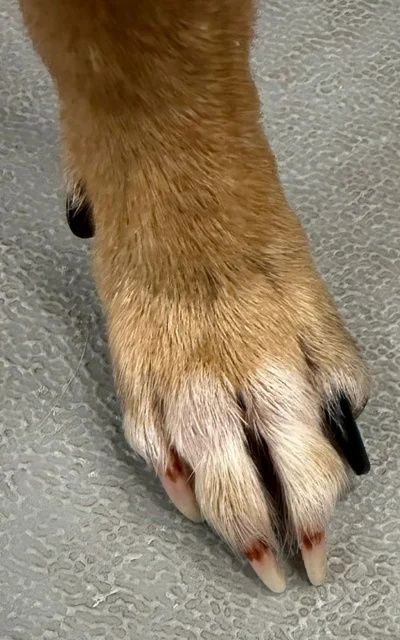
Selecting the correct tool is vital for maintaining claw health and avoiding structural tissue damage.
Many traditional methods compromise the structural integrity of the nail plate, leaving the underlying tissue vulnerable to opportunistic pathogens.
Below, we examine the three most popular options used by pet parents today to preserve nail health.
1. Traditional Guillotine-Style Clippers
Guillotine clippers use a single descending blade to shear through the dense keratin layers of the dog’s claw.
While they are cheap and widely available, they exert immense lateral pressure on the nail before cutting.
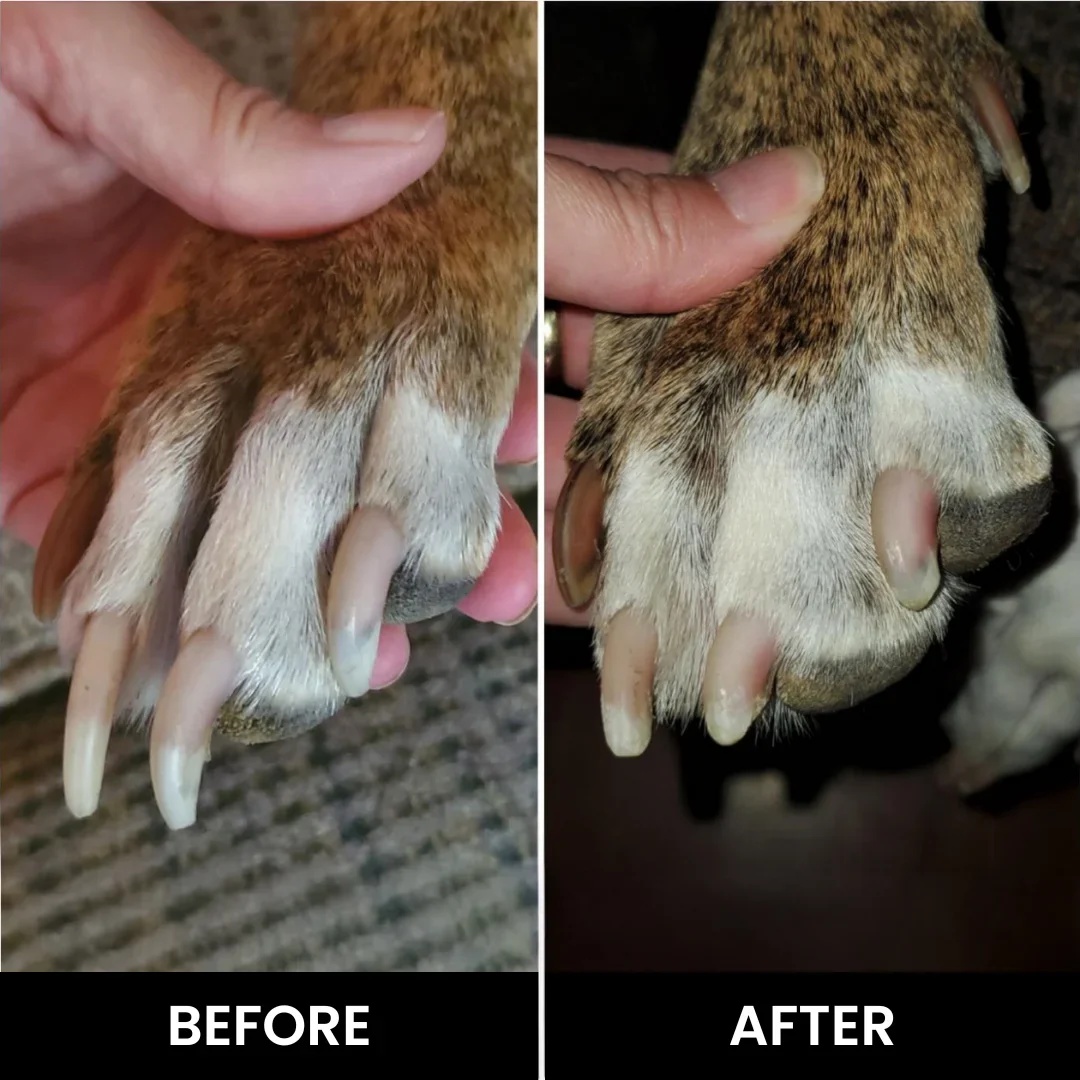
This pressure often causes dog nails flaking and microscopic fractures along the outer wall.
These structural cracks can easily trap moisture, dirt, and bacteria, ultimately leading to painful localized infections.
For owners of anxious dogs, the sudden, loud crushing sound can make routine grooming a highly stressful battle.
2. Standard Heavy-Duty Rotary Tools (Dremel Type)
Standard rotary tools use coarse sanding drums to file down the nail tip through high-speed abrasion.
They provide a smoother finish than clippers and significantly reduce the risk of structural splitting.
However, these standard tools are typically designed for general hardware tasks rather than delicate animal grooming.
They generate a loud, high-pitched whining noise and strong vibrations that can easily terrify sensitive pets.
Additionally, they lack safety guards and can generate high friction heat, which risks burning the sensitive living quick.
3. Zenpaw Maxpro 3-in-1 Grinder
The Zenpaw Maxpro 3-in-1 Grinder is custom-engineered specifically for safe, stress-free canine nail maintenance.
It utilizes an ultra-quiet DC motor operating below 40 decibels, minimizing sensory overload for highly sensitive or fearful dogs.
The specialized low-vibration brass spindle prevents the tickling sensation that often causes dogs to pull their paws away.
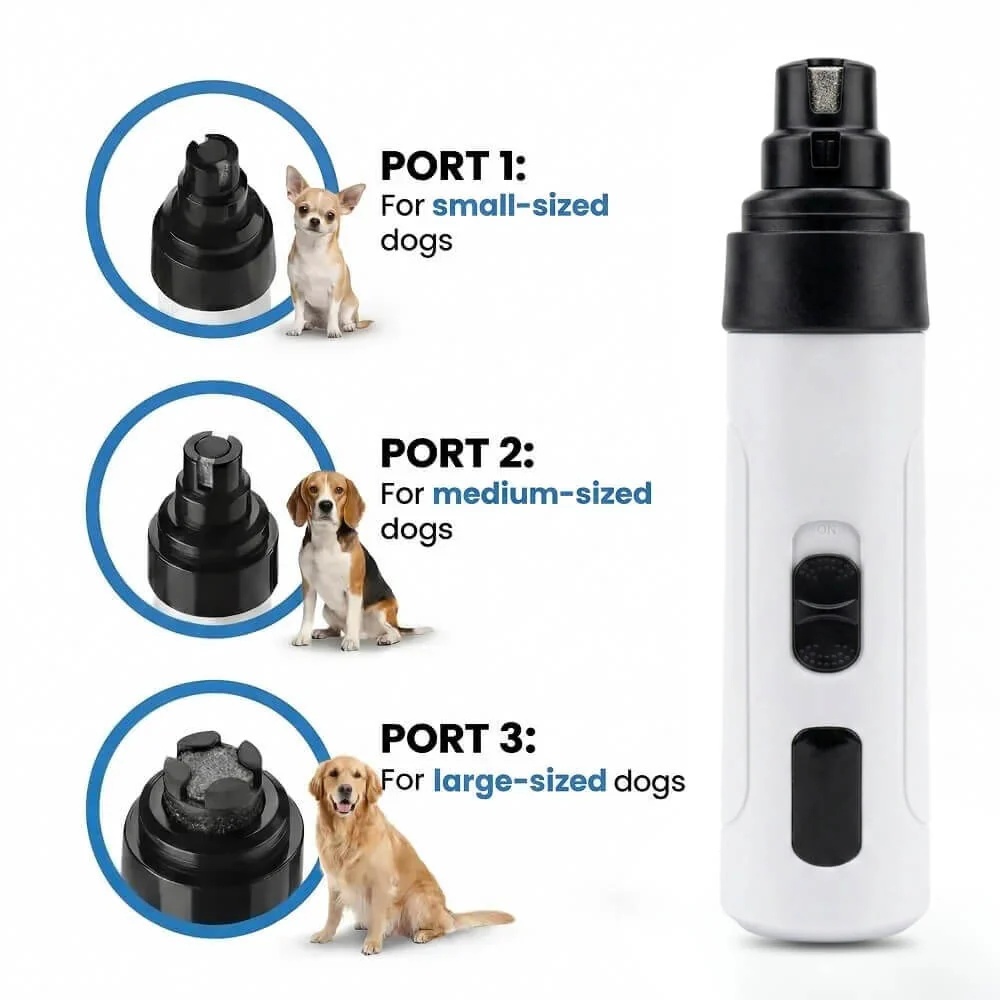
With three custom-sized grooming ports and dual-speed adjustments, it allows for highly controlled, incremental filing.
This precision prevents accidental damage to the vascular quick, ensuring the surrounding cuticle tissue remains completely unharmed.
Comparing the Top Pet Nail Care Options
To help you make an informed choice, the table below compares these grooming methods across critical safety and comfort metrics.
| Grooming Method | Noise & Vibration Level | Risk of Nail Splitting | Vascular Protection | Cuticle Area Safety |
|---|---|---|---|---|
| Guillotine Clippers | Silent but high impact click | Very High | Low (Blind Cut) | Poor (Crush Hazard) |
| Standard Rotary Tool | Loud (60dB+) & High Vibration | Low | Moderate (No Guard) | Moderate (Heat Risk) |
| Zenpaw Maxpro Grinder | Whisper-Quiet (<40dB) | None | Excellent (Safety Ports) | Excellent (Gentle Filing) |
For pet parents looking to replace stressful clipping sessions with a safer, more predictable solution, we invite you to learn more about the electric dog nail clippers alternatives and explore our safe grooming tools.
99-Day 100% Money-Back Guarantee
“Ever since we started using the Zenpaw Maxpro Grinder, it’s been such a peaceful experience. It’s very quiet, and my dog actually relaxes. It’s turned our stressful sessions into quick, quiet grooming times.”
— Sarah M. | ✔ Verified Customer
- ✓ Prevents Infection & Splitting
- ✓ Ideal for All Dog Sizes
- ✓ Low-Vibration Technology
- ✓ Fast 2-7 Days Delivery
Need Support? Call 302-307-1000
Spotting the Warning Signs: A Visual Guide to Early Stage Infected Dog Nails
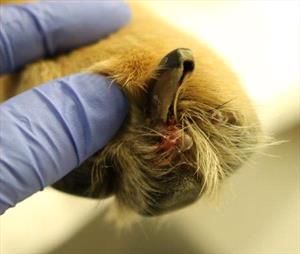
Identifying subtle changes in your pet’s paw health is essential to prevent deeper, more complex tissue issues.
A healthy canine cuticle should appear clean, dry, and free from swelling or discoloration at the base of the claw.
By studying early stage infected dog nails pictures, you can learn to distinguish normal wear from initial pathogenic activity.
The most common early-stage indicator is mild swelling or pinkish discoloration around the proximal nail fold.
This localized inflammation is often accompanied by your dog obsessively licking or chewing at the affected digit.
As the issue progresses slightly, a thin layer of crusty or dark discharge may begin to accumulate around the cuticle margins.
This symptom is frequently documented in professional cuticle infection images and signifies that the skin barrier has been compromised.
If left unaddressed, fungal spores or bacterial colonies can migrate deeper into the ungual crest, causing structural damage.
This migration can weaken the outer wall of the claw, leading to issues with chronic dog nails flaking or splitting under normal walking pressure.
To help you evaluate your pet’s current paw status, we have detailed the key visual differences between normal and compromised claws below.
Visual Comparison: Healthy vs. Compromised Canine Claws
- Healthy Claws: Smooth outer keratin wall, tight skin contact around the cuticle, no dry debris or moisture accumulation, and consistent pigment without localized redness.
- Early-Stage Issue: Pinkish or swollen skin around the base, mild scaling near the cuticle fold, light brown or greyish buildup, and increased paw-licking behavior.
- Progressed Infection: Thick, dark, or yellow discharge, foul odor from the nail bed, structural softening, and lameness or pain when the claw is touched.
Understanding these early warning signs allows you to intervene before a simple structural issue escalates into a deep-seated infection.
If you notice any of these early signs, switching to a gentler, more hygienic grooming method is highly recommended to protect the delicate nail bed.
The Anatomy of Canine Cuticle Health: Understanding Root Causes
To provide proper claw care, you must understand the unique physical structures that make up a dog’s foot.
Unlike human nails, which rest flat on the skin, a dog’s claw emerges directly from the distal phalanx bone of the toe.
The base of the claw is surrounded by a specialized fold of skin known as the ungual crest, or cuticle fold.
This fold acts as a tight, protective gasket designed to keep environmental debris and moisture out of the deep nail matrix.
Inside the hard, outer keratin shell lies the quick, which contains an intricate network of blood vessels and highly sensitive nerve endings.
When claws are left to grow too long, they hit the ground with every step, pushing the nail plate backward into the joint.
This continuous impact can create micro-tears in the delicate cuticle fold, compromising the protective seal.
Pathogens like yeast or environmental bacteria can then easily colonize these microscopic fissures, resulting in painful inflammation.
Furthermore, rough grooming techniques can weaken the outer layers of the claw, leaving them vulnerable to splitting.
If your dog does experience a split, it is vital to learn how to treat a split dog nail properly to prevent opportunistic bacteria from entering the inner tissue.
Using traditional, high-pressure clippers is one of the most common ways this protective seal is compromised.
The blunt force of clippers often crushes and fractures the nail plate, causing microscopic cracks that extend all the way up to the cuticle.
Transitioning to a high-quality low vibration dog nail grinder allows you to file the claw gradually, avoiding structural fractures and preserving cuticle integrity.
This gentle method protects the delicate ungual crest and keeps the entire nail bed dry, clean, and structurally sound.
Practical Application Guide: Step-by-Step Stress-Free Cuticle and Claw Maintenance
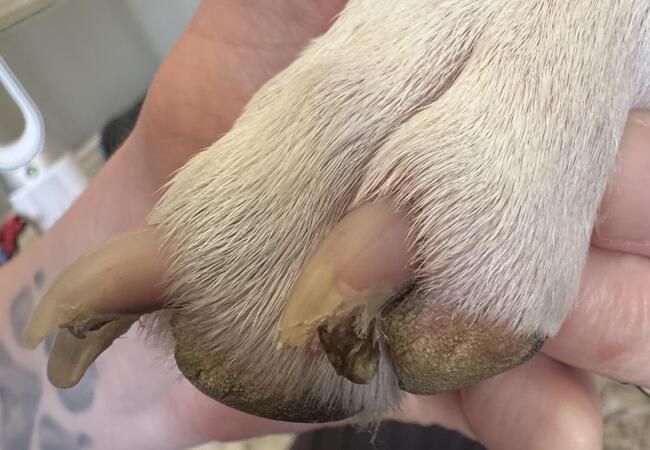
A structured, gentle approach is key to achieving clean, healthy claws without causing behavioral anxiety or physical discomfort.
By following a systematic desensitization process, you can easily train your pet to accept routine nail maintenance as a calm, positive experience.
The steps below outline the optimal protocol for using a quiet, specialized grinder to maintain the claws safely.
Step 1: Proper Tool Desensitization
Begin by introducing the turned-off grinder to your dog, letting them sniff the device while offering high-value rewards.
Once they are comfortable, turn the unit on in the same room to let them adapt to the gentle hum without touching their paws.
The quiet motor of the Zenpaw Maxpro makes this stage much faster, as it does not trigger the natural startle reflex of anxious pets.
Gradually bring the vibrating tool closer, rewarding your dog continuously to build a positive mental association with the sound.
Step 2: Securing the Paw and Isolating the Digit
Hold your dog’s paw firmly but gently, using your fingers to separate the specific toe you plan to groom first.
Gently push back any long fur around the claw base to ensure a clear view of the cuticle fold and nail tip.
Position your body comfortably so that you can steady your hand and maintain a consistent grinding angle without sudden movements.
Step 3: Finding the Safe Grinding Angle
Hold the grinder at a steady 45-degree angle relative to the natural downward growth curve of the dog’s claw.
This specific angle allows you to file the tip smoothly while keeping the rotating head safely away from the sensitive cuticle area.
Always work in short, gentle increments of two to three seconds per claw to prevent any potential friction heat from building up.
Look for a small dark circle appearing in the center of the filed nail face; this is your visual cue that you are approaching the quick and should stop.
Pro Tip for Extremely Anxious Pets:
If your dog displays intense fear or resistance despite patient training, consult your veterinarian about temporary support options such as gabapentin for dogs to cut nails safely during your initial grooming sessions.
Common Pitfalls in Dog Nail Care That Lead to Cuticle Stress
Many pet parents make simple mistakes during grooming that can inadvertently compromise their dog’s paw health.
Understanding these common errors is the first step toward establishing a safer, more hygienic routine.
One of the most frequent mistakes is rushing through the process and trying to file down overgrown claws in a single session.
If you groom too aggressively, you risk nicking the vascular quick, which causes sudden bleeding and introduces pathogens directly into the nail bed.
Another major risk factor is using dull, unhygienic traditional clippers that have not been cleaned or sanitized between grooming sessions.
Dull blades crush the claw rather than cutting it cleanly, leaving jagged edges and microscopic fissures along the cuticle line.
These rough, uneven edges can easily snag on outdoor surfaces like grass or carpet, causing painful splits that invite bacterial growth.
Additionally, failing to sanitize your grooming tools can easily transfer active yeast spores from one paw to another during your routine.
Finally, ignoring early behavioral cues, such as a dog repeatedly pulling their paw away, can lead to chronic grooming anxiety.
When a dog becomes highly stressed, they are much more likely to make sudden movements, increasing the risk of accidental injury.
Transitioning to a gentle, whisper-quiet grinder allows you to file the claws in a controlled, hygienic manner, ensuring a safe experience for both you and your pet.
Frequently Asked Questions About Canine Nail and Cuticle Infections
1. Is the Zenpaw Grinder safe for large dogs?
Yes, the Zenpaw Maxpro Grinder is fully equipped with three specialized safety ports designed to accommodate dogs of all breeds and sizes.
The small and medium ports are perfect for directing thin claws, while the fully open port easily handles the thick, tough nails of larger breeds.
Its high-torque brass motor provides consistent power to file down dense claws smoothly without slowing down or catching.
2. How long does the battery last on a single charge?
The Zenpaw Maxpro features a high-capacity lithium-ion battery that provides up to 7 hours of continuous use on a single charge.
This extended battery life ensures you can easily groom multiple pets without needing to pause for frequent recharging.
The device is fully rechargeable via any standard USB port, making it highly convenient for both home use and travel.
3. Which speed setting is best for sensitive dogs?
We recommend starting on the low-speed setting (approximately 7,000 RPM) when introducing the grinder to sensitive or anxious dogs.
This lower speed minimizes sound and vibration, helping your pet remain calm as they adapt to the sensation.
Once your pet is fully comfortable, you can switch to the high-speed setting (8,000 RPM) for more efficient filing of thick claws.
4. Does the grinding head get hot during use?
No, the Zenpaw Maxpro utilizes advanced low-heat technology and a specialized diamond bit to minimize friction during grooming.
However, we always recommend working in short, two-to-three-second intervals per claw to ensure the nail remains completely cool.
This simple practice prevents any heat discomfort, ensuring a painless experience for your dog’s sensitive quick.
5. Can a dirty nail grinder cause claw infections?
Yes, utilizing an uncleaned grooming tool can easily spread active bacterial or fungal spores across your dog’s paws.
It is vital to clean the grinding head after each session by removing the safety guard and gently wiping the bit with a sanitizing cloth.
This basic hygienic practice ensures that each grooming session remains safe, clean, and entirely free from contamination.
Conclusion: Your Stress-Free Paw Care Journey
Maintaining healthy canine cuticles is a vital component of supporting your dog’s overall physical well-being and mobility.
By learning the early signs of claw stress and choosing gentle, precise grooming tools, you can easily protect your pet from painful nail infections.
Ready to transform nail trimming from a battle into a breeze?
Explore the Zenpaw Maxpro 3-in-1 Grinder today.
Call us at 302-307-1000 — our team can help advise on the best grooming practices and assist with any product questions.
Note: Individual results may vary depending on individual dog breeds, nail thickness, and behavioral temperaments. This article is intended for general pet grooming reference purposes only and does not replace professional veterinary advice.