
I still remember the sharp gasp my sweet golden retriever gave when my hand slipped during a routine trim, and that sudden, terrifying rush of dark red blood onto the carpet made my heart stop. If your dog nail cut too short keeps bleeding, please take a deep breath because I have been exactly where you are right now, and our team at Zenpaw is here to help you restore calm and protect your dog’s paws safely.
Maxpro 3-in-1 Grinder.
Stress-Free Nail Trimming.
Whisper-quiet DC motor (<40 dB) eliminates fear & discomfort. Features 3 ports, dual speeds, and 7-hour battery life. Safe, precise, and painless.
In This Article
- First Aid Protocol: Step-by-step methods to stop bleeding immediately using household items or styptic powder.
- Canine Nail Anatomy: Understanding the structure of the quick and how to locate it on light versus dark nails.
- Behavioral Support: Safe desensitization techniques to calm an anxious dog after a stressful grooming incident.
- Preventative Solutions: Why switching from traditional clippers to low-vibration grinding prevents splitting and bleeding.
What to Do if a Dog Nail Cut Too Short Keeps Bleeding
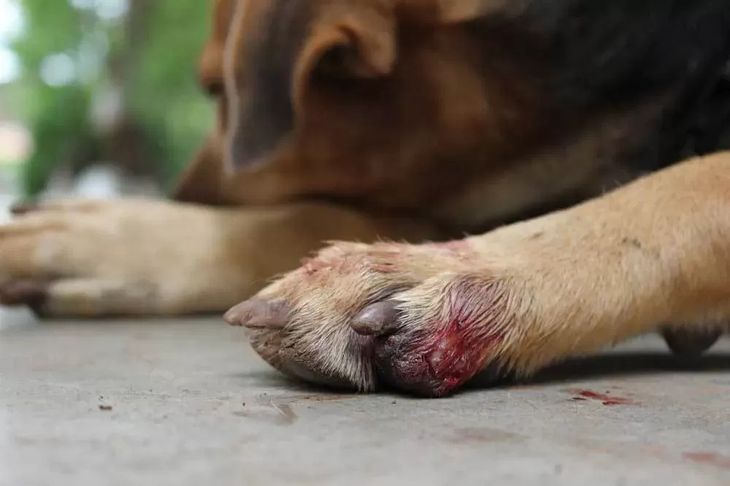
Accidentally nicking the quick of a dog’s claw is a common emergency that happens to almost every pet owner during home grooming sessions.
The bleeding occurs because the inner core of the claw contains a rich supply of microscopic blood vessels and highly sensitive nerve endings.
When this delicate area is ruptured by sharp steel clippers, it can bleed profusely for several minutes up to an hour because the pressure inside the capillary loops is relatively high.
Understanding how to act quickly will help calm your dog, prevent blood from staining your furniture, and promote rapid coagulation of the exposed blood vessels.
You must keep the dog quiet and completely still because physical exertion raises their blood pressure and easily breaks fresh clots loose.
Always keep emergency clotting materials close to your designated grooming station so you do not have to search for them while your dog is in distress.
To resolve the bleeding immediately, you must act with absolute precision and maintain a calm, soothing demeanor to avoid projecting panic onto your pet.
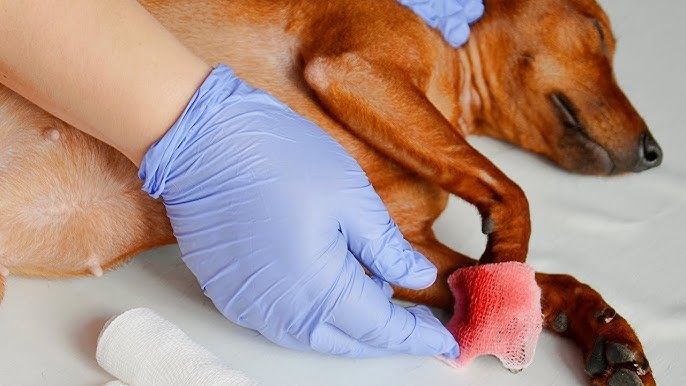
First, gently wrap dog in towel to cut nails or to manage an active injury, which keeps them secure and prevents sudden jerking movements.
Next, apply firm and steady pressure directly to the tip of the bleeding claw using a clean, lint-free cloth or paper towel.
Keep this pressure constant for at least three minutes without lifting the cloth to check, as premature checks will disrupt the initial clotting cascade.
If the bleeding persists, press a pinch of professional styptic powder or clean cornstarch directly onto the exposed tip to form a physical barrier.
Keep your dog resting quietly on a clean surface for thirty minutes to ensure the fresh clot becomes fully stable and does not start leaking again.
If you want to handle this safely at home, the Zenpaw Maxpro Grinder provides painless, quiet filing — explore it here.
99-Day 100% Money-Back Guarantee
“Ever since we started using the Zenpaw Maxpro Grinder, it’s been such a peaceful experience. It’s very quiet, and my dog actually relaxes. It’s turned our stressful sessions into quick, quiet grooming times.”
— Sarah M. | ✔ Verified Customer
- ✓ Prevents Infection & Splitting
- ✓ Ideal for All Dog Sizes
- ✓ Low-Vibration Technology
- ✓ Fast 2-7 Days Delivery
Need Support? Call 302-307-1000
Understanding Canine Nail Anatomy: The Anatomy of the Quick
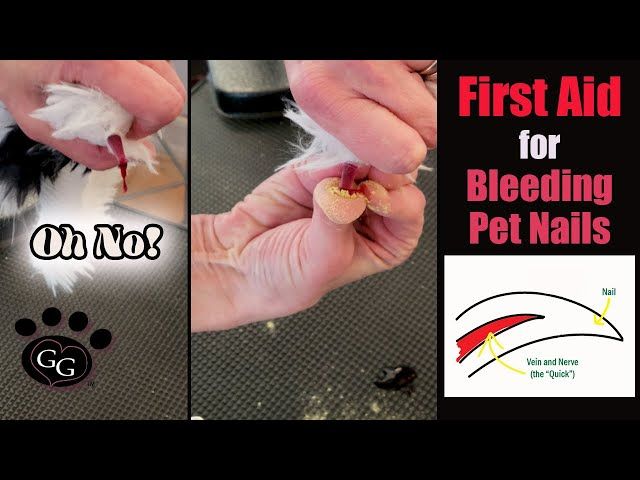
The canine nail is a highly specialized structure designed for traction, digging, and joint protection.
It consists of a hard outer shell made of keratin and a soft, highly vascularized inner core known as the quick.
The quick contains a dense network of blood vessels and extremely sensitive nerves that register pain immediately when compromised.
As the outer nail grows longer, the inner quick also extends further down the center of the claw channel.
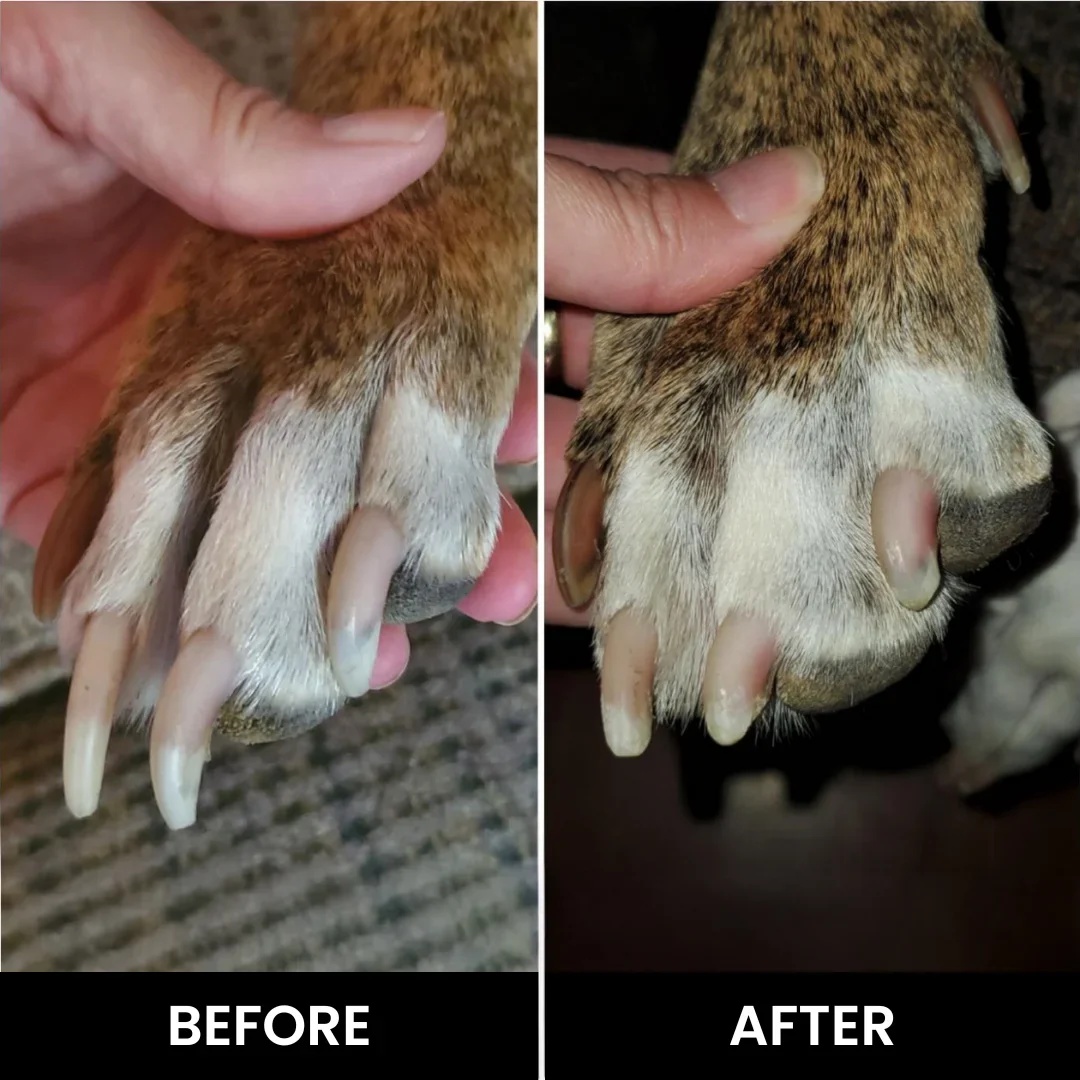
If you do not trim your dog’s nails on a regular basis, the quick will remain dangerously close to the tip of the nail.
Regular, gradual trimming causes the quick to naturally recede back toward the paw bed over several weeks.
This natural recession allows you to maintain shorter, healthier nails without risking painful bleeding injuries.
Light-colored or white nails make it easy to see the quick as a faint, pinkish line running through the translucent shell.
Black nails present a much greater challenge because the dark melanin completely obscures this internal blood vessel.
Grooming black nails requires a highly cautious approach to avoid cutting too deep into the hidden tissue.
Using advanced methods like laser dog nail cutting can provide helpful visual guides for beginners seeking safety.
Our pet wellness team always recommends taking tiny, incremental shavings rather than making one large, forceful cut.
By removing thin layers of the nail slowly, you can safely spot the warning signs before the quick is exposed.
Home Remedies vs. Professional Styptic Powder: What Actually Works?
When a nail is cut too deep, finding a reliable way to halt the bleeding is your immediate priority.
Professional groomers always rely on styptic powder, which contains active ferrous subsulfate to rapidly coagulate blood.
This chemical compound works by causing the local blood vessels to contract instantly upon contact with the open wound.
If you do not have professional styptic powder in your home cabinet, several common kitchen ingredients can assist.
Cornstarch and plain baking flour can form a functional physical plug when pressed firmly onto the bleeding tip.
Baking soda can also work, though it may cause a slight, temporary stinging sensation on raw, open tissue.
You must absolutely avoid using harsh chemical agents like dog nail polish remover anywhere near an active nail wound.
These volatile substances can cause extreme pain and chemical irritation on the sensitive, exposed nerves of the quick.
To apply a dry home remedy, pour a small amount of the powder into the palm of your hand or a shallow bowl.
Dip the bleeding claw directly into the powder and apply firm, continuous pressure with your thumb for a full sixty seconds.
If the bleeding does not stop completely after twenty minutes of continuous pressure, contact your local veterinary clinic for advice.
Keep your dog’s paw dry and clean for at least twenty-four hours to prevent common environmental dirt from entering the raw nail bed.
The Science of Desensitizing Your Dog to Nail Tools
Many dogs develop intense behavioral anxiety surrounding nail maintenance due to past painful grooming experiences.
The sudden, high-pressure pinch of traditional clippers can trigger a deep-seated fear response in their nervous system.
To overcome this anxiety, you must implement a structured counter-conditioning and desensitization protocol over several days.
This systematic process involves pairing the quiet presence of grooming tools with high-value rewards like chicken or peanut butter.
Start by simply showing the tool to your dog from a comfortable distance and offering a delicious treat immediately.
Slowly decrease the distance over several sessions until your dog happily associates the tool with positive outcomes.
If your dog remains extremely fearful of mechanical devices, you might explore alternative scratching surfaces to help them.
Using a custom dog sandbox to file nails can serve as an excellent intermediate exercise to keep claws short naturally.
However, a high-quality grinder remains the most precise tool for maintaining a neat, rounded, and healthy finish.
The loud noise and high-pitched vibration of standard rotary tools are major triggers for canine stress and panic.
Team Zenpaw engineered the Maxpro Grinder with an ultra-quiet motor operating under forty decibels to bypass this sensory trigger.
By reducing negative sensory input, you can keep your dog completely relaxed and cooperative throughout the entire grooming process.
Step-by-Step Guide: Safely Trimming with the Zenpaw Maxpro Grinder
Transitioning to a quiet pet nail grinder is the absolute safest way to prevent future bleeding incidents from occurring.
Follow this expert protocol to ensure a smooth, pain-free grooming experience for your canine companion.
First, introduce the turned-off grinder to your dog’s paws, touching the smooth plastic body gently to their legs.
Reward them immediately with a high-value treat to build a positive mental association with the touch of the device.
Next, turn the device on to its lowest speed setting to let them adjust to the soft, gentle hum.
Hold your dog’s paw securely using a supportive “groomer’s grip” to prevent any sudden jerking or slipping movements.
Isolate a single toe and gently push back any surrounding fur to keep your view of the nail completely clear.
Approach the nail at a precise forty-five-degree angle to match the natural growth curve of the claw.
Apply the rotating grinding wheel to the nail tip for only one to two seconds at a time to keep it comfortable.
This brief contact prevents friction heat from building up and causing discomfort to the underlying nail bed.
Work in brief, gentle taps rather than pressing the wheel continuously against the hard keratin shell.
If your dog has delicate paws, you might eventually apply dog nail covers for traction after the nails are perfectly shaped and healed.
Always praise your pet enthusiastically after completing each nail to keep the session light, happy, and stress-free.
Avoiding the Hidden Dangers of Traditional Dog Nail Clippers
Traditional scissor and guillotine clippers present several inherent risks to long-term canine claw health.
These steel tools work by applying heavy mechanical force to squeeze and shear through the dense keratin shell.
This high-pressure squeezing action often crushes the nail, causing microscopic structural fractures along the shaft.
These tiny cracks can split upward toward the sensitive nail bed, inviting painful bacterial infections over time.
Furthermore, clippers provide zero visibility when working with dark, heavily pigmented nails.
You are essentially guessing where the quick ends, which frequently leads to painful bleeding accidents at home.
A professional rotary tool allows you to file the nail down slowly, micro-layer by micro-layer, with extreme precision.
This gradual reduction gives you complete control and instant visual feedback as you approach the quick.
As you grind close to the living tissue, you will observe a soft, moist dot appearing in the center of the nail.
This distinct visual cue signals that you must stop grinding immediately to keep the quick safe and fully intact.
By switching to this progressive filing method, you completely eliminate the risk of sudden, deep cuts.
Frequently Asked Questions About Canine Nail Bleeding
Let’s address some of the most common concerns pet parents face during home nail care and emergency situations.
Is the Zenpaw Grinder safe for large dogs with thick nails?
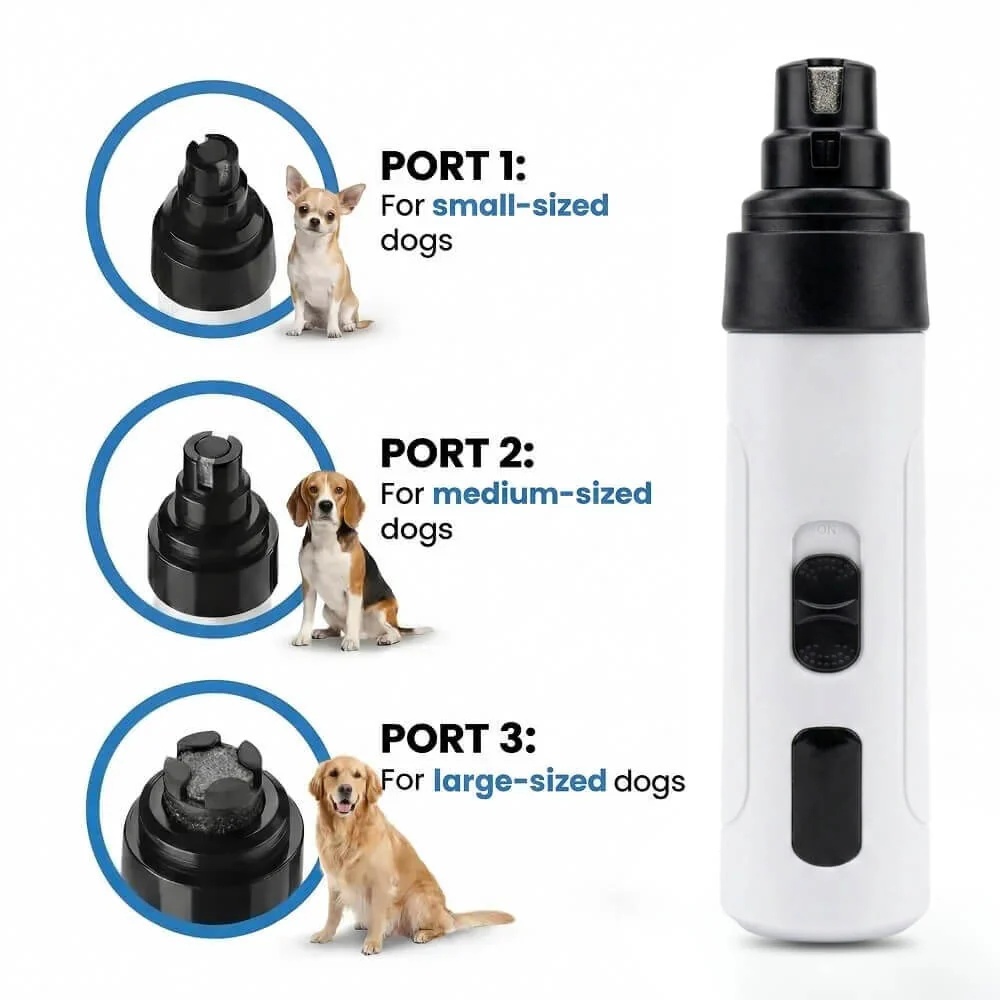
Yes, the Zenpaw Maxpro Grinder features a powerful dual-speed motor and three versatile grinding ports.
The largest port is perfectly sized to handle the thickest claws of giant breeds without stalling or slowing down.
You can use the high-speed setting to safely and efficiently file down dense keratin layers on larger dogs.
How long does the battery last on a single charge?
The built-in rechargeable battery provides up to seven hours of continuous operating time on a single charge.
This long battery life ensures you can complete multiple grooming sessions without needing to recharge the device.
The device charges quickly using a standard USB cable for maximum convenience at home or while traveling.
Which speed setting should I use for an anxious dog?
We recommend starting on the low-speed setting to keep noise and vibration at an absolute minimum.
This ultra-quiet mode helps keep highly sensitive or rescue dogs calm during their initial grooming sessions.
Once your pet is completely comfortable, you can switch to the high-speed setting for faster filing results.
Does the grinding wheel get hot during extended use?
Any rotary tool can generate friction heat if held against the nail continuously for too long.
Our device utilizes advanced low-heat technology to minimize thermal transfer during your grooming sessions.
To keep your dog comfortable, always use brief, light touches instead of holding the wheel in place on the claw.
Can a dog bleed out or lose too much blood from a short nail cut?
It is highly unlikely for a healthy dog to experience life-threatening blood loss from a cut quick.
However, the bleeding can look alarming because the nail bed contains direct, high-pressure capillary loops.
Applying immediate pressure and clotting powder will quickly resolve the situation and protect the paw from further harm.
Conclusion
Accidentally cutting the quick is stressful, but staying calm and using the right tools makes all the difference. Ready to transform nail trimming from a battle into a breeze? Explore the Zenpaw Maxpro 3-in-1 Grinder. Call: **302-307-1000** — our team can help you advise on the best grooming practices and help with any product questions.