
I still remember the sheer panic of seeing my dog, Cooper, limping with a bloody, torn claw after a rough run in the yard. I felt so guilty, terrified that his claw would never heal or that I would make it worse during grooming. If you are asking do dogs toenails grow back, I want to reassure you that with the right care and a stress-free tool like the Zenpaw Maxpro 3-in-1 Grinder, your dog’s paw can heal perfectly and painlessly.
Maxpro 3-in-1 Grinder.
Stress-Free Nail Trimming.
Whisper-quiet DC motor (<40 dB) eliminates fear & discomfort. Features 3 ports, dual speeds, and 7-hour battery life. Safe, precise, and painless.
In This Article
- The Regrowth Principle: Discover exactly how and when damaged canine claws recover.
- Anatomical Insights: Learn the critical roles of the quick, the nail bed, and local tissue health.
- Safe Grooming Practice: Protect a healing nail shell using stress-free filing tools.
- Troubleshooting Advice: Identify issues like crooked growth, split shells, and bed infections.
Do Dogs Toenails Grow Back? Everything You Need to Know
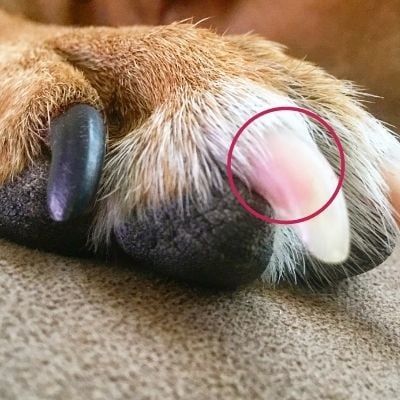
Yes, a dog’s toenail will typically grow back completely after suffering an injury, split, or localized infection.
The natural recovery process relies heavily on whether the vital germinal matrix, commonly known as the nail bed, remains fully intact.
When a dog rips a nail during play, or when an infection damages the outer shell, the claw can fully regenerate within several months.
However, if the underlying nail bed is permanently scarred, crushed, or surgically excised, the nail may grow back misshapen, split, or not at all.
This biological regeneration process begins immediately at the base of the paw tissue, pushing new keratin layers outward over the sensitive quick.
Understanding this process helps you manage your dog’s discomfort and take the correct steps toward healing.
Professional pet groomers and veterinarians emphasize that protective, stress-free care during this vulnerable period is vital to prevent secondary complications.
To support a healthy recovery, you must first keep the wounded paw completely clean by flushing it with diluted, pet-safe antiseptic solutions.
If you need to know what to do for a dog’s split nail, the immediate priority is stopping any bleeding and protecting the exposed quick from surface dirt.
You can apply gentle pressure with a clean cloth or use styptic powder to control active bleeding after an acute break.
Once the bleeding stops and the initial soreness begins to fade, you should trim away any loose, dangling pieces of nail tissue to prevent them from catching on household carpets.
Always avoid using dull manual clippers during this phase, as the crushing force can easily reopen the wound and cause severe pain.
Instead, use a highly precise filing tool to smooth down rough edges and keep the surrounding claws properly manicured.
Ensuring that the healthy nails remain short prevents your dog from shifting their weight awkwardly, which can place undue stress on the injured toe.
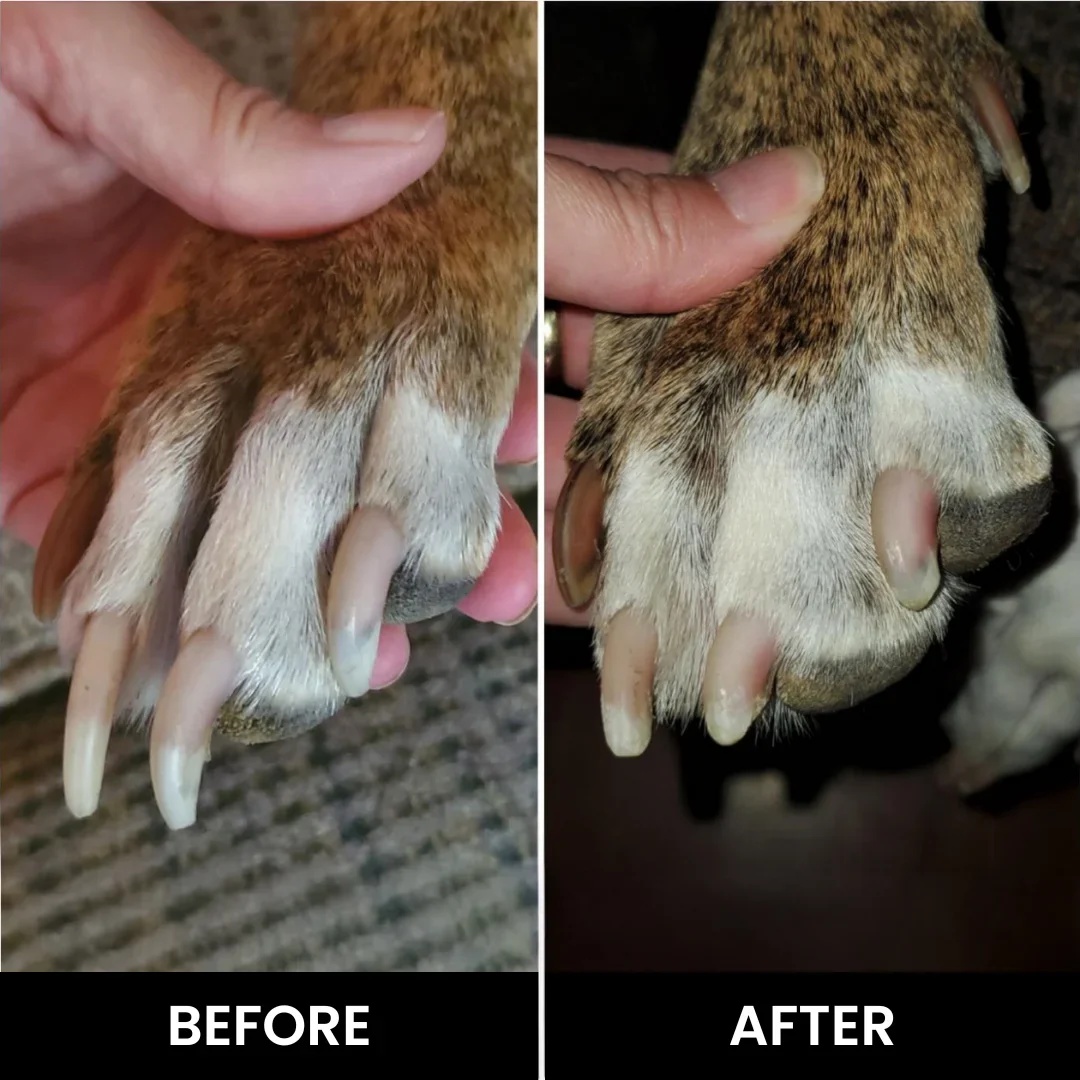
If you want to handle this safely at home, the Zenpaw Maxpro Grinder provides painless, quiet filing — explore it here.
99-Day 100% Money-Back Guarantee
“Ever since we started using the Zenpaw Maxpro Grinder, it’s been such a peaceful experience. It’s very quiet, and my dog actually relaxes. It’s turned our stressful sessions into quick, quiet grooming times.”
— Sarah M. | ✔ Verified Customer
- ✓ Prevents Infection & Splitting
- ✓ Ideal for All Dog Sizes
- ✓ Low-Vibration Technology
- ✓ Fast 2-7 Days Delivery
Need Support? Call 302-307-1000
Anatomy of Canine Nails: The Biological Mechanics of Regrowth

Canine claws differ significantly from human nails in both structural complexity and blood supply distribution.
The outer layer of the dog’s nail is a tough, specialized sheath composed of hard keratin proteins designed to withstand constant impact.
Directly beneath this hard shell lies the quick, which is a highly vascularized, nerve-rich core that supplies vital nutrients to the growing keratin.
The quick connects directly to the distal phalanx bone of the dog’s toe, making any deep nail injury exceptionally painful.
At the base of the nail sits the ungual crest and the germinal matrix, which acts as the biological engine for nail growth.
If this matrix remains undamaged during a tear or split, it will continuously produce new keratin cells to rebuild the protective outer wall.
However, when systemic issues or chronic health problems occur, the quality of this newly generated keratin can drop drastically.
For example, hormonal imbalances like thyroid dysfunction can weaken the nail structure, leading to brittle, slow-growing, or thin claw walls.
If you notice your dog’s claws breaking frequently without clear physical trauma, you may want to research brittle dog nails thyroid issues to see if an underlying endocrine disorder is affecting their systemic health.
In addition to physical trauma, biological pathogens can settle deep within the nail fold, causing significant structural damage.
Yeast and bacterial organisms thrive in warm, damp paw environments, leading to swelling, discharge, and intense itching.
You can identify these issues early by comparing your dog’s paws to professional references like dog nail bed yeast infection pictures to check for characteristic redness, brown staining, or greasy discharge.
When an infection invades the nail bed, it temporarily halts the healthy production of keratin cells, causing the nail shell to become soft or crumbly.
This can lead to a condition where you observe your dog nails peeling or splitting away in thin, unhealthy layers.
Treating the primary infection with veterinary-approved topical or oral antimicrobials is crucial to restore healthy nail growth.
Once the infection clears, the germinal matrix will slowly resume producing strong, resilient keratin to rebuild the protective outer shell.
Understanding the Canine Nail Regrowth Timeline and Stages
When tracking how will a dog’s nail grow back, the healing process follows a predictable, multi-phase biological timeline.
The initial phase is the inflammatory stage, which occurs during the first forty-eight hours following a split or break.
During this stage, the body focuses on clotting blood, sealing the exposed quick, and sending white blood cells to prevent local infection.
The second phase is the proliferative stage, starting around day three and lasting for several weeks.
In this phase, the germinal matrix begins rapidly producing soft, pre-keratin tissue to form a temporary protective shield over the exposed nerves.
The final phase is the maturation stage, where the soft tissue gradually hardens into dense, protective keratin as it pushes outward.
Because the canine nail regrowth timeline varies depending on your dog’s age, breed, and overall health, patience is essential.
Smaller breeds often regenerate their nails slightly faster than larger breeds due to differences in metabolic rates and bone size.
Maintaining a balanced, protein-rich diet fortified with biotin and zinc can support this natural regeneration process from the inside out.
| Injury Severity Level | Biological Recovery Stage | Estimated Regrowth Timeline |
|---|---|---|
| Minor Split (Tip only) | Keratin Maturation | 2 to 4 Weeks |
| Deep Break (Quick exposed) | Proliferative Regeneration | 6 to 8 Weeks |
| Complete Nail Loss (Bed intact) | Full Cycle Regeneration | 10 to 14 Weeks |
How to Safely Maintain Healing Claws and Prevent Re-Injury
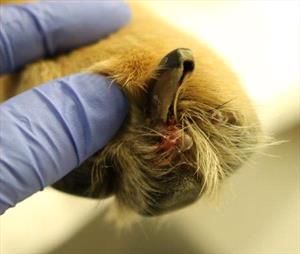
Caring for a dog with a healing nail requires a gentle, deliberate approach to prevent reinjury and reduce grooming anxiety.
The regrowing claw is initially quite soft and highly susceptible to splitting again if it catches on rough surfaces.
To safely maintain your dog’s nails at home, you must learn to identify where the sensitive quick ends, especially on dark claws.
Many pet parents struggle with dark nails because the pigment hides the pink, blood-filled core.
You can learn how to cut black dog nails using flashlight to easily reveal the shadowy outline of the quick from behind.
Once you locate the quick, you can trim or grind the nail confidently, keeping a safe distance from the sensitive nerves.
Using a quiet, low-vibration grinder makes it much easier to work on sensitive, healing paws without triggering a fear response.
Introducing the Zenpaw Maxpro Grinder to an anxious dog should always be a gradual, positive process.
First, place the turned-off grinder on the floor and let your dog sniff it, rewarding them with high-value treats for their curiosity.
Next, turn the device on its lowest speed while keeping it at a distance, allowing your dog to get used to the quiet hum.
Gently touch the vibrating handle of the grinder to your dog’s leg or shoulder for a brief second to desensitize them to the sensation.
When you are ready to file the nails, hold your dog’s paw securely but gently, supporting the individual toe you are working on.
Hold the grinder at a precise forty-five-degree angle to the nail tip to achieve a smooth, rounded finish.
Apply light, brief pressure for no more than two seconds per nail to prevent heat buildup on the sensitive keratin.
The whisper-quiet, low-heat design of the Zenpaw Maxpro ensures your dog remains calm throughout the entire session.
Traditional Clipper Cracking vs. Gradual Filing
Using traditional scissor-style or guillotine clippers is one of the most common mistakes pet owners make when managing healing claws.
Manual clippers work by applying immense, pinching pressure to opposite sides of the nail shell until the blade cuts through.
This high-pressure crushing force can easily crack, splinter, or shatter a dry, brittle, or healing nail shell.
If the nail splits longitudinally up into the sensitive quick, it can cause immediate, intense pain and trigger bleeding.
Furthermore, the loud clicking sound and sudden pinching sensation of clippers can cause long-lasting grooming anxiety in dogs.
This often leads to a stressful battle of wills every time you try to care for your dog’s paws.
In contrast, a high-quality electric grinder removes thin layers of keratin gradually and painlessly.
The rotating abrasive wheel smooths away rough edges without putting crushing pressure on the delicate claw structure.
This gradual approach allows you to stop grinding long before reaching the sensitive quick, making it virtually impossible to cause accidental bleeding.
The Zenpaw Maxpro features a whisper-quiet DC motor that operates under forty decibels, eliminating the high-pitched noise that triggers fear in dogs.
This gentle, low-vibration design transforms a stressful chore into a quiet, peaceful bonding experience for both you and your pet.
Frequently Asked Questions About Dog Nail Recovery
Is the Zenpaw Grinder safe and powerful enough for large dogs?
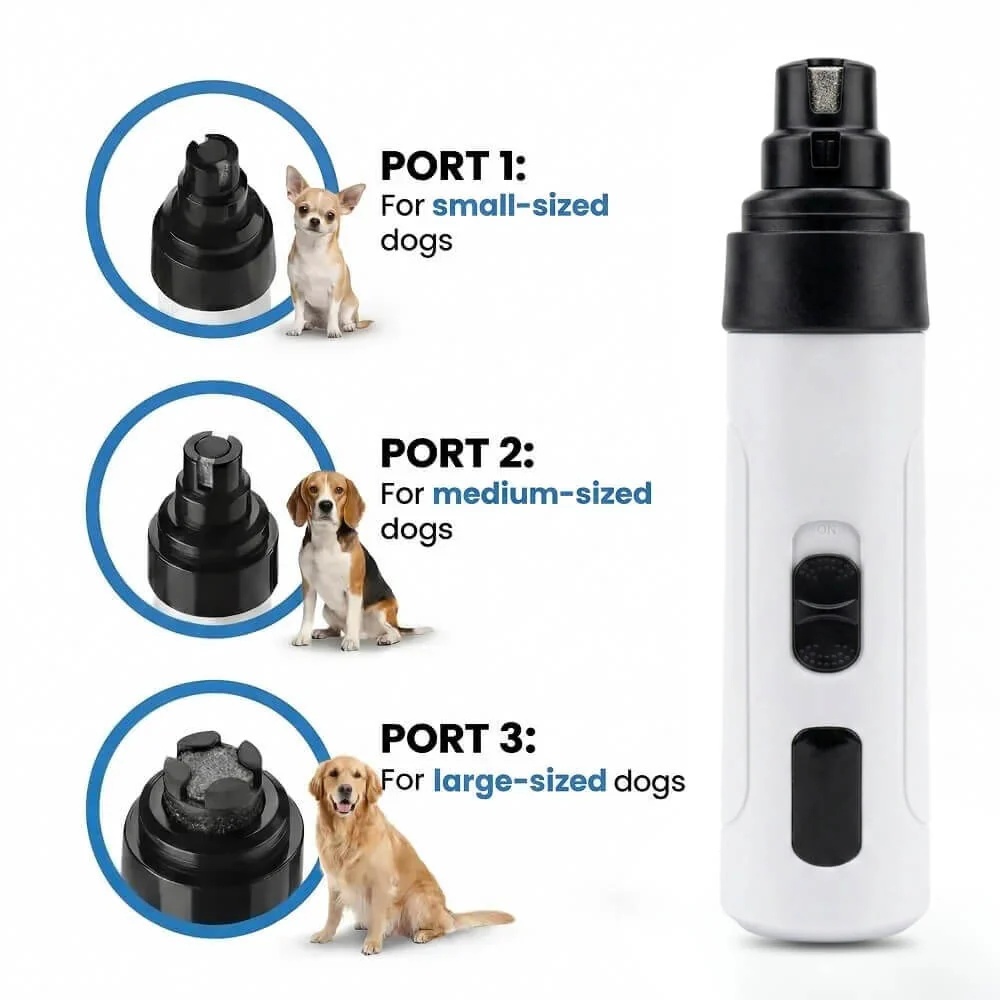
Yes, the Zenpaw Maxpro is equipped with three different ports designed to accommodate small, medium, and large dog breeds safely.
The large, open port allows you to file down thick, heavy claws on larger dogs with ease, while the smaller ports protect tiny paws.
Its powerful motor provides consistent torque to file down dense keratin without slowing down or stalling under light pressure.
How long does the battery last on a single charge?
The Zenpaw Maxpro features an advanced, rechargeable lithium-ion battery that provides up to seven hours of continuous runtime on a single charge.
This long battery life means you can complete multiple grooming sessions without worrying about the device running out of power mid-trim.
The grinder charges quickly using a standard USB cable, making it easy to power up at home or on the go.
Which speed setting is best for my dog’s nails?
We recommend starting on the low-speed setting when introducing the grinder or working on thin, healing nails.
The low speed provides maximum control and minimizes vibration, which helps keep anxious dogs calm.
You can switch to the high-speed setting for thick, healthy nails on larger breeds to speed up the grooming process.
Does the grinding head get hot during use?
Our grinder is engineered with advanced, low-heat technology that prevents the brass grinding wheel from overheating during use.
However, you should still avoid holding the grinding wheel against a single nail for more than two consecutive seconds.
Alternating between different nails prevents friction heat from building up, ensuring your dog feels completely comfortable throughout the session.
Conclusion
Supporting your dog’s nail recovery requires patience, consistent hygiene, and a gentle touch.
With the proper care, most injured or infected claws will fully regenerate into a strong, healthy protective shield.
Ready to transform nail trimming from a battle into a breeze? Explore the Zenpaw Maxpro 3-in-1 Grinder. Call: **302-307-1000** — our team can help you advise on the best grooming practices and help with any product questions.
Note: Individual results may vary depending on individual dog breeds, nail thickness, and behavioral temperaments. This article is intended for general pet grooming reference purposes only and does not replace professional veterinary advice.