I still remember the night my golden retriever, Cooper, wouldn’t stop licking his paws, leaving his claws damp, swollen, and smelling strongly of corn chips. I felt completely overwhelmed trying to find a safe dog nail bed yeast infection treatment that wouldn’t cause him more pain. That stressful experience led our team at Zenpaw to develop a holistic, whisper-quiet grooming routine to keep paws dry, healthy, and happy.
Maxpro 3-in-1 Grinder.
Stress-Free Nail Trimming.
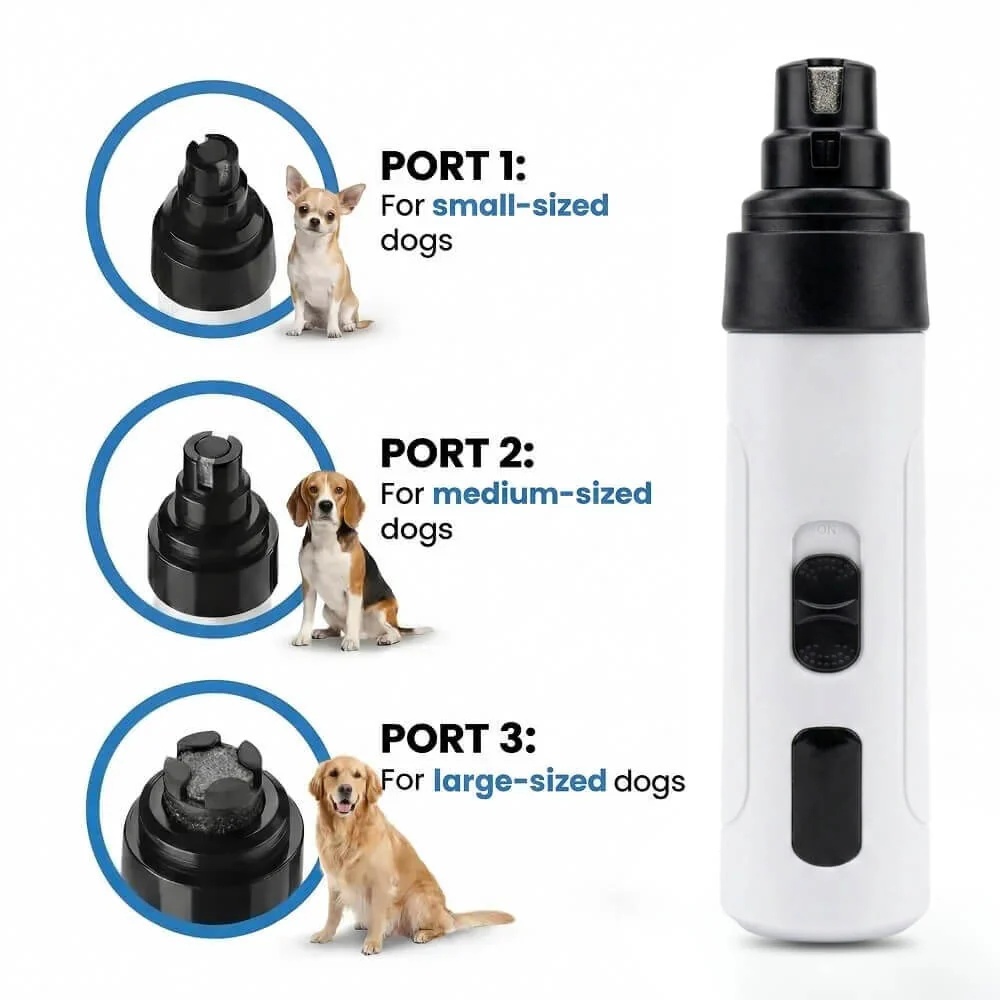
Whisper-quiet DC motor (<40 dB) eliminates fear & discomfort. Features 3 ports, dual speeds, and 7-hour battery life. Safe, precise, and painless.
In This Article
- How to Clean and Maintain Itchy Dog Paw Cuticles: A detailed, step-by-step grooming protocol.
- Identifying the Signs of Fungal Build-up: Understanding rusty staining, irritation, and discharge.
- Addressing the Underlying Triggers: How damp climates and allergies lead to yeast overgrowth.
- The Safety of Low-Vibration Grinding: Why maintaining proper nail length prevents moisture trap.
- Proactive Fungal Care at Home: Natural flushes, proper drying, and behavioral success.
How to Clean and Support Dog Nail Bed Cuticle Health: A Step-by-Step Grooming Guide
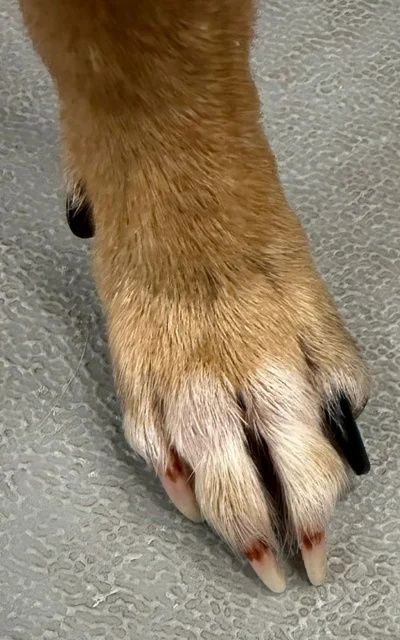
Fungal issues love warm, damp, and neglected spaces on your dog’s paws.
To safely manage the accumulation of yeast and bacteria around the cuticles, you must follow a structured grooming routine.
Consistency is key to keeping the sensitive tissue dry and clean.
Prerequisites & Tools You Will Need
Before beginning, gather a clean towel, a shallow basin of warm water, and a veterinarian-approved antifungal paw wipe or wash containing chlorhexidine.
You will also need organic coconut oil for soothing dry cuticles and a whisper-quiet nail grinder to keep claws short without causing stress.
-
Step 1: Inspect the Paw and Clear Loose Debris
Begin by placing your dog in a comfortable, well-lit grooming area.
Gently separate the toes to inspect the deep folds of the skin around each nail bed.
Use a soft, dry cloth to remove any loose dirt, grass, or dried discharge from the area.
Watch for signs of severe tenderness or raw skin that might require extra gentleness.
Reward your dog with a small treat to establish a positive connection with paw handling.
-
Step 2: Prepare and Apply a Soothing Antifungal Paw Wash
Dilute your veterinarian-recommended chlorhexidine or diluted apple cider vinegar wash in warm water.
Submerge your dog’s paws gently in the shallow basin for three to five minutes to loosen fungal buildup.
If your dog resists soaking, thoroughly saturate a clean washcloth with the solution and wrap it around the claws.
Gently massage the liquid into the cuticles to help break down the sticky, reddish-brown yeast residue.
Never scrub aggressively, as this can irritate the delicate, inflamed margins of the nail bed.
-
Step 3: Meticulously Dry the Entire Interdigital Space
Yeast thrives in residual moisture, making thorough drying the most critical step of this process.
Blot the paws firmly with a highly absorbent microfiber towel to remove the bulk of the water.
Pay close attention to the tight pockets of skin hidden directly under the base of each claw.
You can use a hair dryer on the coolest, lowest speed setting if your dog is comfortable with the sound.
Ensure the skin is completely dry to the touch before moving on to the next step.
-
Step 4: Maintain Short Nails with a Gentle Grinder
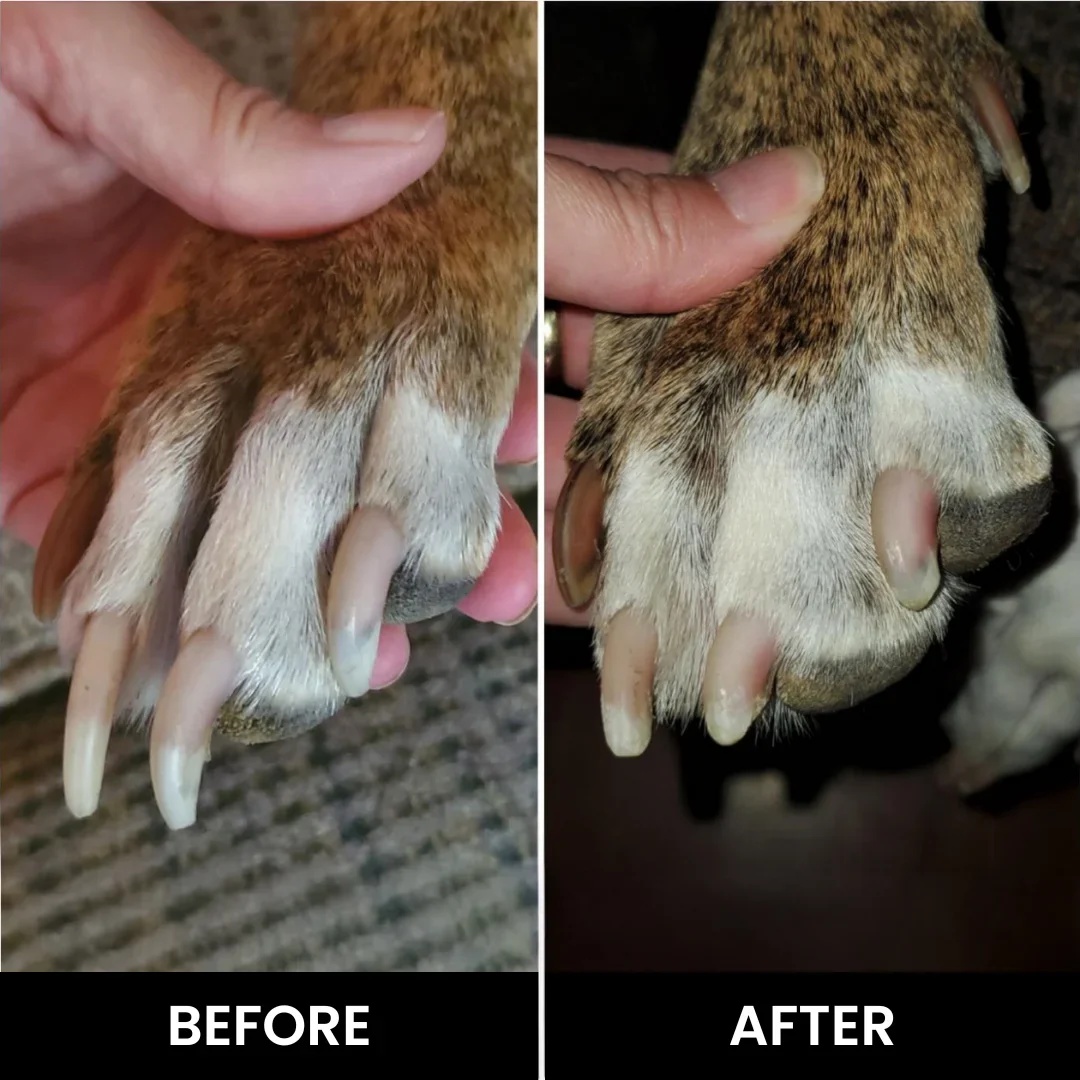
Long claws bend the toes upward, forcing the paw pads open and allowing moisture and yeast to accumulate.
Turn on your low-noise nail grinder to let your dog adapt to the mild, calming hum.
Carefully file the tip of each nail at a steady forty-five-degree angle using brief, light touches.
Avoid holding the grinding head against the claw for more than two seconds to prevent heat buildup.
Short claws keep the nail bed elevated off wet ground, keeping the cuticle drier during daily walks.
-
Step 5: Apply a Protective Natural Barrier
Once the nails are filed and the skin is fully dry, apply a thin layer of organic coconut oil to the cuticles.
Coconut oil contains natural lauric acid, which safely supports healthy skin flora and combats dry flaking.
Massage the oil thoroughly so it absorbs completely and does not leave a greasy residue on your floors.
Distract your dog with a lick mat or a favorite toy for ten minutes to prevent them from licking the oil off.
Repeat this cleaning and grooming routine twice a week until the redness and musty smell disappear.
Maintaining clean, dry paws is much easier when you use tools designed for anxious pets.
By integrating the ultra-quiet filing power of Team Zenpaw’s grooming tools, you can keep claws short and cuticles clean without triggering panic or resistance.
To experience safe, stress-free claw maintenance at home, explore the Zenpaw Maxpro 3-in-1 Grinder today.
99-Day 100% Money-Back Guarantee
“Ever since we started using the Zenpaw Maxpro Grinder, it’s been such a peaceful experience. It’s very quiet, and my dog actually relaxes. It’s turned our stressful sessions into quick, quiet grooming times.”
— Sarah M. | ✔ Verified Customer
- ✓ Prevents Infection & Splitting
- ✓ Ideal for All Dog Sizes
- ✓ Low-Vibration Technology
- ✓ Fast 2-7 Days Delivery
Need Support? Call 302-307-1000
Understanding the Root Causes of Canine Claw Bed Irritation and Yeast Overgrowth
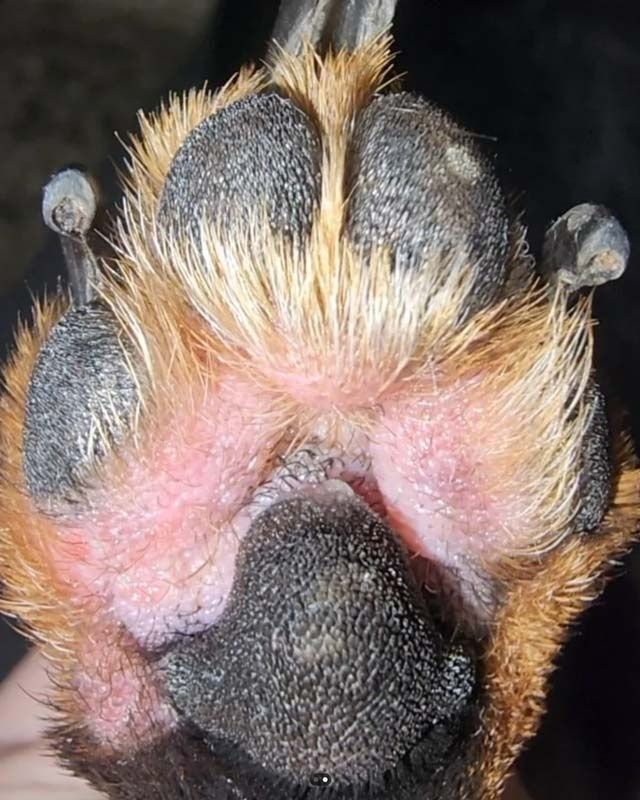
Every dog naturally carries microscopic yeast organisms on their skin surface.
The primary culprit is a specific type of fungus known as Malassezia pachydermatis.
Under normal circumstances, your dog’s immune system keeps these populations completely balanced.
However, when the local environment becomes overly damp, warm, or physically compromised, the yeast multiplies rapidly.
This rapid overgrowth leads to noticeable inflammation, intense itching, and localized cuticle irritation.
If left unmanaged, the swelling can progress into a painful paronychia dog nail infection, which causes severe lameness.
Environmental factors like walking on wet grass or swimming in stagnant water often trigger this fungal bloom.
Dogs with underlying food sensitivities or seasonal allergies are also highly susceptible to these flare-ups.
Allergic reactions compromise the skin’s natural protective barrier, making it easy for fungal cells to invade.
Additionally, structural abnormalities in the feet can trap moisture, providing the perfect breeding ground for yeast.
Recognizing the Indicators of Active Yeast Build-up Around Your Dog’s Nails
Identifying the early signs of fungal overgrowth is essential to prevent chronic discomfort.
The most common indicator of a yeast infection dog nails exhibit is a distinct, dark reddish-brown staining at the cuticle base.
This rust-colored discoloration is caused by porphyrins, which are natural compounds found in dog saliva and sweat.
You may also notice a heavy, sweet, or musty odor coming from your dog’s paws, often resembling corn chips.
The skin around the claw base may appear swollen, greasy, or covered in a sticky grey discharge.
In response to the intense itchiness, your dog will often lick or chew their paws constantly.
This continuous moisture from licking actually accelerates the fungal growth cycle, worsening the irritation.
Over time, chronic inflammation can weaken the claw structure, leaving the outer layers brittle and dry.
This structural weakness often leads to issues like dog nails peeling or splitting under minor pressure.
If the nail cracks near the sensitive quick, it can result in a painful dog cracked nail no bleeding situation that requires immediate care.
Regular visual inspections during your weekly grooming sessions will help you spot these changes before they worsen.
How to Safely Maintain Dog Nails and Reduce Fungal Crevices
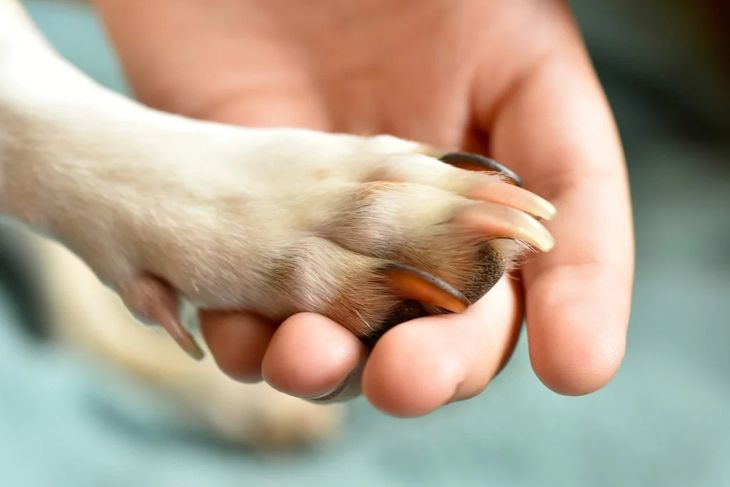
Filing your dog’s nails is about much more than just keeping them quiet on your hardwood floors.
Keeping the claws short directly supports the structural health of the foot and minimizes deep, damp skin folds.
When nails grow too long, they push the toe bones backward, causing the paw to splay outwards.
This unnatural splaying exposes the sensitive interdigital skin to dirt, moisture, and fungal spores.
To safely manage nail length, you must learn how to tell where to cut black dog nails to avoid the vascular quick.
The quick contains blood vessels and nerves that will bleed and cause severe pain if nicked.
Traditional clippers often crush the nail shaft violently, which can split the cuticle and trap additional yeast.
Using a low-vibration grinder allows you to file the nail gradually, layer by layer, with absolute control.
Always hold the grinder at a forty-five-degree angle and work in quick, sweeping motions.
For highly anxious dogs, discussing calming medication nail trim options with your vet can make the process much easier.
Reducing grooming stress is key to establishing a safe, consistent care routine that keeps the paws dry.
Overcoming Risks & Grooming Mistakes That Aggravate Paw Health
One of the biggest mistakes dog owners make is neglecting to dry the paws thoroughly after outdoor walks.
Walking through wet grass, dew, or muddy trails leaves a fine layer of moisture trapped around the cuticles.
If you do not dry this moisture off immediately, it acts as an incubator for fungal spores.
Another common issue is using dull, traditional scissors or clippers that crush and splinter the nail structure.
These micro-cracks in the claw surface create tiny pockets where yeast can easily hide and multiply.
Using a high-speed, noisy grinder can also terrify your dog, causing them to pull away and risk injury.
The Zenpaw Maxpro Grinder avoids these issues by utilizing a whisper-quiet motor operating under forty decibels.
This quiet operation keeps your dog relaxed, allowing you to file the nails smoothly and precisely.
Additionally, avoid holding the grinding wheel on a single nail for too long, as the friction heat can irritate the nail bed.
By moving systematically from toe to toe, you can maintain optimal claw length while keeping your dog completely comfortable.
Frequently Asked Questions About Dog Paw Yeast Care
Is the Zenpaw Grinder safe to use on large breeds with thick claws?
Yes, the grinder features three distinct ports designed to accommodate small, medium, and large dog breeds safely.
The powerful dual-speed motor effortlessly files down even the thickest, toughest claws without stalling or heating up.
For large dogs, you can remove the protective cap entirely to expose the full grinding stone for faster filing.
How long does the battery last on a single charge?
The Zenpaw Maxpro Grinder is equipped with a high-capacity, USB-rechargeable battery that lasts up to seven hours.
This long battery life ensures you can take your time grooming multiple pets without worrying about the device dying.
The convenient USB charging capability means you can easily power it up using any standard laptop or wall charger.
Which speed setting is best for a dog experiencing cuticle sensitivity?
We highly recommend starting on the lowest speed setting to minimize vibration and maximize your dog’s comfort.
The low-speed setting offers excellent control, allowing you to work gently around sensitive, irritated nail beds.
Once your dog is relaxed and comfortable, you can adjust the speed to suit the density of the claw.
Does the grinding head get hot during extended grooming sessions?
Our advanced grinding wheels are engineered with low-heat technology to prevent friction warmth from building up.
To ensure complete safety, always use brief, light touches of one to two seconds on each individual nail.
This simple technique allows the nail to cool down instantly, preventing any thermal discomfort for your pet.
How often should I use the grinder to maintain optimal paw health?
We recommend a quick touch-up session once every seven to ten days to keep the claws at a healthy length.
Consistent, short sessions prevent the vascular quick from growing too long, making future trims much safer.
Regular maintenance also ensures the paws remain elevated off damp ground, reducing the risk of fungal buildup.
Conclusion: Empowering Your Dog’s Paw Wellness Journey
Keeping your dog’s paw pads and cuticles healthy requires a dedicated balance of hygiene, thorough drying, and precise grooming.
By keeping claws neatly filed, you eliminate the tight, damp crevices where yeast overgrowth loves to establish itself.
Ready to transform nail trimming from a battle into a breeze?
Explore the Zenpaw Maxpro 3-in-1 Grinder.
Call: 302-307-1000 — our team can help you advise on the best grooming practices and help with any product questions.