
I still remember the heartbreak of watching my golden retriever, Cooper, constantly lick his raw, swollen paw, completely unaware that a silent paronychia dog nail infection was taking hold. Like many pet parents, I dreaded nail trims because traditional clippers made Cooper tremble, but discovering the safe, whisper-quiet design of our Zenpaw Maxpro 3-in-1 Grinder completely transformed our grooming routine and restored his paw health.
Maxpro 3-in-1 Grinder.
Stress-Free Nail Trimming.
Whisper-quiet DC motor (<40 dB) eliminates fear & discomfort. Features 3 ports, dual speeds, and 7-hour battery life. Safe, precise, and painless.
In This Article
- Spotting Paronychia: Learn how to recognize the early clinical warning signs of a paw and cuticle infection.
- Anatomical Vulnerability: Understand how your dog’s nailbed and quick interact with external pathogens.
- Veterinary Interventions: Discover the professional approach to managing claw fold and nail bed complications.
- Home Cleaning Protocols: Step-by-step methods to sanitize minor paw trauma and avoid secondary infections.
- Preventative Grinding: How safe, low-stress filing protects canine claws from structural splitting and peeling.
What Is a Paronychia Dog Nail Infection and How Can You Identify the Warning Signs?
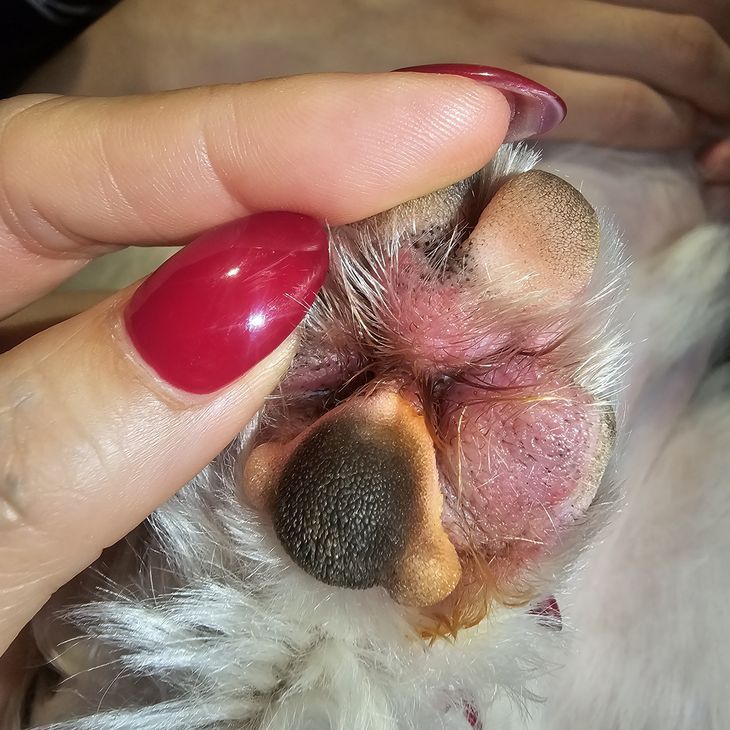
A paronychia dog nail infection is an inflammatory and pathogenic condition that targets the soft tissue folds surrounding a canine’s claw.
This distressing condition occurs when opportunistic bacteria, such as Staphylococcus, or fungal organisms like Malassezia, slip through microscopic tears in the protective cuticle fold.
It frequently impacts active outdoor dogs, allergy sufferers, and pets whose nails have suffered structural failures due to physical trauma.
You will typically notice the infection developing rapidly after an unmanaged nail break, leaving the highly vascular tissue exposed.
Without prompt professional care, the localized infection can burrow deeper into the distal phalanx bone, potentially leading to chronic osteomyelitis.
Identifying the clinical signs early is vital, and you should watch for intense paw licking, swollen nail folds, foul-smelling discharge, and limping.
If you suspect a problem, your first step must be a consultation with a veterinary professional to obtain a precise diagnosis.
Managing this painful condition requires a systematic approach to soothe the paw and protect the structural integrity of the surrounding claws.
Begin by gently bathing the affected paw in warm water mixed with veterinarian-recommended antiseptic solutions for ten minutes to reduce surface microbial populations.
Pat the area completely dry with a sterile towel, as lingering moisture will encourage opportunistic fungal colonies to multiply in the warm crevices.
Avoid using traditional, heavy-handed clippers on the neighboring claws, as the jarring impact can easily shock a dog already dealing with extreme paw sensitivity.
Instead, transition to gentle maintenance practices that minimize vibration and pressure, helping to prevent future structural cracks where pathogens thrive.
To safely manage your dog’s nail length at home and prevent trauma-induced infections, the Zenpaw Maxpro Grinder provides painless, quiet filing — explore it here.
99-Day 100% Money-Back Guarantee
“Ever since we started using the Zenpaw Maxpro Grinder, it’s been such a peaceful experience. It’s very quiet, and my dog actually relaxes. It’s turned our stressful sessions into quick, quiet grooming times.”
— Sarah M. | ✔ Verified Customer
- ✓ Prevents Infection & Splitting
- ✓ Ideal for All Dog Sizes
- ✓ Low-Vibration Technology
- ✓ Fast 2-7 Days Delivery
Need Support? Call 302-307-1000
The Anatomy of Canine Claw Beds: How a Minor Injury Leads to Infection
To truly understand how a paronychia dog nail infection takes root, you must examine the complex physical structure of the canine claw.
The canine nail consists of a hard outer shell composed of keratin, which wraps snugly around a highly sensitive interior core known as the quick.
This inner quick contains a rich supply of blood vessels and hypersensitive nerve endings that link directly to the dog’s distal phalanx bone.
The vulnerable point of this structure is the cuticle fold, the delicate ring of soft tissue where the hard nail plate emerges from the toe.
When a dog runs on abrasive surfaces or suffers from nutritional deficiencies, the outer keratin sheath can begin splitting and fraying.
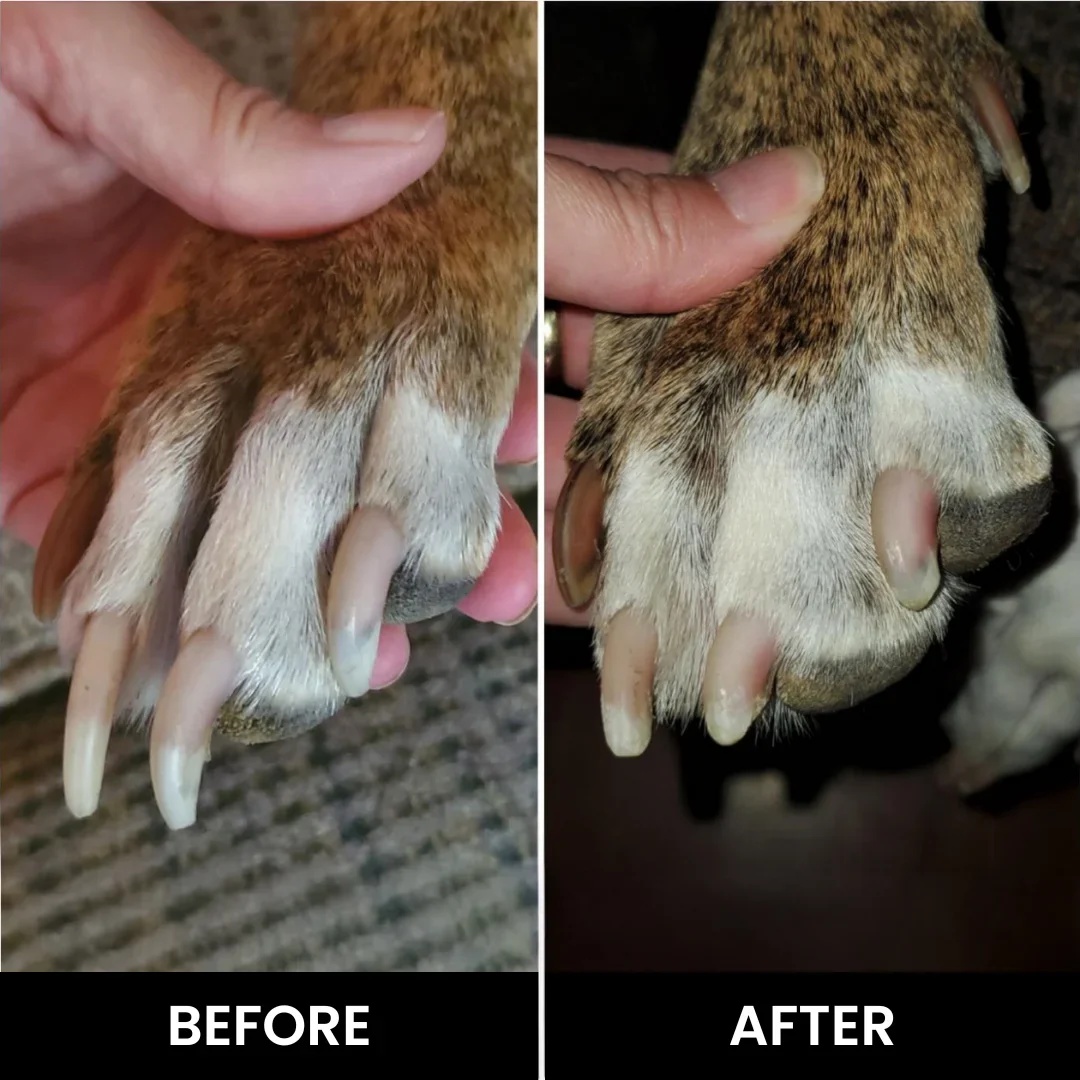
If you notice your dog’s claws starting to break down, you might be seeing early signs of dog nails peeling, which leaves the inner layers exposed.
Even a tiny crack creates a convenient micro-conduit for environmental bacteria and soil-dwelling fungi to slip straight past the physical barrier.
Once these pathogens colonize the warm, oxygen-deprived space beneath the cuticle, the immune system responds with rapid inflammation and swelling.
This inflammatory pressure within the rigid, unyielding keratin shell is incredibly painful for your companion.
A dog will instinctively attempt to soothe this localized throbbing by licking the paw, which unfortunately adds moisture and oral bacteria to the wound.
This self-soothing behavior quickly accelerates the development of a painful infected dog nail bed.
If the outer shell suffers a traumatic split but does not bleed, it can easily escape your notice until the deep tissues become thoroughly compromised.
You can read more about how to handle a dog cracked nail no bleeding to catch these silent structural issues before pathogens settle in.
Our professional grooming experience at Team Zenpaw shows that maintaining smooth, un-cracked claw margins is your absolute best defense against this cycle.
Identifying the True Culprits: Environmental Allergies, Trauma, and Bacterial Pathways
A paronychia dog nail infection rarely occurs as an isolated event without an underlying catalyst.
According to veterinary dermatology studies, environmental allergies are one of the most common predisposing factors for chronic paw complications.
Dogs suffering from atopic dermatitis or food sensitivities frequently experience intense itching in their distal extremities.
This allergic response prompts persistent chewing, which weakens the cuticle fold and introduces harmful oral bacteria into the nailbed.
Physical trauma is another primary route, often caused by rough play, digging in rocky soil, or running on coarse gravel.
When a nail catches on carpeting or brush, it can twist within the socket, creating a small separation between the nail plate and the soft tissue.
This subtle structural gap provides the perfect entry point for opportunistic pathogens to establish a deep, painful colony.
Improper grooming practices also play a major role in exposing the delicate nail tissues to infection.
Using dull guillotine-style clippers can crush and splinter the nail rather than cutting it cleanly, leaving jagged edges that catch and tear easily.
Additionally, accidentally cutting into the vascular quick creates an open, bleeding wound that is highly susceptible to bacterial contamination.
To support your dog’s recovery, a professional dog nail infection treatment plan typically combines targeted antibiotics with gentle, low-stress claw maintenance.
By addressing both the active infection and the physical structural damage, you can help break the cycle of chronic paw discomfort.
Step-by-Step Paw Maintenance: Restoring Comfort and Keeping Claws Trimmed Safely
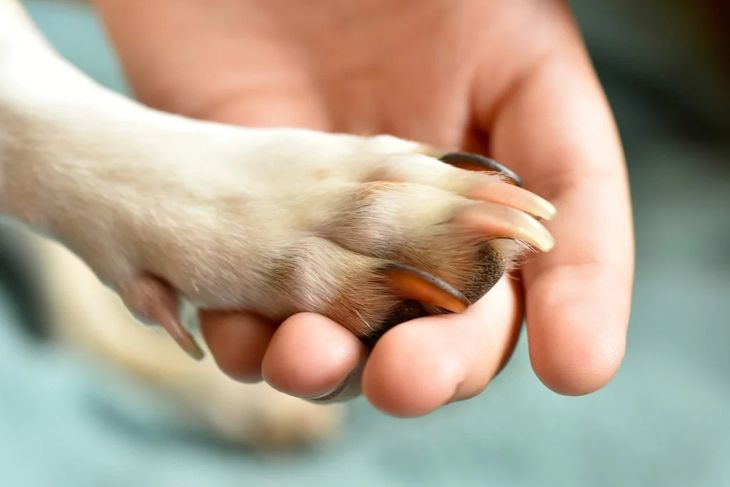
To safely manage your companion’s paw health, you must establish a grooming routine that minimizes both physical stress and structural nail damage.
When a dog is recovering from paw discomfort, they can become highly defensive about their paws being handled.
If your dog exhibits extreme anxiety during grooming, you can discuss a calming medication nail trim protocol with your vet to help keep them relaxed.
Once your dog is comfortable, you can begin a gradual desensitization process to help them build positive associations with your grooming tools.
This step-by-step approach will guide you in safely maintaining your dog’s nails to support ongoing cuticle infection care:
- Introduce the Grinder Gradually: Place the turned-off grinder on the floor and let your dog sniff it, rewarding them immediately with a high-value treat to build a positive association.
- Acclimate to the Sound: Turn the grinder on its lowest setting while holding it a few feet away, allowing your dog to get used to the quiet hum while you offer praise and treats.
- Practice Tactile Touch: Touch the body of the running grinder gently to your dog’s leg or shoulder so they can feel the mild vibration without any pressure.
- Identify the Safe Trimming Zone: Carefully inspect the claw structure to identify the location of the vascular quick before you begin filing.
- Hold at a 45-Degree Angle: Position the grinder head at a 45-degree angle to the claw tip, using short, gentle touches of no more than two seconds per nail to prevent heat buildup.
- Smooth the Edges: Gently round the sharp outer corners of the nail to create a smooth, polished finish that won’t catch on carpets or outdoor terrain.
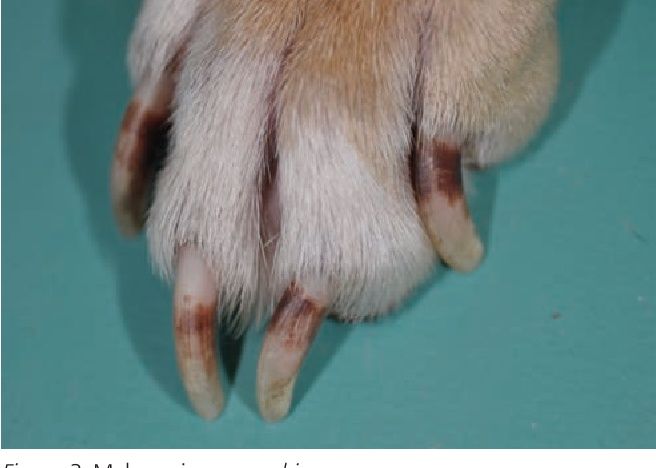
For dogs with dark pigment, finding the quick can be a challenge, but you can learn how to tell where to cut black dog nails to avoid accidental injury.
Using a high-quality grinder allows you to work in tiny, controlled increments, gradually reducing the length of the nail without the risk of pinching or splitting.
By making nail care a calm, predictable experience, you can protect your dog’s claws from the structural damage that often leads to painful infections.
Breaking the Cycle of Grooming Trauma: Why Dull Clippers Put Your Dog at Risk
One of the most common mistakes pet owners make is continuing to use dull, traditional clippers out of habit.
When clipper blades lose their sharpness, they no longer cut through the tough keratin of the nail cleanly.
Instead, they apply immense squeezing pressure to the nail shell, crushing the structure and causing microscopic fractures along the shaft.
This crushing force is painful for your dog, often causing them to pull away and associate grooming with discomfort.
These small, invisible structural cracks weaken the claw, making it much more likely to split or peel when your dog runs on hard ground.
Over time, these open cracks collect dirt, moisture, and bacteria from the environment, setting the stage for a painful infected dog nail bed.
Rushing through nail trims to get them over with is another common pitfall that often leads to accidental quicking and injury.
If you want to keep your grooming sessions safe and stress-free, choosing a quiet, reliable tool is essential.
Investing in a premium low noise dog nail grinder like the Zenpaw Maxpro helps you trim with confidence and precision.
With its controlled, incremental filing action, you can easily avoid the quick while leaving a perfectly smooth, polished finish.
This gentle approach protects the structural integrity of your dog’s claws, helping to prevent the painful splits that can lead to infection.
Comparing Grooming Methods: Stress and Structural Integrity
| Feature / Impact | Zenpaw Maxpro Grinder | Traditional Guillotine Clippers | Standard High-Vibration Rotary Tools |
|---|---|---|---|
| Sound Level (dB) | Whisper-quiet (under 40dB) | No motor sound, but sharp physical clicking noise | Loud, high-pitched whining (above 70dB) |
| Physical Impact | Gentle, progressive microscopic filing | Aggressive crushing and pinching force | Intense, jarring vibration and rapid heat buildup |
| Risk of Splitting | Extremely low; polishes the keratin smooth | High; can easily split and crack dry claws | Moderate; can cause friction damage if held too long |
| Anxiety Rating | Low; very comforting for sensitive dogs | High; physical pressure often triggers a fear response | Extremely high; strong vibrations can startle pets |
Answers to Your Most Common Paw Care Questions
Is the Zenpaw Grinder safe and powerful enough for large dog breeds?
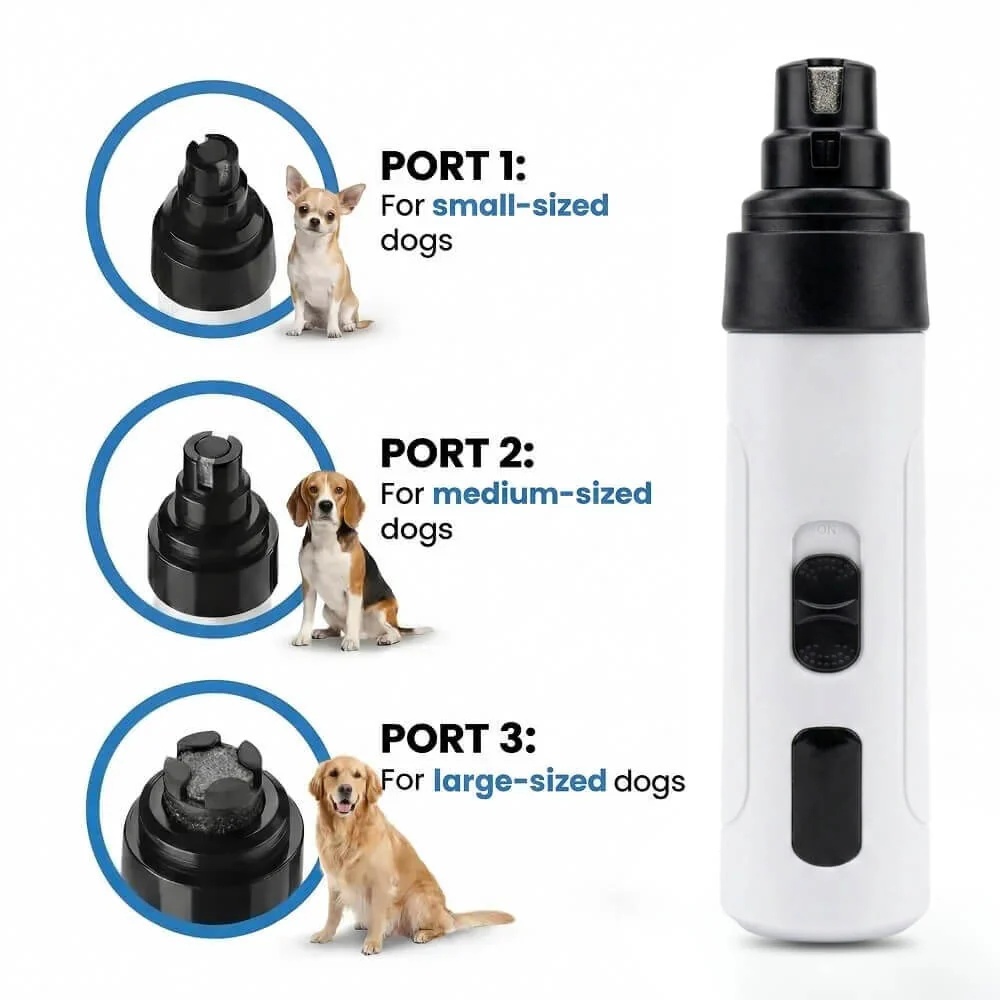
Yes, the Zenpaw Maxpro Grinder is specifically designed to handle claws of all sizes, from delicate puppies to extra-large breeds.
The safety cap features three distinct ports tailored to different nail sizes, allowing you to choose the perfect fit for your companion’s claws.
Its high-torque brass motor provides plenty of power to file down even thick, stubborn nails quickly and smoothly without slowing down under pressure.
By using the open port setting, you can easily access the entire tip of a large dog’s nail, making your grooming sessions fast and efficient.
How long does the battery last on a single charge?
The Zenpaw Maxpro Grinder features a premium lithium-ion battery that delivers up to 7 hours of continuous run time on a single charge.
This long-lasting performance means you can easily complete multiple grooming sessions without having to worry about recharging.
The convenient USB charging port allows you to power up the device using a laptop, power bank, or standard wall adapter.
Our reliable, long-lasting battery design ensures your grinder is always ready to go whenever your dog’s paws need a touch-up.
Which speed setting is best for my dog’s nails?
The grinder offers two adjustable speed settings so you can easily customize the grooming experience to suit your dog’s comfort level.
We recommend starting on the low-speed setting (first gear) when introducing the tool to a young puppy or an anxious dog.
This lower setting produces minimal vibration and sound, helping your pet stay relaxed as they get used to the sensation of filing.
Once your dog is comfortable, you can switch to the high-speed setting to quickly shape and shorten thick, dense claws with ease.
Does the grinder head get hot during use?
No, the Zenpaw Maxpro Grinder is engineered with advanced low-heat technology to prevent friction warmth from building up on the nail.
Traditional high-speed rotary tools can generate intense heat very quickly, which can cause sudden discomfort if held against the nail for too long.
Our premium diamond bit stone is designed to dissipate heat efficiently, keeping the grooming process cool and comfortable for your pet.
As a best practice, we still recommend working in short, two-second intervals on each nail to ensure a completely painless experience.
How can I safely clean my dog’s paw at home if they have a minor nail injury?
If your dog has a minor claw scrape, you can gently wash the paw with lukewarm water and a mild, pet-safe antiseptic soap.
Carefully pat the area completely dry with a clean towel, as keeping the paw dry is essential to prevent fungal growth.
Avoid using harsh chemicals like alcohol or hydrogen peroxide, which can sting and delay the natural healing process of the skin.
Always consult your veterinarian if you notice any signs of swelling, persistent licking, or ongoing discomfort to ensure your pet receives proper care.
Conclusion: Keep Your Companion’s Paws Safe, Smooth, and Happy
Protecting your dog’s paws from infection starts with maintaining strong, smooth, and healthy nails.
By choosing gentle, stress-free grooming practices, you can easily avoid the painful cracks and splits that allow harmful bacteria to take hold.
Ready to transform nail trimming from a battle into a breeze?
Explore the Zenpaw Maxpro 3-in-1 Grinder today.
Call our friendly team at 302-307-1000 — we are always here to help you find the best grooming practices and answer any product questions.
Note: Individual results may vary depending on individual dog breeds, nail thickness, and behavioral temperaments. This article is intended for general pet grooming reference purposes only and does not replace professional veterinary advice.